
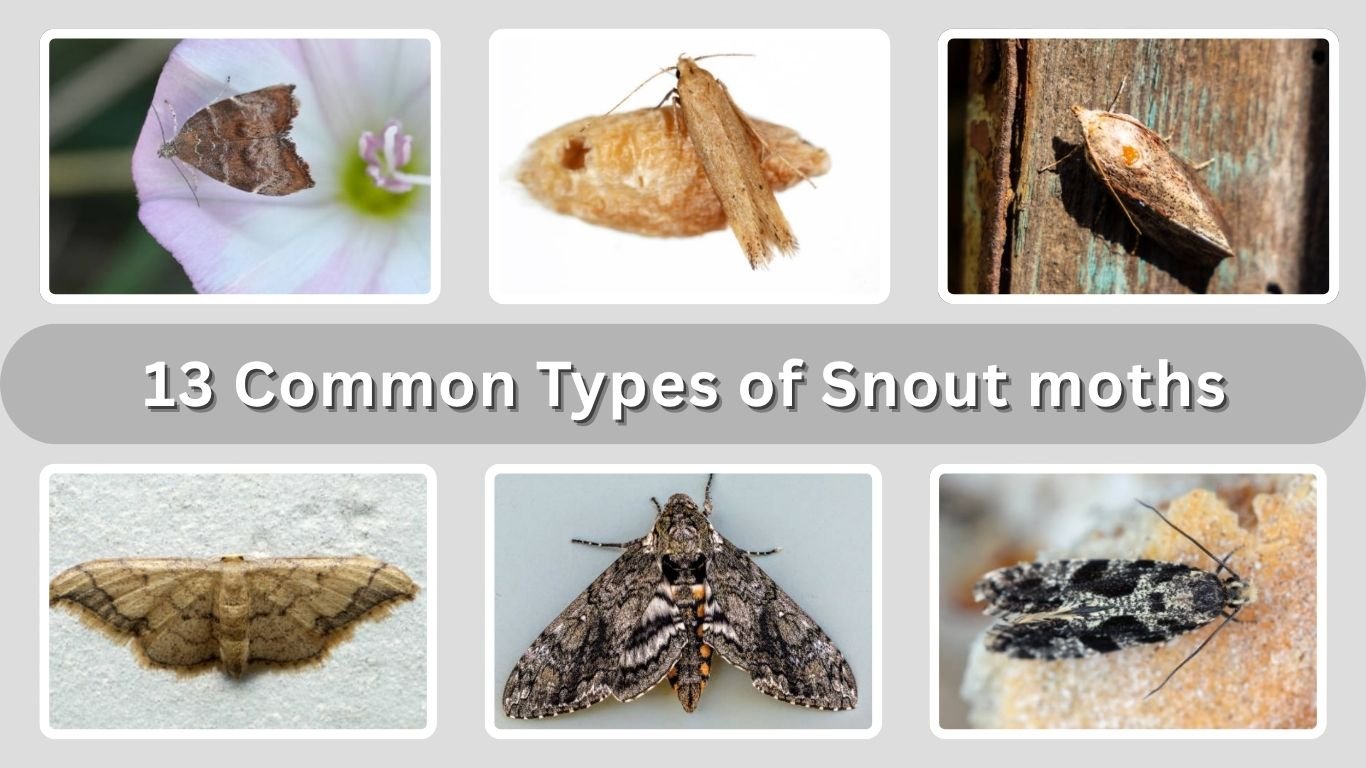
Snout moths are a diverse group of small moths recognized by their distinctive elongated mouthparts that resemble a “snout.” Belonging mainly to the family Pyralidae, these moths are commonly found in homes, storage areas, and natural environments. Many species are closely associated with stored food products, making them familiar household pests. While they are not harmful to humans, their larvae can contaminate food and cause damage. In this guide, you’ll discover 13 common types of snout moths, each with unique characteristics, habitats, and behaviors.
1. Meal Moth
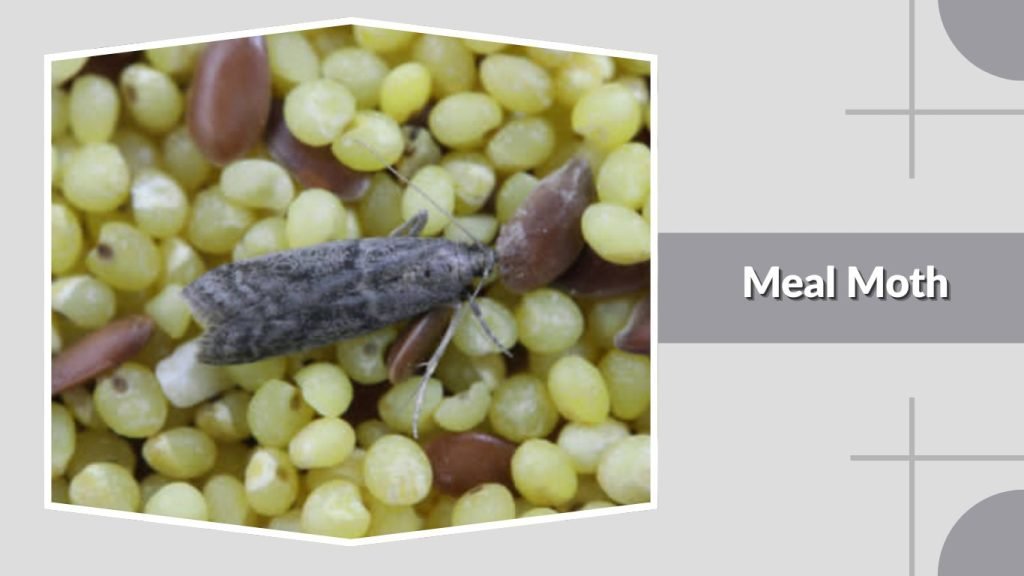
The Meal Moth is a common snout moth often associated with stored food products. It is widely found in homes, warehouses, and food storage areas, where it can become a minor pest. Although small and not very noticeable at first, it can quickly become a problem when it infests grains and pantry items. Its presence is usually detected when adult moths begin flying around kitchens or when food becomes contaminated.
Identification
- Small moth with a wingspan of about 20–30 mm
- Forewings are grayish-brown with darker wavy lines
- Hindwings are lighter, often pale gray
- Wings held roof-like over the body at rest
- Slender body with a slight snout-like projection
- Overall dull, muted coloration
Habitat
The Meal Moth is most commonly found indoors, especially in kitchens, pantries, and food storage facilities. It prefers warm environments where dry food products such as flour, grains, cereals, and pasta are available. Infestations often begin in poorly sealed containers or bulk storage areas. This moth rarely lives outdoors unless near human structures. During the day, it hides in dark corners, cracks, or inside cupboards, staying close to food sources.
Behaviors
This moth is mainly nocturnal and becomes active at night. Adults are attracted to light and may be seen flying near bulbs or windows. During the day, they remain hidden. They are weak fliers and usually stay close to infested food areas. Their activity increases in warm conditions, which supports faster reproduction and spread.
Diet and Lifecycle
The lifecycle includes egg, larva, pupa, and adult stages. Females lay eggs on food sources. Larvae feed on dry foods like flour and grains, often producing silk webbing. After feeding, they pupate in cracks or packaging. Adults emerge and repeat the cycle. Multiple generations can occur each year in warm indoor environments.
2. Indian Meal Moth
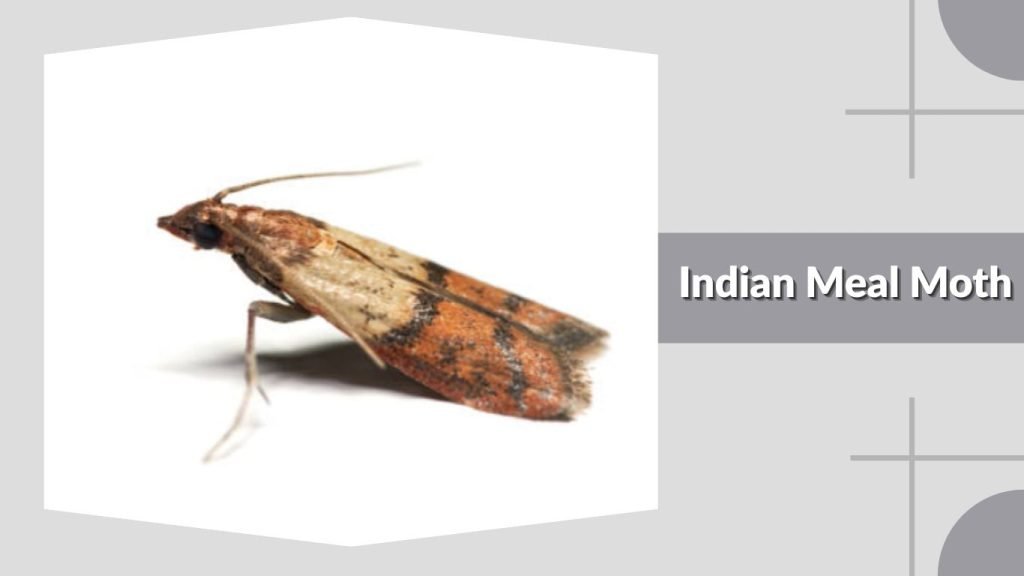
The Indian Meal Moth is one of the most common pantry pests worldwide, often found in stored food products. It is easily recognized by its two-toned wings and is frequently seen in kitchens and food storage areas. Despite its small size, it can quickly spread and contaminate a wide range of dry foods.
Identification
- Small moth with a wingspan of about 16–20 mm
- Forewings have a distinctive two-tone pattern: pale gray near the base and reddish-brown toward the tips
- Hindwings are light gray with fringed edges
- Wings held roof-like over the body at rest
- Slender body with a noticeable snout-like projection
- More colorful and distinct than many other pantry moths
Habitat
The Indian Meal Moth is commonly found in homes, grocery stores, warehouses, and food processing areas. It thrives in warm indoor environments where dry food products such as grains, flour, nuts, seeds, and dried fruits are stored. Infestations often begin in improperly sealed containers or packaged foods. This moth rarely survives outdoors and stays close to human food sources. During the day, it hides in cracks, cupboards, or near stored food.
Behaviors
This moth is primarily nocturnal and becomes active at night. It is attracted to light and may be seen flying near lamps or windows. Adults are weak fliers and usually remain close to infested areas. Larvae are more destructive than adults, as they actively feed and spread within food sources. Activity increases in warm conditions, allowing rapid population growth.
Diet and Lifecycle
The lifecycle includes egg, larva, pupa, and adult stages. Females lay eggs directly on food products. Larvae feed on grains, cereals, nuts, and dried fruits, often leaving behind silk webbing and waste. After feeding, they pupate in crevices or packaging. Adults emerge and continue the cycle, with multiple generations per year in favorable conditions.
3. Mediterranean Flour Moth
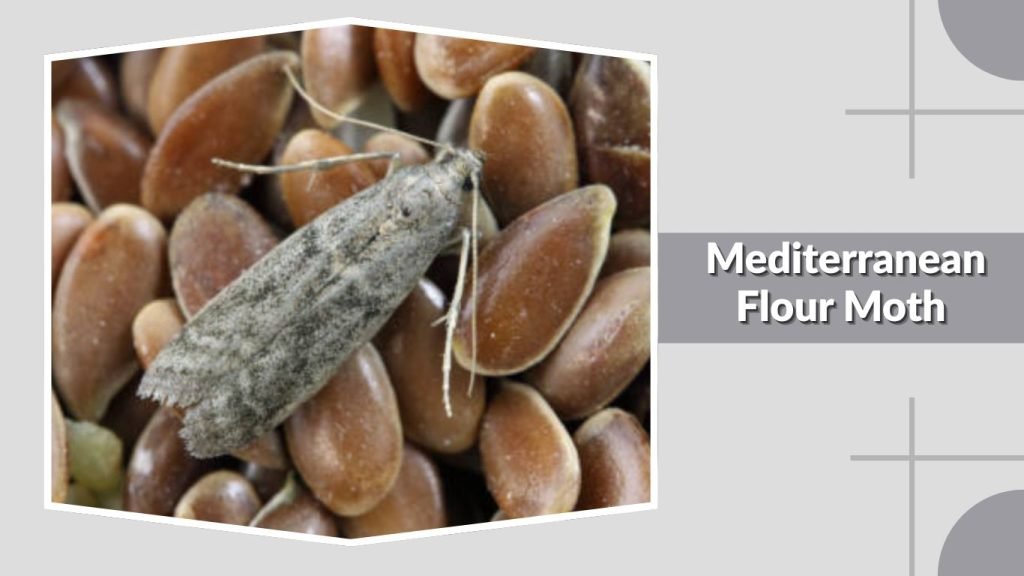
The Mediterranean Flour Moth is a well-known snout moth that commonly infests stored grain products. It is frequently found in flour mills, bakeries, and kitchens, where it can become a serious pest. Its larvae are especially damaging, as they contaminate food and create webbing that can clog machinery in large facilities.
Identification
- Small moth with a wingspan of about 20–25 mm
- Forewings are gray with darker zigzag or wavy patterns
- Hindwings are pale gray or whitish
- Wings held roof-like over the body at rest
- Slender body with a noticeable snout-like projection
- Overall appearance is dusty gray and mottled
Habitat
The Mediterranean Flour Moth is commonly found in flour mills, bakeries, warehouses, and household kitchens. It prefers environments where flour, grains, cereals, and other dry food products are stored. This species thrives in warm indoor conditions and is rarely found outdoors. It often hides in cracks, storage containers, or near food supplies during the day, staying close to its feeding sources.
Behaviors
This moth is primarily nocturnal and becomes active at night. Adults are attracted to light and may be seen flying around lamps or windows. They are weak fliers and tend to stay near infested areas. The larvae are more active and destructive, producing silk webbing that can bind food particles together and create clumps.
Diet and Lifecycle
The lifecycle includes egg, larva, pupa, and adult stages. Females lay eggs on flour or grain products. Larvae feed on these materials, often contaminating them with silk and waste. After feeding, they pupate in cracks or nearby surfaces. Adults emerge and continue the cycle, with several generations possible each year in warm conditions.
4. Almond Moth
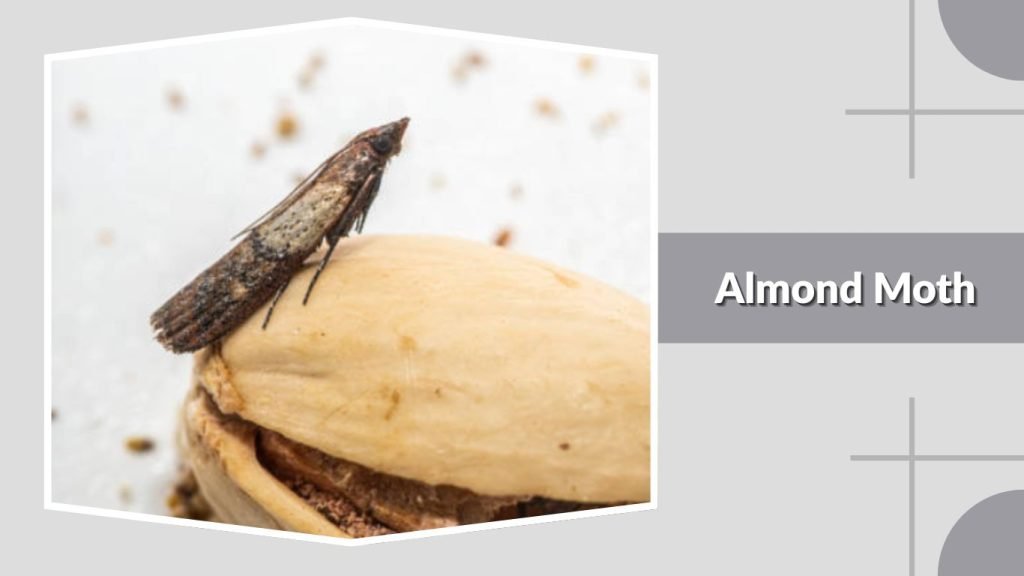
The Almond Moth is a common snout moth associated with stored food products, especially nuts and grains. It is widely found in warm regions and frequently infests warehouses, food storage areas, and homes. Although small, it can cause significant contamination in stored foods if left unchecked.
Identification
- Small moth with a wingspan of about 15–20 mm
- Forewings are grayish-brown with faint darker markings
- Hindwings are pale gray and slightly translucent
- Wings held roof-like over the body at rest
- Slender body with a slight snout-like projection
- Appearance is similar to other pantry moths but slightly narrower
Habitat
The Almond Moth is commonly found in food storage environments such as warehouses, mills, grocery stores, and household pantries. It prefers warm climates and thrives in areas where nuts, grains, dried fruits, and cereals are stored. This species is rarely found far from human food supplies. During the day, it hides in cracks, packaging, or dark corners near infested food.
Behaviors
This moth is mainly nocturnal and becomes active at night. It is attracted to light and may be seen flying near lamps or windows. Adults are weak fliers and tend to remain close to infested food sources. Larvae are the most destructive stage, actively feeding and spreading within stored products.
Diet and Lifecycle
The lifecycle includes egg, larva, pupa, and adult stages. Females lay eggs directly on food sources. Larvae feed on nuts, grains, cereals, and dried fruits, often producing silk webbing. After feeding, they pupate in crevices or packaging. Adults emerge and repeat the cycle, with multiple generations possible each year in warm environments.
5. Raisin Moth
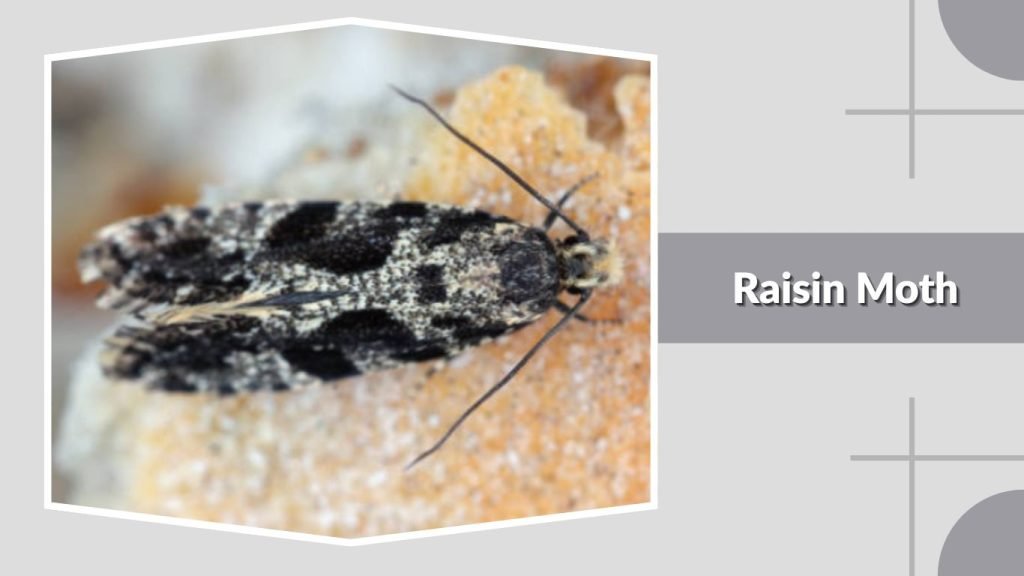
The Raisin Moth is a small snout moth commonly associated with stored dried fruits and similar food products. It is widely distributed in warm regions and is often found in warehouses, food storage areas, and homes. This species can become a pest by contaminating stored goods.
Identification
- Small moth with a wingspan of about 12–18 mm
- Forewings are grayish-brown with faint darker markings
- Hindwings are pale and slightly translucent
- Wings held roof-like over the body at rest
- Slender body with a noticeable snout-like projection
- Overall appearance is plain and slightly mottled
Habitat
The Raisin Moth is commonly found in food storage areas such as warehouses, grocery stores, and household pantries. It prefers warm environments where dried fruits like raisins, dates, and figs are stored. It may also infest grains and other dry food products. This moth rarely lives outdoors and stays close to human food supplies. During the day, it hides in cracks, packaging, or dark areas near food sources.
Behaviors
This moth is mainly nocturnal and becomes active at night. It is attracted to artificial lights and may be seen flying near windows or lamps. Adults are weak fliers and usually remain near infested food. Larvae are the most active stage, feeding within food products and often going unnoticed until damage appears.
Diet and Lifecycle
The lifecycle includes egg, larva, pupa, and adult stages. Females lay eggs directly on dried fruits or other food materials. Larvae feed on these foods, contaminating them with silk and waste. After feeding, they pupate in nearby cracks or packaging. Adults emerge and continue the cycle, with multiple generations occurring in warm conditions.
6. Tobacco Moth
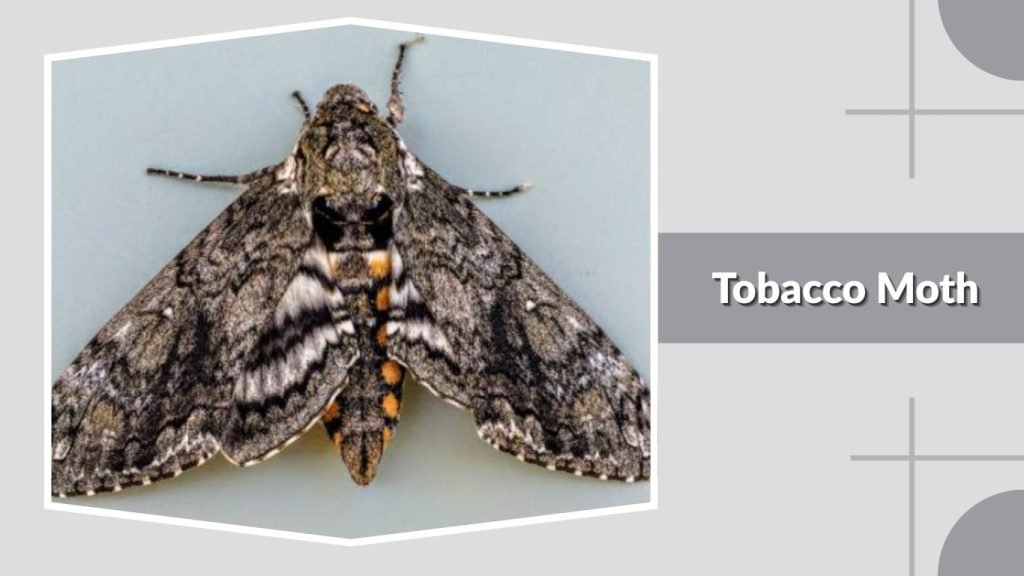
The Tobacco Moth is a small snout moth known for infesting stored tobacco and related products. It is commonly found in warehouses, factories, and sometimes homes where tobacco is stored. This species can also infest other dried plant materials, making it a minor pest in storage environments.
Identification
- Small moth with a wingspan of about 12–18 mm
- Forewings are light brown to tan with a slightly uniform color
- Hindwings are pale and fringed
- Wings held roof-like over the body at rest
- Slender body with a noticeable snout-like projection
- Overall smooth and less patterned appearance
Habitat
The Tobacco Moth is typically found in tobacco storage facilities, warehouses, and processing areas. It prefers warm, dry environments where tobacco leaves, cigars, or related products are stored. It may also be found in homes if tobacco or dried plant materials are present. During the day, it hides in cracks, packaging, or dark corners close to its food source.
Behaviors
This moth is mainly nocturnal and becomes active at night. It is attracted to light and may occasionally be seen flying indoors. Adults are weak fliers and usually stay close to infested materials. Larvae remain hidden within stored products, making infestations difficult to detect early.
Diet and Lifecycle
The lifecycle includes egg, larva, pupa, and adult stages. Females lay eggs on tobacco or similar materials. Larvae feed on dried leaves and plant matter, sometimes damaging stored products. After feeding, they pupate in sheltered areas such as packaging or crevices. Adults emerge and repeat the cycle, with multiple generations possible in warm conditions.
7. Wax Moth
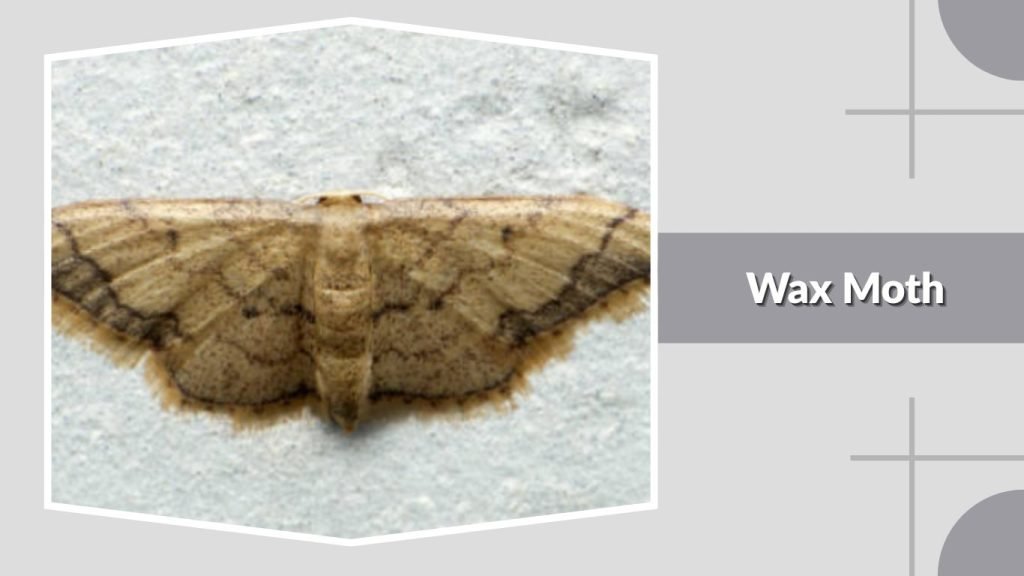
The Wax Moth is a snout moth commonly associated with beehives and stored wax products. It is known for damaging honeycombs by feeding on beeswax and other hive materials. This species is found worldwide, especially in areas where beekeeping is common.
Identification
- Small to medium moth with a wingspan of about 20–30 mm
- Forewings are grayish-brown with a slightly mottled appearance
- Hindwings are lighter, often pale gray
- Wings held roof-like over the body at rest
- Slender body with a noticeable snout-like projection
- Overall dull coloration that blends with hive materials
Habitat
The Wax Moth is commonly found in beehives, apiaries, storage areas for honeycomb, and sometimes in buildings where wax products are stored. It prefers warm environments and is closely associated with honeybee colonies. While it can survive outdoors, it is most often found in or near hives where food sources are available. During the day, it hides in cracks, hive corners, or dark sheltered areas.
Behaviors
This moth is mainly nocturnal and becomes active at night. Adults may enter beehives to lay eggs, especially in weak or unguarded colonies. They are attracted to warm environments and may also be drawn to light. Larvae are the most destructive stage, tunneling through wax and leaving behind silk webbing.
Diet and Lifecycle
The lifecycle includes egg, larva, pupa, and adult stages. Females lay eggs in beehives or wax storage areas. Larvae feed on beeswax, pollen, and debris within the hive, often causing structural damage. After feeding, they pupate in crevices or protected areas. Adults emerge and continue the cycle, with multiple generations possible in warm conditions.
8. Greater Wax Moth
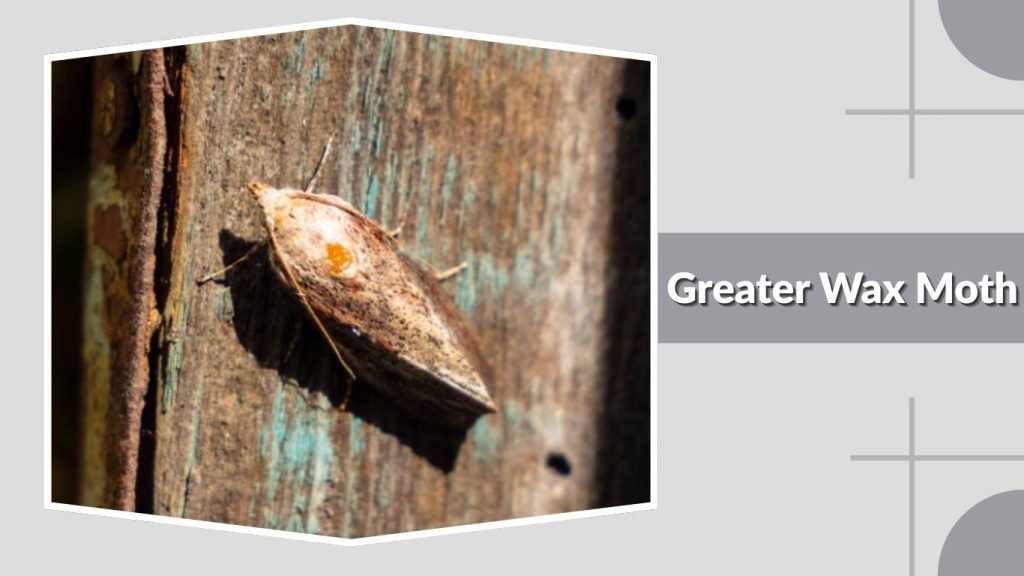
The Greater Wax Moth is a well-known snout moth that is a major pest of beehives. It is larger than most related species and can cause serious damage to honeycombs. Found worldwide, it is especially common in warm regions where beekeeping is practiced.
Identification
- Medium-sized moth with a wingspan of about 30–40 mm
- Forewings are gray to brown with darker mottled patterns
- Hindwings are lighter, often pale gray
- Wings held roof-like over the body at rest
- Body is slightly thicker than smaller snout moths
- Noticeable snout-like projection at the front
Habitat
The Greater Wax Moth is commonly found in beehives, apiaries, and storage areas for honeycomb. It prefers warm environments and is closely associated with honeybee colonies. It is most often found in weak or abandoned hives where bees cannot defend against infestation. During the day, it hides in cracks, hive corners, or dark sheltered areas near wax materials.
Behaviors
This moth is primarily nocturnal and becomes active at night. Females enter hives to lay eggs, often avoiding detection by bees. Adults may also be attracted to light. The larvae are highly destructive, tunneling through wax and creating silk-lined galleries that damage the hive structure.
Diet and Lifecycle
The lifecycle includes egg, larva, pupa, and adult stages. Females lay eggs inside hives or on stored comb. Larvae feed on beeswax, pollen, and organic debris, causing significant damage. After feeding, they pupate in crevices or protected areas. Adults emerge and continue the cycle, with multiple generations possible in warm conditions.
9. Lesser Wax Moth
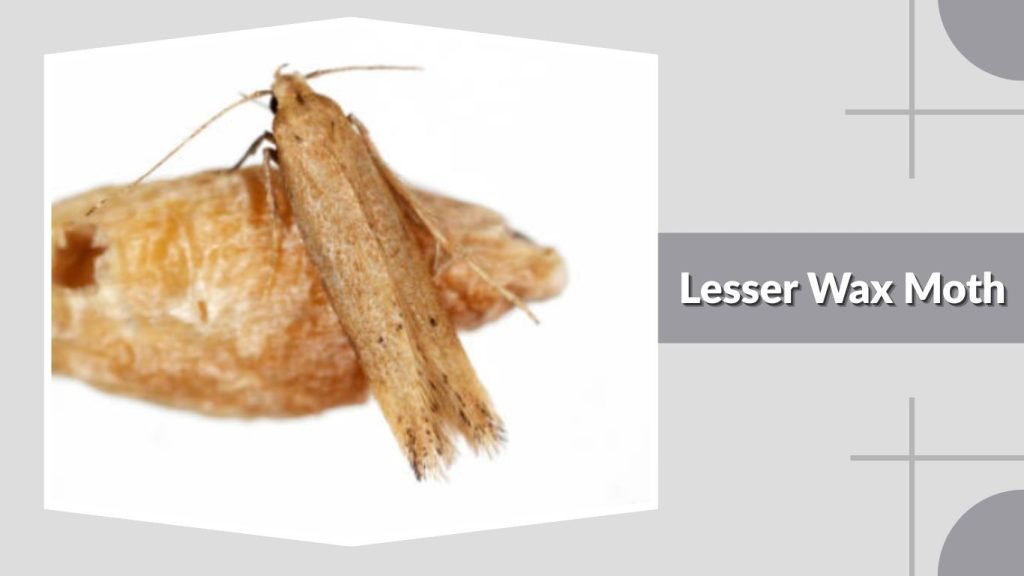
The Lesser Wax Moth is a smaller relative of the Greater Wax Moth and is also associated with beehives. Although less destructive, it can still damage honeycombs, especially in weak or poorly maintained colonies. It is widely distributed and commonly found wherever bees are present.
Identification
- Small moth with a wingspan of about 20–25 mm
- Forewings are narrow and grayish-brown with faint markings
- Hindwings are pale and fringed
- Wings held roof-like over the body at rest
- Slender body with a noticeable snout-like projection
- Smaller and less robust than the Greater Wax Moth
Habitat
The Lesser Wax Moth is commonly found in beehives, apiaries, and areas where honeycomb is stored. It prefers warm environments and is often associated with weak or unattended hives. This species may also be found in stored wax or hive materials. During the day, it hides in cracks, crevices, or sheltered areas within or near the hive.
Behaviors
This moth is mainly nocturnal and becomes active at night. Adults may enter hives to lay eggs, usually avoiding strong bee colonies. They are sometimes attracted to light. Larvae are less aggressive than those of the Greater Wax Moth but still tunnel through wax and create silk-lined passages.
Diet and Lifecycle
The lifecycle includes egg, larva, pupa, and adult stages. Females lay eggs in beehives or on stored comb. Larvae feed on beeswax, pollen, and debris, causing minor to moderate damage. After feeding, they pupate in cracks or protected areas. Adults emerge and continue the cycle, with multiple generations possible in warm conditions.
10. White-shouldered House Moth
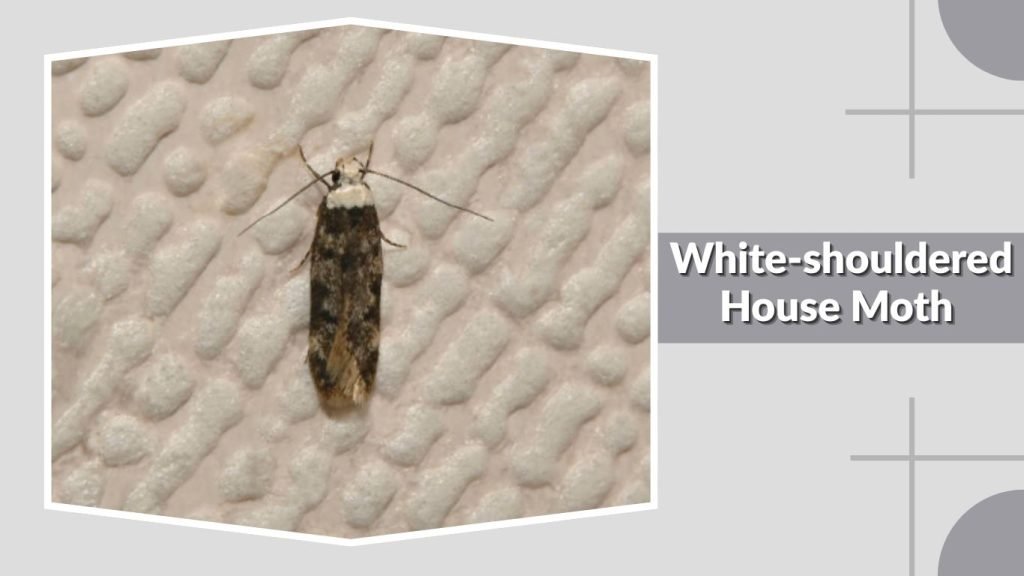
The White-shouldered House Moth is a small indoor snout moth often found in homes and buildings. It is known for its distinctive pale shoulder patches and association with stored food and organic materials. This species is commonly seen resting on walls or ceilings.
Identification
- Small moth with a wingspan of about 15–20 mm
- Forewings are dark brown with lighter speckles
- Distinct white or pale patches near the “shoulder” area of the wings
- Hindwings are lighter and less patterned
- Wings held roof-like over the body at rest
- Slender body with a slight snout-like projection
Habitat
The White-shouldered House Moth is commonly found indoors in houses, kitchens, storage rooms, and warehouses. It prefers warm environments where food or organic materials are available. This species may also be found in bird nests or sheltered outdoor areas. During the day, it rests on walls, ceilings, or inside cupboards, often near food sources.
Behaviors
This moth is mainly nocturnal and becomes active at night. It may be attracted to artificial lights and is often seen flying indoors. During the day, it remains still in sheltered spots. Adults are weak fliers and usually stay close to where they developed. Their presence is often noticed when they rest in visible indoor areas.
Diet and Lifecycle
The lifecycle includes egg, larva, pupa, and adult stages. Females lay eggs on food materials or organic debris. Larvae feed on grains, cereals, and other stored products, sometimes also feeding on animal-based materials. After feeding, they pupate in cracks or hidden areas. Adults emerge and continue the cycle, with multiple generations possible indoors.
11. Brown House Moth
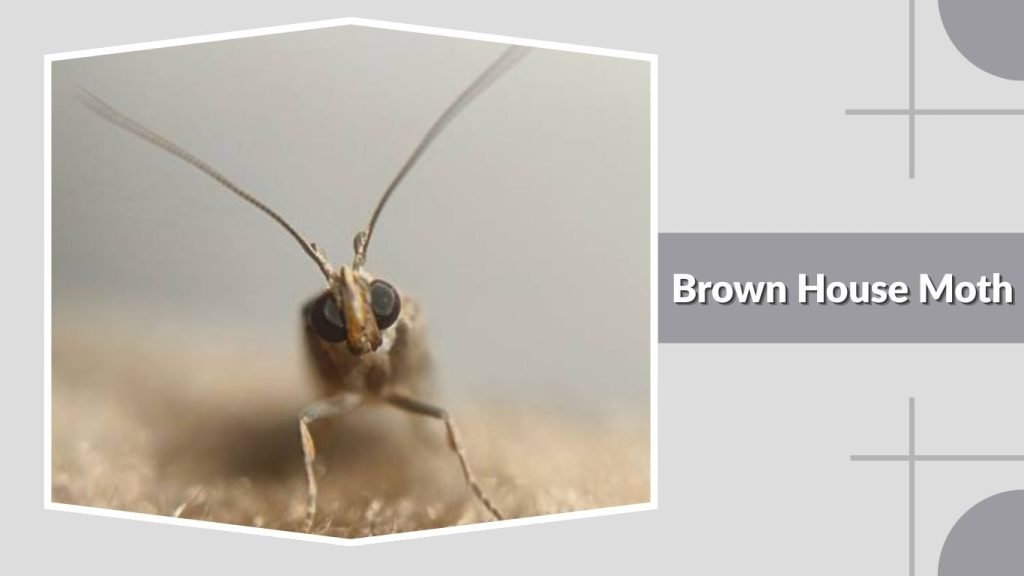
The Brown House Moth is a common indoor snout moth often found in homes, warehouses, and storage areas. It is known for its adaptability and ability to feed on a wide range of materials. Although not always noticed, it can become a nuisance when populations increase.
Identification
- Small moth with a wingspan of about 18–25 mm
- Forewings are brown with darker mottled or speckled patterns
- Hindwings are lighter, often pale brown or gray
- Wings held roof-like over the body at rest
- Slender body with a slight snout-like projection
- Overall appearance is dull and camouflaged
Habitat
The Brown House Moth is commonly found indoors in homes, kitchens, storage rooms, and warehouses. It prefers warm, sheltered environments where food or organic materials are available. This species is highly adaptable and may also be found in bird nests or outdoor structures. During the day, it rests on walls, ceilings, or hidden corners near food sources.
Behaviors
This moth is mainly nocturnal and becomes active at night. It is sometimes attracted to artificial lights and may be seen flying indoors. During the day, it remains still in sheltered areas. Adults are weak fliers and usually stay close to where they developed. Their presence is often noticed when they gather in indoor spaces.
Diet and Lifecycle
The lifecycle includes egg, larva, pupa, and adult stages. Females lay eggs on a variety of materials. Larvae feed on grains, cereals, dried foods, and sometimes animal-based materials like wool or feathers. After feeding, they pupate in cracks or hidden spaces. Adults emerge and continue the cycle, with multiple generations possible indoors.
12. Pantry Moth
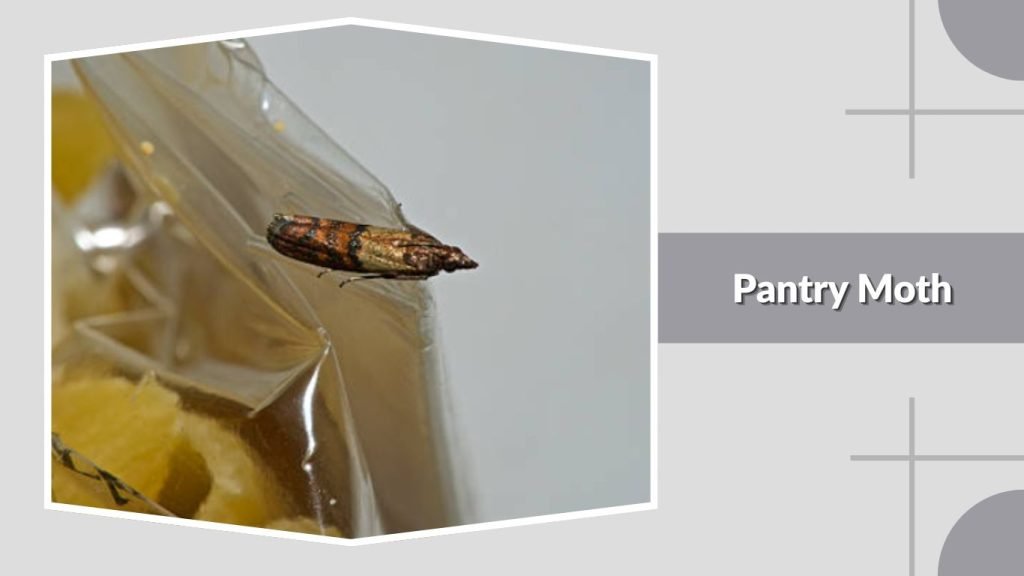
The Pantry Moth is a common household pest closely associated with stored food products. It is often confused with the Indian Meal Moth but is used as a general name for moths found infesting pantry items. These moths are frequently seen flying in kitchens and storage areas.
Identification
- Small moth with a wingspan of about 15–20 mm
- Forewings often show a two-toned pattern with pale and reddish-brown areas
- Hindwings are light gray and slightly translucent
- Wings held roof-like over the body at rest
- Slender body with a noticeable snout-like projection
- Appearance varies slightly depending on species
Habitat
The Pantry Moth is commonly found in kitchens, cupboards, grocery stores, and food storage facilities. It prefers warm indoor environments where dry food products such as grains, flour, cereals, nuts, and dried fruits are stored. Infestations often begin in packaged foods and spread quickly if not controlled. During the day, it hides in cracks, containers, or dark corners near food sources.
Behaviors
This moth is mainly nocturnal and becomes active at night. It is attracted to artificial lights and may be seen flying around kitchens. Adults are weak fliers and usually stay close to infested food areas. Their presence is often the first sign of an infestation.
Diet and Lifecycle
The lifecycle includes egg, larva, pupa, and adult stages. Females lay eggs directly on food products. Larvae feed on stored foods, contaminating them with silk and waste. After feeding, they pupate in cracks or packaging. Adults emerge and continue the cycle, with multiple generations possible in warm indoor conditions.
13. Fig Moth
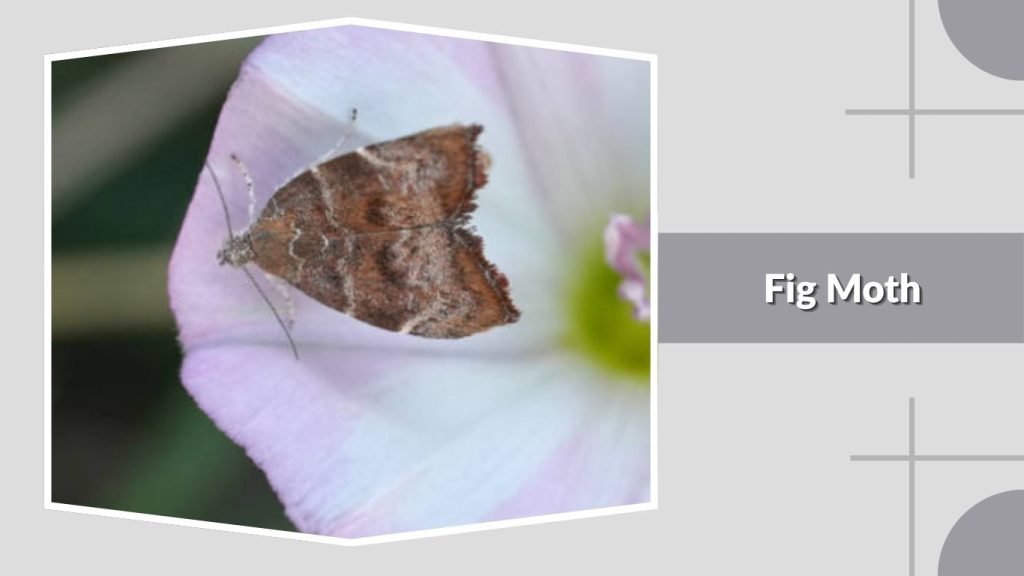
The Fig Moth is a small snout moth associated with fruits, especially figs and other soft dried fruits. It is commonly found in warm regions and can become a pest in orchards, storage areas, and homes where dried fruits are kept.
Identification
- Small moth with a wingspan of about 12–18 mm
- Forewings are light brown to grayish with faint markings
- Hindwings are pale and slightly translucent
- Wings held roof-like over the body at rest
- Slender body with a noticeable snout-like projection
- Overall appearance is plain and slightly dusty
Habitat
The Fig Moth is commonly found in orchards, gardens, food storage areas, and homes. It prefers warm environments where fruits such as figs, dates, and raisins are available. It may also infest dried fruits in pantries or warehouses. During the day, it hides in cracks, packaging, or sheltered areas near food sources.
Behaviors
This moth is mainly nocturnal and becomes active at night. It may be attracted to artificial lights and is sometimes seen flying indoors. Adults are weak fliers and usually stay close to infested food. Their activity increases in warm conditions, which helps them reproduce quickly.
Diet and Lifecycle
The lifecycle includes egg, larva, pupa, and adult stages. Females lay eggs on fruits or dried food products. Larvae feed on figs, dried fruits, and similar materials, often contaminating them. After feeding, they pupate in nearby cracks or sheltered areas. Adults emerge and continue the cycle, with multiple generations possible in warm environments.
FAQs
What are snout moths?
Snout moths are a group of moths known for their elongated mouthparts that form a “snout-like” appearance. They belong mainly to the family Pyralidae and are commonly found in homes, storage areas, and natural environments.
Why are snout moths found in homes?
Snout moths are often found indoors because many species feed on stored food products like grains, flour, and dried fruits. They enter homes through infested food packages or small openings and thrive in warm, sheltered conditions.
Are snout moths harmful?
Snout moths are not harmful to humans, but their larvae can contaminate food with silk, waste, and debris. This makes infested food unsafe to eat and leads to food waste, especially in kitchens and storage areas.
How do you get rid of snout moths?
To control snout moths, remove and discard infested food, clean storage areas thoroughly, and store food in airtight containers. Reducing humidity and sealing cracks can also help prevent reinfestation.
What do snout moth larvae eat?
Snout moth larvae feed on a variety of materials, depending on the species. Common foods include grains, flour, cereals, nuts, dried fruits, wax, and even tobacco or plant materials.
