

White butterflies are symbols of simplicity, purity, and natural beauty. With their soft, light-colored wings, they bring a calm and elegant presence to gardens, meadows, and forests. Although they may appear plain at first glance, many white butterflies have delicate patterns, subtle markings, and unique behaviors that make them fascinating to observe.
In this list, you will discover 13 types of white butterflies, each with distinct features, habitats, and characteristics that highlight their quiet charm and diversity in nature.
1. Cabbage White
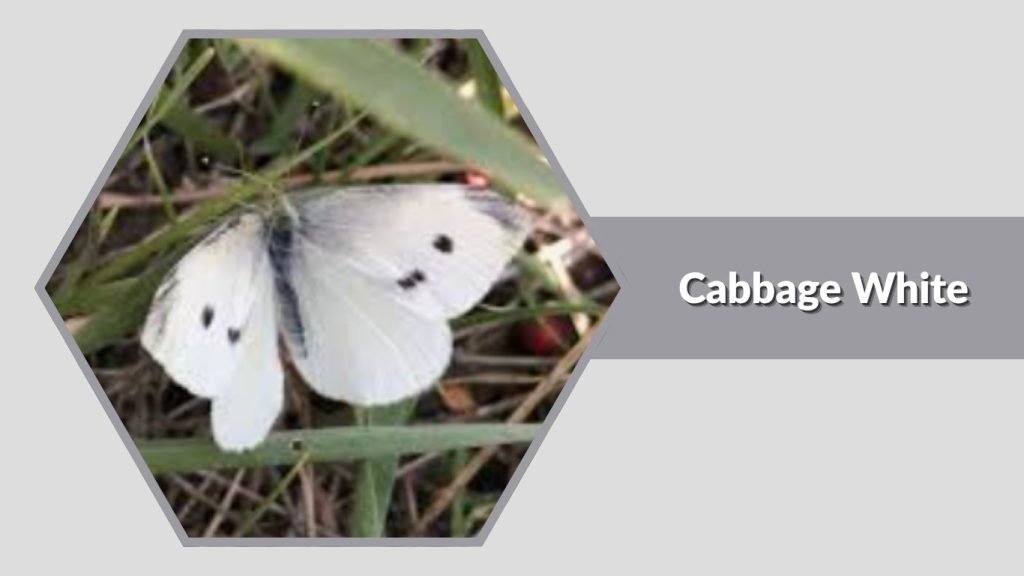
The Cabbage White is one of the most common and widely recognized white butterflies. Found across Europe, Asia, and North America, it is frequently seen in gardens and farmland, especially around vegetable crops.
Identification
- Small to medium butterfly with a wingspan of 1.5 to 2.5 inches
- White wings with black tips on the forewings
- One or two black spots on each forewing
- Females usually have two spots; males have one
- Light, fluttery flight
Color Pattern
The wings are mostly white with distinct black markings on the tips of the forewings. The black spots vary between males and females, making them easy to tell apart. The underside is pale with a slight yellowish tint.
Habitat
Cabbage Whites are commonly found in gardens, farmland, meadows, and urban areas. They prefer open spaces where host plants like cabbage, broccoli, and other cruciferous vegetables are available.
Behavior
These butterflies are active during the day and are often seen fluttering around plants. They frequently visit flowers for nectar and are known for laying eggs on vegetable crops, making them a common garden species.
2. Large White
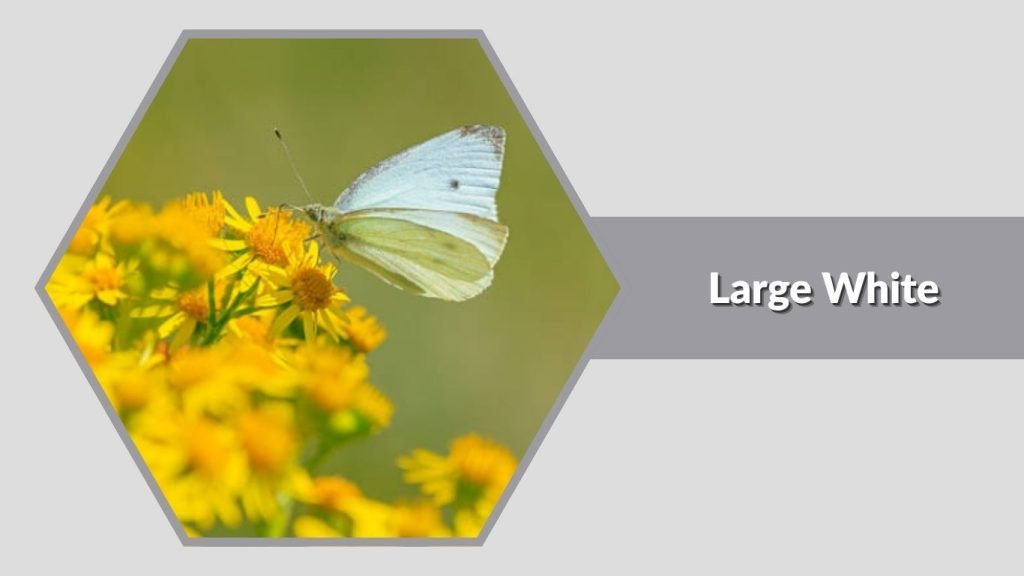
The Large White is a well-known white butterfly often seen in gardens and farmland. It is slightly bigger than the Cabbage White and is commonly found across Europe, Asia, and parts of Africa.
Identification
- Medium to large butterfly with a wingspan of 2 to 2.5 inches
- White wings with bold black tips on the forewings
- Females have two black spots; males have one
- Stronger and more direct flight than smaller whites
- No tail extensions
Color Pattern
The wings are bright white with prominent black markings on the forewing tips. Females display additional black spots, giving them a more patterned look. The underside is pale with a slight yellowish tint for camouflage.
Habitat
Large Whites are commonly found in gardens, fields, farmland, and open countryside. They are especially attracted to areas with cabbage and other cruciferous plants.
Behavior
These butterflies are active during the day and are strong fliers. They move steadily between plants while feeding on nectar and are often seen laying eggs on host plants in gardens and farms.
3. Small White
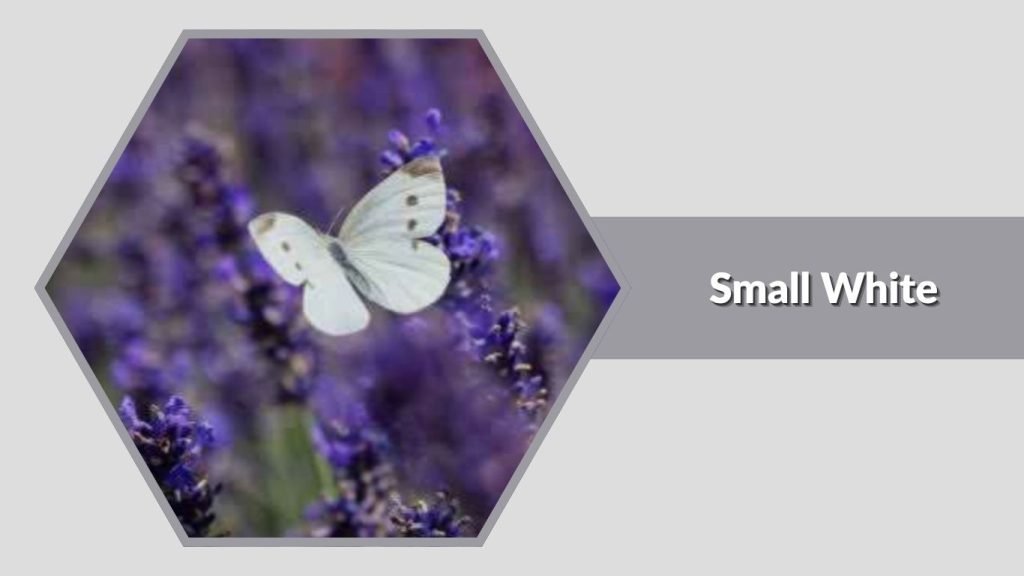
The Small White is a delicate and widespread butterfly, often seen fluttering around gardens and open fields. Despite its name, it is very similar to the Large White but smaller in size and lighter in appearance.
Identification
- Small butterfly with a wingspan of 1.5 to 2 inches
- White wings with black tips on forewings
- One black spot in males, two in females
- Slender body and gentle flight
- No tail extensions
Color Pattern
The wings are clean white with soft black tips on the forewings. Females usually have two black spots, while males have one. The underside has a pale yellowish tint, helping it blend into surroundings when resting.
Habitat
Small Whites are found in gardens, meadows, farmland, parks, and urban areas. They thrive in open environments where host plants like cabbage and mustard are available.
Behavior
These butterflies are active during the day and have a light, fluttery flight. They frequently visit flowers for nectar and are commonly seen around vegetable gardens, where they lay eggs on host plants.
4. Checkered White
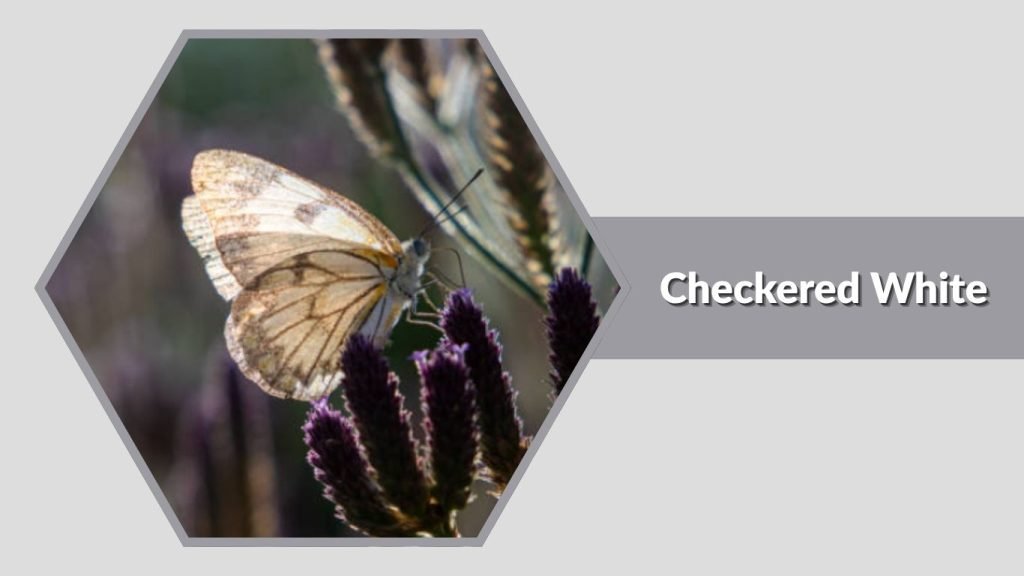
The Checkered White is a distinctive butterfly known for its patterned wings that set it apart from other plain white species. It is commonly found in North and Central America, especially in dry and open habitats.
Identification
- Small to medium butterfly with a wingspan of 1.5 to 2 inches
- White wings with black checkered markings
- More patterned than other white butterflies
- Females usually have darker markings
- Quick, fluttering flight
Color Pattern
The wings are white with a pattern of black or gray markings that create a checkered appearance. This pattern is more pronounced in females, while males may appear lighter with fewer markings.
Habitat
Checkered Whites prefer open, dry habitats such as deserts, grasslands, roadsides, and fields. They are often found in sunny areas with sparse vegetation and flowering plants.
Behavior
These butterflies are active during the day and are fast, erratic fliers. They frequently visit flowers for nectar and are often seen moving quickly across open spaces in search of food.
5. West Virginia White
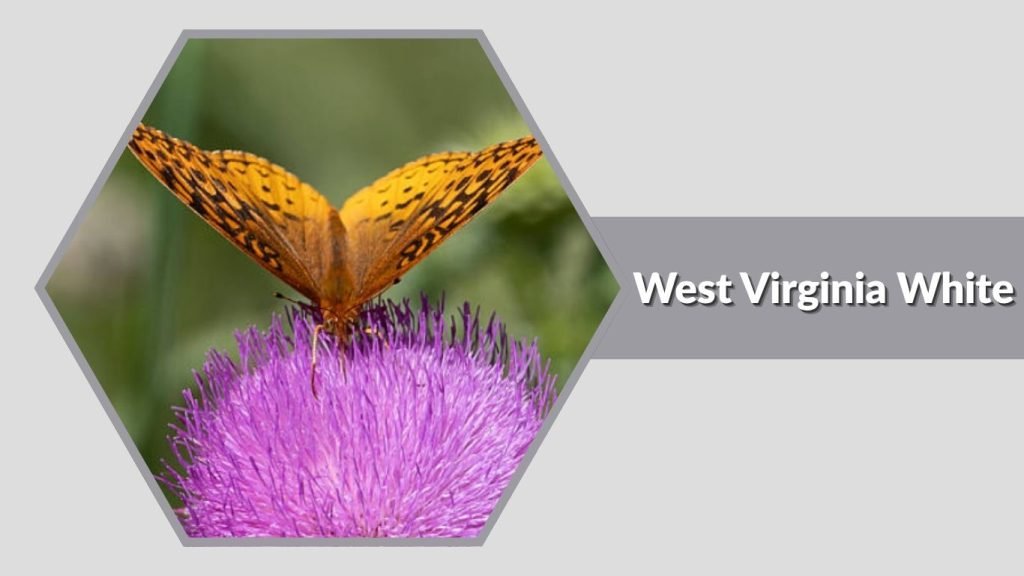
The West Virginia White is a delicate and less commonly seen butterfly known for its soft appearance and preference for shaded woodland habitats. It is native to parts of eastern North America.
Identification
- Small butterfly with a wingspan of 1.5 to 2 inches
- Pale white wings with slightly translucent look
- Faint gray or brown veins on wings
- No bold black markings
- Light, floating flight
Color Pattern
The wings are soft white with subtle grayish veins that give them a delicate, almost translucent appearance. Unlike many other white butterflies, it lacks strong black markings, making it appear more subtle and refined.
Habitat
West Virginia Whites prefer moist deciduous forests, woodland edges, and shaded areas. They are often found in cool, quiet environments where native woodland plants grow.
Behavior
These butterflies are gentle and slow fliers, often gliding quietly through shaded forests. They are active during the day and tend to stay low, occasionally visiting flowers for nectar.
6. Mustard White
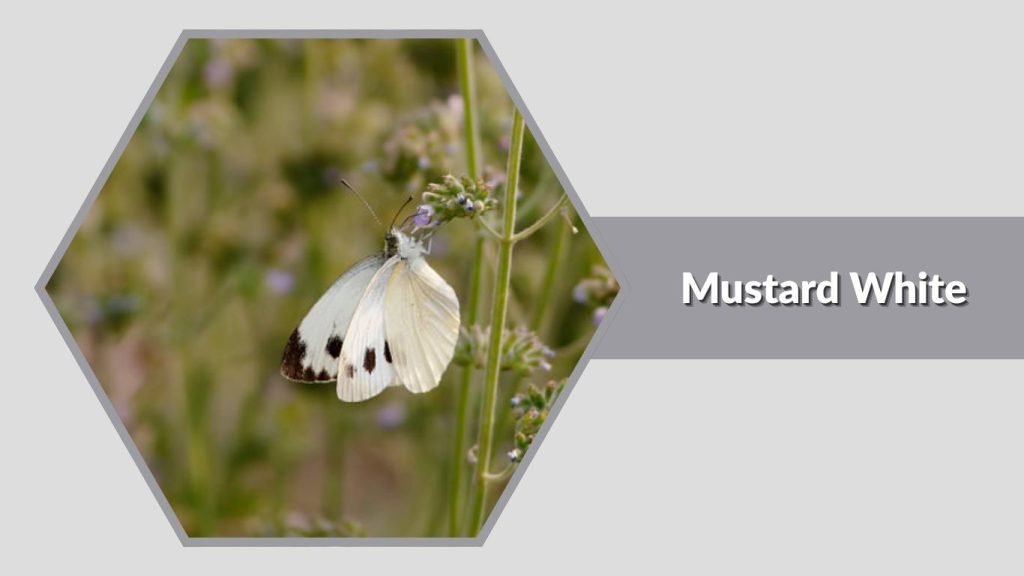
The Mustard White is a subtle and adaptable butterfly known for its seasonal color variations. It is commonly found in North America, especially in areas with mustard family plants.
Identification
- Small to medium butterfly with a wingspan of 1.5 to 2 inches
- White wings with faint dark markings
- Darker forewing tips, especially in summer form
- Seasonal variation in color and pattern
- Light, fluttery flight
Color Pattern
The wings are generally white but may show pale yellow or greenish tones on the underside. Summer forms often have darker tips on the forewings, while winter forms appear paler and less marked.
Habitat
Mustard Whites are found in open woodlands, meadows, gardens, and forest edges. They prefer areas where mustard plants and related species grow.
Behavior
These butterflies are active during the day and have a gentle, fluttering flight. They often move between flowers for nectar and lay eggs on host plants from the mustard family.
7. Pioneer White
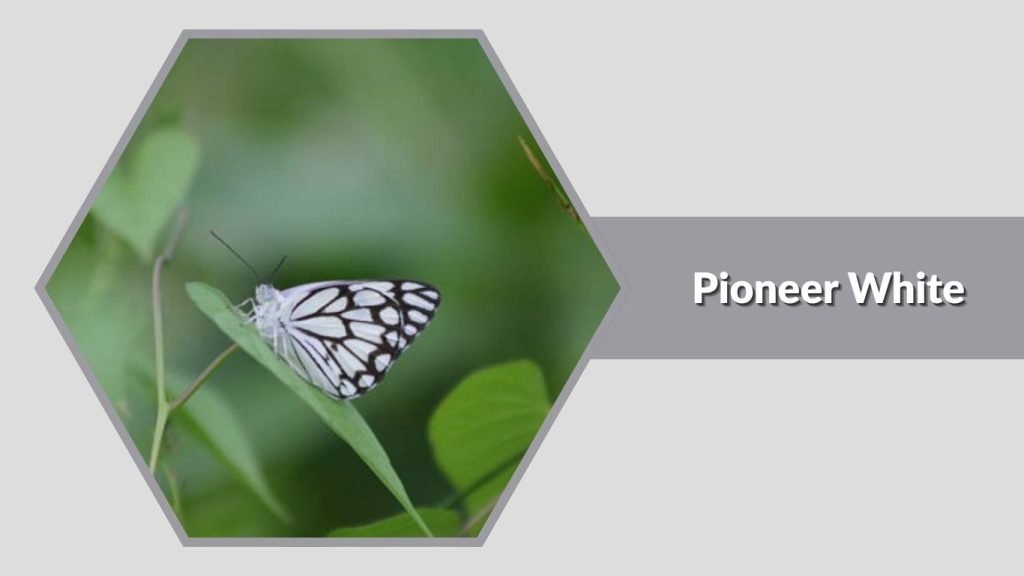
The Pioneer White is a bright and adaptable butterfly commonly found in the Americas. It is known for its clean white wings and ability to thrive in a variety of environments, especially open and sunny areas.
Identification
- Medium-sized butterfly with a wingspan of 2 to 2.5 inches
- White wings with dark gray or black markings
- Slightly pointed forewings
- Females often have more pronounced markings
- Quick, steady flight
Color Pattern
The wings are mostly white with subtle gray or black patterns, especially near the edges. The underside may show faint yellow or greenish tones, helping it blend into vegetation when resting.
Habitat
Pioneer Whites prefer open habitats such as fields, gardens, roadsides, and coastal areas. They are often found in warm climates with plenty of flowering plants.
Behavior
These butterflies are active during the day and are strong fliers. They frequently visit flowers for nectar and are often seen moving steadily across open spaces in search of food and suitable places to lay eggs.
8. Veined White
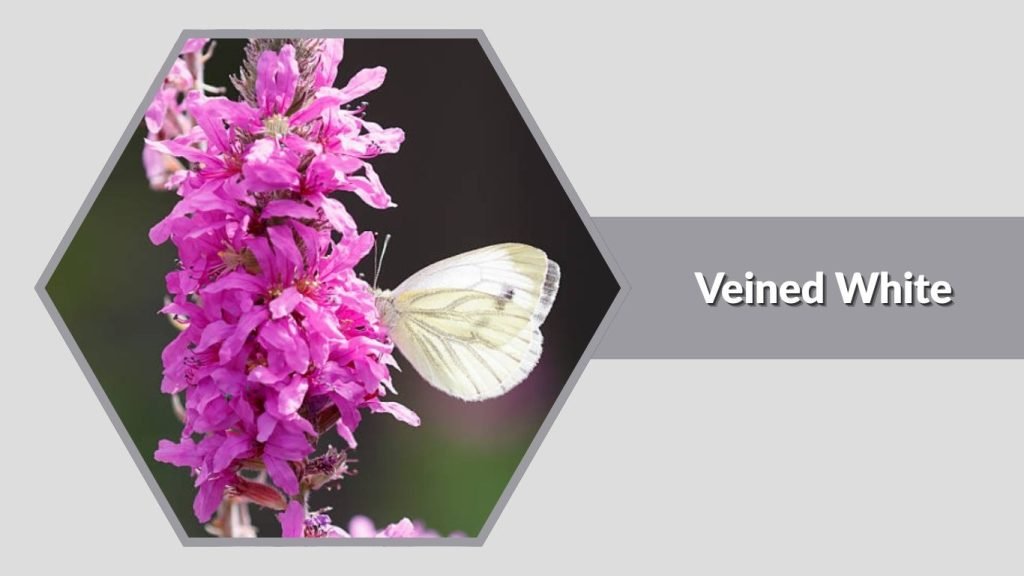
The Veined White is a graceful butterfly recognized for the delicate vein patterns visible on its wings. It is found in parts of Europe and Asia, often in open countryside and natural habitats.
Identification
- Medium-sized butterfly with a wingspan of 2 to 2.5 inches
- White wings with visible gray or black veins
- Rounded wing shape
- Subtle markings compared to other species
- Smooth, steady flight
Color Pattern
The wings are primarily white with clearly visible vein lines that give the butterfly its name. The underside may have a slightly yellowish tint, especially in warmer seasons.
Habitat
Veined Whites are commonly found in meadows, grasslands, forest edges, and rural areas. They prefer open spaces with plenty of wildflowers and host plants.
Behavior
These butterflies are active during the day and have a calm, steady flight. They often glide between flowers while feeding on nectar and are usually seen in sunny environments.
9. Green-veined White
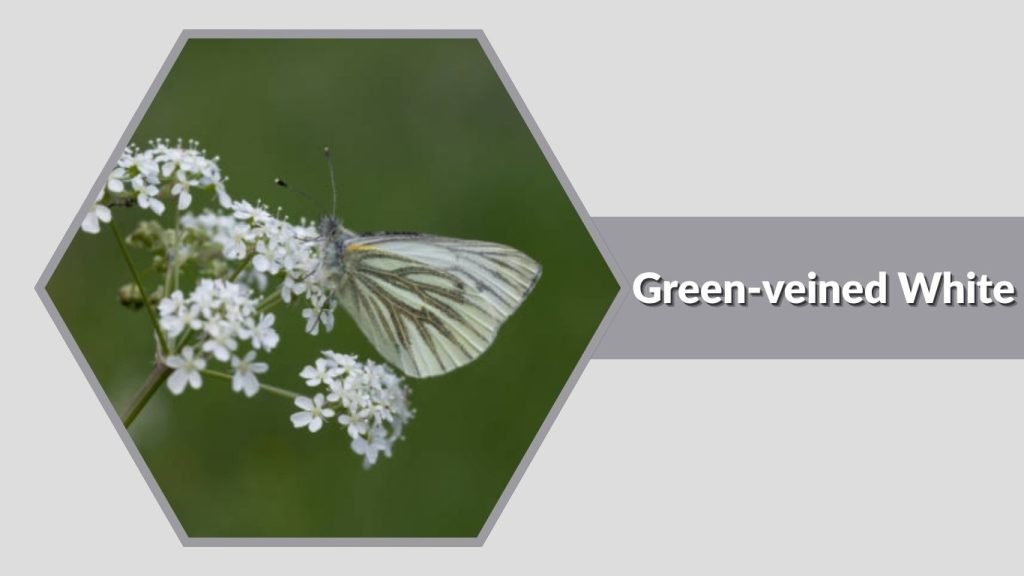
The Green-veined White is a delicate butterfly known for the greenish vein patterns on the underside of its wings. It is widely distributed across Europe and Asia.
Identification
- Small to medium butterfly with a wingspan of 1.5 to 2.5 inches
- White wings with dark tips on forewings
- Greenish veins on the underside
- Rounded wing shape
- Light, fluttery flight
Color Pattern
The upper side of the wings is white with subtle dark tips, while the underside shows distinct greenish veins. This pattern helps it blend into vegetation when resting.
Habitat
Green-veined Whites are found in meadows, gardens, hedgerows, and woodland edges. They prefer moist environments with abundant flowering plants.
Behavior
These butterflies are active during the day and have a gentle, fluttering flight. They frequently visit flowers for nectar and are often seen resting on leaves or low plants.
10. African Migrant
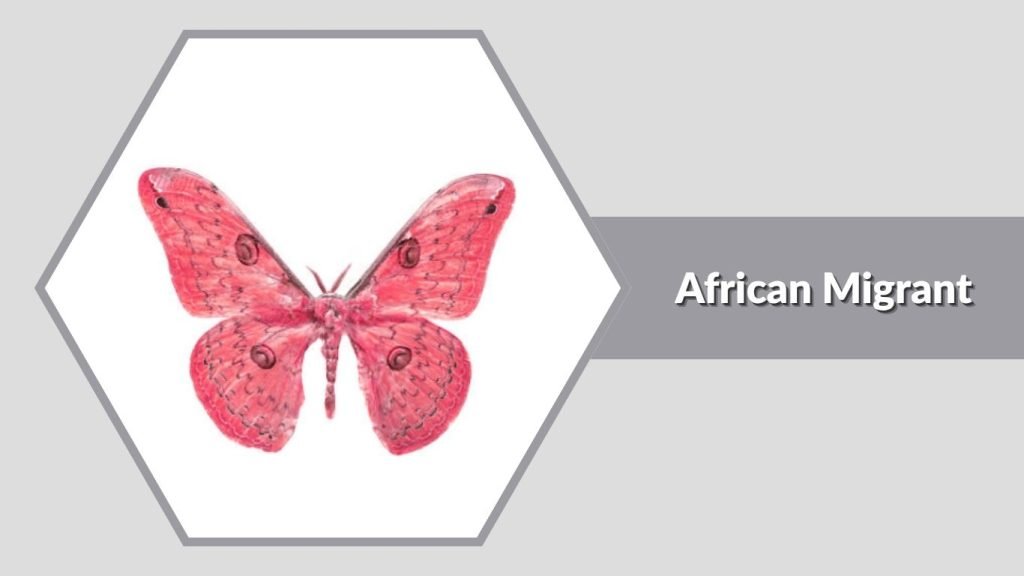
The African Migrant is a bright and active white butterfly known for its long-distance seasonal movements. It is commonly found across Africa, the Middle East, and parts of Asia, often appearing in large numbers during migration periods.
Identification
- Medium-sized butterfly with a wingspan of 2 to 2.5 inches
- White wings with slight yellow or greenish tint
- Dark tips on forewings
- Smooth, rounded wings
- Strong, fast flight
Color Pattern
The wings are mostly white but may show a pale yellow or greenish hue, especially on the underside. The forewings often have darker tips, adding contrast to the otherwise light coloration.
Habitat
African Migrants are found in open habitats such as grasslands, savannas, gardens, and farmland. They prefer warm climates and are often seen in areas with plenty of flowering plants.
Behavior
These butterflies are active during the day and are strong fliers. They are well known for migrating in large groups, traveling long distances in search of food and suitable breeding areas.
11. Common Jezebel (White Form)
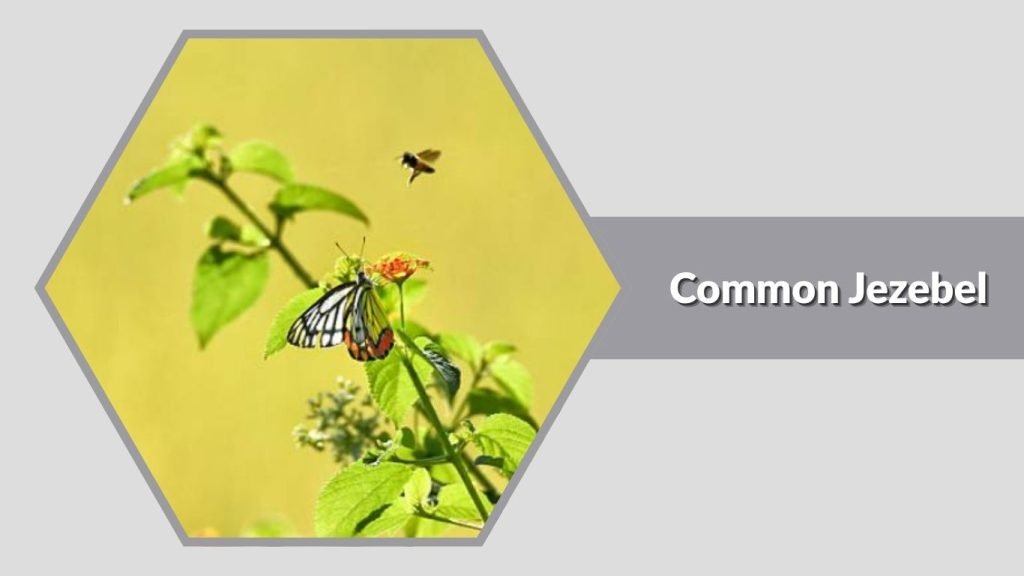
The Common Jezebel (white form) is a striking butterfly known for its pale upper wings and colorful underside. It is widely found in South and Southeast Asia and is often seen in gardens and wooded areas.
Identification
- Medium-sized butterfly with a wingspan of 2 to 2.5 inches
- White upper wings with black veins and borders
- Underside shows yellow, red, and black patterns
- Rounded wing shape
- Active, fluttering flight
Color Pattern
The upper side of the wings appears mostly white with bold black markings. In contrast, the underside is brightly colored with yellow, red, and black patterns, making it very eye-catching when the butterfly is at rest.
Habitat
Common Jezebels are found in forests, gardens, parks, and urban areas. They prefer regions with plenty of flowering plants and host trees such as mistletoe.
Behavior
These butterflies are active during the day and are often seen flying at moderate heights. They frequently visit flowers for nectar and are known for their steady and graceful flight.
12. Bath White
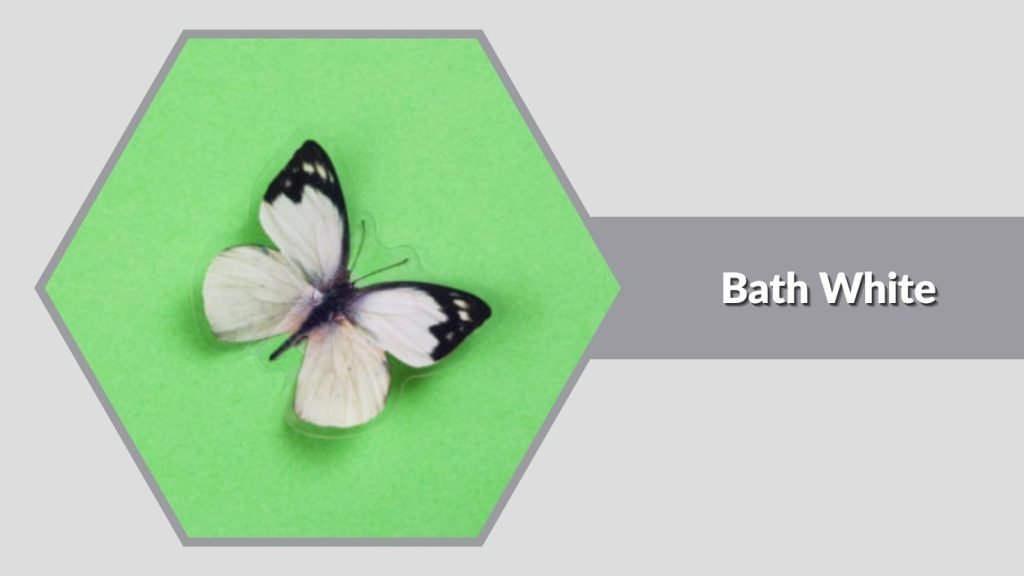
The Bath White is a delicate and lightly marked butterfly found across Europe, Asia, and parts of North Africa. It is known for its subtle patterns and seasonal migrations.
Identification
- Small to medium butterfly with a wingspan of 1.5 to 2 inches
- White wings with light gray or greenish markings
- Slightly pointed forewings
- Fine, delicate patterns on wings
- Quick, fluttering flight
Color Pattern
The wings are white with soft gray or greenish patterns, especially on the underside. These markings give it a gentle, marbled appearance that helps with camouflage among vegetation.
Habitat
Bath Whites prefer open habitats such as grasslands, fields, coastal areas, and roadsides. They are often found in warm, dry environments with plenty of flowering plants.
Behavior
These butterflies are active during the day and are fast, restless fliers. They frequently move between flowers for nectar and are sometimes seen migrating in search of suitable habitats.
13. Desert White
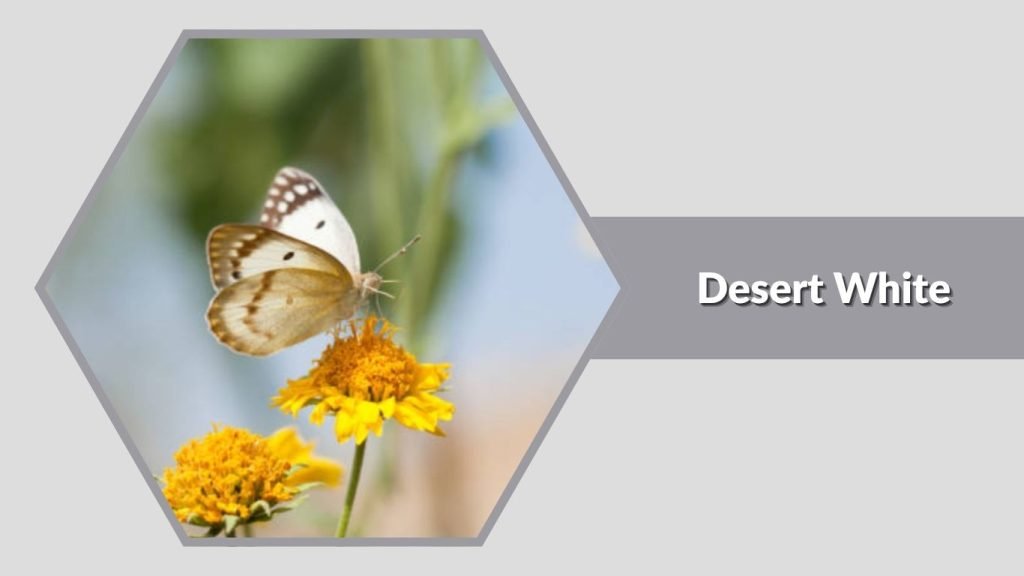
The Desert White is a hardy butterfly adapted to dry and arid environments. It is commonly found in North Africa, the Middle East, and parts of Asia, where it thrives in harsh desert conditions.
Identification
- Small to medium butterfly with a wingspan of 1.5 to 2 inches
- White wings with faint gray or brown markings
- Slightly pointed forewings
- Light and slender body
- Fast, fluttering flight
Color Pattern
The wings are mostly white with subtle gray or brown patterns, helping the butterfly blend into sandy surroundings. The underside is often slightly duller, providing additional camouflage.
Habitat
Desert Whites are found in dry, open habitats such as deserts, semi-arid regions, and scrublands. They prefer sunny environments with sparse vegetation and hardy flowering plants.
Behavior
These butterflies are active during the day and are strong fliers despite their small size. They move quickly across open areas and often visit flowers for nectar, adapting well to extreme heat and dry conditions.
FAQs
What do white butterflies symbolize?
White butterflies are often seen as symbols of purity, peace, and spiritual transformation. In many cultures, they are associated with new beginnings, hope, and even messages from loved ones. Their gentle appearance adds to their calming and positive meaning.
Are white butterflies common?
Yes, many white butterfly species are quite common, especially those in the cabbage and sulphur families. They are frequently seen in gardens, farmland, and open fields, making them one of the most familiar types of butterflies.
Where can white butterflies be found?
White butterflies are found worldwide, particularly in temperate and tropical regions. They prefer open habitats such as gardens, meadows, grasslands, and agricultural areas where food plants and nectar sources are available.
What do white butterflies eat?
Most white butterflies feed on nectar from flowers. Their caterpillars often feed on plants from the mustard family, such as cabbage, broccoli, and wild mustard, which are essential for their growth and development.
