

Yellow butterflies are among the most cheerful and eye-catching insects in nature. Their bright, sunny colors symbolize warmth, joy, and positivity, making them a delight to observe in gardens, fields, and forests. From pale lemon shades to deep golden hues, these butterflies display a wide range of patterns and sizes across different regions of the world.
In this list, you will explore 15 types of yellow butterflies, each with unique features, habitats, and behaviors that make them fascinating and easy to recognize in the wild.
1. Clouded Yellow
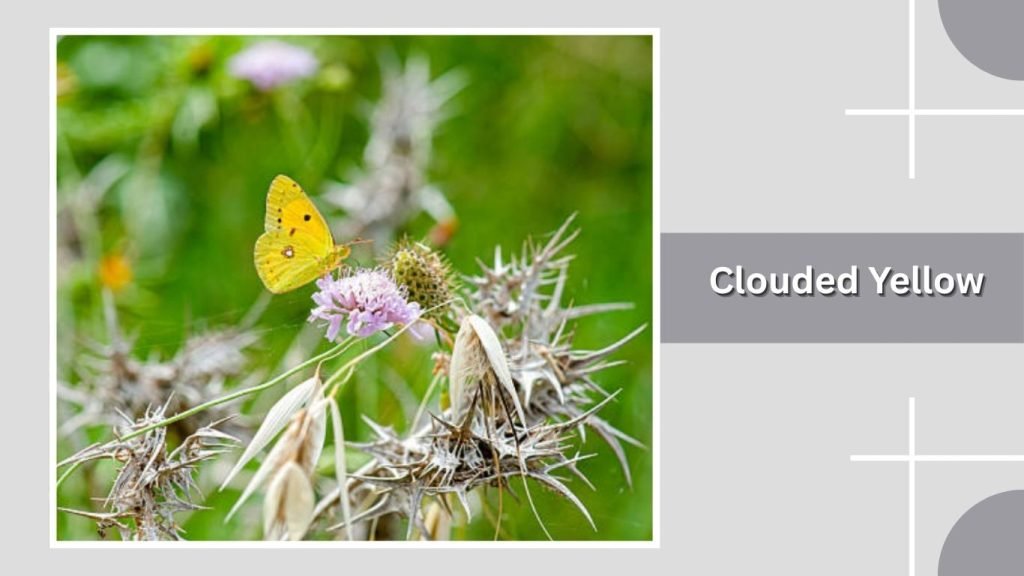
The Clouded Yellow is a bright and energetic butterfly known for its vivid yellow wings and fast flight. Common across Europe, Asia, and parts of North Africa, it is often seen in open fields and grasslands, especially during warm seasons.
Identification
- Medium-sized butterfly with a wingspan of 1.5 to 2 inches
- Bright yellow wings with dark black borders
- Small central spot on each wing
- Females may have additional orange tones
- Rapid and fluttery flight style
Color Pattern
The wings are a rich yellow, bordered with a bold black edge that stands out clearly in flight. Some individuals, especially females, may show orange shading within the yellow areas, creating a warm, glowing appearance.
Habitat
Clouded Yellows prefer open habitats such as meadows, farmland, grasslands, and coastal areas. They are often found in sunny environments where wildflowers are abundant, providing plenty of nectar sources.
Behavior
These butterflies are fast and restless fliers, rarely staying still for long. They are active during the day and frequently move between flowers to feed. They are also known for seasonal migrations, traveling long distances in search of suitable habitats.
2. Brimstone Butterfly

The Brimstone Butterfly is a well-known yellow butterfly famous for its leaf-like appearance and early spring activity. Found across Europe, Asia, and North Africa, it is often one of the first butterflies seen after winter.
Identification
- Medium-sized butterfly with a wingspan of 2 to 3 inches
- Bright lemon-yellow wings in males; pale greenish in females
- Leaf-shaped wings with pointed tips
- Small orange spot on each wing
- Strong, steady flight
Color Pattern
Males display vibrant yellow wings, while females are lighter with a greenish tint. The wings resemble leaves, helping with camouflage. A small orange dot sits near the center of each wing, adding a subtle detail.
Habitat
Brimstone Butterflies prefer woodlands, hedgerows, gardens, and meadows. They are often found near buckthorn plants, which serve as their primary host for laying eggs.
Behavior
They are among the longest-living butterflies and can survive through winter as adults. Active during the day, they fly strongly and often glide between flowers while feeding on nectar.
3. Sulphur Butterfly
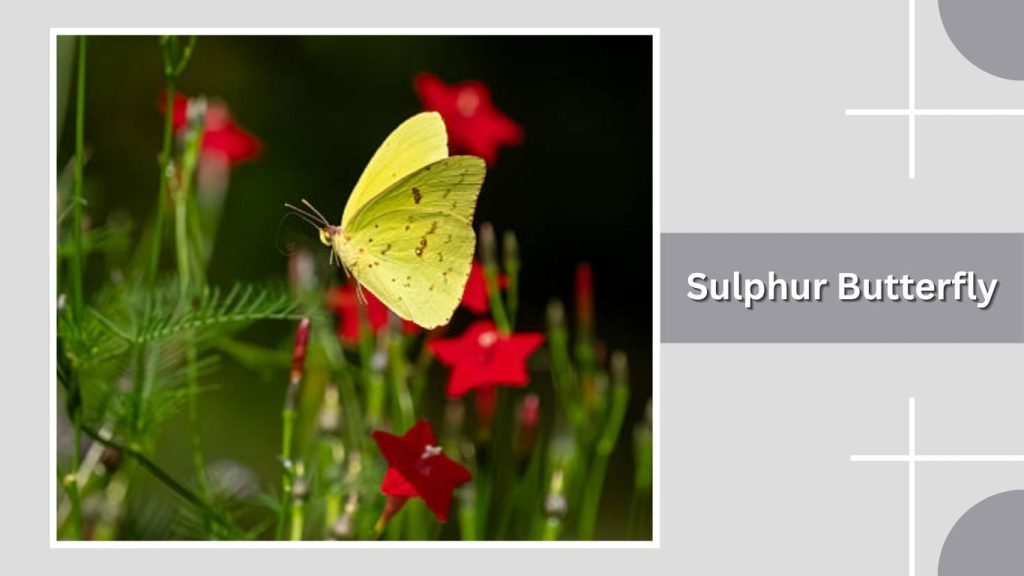
The Sulphur Butterfly is a bright yellow species commonly found in the Americas. It is known for its cheerful color and frequent presence in open sunny areas like fields and gardens.
Identification
- Small to medium butterfly with a wingspan of 1.5 to 2.5 inches
- Bright yellow wings with narrow black borders
- Rounded wing shape
- Small dark spot on each wing
- Quick, fluttering flight
Color Pattern
The wings are typically a clear yellow with thin black edges. Some individuals may show slight orange or greenish tones. The simple yet vivid coloration makes it easy to recognize in flight.
Habitat
Sulphur Butterflies are commonly seen in grasslands, gardens, roadsides, and open fields. They prefer sunny environments with plenty of flowering plants for nectar.
Behavior
These butterflies are active and fast-moving during the day. They frequently visit flowers and are often seen flying low over vegetation. Their light and fluttery flight helps them move quickly between feeding spots.
4. Orange Sulphur
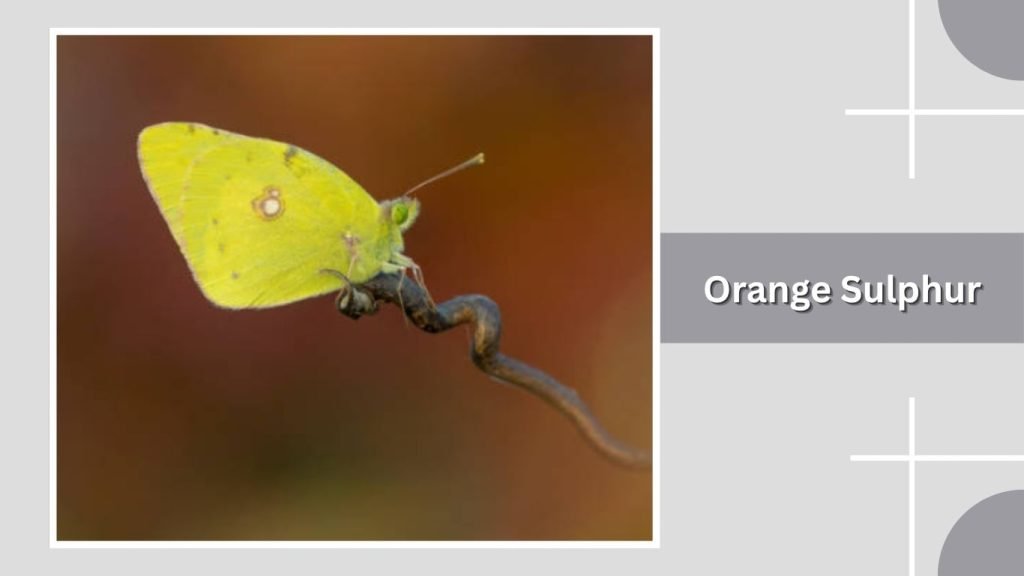
The Orange Sulphur is a bright and active butterfly commonly found across North America. Its vibrant yellow-orange coloration and constant movement make it a familiar sight in fields and gardens during warm months.
Identification
- Medium-sized butterfly with a wingspan of 1.5 to 2.5 inches
- Yellow to orange wings with black borders
- Females often paler with reduced markings
- Small dark spot on each wing
- Fast, fluttering flight
Color Pattern
The wings range from bright yellow to rich orange, bordered with dark black edges. Some individuals, especially females, may appear lighter or slightly creamy in tone. The contrast between the warm color and dark border is very noticeable.
Habitat
Orange Sulphurs prefer open areas such as meadows, farmland, gardens, and roadsides. They are often found where clover and alfalfa grow, as these plants are important for their life cycle.
Behavior
These butterflies are highly active during the day and rarely stay still. They fly quickly and low to the ground, frequently visiting flowers for nectar. Large groups can sometimes be seen feeding together in favorable areas.
5. Little Yellow
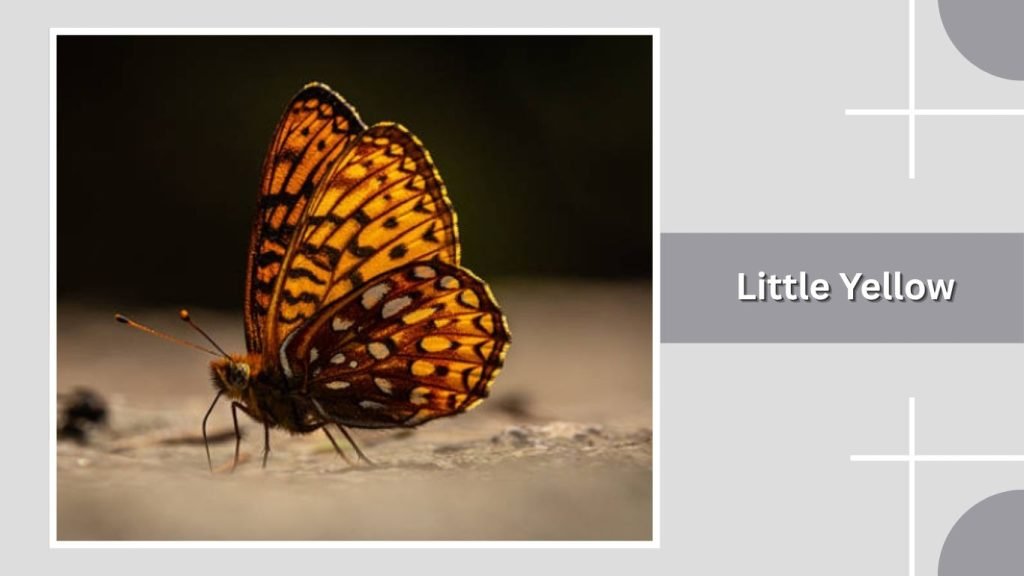
The Little Yellow is a small and delicate butterfly known for its soft yellow color and gentle flight. It is commonly found in the southern United States, Central America, and parts of South America.
Identification
- Small butterfly with a wingspan of about 1 to 1.5 inches
- Pale yellow wings with minimal markings
- Rounded wing shape
- Slight dark edging on wings
- Light, fluttery flight
Color Pattern
The wings are a soft, pale yellow, sometimes with a faint greenish tint. Unlike many other yellow butterflies, it has very few markings, giving it a clean and simple appearance.
Habitat
Little Yellows are found in open areas such as gardens, grasslands, parks, and roadsides. They prefer warm climates and are often seen in sunny spots with low vegetation.
Behavior
These butterflies have a slow and gentle flight pattern, often staying close to the ground. They are active during the day and frequently visit small flowers for nectar. Their subtle movement makes them less noticeable than larger species.
6. Sleepy Orange
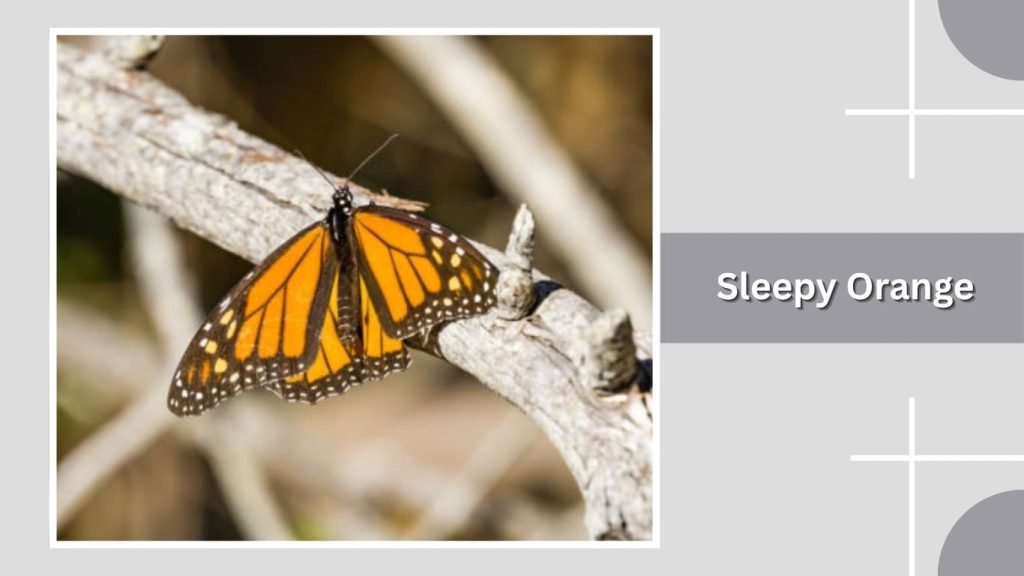
The Sleepy Orange is a charming yellow-orange butterfly known for its warm coloration and relaxed flight style. It is commonly found in the southern United States, Central America, and parts of South America, especially in warm and sunny environments.
Identification
- Small to medium butterfly with a wingspan of 1.5 to 2 inches
- Yellow to orange wings with darker edges
- Small dark spot on forewings
- Rounded wing shape
- Gentle, slow flight
Color Pattern
The wings range from bright yellow to soft orange, often with subtle darker borders. Some individuals may show a slight brownish tint, especially during cooler seasons. The overall appearance is warm and muted compared to brighter species.
Habitat
Sleepy Oranges prefer open areas such as gardens, roadsides, woodland edges, and scrublands. They are often found in dry, sunny habitats where host plants like senna are available.
Behavior
These butterflies are active during the day but have a slower, more relaxed flight compared to other sulphurs. They often glide close to the ground and frequently visit flowers for nectar.
7. African Clouded Yellow
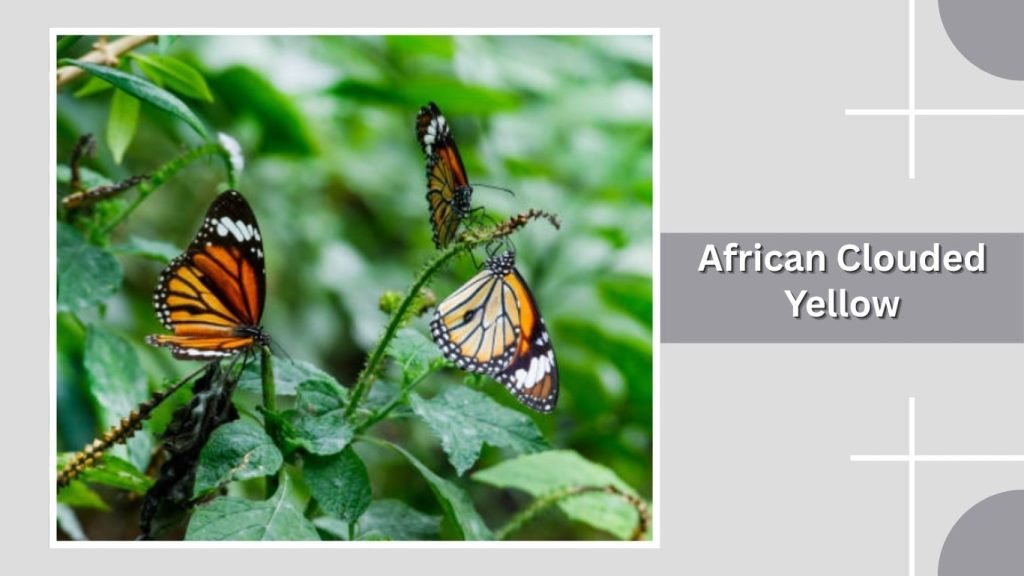
The African Clouded Yellow is a vibrant and adaptable butterfly found across Africa and parts of southern Europe and Asia. It is known for its strong flight and ability to travel long distances.
Identification
- Medium-sized butterfly with a wingspan of 1.5 to 2.5 inches
- Bright yellow wings with bold black margins
- Small central spot on each wing
- Females may show orange or pale forms
- Fast and powerful flight
Color Pattern
The wings are a vivid yellow with thick black borders that stand out clearly. Some individuals display orange tones, especially in females, adding variation to their appearance.
Habitat
This butterfly thrives in open habitats such as grasslands, savannas, farmland, and coastal areas. It prefers sunny regions with plenty of flowering plants for nectar.
Behavior
African Clouded Yellows are strong, fast fliers and are often seen traveling across large areas. They are active during the day and frequently visit flowers, sometimes forming groups in areas rich in food sources.
8. Common Grass Yellow
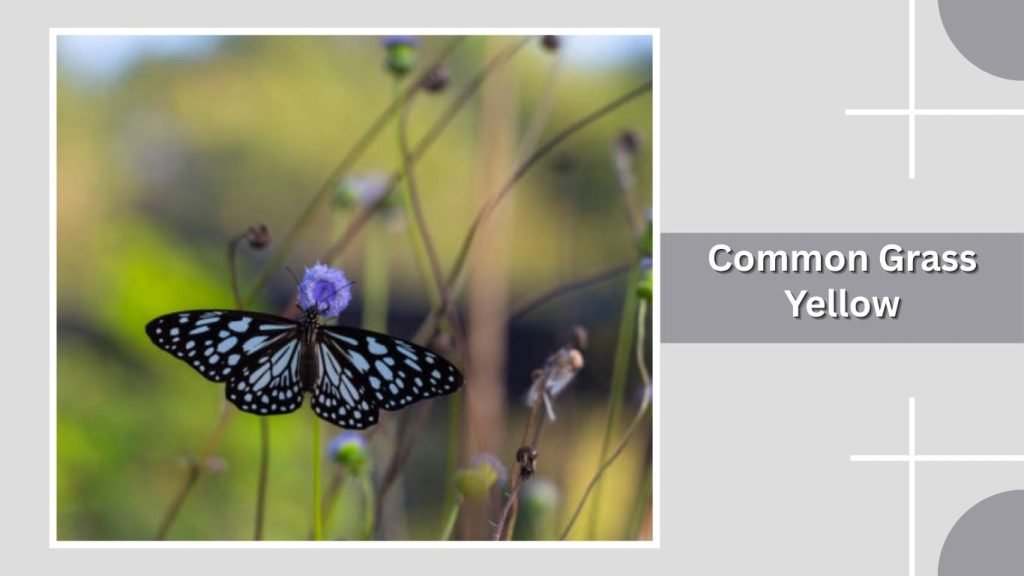
The Common Grass Yellow is a small and lively butterfly widely found across Asia and Australia. It is often seen fluttering low over grassy areas and is one of the most frequently spotted yellow butterflies in tropical regions.
Identification
- Small butterfly with a wingspan of 1.5 to 2 inches
- Bright yellow wings with black edges
- Rounded wing shape
- Faint markings on the underside
- Quick, low flight
Color Pattern
The wings are bright yellow with thin black borders, especially visible when the butterfly is in flight. The underside is paler with subtle markings, helping it blend into its surroundings when resting.
Habitat
Common Grass Yellows prefer open grassy habitats such as fields, gardens, parks, and roadsides. They are especially common in warm, humid environments with plenty of low vegetation.
Behavior
These butterflies are active during the day and are known for their rapid, low flight close to the ground. They frequently visit small flowers for nectar and are often seen in groups in favorable conditions.
9. Three-Spot Grass Yellow
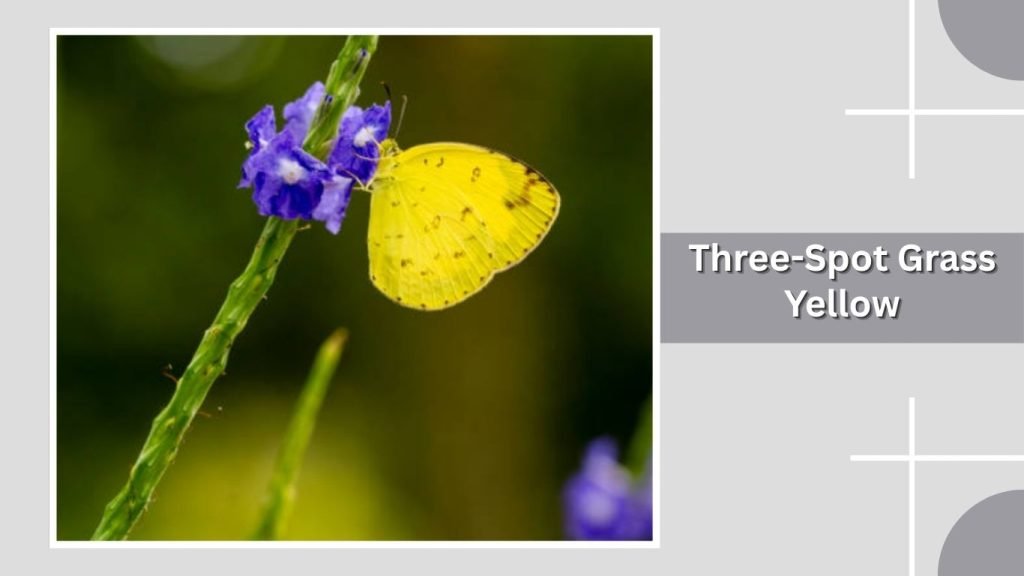
The Three-Spot Grass Yellow is a delicate and attractive butterfly recognized by the distinct spots on its wings. It is commonly found in South and Southeast Asia, thriving in warm climates.
Identification
- Small butterfly with a wingspan of about 1.5 inches
- Bright yellow wings with three dark spots
- Rounded wing edges
- Light underside with faint markings
- Fast, fluttery flight
Color Pattern
The wings are a clear yellow with small but noticeable dark spots that give the species its name. The underside is lighter and may show soft patterns that help with camouflage.
Habitat
This butterfly is commonly found in gardens, grasslands, forest edges, and open fields. It prefers sunny areas with low vegetation and abundant nectar sources.
Behavior
Three-Spot Grass Yellows are active and energetic during the day. They fly quickly and close to the ground, often moving from one flower to another. Their small size and speed make them easy to overlook despite their bright color.
10. Large Grass Yellow
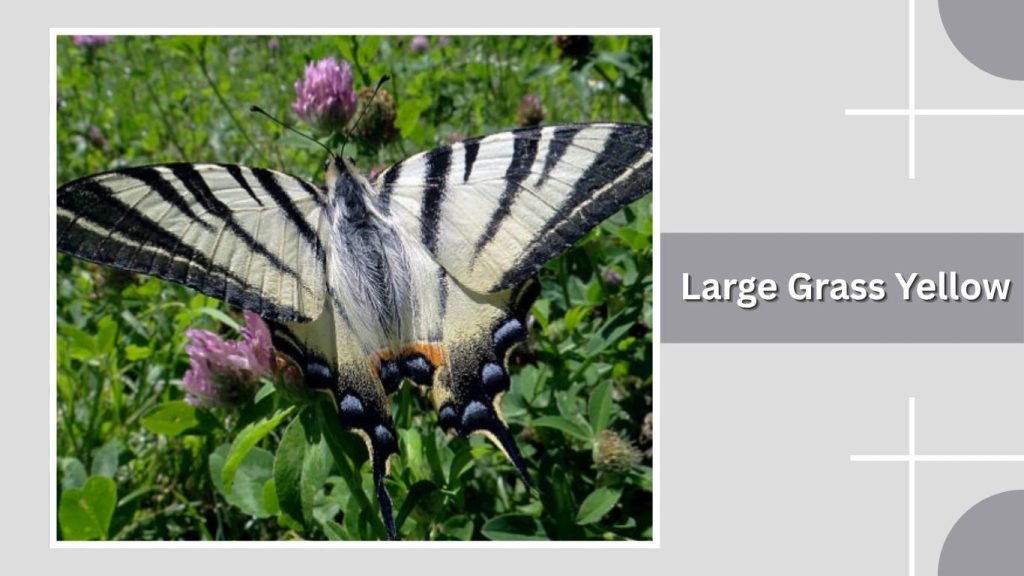
The Large Grass Yellow is one of the biggest members of the grass yellow group, known for its brighter color and more noticeable size. It is commonly found across South and Southeast Asia in warm, open environments.
Identification
- Medium-sized butterfly with a wingspan of 2 to 2.5 inches
- Bright yellow wings with thin black margins
- Rounded wings, slightly larger than other grass yellows
- Subtle markings on the underside
- Smooth, fluttering flight
Color Pattern
The wings are a vivid yellow with light black edging, giving it a clean and bright look. The underside is paler, sometimes with faint brownish or greenish markings that help with camouflage.
Habitat
Large Grass Yellows prefer open habitats such as grasslands, gardens, parks, and farmland. They are especially common in tropical regions with plenty of sunlight and flowering plants.
Behavior
These butterflies are active during the day and have a steady, fluttering flight. They often stay close to the ground and are frequently seen feeding on nectar from small flowers.
11. Southern Dogface
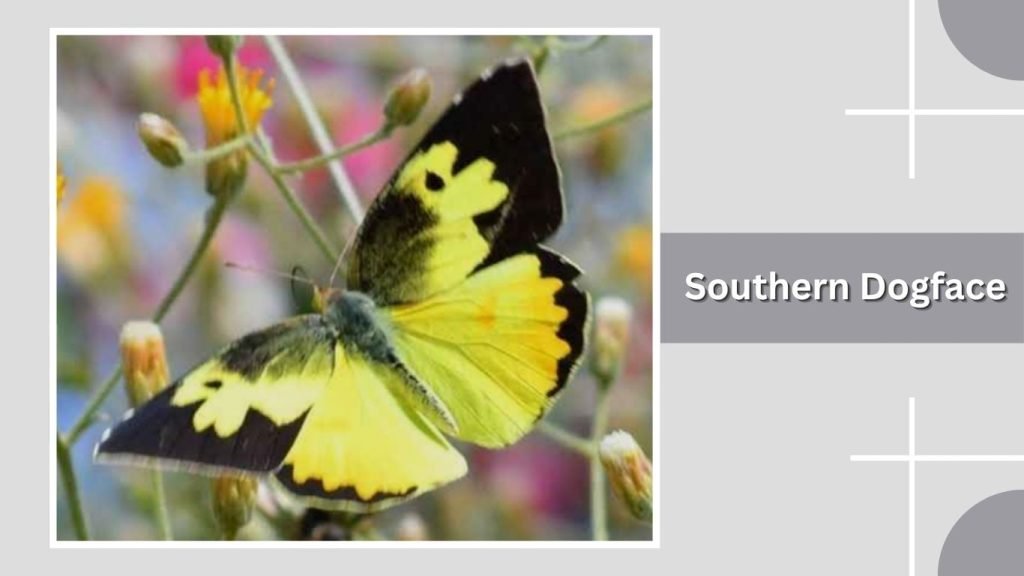
The Southern Dogface is a unique and eye-catching butterfly named for the dog-face pattern visible on its wings. It is native to parts of the United States and Mexico and is known for its distinctive appearance.
Identification
- Medium-sized butterfly with a wingspan of 2 to 3 inches
- Bright yellow wings with bold black markings
- “Dog face” pattern on forewings
- Females are less brightly colored
- Strong and active flight
Color Pattern
The wings are bright yellow with striking black patterns. The male’s forewings feature a shape resembling a dog’s face, making it one of the most recognizable butterflies. Females tend to have more muted colors.
Habitat
Southern Dogfaces are commonly found in open areas such as fields, deserts, roadsides, and gardens. They prefer warm, dry regions with plenty of flowering plants.
Behavior
These butterflies are fast and active fliers, often seen moving quickly across open spaces. They feed on nectar and are most active during sunny days, frequently visiting flowers in search of food.
12. Orange Barred Sulphur
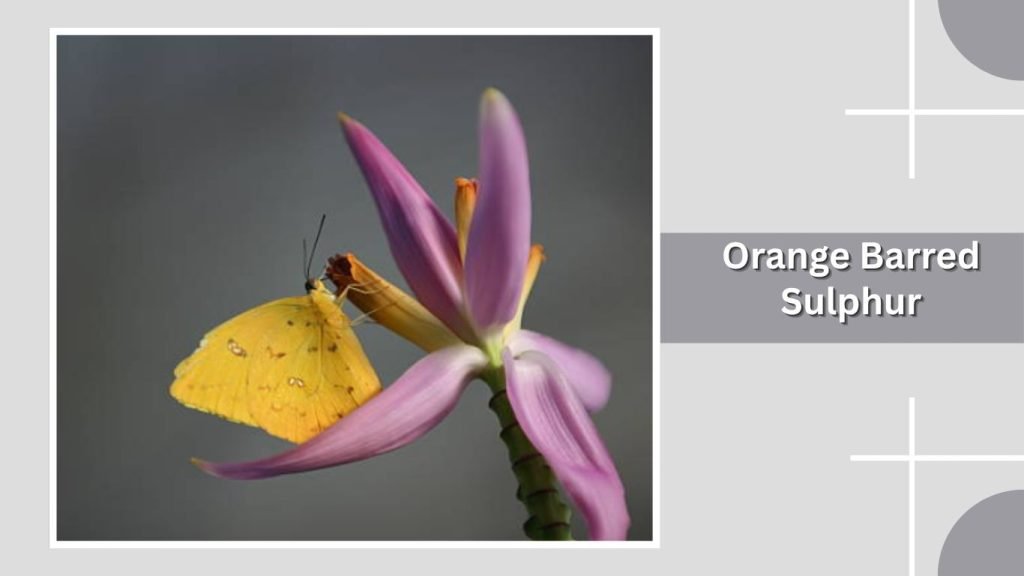
The Orange Barred Sulphur is a large and vibrant yellow butterfly commonly found in the Americas. It is known for its bright coloration and strong flight, making it easy to spot in open, sunny areas.
Identification
- Large butterfly with a wingspan of 2.5 to 3.5 inches
- Bright yellow wings with orange shading
- Dark borders along the edges
- Small central spot on each wing
- Strong, steady flight
Color Pattern
The wings are bright yellow with noticeable orange tones, especially near the base. Dark edging adds contrast, making the colors appear more vivid. The combination of yellow and orange gives it a warm, glowing appearance.
Habitat
This butterfly prefers open habitats such as fields, gardens, coastal areas, and roadsides. It thrives in warm climates where flowering plants are abundant.
Behavior
Orange Barred Sulphurs are active during the day and are strong fliers. They frequently visit flowers for nectar and are often seen gliding between plants in sunny environments.
13. Yellow Angled-Sulphur
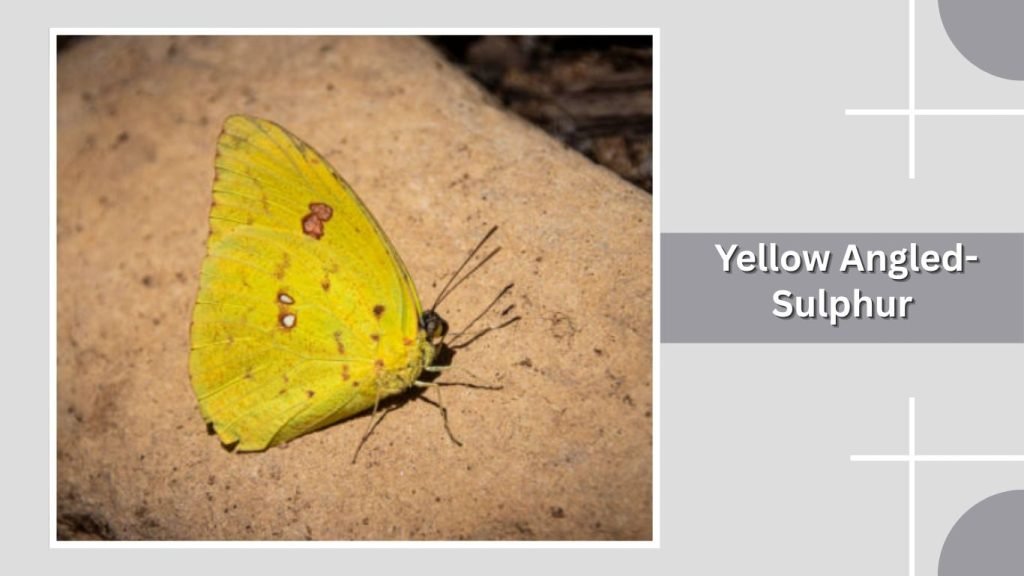
The Yellow Angled-Sulphur is a distinctive butterfly recognized for its angular wing shape and soft yellow coloration. It is commonly found in tropical regions of Central and South America.
Identification
- Medium-sized butterfly with a wingspan of 2 to 3 inches
- Yellow wings with slightly pointed angles
- Subtle markings on wings
- Light-colored underside
- Smooth, controlled flight
Color Pattern
The wings are a soft yellow with faint patterns that may include light brown or orange shading. The angular edges give it a unique silhouette compared to other sulphur butterflies.
Habitat
This butterfly is typically found in forests, woodland edges, and gardens. It prefers warm, humid environments with plenty of vegetation and flowering plants.
Behavior
Yellow Angled-Sulphurs are active during the day and have a calm, steady flight. They often move between flowers while feeding on nectar and may rest on leaves when not active.
14. Phoebis Philea (Orange-barred Sulphur)
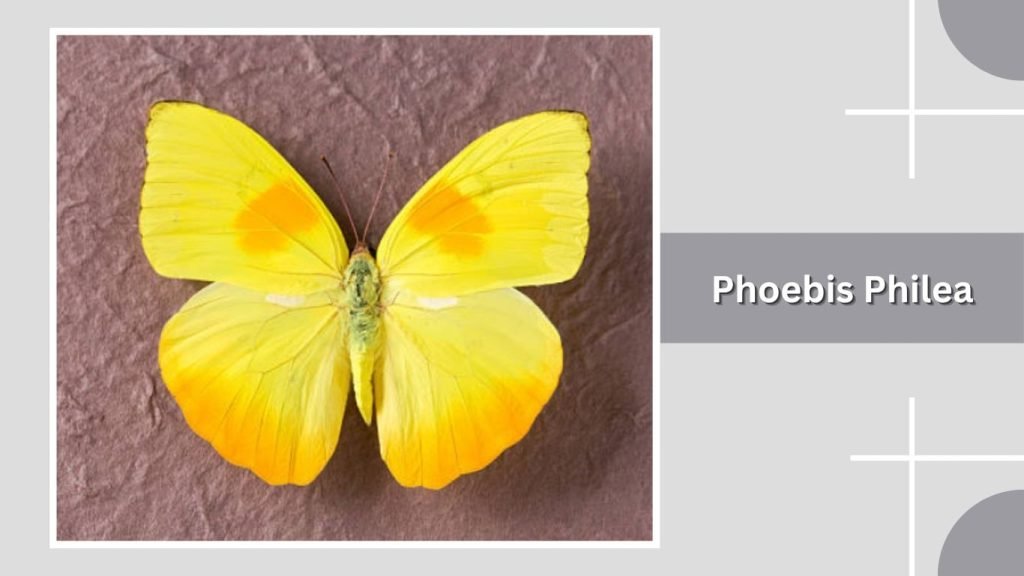
Phoebis philea, commonly known as the Orange-barred Sulphur, is a large and bright yellow butterfly found in the Americas. It is especially noticeable due to its size and glowing wing color in sunlight.
Identification
- Large butterfly with a wingspan of 2.7 to 3.5 inches
- Bright yellow wings with orange patches
- Dark borders along wing edges
- Smooth, rounded wing shape
- Strong and fast flight
Color Pattern
The wings are vivid yellow with rich orange shading, particularly near the base and center. The edges may have darker borders, enhancing the contrast and making the butterfly stand out in flight.
Habitat
This butterfly is commonly found in tropical and subtropical regions, including gardens, coastal areas, forests, and open fields. It prefers warm climates with abundant flowering plants.
Behavior
Phoebis philea is a powerful flier, often seen moving quickly across open spaces. It feeds on nectar and is active during the day, frequently visiting flowers in sunny environments.
15. Dainty Sulphur
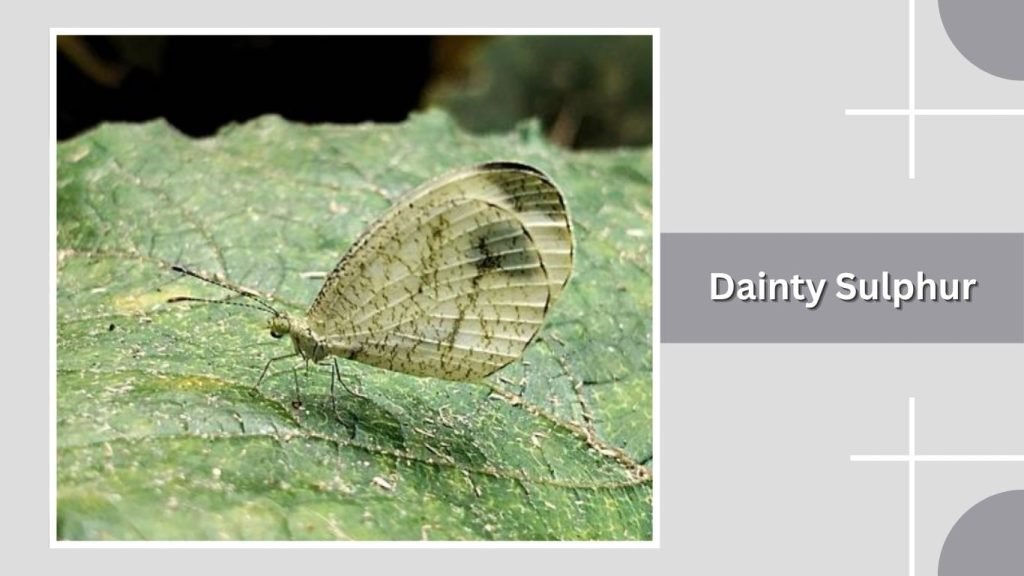
The Dainty Sulphur is one of the smallest yellow butterflies, known for its delicate appearance and subtle beauty. It is found in the Americas, particularly in warm and dry regions.
Identification
- Very small butterfly with a wingspan of about 1 to 1.25 inches
- Pale yellow wings with fine black markings
- Rounded wing shape
- Light, delicate body
- Gentle, fluttering flight
Color Pattern
The wings are soft yellow with fine black lines and small markings. Compared to other sulphurs, its colors are lighter and more subtle, giving it a delicate and refined look.
Habitat
Dainty Sulphurs prefer dry, open areas such as grasslands, deserts, roadsides, and gardens. They are commonly found in sunny locations with low vegetation.
Behavior
These butterflies are active during the day and have a light, fluttery flight. They stay close to the ground and frequently visit small flowers for nectar, often going unnoticed due to their small size.
FAQs
What do yellow butterflies symbolize?
Yellow butterflies are often associated with happiness, hope, and positivity. In many cultures, they symbolize new beginnings and good luck. Their bright color is linked to sunshine and energy, making them a common sign of joy and transformation.
Are yellow butterflies common?
Yes, many yellow butterflies are quite common, especially species like sulphurs and grass yellows. They are often seen in open areas such as gardens, fields, and roadsides, particularly in warm and sunny climates.
Where can yellow butterflies be found?
Yellow butterflies are found worldwide, especially in tropical and temperate regions. They prefer habitats like grasslands, gardens, forests, and farmland where nectar-rich flowers and host plants are available.
What do yellow butterflies eat?
Most yellow butterflies feed on nectar from flowers. Some species may also drink moisture from damp soil or feed on minerals found in mud, a behavior known as “puddling.”
