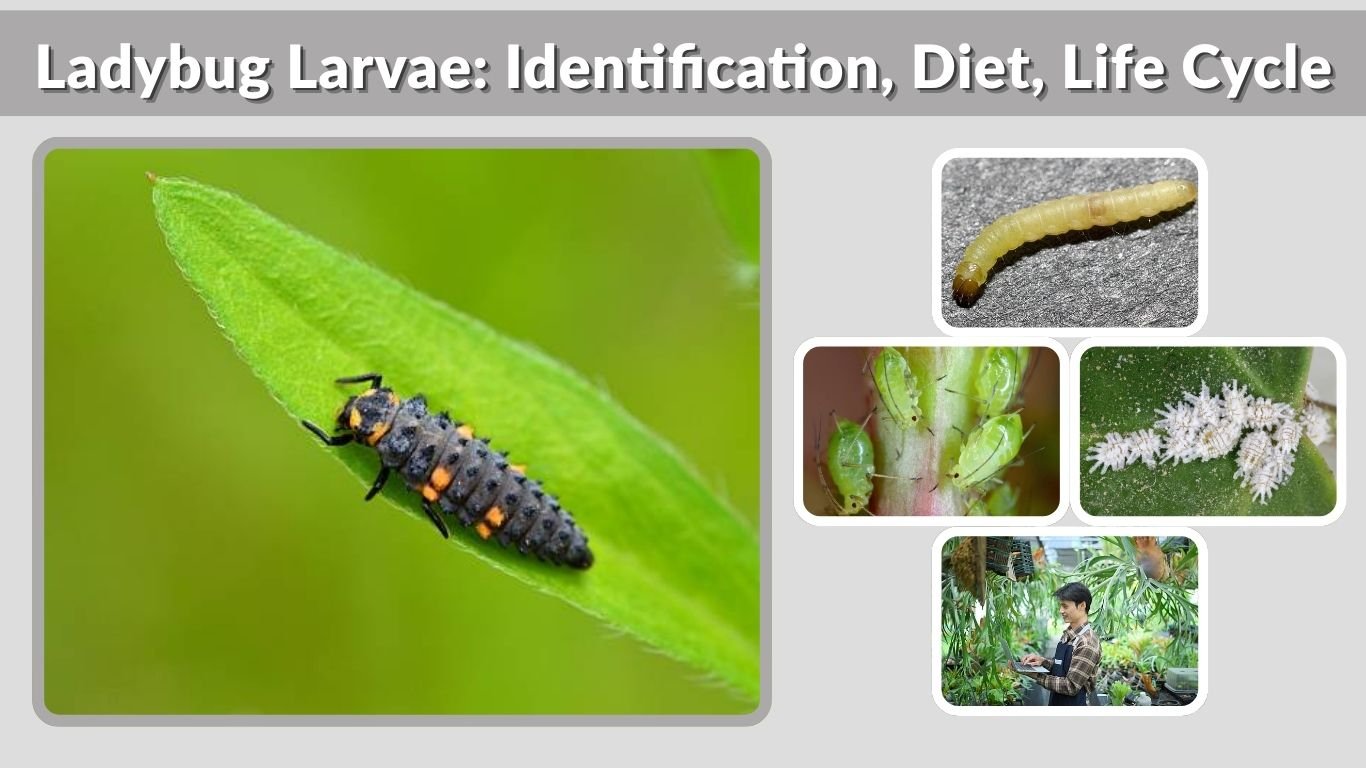
Ladybug larvae are one of the most effective natural pest controllers in gardens, yet many people misidentify them due to their unusual appearance. Unlike the familiar round, spotted adult ladybugs, larvae look quite different and can even seem intimidating at first glance. Understanding their role, diet, and development helps gardeners protect these beneficial insects instead of removing them by mistake. This guide explains how to identify ladybug larvae, what they eat, and how their life cycle works.
What Are Ladybug Larvae?
Ladybug larvae are the immature stage of ladybugs, also known as lady beetles. After hatching from eggs, they enter a highly active phase where their main job is to eat and grow before transforming into adults.
These larvae play a critical role in controlling pest populations, especially in home gardens and agricultural fields. Because they don’t resemble adult ladybugs, they are often mistaken for harmful insects and removed unnecessarily.
What Do Ladybug Larvae Look Like?
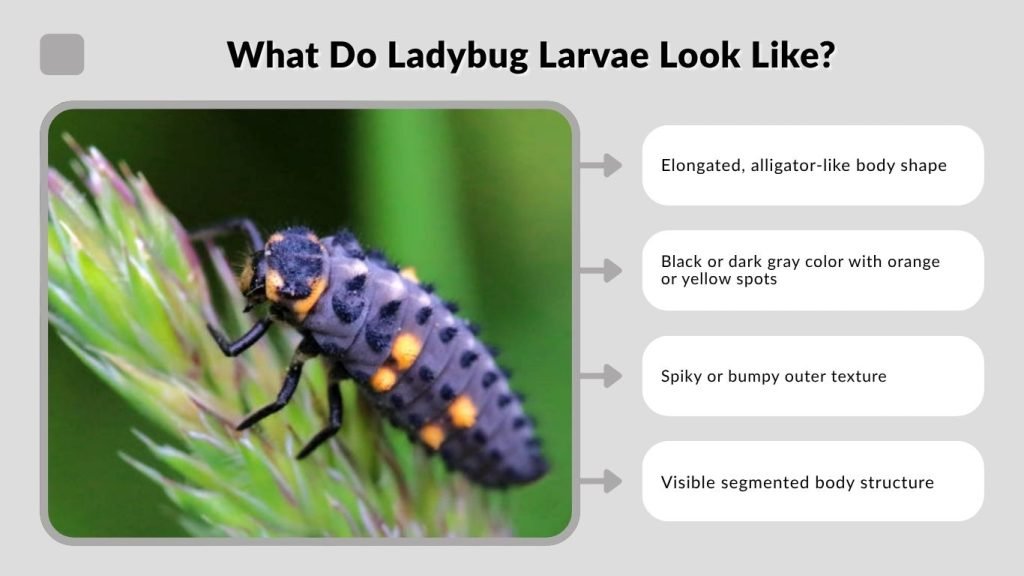
Ladybug larvae have a very distinct appearance that sets them apart from most other insects found in gardens. Their shape and coloring may look unusual, but these features actually help them survive and hunt effectively.
Key Identification Features
- Elongated, alligator-like body shape
- Black or dark gray color with orange or yellow spots
- Spiky or bumpy outer texture
- Visible segmented body structure
- Fast-moving behavior on leaves and stems
Common Look-Alike Insects
- Carpet beetle larvae (usually found indoors)
- Lacewing larvae (also beneficial but different in shape)
- Certain beetle larvae with smoother bodies
Recognizing these differences can prevent confusion and help you avoid removing beneficial insects from your garden.
Ladybug Larvae Life Cycle
Ladybug larvae go through a complete transformation known as metamorphosis. This process includes several distinct stages, each with a specific purpose in their development.
Egg Stage
Ladybugs lay small clusters of yellow or orange eggs on the underside of leaves, often near aphid colonies. This placement ensures that newly hatched larvae have immediate access to food.
Larval Stage (Growth Phase)
Once hatched, the larvae begin feeding almost immediately. This stage lasts for a few weeks and includes multiple growth phases called instars. During this time, they shed their outer skin several times as they grow larger.
Pupa Stage
After reaching full size, the larva attaches itself to a surface and forms a pupa. Inside this stage, it undergoes transformation into an adult ladybug. This phase may look inactive, but significant changes are happening internally.
Adult Emergence
The final stage is when the adult ladybug emerges from the pupa. At first, the adult may appear pale, but its characteristic color and spots develop over time.
What Do Ladybug Larvae Eat?
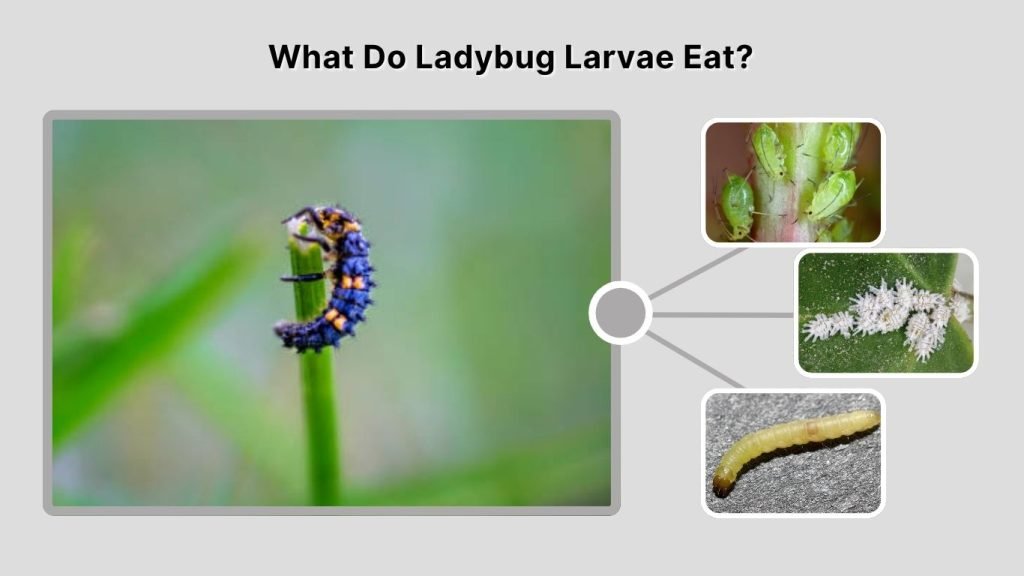
Ladybug larvae are known for their strong appetite and play a major role in natural pest control. Their feeding habits make them extremely valuable in maintaining healthy plants.
Main Food Sources
- Aphids (primary and most preferred food)
- Mealybugs and soft-bodied insects
- Mites and small insect eggs
Feeding Behavior
Ladybug larvae are aggressive hunters and can consume large numbers of pests daily. They actively search for prey on leaves and stems, making them more effective than adult ladybugs in some cases. Their constant feeding helps reduce infestations quickly and naturally without the need for chemical pesticides.
Are Ladybug Larvae Harmful?
Ladybug larvae may look intimidating, but they are completely harmless to humans and plants. In fact, they are considered one of the most beneficial insects you can have in your garden. Their primary role is to reduce pest populations naturally, which helps plants grow healthier without chemical treatments.
Do Ladybug Larvae Bite?
Ladybug larvae can bite, but it is extremely rare and not dangerous. If they do bite, it feels like a tiny pinch and does not cause any serious reaction. This usually happens only when they are handled or feel threatened. In normal conditions, they avoid human contact and focus on feeding.
Ladybug Larvae vs Asian Beetle Larvae
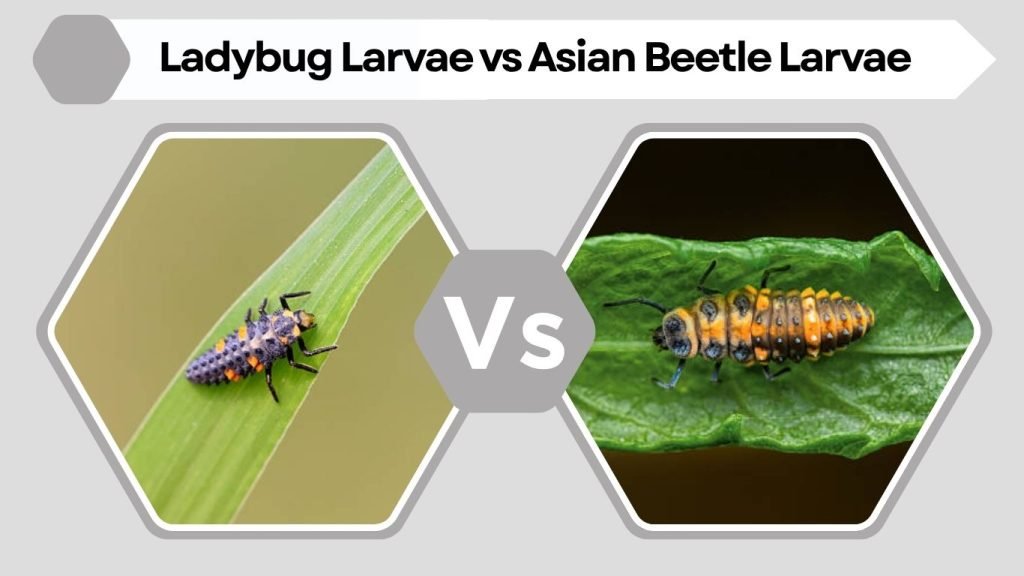
Many people confuse native ladybug larvae with Asian lady beetle larvae because they look quite similar. While both are beneficial predators, there are some subtle differences that can help with identification.
Key Differences
- Asian beetle larvae may appear slightly more aggressive
- Color patterns can vary, often with brighter markings
- Asian species are more adaptable to indoor environments
- Native ladybugs are generally preferred for garden use
Understanding these differences can help you choose the right species, especially if you plan to introduce them into your garden.
How to Care for Ladybug Larvae
Caring for ladybug larvae is simple if their basic needs are met. They thrive best in environments where food is readily available and conditions are close to their natural habitat.
Basic Care Tips
- Provide a steady supply of aphids or soft-bodied insects
- Keep them in a ventilated container if indoors
- Avoid exposure to pesticides or chemicals
- Maintain mild humidity and natural light
What to Feed Ladybug Larvae
- Aphids (best and most effective food source)
- Small insects like mites or mealybugs
- Insect eggs found on plant leaves
Keeping their environment natural and food-rich will ensure they grow properly and eventually develop into adult ladybugs.
Where to Buy Ladybug Larvae
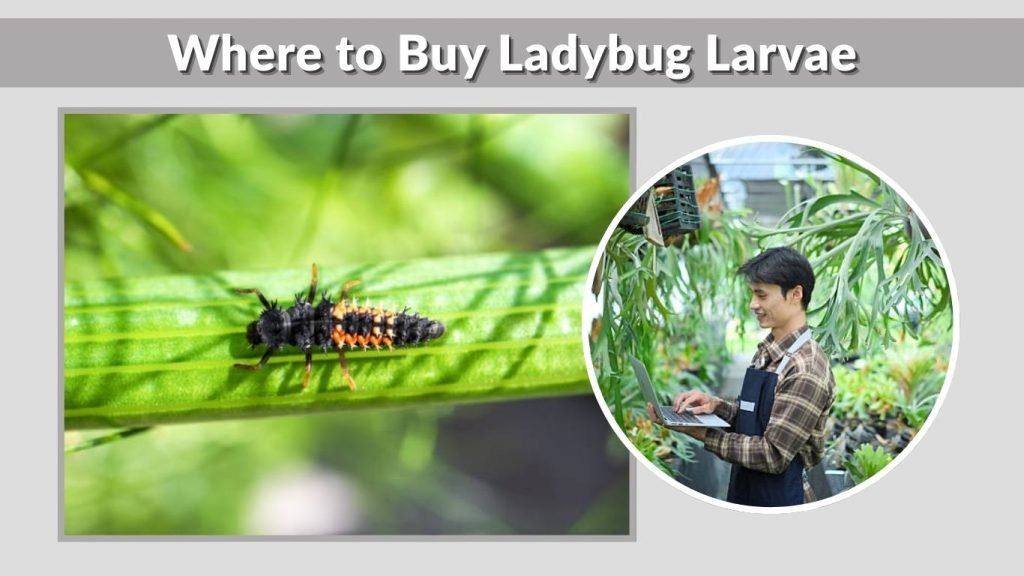
Ladybug larvae are widely available for purchase, especially for gardeners looking for natural pest control solutions. They can be found through various reliable sources, both online and offline.
Buying Options
- Online garden supply stores
- Biological pest control companies
- Local nurseries and garden centers
- Specialty insect suppliers
Tips Before Purchasing
- Choose native species when possible
- Check seller reviews and reputation
- Ensure live delivery guarantees
- Buy appropriate quantities for your garden size
Buying from trusted sources increases the chances of receiving healthy larvae that will thrive after release.
FAQs
What does a ladybug larva look like?
Ladybug larvae look like small, elongated insects with a dark body and bright spots. Their shape is often compared to tiny alligators, with a segmented and slightly spiky appearance. Despite looking unusual, they are beneficial and easy to recognize once you know their features.
What do ladybug larvae eat?
Ladybug larvae mainly eat aphids, which are common garden pests. They also feed on mites, mealybugs, and other soft-bodied insects. Their strong appetite makes them excellent natural pest controllers, helping to protect plants without the need for chemicals.
Are ladybug larvae dangerous to humans?
No, ladybug larvae are not dangerous to humans. They are not poisonous and do not spread diseases. Even though they may look intimidating, they are completely safe and play a helpful role in maintaining garden health.
Can ladybug larvae bite?
Yes, but very rarely. If a bite does occur, it feels like a mild pinch and is harmless. Ladybug larvae usually only bite when handled or disturbed, so it’s best to observe them without direct contact.
Where can I buy ladybug larvae?
You can buy ladybug larvae from online garden stores, biological pest control suppliers, or local nurseries. It’s important to choose reputable sellers to ensure you receive healthy and active larvae for your garden.