
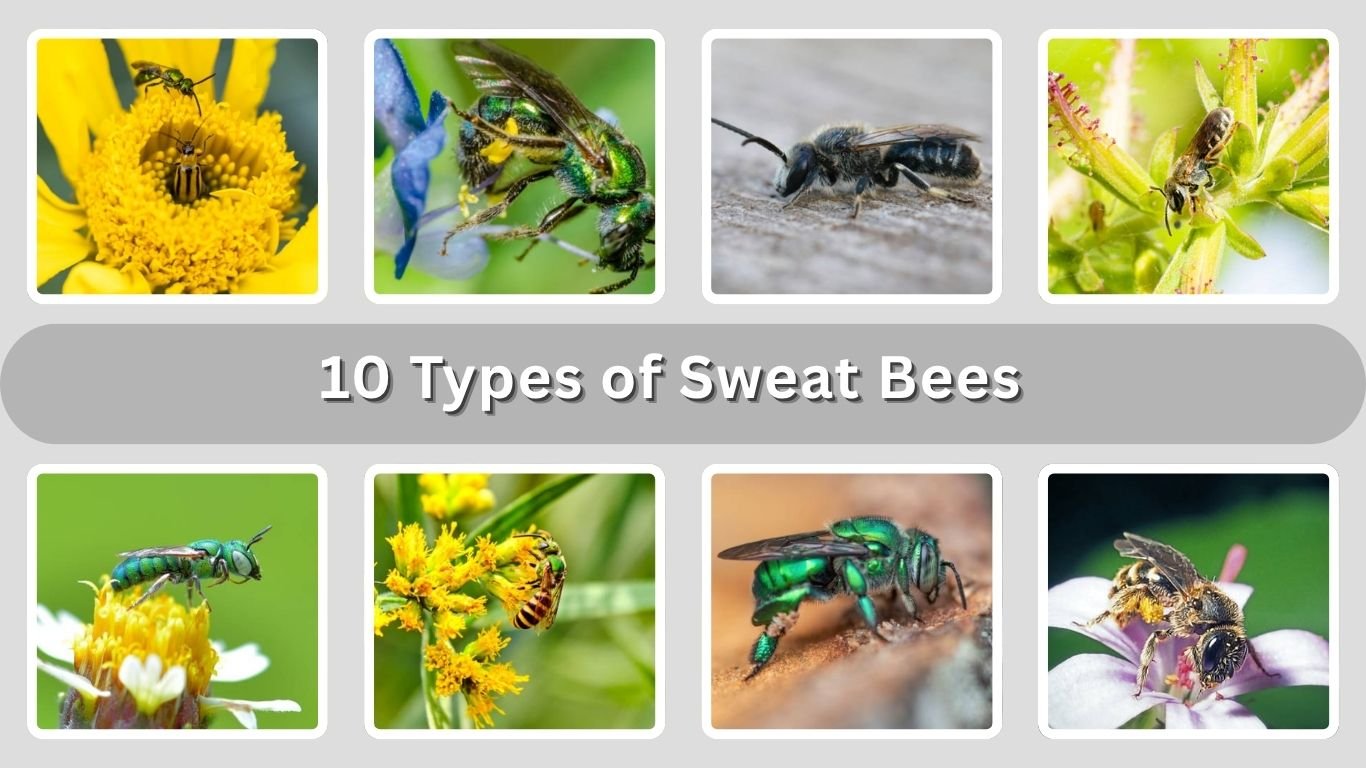
Sweat bees are a diverse group of small to medium-sized bees known for their attraction to human sweat, from which they obtain moisture and salts. They are found worldwide and are especially common in gardens, fields, and natural habitats. Despite their small size, they play a major role in pollination.
This list highlights 10 common types of sweat bees, along with key details about their size, color, diet, and identification. From metallic green species to more subtle brown varieties, these bees show a wide range of appearances and behaviors, making them both interesting and important for ecosystems.
1. Halictus rubicundus
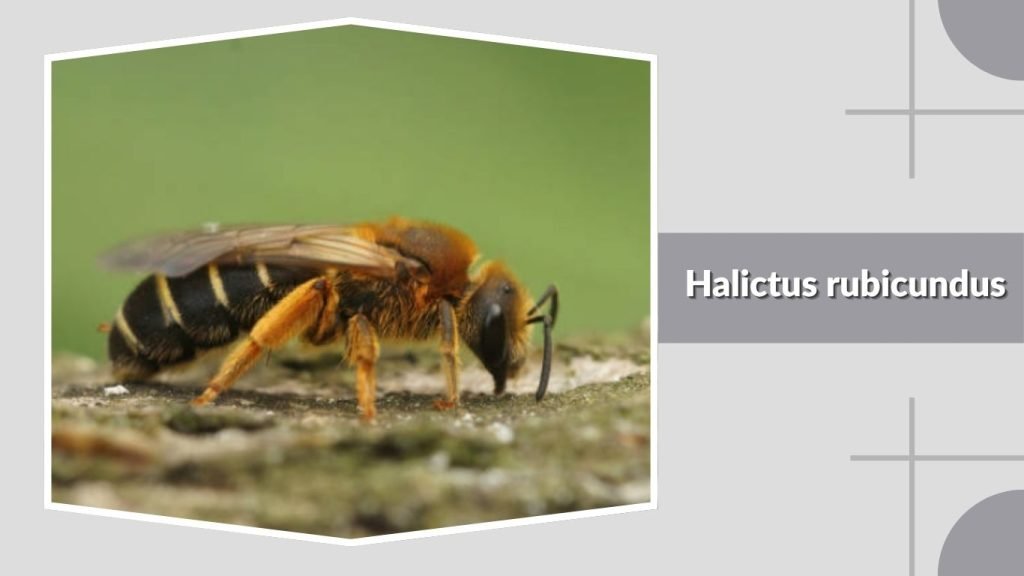
Halictus rubicundus is a common species of sweat bee known for its adaptability and wide distribution. It is often seen in gardens, fields, and open landscapes. Like other sweat bees, it may be attracted to human sweat for moisture and salts. This species is an important pollinator and can live either socially or alone depending on environmental conditions.
Identification
- Medium-sized compared to other sweat bees
- Slender body shape
- Brown to reddish-brown coloration
- Fine hair covering on body
- Clear wings with visible veins
Size
Halictus rubicundus typically measures about 7 to 11 mm in length. Females are usually slightly larger than males. Despite being small, they are larger than many other sweat bee species, making them easier to notice.
Color
This species has a brown to reddish-brown body, sometimes with lighter bands on the abdomen. The thorax may appear slightly darker, and the overall color can vary depending on lighting and age.
Diet
Halictus rubicundus feeds on nectar for energy and collects pollen to provide food for its larvae. It visits a wide range of flowers, including wildflowers and garden plants, making it a generalist feeder.
ID
This bee can be identified by its medium size, reddish-brown color, and slender shape. It lacks bright metallic colors seen in some sweat bees and often appears less shiny. Its behavior of visiting many different flowers also helps in identification.
2. Halictus ligatus
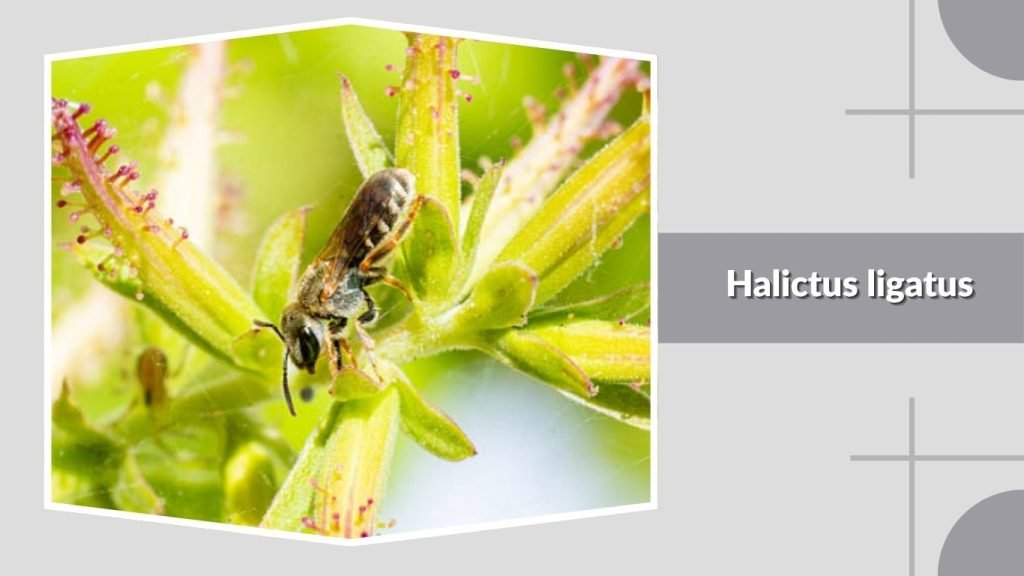
Halictus ligatus is a widespread sweat bee species commonly found in North America. It is known for its social behavior and ability to adapt to different environments, including urban areas. This species is an efficient pollinator and frequently visits a variety of flowering plants.
Identification
- Medium-sized body
- Slender shape
- Brown to dark brown coloration
- Light hair covering
- Clear wings with fine veins
Size
Halictus ligatus typically measures around 6 to 10 mm in length. Females are usually larger than males. Its size is similar to other Halictus species, making close observation important.
Color
This species has a dark brown to black body with faint pale bands on the abdomen. The overall appearance is not metallic, giving it a more matte look compared to some other sweat bees.
Diet
Halictus ligatus feeds on nectar for energy and gathers pollen for its larvae. It visits a wide range of flowers, including crops and wild plants, making it a generalist pollinator.
ID
It can be identified by its dark, non-metallic body, slender shape, and faint abdominal bands. Its frequent presence in gardens and fields also helps in recognition.
3. Lasioglossum zephyrus
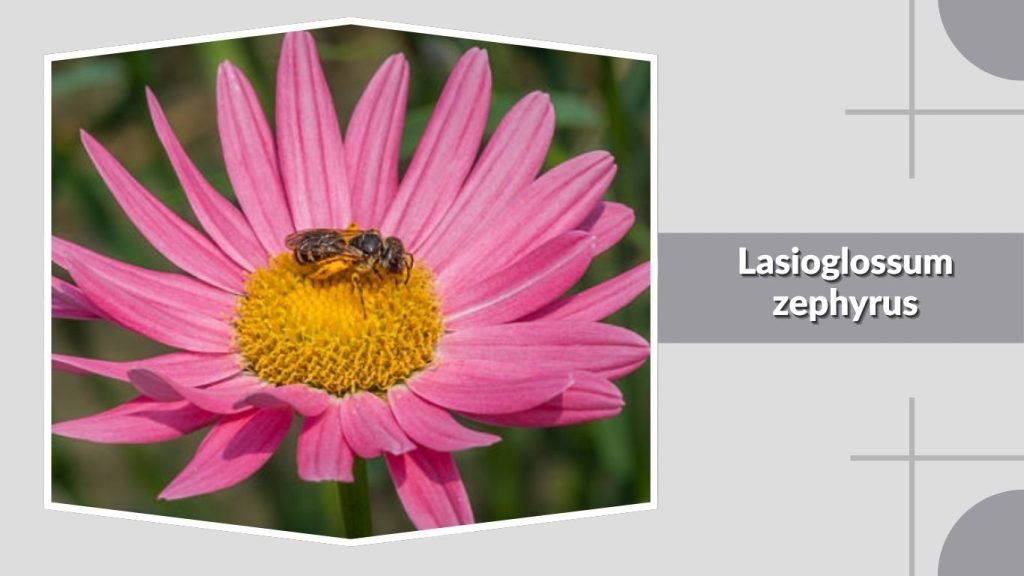
Lasioglossum zephyrus is a small sweat bee species often seen in gardens and natural habitats. It is known for its social flexibility and ability to thrive in different environments.
Identification
- Small-sized body
- Slender and delicate appearance
- Dark brown to black coloration
- Fine hair covering
- Transparent wings
Size
This species usually measures about 4 to 7 mm in length. It is smaller than many other sweat bees, making it less noticeable unless observed closely.
Color
Lasioglossum zephyrus has a dark brown to black body with subtle lighter markings. It lacks the bright metallic sheen seen in some related species.
Diet
It feeds on nectar and collects pollen from a variety of flowers. It is a generalist feeder and plays a role in pollinating both wild plants and garden species.
ID
This bee can be identified by its small size, dark color, and slender body. Its non-metallic appearance and common presence around flowers help distinguish it from more colorful sweat bees.
4. Lasioglossum malachurum
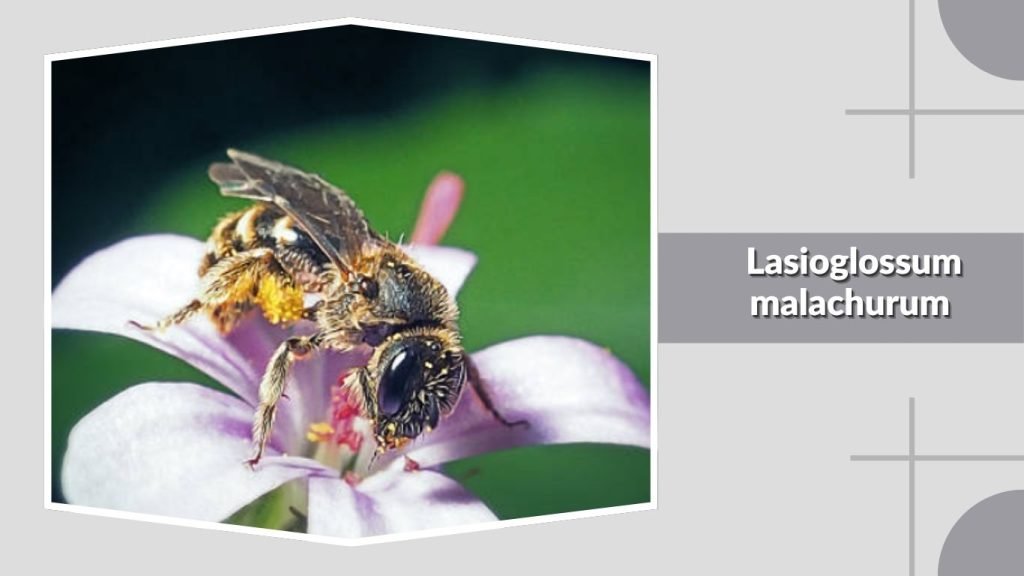
Lasioglossum malachurum is a social sweat bee species commonly found in open habitats. It is known for forming small colonies and playing an important role in pollination.
Identification
- Small to medium-sized body
- Slender shape
- Dark brown to black coloration
- Fine hair covering
- Clear wings
Size
This species typically measures around 5 to 9 mm in length. Females are generally larger than males and are more frequently observed collecting pollen.
Color
Lasioglossum malachurum has a dark brown to black body with subtle pale bands on the abdomen. It lacks a metallic shine, giving it a simple appearance.
Diet
It feeds on nectar for energy and collects pollen to support its larvae. It visits a wide range of flowering plants, making it a generalist pollinator.
ID
This bee can be identified by its small size, dark color, and faint abdominal bands. Its ground-nesting behavior and presence in open areas also help in identification.
5. Lasioglossum leucozonium
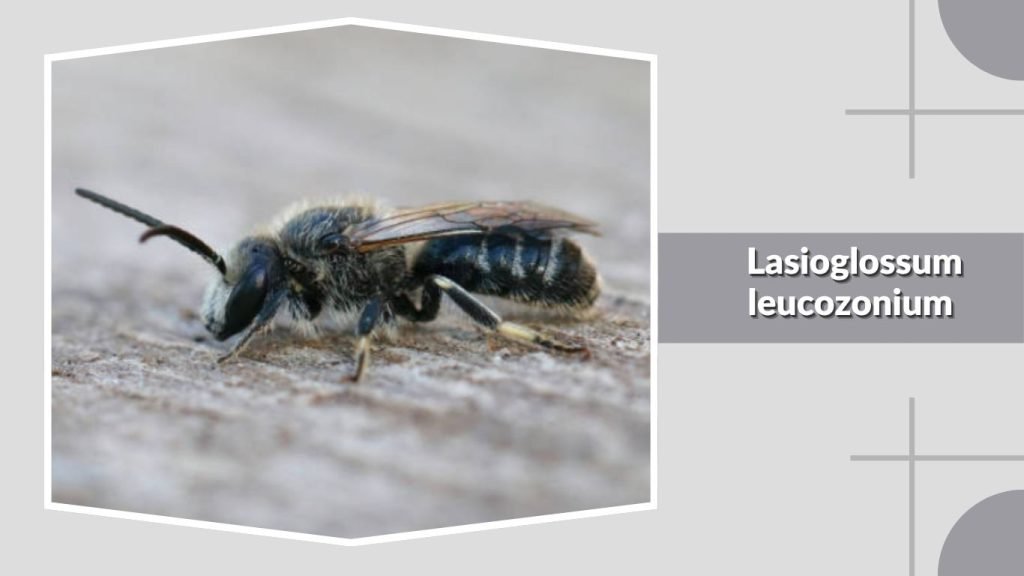
Lasioglossum leucozonium is a small sweat bee species often found in gardens and open landscapes. It is known for its adaptability and frequent visits to flowers.
Identification
- Small-sized, slender body
- Dark brown to black coloration
- Distinct pale bands on abdomen
- Fine hair covering
- Transparent wings
Size
This species usually measures about 4 to 8 mm in length. It is relatively small and may be overlooked without close observation.
Color
Lasioglossum leucozonium has a dark body with noticeable pale bands across the abdomen. The contrast between dark and light areas helps in recognition.
Diet
It feeds on nectar and collects pollen from a variety of flowers. It is a generalist feeder and contributes to pollination in many environments.
ID
It can be identified by its small size, dark body, and clear pale bands on the abdomen. Its frequent activity around flowers also helps distinguish it.
6. Augochlora pura
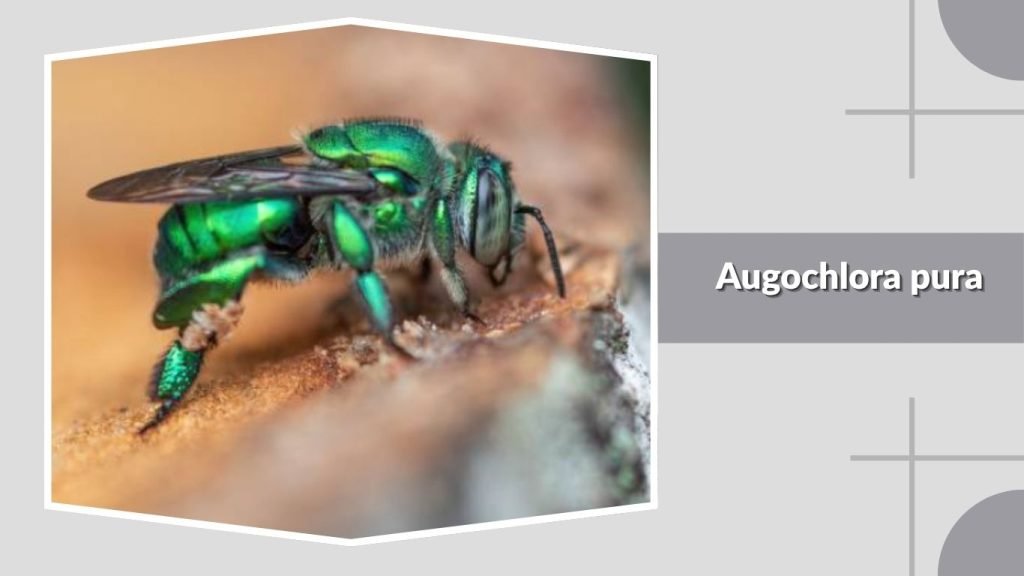
Augochlora pura is a beautiful metallic sweat bee known for its bright green color. It is commonly found in forests and gardens and is an important pollinator of many flowering plants.
Identification
- Small to medium-sized body
- Bright metallic green coloration
- Smooth and shiny appearance
- Slender shape
- Transparent wings
Size
This species typically measures around 5 to 9 mm in length. Its size is moderate for a sweat bee, making it noticeable due to its bright color.
Color
Augochlora pura has a striking metallic green body that may appear golden or bluish in certain light. Its shiny surface makes it easy to distinguish from non-metallic species.
Diet
It feeds on nectar for energy and collects pollen for its larvae. It visits a wide variety of flowers, especially in forested and garden environments.
ID
This bee is easily identified by its bright metallic green color and smooth, shiny body. Its preference for wooded areas also helps in recognition.
7. Augochlorella aurata
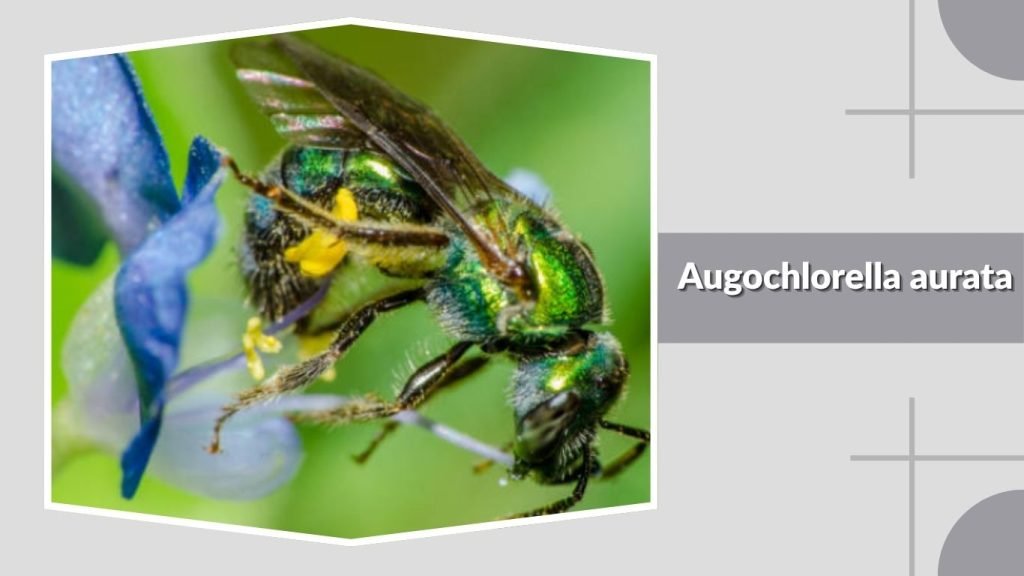
Augochlorella aurata is a small metallic sweat bee known for its golden-green shine. It is commonly found in gardens and open habitats and is an active pollinator.
Identification
- Small-sized body
- Metallic green to golden coloration
- Smooth and shiny appearance
- Slender shape
- Clear wings
Size
This species usually measures about 4 to 7 mm in length. It is relatively small but stands out due to its metallic color.
Color
Augochlorella aurata displays a bright metallic green or golden sheen. The reflective surface makes it highly visible in sunlight.
Diet
It feeds on nectar and collects pollen from many types of flowers. It is a generalist feeder and contributes to pollination in various environments.
ID
It can be identified by its small size and metallic green-gold color. Its shiny body and frequent visits to flowers make it easy to spot.
8. Agapostemon virescens
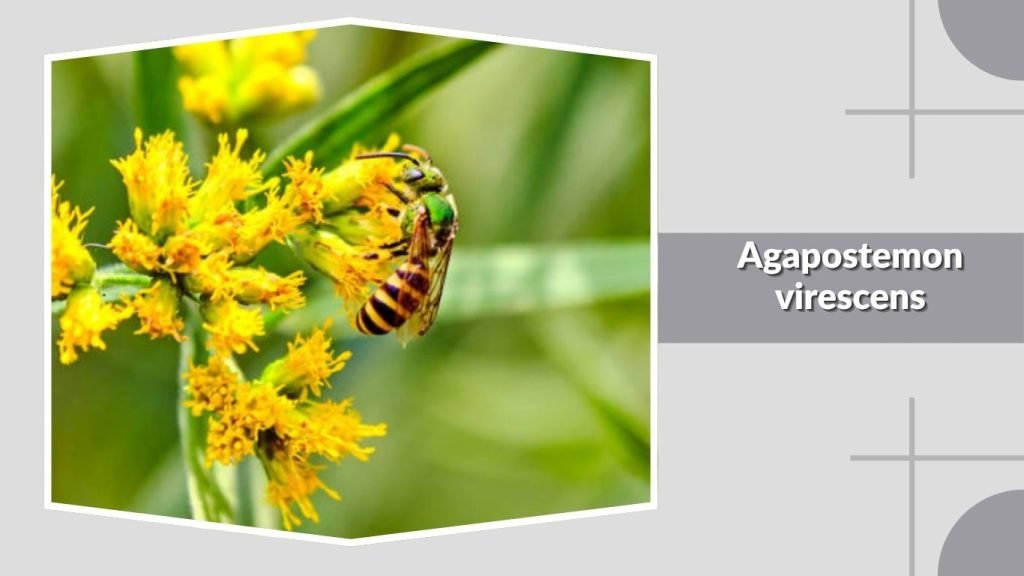
Agapostemon virescens is a striking sweat bee species known for its bright metallic colors. It is commonly found in gardens and open areas, where it plays an important role in pollination.
Identification
- Medium-sized body
- Metallic green head and thorax
- Black and yellow striped abdomen
- Smooth and shiny appearance
- Slender shape
Size
This species typically measures about 8 to 11 mm in length. It is larger than many other sweat bees, making it easier to observe.
Color
Agapostemon virescens has a vivid metallic green head and thorax, while the abdomen shows black and yellow bands. This contrast makes it very distinctive.
Diet
It feeds on nectar for energy and collects pollen for its larvae. It visits a wide range of flowers, including garden plants and wildflowers.
ID
This bee can be identified by its bright green front body and striped abdomen. Its larger size and bold coloration help distinguish it from other sweat bees.
9. Agapostemon splendens
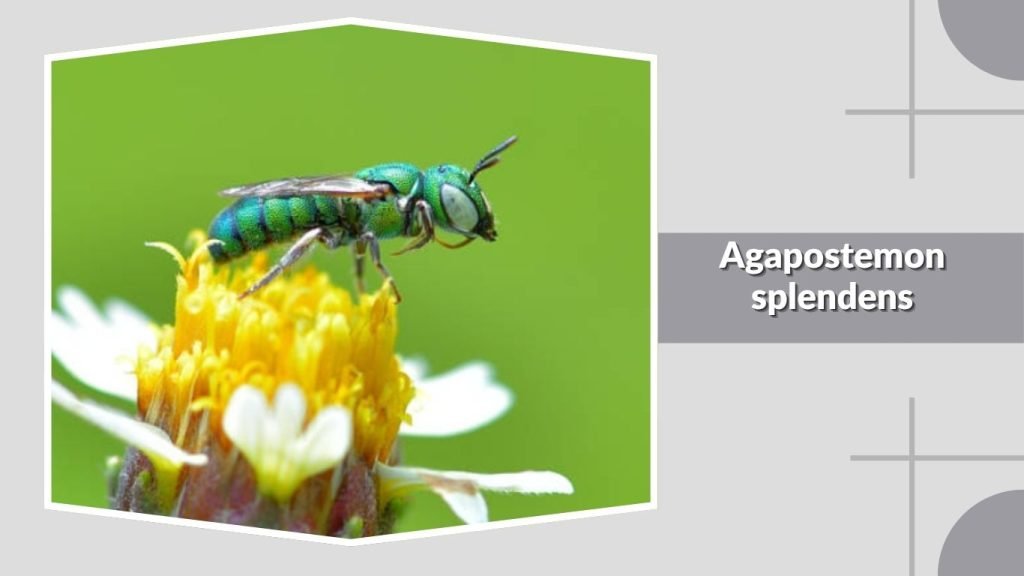
Agapostemon splendens is another colorful sweat bee species known for its metallic shine. It is often seen visiting flowers in open and sunny environments.
Identification
- Medium-sized body
- Metallic green head and thorax
- Banded abdomen with dark and light markings
- Smooth, shiny surface
- Slender shape
Size
This species usually measures around 7 to 10 mm in length. Its size is similar to other Agapostemon species.
Color
Agapostemon splendens has a bright metallic green head and thorax, with a striped abdomen that may appear black and yellow or pale. Its shiny appearance makes it noticeable.
Diet
It feeds on nectar and gathers pollen from a variety of flowers. It is a generalist pollinator and supports many plant species.
ID
It can be identified by its metallic green coloration and striped abdomen. Its shiny body and frequent flower visits help in recognition.
10. Nomia melanderi
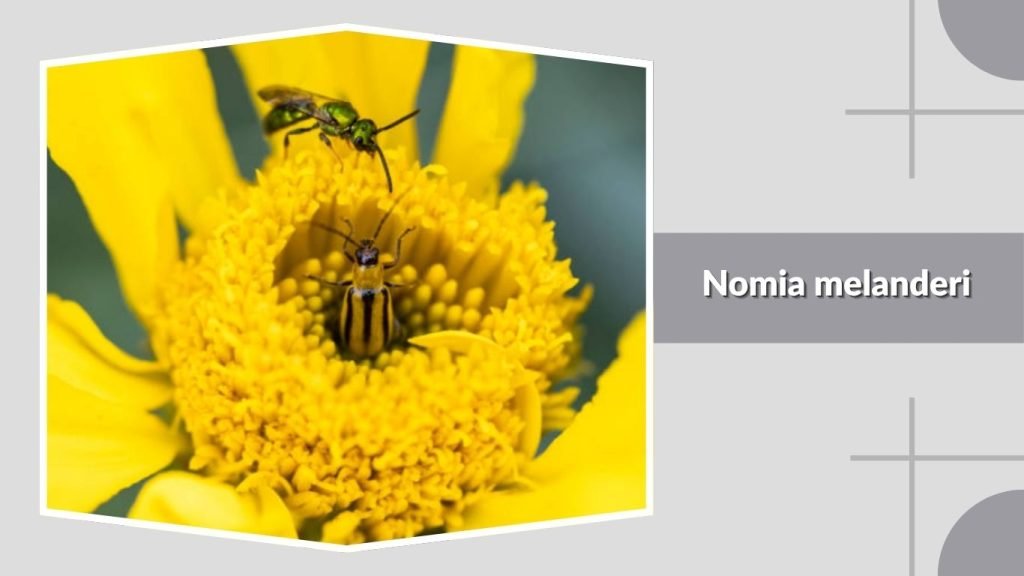
Nomia melanderi, commonly known as the alkali bee, is a type of sweat bee widely recognized for its importance in agriculture. It is especially valued for pollinating crops like alfalfa and is often managed by farmers.
Identification
- Medium-sized body
- Slender shape
- Dark body with light bands
- Slight hair covering
- Clear wings
Size
This species typically measures around 8 to 12 mm in length. It is relatively larger than many other sweat bees, making it easier to observe in the field.
Color
Nomia melanderi has a dark brown to black body with distinct pale or whitish bands across the abdomen. The contrast gives it a striped appearance.
Diet
It feeds on nectar for energy and collects pollen for its larvae. It is especially attracted to alfalfa flowers but also visits other plants.
ID
This bee can be identified by its banded abdomen, medium size, and ground-nesting behavior. Its strong association with alfalfa fields also helps in recognition.
