
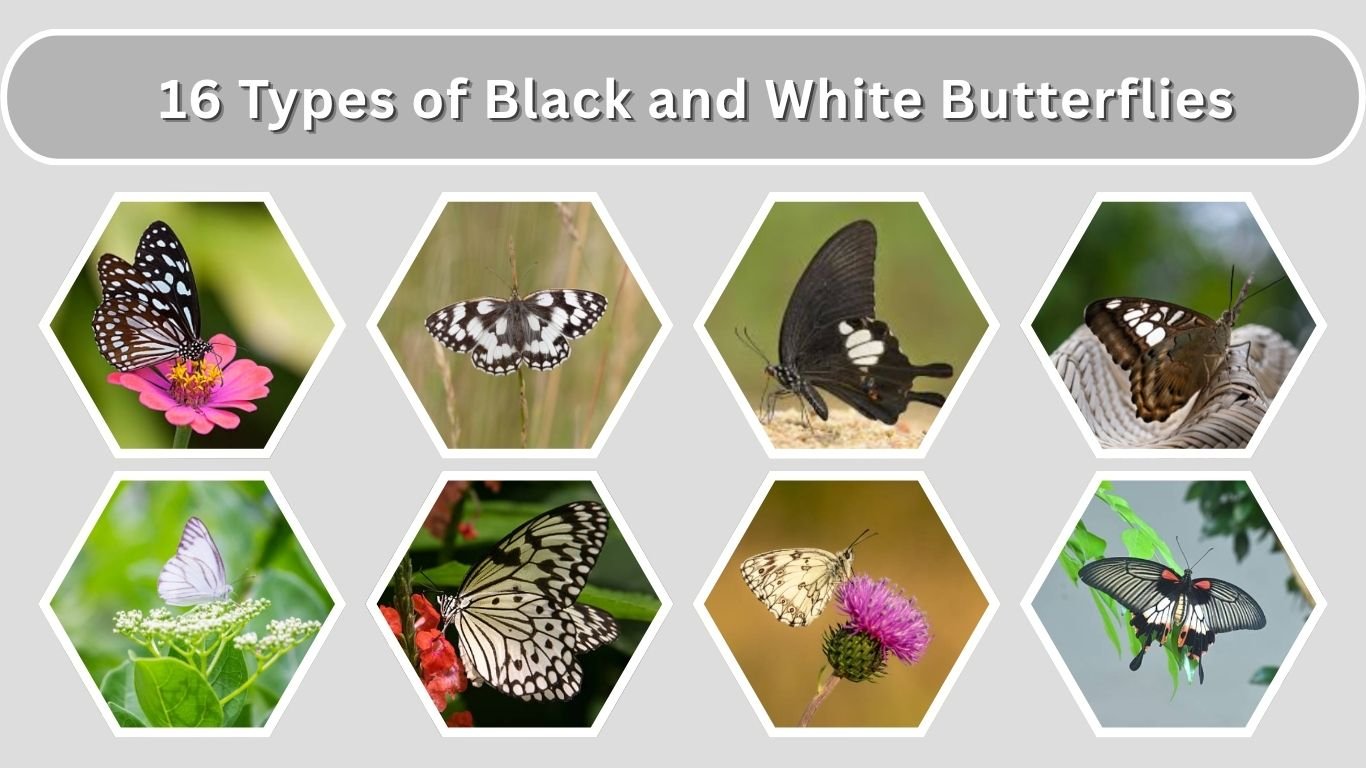
Black and white butterflies are known for their elegant contrast and striking patterns, making them easy to recognize in gardens and natural habitats. These butterflies are commonly found in forests, meadows, and tropical regions, where they add beauty while also serving as important pollinators in the ecosystem.
1. Zebra Longwing
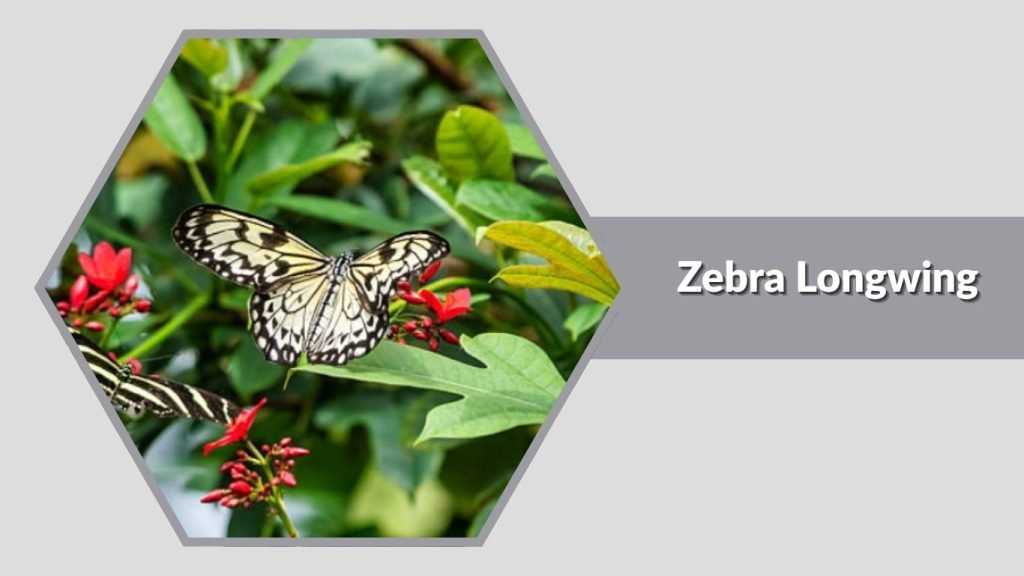
The Zebra Longwing (Heliconius charithonia) is a distinctive butterfly known for its bold black and white striped wings. It is commonly found in warm regions and is admired for its graceful flight and unique behavior.
Identification
- Black wings with white or pale yellow stripes
- Long, narrow wing shape
- Medium size
- Smooth wing edges
- Striking zebra-like pattern
Habitat
This butterfly is commonly found in gardens, forests, and tropical areas. It prefers environments with plenty of flowering plants and host vines such as passionflower.
Behavior
Zebra Longwings are slow, graceful fliers and are often seen gliding between flowers. They are social butterflies and may roost in groups at night.
Diet
Adults feed on nectar and pollen, which provides extra nutrients. Caterpillars feed mainly on passionflower plants.
2. Paper Kite Butterfly
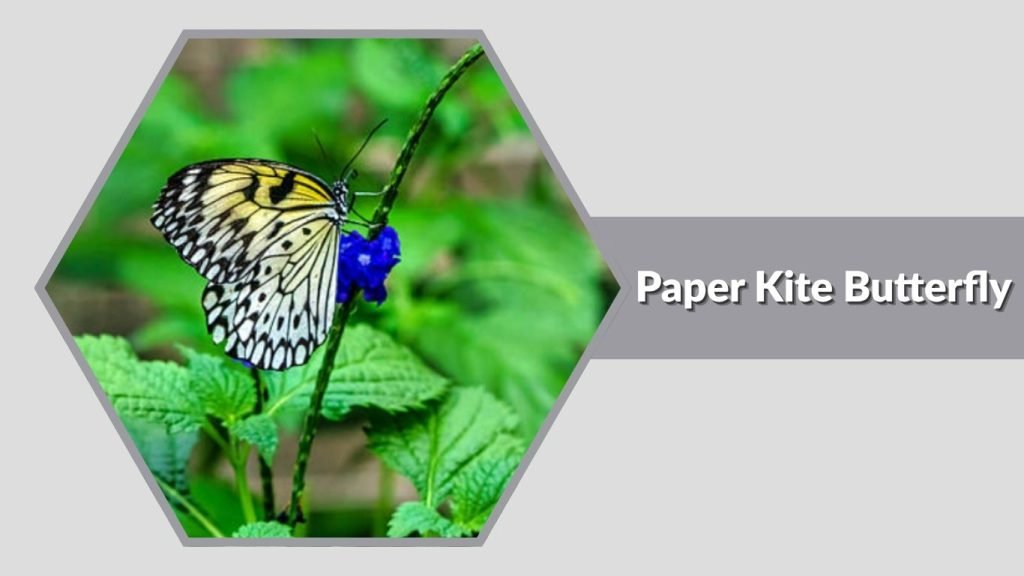
The Paper Kite Butterfly (Idea leuconoe) is a graceful butterfly known for its translucent white wings marked with bold black veins and spots.
Identification
- White wings with black veins and spots
- Large wingspan
- Smooth, delicate wing texture
- Slightly translucent appearance
- Elegant, slow flight
Habitat
This butterfly is found in tropical gardens, forests, and parks. It prefers warm, humid environments with plenty of flowering plants.
Behavior
Paper Kite Butterflies are slow and gentle fliers, often gliding through the air. They are active during the day and are commonly seen floating around gardens.
Diet
Adults feed on nectar from flowers such as lantana and milkweed. Caterpillars feed on host plants like milkweed, which makes them toxic to predators.
3. Cabbage White
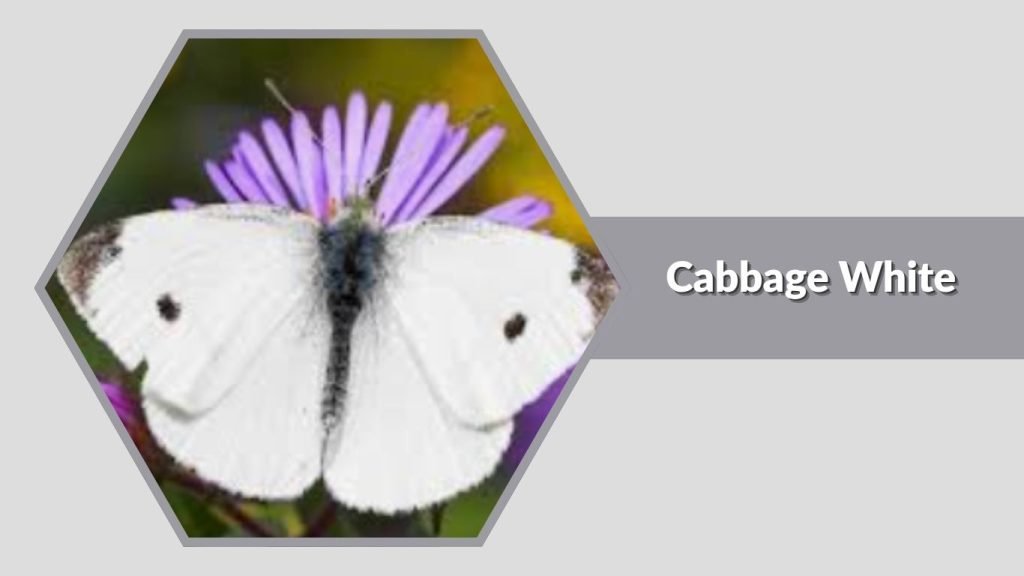
The Cabbage White (Pieris rapae) is a small and common butterfly often seen in gardens and vegetable patches.
Identification
- White wings with small black spots
- Small to medium size
- Pale green underside
- Simple wing pattern
- Slender body
Habitat
This butterfly is found in gardens, fields, and farmland. It prefers areas where cabbage and other leafy plants grow.
Behavior
Cabbage Whites are active during the day and fly quickly from plant to plant. They are one of the most common garden butterflies.
Diet
Adults feed on nectar from flowers. Caterpillars feed on cabbage, broccoli, and related plants, often making them a garden pest.
4. Black-veined White
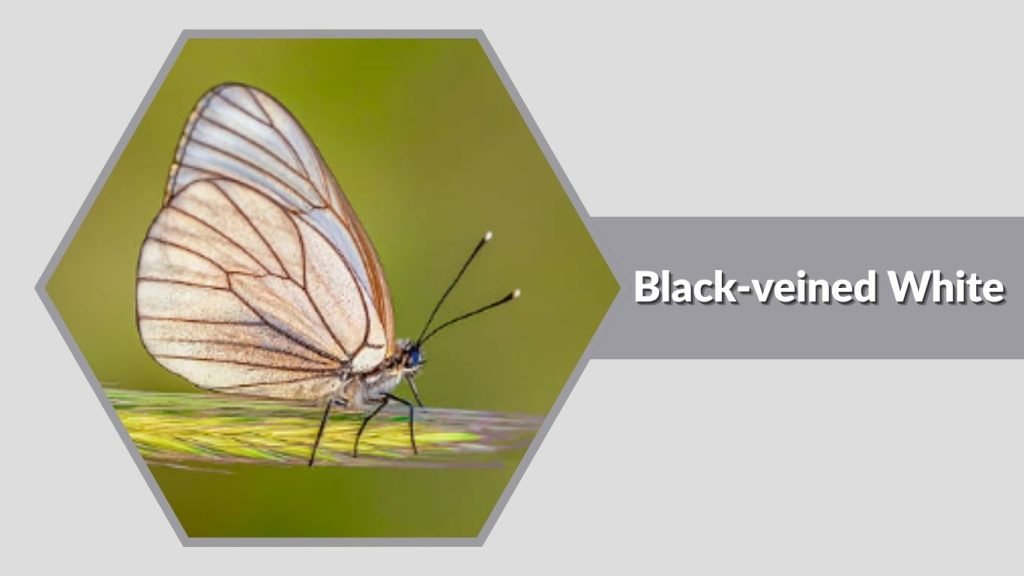
The Black-veined White (Aporia crataegi) is a striking butterfly known for its white wings with bold black veins, giving it a delicate yet distinct appearance.
Identification
- White wings with prominent black veins
- Medium size
- Slightly translucent wings
- Rounded wing shape
- Fine, lace-like pattern
Habitat
This butterfly is found in gardens, meadows, and open woodlands. It prefers areas with shrubs and flowering plants.
Behavior
Black-veined Whites are active during the day and are often seen flying slowly in sunny areas. They may gather in groups, especially during breeding seasons.
Diet
Adults feed on nectar from flowers such as hawthorn and thistles. Caterpillars feed on trees and shrubs like hawthorn and blackthorn.
5. Checkered White
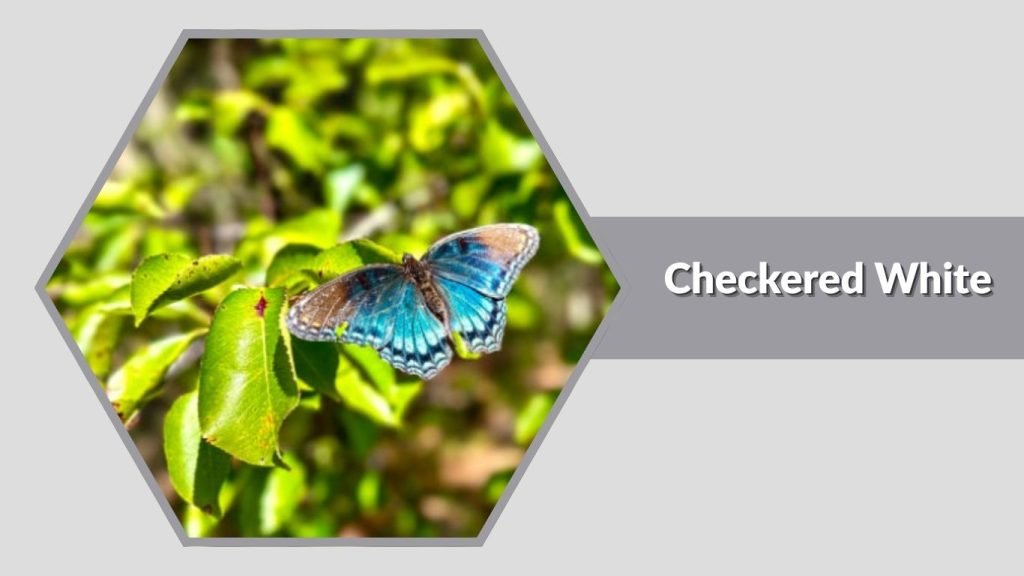
The Checkered White (Pontia protodice) is a small butterfly known for its white wings marked with a distinctive black checkered pattern.
Identification
- White wings with black checkered markings
- Small to medium size
- Light and delicate wing structure
- Subtle gray tones underneath
- Slim body
Habitat
This butterfly is commonly found in gardens, fields, and open areas. It prefers sunny locations with low vegetation and wildflowers.
Behavior
Checkered Whites are active during the day and are fast, erratic fliers. They are often seen fluttering close to the ground.
Diet
Adults feed on nectar from small flowers. Caterpillars feed on plants from the mustard family, such as wild mustard and related species.
6. White Admiral
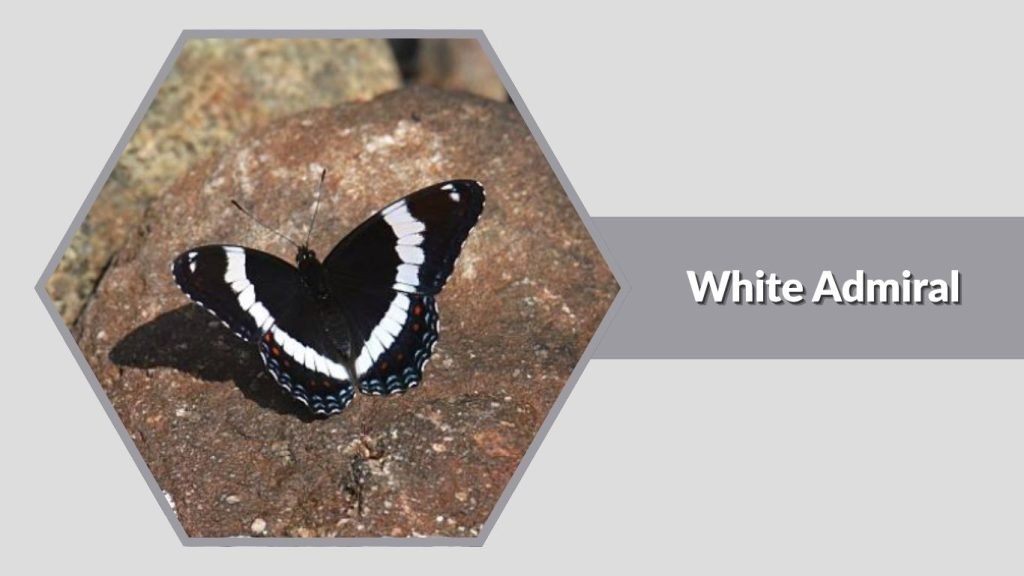
The White Admiral (Limenitis camilla) is a graceful butterfly known for its dark wings crossed by a bold white band, creating a striking contrast.
Identification
- Dark brown or black wings with a white band
- Medium size
- Smooth, rounded wing shape
- Subtle markings on the underside
- Elegant and clean pattern
Habitat
This butterfly is found in woodlands, gardens, and forest edges. It prefers shaded areas with trees and shrubs.
Behavior
White Admirals are active during the day and often glide smoothly through shaded areas. They are less likely to visit flowers compared to other butterflies.
Diet
Adults feed on tree sap, honeydew, and occasionally nectar. Caterpillars feed on honeysuckle plants.
7. Common Mime
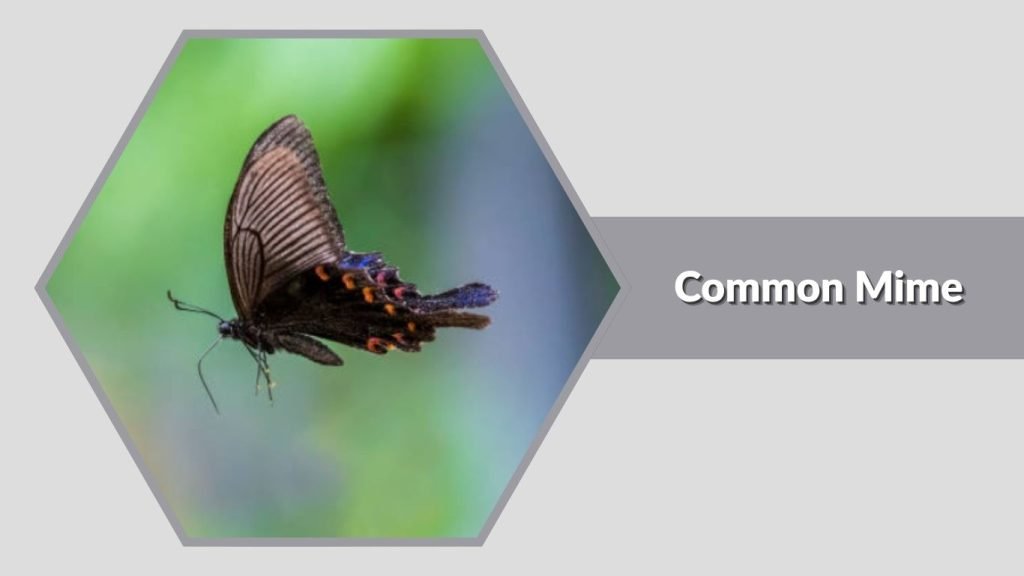
The Common Mime (Papilio clytia) is a unique butterfly that mimics other toxic species. It has a black and white pattern that varies depending on its form.
Identification
- Black wings with white markings or bands
- Medium to large size
- Tail-like extensions on hind wings
- Variable pattern depending on mimic form
- Smooth wing texture
Habitat
This butterfly is found in gardens, forests, and urban areas. It prefers regions with trees and host plants.
Behavior
Common Mimes are active during the day and are strong fliers. Their mimicry helps protect them from predators.
Diet
Adults feed on nectar from flowers. Caterpillars feed on plants from the citrus family.
8. Blue Banded Eggfly
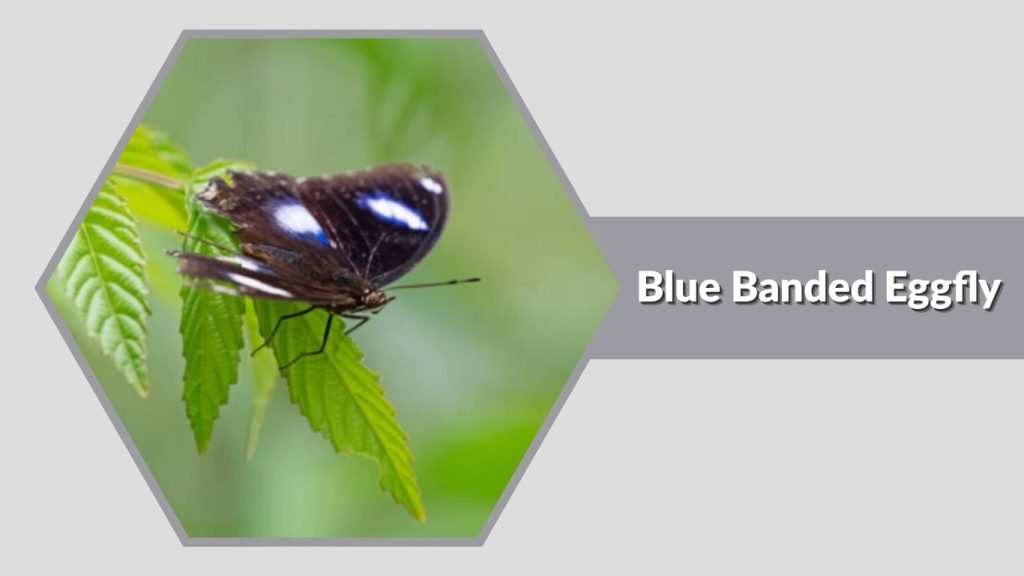
The Blue Banded Eggfly (Hypolimnas alimena) is a striking butterfly with bold black and white patterns, often accented by subtle blue tones.
Identification
- Black wings with white bands and spots
- Slight blue sheen in certain light
- Medium to large size
- Rounded wings
- Strong contrast in coloration
Habitat
This butterfly is found in gardens, forests, and tropical regions. It prefers warm environments with plenty of flowering plants.
Behavior
Blue Banded Eggflies are active during the day and are strong fliers. They often rest with wings open, displaying their bold patterns.
Diet
Adults feed on nectar from flowers and sometimes on fruit juices. Caterpillars feed on a variety of host plants.
9. Clipper Butterfly
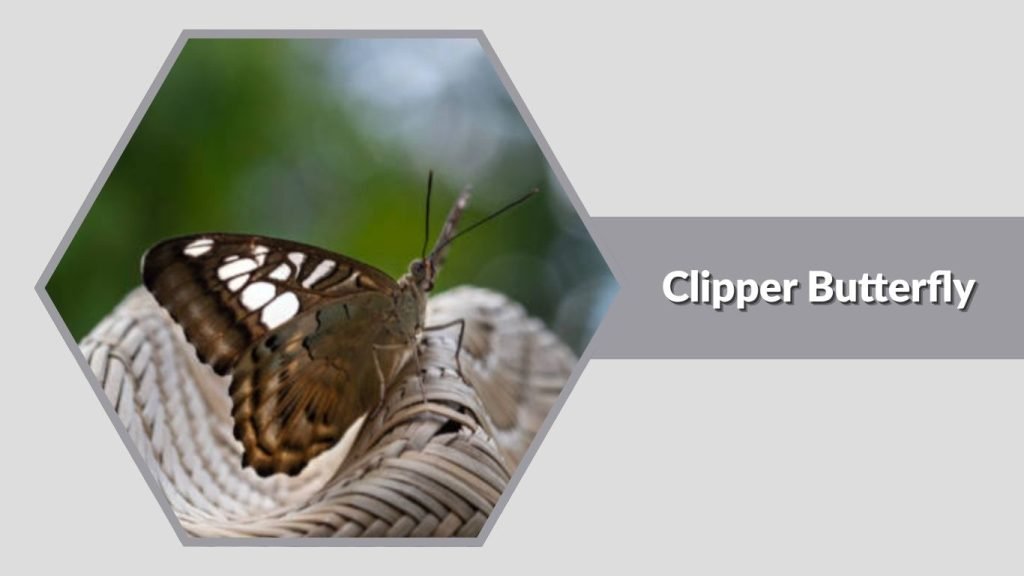
The Clipper Butterfly (Parthenos sylvia) is a fast-flying species known for its black and white patterned wings and energetic movement.
Identification
- Black wings with white patches and markings
- Medium to large size
- Strong, streamlined wing shape
- Smooth wing edges
- Bold pattern
Habitat
This butterfly is commonly found in gardens, forests, and tropical areas. It prefers warm climates with dense vegetation.
Behavior
Clipper Butterflies are known for their fast and direct flight. They are active during the day and rarely stay still for long periods.
Diet
Adults feed on nectar from flowers. Caterpillars feed on host plants found in forested areas.
10. Great Mormon (female form)
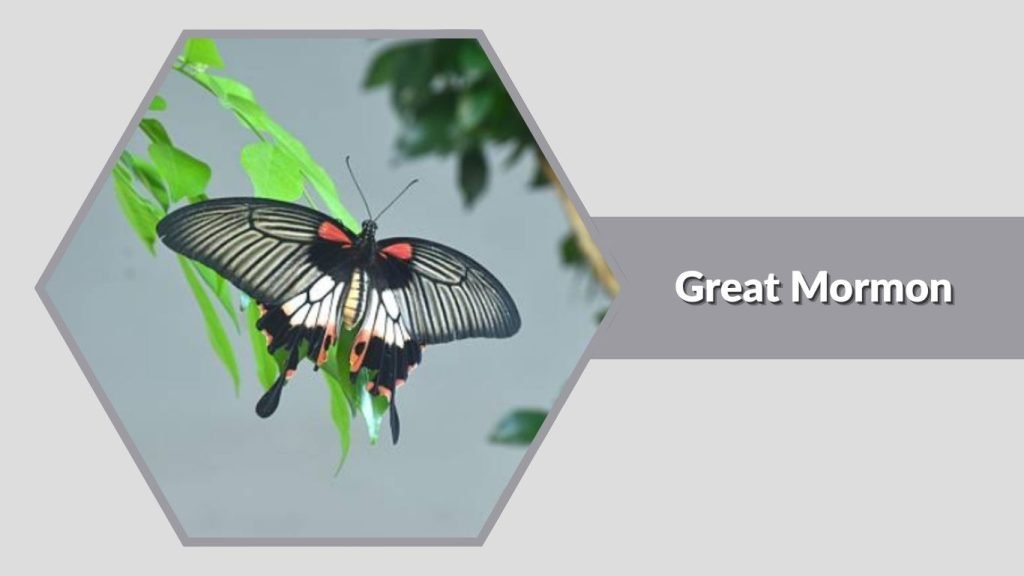
The female Great Mormon (Papilio memnon) is well known for its black and white coloration, often mimicking other toxic butterflies for protection.
Identification
- Black wings with white patches or markings
- Large size
- Tail-like extensions on hind wings
- Variable patterns due to mimic forms
- Smooth, broad wings
Habitat
This butterfly is found in gardens, forests, and urban areas. It prefers warm climates with access to flowering plants and host trees.
Behavior
Female Great Mormons are active during the day and are strong fliers. Their mimicry helps them avoid predators by resembling unpalatable species.
Diet
Adults feed on nectar from flowers. Caterpillars feed on citrus plants and related species.
11. Black and White Helen
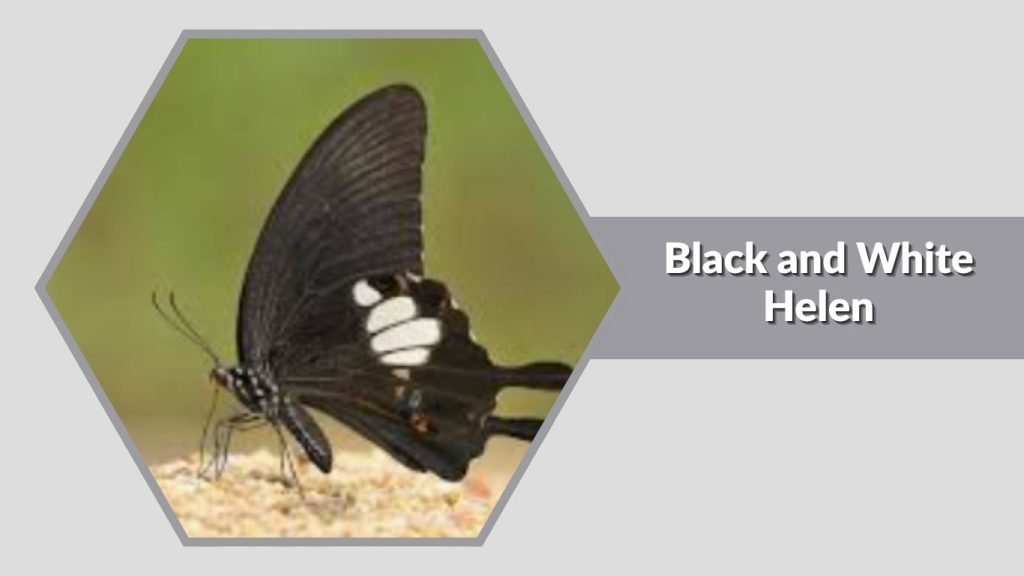
The Black and White Helen (Papilio nephelus) is a large and elegant butterfly known for its bold contrast between dark and pale wing patterns.
Identification
- Black wings with white bands or patches
- Large size
- Tail-like extensions on hind wings
- Smooth wing edges
- Strong, striking contrast
Habitat
This butterfly is found in forests, gardens, and hilly regions. It prefers areas with trees and flowering plants.
Behavior
Black and White Helens are active during the day and are strong, graceful fliers. They often glide between flowers and may visit damp ground.
Diet
Adults feed on nectar from flowers. Caterpillars feed on plants from the citrus family.
12. Marbled White
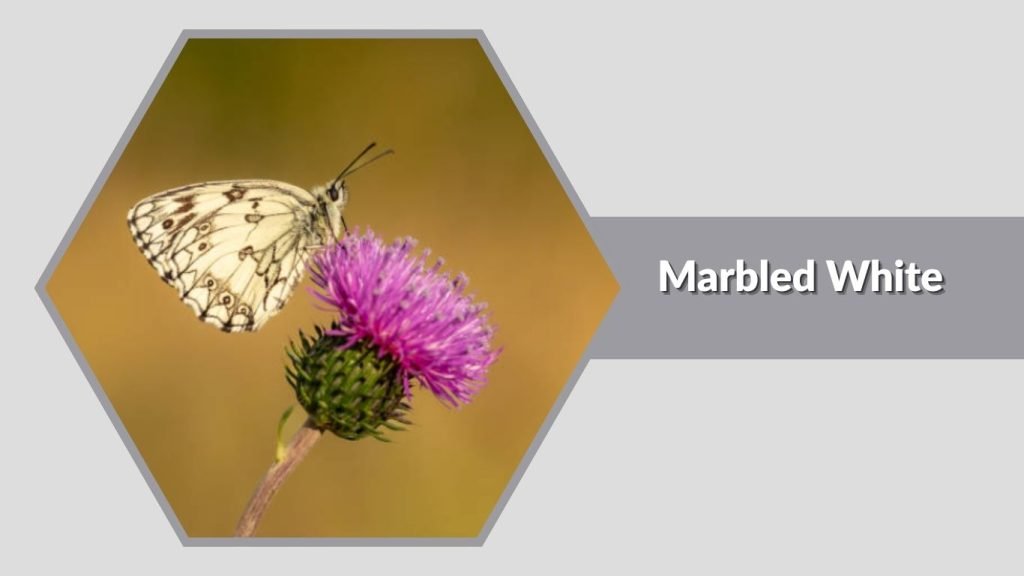
The Marbled White (Melanargia galathea) is a beautiful butterfly known for its checkered black and white wing pattern.
Identification
- Black and white checkered wings
- Medium size
- Rounded wing shape
- Smooth wing edges
- Distinct marble-like pattern
Habitat
This butterfly is commonly found in grasslands, meadows, and open countryside. It prefers areas with wildflowers and tall grasses.
Behavior
Marbled Whites are active during the day and have a slow, fluttering flight. They are often seen resting on flowers in sunny conditions.
Diet
Adults feed on nectar from flowers such as knapweed and thistles. Caterpillars feed on grasses.
13. African White Lady
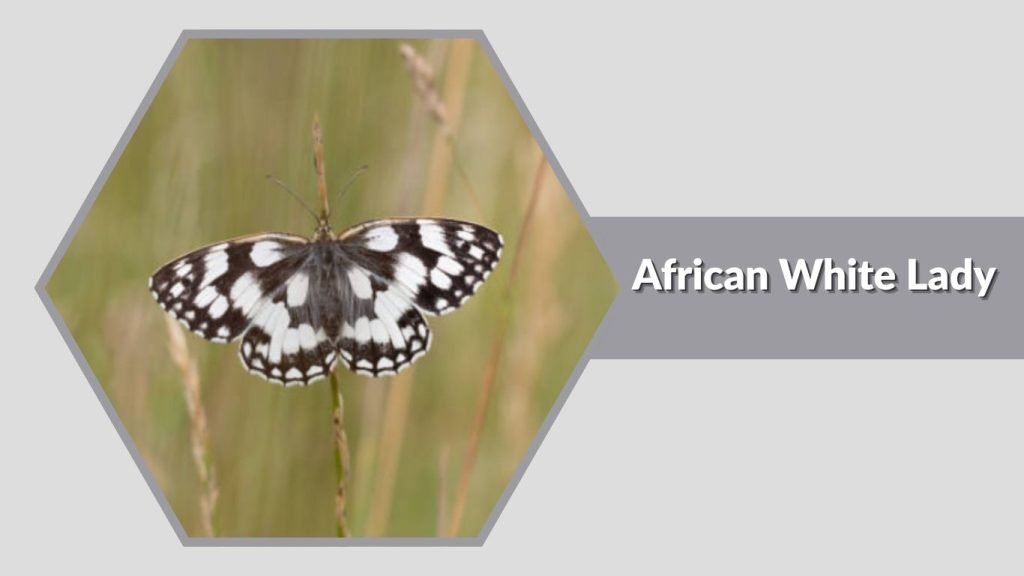
The African White Lady (Belenois aurota) is a migratory butterfly known for its bold black and white wing pattern.
Identification
- White wings with black veins and borders
- Medium size
- Light, delicate wing structure
- Slight yellow tint underneath
- Clear contrast in pattern
Habitat
This butterfly is found in open areas, gardens, and dry regions. It prefers sunny environments with flowering plants.
Behavior
African White Ladies are strong migrators and can travel long distances. They are active during the day and often seen in groups.
Diet
Adults feed on nectar from various flowers. Caterpillars feed on plants from the caper family.
14. Rice Paper Butterfly
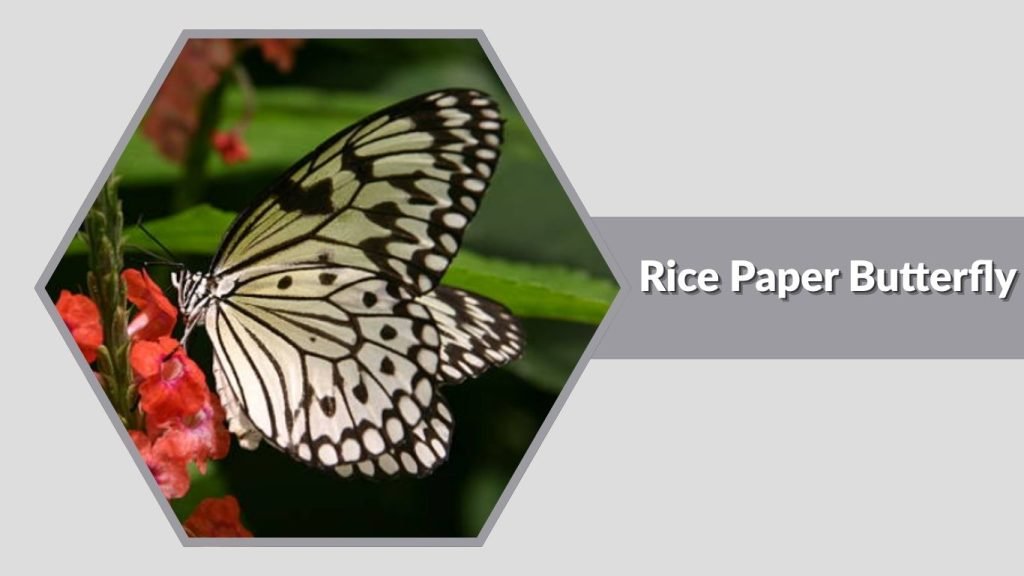
The Rice Paper Butterfly (Idea leuconoe, also called Tree Nymph) is a delicate species known for its soft white wings with bold black markings.
Identification
- White wings with black veins and spots
- Large wingspan
- Slightly translucent appearance
- Smooth and delicate wings
- Elegant, floating look
Habitat
This butterfly is found in tropical gardens, forests, and parks. It prefers warm, humid environments with plenty of flowering plants.
Behavior
Rice Paper Butterflies are slow, graceful fliers. They often glide gently through the air and are commonly seen in groups in suitable habitats.
Diet
Adults feed on nectar from flowers. Caterpillars feed on plants like milkweed, which makes them unpalatable to predators.
15. Pioneer White
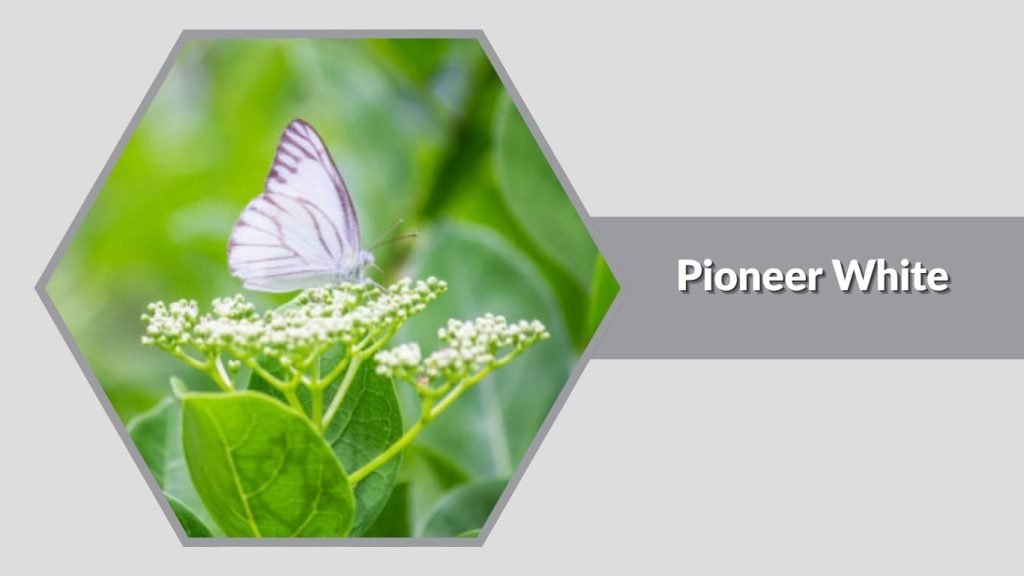
The Pioneer White (Belenois aurota) is a fast-moving butterfly known for its clean white wings with bold black patterns.
Identification
- White wings with black borders and markings
- Medium size
- Smooth, rounded wings
- Strong contrast in coloration
- Light and delicate body
Habitat
This butterfly is found in gardens, fields, and dry open areas. It prefers sunny environments with flowering plants.
Behavior
Pioneer Whites are active during the day and are strong fliers. They are known for their migratory behavior and can travel long distances.
Diet
Adults feed on nectar from flowers. Caterpillars feed on plants from the caper family.
16. Tree Nymph Butterfly
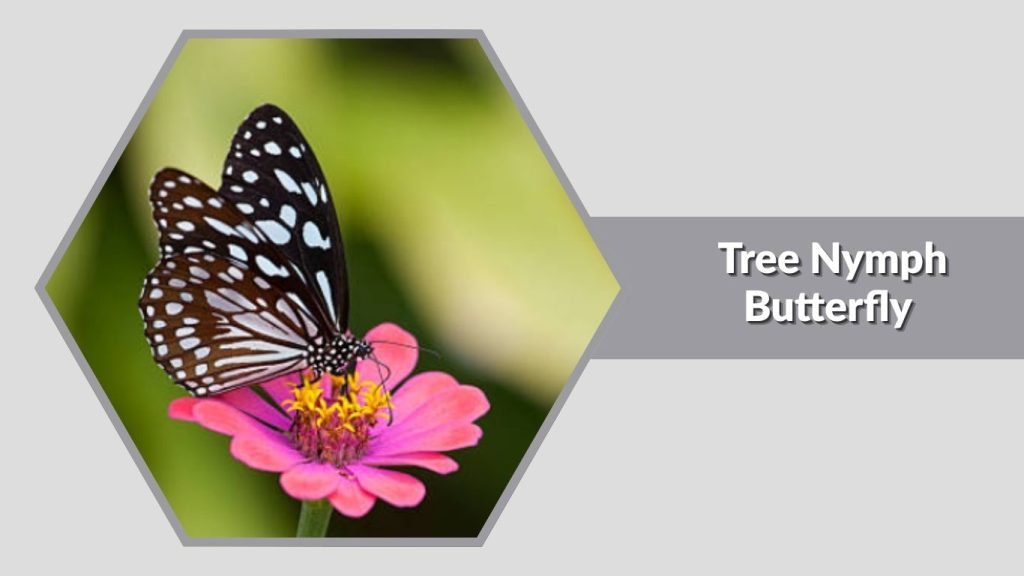
The Tree Nymph Butterfly (Idea leuconoe) is a graceful and elegant species known for its white wings marked with bold black veins and spots. It is often admired for its slow, floating flight.
Identification
- White wings with black veins and spots
- Large wingspan
- Slightly translucent wings
- Smooth, delicate appearance
- Bold but simple pattern
Habitat
This butterfly is commonly found in tropical forests, gardens, and parks. It prefers warm, humid environments with plenty of flowering plants.
Behavior
Tree Nymph Butterflies are slow and gentle fliers, often gliding through the air. They are active during the day and may gather in groups in suitable habitats.
Diet
Adults feed on nectar from flowers. Caterpillars feed on host plants such as milkweed, which helps protect them from predators.
