
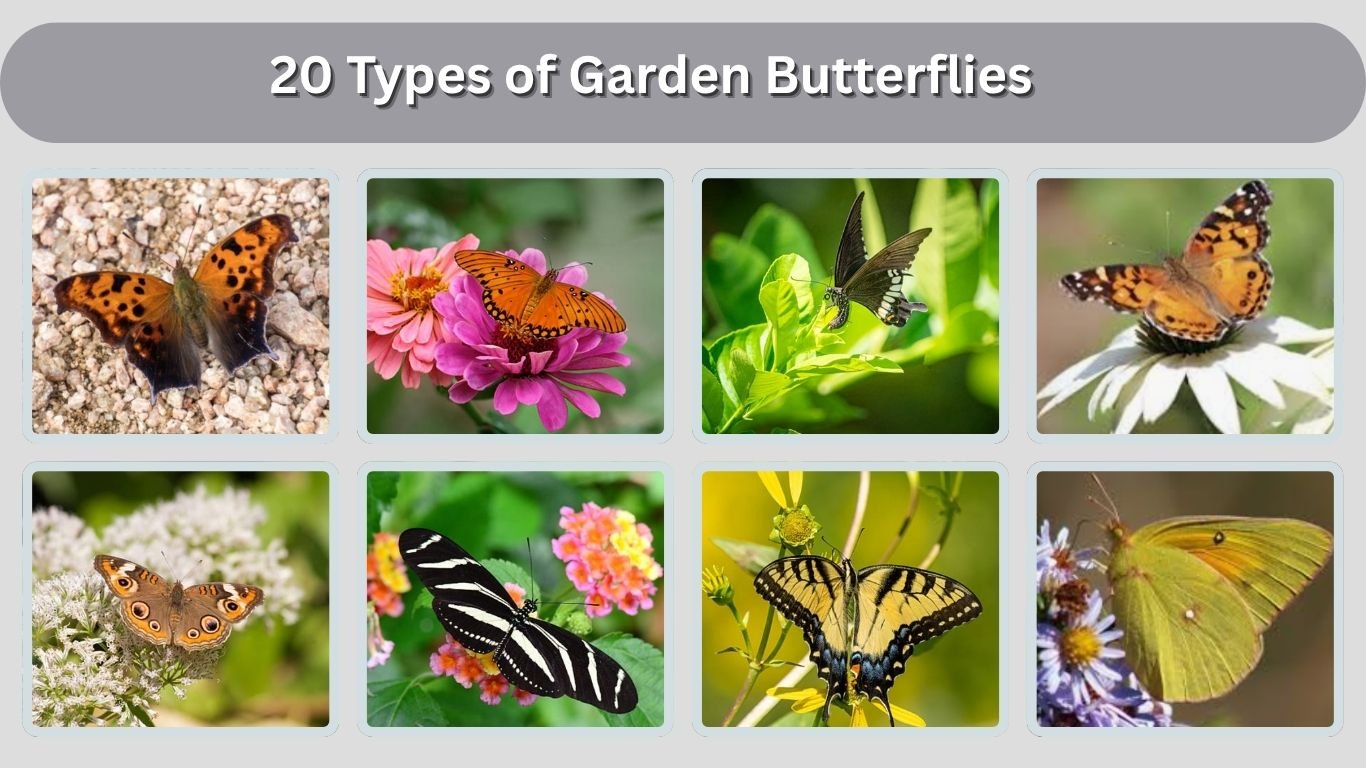
Garden butterflies are among the most beautiful and beneficial insects, adding color and life to outdoor spaces. They are commonly found in gardens, meadows, and parks where flowers are abundant. Besides their beauty, butterflies play an important role as pollinators, helping plants grow and reproduce while supporting a healthy ecosystem.
1. Monarch Butterfly
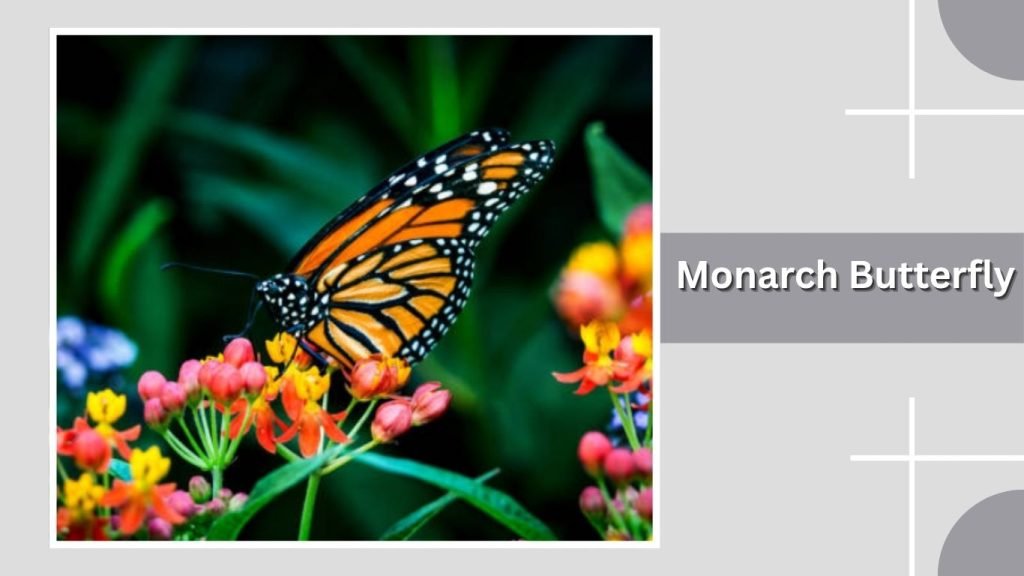
The Monarch Butterfly (Danaus plexippus) is one of the most famous and easily recognizable butterflies, known for its bright orange wings and long-distance migration. It is a common visitor in gardens, especially where milkweed plants are present.
Identification
- Bright orange wings with black veins
- White spots along the wing edges
- Large wingspan compared to many garden butterflies
- Smooth, delicate wing texture
- Males have small black spots on hind wings
Habitat
Monarch Butterflies are found in gardens, meadows, and open fields. They are especially attracted to areas with milkweed, which is essential for their reproduction, as well as nectar-rich flowers.
Behavior
Monarchs are well known for their incredible migration, traveling thousands of miles each year. They are active during the day and often seen flying slowly from flower to flower.
Diet
Adult Monarchs feed on nectar from flowers such as milkweed, lantana, and sunflowers. Their caterpillars feed exclusively on milkweed, which makes them toxic to predators.
2. Painted Lady
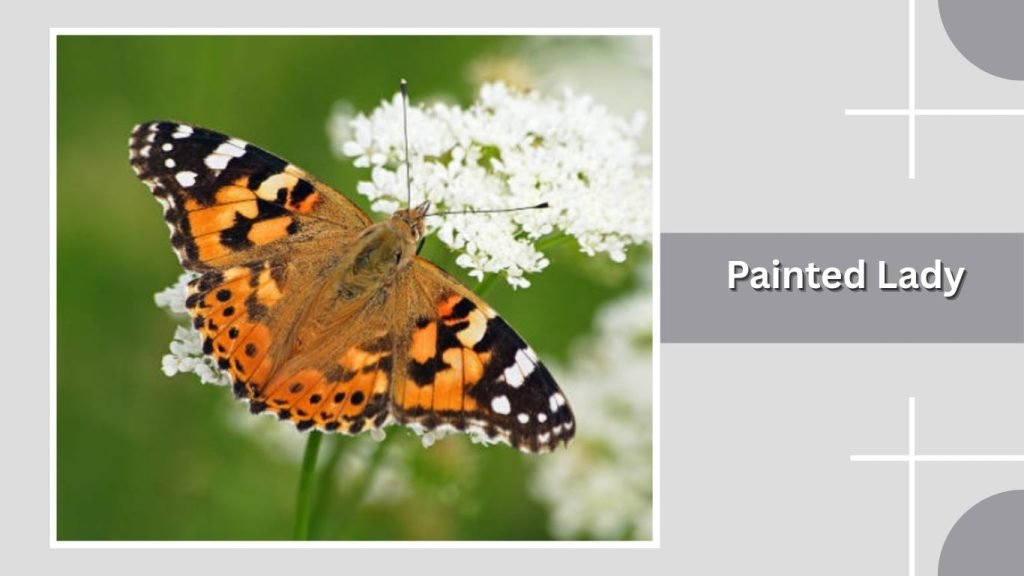
The Painted Lady (Vanessa cardui) is a widespread and adaptable butterfly, commonly seen in gardens around the world. It is known for its soft orange color with black and white markings.
Identification
- Orange-brown wings with black patches
- White spots near the tips of the forewings
- Medium-sized wingspan
- Subtle eye spots on the underside
- Slightly mottled wing pattern
Habitat
Painted Ladies are found in gardens, fields, and open landscapes. They prefer areas with plenty of flowering plants that provide nectar.
Behavior
These butterflies are strong migrants and can travel long distances. They are active during the day and frequently visit flowers, making them easy to observe.
Diet
Adults feed on nectar from a variety of flowers such as thistles, daisies, and asters. Caterpillars feed on a wide range of host plants.
3. Red Admiral
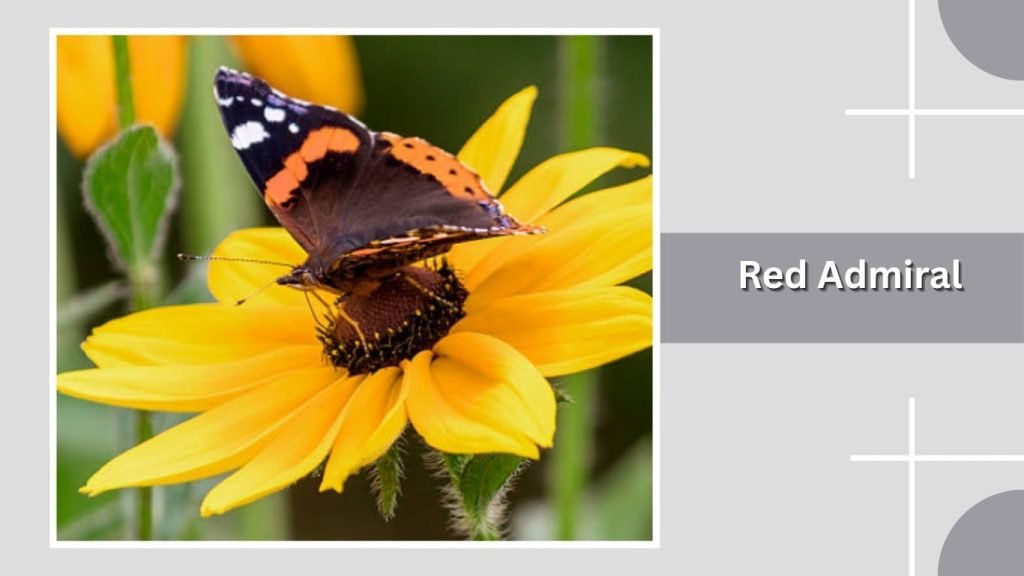
The Red Admiral (Vanessa atalanta) is a striking butterfly known for its dark wings with bold red bands. It is a common sight in gardens and parks.
Identification
- Black wings with bright red-orange bands
- White spots near the wing tips
- Medium to large size
- Sharp, bold color contrast
- Slightly scalloped wing edges
Habitat
Red Admirals are commonly found in gardens, woodlands, and urban areas. They are often seen near flowering plants and sunny spots.
Behavior
These butterflies are territorial and may chase away other butterflies. They are active during the day and often rest with wings open to absorb sunlight.
Diet
Adults feed on nectar, tree sap, and overripe fruits. Caterpillars primarily feed on nettles, making these plants important for their lifecycle.
4. Swallowtail Butterfly
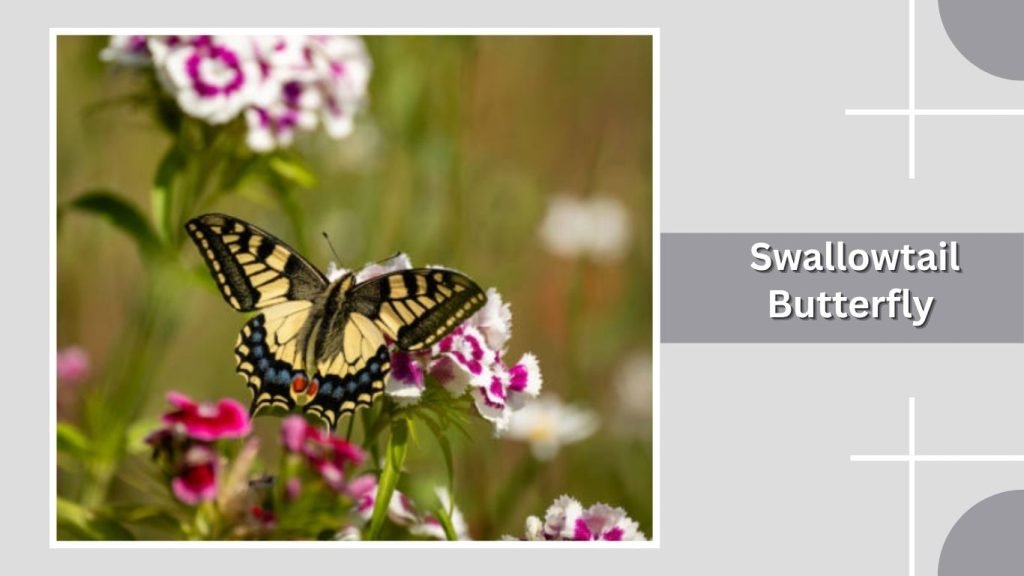
The Swallowtail Butterfly refers to a group of large, colorful butterflies known for their tail-like extensions on the hind wings. They are common and attractive visitors in many gardens.
Identification
- Large wings with tail-like extensions
- Bright colors such as yellow, black, and blue
- Bold patterns and markings
- Smooth, broad wings
- Strong and graceful flight
Habitat
Swallowtail butterflies are found in gardens, meadows, and forests. They are attracted to areas with flowering plants and host plants like parsley, dill, and citrus.
Behavior
They are active during the day and are strong fliers. Swallowtails often glide smoothly between flowers and are known for their elegant flight patterns.
Diet
Adults feed on nectar from flowers such as lantana and zinnias. Caterpillars feed on host plants like parsley, fennel, and citrus leaves.
5. Cabbage White
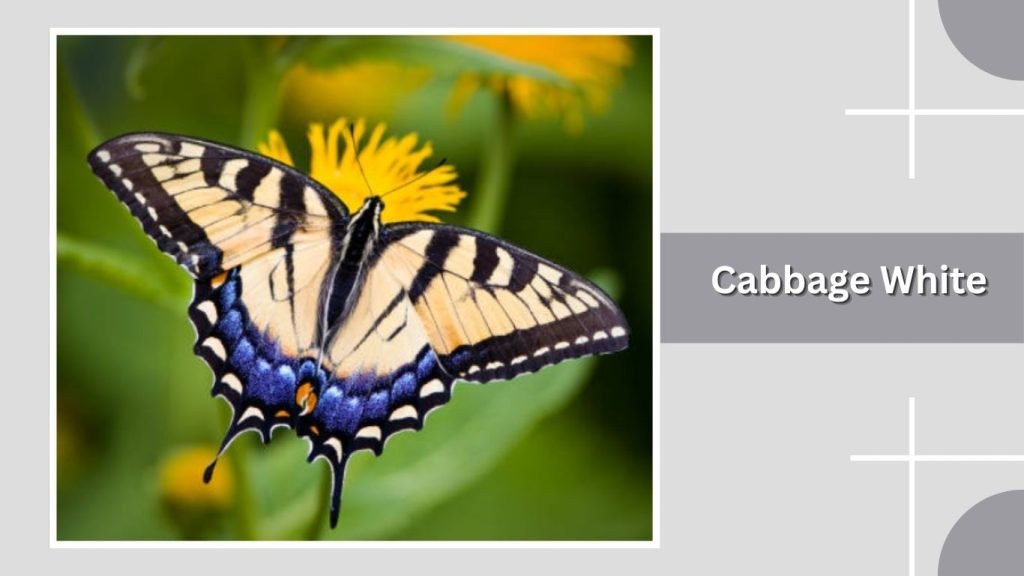
The Cabbage White (Pieris rapae) is a small, common butterfly often seen fluttering around gardens and vegetable patches.
Identification
- White wings with small black spots
- Small to medium size
- Pale green underside
- Simple, clean wing pattern
- Slender body
Habitat
This butterfly is commonly found in gardens, fields, and farmland. It is especially attracted to areas where cabbage and other leafy vegetables are grown.
Behavior
Cabbage Whites are active during the day and are frequently seen flying low over plants. They are fast breeders and can appear in large numbers.
Diet
Adults feed on nectar from small flowers. Caterpillars feed on cabbage, broccoli, and related plants, often making them a common garden pest.
6. Small Tortoiseshell
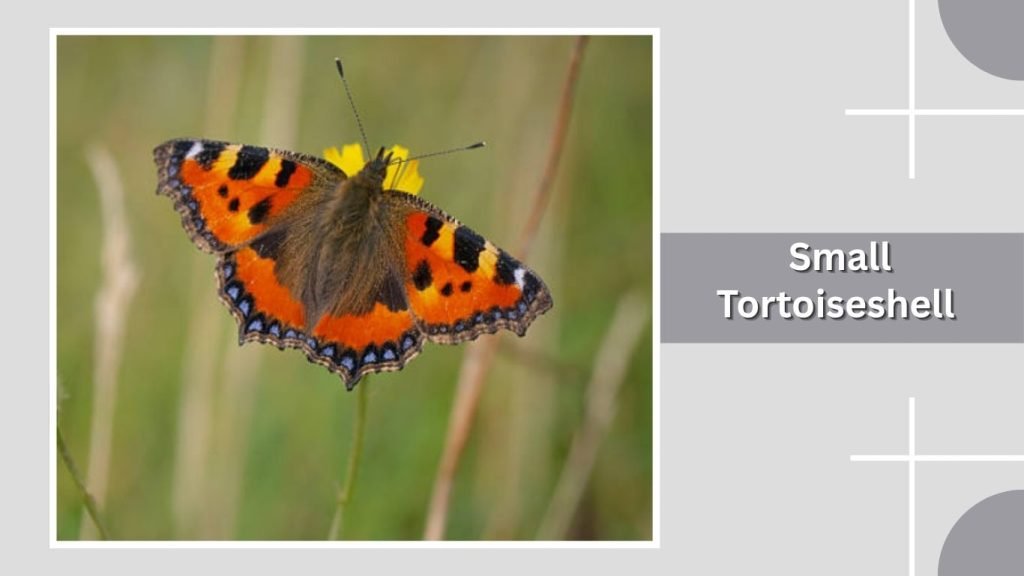
The Small Tortoiseshell (Aglais urticae) is a colorful butterfly commonly seen in gardens, known for its bright orange wings and bold patterns.
Identification
- Bright orange wings with black patches
- Blue spots along the wing edges
- Medium-sized wingspan
- Distinctive bold markings
- Slightly scalloped wing edges
Habitat
This butterfly is found in gardens, meadows, and open countryside. It prefers areas with flowering plants and is often seen basking in sunny spots.
Behavior
Small Tortoiseshells are active during the day and are often seen feeding on flowers. They may hibernate during winter and reappear in warmer months.
Diet
Adults feed on nectar from flowers such as buddleia and thistles. Caterpillars mainly feed on nettles.
7. Peacock Butterfly
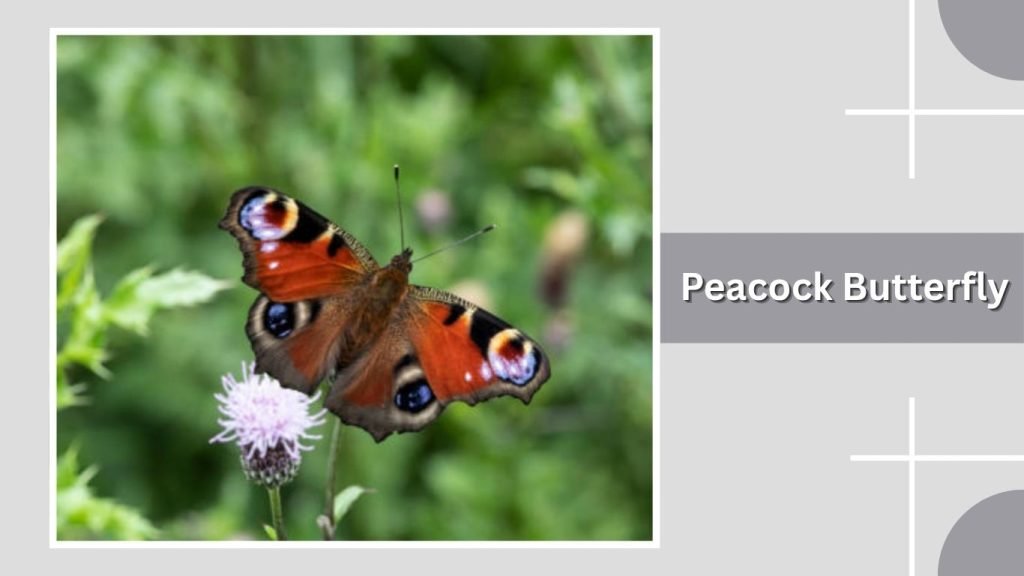
The Peacock Butterfly (Aglais io) is a striking species known for its eye-like patterns on its wings, which help deter predators.
Identification
- Reddish wings with large eye spots
- Bold and colorful patterns
- Medium size
- Dark underside for camouflage
- Rounded wing shape
Habitat
This butterfly is commonly found in gardens, parks, and woodlands. It prefers areas with nectar-rich flowers and suitable shelter.
Behavior
Peacock Butterflies are active during the day and often bask in the sun. When threatened, they display their eye spots to scare predators.
Diet
Adults feed on nectar from flowers like buddleia and thistles. Caterpillars primarily feed on nettles.
8. Common Blue Butterfly
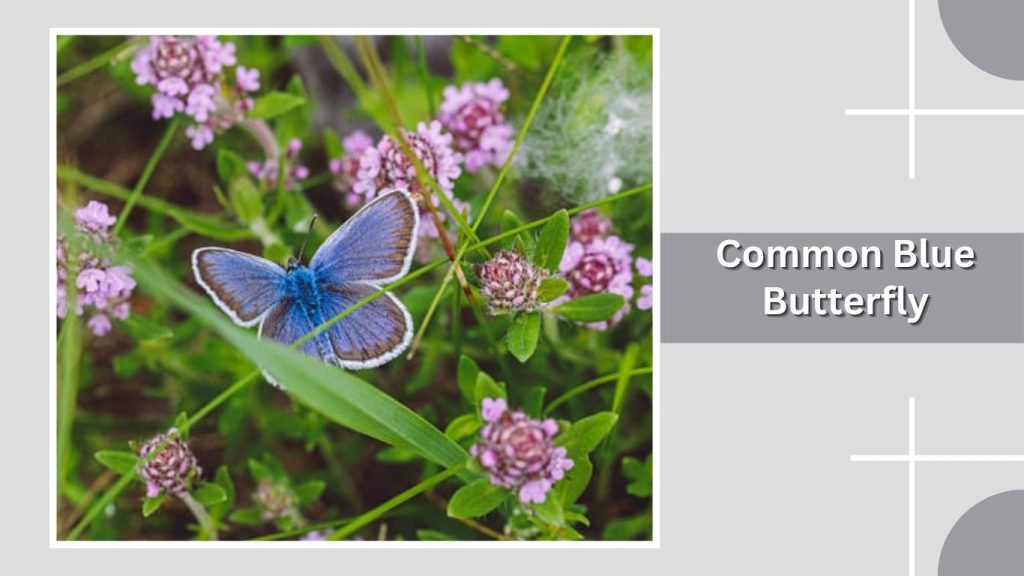
The Common Blue Butterfly (Polyommatus icarus) is a small and delicate butterfly often seen in gardens and grassy areas. Males are especially known for their bright blue wings.
Identification
- Males have bright blue wings with dark edges
- Females are brown with orange spots
- Small wingspan
- Fine, delicate wing structure
- Pale underside with black spots
Habitat
This butterfly is commonly found in gardens, meadows, and grasslands. It prefers open areas with plenty of low-growing plants and flowers.
Behavior
Common Blues are active during sunny weather and fly close to the ground. They are often seen resting on flowers or grass.
Diet
Adults feed on nectar from small flowers like clover and daisies. Caterpillars feed on legume plants such as clover.
9. Clouded Yellow
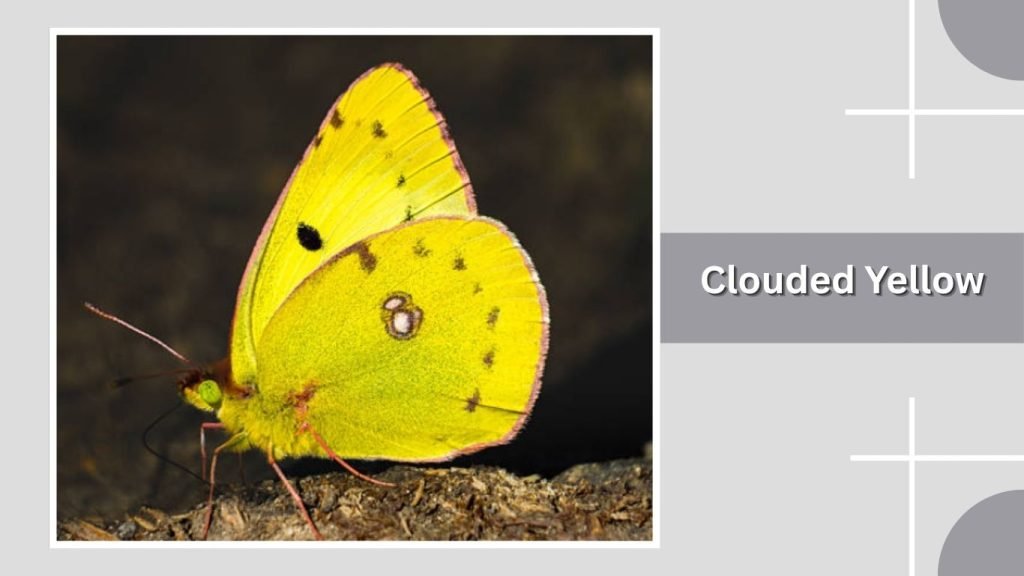
The Clouded Yellow (Colias croceus) is a bright and energetic butterfly known for its yellow wings with dark borders. It is often seen flying rapidly in open areas.
Identification
- Bright yellow wings with black edges
- Orange tint may be visible in some individuals
- Medium size
- Smooth, rounded wings
- Fast, fluttering flight
Habitat
This butterfly is found in gardens, fields, and open countryside. It prefers sunny areas with plenty of flowering plants.
Behavior
Clouded Yellows are strong and fast fliers, often difficult to follow. They are active during warm, sunny days and rarely stay still for long.
Diet
Adults feed on nectar from flowers such as clover and dandelions. Caterpillars feed on legumes and other low-growing plants.
10. Comma Butterfly
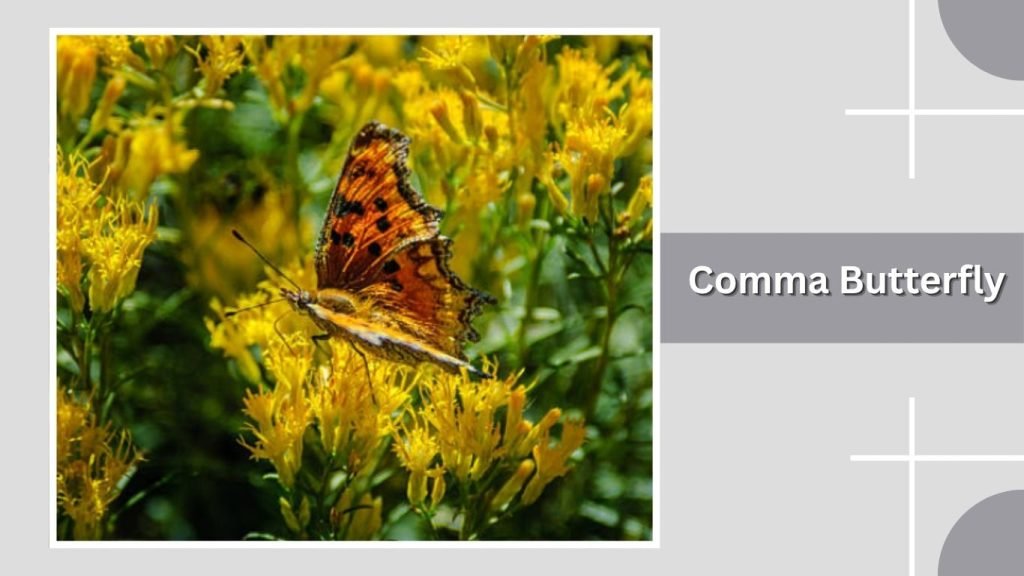
The Comma Butterfly (Polygonia c-album) is easily recognized by its irregular wing shape and the small white “comma” mark on the underside of its wings.
Identification
- Orange-brown wings with dark spots
- Jagged, uneven wing edges
- Small white comma-shaped mark underneath
- Medium size
- Camouflaged underside resembling a dead leaf
Habitat
This butterfly is commonly found in gardens, woodlands, and hedgerows. It prefers areas with trees, shrubs, and nectar sources.
Behavior
Comma Butterflies are active during the day and often bask in the sun. They may also feed on tree sap and rotting fruit instead of just flowers.
Diet
Adults feed on nectar, tree sap, and overripe fruits. Caterpillars feed on plants such as nettles, hops, and elm.
11. Brimstone Butterfly
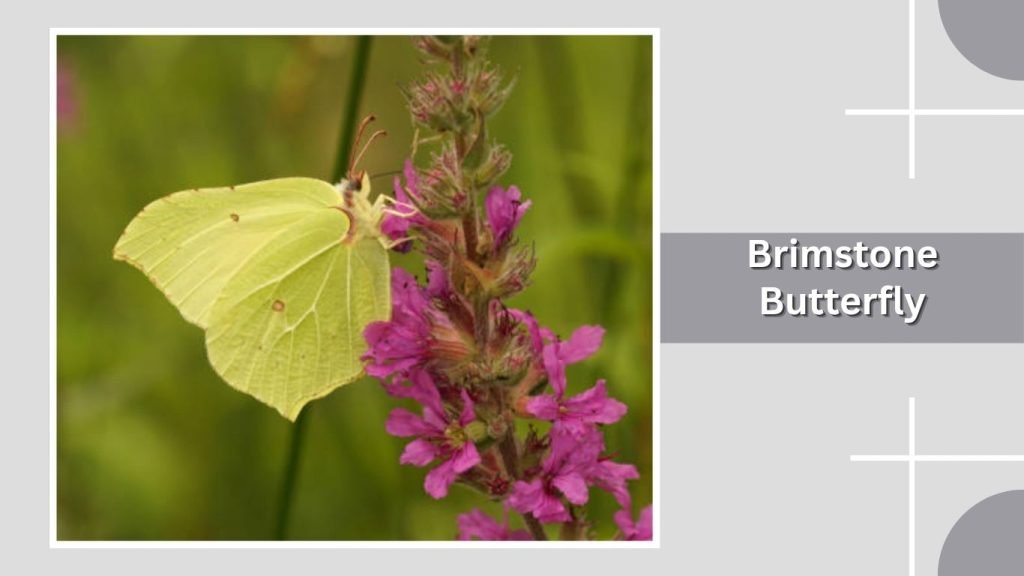
The Brimstone Butterfly (Gonepteryx rhamni) is a bright yellow butterfly often considered one of the first signs of spring.
Identification
- Bright yellow wings in males
- Pale greenish-white wings in females
- Leaf-shaped wings
- Medium size
- Small orange spot on each wing
Habitat
This butterfly is found in gardens, woodlands, and hedgerows. It prefers areas with shrubs like buckthorn, which is important for its lifecycle.
Behavior
Brimstone Butterflies are strong fliers and can travel long distances. They are among the earliest butterflies to appear after winter.
Diet
Adults feed on nectar from flowers such as primrose and dandelion. Caterpillars feed mainly on buckthorn plants.
12. Mourning Cloak
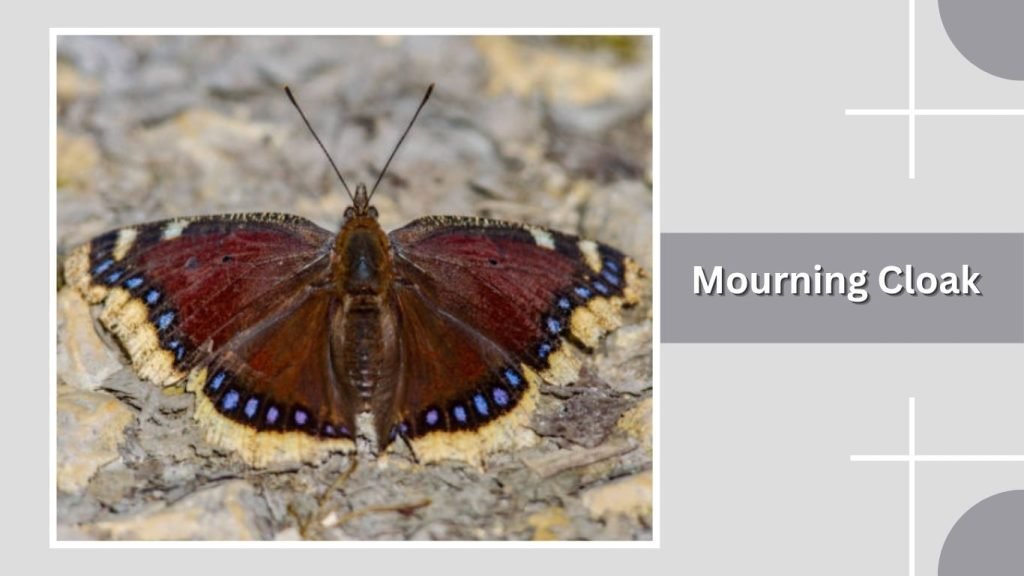
The Mourning Cloak (Nymphalis antiopa) is a unique butterfly known for its dark wings bordered with a pale yellow edge and blue spots.
Identification
- Dark maroon to black wings
- Pale yellow border along wing edges
- Row of blue spots inside the border
- Medium to large size
- Slightly ragged wing edges
Habitat
This butterfly is found in gardens, woodlands, and near water sources. It prefers areas with trees such as willows, elms, and poplars.
Behavior
Mourning Cloaks are among the longest-living butterflies. They are active during the day and often bask in the sun. They may overwinter as adults.
Diet
Adults feed on tree sap, rotting fruit, and sometimes nectar. Caterpillars feed on leaves of willow, elm, and poplar trees.
13. American Lady
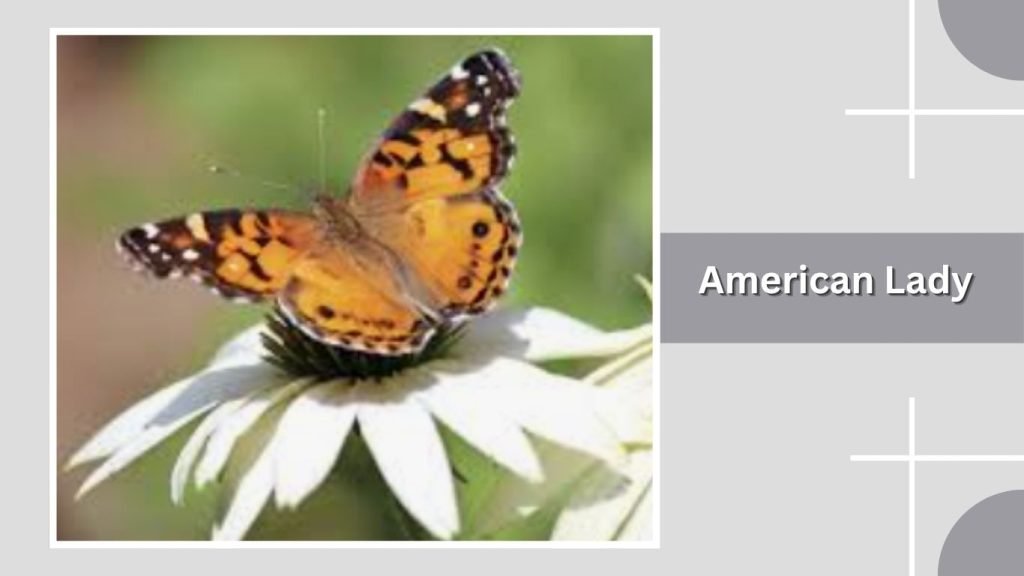
The American Lady (Vanessa virginiensis) is a colorful butterfly similar to the Painted Lady, with orange and black wings and distinct markings.
Identification
- Orange wings with black and white markings
- Two large eye spots on the underside of hindwings
- Medium size
- Slightly mottled wing pattern
- Smooth wing edges
Habitat
This butterfly is commonly found in gardens, fields, and open areas. It prefers sunny environments with plenty of flowering plants.
Behavior
American Ladies are active during the day and are often seen visiting flowers. They are also capable of seasonal migration.
Diet
Adults feed on nectar from flowers such as asters and daisies. Caterpillars feed on plants like everlasting and pussytoes.
14. Orange Sulphur
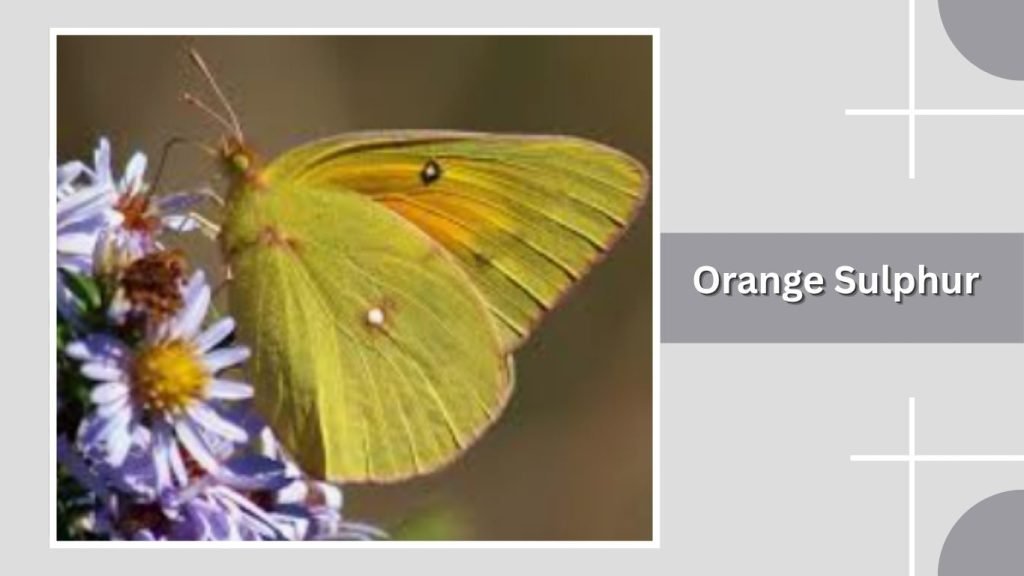
The Orange Sulphur (Colias eurytheme) is a bright and lively butterfly commonly seen fluttering around gardens and open fields.
Identification
- Bright orange wings with black borders
- Yellowish underside with small spots
- Medium size
- Rounded wing shape
- Fast, fluttering flight
Habitat
This butterfly is found in gardens, fields, and grassy areas. It prefers open, sunny environments with plenty of flowering plants.
Behavior
Orange Sulphurs are active during the day and are strong fliers. They are often seen moving quickly from flower to flower.
Diet
Adults feed on nectar from flowers such as clover and alfalfa. Caterpillars feed mainly on legume plants.
15. Black Swallowtail
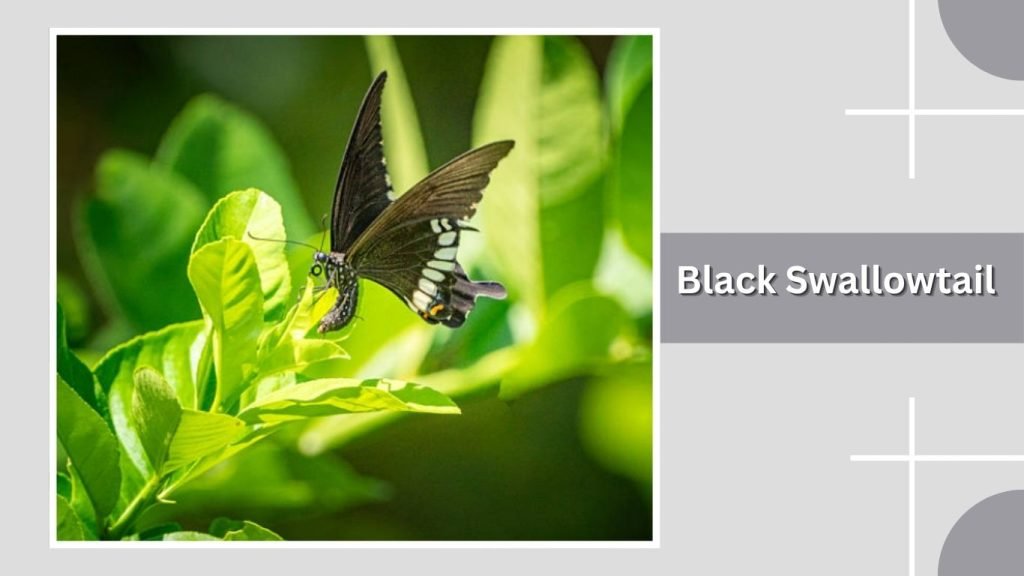
The Black Swallowtail (Papilio polyxenes) is a large and elegant butterfly known for its dark wings with yellow markings and tail-like extensions.
Identification
- Black wings with yellow spots
- Blue and orange markings near the hindwings
- Tail-like extensions on hind wings
- Large size
- Bold and striking pattern
Habitat
This butterfly is commonly found in gardens, meadows, and fields. It prefers areas with host plants like parsley, dill, and fennel.
Behavior
Black Swallowtails are active during the day and are graceful fliers. They often glide between flowers and are easy to observe in sunny conditions.
Diet
Adults feed on nectar from flowers such as zinnias and milkweed. Caterpillars feed on herbs like parsley, dill, and carrot plants.
16. Eastern Tiger Swallowtail
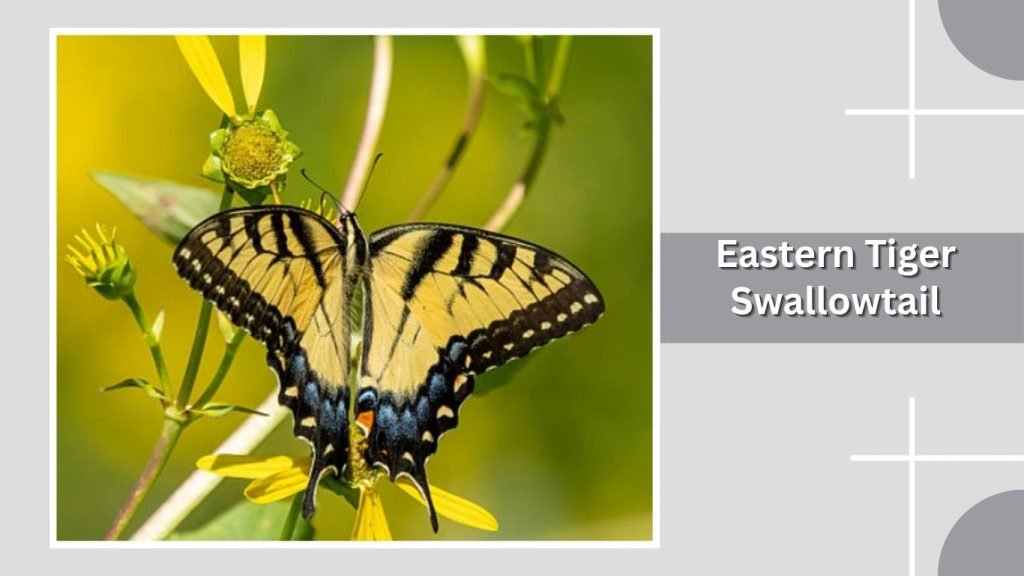
The Eastern Tiger Swallowtail (Papilio glaucus) is a large and beautiful butterfly known for its bold yellow and black striped wings.
Identification
- Yellow wings with black tiger-like stripes
- Blue and orange spots on hind wings
- Large size
- Tail-like extensions on hind wings
- Smooth, broad wings
Habitat
This butterfly is found in gardens, forests, and near rivers. It prefers areas with trees such as tulip, birch, and willow.
Behavior
Eastern Tiger Swallowtails are strong fliers and are active during the day. They often glide gracefully and may gather near moist ground to absorb minerals.
Diet
Adults feed on nectar from flowers like lilac and milkweed. Caterpillars feed on leaves of various trees including tulip and cherry.
17. Gulf Fritillary
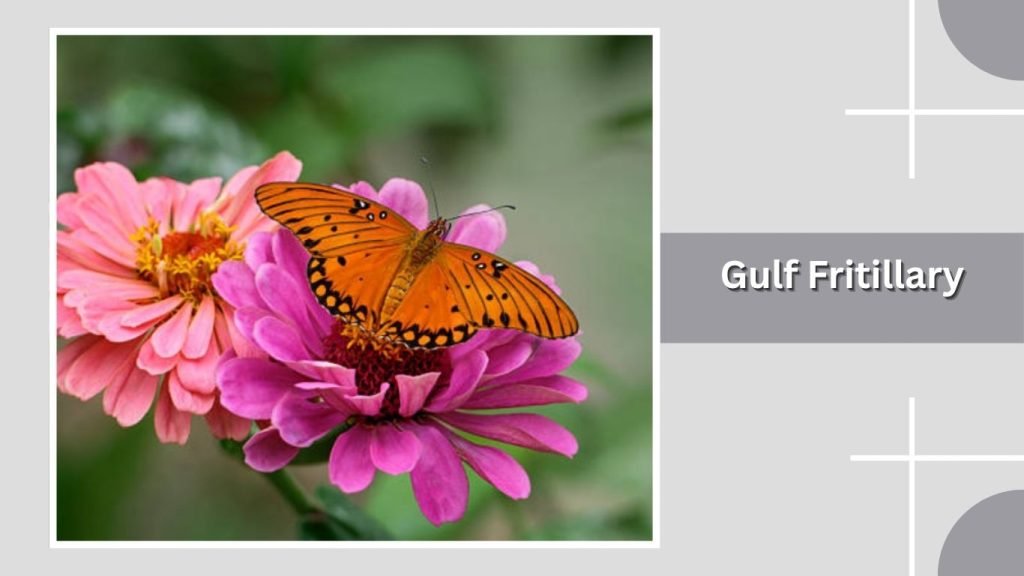
The Gulf Fritillary (Agraulis vanillae) is a bright orange butterfly with striking silver spots on the underside of its wings.
Identification
- Bright orange wings with black markings
- Silver spots on the underside
- Medium size
- Long, narrow wings
- Distinctive pattern
Habitat
This butterfly is commonly found in gardens, fields, and open areas. It prefers warm regions with host plants like passionflower vines.
Behavior
Gulf Fritillaries are active during the day and are fast fliers. They are often seen visiting flowers or flying around host plants.
Diet
Adults feed on nectar from flowers such as lantana and zinnia. Caterpillars feed on passionflower leaves.
18. Zebra Longwing
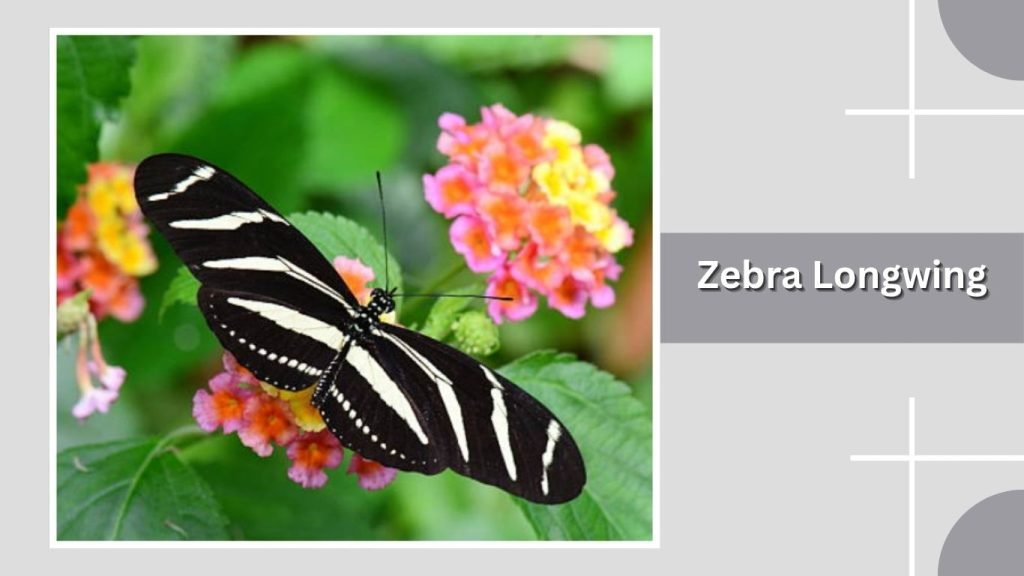
The Zebra Longwing (Heliconius charithonia) is a distinctive butterfly known for its long, narrow wings and bold black-and-yellow striped pattern.
Identification
- Black wings with yellow stripes
- Long, narrow wing shape
- Medium size
- Slow, graceful flight
- Distinct zebra-like pattern
Habitat
This butterfly is found in gardens, forests, and tropical areas. It prefers places with plenty of flowering plants and host vines like passionflower.
Behavior
Zebra Longwings are unique because they roost in groups at night. They are slow fliers and often glide gracefully through gardens during the day.
Diet
Adults feed on nectar and pollen, which is unusual for butterflies. Caterpillars feed on passionflower plants.
19. Common Buckeye
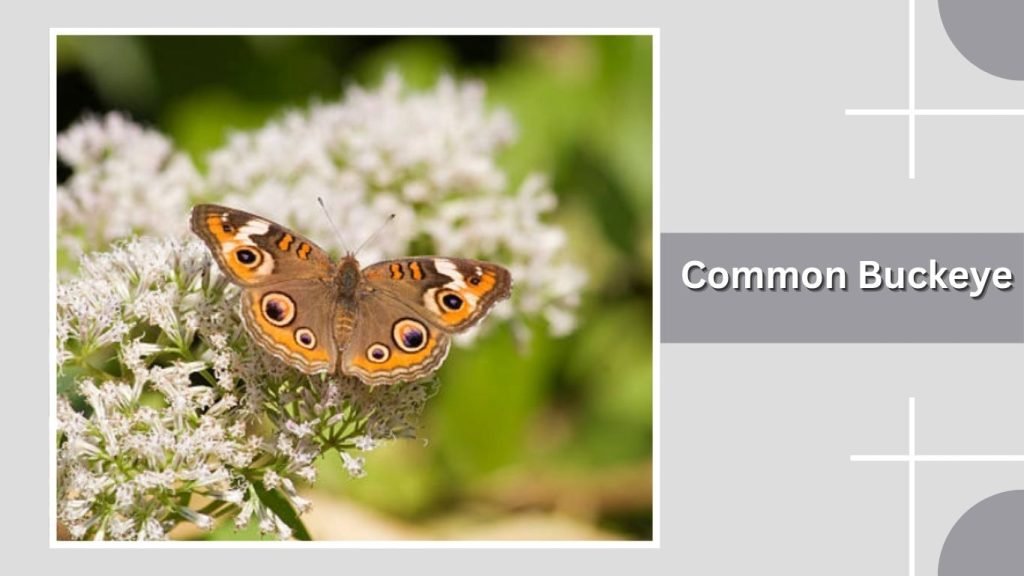
The Common Buckeye (Junonia coenia) is a striking butterfly known for its bold eye spots on the wings, which help deter predators.
Identification
- Brown wings with large eye spots
- Orange bands across wings
- Medium size
- Rounded wing shape
- Bold and contrasting patterns
Habitat
This butterfly is commonly found in gardens, fields, and open areas. It prefers sunny spots with low vegetation.
Behavior
Common Buckeyes are active during the day and often rest with wings open. They may fly short distances and return to the same spot.
Diet
Adults feed on nectar from flowers like asters and plantain. Caterpillars feed on plants such as snapdragon and plantain.
20. Question Mark Butterfly
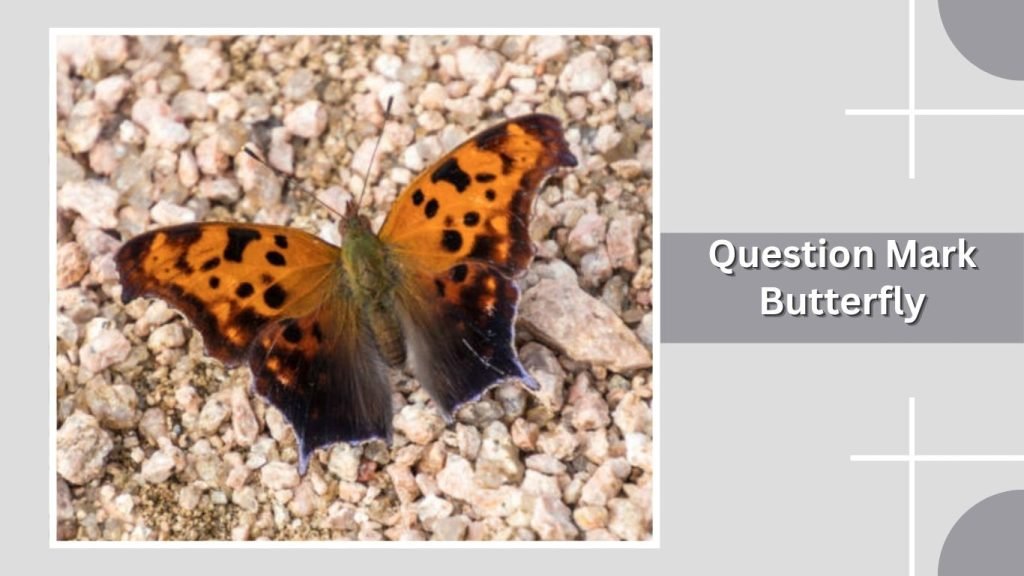
The Question Mark Butterfly (Polygonia interrogationis) is a unique species named after the small, question mark-shaped marking on the underside of its wings.
Identification
- Orange wings with black spots
- Irregular, jagged wing edges
- Pale marking shaped like a question mark underneath
- Medium size
- Camouflaged brown underside
Habitat
This butterfly is found in gardens, woodlands, and parks. It prefers areas with trees, shrubs, and access to both nectar and shelter.
Behavior
Question Mark Butterflies are active during the day and often bask in the sun. They may also feed on tree sap and rotting fruit instead of just flowers.
Diet
Adults feed on nectar, tree sap, and overripe fruits. Caterpillars feed on plants such as elm, nettles, and hackberry.
