
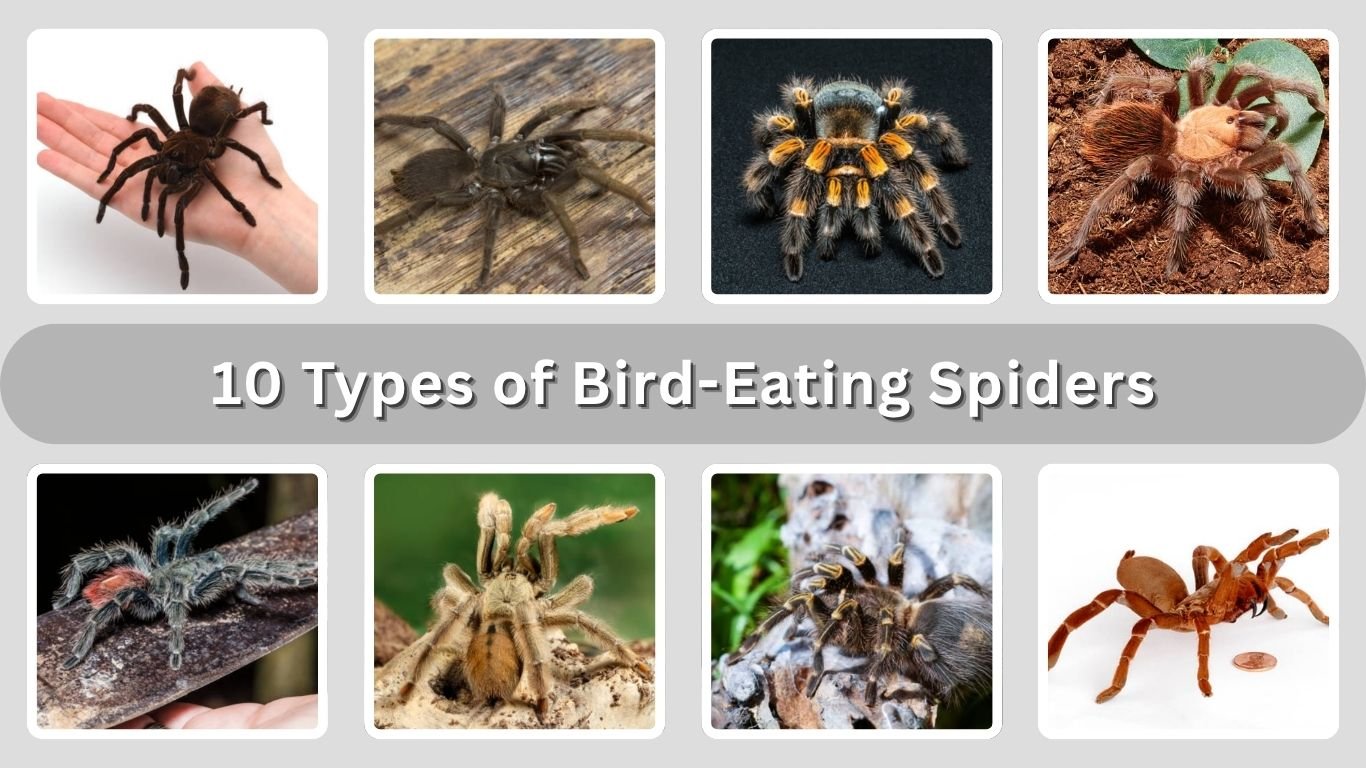
Bird-eating spiders are among the largest and most powerful arachnids in the world, mostly belonging to the tarantula family. Despite their name, they rarely eat birds and instead feed on insects and small animals. Found mainly in tropical regions, these spiders are known for their size, strength, and impressive hunting abilities.
1. Goliath Birdeater
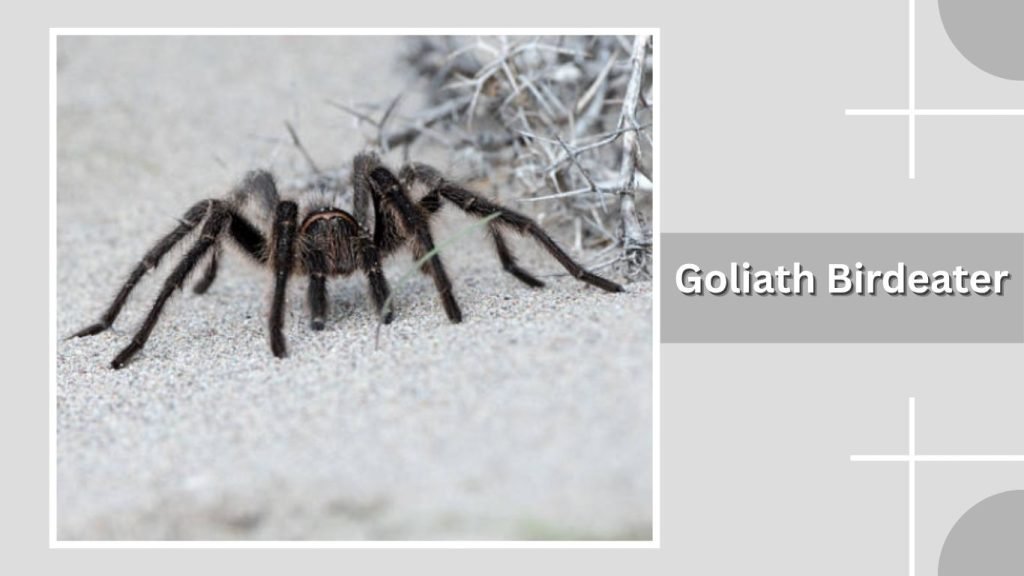
The Goliath Birdeater (Theraphosa blondi) is the largest spider in the world by mass and one of the most famous bird-eating spiders. Despite its name, it rarely eats birds and mostly feeds on insects and small animals.
Identification
- Massive, hairy body
- Brown to dark brown coloration
- Thick, powerful legs
- Can reach up to 12 inches (30 cm) leg span
- Large fangs capable of piercing tough prey
Habitat
This spider is native to the rainforests of South America. It lives in deep burrows in moist soil, often under roots or logs, where humidity is high.
Behavior
Goliath Birdeaters are mostly nocturnal and spend much of their time inside burrows. They are defensive rather than aggressive and may produce a hissing sound by rubbing their legs when threatened.
Diet
Their diet includes insects, frogs, rodents, and occasionally small birds. They are ambush predators, waiting for prey to come close before striking quickly.
2. Brazilian Salmon Pink Birdeater
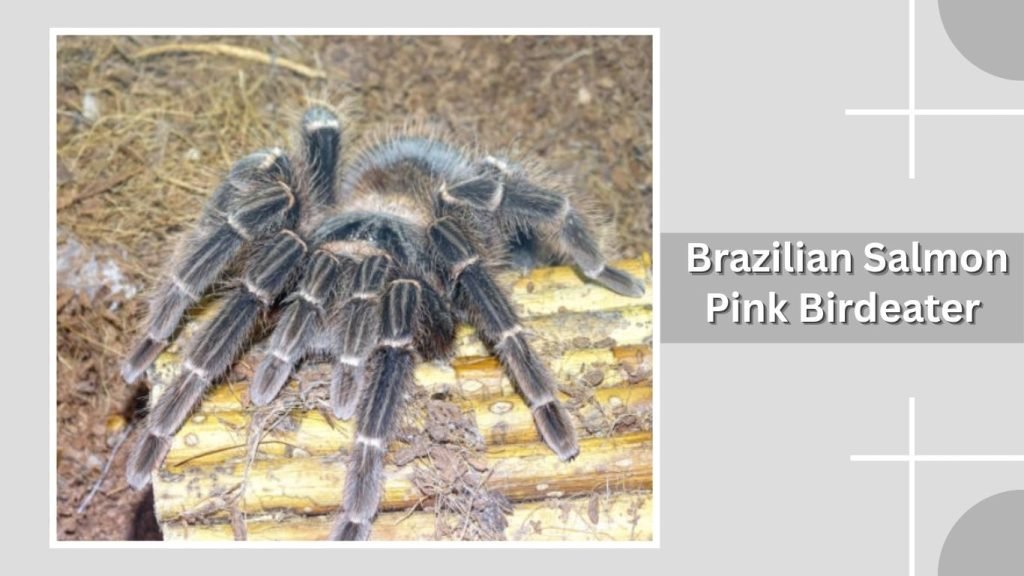
The Brazilian Salmon Pink Birdeater (Lasiodora parahybana) is one of the largest tarantulas and is known for its fast growth and impressive size.
Identification
- Brown body with pinkish hairs
- Large, hairy legs
- Can reach up to 10–11 inches leg span
- Robust and heavy build
- Noticeable reddish-pink coloration on hairs
Habitat
This species is found in Brazil, living in forests and grasslands. It creates burrows in the ground or hides under logs and debris.
Behavior
Brazilian Salmon Pink Birdeaters are active and can be defensive when disturbed. They may flick urticating hairs as a defense instead of biting.
Diet
They feed on insects, small reptiles, and rodents. Like other large tarantulas, they rely on ambush hunting and strong fangs to subdue prey.
3. Pinkfoot Goliath Tarantula
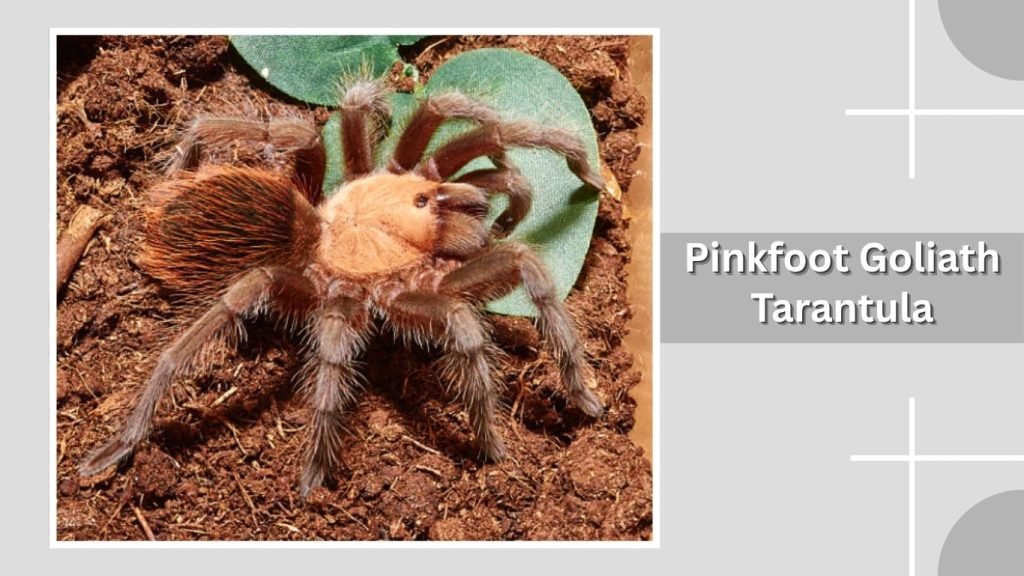
The Pinkfoot Goliath Tarantula (Theraphosa apophysis) is a massive bird-eating spider closely related to the Goliath Birdeater, known for its large size and pinkish feet.
Identification
- Very large, bulky body
- Brown coloration with pinkish tones on the feet
- Thick, hairy legs
- Prominent fangs
- Can reach an impressive leg span
Habitat
This spider is native to tropical rainforests in South America. It lives in deep burrows in humid soil, often hidden under roots or forest debris.
Behavior
Pinkfoot Goliath Tarantulas are mostly nocturnal and spend much of their time in burrows. They are defensive and may use urticating hairs or threat displays when disturbed.
Diet
Their diet includes insects, amphibians, and small vertebrates. Like other large tarantulas, they are ambush predators that strike quickly when prey is nearby.
4. Burgundy Goliath Birdeater
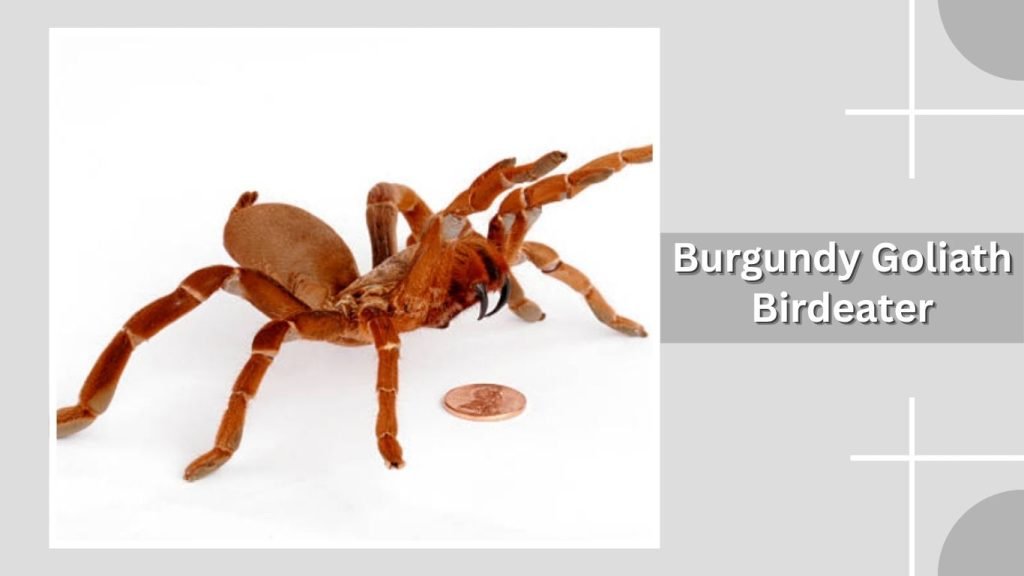
The Burgundy Goliath Birdeater (Theraphosa stirmi) is another giant tarantula known for its reddish-brown coloration and impressive size.
Identification
- Large, heavy body with burgundy or reddish tones
- Thick, hairy legs
- Strong, powerful build
- Large fangs
- Slightly darker coloration than related species
Habitat
This species is found in the rainforests of northern South America. It prefers moist environments and lives in burrows or natural ground shelters.
Behavior
Burgundy Goliath Birdeaters are nocturnal and spend most of their time hidden. They can be defensive and may hiss or flick hairs when threatened.
Diet
They feed on insects, frogs, and small animals. Their strong build and ambush hunting style allow them to capture relatively large prey.
5. Venezuelan Sun Tiger Tarantula
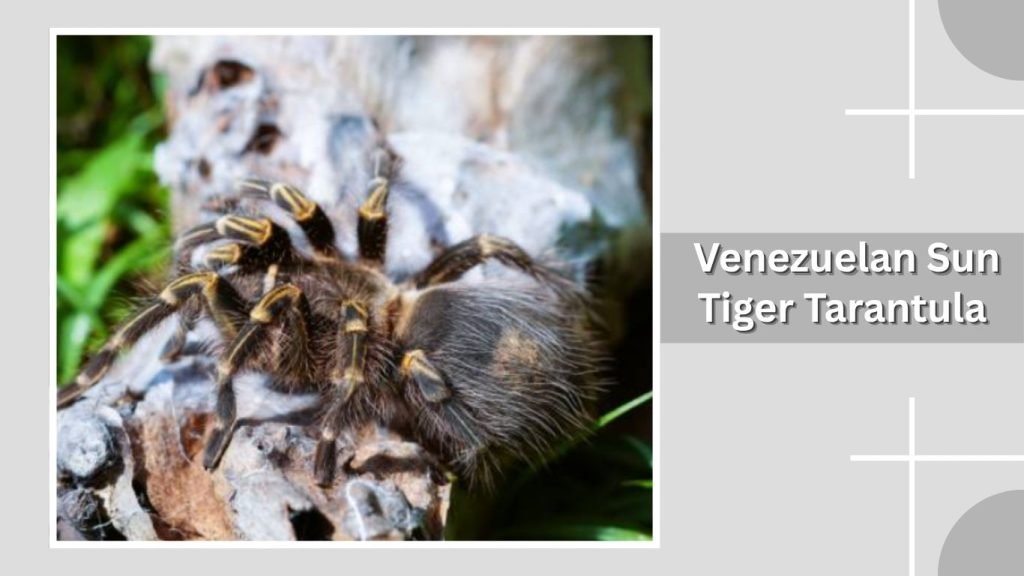
The Venezuelan Sun Tiger Tarantula (Psalmopoeus irminia) is a fast and striking spider known for its dark body with bright orange markings. It is an arboreal species often associated with bird-eating tarantulas.
Identification
- Dark black body with vivid orange markings
- Slender, elongated legs
- Medium to large size
- Smooth, slightly hairy texture
- Distinct pattern on the abdomen
Habitat
This spider is native to Venezuela and nearby regions. It lives in trees, creating silk retreats in hollow trunks, branches, and crevices within tropical forests.
Behavior
Venezuelan Sun Tiger Tarantulas are extremely fast and agile. They prefer to escape when threatened but can be defensive if cornered. Being arboreal, they spend most of their time off the ground.
Diet
They feed on insects, small vertebrates, and other prey they can overpower. Their speed and climbing ability make them efficient hunters in tree environments.
6. Colombian Giant Redleg Tarantula
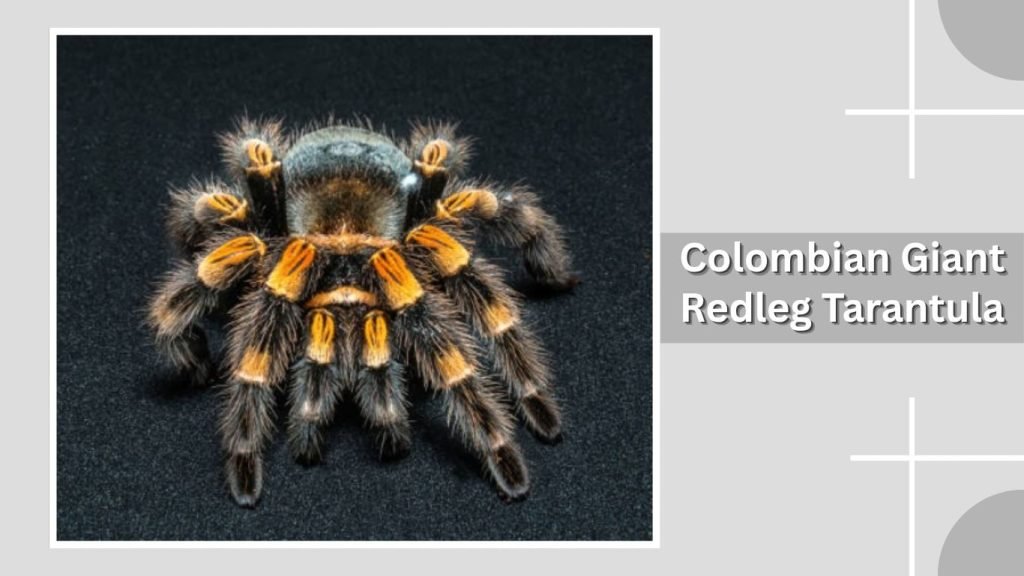
The Colombian Giant Redleg Tarantula (Megaphobema robustum) is a large and impressive spider known for its reddish legs and unique defensive behavior.
Identification
- Dark body with reddish or orange leg segments
- Large, hairy appearance
- Strong, thick legs
- Medium to large size
- Noticeable color contrast on legs
Habitat
This spider is found in tropical forests of Colombia and Brazil. It lives on the forest floor, often in burrows or hidden under logs and debris.
Behavior
Colombian Giant Redleg Tarantulas are known for their unusual defense, using their back legs to kick at threats. They are generally shy and prefer to retreat rather than attack.
Diet
Their diet includes insects, small reptiles, and other invertebrates. They are ambush predators, waiting patiently before capturing prey with speed and strength.
7. Peruvian Giant Blonde Tarantula
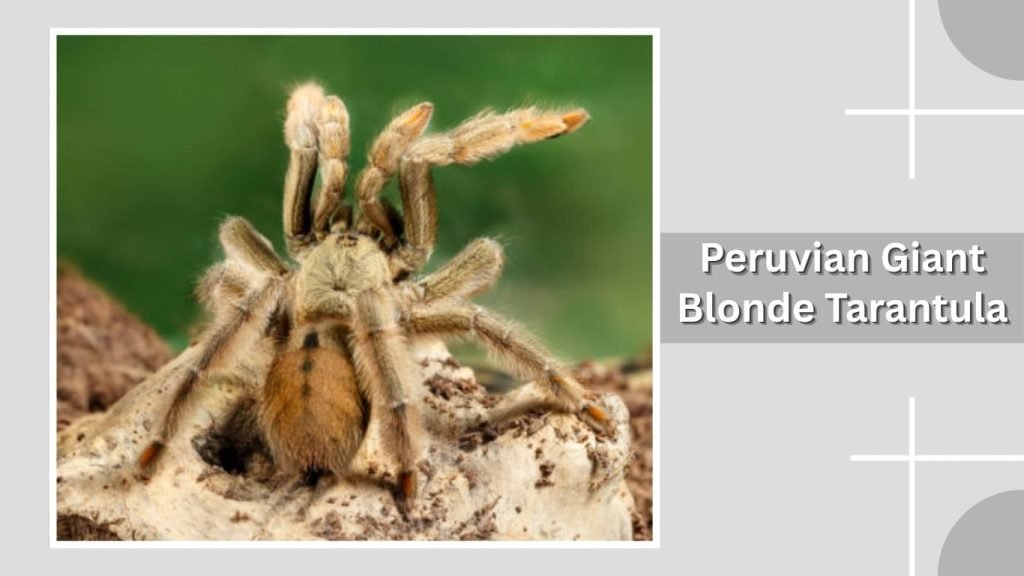
The Peruvian Giant Blonde Tarantula (Pamphobeteus species) is a large and powerful spider known for its lighter, blondish coloration compared to other bird-eating tarantulas.
Identification
- Light brown to blond body coloration
- Large, hairy appearance
- Thick, strong legs
- Medium to very large size
- Slight sheen on body hairs
Habitat
This spider is found in tropical regions of Peru. It typically lives on the forest floor, hiding in burrows, under logs, or within dense vegetation.
Behavior
Peruvian Giant Blonde Tarantulas are mostly nocturnal and prefer to stay hidden during the day. They can be defensive if disturbed but usually rely on retreating into their shelters.
Diet
They feed on insects, amphibians, and small vertebrates. Like other large tarantulas, they use ambush hunting to capture prey quickly and efficiently.
8. Theraphosa stirmi
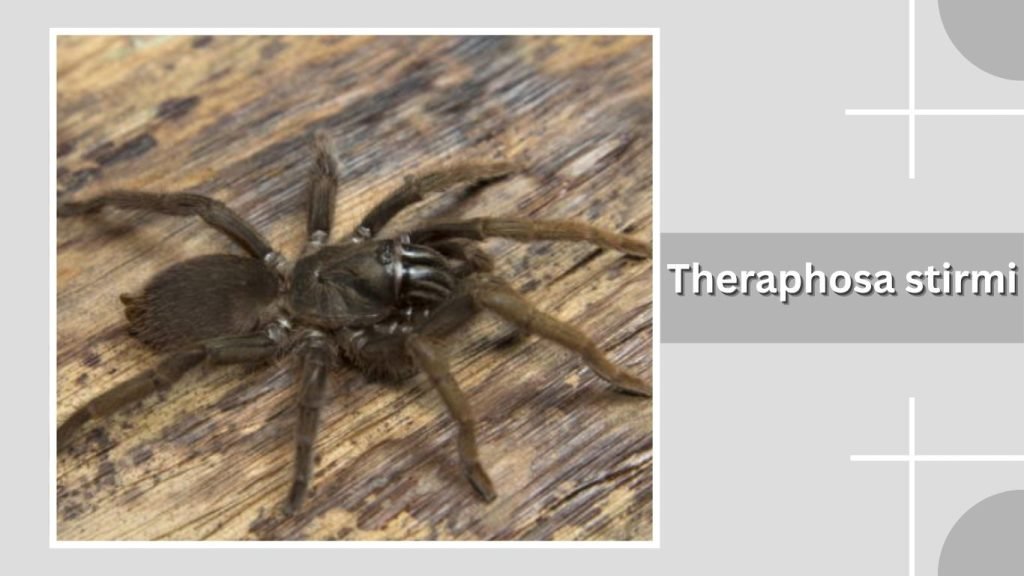
Theraphosa stirmi, also known as the Burgundy Goliath Birdeater, is one of the largest tarantulas in the world and closely related to the Goliath Birdeater.
Identification
- Massive, bulky body
- Reddish-brown or burgundy coloration
- Thick, hairy legs
- Large fangs
- Impressive leg span
Habitat
This species is native to the rainforests of northern South America. It prefers humid environments and lives in deep burrows in soft soil.
Behavior
Theraphosa stirmi is primarily nocturnal and spends much of its time hidden in its burrow. It can be defensive and may use hissing sounds or hair-flicking as a warning.
Diet
Its diet includes insects, frogs, rodents, and occasionally small birds. It is an ambush predator, waiting for prey to approach before striking with speed and power.
9. Theraphosa apophysis
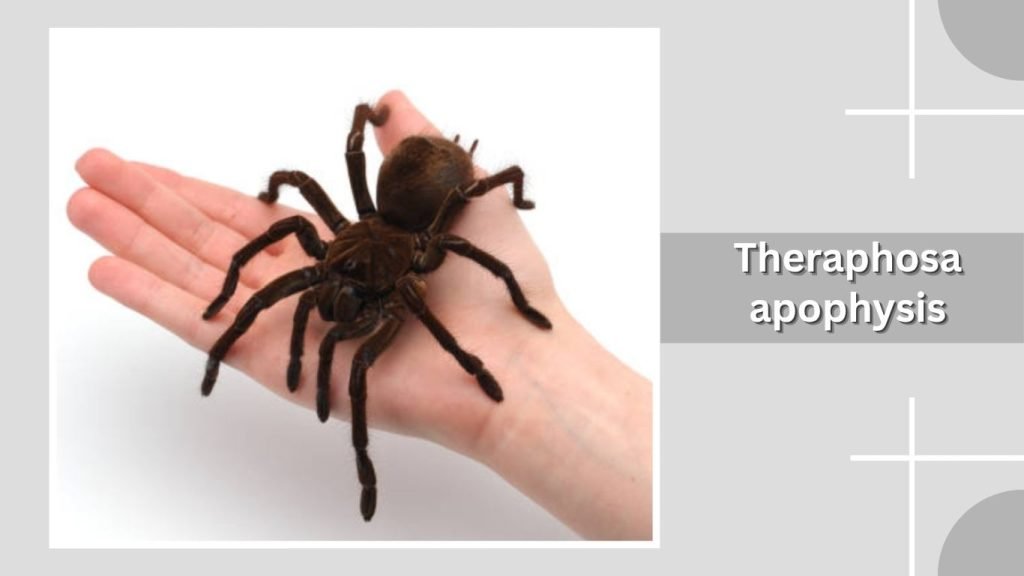
Theraphosa apophysis, commonly known as the Pinkfoot Goliath Tarantula, is one of the largest bird-eating spiders, closely related to the Goliath Birdeater.
Identification
- Very large, heavy body
- Brown coloration with pinkish tones on the feet
- Thick, hairy legs
- Prominent fangs
- Slightly lighter coloration than related species
Habitat
This spider is found in tropical rainforests of South America. It lives in deep burrows in moist soil, often hidden under roots or forest debris.
Behavior
Theraphosa apophysis is nocturnal and spends most of its time inside its burrow. It is defensive and may flick urticating hairs or display warning postures when threatened.
Diet
It feeds on insects, amphibians, and small vertebrates. Like other large tarantulas, it uses ambush tactics to capture prey quickly.
10. Lasiodora parahybana
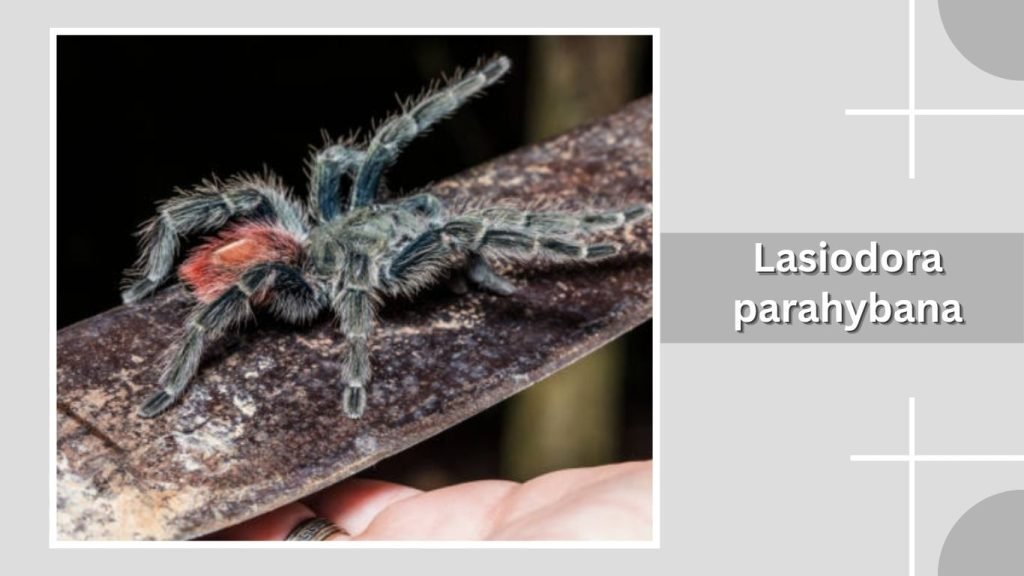
Lasiodora parahybana, also known as the Brazilian Salmon Pink Birdeater, is a fast-growing and large tarantula often included among bird-eating spiders.
Identification
- Brown body with pinkish hairs
- Large, robust build
- Long, hairy legs
- Can reach an impressive leg span
- Noticeable reddish-pink coloration
Habitat
This species is native to Brazil and is found in forests and grasslands. It typically lives in burrows or hides under logs and debris.
Behavior
Lasiodora parahybana is active and can be defensive when disturbed. It may flick irritating hairs as a primary defense rather than biting.
Diet
Its diet includes insects, small reptiles, and other invertebrates. It is an opportunistic feeder that relies on ambush hunting to capture prey.
