
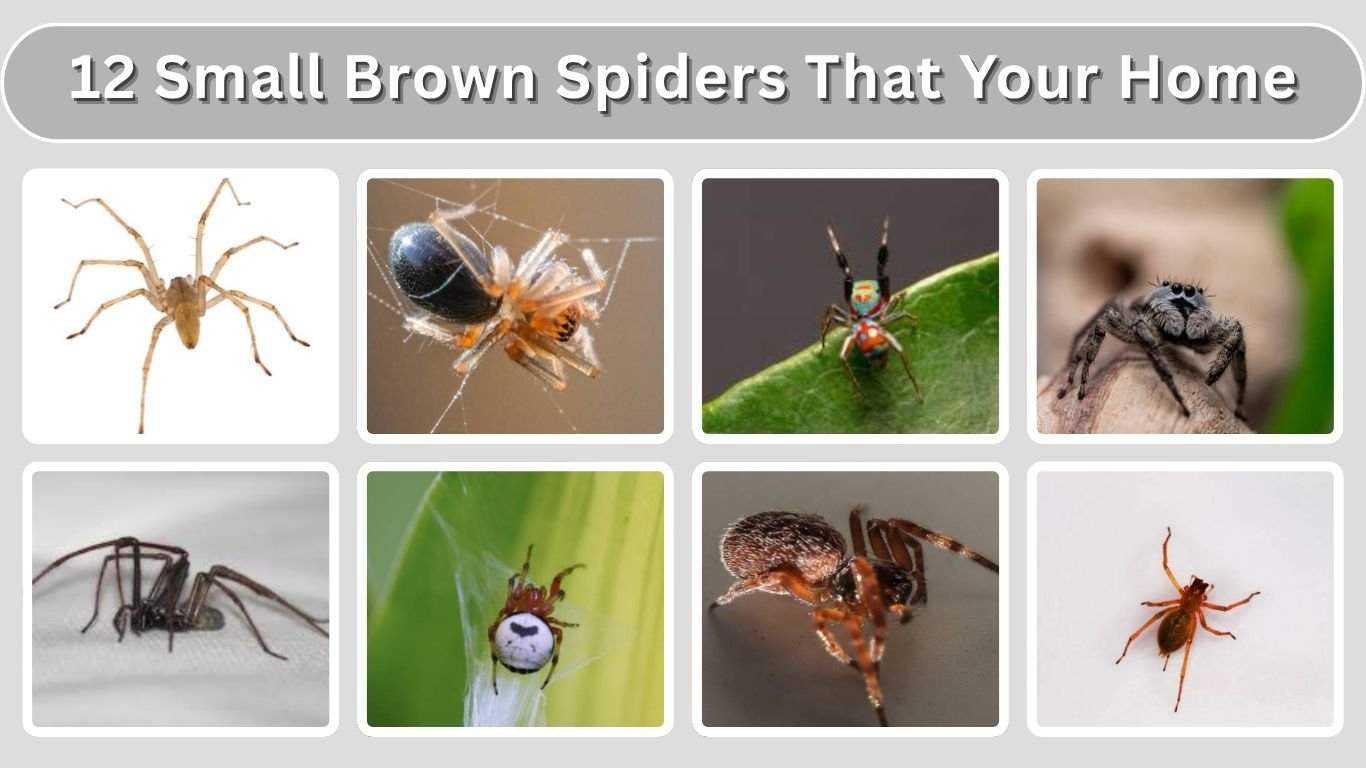
Small brown spiders are some of the most common indoor creatures, yet they often go unnoticed due to their tiny size and natural camouflage. Blending easily into walls, floors, and furniture, these spiders quietly live alongside us without causing harm. While they may seem unwelcome at first, most of them are actually helpful.
In this guide, you’ll discover 12 small brown spiders commonly found in homes, each with unique behaviors and hiding spots. From quick runners to quiet corner dwellers, these tiny spiders play an important role in controlling indoor insect populations while staying mostly out of sight.
1. Tiny House Crawler
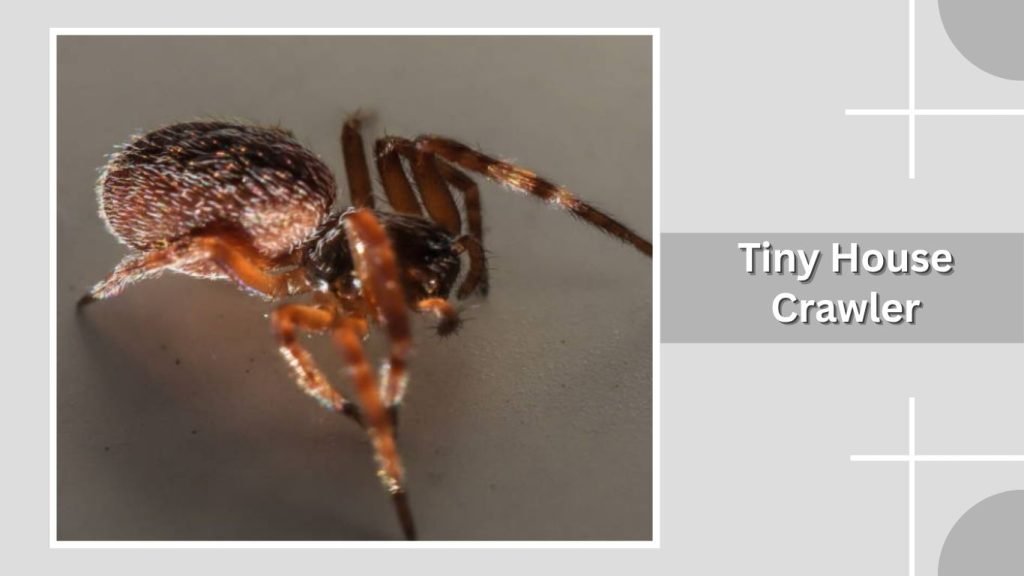
The Tiny House Crawler is a small brown spider commonly found inside homes, quietly moving along walls, floors, and corners. Its subtle color and small size make it easy to miss, but it plays a useful role by feeding on tiny household insects.
Identification
- Color: Light to medium brown
- Size: Very small, typically 3–7 mm
- Body Shape: Slightly oval abdomen with a compact body
- Legs: Thin, pale brown legs adapted for crawling
- Markings: Minimal markings, sometimes faint darker shades
- Eyes: Small and not easily noticeable
Habitat
Tiny House Crawlers are most often found indoors, especially in quiet and undisturbed areas. Common spots include wall corners, under furniture, behind shelves, and near ceilings. They prefer dry environments where small insects are present. Occasionally, they may also appear near windows or door frames where insects enter the home.
Behavior
This spider is an active crawler rather than a web-builder. It moves slowly and carefully across surfaces, searching for small insects to catch. It does not build large webs but may use fine silk threads for support or temporary trapping. It avoids light and prefers to stay hidden during the day.
Interesting Facts
The Tiny House Crawler is harmless to humans and rarely noticed due to its small size and calm behavior. It helps reduce the number of tiny indoor pests like ants and flies. Its ability to live comfortably indoors makes it a common but often overlooked household spider.
2. Dust Corner Spider
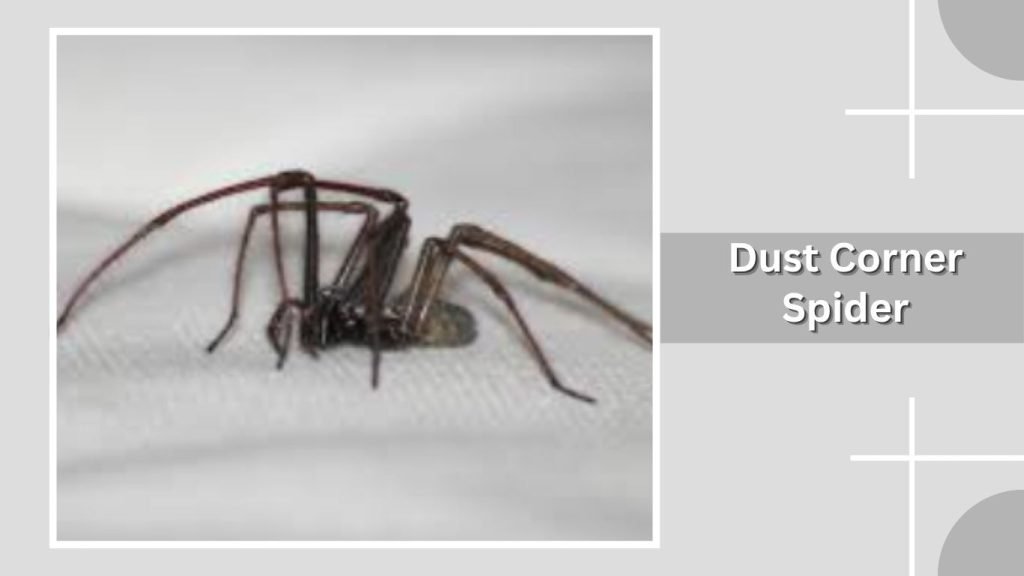
The Dust Corner Spider is a tiny brown spider often found in quiet, dusty corners of homes. Its muted color and still behavior allow it to blend easily into its surroundings, making it almost invisible unless closely observed. Despite its small size, it helps keep indoor insect populations in check.
Identification
- Color: Light brown to dusty brown
- Size: Very small, around 3–6 mm
- Body Shape: Rounded abdomen with a compact form
- Legs: Thin, pale legs that match its dusty tone
- Markings: Faint or barely visible patterns
- Eyes: Small and subtle
Habitat
Dust Corner Spiders prefer undisturbed indoor spaces such as ceiling corners, behind furniture, and along baseboards. They thrive in areas where dust collects, as it helps them stay hidden. These spiders are commonly seen in older rooms, storage spaces, or rarely cleaned corners.
Behavior
This spider is quiet and mostly inactive, often staying in one place for long periods. It may create very fine, almost invisible silk in corners or remain still while waiting for tiny insects. It avoids movement unless necessary and quickly retreats if disturbed.
Interesting Facts
The Dust Corner Spider’s dusty coloration acts as natural camouflage, making it blend perfectly into indoor corners. It is harmless to humans and rarely interacts with people. Its presence is actually beneficial, as it feeds on small insects that gather in quiet household spaces.
3. Little Wall Weaver
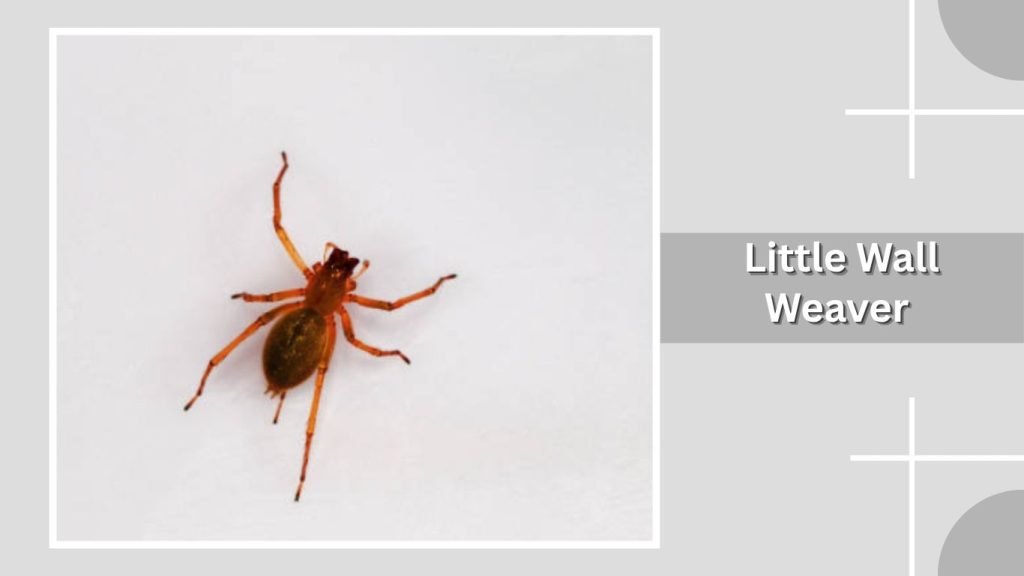
The Little Wall Weaver is a small brown spider commonly seen on indoor walls, quietly creating fine silk threads in hidden spaces. Its simple appearance and calm nature make it easy to overlook, but it plays a helpful role in catching tiny insects inside the home.
Identification
- Color: Light brown with slightly darker tones
- Size: Small, typically 3–7 mm
- Body Shape: Rounded abdomen with a compact body
- Legs: Thin, light brown legs suited for climbing walls
- Markings: Subtle patterns or faint shading
- Eyes: Small and not easily visible
Habitat
Little Wall Weavers are usually found on indoor walls, ceilings, and corners where they can attach their fine silk. They prefer quiet, undisturbed areas such as behind furniture, near windows, or along ceiling edges. These locations provide both safety and access to small flying insects.
Behavior
This spider is a light web-builder, creating small, delicate silk threads rather than large webs. It often stays close to its web, waiting for tiny insects to get trapped. It moves slowly and avoids attention, retreating quickly if disturbed.
Interesting Facts
The Little Wall Weaver produces very fine silk that is often difficult to see. Its ability to live comfortably on smooth surfaces like walls makes it well-adapted to indoor life. Harmless to humans, it helps reduce small indoor pests quietly and efficiently.
4. Brown Mini Jumper
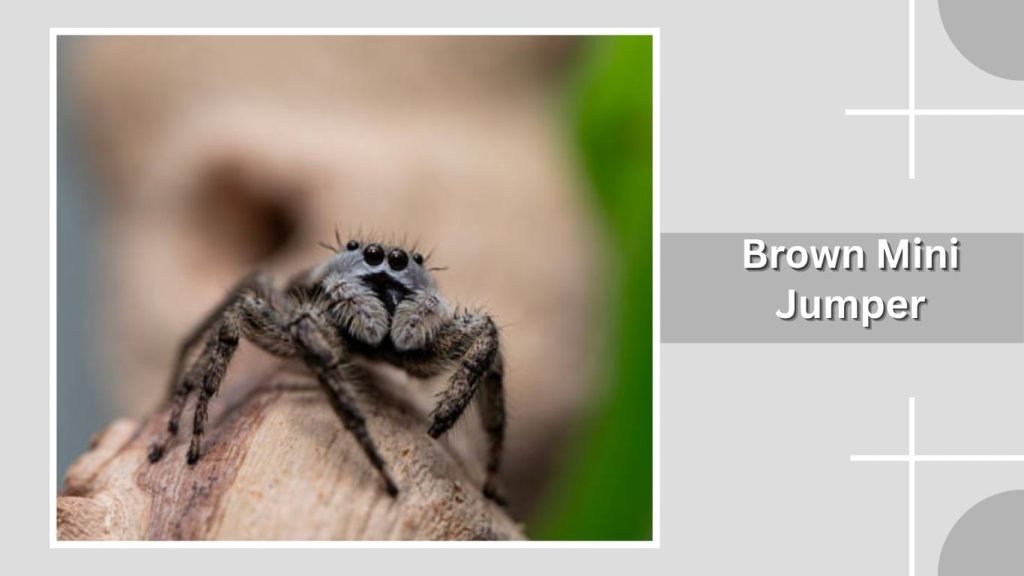
The Brown Mini Jumper is a tiny, energetic spider often found indoors, known for its quick movements and small jumps. Its compact size and curious behavior make it one of the more active small brown spiders you might notice around your home.
Identification
- Color: Light to medium brown
- Size: Small, around 3–6 mm
- Body Shape: Compact body with a slightly raised front
- Legs: Short, sturdy legs built for jumping
- Markings: Subtle darker patches or faint stripes
- Eyes: Larger front-facing eyes compared to other tiny spiders
Habitat
Brown Mini Jumpers are commonly found on walls, windows, and furniture surfaces inside homes. They prefer areas with good lighting where they can easily spot prey. You may often see them near windows or light sources where insects gather.
Behavior
This spider is active and alert, constantly moving and exploring its surroundings. Instead of building webs, it hunts by jumping on its prey with precision. Its strong vision helps it track movement, making it an efficient hunter despite its small size.
Interesting Facts
The Brown Mini Jumper can leap several times its body length with accuracy. Its large eyes give it better vision than many other small spiders. Although it looks lively and fast, it is harmless to humans and helps control tiny indoor insects.
5. Quiet Shelf Spider
The Quiet Shelf Spider is a small brown spider often found resting on shelves, cabinets, and other undisturbed indoor surfaces. Its calm nature and still posture make it easy to overlook, but it quietly contributes to keeping small insect populations under control.
Identification
- Color: Soft brown with slightly darker tones
- Size: Small, around 3–7 mm
- Body Shape: Rounded abdomen with a compact body
- Legs: Thin, light brown legs suited for slow movement
- Markings: Very faint or minimal patterns
- Eyes: Small and not easily noticeable
Habitat
Quiet Shelf Spiders prefer indoor areas that are rarely disturbed, such as bookshelves, cabinets, storage spaces, and behind objects. These locations provide both shelter and access to tiny insects. They are also commonly found in corners near furniture or along wall edges.
Behavior
This spider is slow-moving and prefers to remain still for long periods. It may create very fine silk threads or small webs in hidden spots. Rather than actively hunting, it waits patiently for tiny insects to come within reach. It avoids light and quickly retreats if disturbed.
Interesting Facts
The Quiet Shelf Spider is rarely noticed because of its still behavior and subtle coloring. It blends well into wooden or dusty surfaces, enhancing its camouflage. Harmless to humans, it plays a helpful role by quietly reducing small indoor pests.
6. Soft Shadow Spider
The Soft Shadow Spider is a tiny brown spider that blends effortlessly into dim indoor spaces. Its soft, muted color and gentle movements give it a shadow-like appearance, making it difficult to notice unless it moves. It quietly lives in homes, helping reduce small insect populations.
Identification
- Color: Light brown to shadowy dark brown
- Size: Small, typically 3–6 mm
- Body Shape: Smooth, slightly rounded abdomen
- Legs: Thin legs with soft, subtle shading
- Markings: Very faint or shadow-like patterns
- Eyes: Small and minimally visible
Habitat
Soft Shadow Spiders are commonly found in low-light indoor areas such as behind furniture, under shelves, and in room corners. They prefer calm, shaded spaces where their coloring provides natural camouflage. These spiders may also appear near floors or along wall edges.
Behavior
This spider is quiet and cautious, moving slowly and staying close to surfaces. It does not build large webs but may use fine silk threads for support. It relies on stillness and blending into shadows to avoid detection while waiting for tiny insects.
Interesting Facts
The Soft Shadow Spider gets its name from its ability to resemble a faint shadow on walls or floors. Its subtle appearance helps protect it from predators and keeps it hidden from view. It is harmless and plays a useful role in controlling small indoor insects.
7. Micro Web Spinner
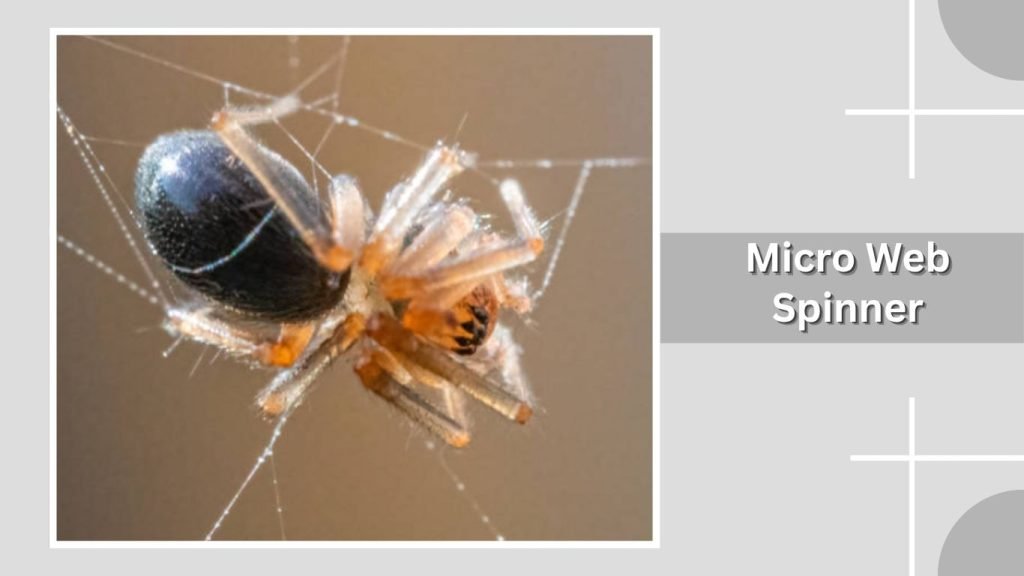
The Micro Web Spinner is a tiny brown spider known for creating extremely fine, almost invisible webs inside homes. Its small size and delicate silk make it hard to detect, but it quietly works to trap tiny insects in hidden corners.
Identification
- Color: Light brown with slightly darker shading
- Size: Very small, around 2–5 mm
- Body Shape: Rounded abdomen with a compact structure
- Legs: Thin, pale brown legs
- Markings: Minimal or faint patterns
- Eyes: Small and not easily noticeable
Habitat
Micro Web Spinners are commonly found in indoor corners, ceiling edges, behind furniture, and along window frames. They prefer quiet, undisturbed areas where they can build fine webs without interruption. These locations also attract small insects, providing a steady food source.
Behavior
This spider is a delicate web-builder, spinning very fine silk that is often difficult to see. It stays close to its web, waiting for tiny insects to get trapped. It moves very little and relies on patience rather than active hunting.
Interesting Facts
The Micro Web Spinner produces some of the thinnest webs among small house spiders. Its silk can be nearly invisible, making its traps highly effective. Harmless to humans, it helps reduce tiny flying insects and contributes to a cleaner indoor environment.
8. Corner Dot Spider
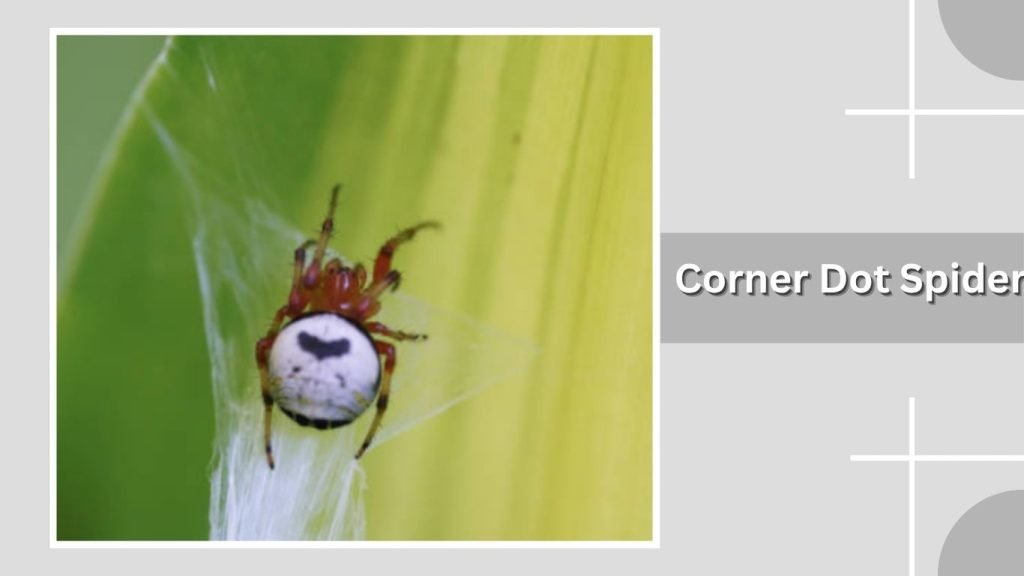
The Corner Dot Spider is a tiny brown spider recognized for its small, dot-like appearance when resting in corners. Its compact body and still posture make it look like a tiny speck of dirt, helping it stay unnoticed in indoor spaces.
Identification
- Color: Light to medium brown
- Size: Very small, around 2–5 mm
- Body Shape: Rounded, dot-like abdomen
- Legs: Short, thin legs that blend with its body
- Markings: Minimal, sometimes faint darker spots
- Eyes: Very small and hard to see
Habitat
Corner Dot Spiders are most commonly found in indoor corners, ceiling edges, and behind furniture. They prefer quiet, undisturbed spaces where dust and small insects collect. Their small size allows them to live comfortably in tight spaces.
Behavior
This spider is mostly inactive, often staying in one spot for long periods. It may spin very fine silk in corners or remain still while waiting for prey. It avoids movement unless necessary and quickly retreats if disturbed.
Interesting Facts
The Corner Dot Spider can easily be mistaken for a tiny speck of dust due to its size and color. This natural disguise helps protect it from predators. It is harmless and quietly helps reduce small insect populations inside homes.
9. Small Wood Crawler
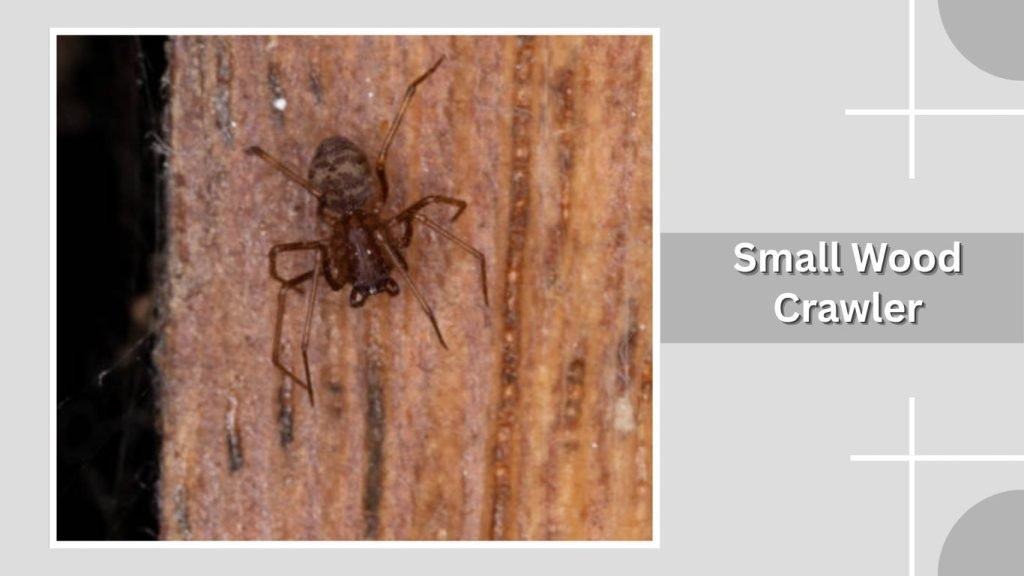
The Small Wood Crawler is a tiny brown spider often found moving across wooden surfaces inside homes. Its natural wood-like color helps it blend into furniture, floors, and wooden walls, making it difficult to notice unless it moves.
Identification
- Color: Light to medium brown, similar to wood tones
- Size: Small, around 3–6 mm
- Body Shape: Slightly elongated with a smooth abdomen
- Legs: Thin, pale brown legs suited for crawling
- Markings: Subtle grain-like patterns
- Eyes: Small and not easily visible
Habitat
Small Wood Crawlers are commonly found on wooden furniture, floors, shelves, and wall panels. They prefer indoor environments where wood is present, as it provides both camouflage and shelter. They may also appear near baseboards or under wooden items.
Behavior
This spider is an active crawler, moving slowly across surfaces in search of small insects. It does not build large webs but may use minimal silk for support. It prefers quiet environments and quickly hides if disturbed.
Interesting Facts
The Small Wood Crawler’s color closely matches wooden surfaces, helping it stay hidden. Its slow and steady movement makes it hard to detect. Harmless to humans, it plays a useful role in controlling tiny indoor insects.
10. Light Brown Runner
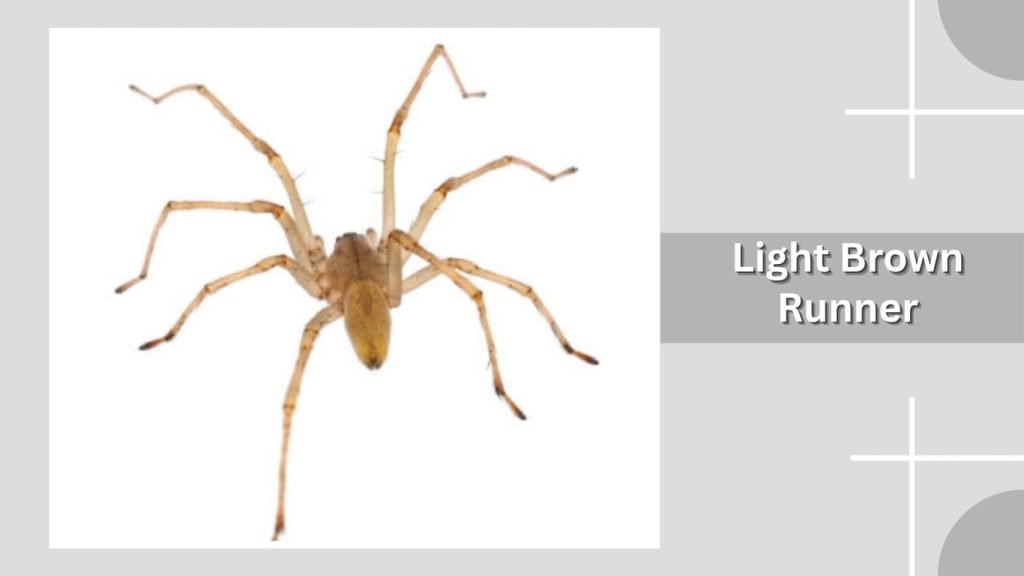
The Light Brown Runner is a small, fast-moving spider often seen quickly darting across floors and walls inside homes. Its light brown color and speed make it noticeable for a brief moment before it disappears into hiding. Despite its quick movements, it is harmless and beneficial.
Identification
- Color: Light brown with soft, even shading
- Size: Small, around 3–7 mm
- Body Shape: Slim and slightly elongated
- Legs: Long, thin legs built for fast movement
- Markings: Usually plain with very faint patterns
- Eyes: Small and adapted for detecting motion
Habitat
Light Brown Runners are commonly found on floors, walls, and near baseboards inside homes. They prefer open indoor areas where they can move freely. You may also spot them near doorways or windows where insects enter.
Behavior
This spider is very active and relies on speed rather than webs to catch prey. It quickly runs after small insects and captures them with precision. It does not stay in one place for long and prefers to hide in cracks or corners when not hunting.
Interesting Facts
The Light Brown Runner can move surprisingly fast for its size, often disappearing in seconds. Its simple coloring helps it blend into floors and walls. It is harmless to humans and helps reduce small indoor pests by actively hunting them.
11. Mini Floor Hunter
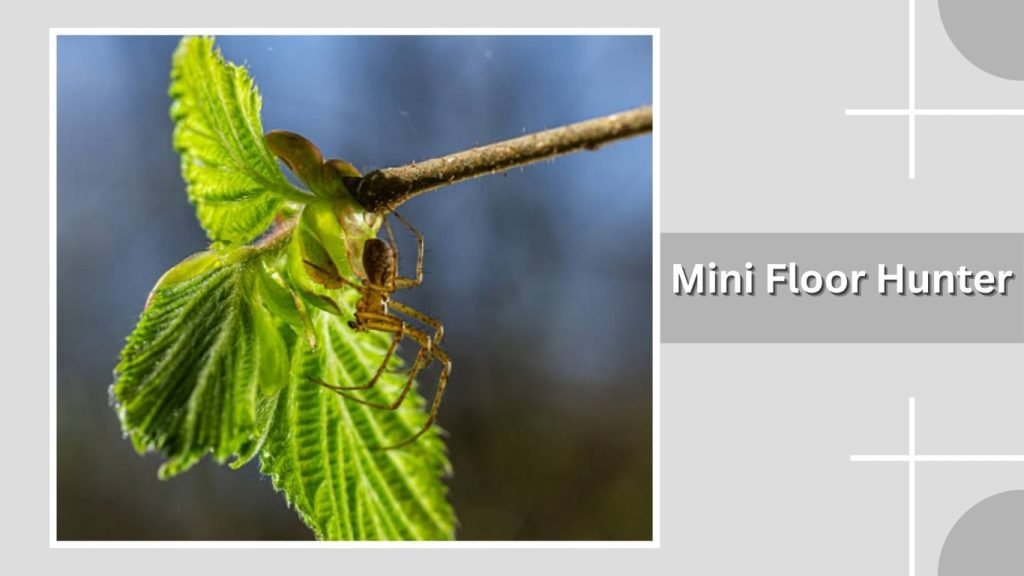
The Mini Floor Hunter is a tiny brown spider often seen moving along floors in search of small insects. Its low profile and natural coloring help it stay hidden against tiles, wood, or concrete surfaces. Though small, it is an efficient and active predator indoors.
Identification
- Color: Medium brown with slightly darker tones
- Size: Small, around 3–6 mm
- Body Shape: Low, slightly flattened body
- Legs: Thin, moderately long legs for quick movement
- Markings: Faint patterns or subtle shading
- Eyes: Small, adapted for detecting motion
Habitat
Mini Floor Hunters are commonly found along indoor floors, baseboards, and under furniture. They prefer ground-level areas where small insects are active. You may also find them near doorways, kitchens, or storage areas where food crumbs attract insects.
Behavior
This spider is an active ground hunter, moving steadily across surfaces to find prey. It does not rely on webs but instead captures insects directly. It prefers to stay low and hidden, quickly escaping into cracks or corners when disturbed.
Interesting Facts
The Mini Floor Hunter is well-adapted to indoor life, using its speed and low profile to remain unnoticed. It helps control tiny crawling insects like ants and small bugs. Despite its fast movement, it is harmless and avoids human interaction.
12. Hidden Crack Spider
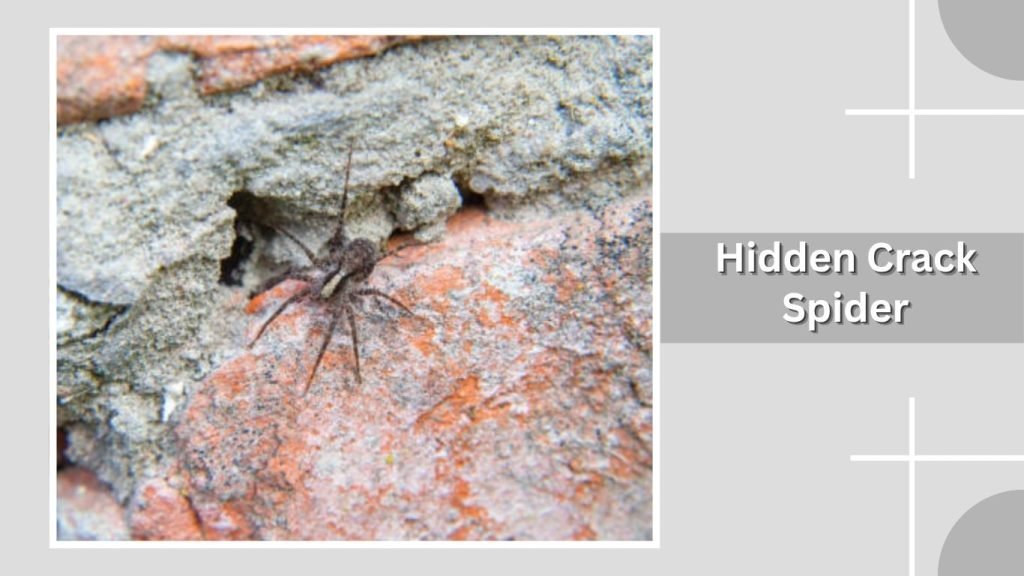
The Hidden Crack Spider is a tiny brown spider that prefers to stay out of sight, living deep within cracks and crevices inside homes. Its small size and earthy color make it perfectly suited for remaining hidden, only emerging when necessary to hunt.
Identification
- Color: Light to dark brown
- Size: Very small, around 2–5 mm
- Body Shape: Compact with a slightly rounded abdomen
- Legs: Thin, short legs adapted for tight spaces
- Markings: Minimal, sometimes faint darker shading
- Eyes: Tiny and barely visible
Habitat
Hidden Crack Spiders are commonly found inside wall cracks, gaps in furniture, behind baseboards, and in small crevices around the home. They prefer tight, undisturbed spaces that provide safety and easy access to tiny insects.
Behavior
This spider is secretive and rarely seen. It stays hidden most of the time, coming out quietly to hunt small insects. It does not build noticeable webs and instead relies on stealth and timing. When disturbed, it quickly retreats back into its hiding place.
Interesting Facts
The Hidden Crack Spider can live comfortably in extremely small spaces that many other spiders cannot access. Its secretive lifestyle makes it one of the least noticed household spiders. Harmless to humans, it helps reduce tiny pests hiding in cracks and corners.
FAQs
Are small brown house spiders dangerous?
Most small brown house spiders are harmless to humans. They are non-aggressive and prefer to stay hidden. Even if disturbed, they usually run away instead of biting, making them safe to have around the home.
Why do these spiders live inside homes?
Homes provide shelter, warmth, and a steady supply of small insects. These spiders enter through windows, doors, or cracks and stay where they can find food and remain undisturbed.
Do these spiders build webs indoors?
Some build very fine, small webs in corners or hidden areas, while others actively hunt without webs. Their behavior depends on the species and the environment inside the home.
What do small brown spiders eat?
They mainly feed on tiny insects such as ants, flies, mosquitoes, and other small bugs. This makes them helpful, as they naturally reduce indoor pest populations.
How can I reduce small spiders in my home?
Keeping your home clean, sealing cracks, reducing clutter, and controlling insects can help limit spider presence. Since they rely on insects for food, fewer bugs usually mean fewer spiders.
