
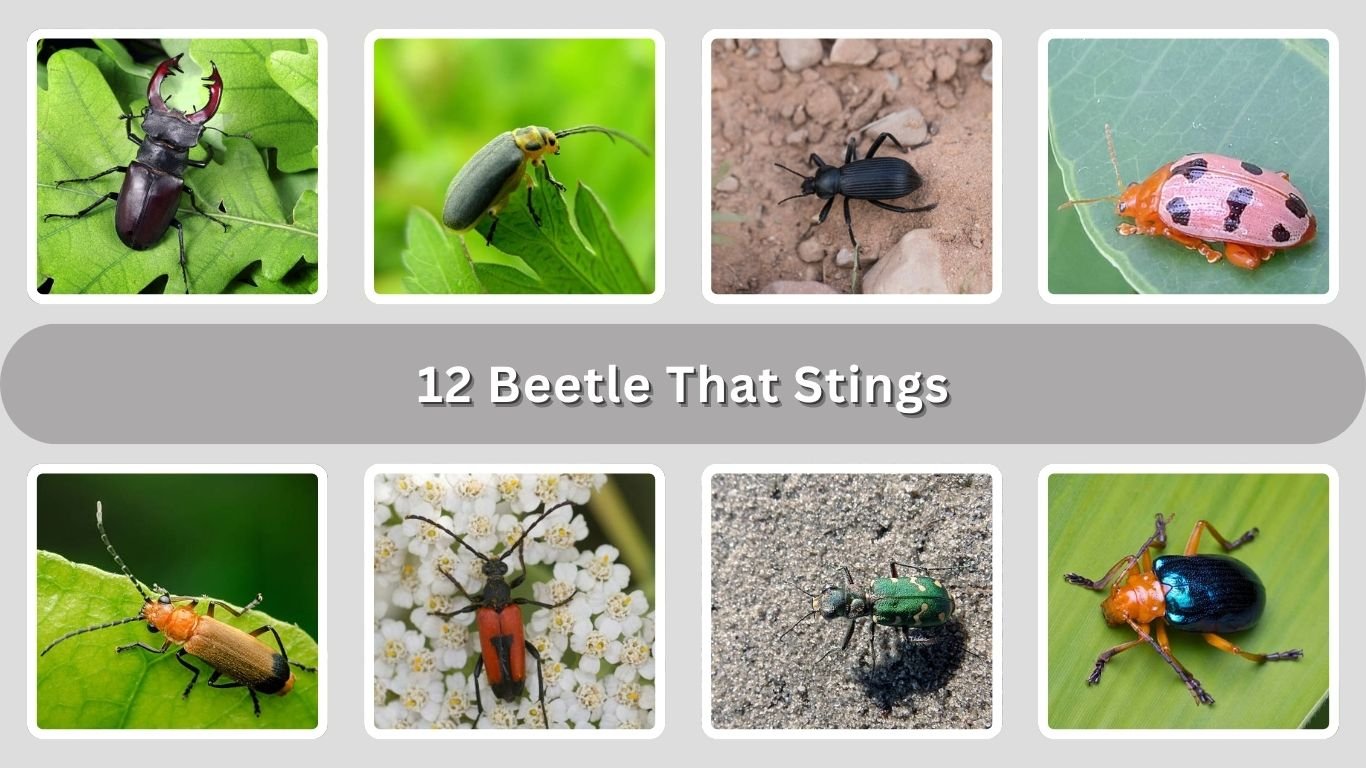
Beetles are one of the most diverse groups of insects, and while most are harmless, some can cause irritation through bites or defensive chemicals. Understanding their habitat, diet, and potential risks helps you identify which species to avoid and which are beneficial. This guide covers 12 beetles often associated with stinging or irritation, providing clear identification features along with insights into where they live, what they eat, and the risks they pose.
1. Blister Beetle
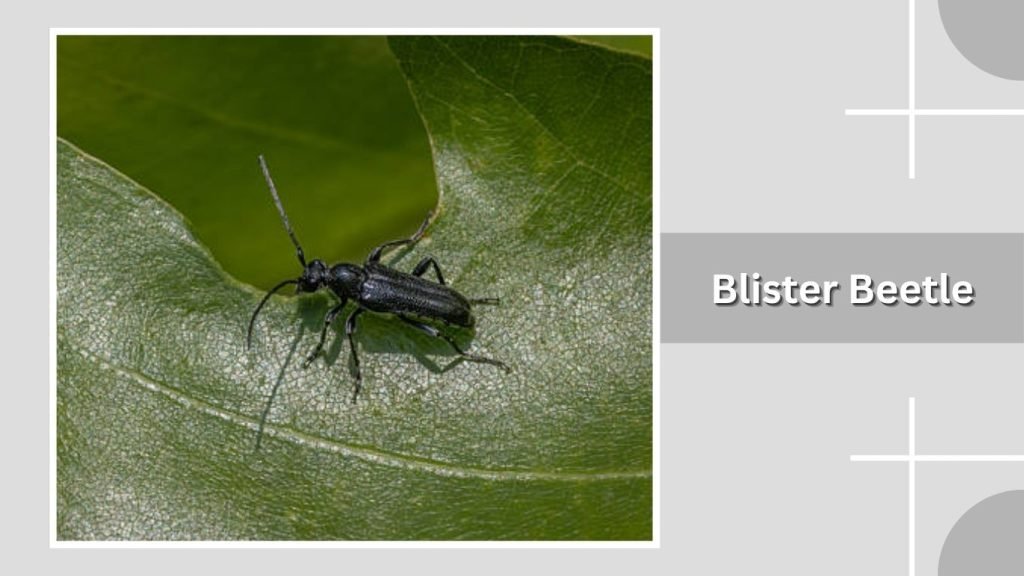
Blister beetles are a group of soft-bodied insects known for producing a toxic chemical called cantharidin, which can cause skin irritation and blistering in humans. They are commonly found in warm climates and are often seen on flowering plants and agricultural crops. Despite their simple appearance, they play a complex role in ecosystems, acting as both plant feeders and beneficial predators during their early life stages.
Identification
- Blister beetles have a soft, elongated body that appears somewhat flexible compared to hard-shelled beetles.
- Their head is clearly visible and connected to the body by a narrow, neck-like segment (pronotum), giving them a distinct “long-necked” look.
- They typically range from 1 to 2.5 cm in length, depending on the species.
- Coloration varies widely: some are dull black or gray, while others display bright warning colors such as yellow, orange, or striped patterns to signal toxicity.
- Their wing covers (elytra) are soft and may not fully cover the abdomen, which is another key identifying feature.
- Legs are long and slender, allowing them to move easily across plants.
- When disturbed, they may exude an oily substance containing cantharidin, which is a strong indicator of this group.
Habitat
Blister beetles are commonly found in warm and temperate regions, especially in open areas such as grasslands, gardens, and agricultural fields. They prefer environments rich in flowering plants, which provide both food and shelter. These beetles are often seen during the daytime on crops like alfalfa, tomatoes, and other vegetation. Their presence increases during warmer months when plant growth is abundant and conditions are favorable.
Diet
Blister beetles primarily feed on plant material, including leaves, flowers, and crops. They are especially attracted to flowering plants where they consume pollen and soft tissues. In large numbers, they can cause noticeable damage to agricultural crops. However, in their larval stage, many species feed on grasshopper eggs in the soil, making them beneficial by helping control pest populations.
Risk
Blister beetles pose a risk mainly due to the toxin cantharidin, which they release when disturbed or crushed. Contact with this substance can cause painful skin blisters and irritation. While they do not sting or bite, handling them can be harmful. They are particularly dangerous to livestock if accidentally consumed in contaminated hay, as the toxin remains active even after the beetles die.
2. Bombardier Beetle
Blister beetles are a group of soft-bodied insects known for producing a toxic chemical called cantharidin, which can cause skin irritation and blistering in humans. They are commonly found in warm climates and are often seen on flowering plants and agricultural crops. Despite their simple appearance, they play a complex role in ecosystems, acting as both plant feeders and beneficial predators during their early life stages.
Identification
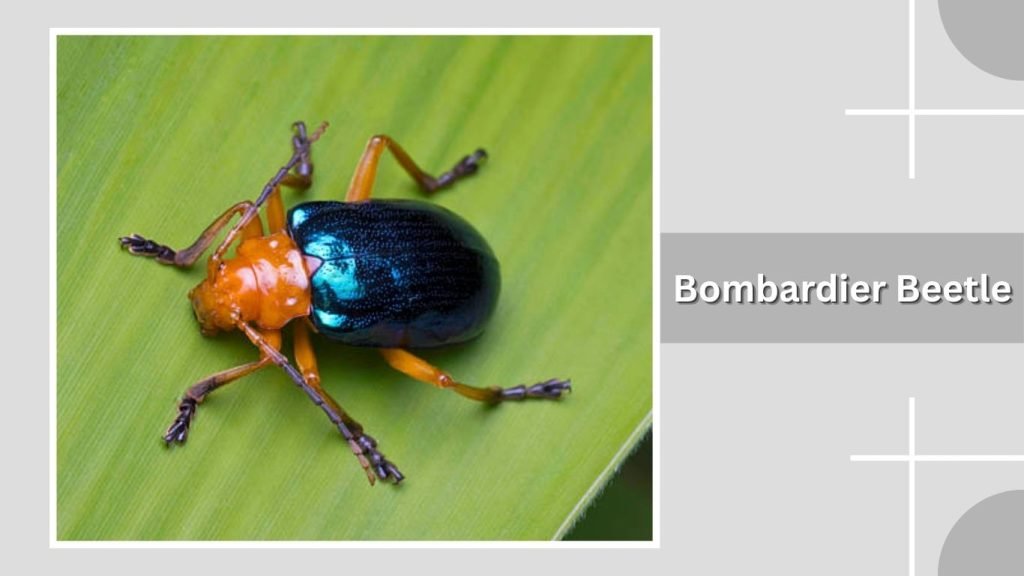
- Medium-sized beetle with a hard, oval-shaped body
- Typically dark brown or black with reddish or orange markings
- Head is small compared to the body, with strong jaws
- Abdomen tip is specialized for spraying chemicals
- Emits a noticeable popping sound when defending itself
- Produces a hot, irritating chemical spray from the rear
Habitat
Bombardier beetles are commonly found in temperate and tropical regions, especially in moist environments such as forests, grasslands, and near water sources. They prefer areas with loose soil, leaf litter, or stones where they can hide during the day. These beetles are mostly active at night and often stay concealed under debris or logs to avoid predators and harsh conditions.
Diet
Bombardier beetles are carnivorous and primarily feed on other small insects. Their diet includes ants, larvae, and various soft-bodied invertebrates found on the ground. They are active hunters and use their speed and strong mandibles to capture prey. This feeding behavior makes them beneficial in controlling pest insect populations in their natural habitats.
Risk
Bombardier beetles do not sting or bite humans, but they can defend themselves by ejecting a hot chemical spray from their abdomen. This spray can cause irritation, a burning sensation, and discomfort if it comes into contact with skin or eyes. While not dangerous in most cases, it can be alarming and mildly painful, especially if sprayed at close range.
3. Rove Beetle
Blister beetles are a group of soft-bodied insects known for producing a toxic chemical called cantharidin, which can cause skin irritation and blistering in humans. They are commonly found in warm climates and are often seen on flowering plants and agricultural crops. Despite their simple appearance, they play a complex role in ecosystems, acting as both plant feeders and beneficial predators during their early life stages.
Identification
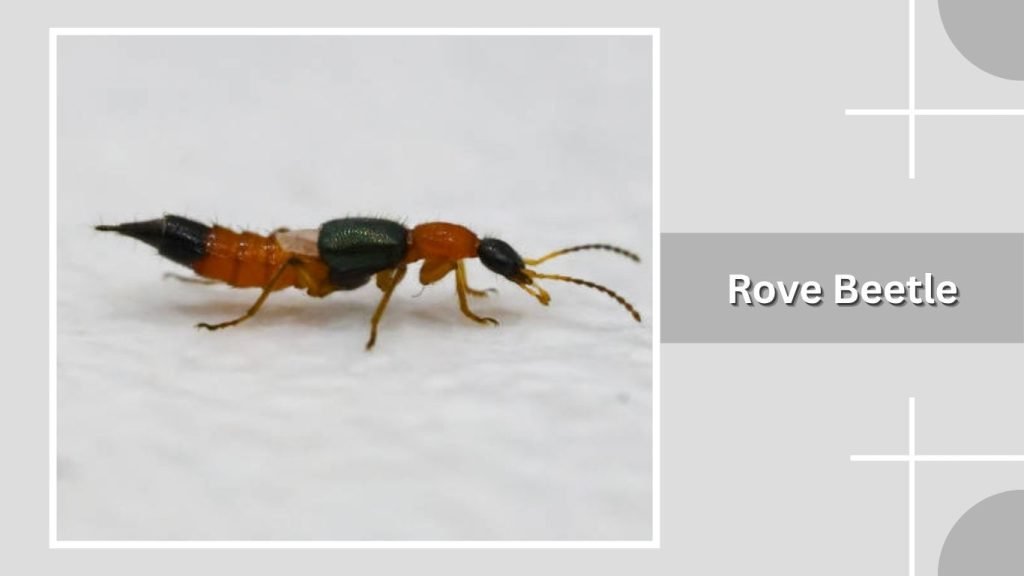
- Slender, elongated body with very short wing covers (elytra)
- Abdomen is exposed and often curves upward like a scorpion
- Usually small to medium in size, ranging from a few millimeters to about 2 cm
- Typically dark in color (black or brown), though some species have bright markings
- Fast-moving with flexible bodies
- When disturbed, they raise their abdomen in a defensive posture
Habitat
Rove beetles are widely distributed and can be found in a variety of environments, including forests, gardens, farmland, and near water sources. They prefer moist areas with plenty of organic matter such as leaf litter, compost, and decaying wood. These beetles are often hidden under stones, logs, or soil during the day and become more active at night.
Diet
Rove beetles are mostly predatory and feed on small insects, larvae, mites, and other invertebrates. Some species may also consume decaying organic material. Their role as predators makes them beneficial in controlling pests in agricultural and garden environments. They are quick hunters and use their strong mandibles to capture prey.
Risk
Rove beetles do not sting, but some species can cause skin irritation when crushed against the skin. Certain types release defensive chemicals that may lead to redness, itching, or a mild burning sensation. Although not dangerous, direct contact should be avoided, especially with sensitive skin, as reactions can vary in severity.
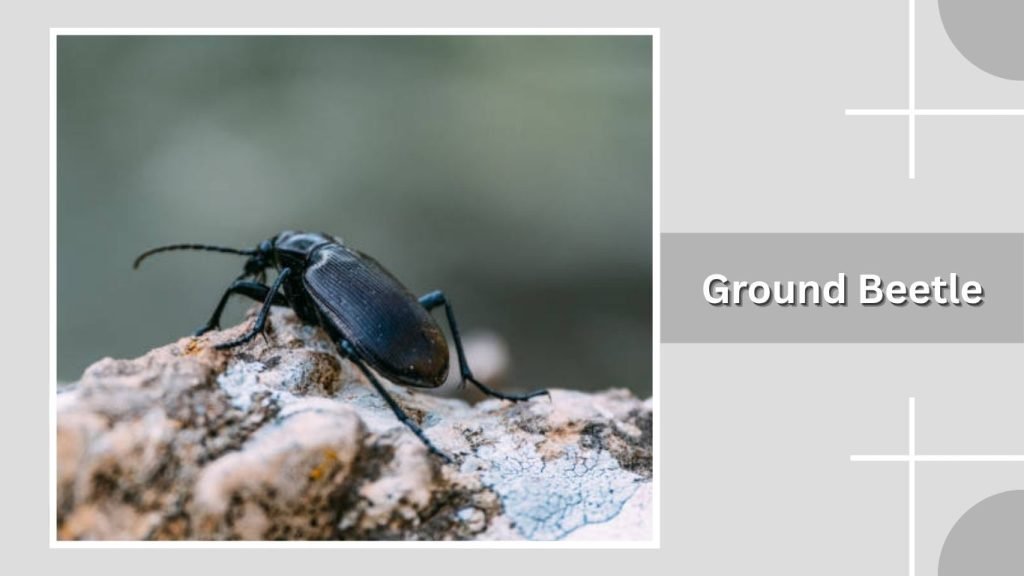
4. Ground Beetle
Blister beetles are a group of soft-bodied insects known for producing a toxic chemical called cantharidin, which can cause skin irritation and blistering in humans. They are commonly found in warm climates and are often seen on flowering plants and agricultural crops. Despite their simple appearance, they play a complex role in ecosystems, acting as both plant feeders and beneficial predators during their early life stages.
Identification
- Hard, flattened body with a smooth and shiny appearance
- Usually dark in color, commonly black or metallic green/blue
- Long legs adapted for fast running
- Prominent mandibles (jaws) used for hunting
- Wing covers (elytra) are well-developed and cover the abdomen fully
- Size varies from small to relatively large depending on species
Habitat
Ground beetles are commonly found in a wide range of environments, including forests, gardens, agricultural fields, and grasslands. They prefer to stay close to the ground, often hiding under rocks, logs, leaf litter, or soil during the day. These beetles thrive in moist environments and are mostly active at night, when they emerge to hunt for food.
Diet
Ground beetles are primarily carnivorous and feed on a variety of pests such as insects, larvae, worms, and slugs. Their strong jaws allow them to capture and consume prey efficiently. This makes them highly beneficial in gardens and farms, where they help control harmful insect populations naturally.
Risk
Ground beetles do not sting and rarely bite humans. However, some species can release defensive chemicals with a strong odor when threatened. These chemicals may cause mild skin irritation or discomfort if handled directly. Overall, they are considered harmless and beneficial insects.
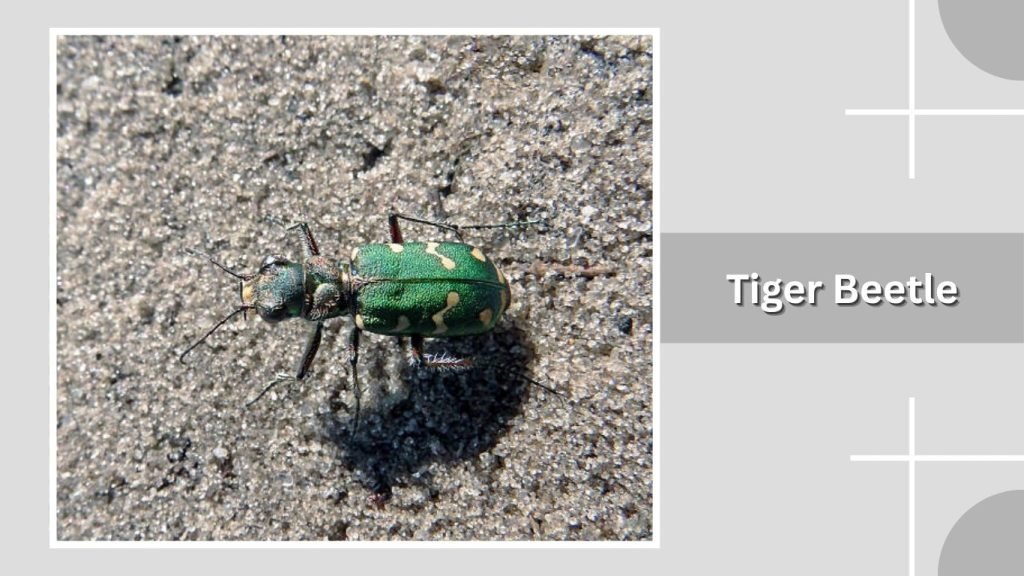
5. Tiger Beetle
Blister beetles are a group of soft-bodied insects known for producing a toxic chemical called cantharidin, which can cause skin irritation and blistering in humans. They are commonly found in warm climates and are often seen on flowering plants and agricultural crops. Despite their simple appearance, they play a complex role in ecosystems, acting as both plant feeders and beneficial predators during their early life stages.
Identification
- Slender body with long legs designed for speed
- Often brightly colored with metallic green, blue, or bronze shades
- Distinct large, bulging eyes for excellent vision
- Strong, curved mandibles used for catching prey
- Narrow thorax (middle body section)
- Fast runners and quick flyers when disturbed
Habitat
Tiger beetles are typically found in open, sunny environments such as sandy areas, riverbanks, trails, grasslands, and coastal regions. They prefer loose soil where they can hunt and where their larvae can burrow. These beetles are most active during the day and are often seen running quickly across the ground in search of prey.
Diet
Tiger beetles are aggressive predators, feeding mainly on small insects and other arthropods. They rely on their speed and sharp vision to chase and capture prey. Both adults and larvae are carnivorous, with larvae waiting in burrows to ambush passing insects. This makes them effective natural pest controllers.
Risk
Tiger beetles do not sting but can bite if handled. Their strong mandibles can cause a mild pinch, though it is not dangerous to humans. They are generally not aggressive and will usually run or fly away when disturbed.
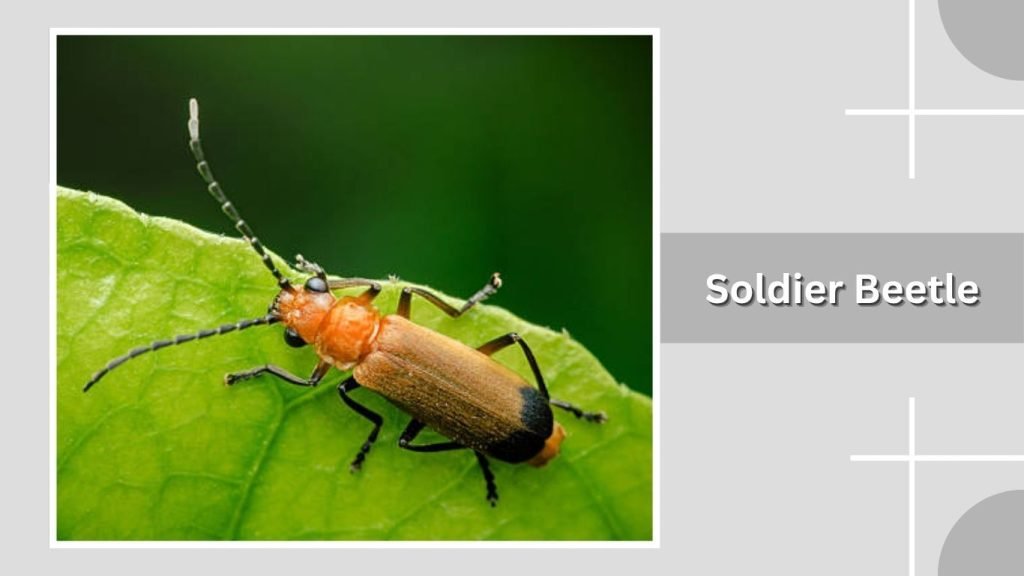
6. Soldier Beetle
Blister beetles are a group of soft-bodied insects known for producing a toxic chemical called cantharidin, which can cause skin irritation and blistering in humans. They are commonly found in warm climates and are often seen on flowering plants and agricultural crops. Despite their simple appearance, they play a complex role in ecosystems, acting as both plant feeders and beneficial predators during their early life stages.
Identification
- Soft-bodied beetle with an elongated, slightly flattened shape
- Often brightly colored in combinations of red, orange, yellow, and black
- Resembles fireflies but lacks light-producing ability
- Head is visible and not hidden under the thorax
- Long legs and soft wing covers
- Size usually ranges from 1 to 2 cm
Habitat
Soldier beetles are commonly found in gardens, meadows, grasslands, and agricultural areas. They prefer environments rich in flowering plants, where they can easily find food and shelter. These beetles are most active during the daytime and are often seen crawling on flowers during warm months, especially in summer.
Diet
Adult soldier beetles feed mainly on nectar, pollen, and small insects such as aphids. This makes them beneficial for both pollination and pest control. Their larvae live in soil or leaf litter and feed on other insects, snails, and organic matter, contributing to ecological balance.
Risk
Soldier beetles do not sting or pose any significant threat to humans. They are harmless and rarely bite. If handled, they may release a mild defensive fluid, but it does not cause serious irritation. Overall, they are considered beneficial insects.
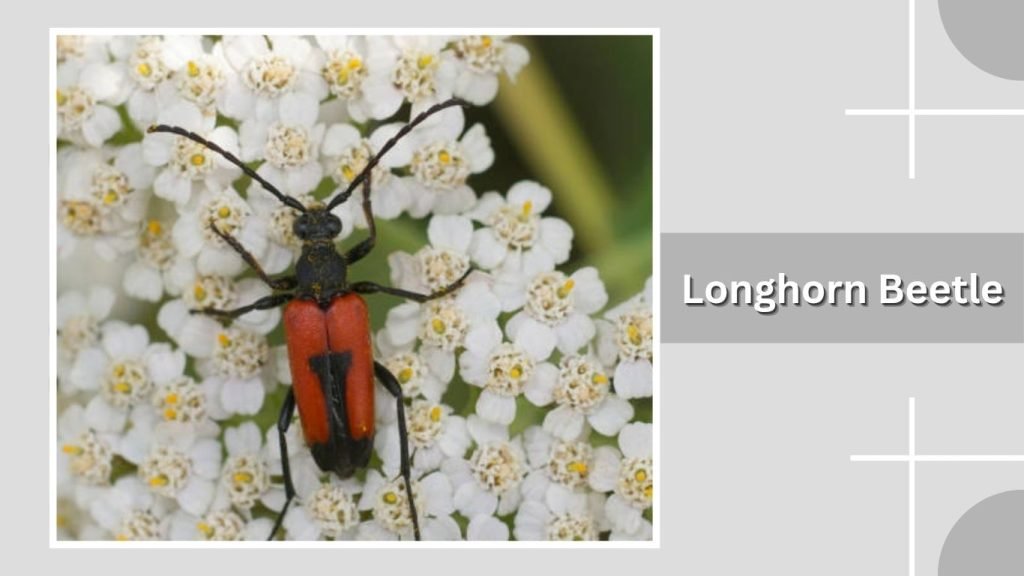
7. Longhorn Beetle
Blister beetles are a group of soft-bodied insects known for producing a toxic chemical called cantharidin, which can cause skin irritation and blistering in humans. They are commonly found in warm climates and are often seen on flowering plants and agricultural crops. Despite their simple appearance, they play a complex role in ecosystems, acting as both plant feeders and beneficial predators during their early life stages.
Identification
- Characterized by extremely long antennae, often longer than their body
- Elongated, cylindrical body shape
- Hard wing covers (elytra) with various colors and patterns
- Sizes vary widely from small to large species
- Head is clearly visible with strong jaws
- Legs are relatively long and sturdy
Habitat
Longhorn beetles are commonly found in forests, woodlands, gardens, and areas with abundant trees. They are especially associated with dead or decaying wood, where they lay eggs. Larvae develop inside wood, making logs, tree trunks, and wooden structures common habitats. Adults are often seen on tree bark, flowers, or logs, especially during warmer seasons.
Diet
Adult longhorn beetles typically feed on nectar, pollen, leaves, or tree sap. In contrast, their larvae are wood-borers and feed on the inner tissues of trees and dead wood. This behavior helps break down decaying wood but can also damage living trees and wooden structures in some cases.
Risk
Longhorn beetles do not sting and are generally harmless to humans. However, large species can bite if handled, though the bite is usually mild. The main risk is to trees and wooden materials, as larvae can cause structural damage by boring into wood.
8. Carrion Beetle
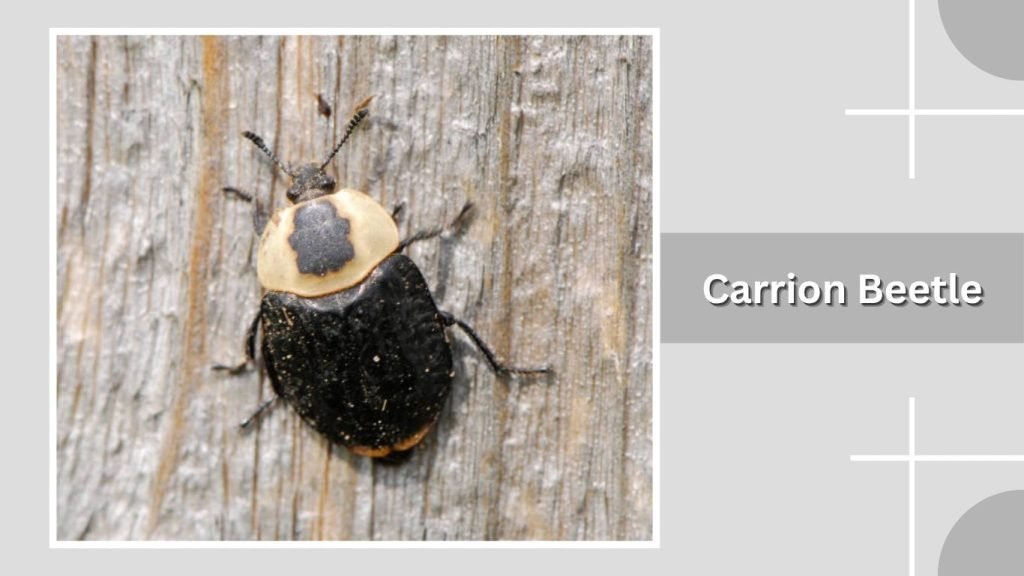
Blister beetles are a group of soft-bodied insects known for producing a toxic chemical called cantharidin, which can cause skin irritation and blistering in humans. They are commonly found in warm climates and are often seen on flowering plants and agricultural crops. Despite their simple appearance, they play a complex role in ecosystems, acting as both plant feeders and beneficial predators during their early life stages.
Identification
- Medium-sized beetles with a broad, flattened body
- Typically black with orange or yellow markings on the wing covers
- Clubbed antennae that are slightly curved
- Elytra may be shortened, exposing part of the abdomen
- Strong legs adapted for digging and crawling
- Often emit a noticeable odor
Habitat
Carrion beetles are commonly found in forests, grasslands, gardens, and rural areas. They are closely associated with decaying organic matter and are often found near dead animals, compost, or rotting vegetation. These beetles are usually active on the ground and prefer moist environments where decomposition is taking place.
Diet
Carrion beetles primarily feed on dead animals (carrion), decaying organic matter, and sometimes fungi. Some species also consume fly larvae found on carcasses. Their feeding behavior plays an important role in nutrient recycling and decomposition in ecosystems.
Risk
Carrion beetles do not sting and are generally harmless to humans. They may release a foul-smelling substance as a defense mechanism, but it is not dangerous. Handling them is usually safe, though the odor can be unpleasant.
9. Bess Beetle
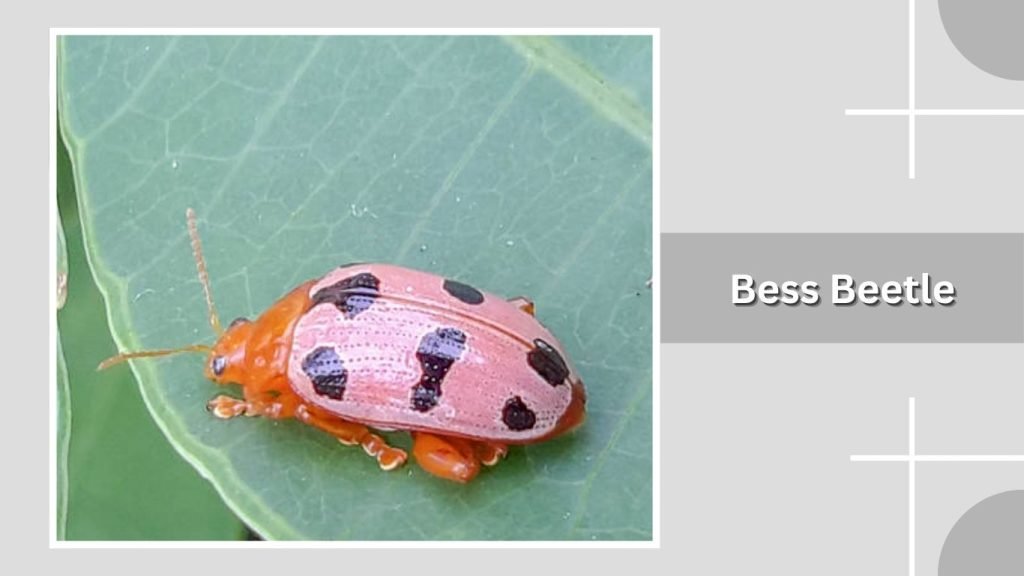
Blister beetles are a group of soft-bodied insects known for producing a toxic chemical called cantharidin, which can cause skin irritation and blistering in humans. They are commonly found in warm climates and are often seen on flowering plants and agricultural crops. Despite their simple appearance, they play a complex role in ecosystems, acting as both plant feeders and beneficial predators during their early life stages.
Identification
- Large, robust beetle with a shiny black body
- Strong, oval-shaped body with a smooth surface
- Distinct horn-like projection on the head
- Powerful mandibles used for chewing wood
- Wing covers are hard and fully developed
- Can produce squeaking sounds when handled
Habitat
Bess beetles are typically found in forests and wooded areas where decaying logs and rotting wood are abundant. They live inside decomposing wood, which provides both shelter and food. These beetles are usually hidden within logs and are rarely seen out in the open unless disturbed.
Diet
Bess beetles feed primarily on decaying wood. Both adults and larvae consume wood that has been softened by fungi and microorganisms. This feeding habit helps break down dead trees and contributes to nutrient recycling in forest ecosystems.
Risk
Bess beetles do not sting and are harmless to humans. They rarely bite, and even if they do, it is mild and not dangerous. They are considered beneficial insects due to their role in decomposing wood.
10. Darkling Beetle
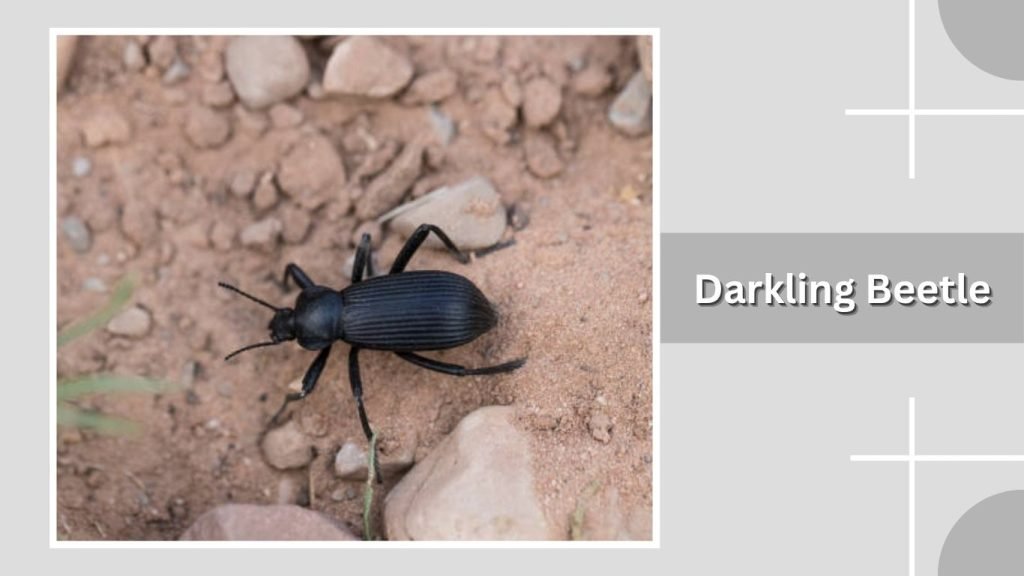
Blister beetles are a group of soft-bodied insects known for producing a toxic chemical called cantharidin, which can cause skin irritation and blistering in humans. They are commonly found in warm climates and are often seen on flowering plants and agricultural crops. Despite their simple appearance, they play a complex role in ecosystems, acting as both plant feeders and beneficial predators during their early life stages.
Identification
- Medium-sized beetle with a hard, elongated body
- Usually dark brown or black in color
- Wing covers are fused in many species, so they cannot fly
- Antennae are short and slightly clubbed
- Body surface may appear smooth or slightly textured
- Slow-moving compared to other beetles
Habitat
Darkling beetles are commonly found in dry environments such as deserts, grasslands, and agricultural areas. They are also frequently seen in stored grain facilities, barns, and poultry farms. These beetles prefer hiding in soil, under debris, or in dark, sheltered places during the day and become more active at night.
Diet
Darkling beetles are scavengers and feed on decaying plant material, seeds, fungi, and stored grains. Some species are known to infest food storage areas, where they consume grains and organic matter. Their larvae, commonly known as mealworms, are also important decomposers.
Risk
Darkling beetles do not sting and are generally harmless to humans. However, they can release a foul-smelling defensive chemical when disturbed. They may become a nuisance in homes or farms if they infest stored food products.
11. Leaf Beetle
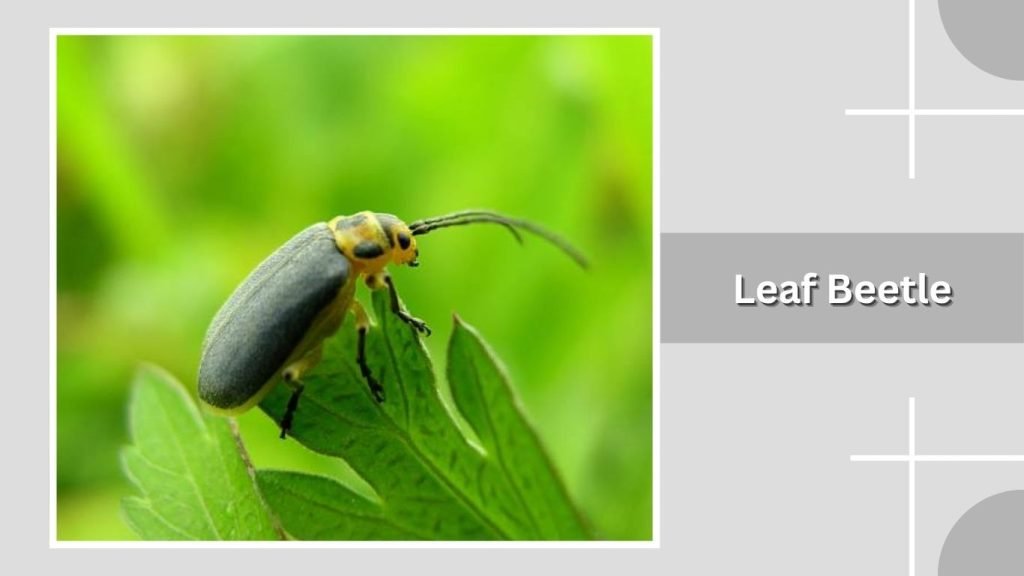
Blister beetles are a group of soft-bodied insects known for producing a toxic chemical called cantharidin, which can cause skin irritation and blistering in humans. They are commonly found in warm climates and are often seen on flowering plants and agricultural crops. Despite their simple appearance, they play a complex role in ecosystems, acting as both plant feeders and beneficial predators during their early life stages.
Identification
- Small to medium-sized beetles with an oval or rounded body
- Often brightly colored (green, yellow, red, or metallic shades)
- Smooth and shiny wing covers (elytra)
- Short antennae compared to body size
- Head is partially hidden under the thorax in some species
- Wide variation in patterns, including spots or stripes
Habitat
Leaf beetles are commonly found in gardens, forests, agricultural fields, and areas with abundant vegetation. They prefer environments rich in host plants, as they rely heavily on specific plant species for survival. These beetles are usually active during the day and are often seen on leaves, stems, and flowers.
Diet
Leaf beetles are herbivorous and primarily feed on plant leaves, stems, and sometimes roots. Many species are known to specialize in particular plants, which can lead to significant damage in crops and ornamental plants when populations are high.
Risk
Leaf beetles do not sting and are harmless to humans. However, they can become serious agricultural pests due to their feeding habits, which may damage crops and reduce plant health.
12. Stag Beetle
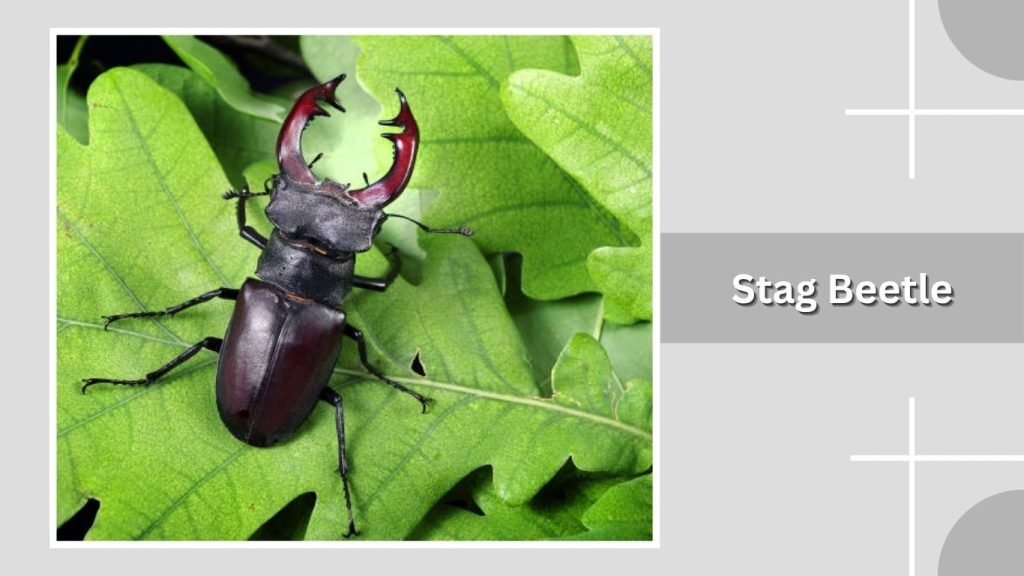
Blister beetles are a group of soft-bodied insects known for producing a toxic chemical called cantharidin, which can cause skin irritation and blistering in humans. They are commonly found in warm climates and are often seen on flowering plants and agricultural crops. Despite their simple appearance, they play a complex role in ecosystems, acting as both plant feeders and beneficial predators during their early life stages.
Identification
- Large, robust beetle with a shiny, hard body
- Males have prominent, antler-like mandibles resembling deer antlers
- Females have smaller, less noticeable jaws
- Color ranges from dark brown to black, sometimes with a reddish tint
- Wing covers are smooth and fully developed
- Size varies but can be quite large compared to other beetles
Habitat
Stag beetles are commonly found in forests, woodlands, parks, and gardens with plenty of old trees and decaying wood. They depend on rotting logs and tree stumps for breeding and development. Adults are often seen during warm evenings, especially in summer, while larvae remain hidden inside decaying wood.
Diet
Adult stag beetles primarily feed on tree sap, fruits, and sugary liquids. They do not typically consume solid food. Larvae, however, feed on decaying wood for several years as they develop, helping break down organic material in forest ecosystems.
Risk
Stag beetles do not sting and are generally harmless to humans. While males have large mandibles, they are mainly used for fighting other males and are unlikely to cause harm. Any pinch from their jaws is usually mild and not dangerous.
FAQs
Do blister beetles actually sting?
Blister beetles do not sting like bees or wasps. Instead, they release a toxic chemical called cantharidin when disturbed or crushed. This substance causes skin irritation and painful blisters, which is why they are often mistaken for stinging insects.
Are all beetles in this list dangerous to humans?
Most beetles listed are not dangerous to humans. While a few can bite or release defensive chemicals, serious harm is rare. The main concern comes from species like blister beetles, which can cause skin reactions or harm livestock if ingested.
How can I safely handle beetles?
It is best to avoid direct contact with beetles, especially unknown species. If handling is necessary, use gloves or tools to prevent skin exposure. Washing hands afterward is also important to reduce the risk of irritation or contamination.
Which beetles are beneficial for gardens?
Many beetles, such as ground beetles, rove beetles, and tiger beetles, are beneficial because they prey on pests. These natural predators help control harmful insects, making them valuable for maintaining healthy gardens and crops.
What should I do if I get skin irritation from a beetle?
If skin irritation occurs, wash the affected area immediately with soap and water. Avoid rubbing the area further. Applying a soothing cream or cold compress can help reduce discomfort. Seek medical advice if the reaction becomes severe or persistent.
