
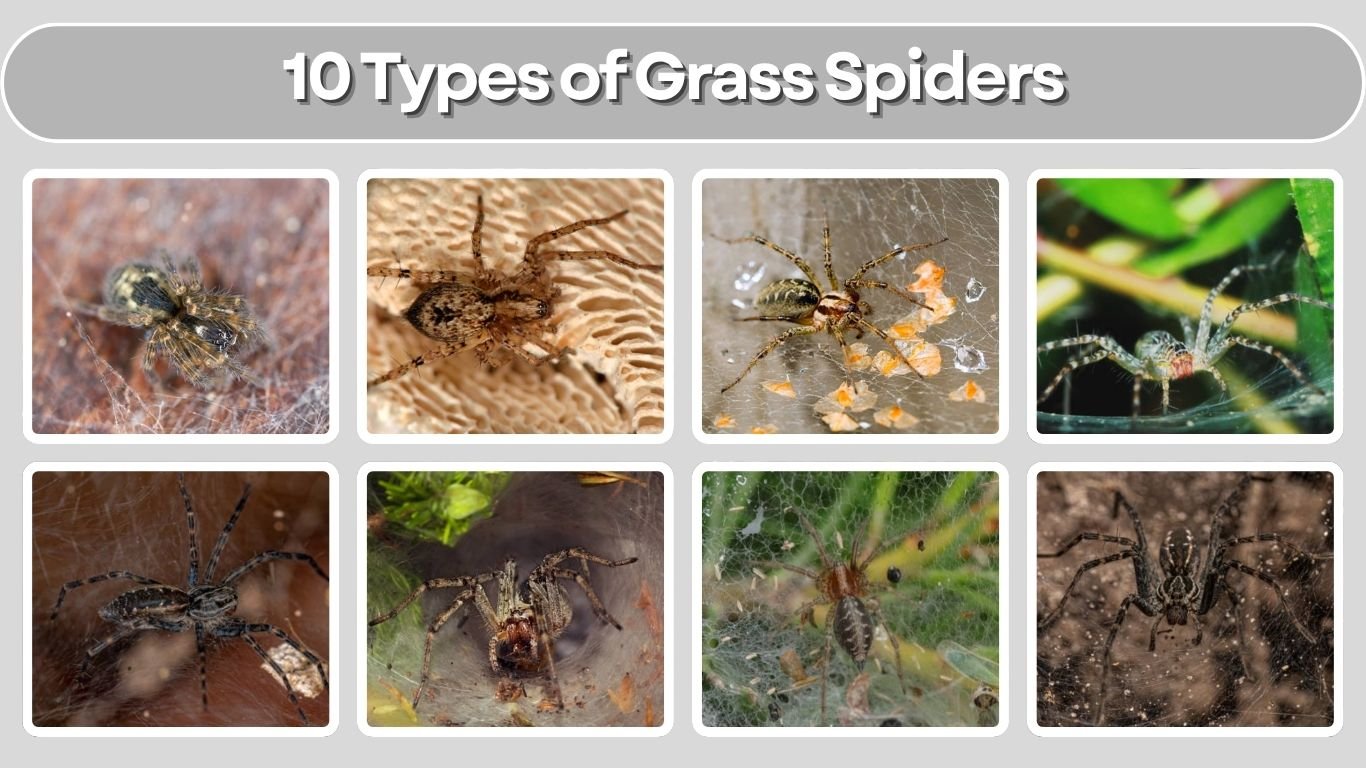
Grass spiders are fast-moving funnel weavers commonly found in lawns, gardens, and grassy fields. They are known for their distinctive sheet webs with a funnel-shaped retreat where they hide and wait for prey. Although they may look intimidating, most grass spiders are harmless to humans and play an important role in controlling insect populations.
1. Agelenopsis aperta
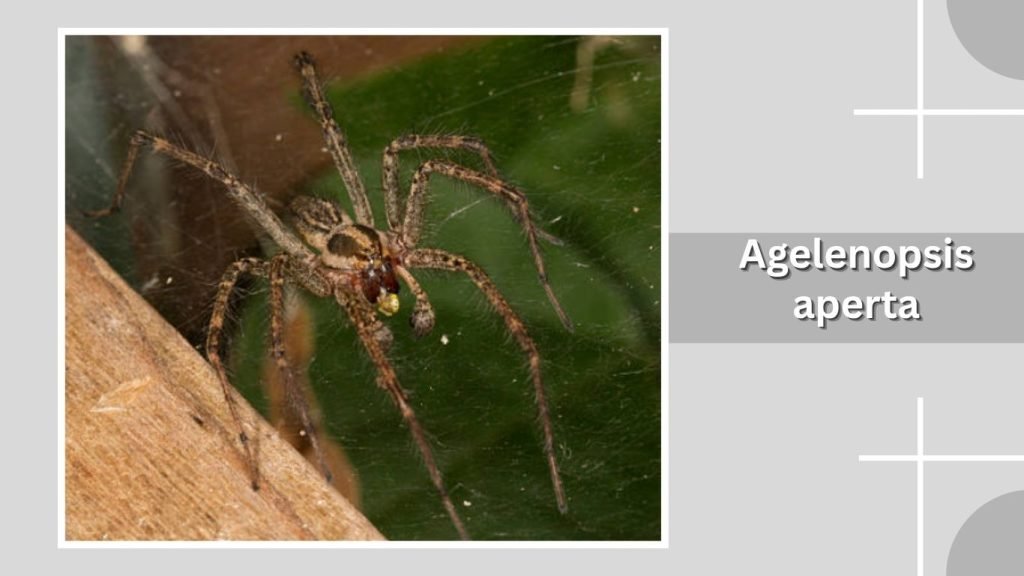
A common species of grass spider known for its funnel-shaped webs and fast movement, typically found in grassy and open areas.
Identification
- Brown to gray body with darker longitudinal stripes
- Long legs with visible spines
- Two prominent spinnerets extending from the abdomen
- Body length typically around 8–20 mm
Habitat
Agelenopsis aperta is usually found in grasslands, gardens, and low vegetation. It builds funnel-shaped webs close to the ground, often hidden among grass or shrubs where it can quickly retreat.
Diet
This spider primarily feeds on small insects such as flies, ants, and other arthropods that get trapped in its web. It waits near the funnel entrance and rapidly attacks prey.
Bite & Risk
The bite of Agelenopsis aperta is rare and generally harmless to humans. If it occurs, it may cause mild redness or irritation but does not pose any serious medical risk.
2. Agelenopsis pennsylvanica
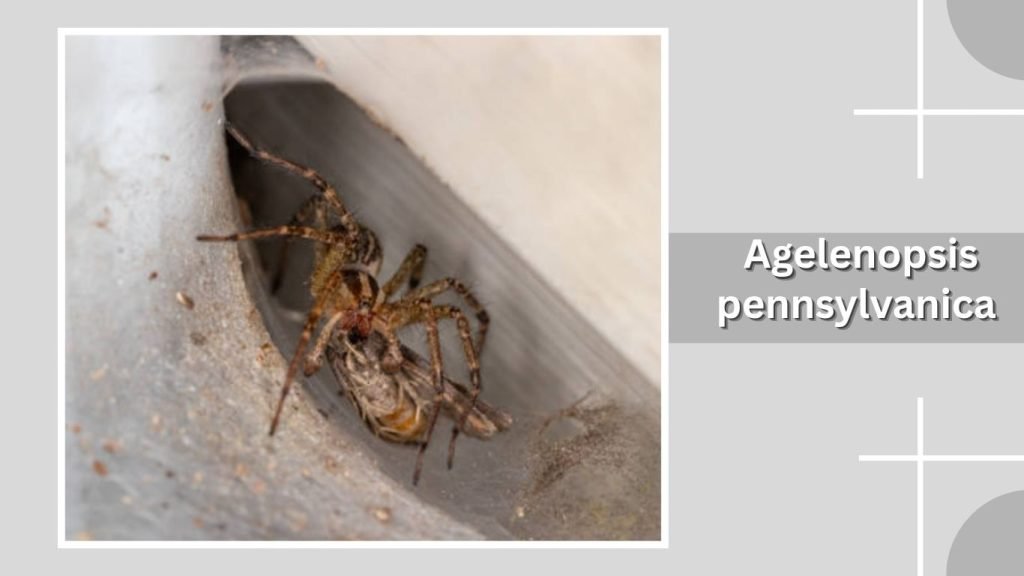
A widely distributed grass spider species known for its sheet and funnel webs, commonly seen in lawns and gardens.
Identification
- Light brown to tan body with darker stripes on the cephalothorax
- Long, slender legs adapted for speed
- Distinct pair of elongated spinnerets
- Size ranges from about 10–18 mm
Habitat
Agelenopsis pennsylvanica is commonly found in grassy fields, gardens, and around human dwellings. It builds flat sheet webs with a funnel retreat, often in corners, shrubs, or tall grass.
Diet
This species feeds mainly on small insects like flies, beetles, and ants. It waits in its funnel and quickly rushes out to capture prey that touches the web.
Bite & Risk
Bites are extremely uncommon and not dangerous to humans. If bitten, symptoms are usually mild, such as slight redness or irritation.
3. Agelenopsis emertoni
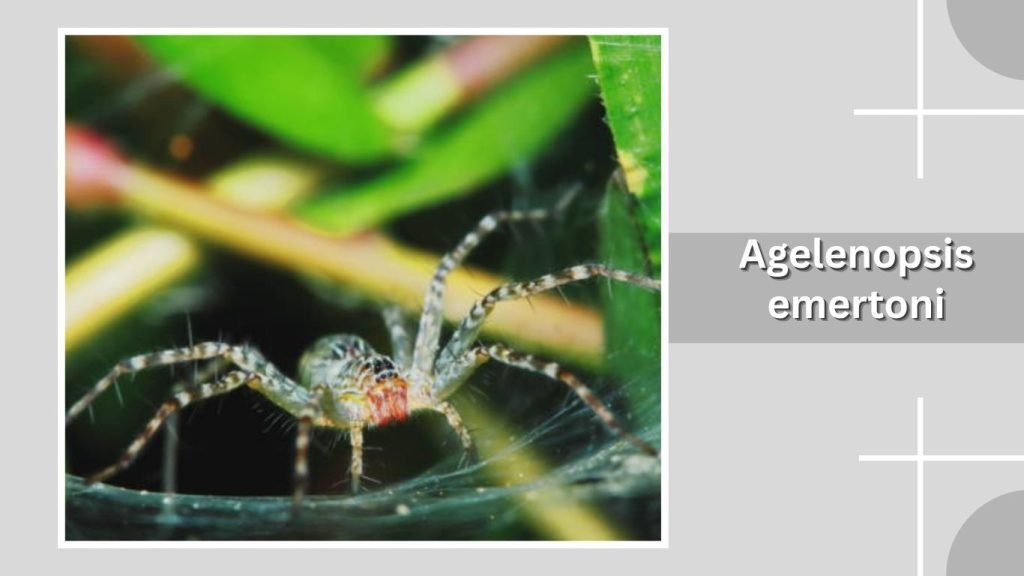
A lesser-known grass spider species that shares similar web-building behavior and habitat preferences with other funnel weavers.
Identification
- Brownish body with subtle striping patterns
- Long legs with fine hairs and spines
- Noticeable extended spinnerets
- Medium-sized body, typically around 8–15 mm
Habitat
Agelenopsis emertoni prefers grassy areas, forest edges, and gardens. It constructs funnel-shaped webs close to the ground, often hidden in vegetation or debris.
Diet
It primarily consumes small insects that wander onto its web, including flies and other soft-bodied arthropods. The spider relies on speed to subdue its prey.
Bite & Risk
This spider is not aggressive, and bites are rare. Any bite that does occur is harmless, causing only minor, temporary discomfort.
4. Agelenopsis kastoni
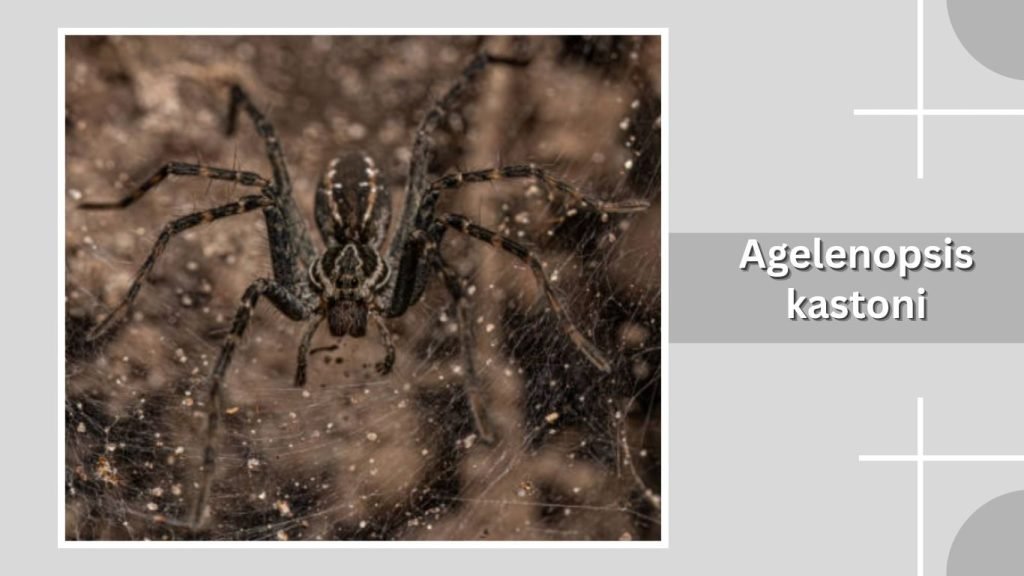
A grass spider species recognized for its quick movements and funnel-web construction in natural grassy environments.
Identification
- Brown body with darker central stripes
- Long, agile legs with visible spines
- Prominent spinnerets extending from the rear
- Medium size, usually around 9–17 mm
Habitat
Agelenopsis kastoni is typically found in grasslands, meadows, and garden areas. It builds funnel-shaped webs near the ground, often tucked into dense vegetation or corners.
Diet
This spider feeds on small insects such as flies, ants, and beetles. It waits in its funnel retreat and rapidly captures prey that touches its web.
Bite & Risk
Bites are rare and not considered harmful. If a bite occurs, it may cause mild irritation or redness but no serious effects.
5. Agelenopsis naevia
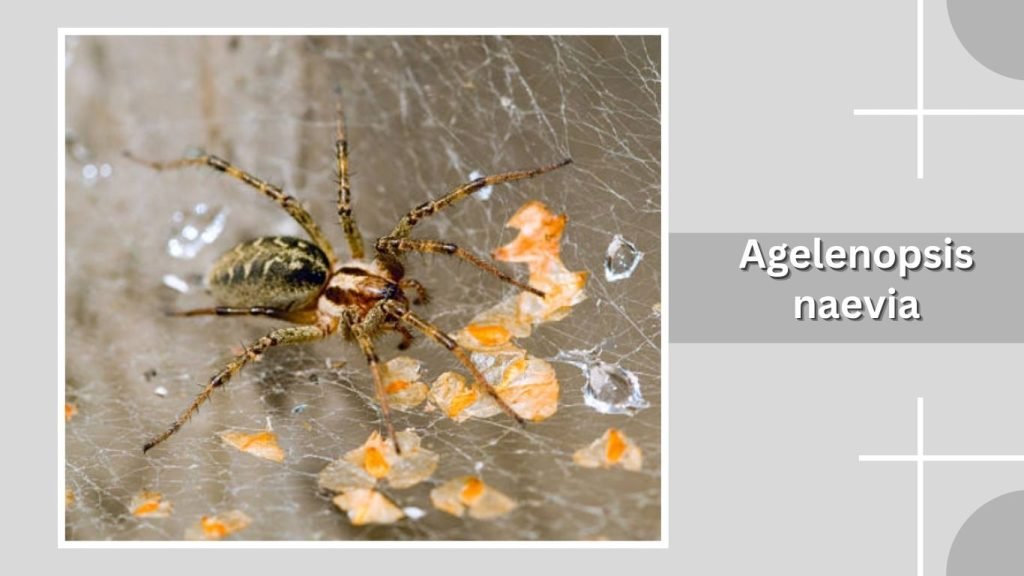
A common grass spider known for its distinctive markings and efficient web-building behavior.
Identification
- Brown to gray coloration with patterned markings
- Slender body with long legs
- Two long, clearly visible spinnerets
- Body length typically around 10–20 mm
Habitat
Agelenopsis naevia is often found in lawns, gardens, and open grassy fields. It creates sheet webs with a funnel retreat, usually close to the ground or within low plants.
Diet
It mainly preys on small insects like flies and ants. The spider stays near its funnel and quickly rushes out to subdue prey caught in the web.
Bite & Risk
This species is non-aggressive, and bites are very uncommon. Any bite is mild, usually resulting in slight irritation with no medical concern.
6. Agelenopsis spatula
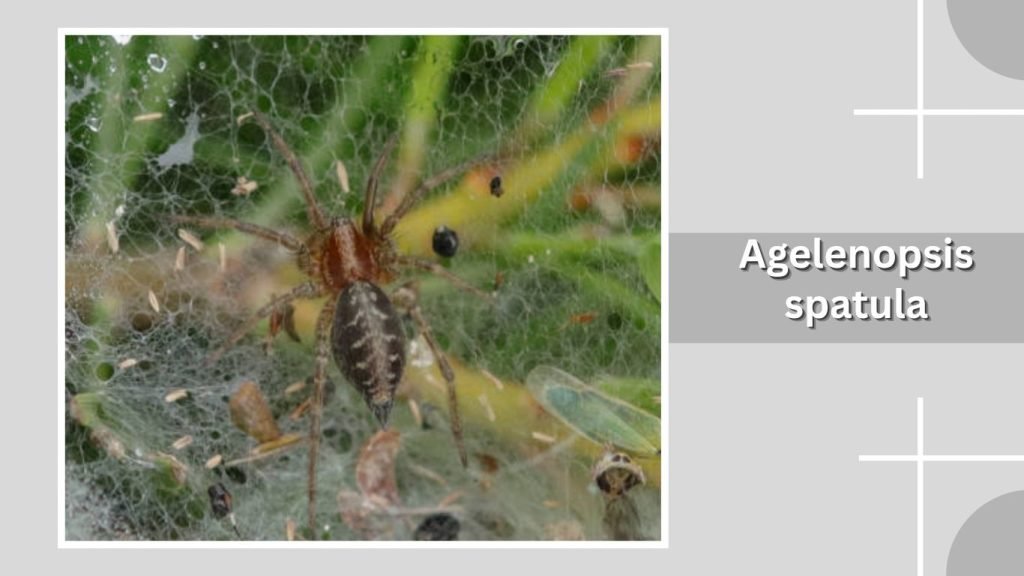
A fast-moving grass spider species that builds funnel webs and is commonly found in vegetated areas.
Identification
- Light brown body with darker stripe patterns
- Long legs adapted for rapid movement
- Extended spinnerets clearly visible from behind
- Medium size, typically around 8–16 mm
Habitat
Agelenopsis spatula lives in grassy fields, gardens, and low shrubs. It constructs funnel-shaped webs close to the ground, often hidden among dense vegetation.
Diet
This spider feeds on small insects such as flies, ants, and other arthropods. It stays inside its funnel and quickly attacks prey when vibrations are detected.
Bite & Risk
Bites are very rare and not dangerous to humans. If a bite occurs, it may cause slight redness or mild irritation that fades quickly.
7. Agelenopsis utahana
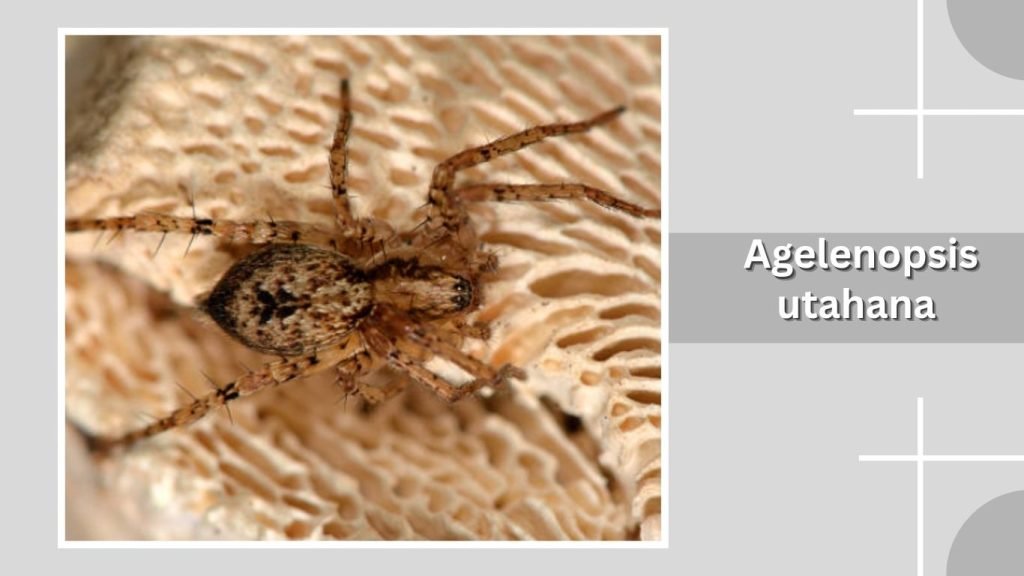
A lesser-known grass spider species that shares typical funnel-weaving behavior and fast hunting style.
Identification
- Brownish body with faint striping
- Slender legs with fine hairs
- Long spinnerets extending beyond the abdomen
- Body size usually around 9–15 mm
Habitat
Agelenopsis utahana is found in grasslands, open fields, and garden spaces. It builds funnel webs in grass or under small plants, staying close to the ground.
Diet
It primarily consumes small insects like flies and ants. The spider relies on web vibrations to detect prey and quickly capture it.
Bite & Risk
This species is not aggressive, and bites are extremely uncommon. Any bite is harmless, causing only minor and temporary discomfort.
8. Agelenopsis oregonensis
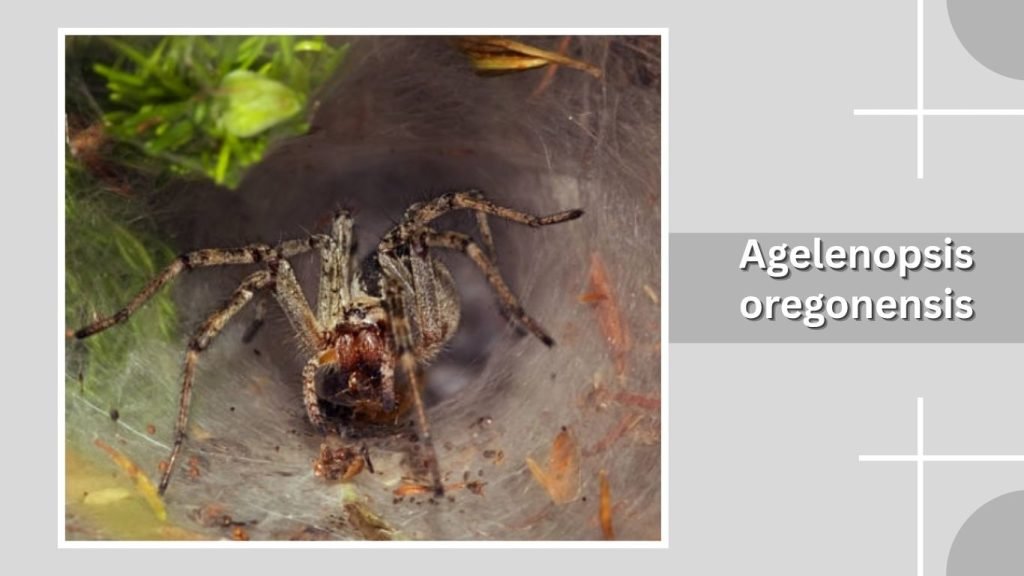
A grass spider species commonly found in western regions, known for its funnel webs and quick reflexes.
Identification
- Brown to tan body with darker markings
- Long, slender legs built for speed
- Distinct elongated spinnerets
- Body length typically around 8–18 mm
Habitat
Agelenopsis oregonensis prefers grassy areas, forests edges, and gardens. It builds sheet webs with a funnel retreat, usually close to the ground in vegetation.
Diet
This spider feeds on small insects such as flies, ants, and beetles. It waits in its funnel and rushes out to capture prey when the web is disturbed.
Bite & Risk
Bites are rare and not medically significant. If bitten, a person may experience mild irritation or redness that fades quickly.
9. Agelenopsis actuosa
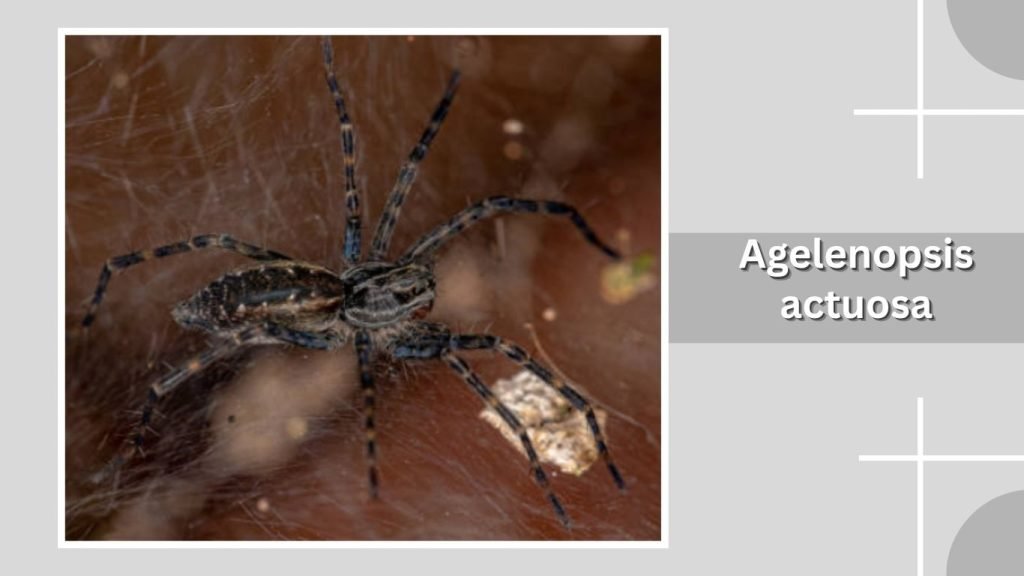
A lesser-known species of grass spider that shares the typical funnel-weaving behavior of its genus.
Identification
- Brownish body with subtle stripe patterns
- Long legs with fine spines
- Prominent spinnerets extending from the abdomen
- Medium size, around 9–17 mm
Habitat
Agelenopsis actuosa is usually found in grassy fields, gardens, and low vegetation. It constructs funnel-shaped webs near the ground for shelter and hunting.
Diet
It mainly preys on small insects like flies and ants. The spider detects vibrations in its web and quickly subdues captured prey.
Bite & Risk
This spider is non-aggressive, and bites are very uncommon. Any bite is harmless, causing only minor, short-lived irritation.
10. Agelenopsis aleena
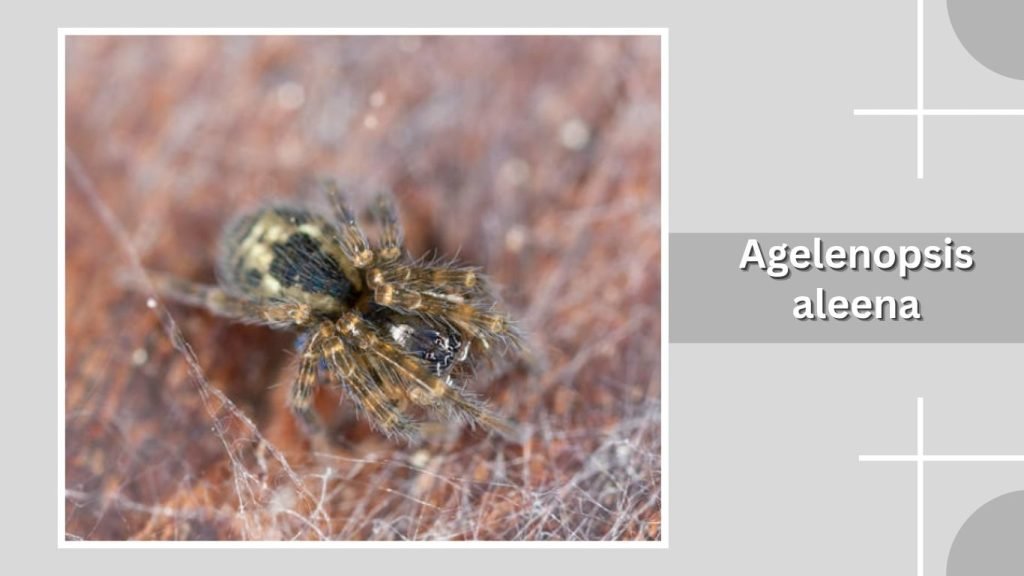
A grass spider species known for its funnel-web construction and fast hunting behavior in grassy environments.
Identification
- Brown to gray body with faint striping
- Long, slender legs with fine hairs
- Noticeable elongated spinnerets
- Body size typically around 8–16 mm
Habitat
Agelenopsis aleena is commonly found in grassy areas, gardens, and low vegetation. It builds funnel-shaped webs close to the ground, often hidden among grass or small plants.
Diet
This spider feeds on small insects such as flies, ants, and other arthropods. It waits inside its funnel and quickly attacks prey when vibrations are detected.
Bite & Risk
Bites are extremely rare and not harmful to humans. If a bite occurs, it may cause mild irritation or redness that subsides quickly.
FAQs
What are grass spiders?
Grass spiders are a group of funnel-weaving spiders that build flat sheet webs with a funnel-shaped retreat. They are fast runners and commonly found in grassy areas, gardens, and lawns.
Are grass spiders dangerous to humans?
No, grass spiders are not dangerous. They are generally shy and non-aggressive. Even if they bite, which is rare, the effects are usually mild and limited to slight irritation.
How can I identify a grass spider?
Grass spiders typically have long legs, a brown or gray body with stripes, and two noticeable spinnerets extending from the back of the abdomen. Their funnel-shaped web is also a key identifier.
Where do grass spiders live?
They are commonly found in grasslands, gardens, shrubs, and around homes. They prefer areas with low vegetation where they can build their funnel webs close to the ground.
What do grass spiders eat?
Grass spiders mainly eat small insects such as flies, ants, and beetles. They rely on vibrations in their web to detect prey and quickly capture it.
