
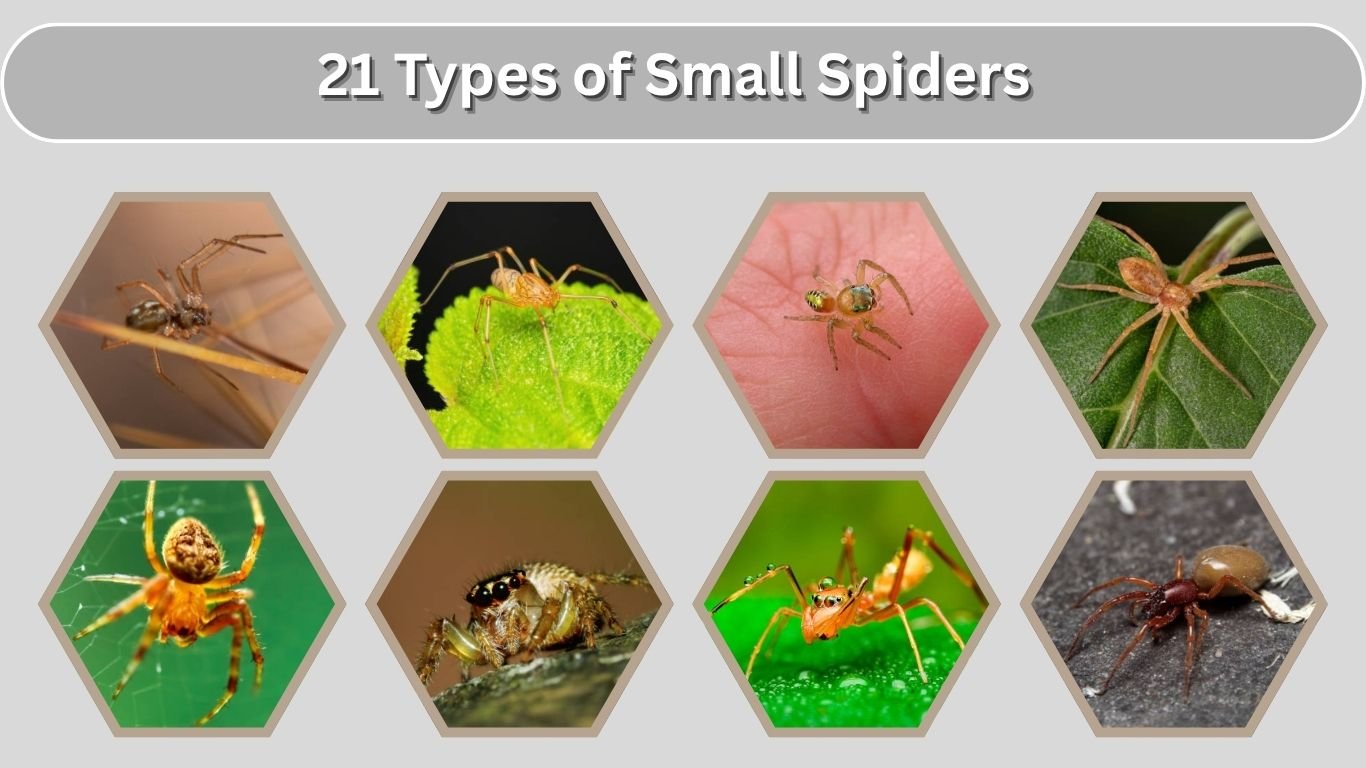
Small spiders are common creatures found in homes, gardens, and natural environments. Despite their tiny size, they play a big role in controlling insect populations and maintaining ecological balance. These spiders come in many different types, each with unique features, behaviors, and habitats. Most are harmless to humans and prefer to avoid contact. Understanding the different types of small spiders can help you recognize their benefits and reduce unnecessary fear when encountering them.
1. Jumping Spider
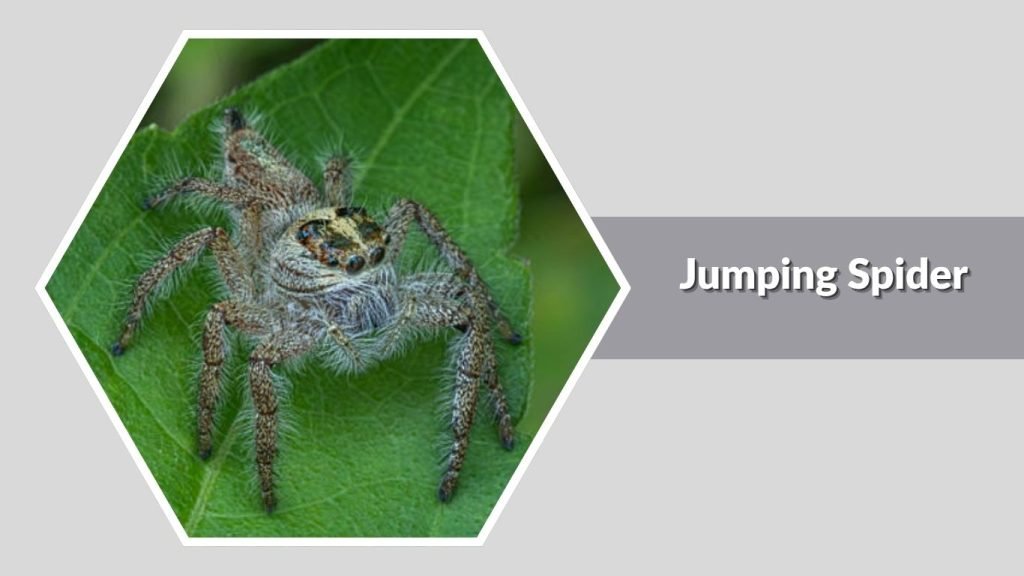
Jumping spiders are among the most recognizable small spiders due to their active behavior and excellent vision. They belong to the family Salticidae and are commonly found in homes, gardens, and walls. Unlike web-building spiders, they rely on stalking and jumping to catch prey.
Identification
- Small size, usually 3–10 mm long
- Compact, hairy body with short legs
- Large front-facing eyes (very distinctive)
- Often black, brown, or gray, sometimes with colorful markings
- Moves in quick, jerky motions and can jump several times its body length
Habitat and Behavior
Jumping spiders prefer sunny, well-lit environments such as window sills, garden plants, fences, and walls. They do not spin traditional webs to catch prey. Instead, they actively hunt during the day, using their sharp eyesight to track insects. Before jumping, they attach a silk “safety line” to avoid falling. Their curious nature often makes them appear to “watch” humans, as they can turn and follow movement with their eyes.
Diet
These spiders are carnivorous and primarily feed on small insects like flies, mosquitoes, and ants. They are skilled hunters, using precision and speed to ambush prey. Jumping spiders do not rely on webs, making them efficient pest controllers in both indoor and outdoor environments. Their ability to control insect populations makes them beneficial rather than harmful.
Are They Dangerous?
Jumping spiders are generally harmless to humans. Although they possess venom to subdue prey, it is not dangerous to people. Bites are extremely rare and usually occur only if the spider feels threatened. Even then, symptoms are mild, similar to a small insect bite. Their non-aggressive nature and helpful role in reducing pests make them one of the most harmless spider types.
2. Wolf Spider (Juvenile)
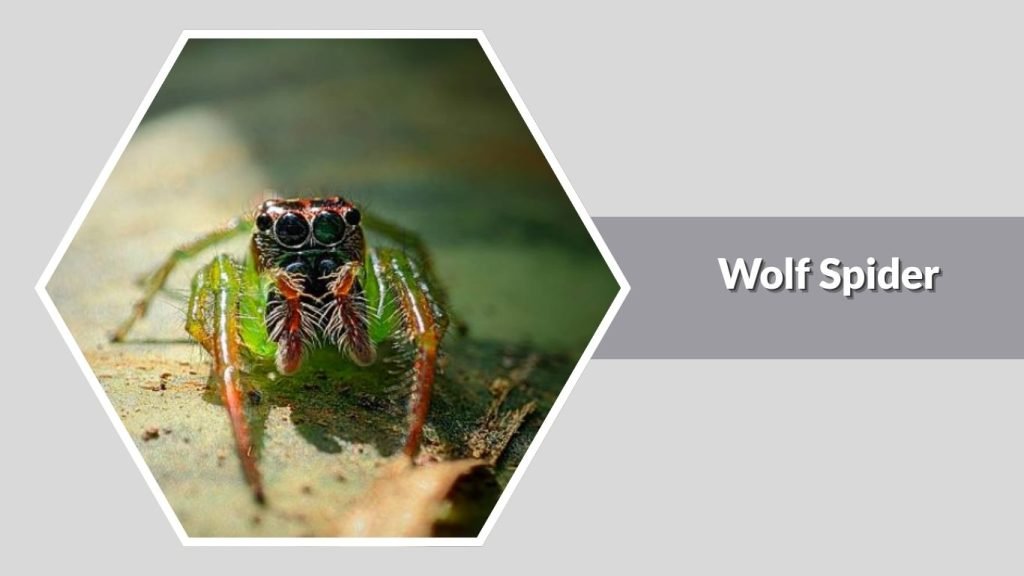
Juvenile wolf spiders are small, fast-moving spiders often mistaken for other tiny species. As members of the family Lycosidae, they are ground hunters and do not rely on webs. While adults can grow larger, juveniles are quite small and commonly seen in homes or gardens.
Identification
- Small size in early stage (about 2–6 mm)
- Brown or gray body with faint stripes or markings
- Long legs adapted for running
- Eyes arranged in three rows (distinctive pattern)
- Fast movement, often seen scurrying on the ground
Habitat and Behavior
Juvenile wolf spiders are typically found in leaf litter, soil, grass, and sometimes indoors near floors or corners. They are active hunters, especially at night, and do not spin webs to catch prey. Instead, they roam and chase insects. As they grow, they become more solitary and continue their ground-dwelling lifestyle. Their speed helps them escape predators and capture food efficiently.
Diet
Their diet mainly consists of small insects such as ants, flies, and other tiny arthropods. Juveniles hunt smaller prey compared to adults but use the same strategy—stealth and quick attacks. They play an important role in controlling insect populations in natural and domestic environments.
Are They Dangerous?
Juvenile wolf spiders are not dangerous to humans. Their venom is designed for subduing small prey and has little to no effect on people. Bites are extremely rare and usually happen only when handled. Even then, the reaction is mild, similar to a minor insect bite, making them generally harmless.
3. Cellar Spider
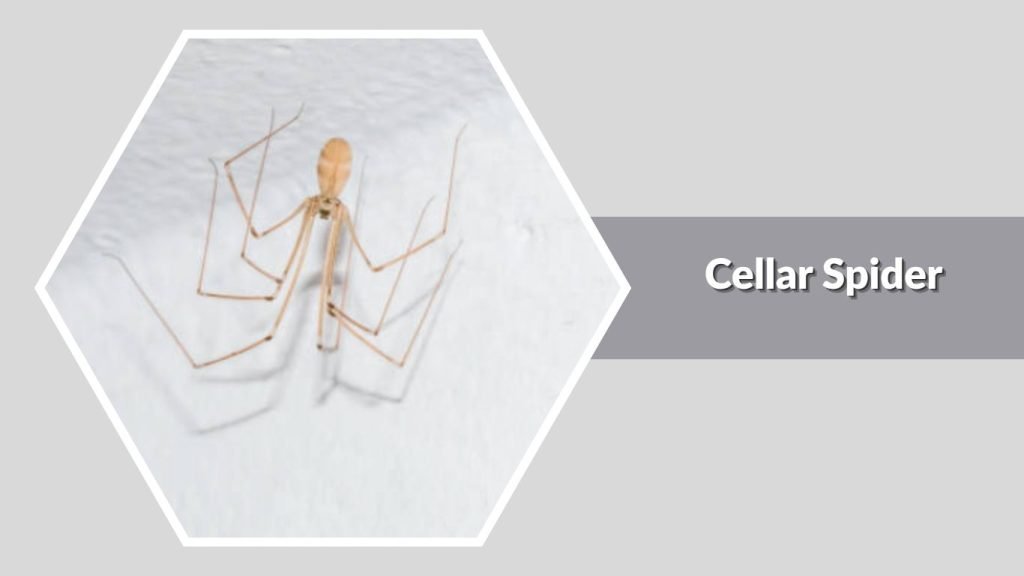
Cellar spiders, often called “daddy long-legs spiders,” are delicate, small-bodied spiders known for their extremely long, thin legs. They belong to the family Pholcidae and are commonly found indoors, especially in quiet corners and ceilings.
Identification
- Small body (2–8 mm) with very long, slender legs
- Pale yellow, light brown, or gray color
- Oval-shaped abdomen
- Legs much longer than body
- Often hangs upside down in loose webs
Habitat and Behavior
Cellar spiders prefer dark, undisturbed places such as basements, ceilings, corners, and storage areas. They build irregular, messy webs and hang upside down, waiting for prey. When disturbed, they vibrate rapidly in their web, making them harder to see. They are slow movers but highly effective at capturing insects and even other spiders.
Diet
Their diet includes small insects like flies, mosquitoes, and ants. Interestingly, cellar spiders can also prey on other spiders, including larger species. They use their long legs to wrap prey in silk and deliver venom. This makes them helpful in reducing both insect and spider populations indoors.
Are They Dangerous?
Cellar spiders are harmless to humans. Despite common myths, their venom is not dangerous, and they rarely bite. Even if a bite occurs, it causes no significant symptoms. Their presence is generally beneficial, as they help control pests inside homes.
4. Crab Spider
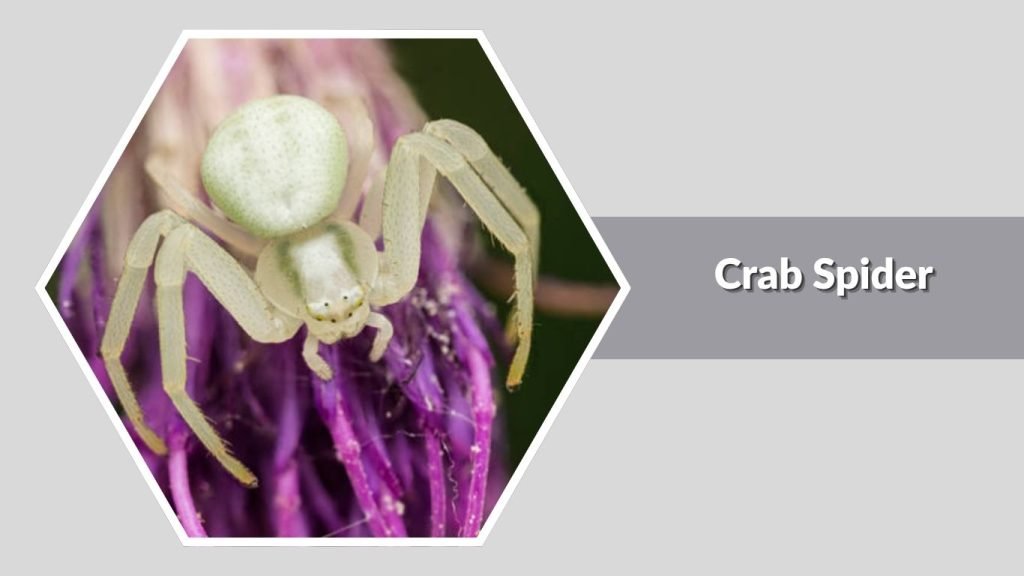
Crab spiders are small, unique-looking spiders known for their sideways movement and crab-like stance. They belong to the family Thomisidae and are often found on flowers, where they wait to ambush prey instead of building webs.
Identification
- Small size, usually 2–10 mm
- Flattened body with a wide, rounded abdomen
- Front two pairs of legs longer and held sideways
- Colors vary: white, yellow, green, or pink (often matching flowers)
- Moves sideways like a crab
Habitat and Behavior
Crab spiders are commonly found on flowers, leaves, and garden plants. They are ambush predators, meaning they stay still and wait for insects to come close. Many species can change color over time to blend with their surroundings, improving their camouflage. They do not spin webs for hunting but rely on patience and stealth.
Diet
Their diet mainly includes pollinating insects such as bees, butterflies, and flies. When prey lands nearby, the crab spider quickly grabs it with its strong front legs and injects venom. Despite their small size, they can capture prey larger than themselves, making them effective hunters.
Are They Dangerous?
Crab spiders are not dangerous to humans. They are non-aggressive and rarely bite unless handled. Their venom is used to immobilize prey and has little effect on humans. Any bite, if it occurs, is mild and similar to a small insect sting.
5. Sac Spider
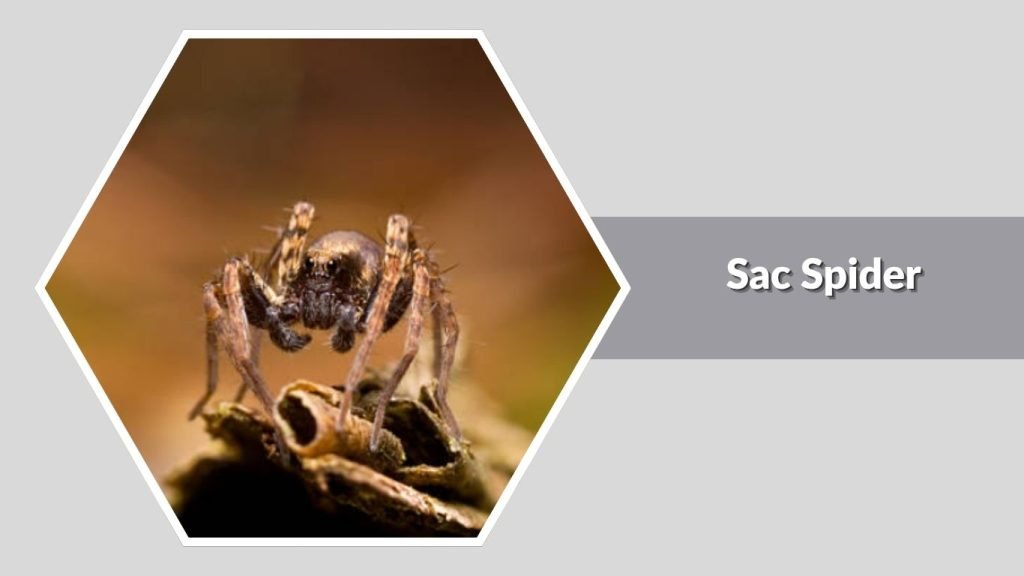
Sac spiders are small, pale-colored spiders known for their smooth bodies and nocturnal hunting habits. They belong to the family Clubionidae (and sometimes Cheiracanthiidae) and are commonly found indoors and in gardens.
Identification
- Small size, typically 3–10 mm
- Light yellow, beige, or pale green color
- Smooth, oval-shaped body
- Long, slender legs
- No distinct markings or patterns
Habitat and Behavior
Sac spiders are often found in corners, ceilings, and behind furniture indoors, as well as on leaves and grass outdoors. They create small silk “sacs” or retreats where they rest during the day. At night, they become active hunters, roaming around in search of prey instead of relying on webs.
Diet
Their diet consists mainly of small insects such as flies, mosquitoes, and aphids. Sac spiders actively hunt rather than trap prey, using speed and stealth. They play a helpful role in controlling indoor and outdoor insect populations, especially in homes and gardens.
Are They Dangerous?
Sac spiders can bite if disturbed, but they are not considered dangerous. Their bite may cause mild irritation, redness, or slight pain, similar to a bee sting. Serious reactions are rare, and they generally avoid human contact unless threatened.
6. Cobweb Spider
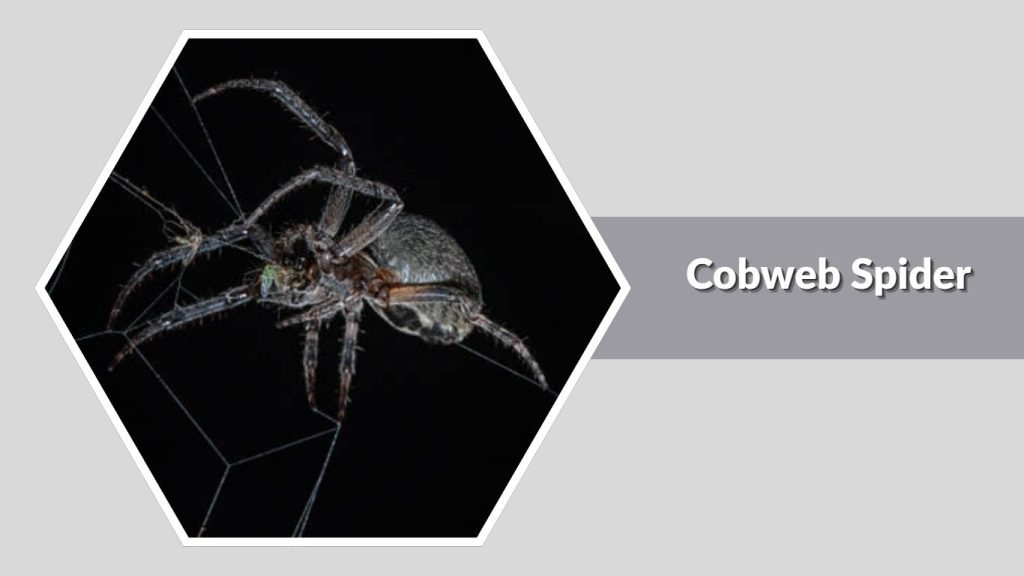
Cobweb spiders, also known as tangle-web spiders, are small spiders that build irregular, messy webs in corners and hidden spaces. They belong to the family Theridiidae, which includes many common household spiders. These spiders are known for their adaptability and ability to thrive indoors.
Identification
- Small size, usually 2–8 mm
- Rounded, bulbous abdomen
- Thin legs, often slightly curved
- Colors vary: brown, gray, black, sometimes with patterns
- Builds irregular, tangled webs (not symmetrical)
Habitat and Behavior
Cobweb spiders are commonly found indoors in ceilings, corners, behind furniture, and in storage areas. Outdoors, they may live under rocks, logs, or in sheds. They build messy, three-dimensional webs to trap insects. These spiders are mostly inactive during the day and become more active at night. When prey gets caught, they quickly wrap it in silk.
Diet
Their diet mainly includes small flying and crawling insects such as flies, mosquitoes, ants, and beetles. They rely on their sticky, tangled webs to capture prey rather than actively hunting. Once an insect is trapped, the spider immobilizes it with venom and silk before feeding. This makes them useful for controlling pests indoors.
Are They Dangerous?
Most cobweb spiders are harmless to humans. While a few relatives (like widow spiders) have stronger venom, the common small cobweb spiders found in homes are not dangerous. Bites are rare and usually mild, causing minor irritation at most.
7. Orb-Weaver (Small Species)
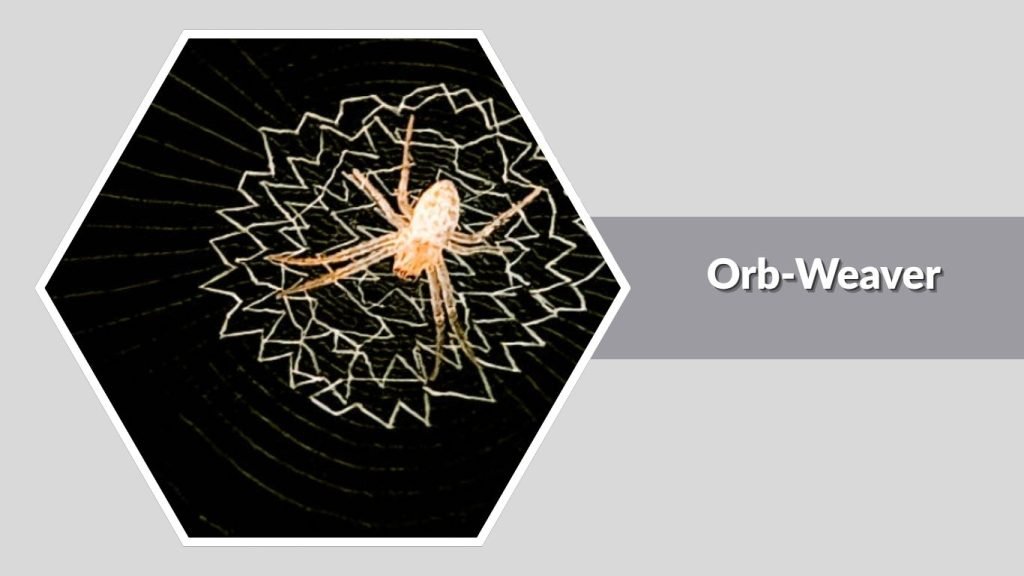
Small orb-weaver spiders are delicate web-builders known for creating perfectly circular webs. They belong to the family Araneidae and are commonly seen in gardens, fields, and around homes. Despite their intricate webs, many species remain quite small and often go unnoticed.
Identification
- Small size, typically 3–10 mm
- Rounded abdomen, sometimes with patterns or markings
- Colors vary: brown, orange, yellow, or green
- Relatively short, sturdy legs
- Builds symmetrical, wheel-shaped (orb) webs
Habitat and Behavior
Small orb-weavers are usually found outdoors in gardens, bushes, tall grass, and near lights where insects gather. They build their circular webs in the evening and often take them down in the morning. These spiders remain in or near the center of their web, waiting for prey. They are mostly inactive during the day and rebuild their webs regularly.
Diet
Their diet consists mainly of flying insects such as flies, mosquitoes, moths, and small beetles. The sticky spiral threads of their webs are designed to trap insects efficiently. Once prey is caught, the spider quickly wraps it in silk and injects venom to immobilize it. This makes them highly effective natural pest controllers.
Are They Dangerous?
Small orb-weaver spiders are not dangerous to humans. They are shy and rarely bite unless directly handled. Even if a bite occurs, it is mild and causes minimal discomfort. Their presence is beneficial, as they help reduce insect populations around homes and gardens.
8. Money Spider
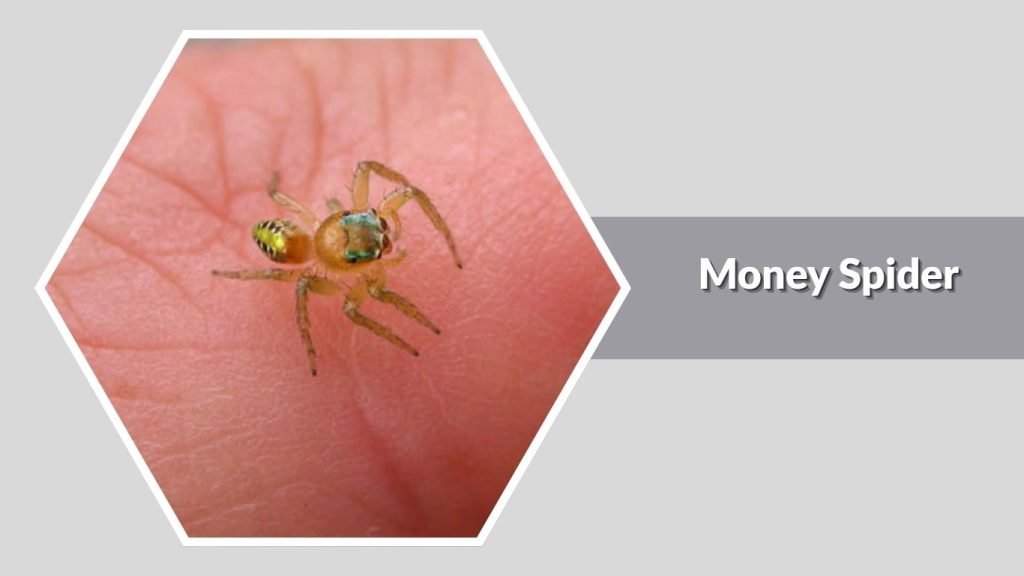
Money spiders are extremely tiny spiders belonging to the family Linyphiidae. They are among the smallest spiders in the world and are often associated with good luck in folklore. Despite their size, they are very common in gardens, grasslands, and even indoors.
Identification
- Very small size, usually 1–4 mm
- Thin, delicate body
- Long, fine legs
- Colors range from brown to gray or black
- Often barely visible to the naked eye
Habitat and Behavior
Money spiders are found in grass, shrubs, crops, and sometimes inside homes near windows or ceilings. They build small sheet-like webs close to the ground or between plants. These spiders are also known for “ballooning,” a behavior where they release silk threads to float through the air and travel long distances. They are active in cool and damp environments.
Diet
Their diet consists of tiny insects such as aphids, mites, and small flies. They rely on their fine sheet webs to trap prey. Once an insect lands on the web, the spider quickly attacks from below. Even though they are tiny, they play a major role in controlling agricultural pests.
Are They Dangerous?
Money spiders are completely harmless to humans. Due to their extremely small size, they cannot bite effectively, and their venom poses no risk. They are beneficial spiders, especially in gardens and farms, where they help control pest populations naturally.
9. Sheetweb Spider
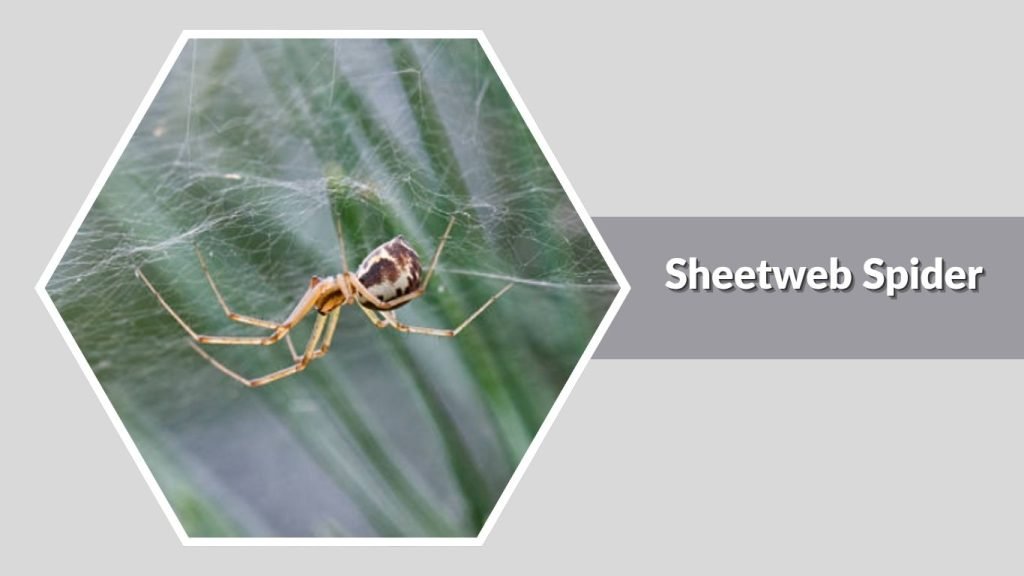
Sheetweb spiders are small, delicate spiders known for building flat, sheet-like webs. They are closely related to money spiders and belong to the family Linyphiidae. These spiders are commonly found in grassy areas and low vegetation.
Identification
- Small size, usually 2–5 mm
- Slender body with long, thin legs
- Light brown, gray, or pale coloration
- Small, rounded abdomen
- Builds flat, horizontal sheet-like webs
Habitat and Behavior
Sheetweb spiders are typically found in grasslands, gardens, bushes, and low plants. Their webs are built close to the ground or between vegetation. They hide underneath the sheet and wait for prey to fall onto it. When disturbed, they quickly retreat. These spiders are most active in cool, moist environments.
Diet
Their diet mainly includes tiny insects such as aphids, small flies, and springtails. When prey lands on the web, the spider attacks from below, pulling it through the silk. This hunting method is efficient and allows them to catch prey without exposing themselves.
Are They Dangerous?
Sheetweb spiders are harmless to humans. They are very small, non-aggressive, and rarely come into direct contact with people. Even if handled, they are unlikely to bite, and their venom has no harmful effect on humans.
10. Dwarf Spider
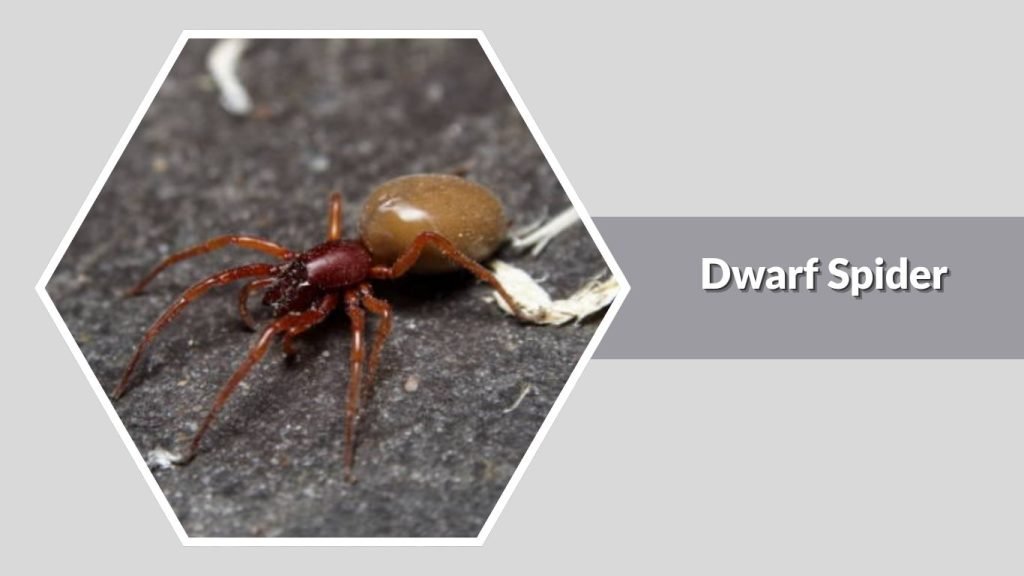
Dwarf spiders are among the tiniest spiders in the world, also belonging to the family Linyphiidae. Despite their extremely small size, they are highly diverse and widely distributed. They are often overlooked due to their minute appearance but play an important ecological role.
Identification
- Extremely small size, usually 1–3 mm
- Very thin, delicate body structure
- Colors range from pale brown to dark brown or black
- Shorter legs compared to body size (relative to other tiny spiders)
- Often difficult to see without close inspection
Habitat and Behavior
Dwarf spiders are commonly found in leaf litter, moss, grass, and low vegetation. Some species also live in agricultural fields and gardens. They build tiny sheet webs close to the ground, often hidden among debris. Like other members of their family, they may use ballooning to travel through the air. They are active in moist and cool environments and tend to remain hidden.
Diet
Their diet consists of very small prey such as mites, aphids, and tiny insects. They rely on their fine sheet webs to capture prey, attacking quickly from a hidden position. Due to their abundance, dwarf spiders play a significant role in controlling pest populations, especially in crops and natural ecosystems.
Are They Dangerous?
Dwarf spiders are completely harmless to humans. Their tiny size makes it nearly impossible for them to bite human skin. Even if they could, their venom is not harmful. They are beneficial creatures that help maintain ecological balance by feeding on small pests.
11. Ground Spider
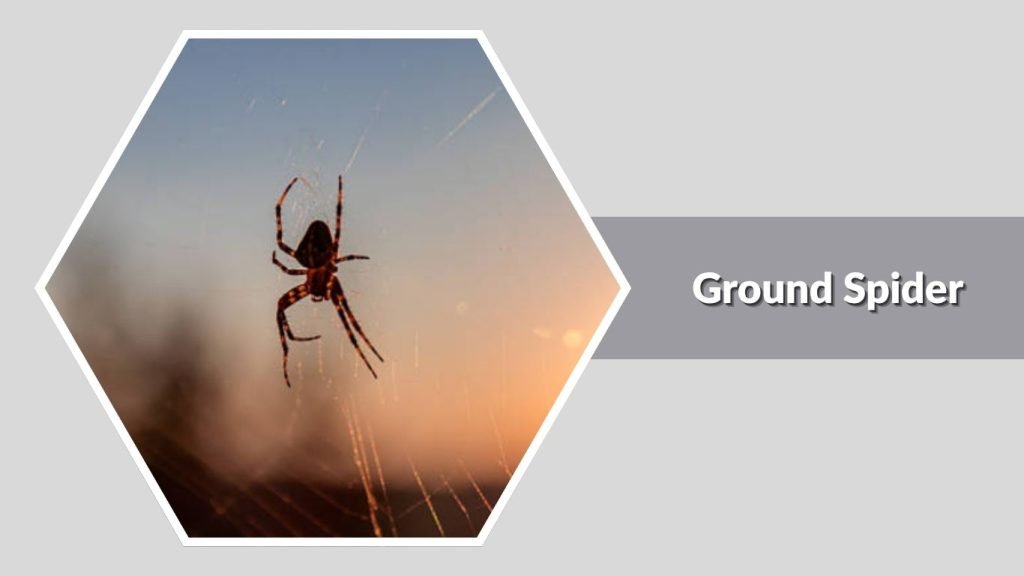
Ground spiders are small, fast-moving spiders that live primarily on the ground rather than in webs. They belong to the family Gnaphosidae and are commonly found in soil, leaf litter, and around homes. These spiders are nocturnal hunters and are rarely seen during the day.
Identification
- Small size, typically 3–10 mm
- Elongated body with a slightly flattened shape
- Colors usually dark: brown, gray, or black
- Velvety or matte appearance
- Prominent spinnerets (silk-spinning organs) visible at the rear
Habitat and Behavior
Ground spiders are usually found under rocks, logs, leaf litter, and in soil cracks. Indoors, they may appear near floors, baseboards, or dark corners. They do not build webs to catch prey but instead wander at night in search of food. During the day, they hide in silk retreats or natural shelters. Their movement is quick and low to the ground.
Diet
Their diet includes small insects such as ants, termites, beetles, and other ground-dwelling arthropods. They actively hunt rather than trap prey, using speed and stealth. Ground spiders are important for controlling pests that live in soil and near the ground surface.
Are They Dangerous?
Ground spiders are not dangerous to humans. They are shy and avoid contact. Bites are very rare and typically occur only when the spider is trapped or handled. Any bite is mild, causing minor irritation similar to a small insect bite.
12. Running Crab Spider
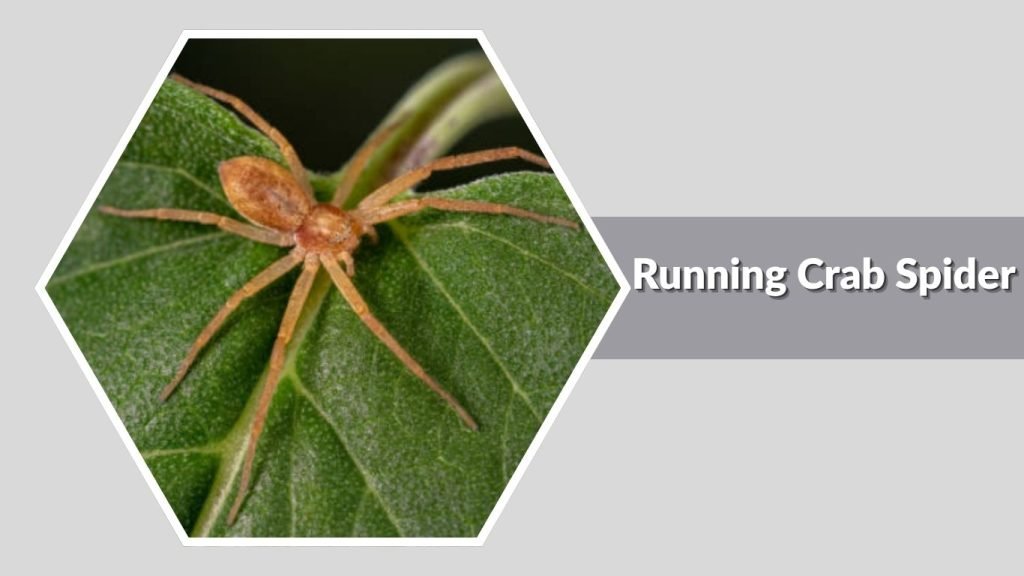
Running crab spiders are small, agile spiders that resemble crab spiders but are more active hunters. They belong to the family Philodromidae and are known for their speed and ability to move quickly across surfaces without relying on webs.
Identification
- Small size, usually 3–10 mm
- Flattened body with a slightly elongated shape
- Legs spread sideways (crab-like), but more even in length
- Colors typically brown, gray, or tan for camouflage
- Fast runners with smooth, less bulky appearance than true crab spiders
Habitat and Behavior
Running crab spiders are commonly found on tree bark, leaves, walls, and fences. Unlike true crab spiders, they do not wait in one place for prey. Instead, they actively roam in search of insects during the day. Their flattened bodies help them blend into surfaces, making them difficult to spot. They do not build webs for hunting.
Diet
Their diet mainly consists of small insects such as flies, aphids, and other soft-bodied insects. They rely on speed and quick reflexes to capture prey. Running crab spiders chase or ambush insects rather than trapping them, making them efficient hunters in both natural and urban environments.
Are They Dangerous?
Running crab spiders are harmless to humans. They are non-aggressive and prefer to escape rather than bite. If a bite does occur, it is mild and causes little to no discomfort. Their presence is beneficial, as they help control insect populations naturally.
13. Ant-Mimic Spider
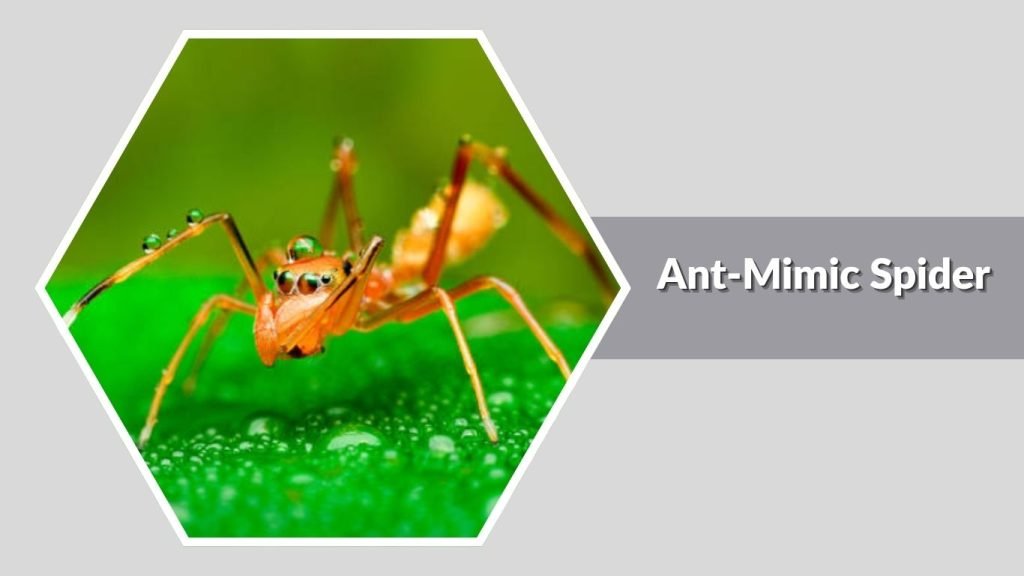
Ant-mimic spiders are fascinating small spiders that resemble ants in both appearance and behavior. They belong to several genera within the jumping spider family (Salticidae). This mimicry helps them avoid predators and sometimes even get close to prey unnoticed.
Identification
- Small size, usually 3–8 mm
- Slender body with a narrow “waist” resembling ants
- Often black or dark brown in color
- Front legs sometimes held up like antennae
- Moves in a zigzag pattern similar to ants
Habitat and Behavior
Ant-mimic spiders are commonly found in areas where ants are present, such as gardens, leaf litter, tree trunks, and walls. They actively move during the day and imitate ant behavior to blend in. This mimicry protects them from predators that avoid ants due to their aggression or taste. Unlike real ants, they do not live in colonies and are solitary hunters.
Diet
Their diet mainly includes small insects such as flies, aphids, and sometimes even ants. They use stealth and disguise to approach prey closely before attacking. As members of the jumping spider group, they rely on excellent vision and quick movements rather than webs to capture food.
Are They Dangerous?
Ant-mimic spiders are harmless to humans. They are shy and rarely bite. Even if a bite occurs, it is mild and not medically significant. Their unique mimicry and role in controlling insect populations make them an interesting and beneficial species.
14. Spitting Spider
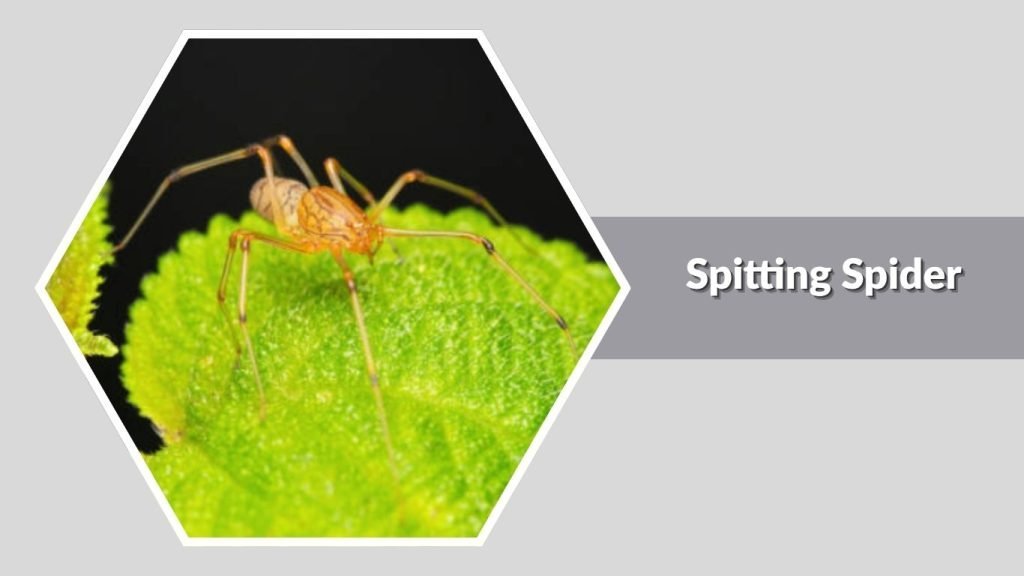
Spitting spiders are small, unique spiders known for their unusual hunting technique of “spitting” sticky silk mixed with venom to capture prey. They belong to the family Scytodidae and are often found indoors in quiet, undisturbed areas.
Identification
- Small size, typically 3–6 mm
- Pale yellow or light brown color with dark markings
- Dome-shaped (rounded) head and body
- Long, thin legs
- Distinctive patterned appearance on the body
Habitat and Behavior
Spitting spiders are commonly found in walls, ceilings, corners, and behind furniture indoors. Outdoors, they may live under rocks or bark. They are slow-moving and mostly active at night. Instead of chasing prey, they carefully approach and then spit a sticky, zigzag silk to immobilize it before feeding. They do not build webs to catch prey.
Diet
Their diet mainly includes small insects such as flies, mosquitoes, and even other spiders. After immobilizing prey with their sticky silk, they inject venom and consume it. Their ability to hunt other spiders makes them especially useful in controlling indoor spider populations.
Are They Dangerous?
Spitting spiders are harmless to humans. They are non-aggressive and rarely bite. Even if a bite occurs, it is mild and causes little irritation. Their presence indoors is generally beneficial, as they help reduce both insects and other spiders.
15. Garden Ghost Spider
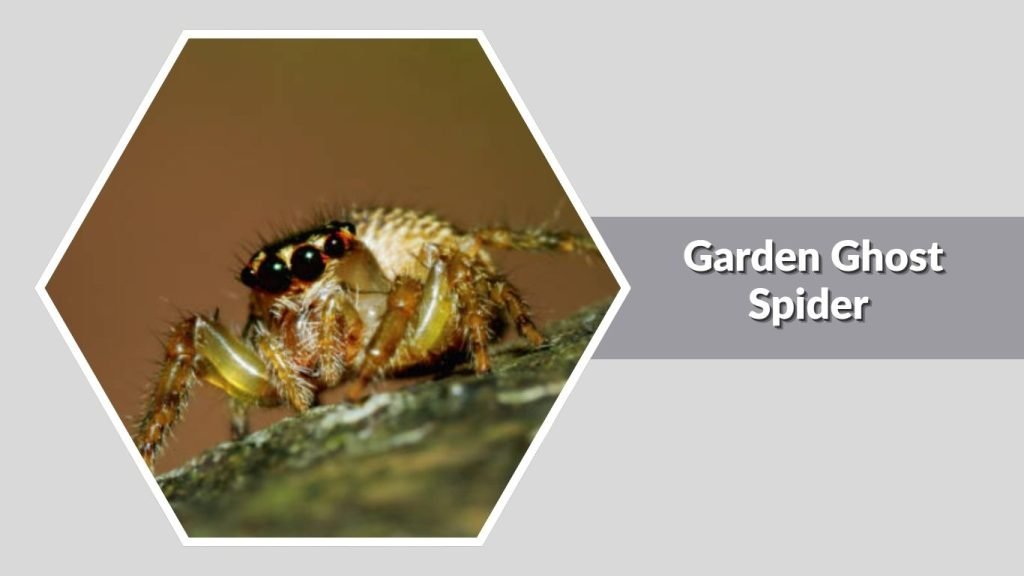
Garden ghost spiders are small, pale-colored spiders known for their speed and semi-transparent appearance. They belong to the family Anyphaenidae and are commonly found on plants and garden vegetation.
Identification
- Small size, usually 3–10 mm
- Pale green, yellowish, or light tan color
- Slightly translucent (ghost-like appearance)
- Slender body with long legs
- Smooth body with minimal markings
Habitat and Behavior
Garden ghost spiders are commonly found on leaves, shrubs, and garden plants. They are active hunters and do not rely on webs to catch prey. These spiders are mostly nocturnal, hiding during the day in small silk retreats and becoming active at night. They move quickly across surfaces and are often difficult to spot due to their pale coloration.
Diet
Their diet includes small insects such as aphids, flies, and caterpillars. They actively hunt prey rather than trapping it, using speed and stealth to capture insects. This makes them highly beneficial in gardens, where they help control plant pests naturally.
Are They Dangerous?
Garden ghost spiders are generally harmless to humans. They are shy and avoid contact. In rare cases, they may bite if disturbed, causing mild irritation or redness. However, their venom is not dangerous, and they are considered helpful spiders in maintaining garden health.
16. Pirate Spider
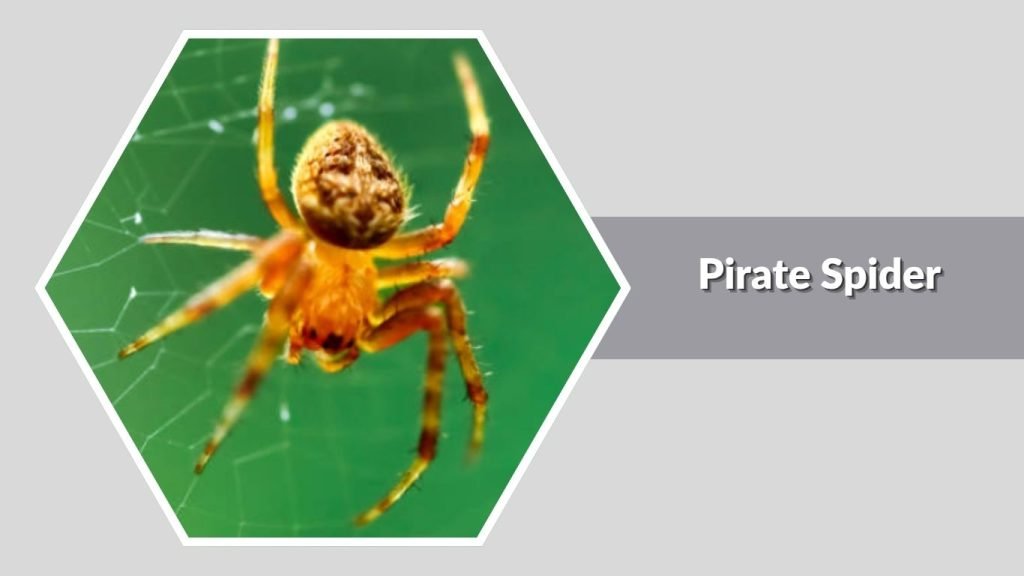
Pirate spiders are small, specialized spiders known for hunting other spiders. They belong to the family Mimetidae and are often found near the webs of other spiders, where they act as clever predators.
Identification
- Small size, usually 3–7 mm
- Pale yellow, brown, or orange coloration
- Rounded abdomen with small bumps or spines
- Long, slender legs
- Slightly rough or textured body appearance
Habitat and Behavior
Pirate spiders are typically found in vegetation, gardens, forests, and near the webs of other spiders. Instead of building their own webs, they invade or stay close to other spiders’ webs. They use clever tactics, such as mimicking the vibrations of trapped prey, to lure the host spider closer before attacking. They are mostly active at night and move slowly and carefully.
Diet
Their diet mainly consists of other spiders, making them unique among small spider species. Once they approach their target, they quickly bite and immobilize it with venom. This specialized hunting behavior helps control spider populations in natural ecosystems.
Are They Dangerous?
Pirate spiders are harmless to humans. They are very shy and rarely come into contact with people. Even if handled, they are unlikely to bite, and their venom is not harmful to humans. Their role as spider predators makes them beneficial in maintaining ecological balance.
17. Comb-Footed Spider
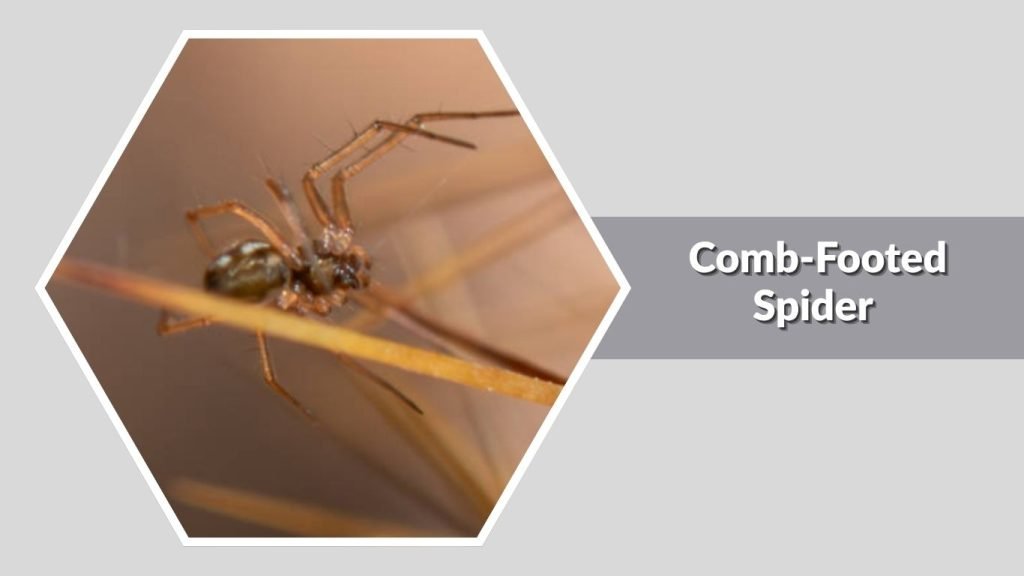
Comb-footed spiders are small spiders belonging to the family Theridiidae, the same group as cobweb spiders. They are named for the comb-like bristles on their hind legs, which they use to wrap prey in silk. These spiders are commonly found indoors and in sheltered outdoor areas.
Identification
- Small size, usually 2–8 mm
- Rounded, often bulbous abdomen
- Thin, delicate legs
- Colors vary: brown, gray, black, sometimes patterned
- Presence of comb-like hairs on hind legs (not easily visible)
Habitat and Behavior
Comb-footed spiders are often found in corners, ceilings, under furniture, and in sheds or garages. Outdoors, they may live under rocks, logs, or in dense vegetation. They build irregular, tangled webs and spend most of their time hanging upside down. When prey gets caught, they use their combed legs to rapidly throw silk over it.
Diet
Their diet includes small insects such as flies, mosquitoes, ants, and beetles. They rely on their messy webs to trap prey and then quickly immobilize it with silk and venom. This efficient hunting method helps them control insect populations in homes and outdoor spaces.
Are They Dangerous?
Most comb-footed spiders are harmless to humans. While some relatives (like widow spiders) are more venomous, the common small species pose little risk. Bites are rare and usually mild, causing only slight irritation.
18. Lynx Spider (Small Species)
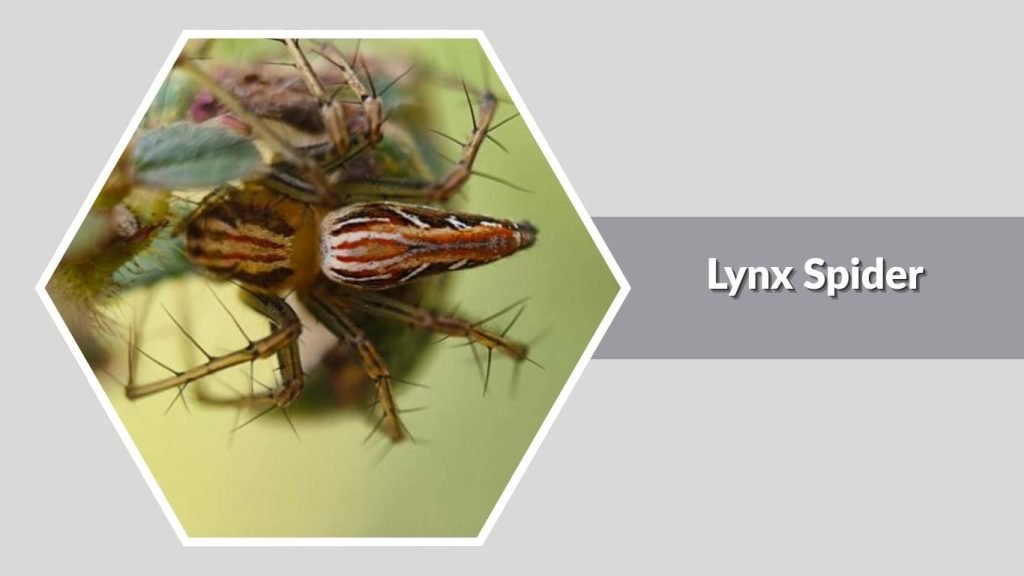
Small lynx spiders are agile hunters known for their sharp vision and spiny legs. They belong to the family Oxyopidae and are often found in vegetation where they actively chase prey instead of building webs.
Identification
- Small size, usually 4–10 mm
- Slender body with long, spiny legs
- Bright colors: green, yellow, or brown
- Prominent eye arrangement (good vision)
- Spikes on legs give a rough appearance
Habitat and Behavior
Lynx spiders are commonly found on grasses, shrubs, and crops. They are active during the day and rely on speed and vision to hunt. Unlike web-building spiders, they move quickly through plants, often jumping or pouncing on prey. Their coloration helps them blend into vegetation, making them effective ambush predators.
Diet
Their diet mainly includes small insects such as flies, mosquitoes, grasshoppers, and agricultural pests. They actively chase or ambush prey rather than trapping it in webs. This makes them highly beneficial in farms and gardens, where they help reduce harmful insect populations.
Are They Dangerous?
Lynx spiders are not dangerous to humans. They are non-aggressive and prefer to escape when disturbed. Bites are rare and usually mild, causing slight irritation. Their role in controlling pests makes them helpful in natural and agricultural environments.
19. Hackled Orb-Weaver
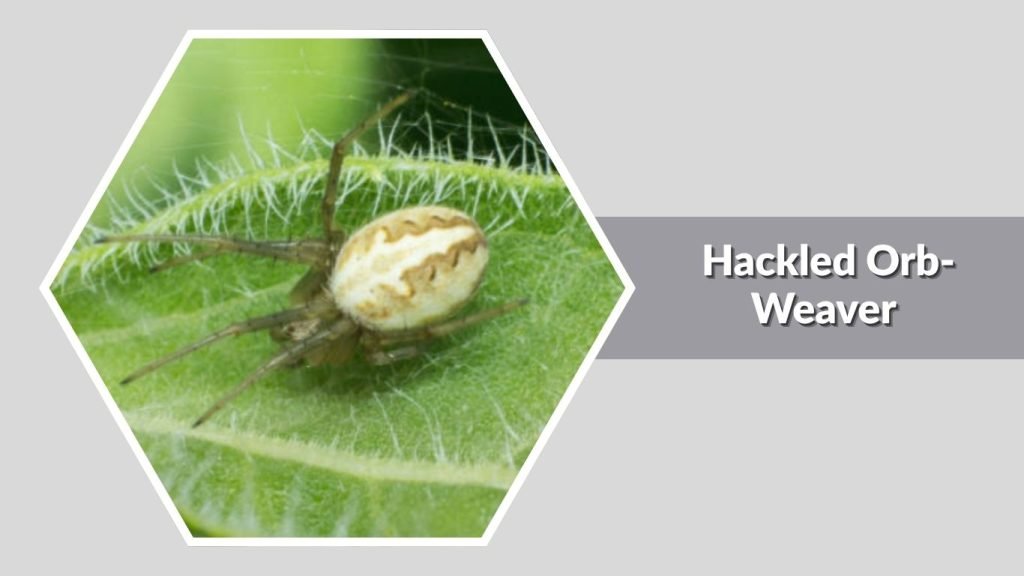
Hackled orb-weavers are small spiders known for their unique web structure and wool-like silk. They belong to the family Uloboridae and are unusual because they lack venom glands, relying entirely on silk to capture prey.
Identification
- Small size, usually 3–8 mm
- Slender body with long legs
- Pale brown, gray, or tan coloration
- Often has a slightly elongated abdomen
- Fine, fuzzy (hackled) silk in webs
Habitat and Behavior
Hackled orb-weavers are commonly found in gardens, shrubs, and around buildings. They build small, irregular orb webs, often with a missing or reduced sticky spiral. Instead of venom, they use extremely fine, wool-like silk to entangle prey. They remain in or near their web, waiting for insects to become trapped.
Diet
Their diet mainly includes small flying insects such as flies and mosquitoes. Once prey is caught in their fuzzy silk, the spider wraps it tightly until it is immobilized. Since they lack venom, they rely entirely on silk and digestive fluids to consume their prey.
Are They Dangerous?
Hackled orb-weavers are completely harmless to humans. They do not have venom glands and cannot bite effectively. Their unique hunting method makes them safe and beneficial, as they help control small insect populations.
20. Tube Web Spider
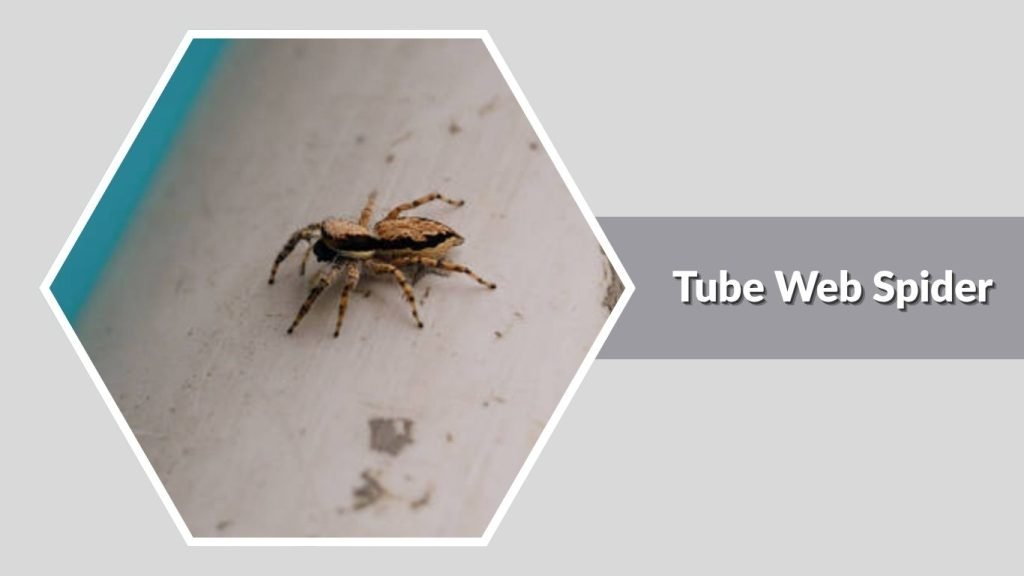
Tube web spiders are small, secretive spiders known for living inside silk-lined tubes or crevices. They belong to the family Segestriidae and are often hidden from view, only revealing themselves when hunting.
Identification
- Small to medium size, typically 6–12 mm
- Elongated body with a smooth, shiny appearance
- Dark colors such as black, brown, or deep green
- Strong front legs adapted for grabbing prey
- Usually only the front part of the body is visible outside the tube
Habitat and Behavior
Tube web spiders are commonly found in cracks in walls, tree bark, rock crevices, and holes in buildings. They create silk-lined tubes where they stay hidden, with several silk threads extending outward. When an insect touches these threads, the spider quickly rushes out, grabs the prey, and pulls it inside the tube. They are mostly nocturnal and rarely wander far from their shelter.
Diet
Their diet consists of insects such as flies, ants, beetles, and other small arthropods. They rely on vibration-sensitive silk threads to detect prey. Once contact is made, they react instantly, using speed and strong front legs to capture food efficiently.
Are They Dangerous?
Tube web spiders are generally not dangerous to humans. They are reclusive and prefer to stay hidden. Bites are rare and usually occur only if the spider is disturbed. Any bite is typically mild, causing minor pain or irritation.
21. Nursery Web Spider
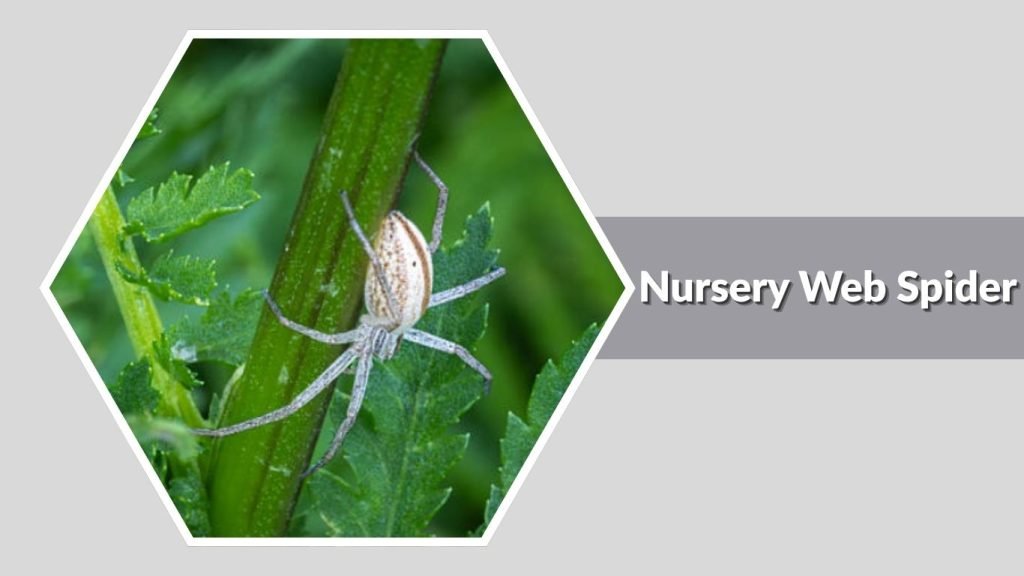
Nursery web spiders are small to medium-sized spiders known for their maternal behavior and active hunting style. They belong to the family Pisauridae and are often found near vegetation and water sources.
Identification
- Small to medium size, usually 5–12 mm (smaller species included)
- Slender body with long legs
- Brown, gray, or tan color with faint stripes
- Long legs adapted for running
- Often resembles wolf spiders but more slender
Habitat and Behavior
Nursery web spiders are commonly found in tall grass, shrubs, gardens, and near water bodies. They do not build webs to catch prey but actively hunt during the day and night. Females are known for carrying their egg sacs with their mouthparts and later creating a “nursery web” where spiderlings hatch. They are fast movers and rely on stealth.
Diet
Their diet mainly includes insects such as flies, mosquitoes, and small grasshoppers. They hunt by chasing or ambushing prey instead of using webs. Their speed and agility make them effective predators in natural environments.
Are They Dangerous?
Nursery web spiders are harmless to humans. They are non-aggressive and usually avoid contact. Bites are rare and mild, causing little more than slight irritation. Their role in controlling insects makes them beneficial in gardens and outdoor spaces.
FAQs
Are small spiders dangerous to humans?
Most small spiders are harmless and non-aggressive. Their venom is mainly used to catch tiny insects, not to harm humans. Bites are rare and usually happen only when the spider is disturbed. Even then, symptoms are mild, similar to a small insect bite.
Why are small spiders found inside homes?
Small spiders enter homes in search of food, shelter, and warmth. They are often attracted to areas where insects are present, such as corners, windows, and ceilings. Homes provide a safe environment with fewer predators and stable conditions for survival.
Do small spiders help control pests?
Yes, small spiders are natural pest controllers. They feed on insects like mosquitoes, flies, ants, and aphids. By reducing insect populations, they help maintain balance in homes, gardens, and farms, making them beneficial rather than harmful.
How can I prevent spiders in my house?
To reduce spiders, keep your home clean and clutter-free. Seal cracks, reduce indoor insects, and regularly clean corners and ceilings. Proper lighting and ventilation can also help. Removing their food source (insects) is the most effective method.
Are all tiny spiders the same species?
No, there are many different species of small spiders, each with unique behaviors, habitats, and appearances. Some build webs, while others actively hunt. Despite their size, they belong to diverse families with different roles in the ecosystem.
