
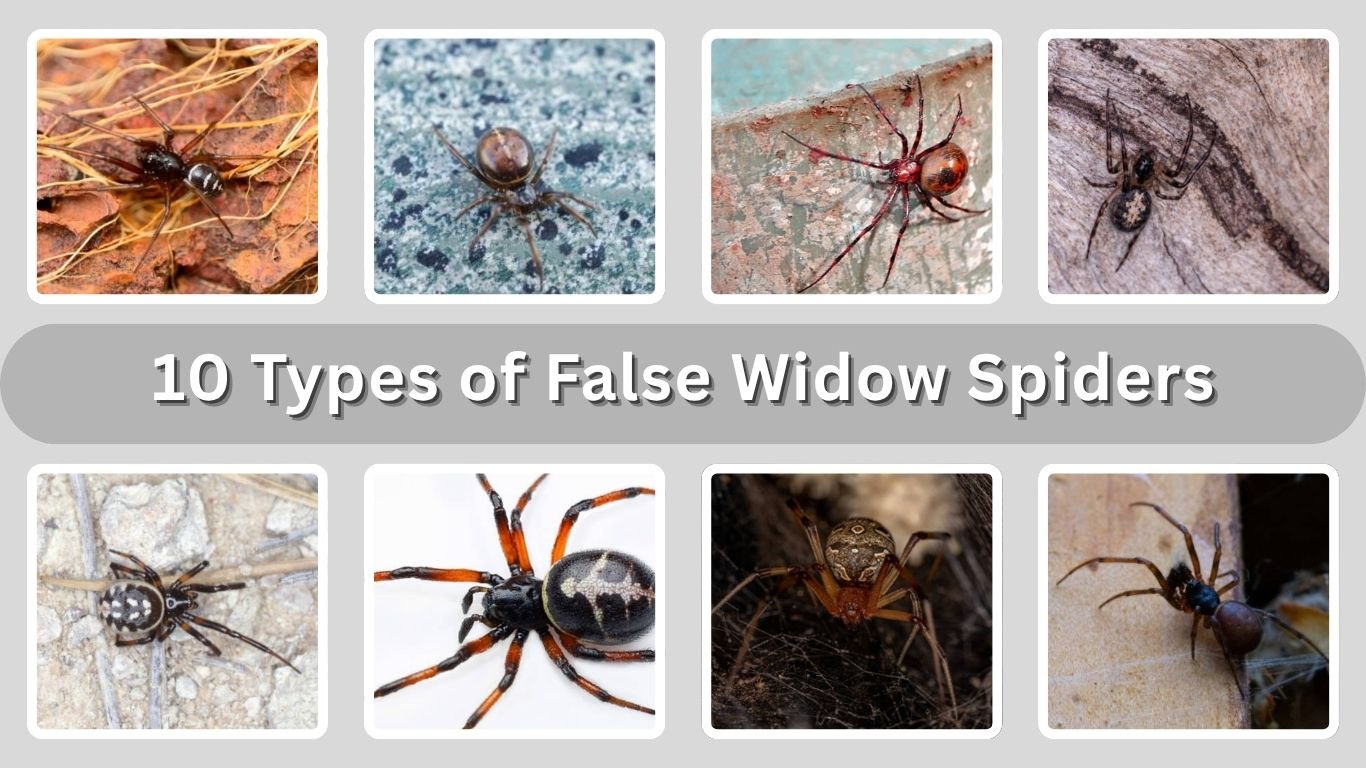
False widow spiders are common, non-aggressive arachnids often found in homes, gardens, and sheltered spaces. Although they resemble more dangerous species like black widows, they pose little risk to humans. Their bites are rare and usually cause only mild irritation. These spiders are actually beneficial, as they help control insect populations by feeding on flies, ants, and other pests. Understanding their behavior and appearance can help reduce unnecessary fear and promote coexistence with these harmless household spiders.
1. Noble False Widow (Steatoda nobilis)
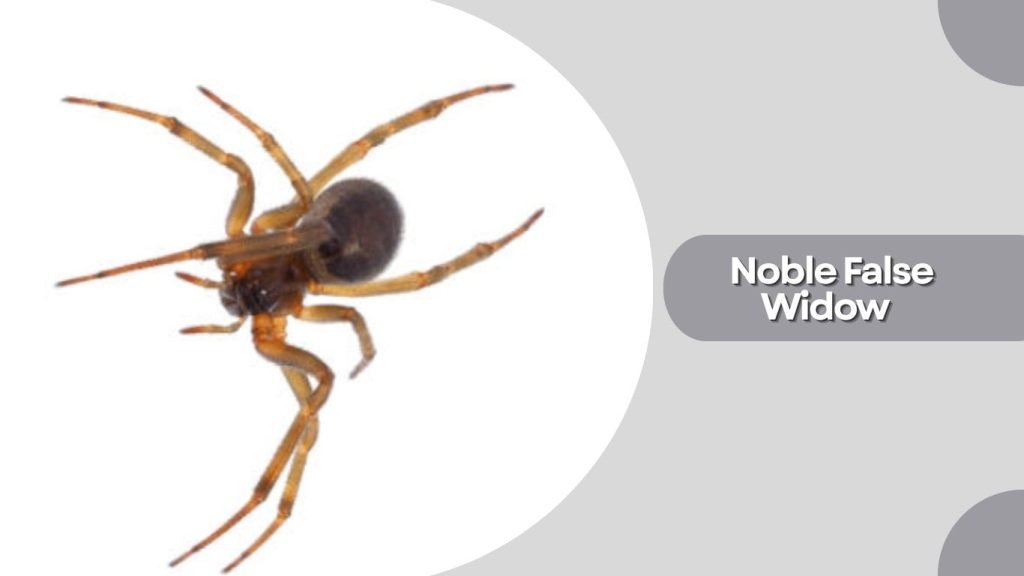
The Noble False Widow is one of the most well-known species in the Steatoda genus and is often mistaken for the infamous black widow due to its similar appearance. Native to the Canary Islands and Madeira, it has spread widely across Europe and other parts of the world. This spider is commonly found around human habitats, especially in corners, sheds, and window frames. While its bite can cause mild discomfort, it is generally not considered dangerous.
Identification
- Medium-sized spider with a bulbous, glossy abdomen
- Dark brown to purplish coloration
- Cream-colored skull-like markings on the abdomen
- Long, slender legs with a reddish tint
- Females are larger than males
Habitat
The Noble False Widow prefers warm, sheltered environments. It is frequently found in urban areas, including homes, garages, and outdoor structures. These spiders build messy, tangled webs in quiet corners where they can remain undisturbed.
Diet
This species is an opportunistic predator. It feeds mainly on insects such as flies, mosquitoes, and beetles. Interestingly, it is also known to prey on other spiders, including true widow species, making it an important part of local ecosystems.
Behavior
The Noble False Widow is generally shy and non-aggressive. It spends most of its time in its web, waiting for prey to become entangled. When threatened, it prefers to retreat rather than attack. Bites are rare and usually occur only when the spider is accidentally pressed against the skin.
2. Cupboard Spider (Steatoda grossa)
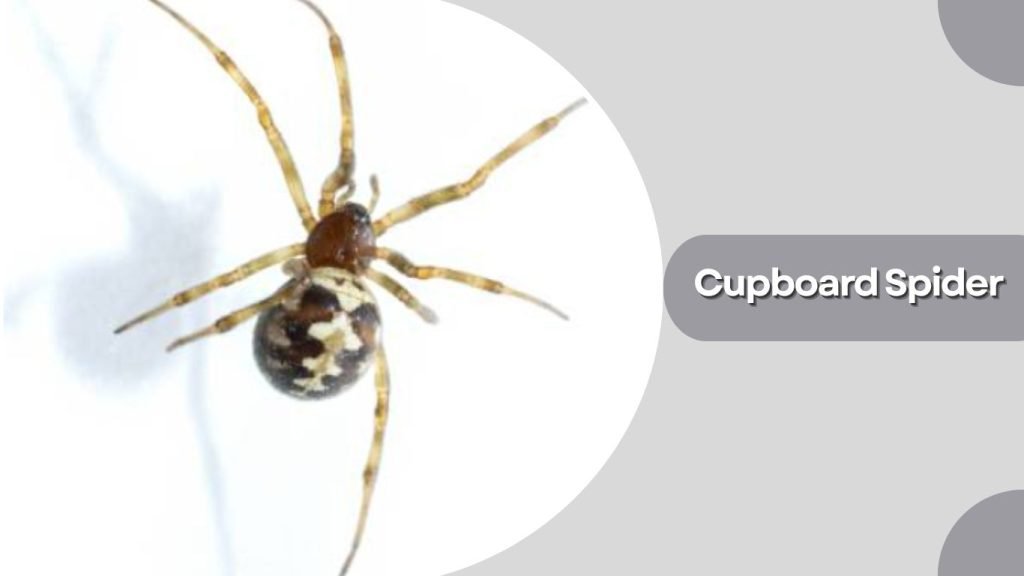
The Cupboard Spider is another common member of the false widow group and is widely distributed across North America, Europe, and other temperate regions. It gets its name from its tendency to hide in cupboards, closets, and other dark indoor spaces. Although it resembles more dangerous spiders, it is generally harmless to humans and plays a useful role in controlling household pests.
Identification
- Smooth, shiny body with a rounded abdomen
- Color ranges from dark brown to almost black
- Lacks distinct patterns compared to other false widows
- Medium-sized with relatively short legs
- Females are noticeably larger than males
Habitat
The Cupboard Spider prefers indoor environments, especially dark and undisturbed areas such as basements, closets, and storage boxes. It may also be found in garages, sheds, and behind furniture. Outdoors, it can inhabit cracks in walls or under stones.
Diet
This spider primarily feeds on small insects like ants, flies, and moths. It captures prey using its irregular, sticky web. Like other false widows, it can also consume other spiders if the opportunity arises, making it a helpful natural pest controller.
Behavior
The Cupboard Spider is reclusive and avoids human interaction. It typically remains hidden in its web during the day and becomes more active at night. When disturbed, it prefers to retreat rather than confront. Bites are extremely rare and usually only occur if the spider is handled or trapped against the skin.
3. Rabbit Hutch Spider (Steatoda bipunctata)
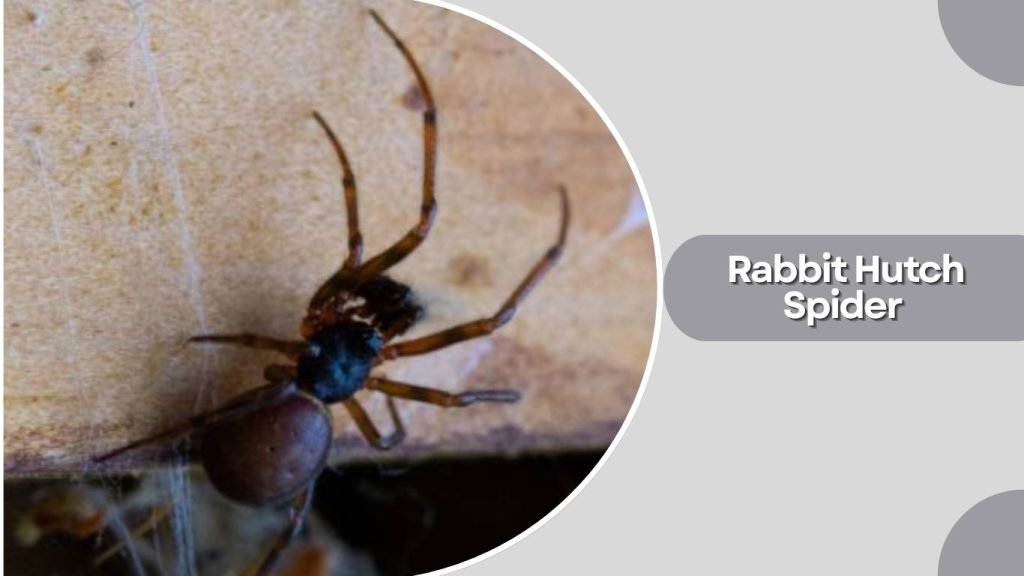
The Rabbit Hutch Spider is a smaller and less conspicuous member of the false widow family. It is commonly found across Europe and parts of North America, often living close to human dwellings. Its name comes from its frequent presence in animal enclosures like rabbit hutches, barns, and sheds. Despite its somewhat intimidating appearance, it is harmless and rarely comes into direct contact with people.
Identification
- Small to medium-sized spider with a rounded abdomen
- Brown to reddish-brown coloration
- Two faint dimples or spots on the abdomen
- Slender legs with a slightly lighter tone
- Less glossy appearance compared to other false widows
Habitat
The Rabbit Hutch Spider prefers sheltered outdoor locations such as barns, sheds, fences, and garden structures. It can also be found indoors in quiet, undisturbed corners. This species thrives in places where insects are abundant and disturbance is minimal.
Diet
Its diet mainly consists of small insects, including flies, ants, and other tiny arthropods. It builds a messy, tangled web to trap prey and waits patiently for vibrations before attacking. Like other false widows, it may also feed on smaller spiders.
Behavior
This spider is calm and non-aggressive. It spends most of its time resting in its web and rarely ventures far from it. When disturbed, it quickly retreats to a hiding spot. Bites are extremely uncommon and typically occur only under direct pressure, making it a low-risk species for humans.
4. Triangulate Cobweb Spider (Steatoda triangulosa)
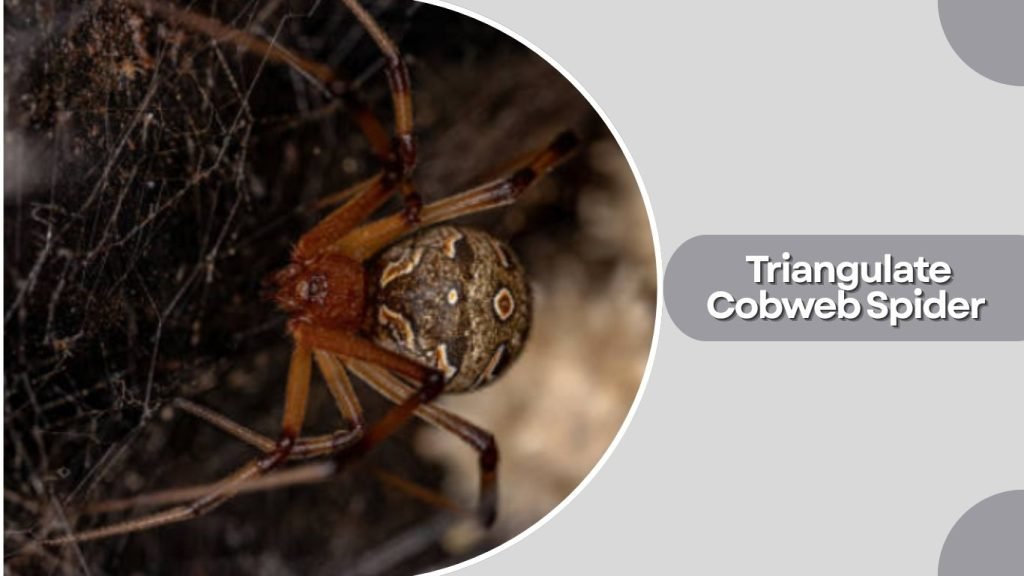
The Triangulate Cobweb Spider is a small but distinctive member of the false widow group, known for its unique patterned abdomen. It is widely distributed around the world and is especially common inside homes. Despite its delicate size, it is an efficient predator and helps control indoor insect populations. This species is completely harmless to humans and is often overlooked due to its unobtrusive nature.
Identification
- Small-sized spider with a rounded abdomen
- Light brown to tan body color
- Distinct triangular or zigzag patterns on the abdomen
- Thin, delicate legs
- Less glossy compared to larger false widow species
Habitat
The Triangulate Cobweb Spider thrives in indoor environments such as ceilings, corners, basements, and behind furniture. It prefers dry, undisturbed areas where it can build its irregular web. Outdoors, it may be found in sheltered spaces like under eaves or in sheds.
Diet
This spider feeds on a variety of small insects, including ants, flies, and beetles. It is also known for capturing larger or more dangerous prey, including other spiders. Its tangled web is highly effective at trapping insects that wander into it.
Behavior
The Triangulate Cobweb Spider is shy and non-aggressive. It usually remains in its web and avoids confrontation. When disturbed, it quickly retreats or drops away from danger. It poses no threat to humans, and bites are extremely rare.
5. False Black Widow (Steatoda paykulliana)
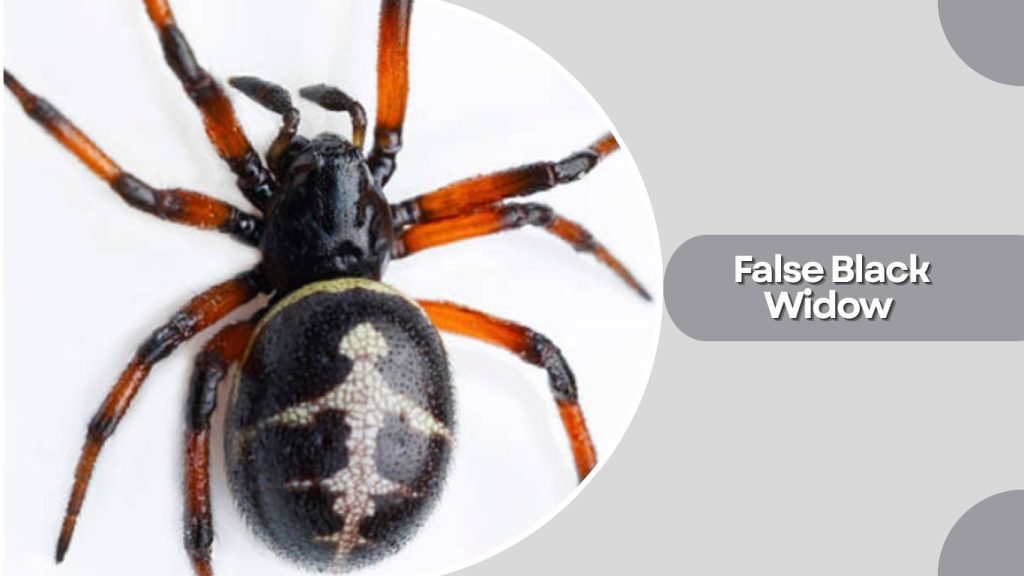
The False Black Widow is one of the largest and most striking species within the Steatoda genus. It closely resembles the true black widow, which often leads to confusion and unnecessary fear. Native to the Mediterranean region, this spider is typically found in warm climates. Despite its intimidating look, it is far less dangerous than true widows and rarely causes serious harm to humans.
Identification
- Large spider with a shiny, bulbous abdomen
- Dark brown to black coloration
- May have faint lighter markings on the abdomen
- Long, relatively thick legs
- Females significantly larger and more robust than males
Habitat
The False Black Widow prefers warm, dry environments. It is commonly found outdoors in rocky areas, under stones, and in crevices. In urban settings, it may inhabit walls, gardens, and sheltered corners around buildings. It tends to choose locations that provide both protection and access to prey.
Diet
This species feeds on a variety of insects such as beetles, flies, and other arthropods. It constructs a tangled web to trap prey and quickly immobilizes it with venom. Occasionally, it may also prey on other spiders, including smaller members of its own genus.
Behavior
The False Black Widow is generally reclusive and avoids human interaction. It spends most of its time in its web, waiting for prey. When threatened, it prefers to hide rather than bite. Although its bite can be slightly more painful than other false widows, it is still considered medically insignificant in most cases.
6. Mediterranean False Widow (Steatoda grossa – Dark Form)
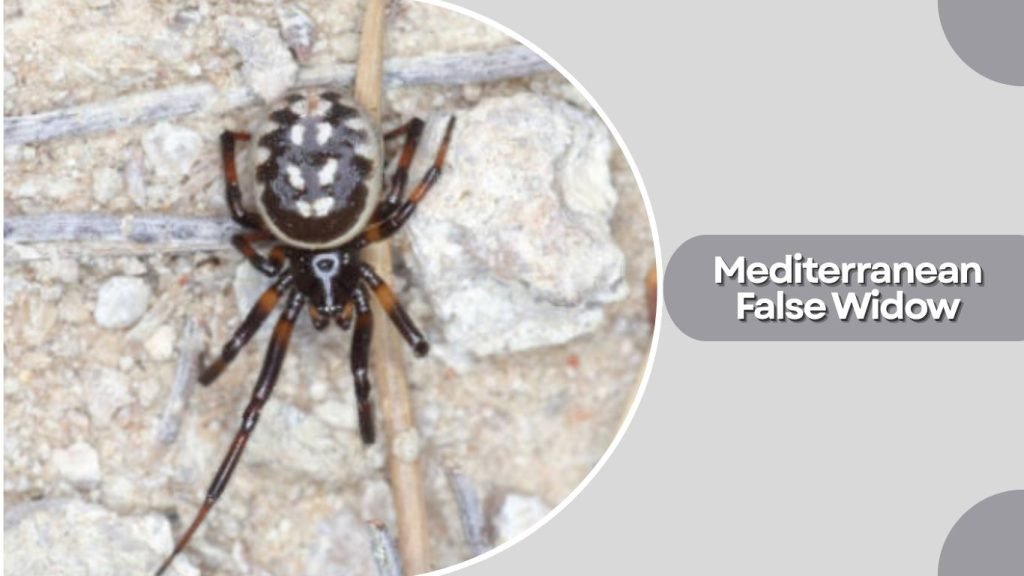
The Mediterranean False Widow is a variation of Steatoda grossa commonly found in warmer regions. It is often darker and more robust than other forms, which can make it appear more intimidating. This spider is frequently encountered in homes and buildings, where it quietly helps control insect populations. Despite its appearance, it poses very little risk to humans.
Identification
- Medium to large spider with a smooth, rounded abdomen
- Dark brown to deep black coloration
- Usually lacks clear patterns or markings
- Slightly thicker legs compared to smaller species
- Glossy body surface
Habitat
This spider prefers warm indoor environments such as homes, warehouses, and storage areas. It hides in dark, undisturbed places like behind furniture, inside cupboards, and in wall crevices. Outdoors, it may be found under stones or in sheltered corners of buildings.
Diet
The Mediterranean False Widow feeds on a wide range of insects, including flies, cockroaches, and beetles. It uses its irregular web to capture prey and quickly subdues it with venom. This makes it beneficial in reducing household pests.
Behavior
This species is nocturnal and tends to stay hidden during the day. It is shy and avoids contact with humans. When disturbed, it retreats into its web or hiding spot. Bites are rare and usually occur only when the spider is accidentally pressed against the skin.
7. Brown False Widow (Steatoda capensis)
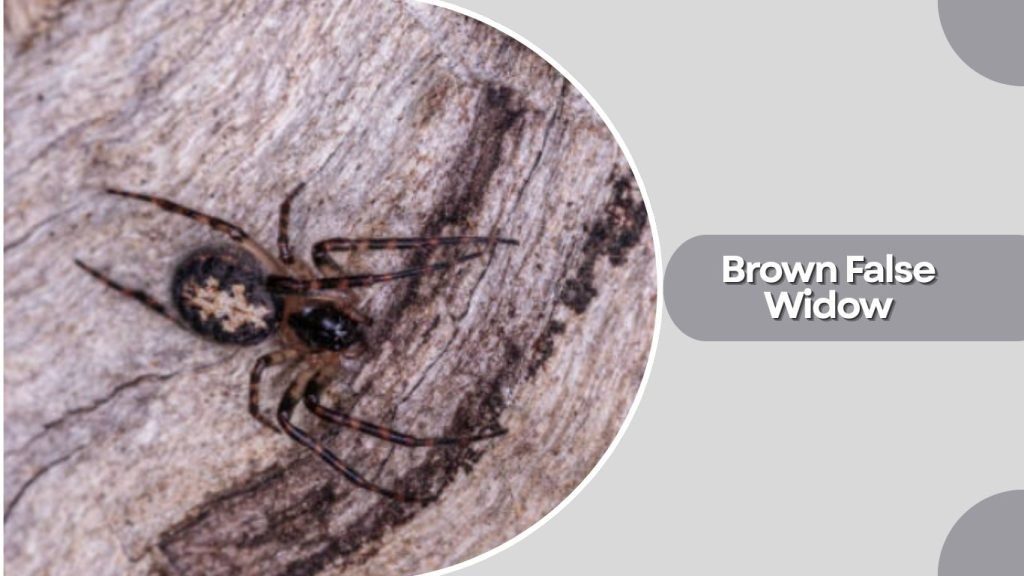
The Brown False Widow is a lesser-known species within the Steatoda genus, often found in warmer regions including parts of Africa and coastal areas. It is similar in appearance to other false widows but is typically lighter in color. This species is commonly associated with human structures, where it quietly plays a role in controlling insect populations. Like other false widows, it is not considered dangerous.
Identification
- Medium-sized spider with a rounded abdomen
- Light to medium brown coloration
- Subtle or faint abdominal markings
- Slender legs with a slightly darker shade
- Smooth, somewhat glossy body
Habitat
The Brown False Widow prefers warm, sheltered environments. It is often found in homes, sheds, fences, and garden structures. It builds its web in quiet corners, under eaves, or in crevices where it can remain undisturbed and close to potential prey.
Diet
This spider feeds on small insects such as flies, mosquitoes, and ants. It uses its tangled cobweb to trap prey and then immobilizes it with venom. Occasionally, it may also prey on other spiders, contributing to natural pest control.
Behavior
The Brown False Widow is shy and non-aggressive. It spends most of its time in its web and rarely moves unless disturbed. When threatened, it quickly retreats to a safe hiding spot. Bites are extremely rare and typically occur only when the spider is handled or accidentally pressed against the skin.
8. Red False Widow (Steatoda rubrocaliginosa)
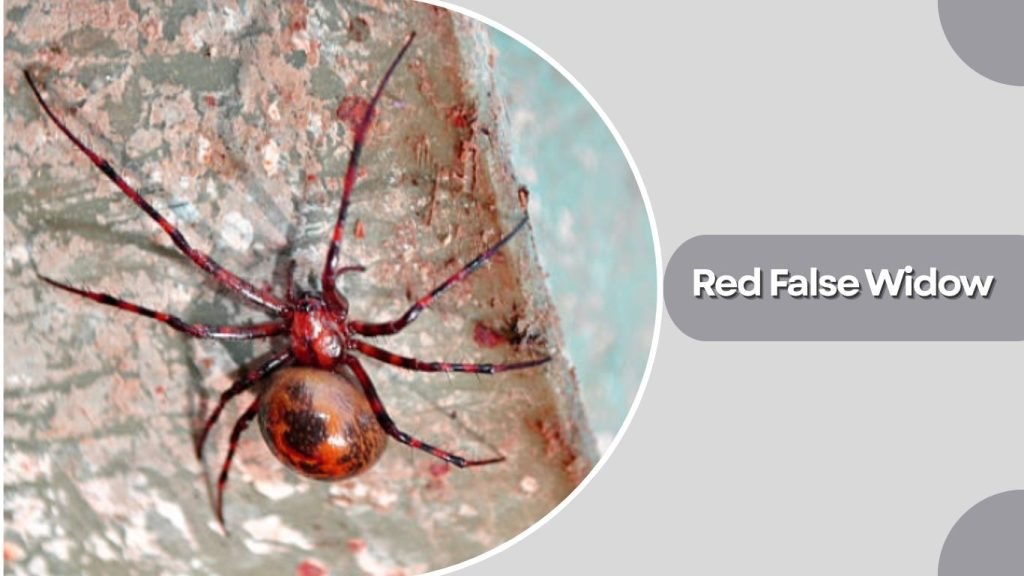
The Red False Widow is a visually distinctive species known for its darker body combined with reddish tones. It is less commonly encountered than other false widows but can be found in certain regions with warm and stable climates. Like its relatives, it prefers quiet environments and plays an important role in controlling insect populations. Despite its somewhat bold appearance, it is harmless to humans.
Identification
- Small to medium-sized spider with a rounded abdomen
- Dark brown to black body with reddish hues
- Subtle patterning that may appear faint or blurred
- Slender legs with a reddish tint
- Smooth, slightly glossy surface
Habitat
The Red False Widow prefers sheltered areas such as under rocks, within tree bark, or in man-made structures like sheds and fences. It may also be found indoors in quiet corners, especially in places that provide warmth and minimal disturbance.
Diet
This species feeds primarily on small insects, including flies, ants, and other arthropods. It uses its irregular, tangled web to capture prey and quickly subdues it with venom. Like other false widows, it may also prey on smaller spiders when available.
Behavior
The Red False Widow is reclusive and avoids human contact. It typically remains hidden in its web and becomes more active at night. When disturbed, it prefers to retreat rather than defend itself. Bites are extremely rare and generally harmless, causing only mild irritation if they occur.
9. Canary False Widow (Steatoda nobilis – Canary Variant)
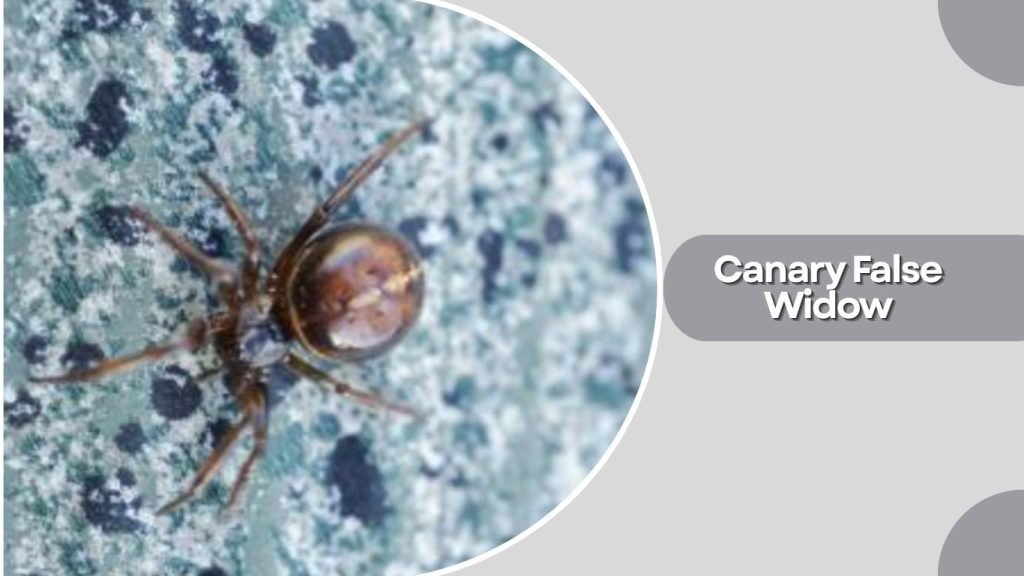
The Canary False Widow is considered a regional variant of Steatoda nobilis, originally native to the Canary Islands. This spider has adapted well to different environments and is now found in various parts of Europe and beyond. It is often associated with human habitation and is known for its adaptability. Like other false widows, it may look intimidating but is generally harmless.
Identification
- Medium-sized spider with a rounded, bulbous abdomen
- Dark brown or purplish coloration
- Cream or pale markings, sometimes less defined than typical nobilis
- Long, slender legs with a slight reddish tone
- Glossy body surface
Habitat
This spider prefers warm, sheltered environments such as homes, walls, gardens, and outdoor structures. It is commonly found in corners, under ledges, and inside sheds where it can build its web undisturbed.
Diet
The Canary False Widow feeds on a variety of insects including flies, moths, and beetles. It captures prey using its tangled cobweb and immobilizes it quickly. It may also prey on other spiders, contributing to ecological balance.
Behavior
This species is non-aggressive and tends to avoid humans. It spends most of its time in its web, waiting for prey. When disturbed, it usually retreats rather than bites. Any bite is rare and typically results in only mild symptoms.
10. False Widow Spider (Steatoda borealis)
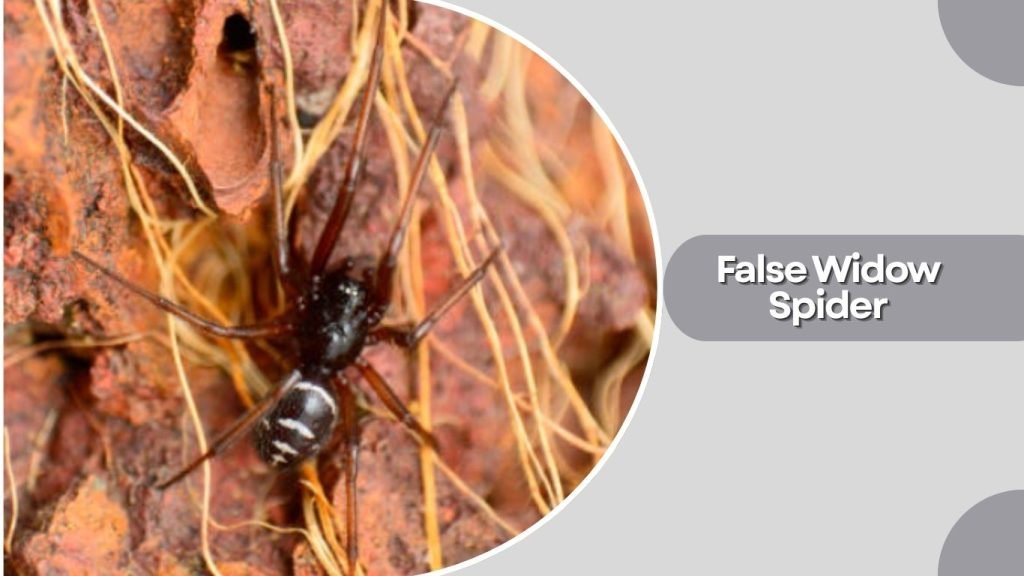
The Northern False Widow, Steatoda borealis, is a species commonly found in North America. It is smaller and less noticeable than some of its relatives but still plays an important ecological role. This spider is often found both indoors and outdoors, especially in cooler regions. It is harmless and beneficial due to its pest-control habits.
Identification
- Small to medium-sized spider with a rounded abdomen
- Brown to dark brown coloration
- Faint or minimal abdominal markings
- Thin, relatively long legs
- Matte to slightly glossy appearance
Habitat
The Northern False Widow inhabits a wide range of environments, including forests, gardens, and human dwellings. Indoors, it prefers basements, attics, and quiet corners. Outdoors, it can be found under logs, stones, and leaf litter.
Diet
This spider feeds on small insects such as flies, ants, and beetles. It uses a messy cobweb to trap prey and then injects venom to subdue it. Like other false widows, it can also consume other spiders when available.
Behavior
The Northern False Widow is shy and rarely seen. It avoids confrontation and typically remains hidden in its web. When disturbed, it quickly retreats. Bites are extremely uncommon and pose no significant threat to humans.
FAQs
1. Are false widow spiders dangerous to humans?
False widow spiders are generally not dangerous. While they can bite, most bites result in mild symptoms like slight pain, redness, or swelling. Serious reactions are very rare.
2. How can I identify a false widow spider?
False widows typically have a shiny, rounded abdomen and are dark brown or black in color. Some species have faint markings, but they usually lack the bright red hourglass seen in true black widows.
3. Where are false widow spiders commonly found?
They are often found in warm, sheltered places such as homes, garages, sheds, and gardens. They prefer quiet, undisturbed areas where they can build their webs.
4. What do false widow spiders eat?
False widows feed on insects like flies, ants, beetles, and sometimes other spiders. They help control pest populations, making them beneficial in many environments.
5. Do false widow spiders attack humans?
No, they are not aggressive and do not actively attack humans. Bites usually occur only when the spider is accidentally disturbed or pressed against the skin.
