
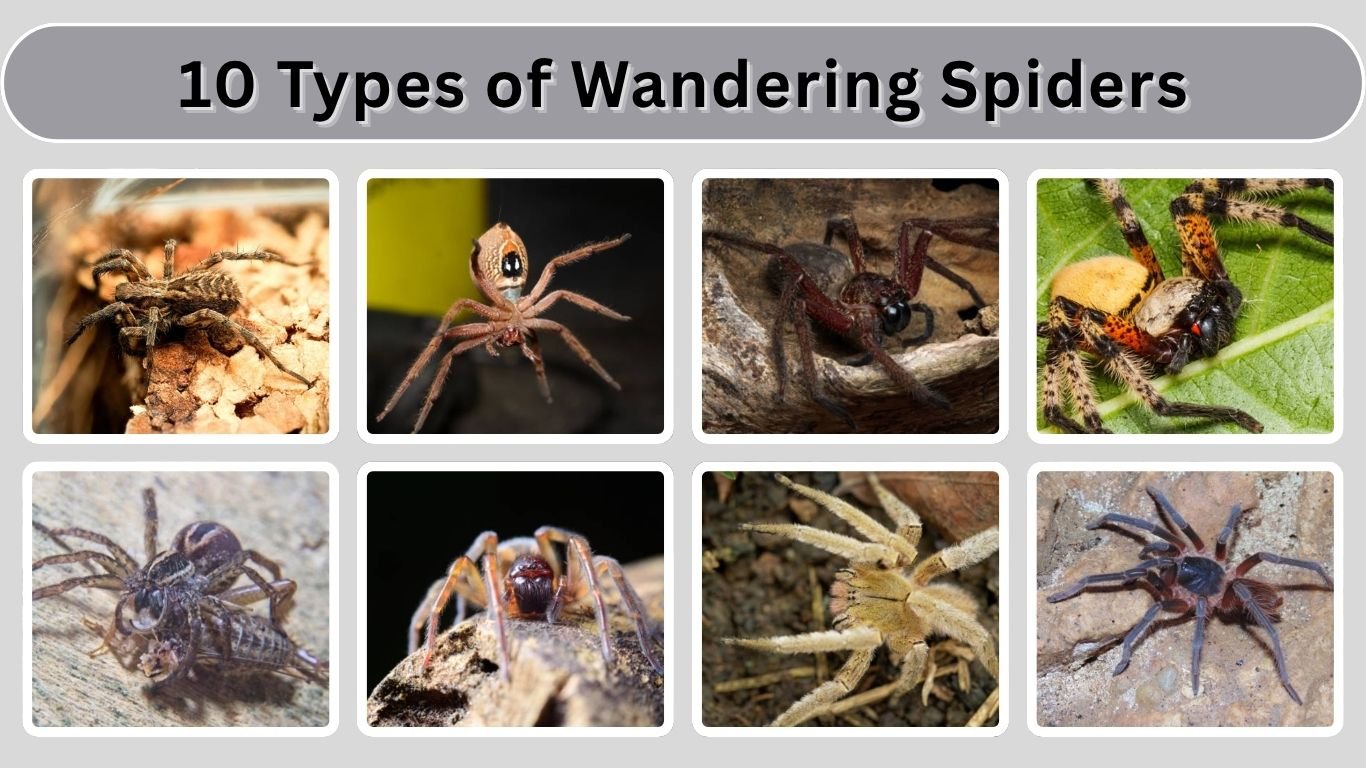
Wandering spiders are a fascinating group of large, fast-moving spiders known for their active hunting style and powerful venom. Unlike web-building species, they roam the ground or vegetation at night in search of prey. Most are found in Central and South America, especially in tropical regions. Some species, particularly those in the Phoneutria genus, are considered medically significant. Despite their intimidating reputation, wandering spiders play an important role in controlling insect populations and maintaining ecological balance in their natural habitats.
1. Brazilian Wandering Spider
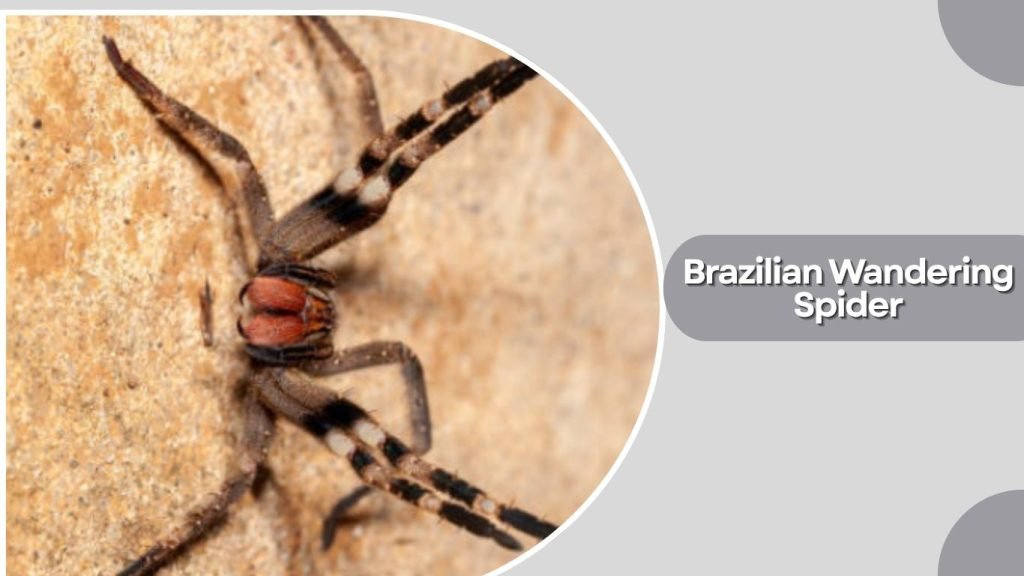
The Brazilian wandering spider is one of the most well-known and medically significant spiders in the world. Native to Central and South America, it is especially recognized for its potent venom and active hunting behavior. Unlike web-building spiders, it roams the forest floor at night in search of prey, which is why it is called a “wandering” spider. These spiders occasionally enter human habitats, increasing encounters with people.
Identification
- Large body with a leg span up to about 15 cm
- Brown or gray coloration with darker markings
- Hairy body and long, strong legs
- Some species show reddish hairs near the mouthparts
- Known for raising front legs in a defensive display
Habitat
Brazilian wandering spiders are commonly found in tropical rainforests, especially in warm and humid environments. They prefer hiding under logs, rocks, and leaf litter during the day. These spiders can also be found in agricultural areas such as banana plantations, which has contributed to their reputation. Occasionally, they enter homes, shoes, or storage spaces while searching for shelter.
Behavior
This spider is an active nocturnal hunter. Instead of building webs, it moves across the ground at night to capture insects, small reptiles, and even amphibians. During the day, it hides in dark and secure places. When threatened, it adopts a defensive posture by lifting its front legs, making it appear larger and more intimidating.
Venom
The venom of the Brazilian wandering spider is considered highly potent and can affect the nervous system. Bites may cause intense pain, sweating, and other symptoms. Though serious, fatalities are rare with prompt medical treatment.
2. Phoneutria fera
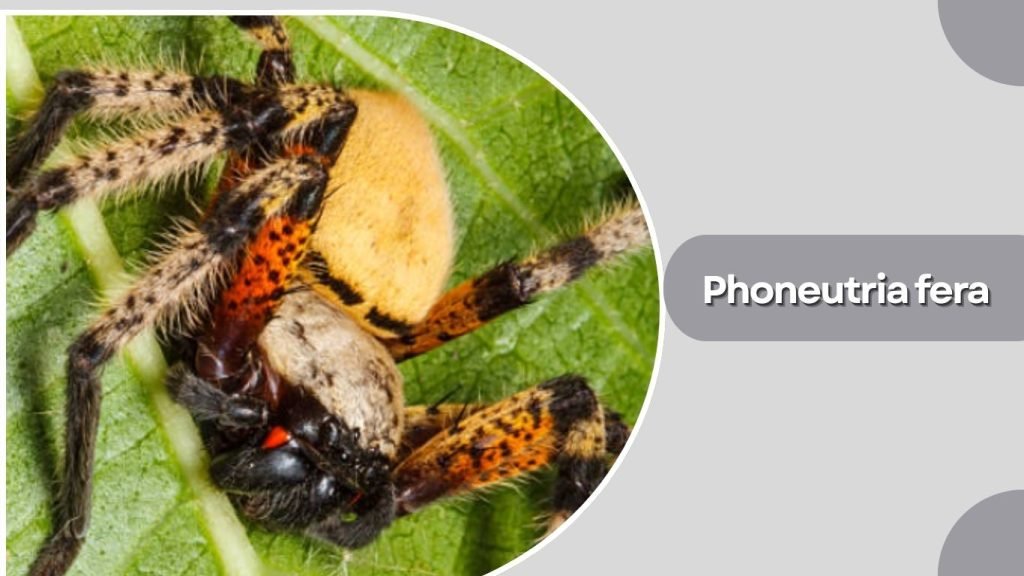
Phoneutria fera is one of the primary species within the Brazilian wandering spider group and is considered among the largest and most dangerous. It is native to the Amazon rainforest and is known for its aggressive defensive behavior and strong venom. Like others in its genus, it does not rely on webs but actively hunts prey at night.
Identification
- Large spider with long legs and a robust body
- Brown coloration with darker patterns on the legs and body
- Dense hair covering the body
- Prominent front legs used in defensive displays
- Strong chelicerae (fangs) adapted for hunting
Habitat
Phoneutria fera is mainly found in the Amazon Basin, living in dense tropical rainforests. It prefers humid, dark environments such as under fallen logs, rocks, and thick vegetation. During the day, it hides in sheltered areas to avoid predators and heat. It rarely appears in urban areas but may be encountered in forested regions.
Behavior
This species is a nocturnal hunter, actively searching for prey rather than waiting in a web. It feeds on insects, small vertebrates, and other invertebrates. When threatened, it becomes highly defensive, raising its front legs and displaying its fangs. It is known for quick movements and readiness to strike if provoked.
Venom
The venom of Phoneutria fera is highly toxic and affects the nervous system. Bites can cause severe pain and other symptoms, but fatalities are uncommon with proper medical care.
3. Phoneutria nigriventer
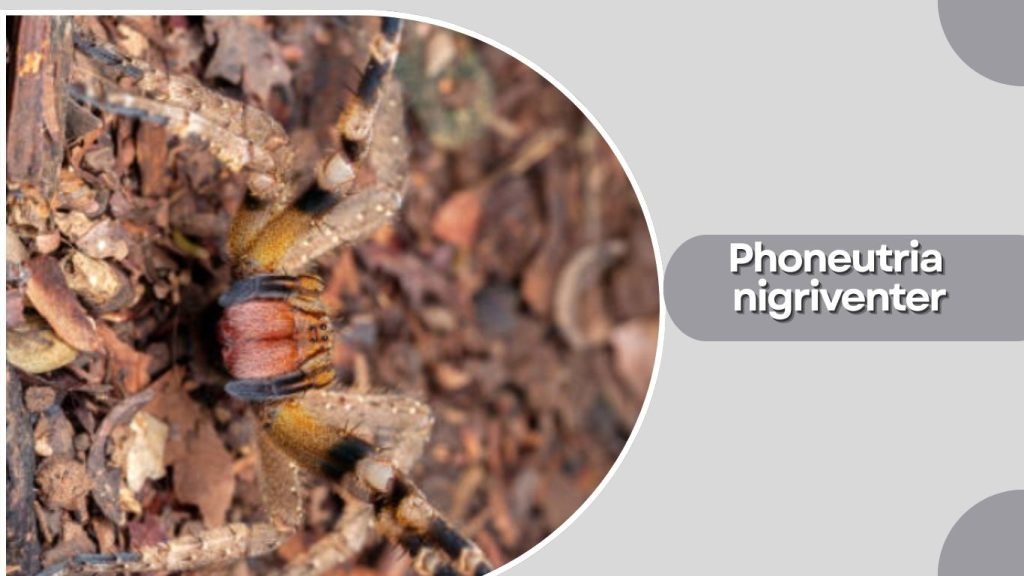
Phoneutria nigriventer is one of the most famous wandering spiders and is often associated with human encounters. It is commonly found in Brazil and is sometimes called the “armed spider” due to its defensive posture. This species is known for its adaptability and is more frequently found near human settlements compared to others in its genus.
Identification
- Medium to large spider with long legs
- Brown to dark brown body with lighter underside
- Fine hair covering the body and legs
- Distinct dark bands on the legs
- Displays raised front legs when threatened
Habitat
This species is found in forests, plantations, and urban environments. It often hides in dark, moist places such as under logs, inside crevices, and even within homes. It is commonly associated with banana plantations and may be transported accidentally with fruit shipments.
Behavior
Phoneutria nigriventer is a fast-moving, nocturnal hunter. It does not build webs but actively searches for prey at night, feeding on insects and small animals. During the day, it hides in sheltered locations. When disturbed, it quickly adopts a defensive stance and may strike if it feels threatened.
Venom
The venom of Phoneutria nigriventer is highly potent and medically significant. Bites can cause intense pain and neurological symptoms. While serious, most cases can be treated effectively with timely medical care.
4. Phoneutria keyserlingi
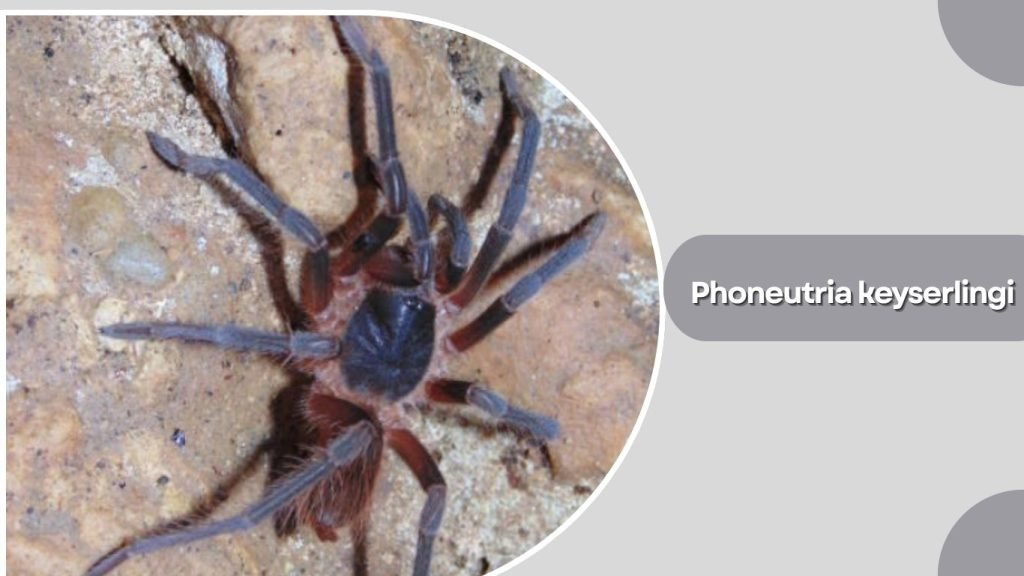
Phoneutria keyserlingi is another species within the Brazilian wandering spider group, commonly found in parts of South America. It shares many characteristics with other Phoneutria species, including strong venom and active hunting behavior. This spider is known for its defensive nature and ability to adapt to different environments.
Identification
- Medium to large size with long, slender legs
- Brownish body with darker markings
- Hairy appearance across the body and legs
- Visible banding on legs
- Raises front legs in a threat display
Habitat
Phoneutria keyserlingi is typically found in tropical and subtropical regions, including forests and rural landscapes. It prefers dark, humid hiding spots such as under rocks, logs, and leaf litter. It may also appear in gardens, plantations, and occasionally inside human dwellings.
Behavior
This species is a nocturnal hunter that actively searches for prey rather than building webs. It feeds on insects and small animals. During the day, it remains hidden in sheltered areas. When disturbed, it quickly becomes defensive, lifting its front legs and preparing to strike if necessary.
Venom
The venom of Phoneutria keyserlingi is considered potent and can cause pain and systemic effects. Although bites are not common, medical attention is recommended if one occurs.
5. Phoneutria reidyi
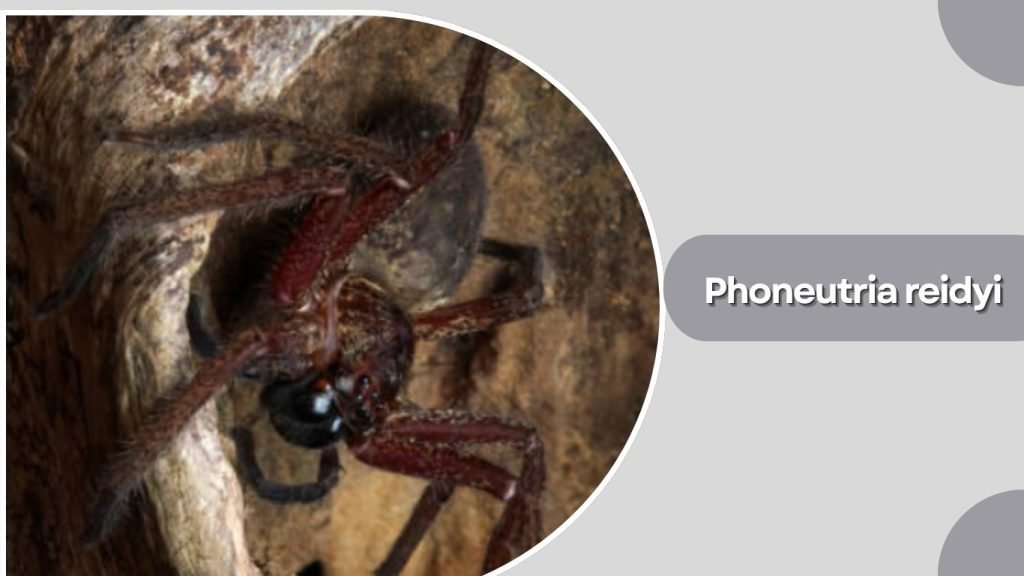
Phoneutria reidyi is a lesser-known species of Brazilian wandering spider, primarily found in the Amazon region. Like other members of the Phoneutria genus, it is an active hunter with strong venom and a defensive nature. It plays an important role in controlling insect populations within its ecosystem.
Identification
- Medium to large spider with long legs
- Brown coloration with subtle darker patterns
- Hairy body and legs
- Strong, visible fangs
- Defensive posture with raised front legs
Habitat
This species is mainly found in tropical rainforests, especially within the Amazon Basin. It prefers humid, shaded environments such as leaf litter, under logs, and within dense vegetation. It is rarely found in urban areas but may occasionally wander into nearby human settlements.
Behavior
Phoneutria reidyi is a nocturnal hunter that actively searches for prey instead of building webs. It feeds on insects and small animals. During daylight hours, it hides in secure, dark places. When threatened, it quickly assumes a defensive stance and may strike if provoked.
Venom
The venom of Phoneutria reidyi is potent and affects the nervous system. Bites can cause pain and discomfort, and medical care is advised in case of envenomation.
6. Phoneutria boliviensis
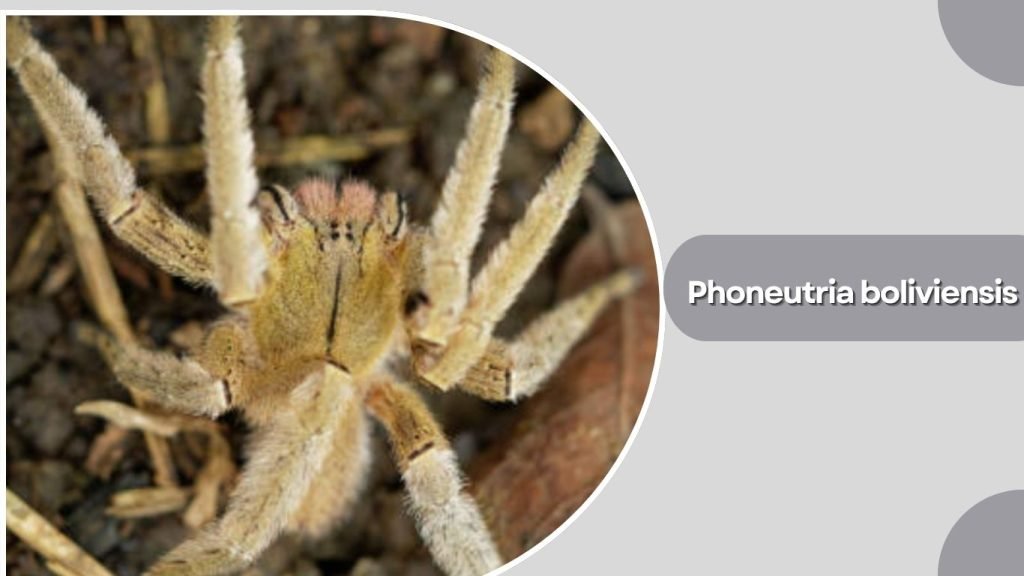
Phoneutria boliviensis is a widely distributed species of wandering spider found across Central and South America. It is known for its adaptability to different environments and is often encountered in both natural and human-modified habitats. Like others in its genus, it is an active hunter with medically significant venom.
Identification
- Medium to large spider with long, powerful legs
- Brown to yellowish-brown coloration
- Dark markings or stripes on the legs
- Hairy body with a robust build
- Defensive posture with raised front legs
Habitat
This species is found in a variety of environments, including tropical forests, grasslands, and agricultural areas. It prefers warm, humid conditions and often hides under rocks, logs, and leaf litter during the day. It may also be found in plantations and occasionally inside homes.
Behavior
Phoneutria boliviensis is a nocturnal hunter that actively searches for prey such as insects and small vertebrates. It does not spin webs to capture food. During the day, it stays hidden in dark places. When threatened, it becomes defensive and may raise its front legs before striking.
Venom
The venom of Phoneutria boliviensis is potent but generally considered less dangerous than some other species in the genus. Bites can still cause pain and symptoms, so medical attention is recommended.
7. Phoneutria pertyi
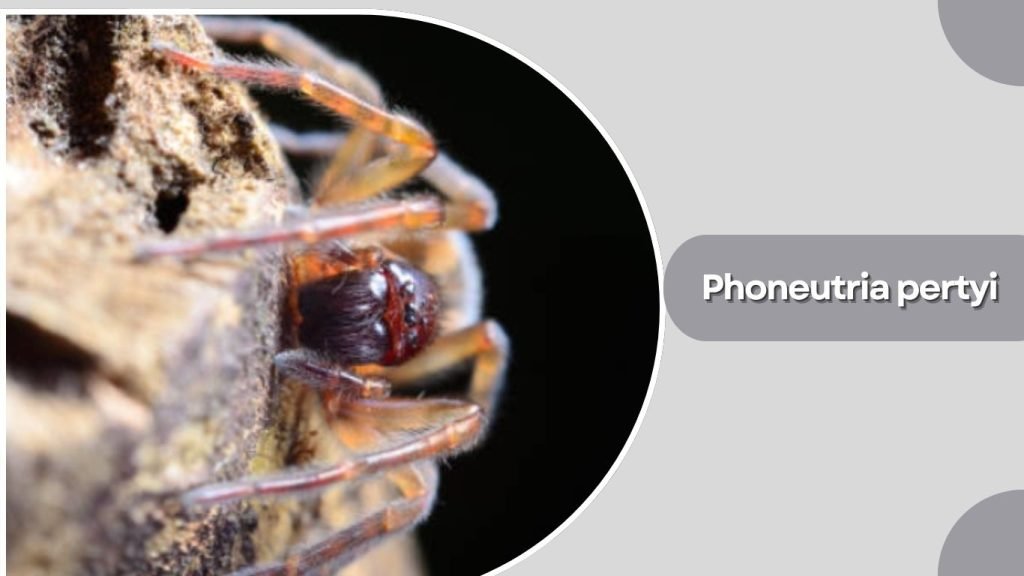
Phoneutria pertyi is another species within the Brazilian wandering spider group, primarily found in South America. It shares many similarities with other Phoneutria species, including its roaming behavior, strong venom, and defensive nature. Although less commonly discussed, it is still an important member of its ecosystem.
Identification
- Medium to large spider with long legs
- Brown or grayish coloration with darker patterns
- Hairy body and legs
- Noticeable leg banding
- Raises front legs in a defensive posture
Habitat
Phoneutria pertyi is typically found in tropical and subtropical regions, including forests and plantations. It prefers moist, shaded environments such as leaf litter, under logs, and among dense vegetation. It may also occasionally enter human structures while searching for shelter.
Behavior
This species is an active nocturnal hunter, moving across the ground to find prey rather than relying on webs. It feeds on insects and small animals. During the day, it hides in dark, protected areas. When disturbed, it becomes defensive and may display its characteristic raised-leg posture.
Venom
The venom of Phoneutria pertyi is considered potent and can cause pain and other symptoms. While bites are not frequent, medical attention is advised if one occurs.
8. Phoneutria bahiensis
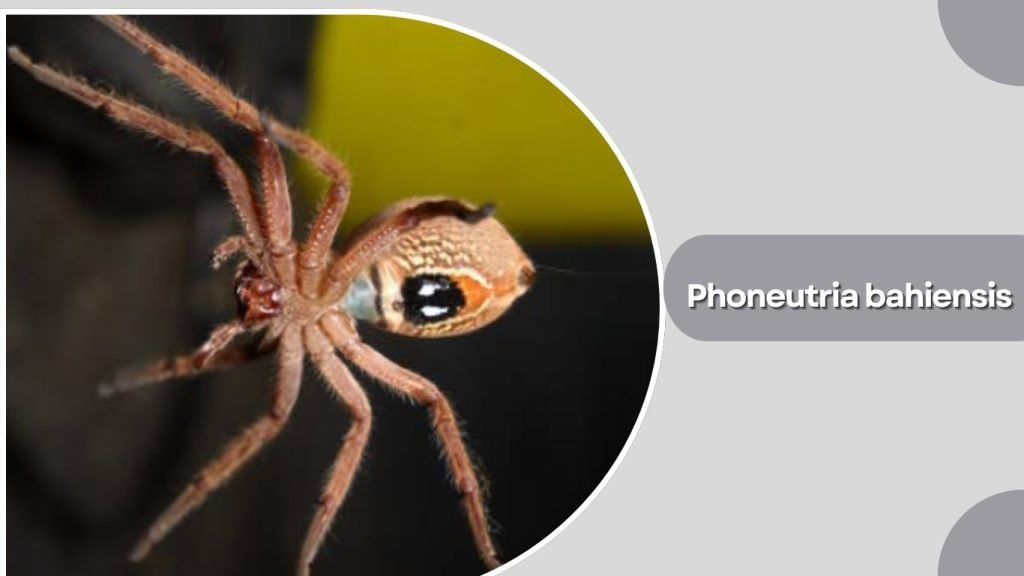
Phoneutria bahiensis is a species of wandering spider found mainly in Brazil. Like other members of the Phoneutria genus, it is known for its active hunting behavior and potent venom. Although not as widely recognized as some of its relatives, it shares similar physical traits and defensive characteristics.
Identification
- Medium to large spider with long legs
- Brown coloration with darker markings
- Hairy body and legs
- Subtle banding on legs
- Defensive stance with raised front legs
Habitat
This species is commonly found in tropical and subtropical regions, particularly in forested areas. It prefers warm, humid environments and hides in places such as under logs, rocks, and leaf litter during the day. It may also be found in plantations and occasionally near human dwellings.
Behavior
Phoneutria bahiensis is a nocturnal hunter that actively searches for prey rather than building webs. It feeds on insects and small animals. During daylight hours, it remains hidden in sheltered areas. When threatened, it quickly adopts a defensive posture and may strike if provoked.
Venom
The venom of Phoneutria bahiensis is potent and can cause pain and systemic effects. Although bites are rare, medical care is recommended if envenomation occurs.
9. Cupiennius salei
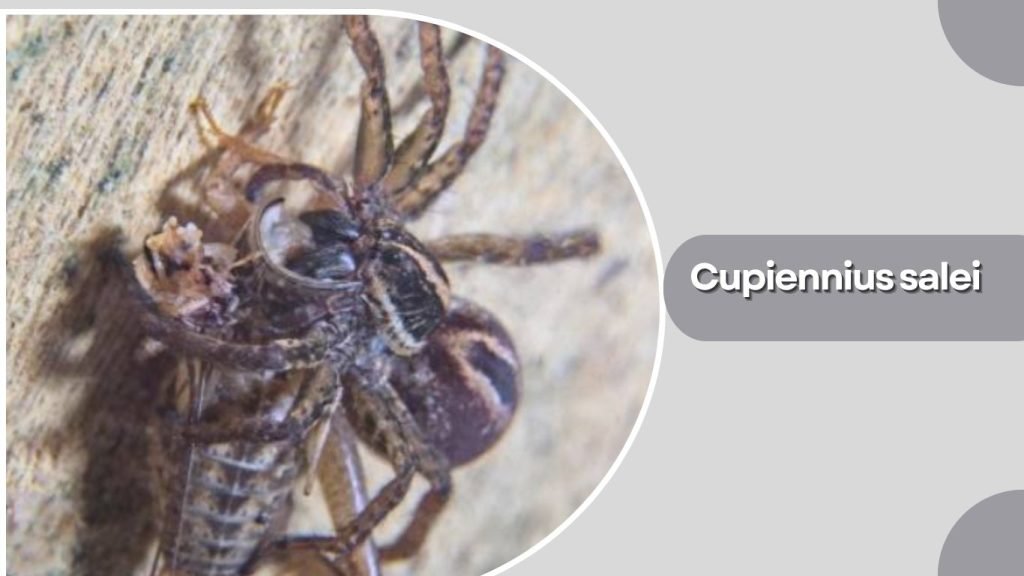
Cupiennius salei is a wandering spider species found mainly in Central America. Although it resembles the more dangerous Phoneutria spiders, it is less medically significant. It is often studied in scientific research due to its well-developed sensory systems and behavior.
Identification
- Medium to large spider with long legs
- Brown or tan coloration with darker leg bands
- Hairy body with a slightly flattened appearance
- Long, slender legs adapted for movement
- Less aggressive posture compared to Phoneutria species
Habitat
This species is commonly found in tropical forests, especially on plants and vegetation rather than the ground. It prefers warm, humid environments and is often seen resting on leaves or tree trunks. It may also inhabit agricultural areas such as banana plantations.
Behavior
Cupiennius salei is a nocturnal hunter that relies on vibrations and sensory hairs to detect prey. It does not build webs to catch food but actively hunts insects and other small creatures. During the day, it remains still on vegetation, blending into its surroundings to avoid predators.
Venom
The venom of Cupiennius salei is relatively mild compared to true Brazilian wandering spiders. While it can subdue prey effectively, it is not considered dangerous to humans in most cases.
10. Cupiennius getazi
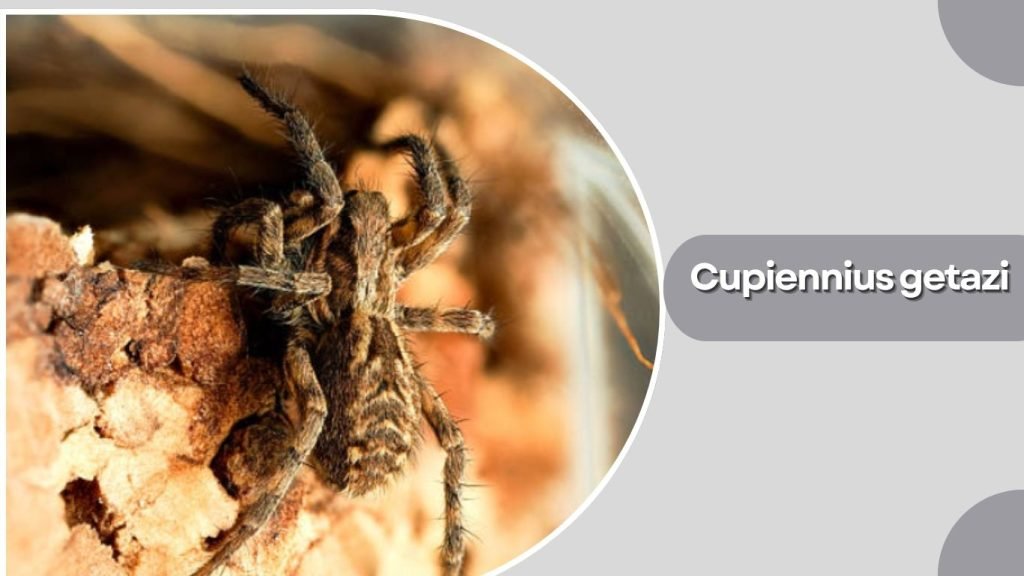
Cupiennius getazi is a species of wandering spider found in Central America. It is closely related to Cupiennius salei and shares similar physical and behavioral traits. Although it resembles more dangerous wandering spiders, it is generally not considered a serious threat to humans.
Identification
- Medium-sized spider with long, slender legs
- Brown to tan coloration with subtle darker markings
- Hairy body adapted for sensing vibrations
- Long legs suited for quick movement
- Generally less aggressive in posture
Habitat
This species is typically found in tropical environments, especially in vegetation such as shrubs, leaves, and tree trunks. It prefers warm, humid climates and is often seen in forested areas as well as agricultural regions like plantations.
Behavior
Cupiennius getazi is a nocturnal hunter that actively searches for prey rather than using webs. It relies on sensitive hairs to detect vibrations from insects and other small animals. During the day, it remains still on plants, using camouflage to avoid predators.
Venom
The venom of Cupiennius getazi is mild compared to true wandering spiders of the Phoneutria genus. It is effective for capturing prey but is not considered dangerous to humans.
FAQs
What makes wandering spiders different from other spiders?
Wandering spiders differ from most spiders because they do not build webs to catch prey. Instead, they actively hunt, usually at night, using speed and strong vision or vibration sensing. This behavior makes them more mobile and increases the chances of encountering humans.
Are Brazilian wandering spiders dangerous to humans?
Yes, some species—especially those in the Phoneutria genus—have medically significant venom. Their bites can cause serious symptoms, but fatalities are rare with proper medical treatment. Not all wandering spiders are equally dangerous.
Where are wandering spiders commonly found?
Wandering spiders are mainly found in Central and South America, particularly in tropical and subtropical regions. They live in forests, plantations, and sometimes near or inside human homes.
Do wandering spiders build any type of web?
No, wandering spiders do not build webs for trapping prey. However, they may produce silk for other purposes like creating egg sacs or temporary shelters.
What should you do if you encounter one?
If you encounter a wandering spider, avoid handling or provoking it. Keep a safe distance and allow it to move away. If bitten, seek medical attention promptly, especially if symptoms appear.
