
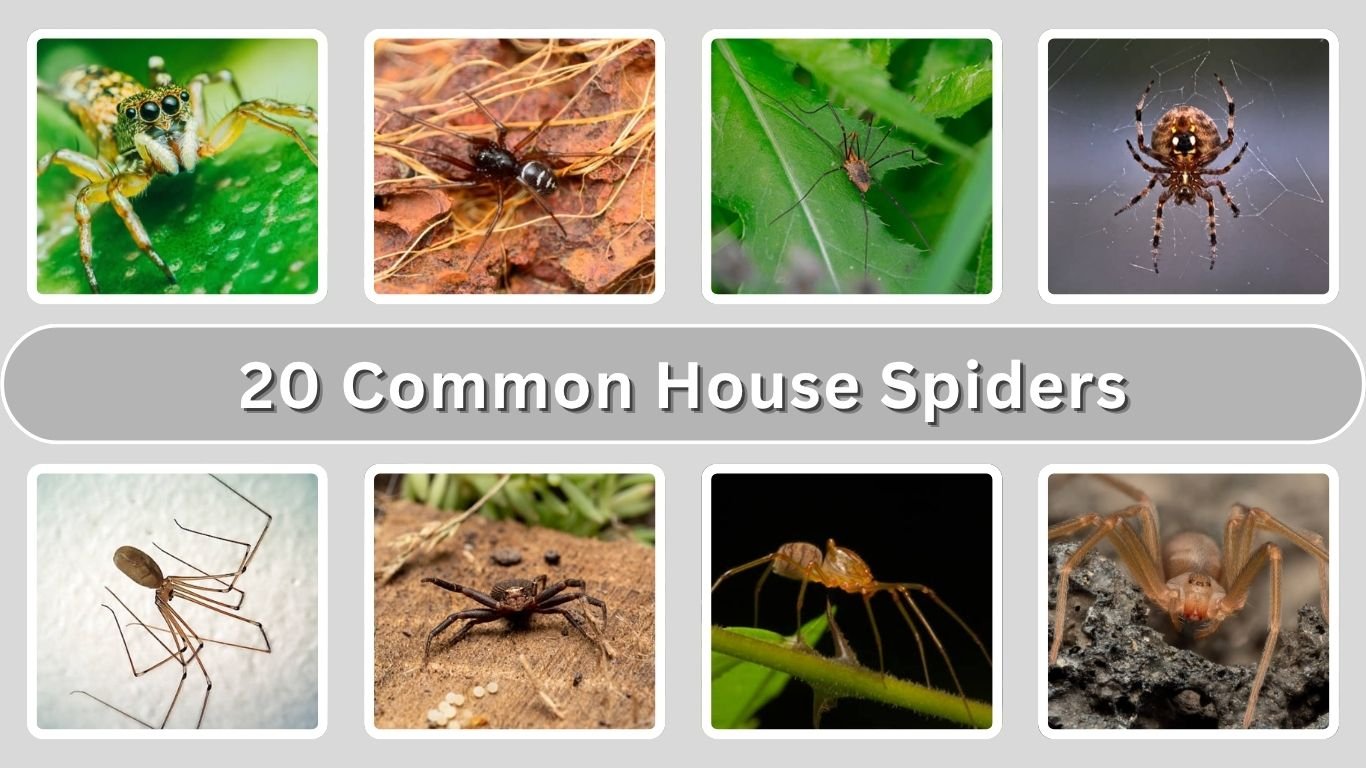
House spiders are a natural part of indoor environments and are commonly found in corners, basements, ceilings, and storage areas. Many of these species, such as the Common house spider and American house spider, build webs to catch insects and help keep pest populations under control. Although their presence can sometimes be unsettling, most house spiders are harmless to humans and prefer to avoid interaction. Understanding their types, behaviors, and habitats can help you better identify them and manage their presence in and around your home.
1. Common house spider
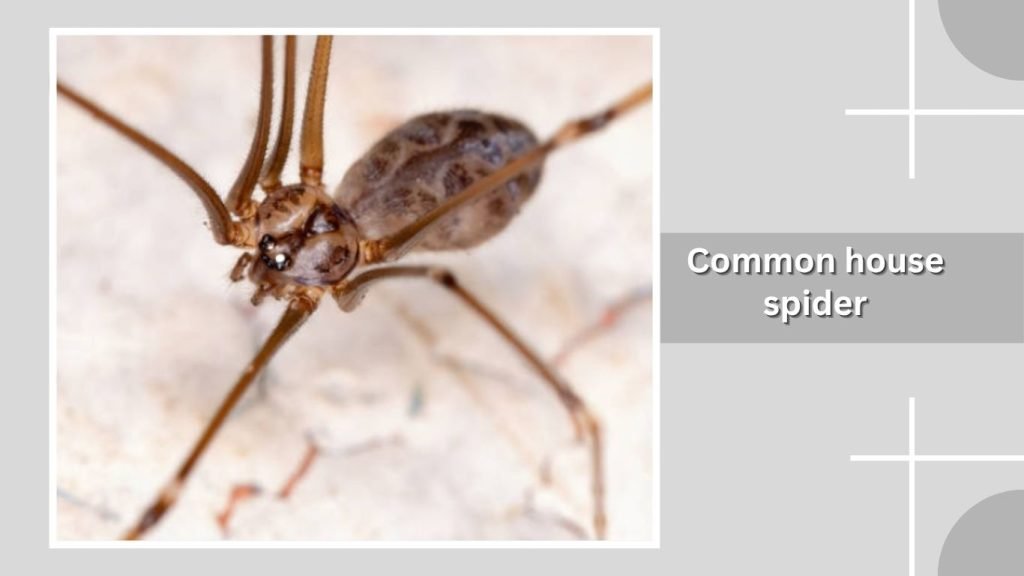
The Common house spider is one of the most frequently encountered spiders in homes around the world. It typically lives in quiet, undisturbed areas such as corners, ceilings, and basements where it builds irregular cobwebs to trap small insects. Although its appearance may cause concern, this spider is harmless to humans and actually helps control household pest populations.
Identification
- Small to medium-sized body with a rounded abdomen
- Brown, tan, or grey coloration with subtle patterns
- Long, thin legs relative to body size
- Webs appear messy and irregular (cobweb-style)
- Often found hanging upside down in its web
Habitat
Common house spiders prefer indoor environments such as attics, basements, garages, and corners of rooms. They thrive in undisturbed, low-light areas where they can build webs without disruption. Outdoors, they may also be found under eaves, in sheds, or near windows where insects are likely to gather.
Behaviors
This species is generally nocturnal and remains in its web during the day. It waits patiently for prey to become trapped in its web and then quickly moves to immobilize it. When disturbed, it typically stays still or retreats deeper into its web rather than acting aggressively.
Diet and Lifecycle
Common house spiders feed mainly on small insects like flies, mosquitoes, and ants that get caught in their webs. Females lay egg sacs in hidden parts of their web and may guard them until hatching. Spiderlings disperse after emerging and grow through multiple stages before reaching adulthood. Males are smaller and have shorter lifespans, primarily focused on reproduction.
2. American house spider
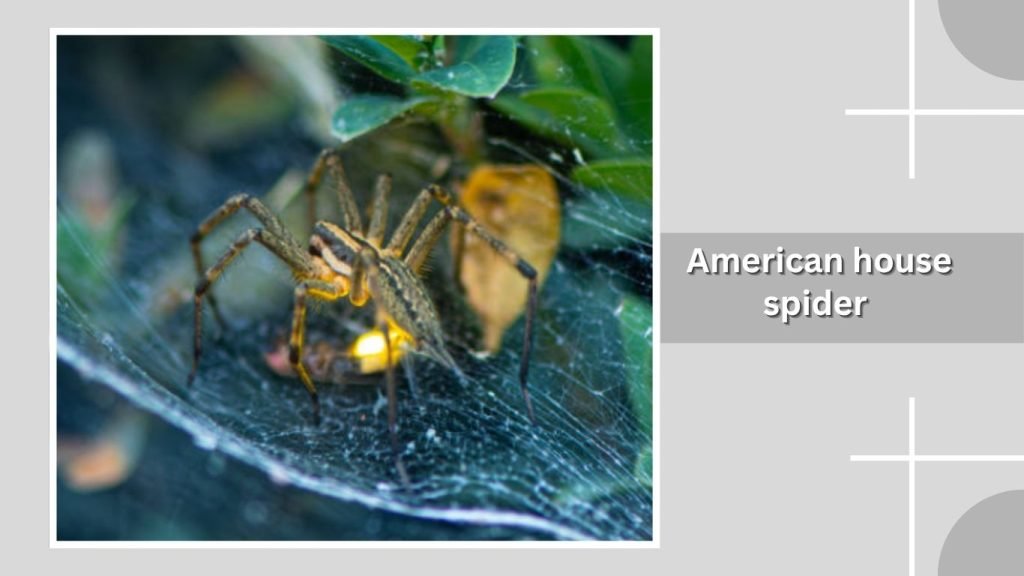
The American house spider is a widely distributed species commonly found in homes, buildings, and sheltered outdoor areas. It is best known for building tangled cobwebs in quiet corners where it can capture small insects. Despite its somewhat intimidating appearance, it is harmless to humans and plays an important role in controlling indoor pest populations.
Identification
- Small to medium-sized spider with a rounded abdomen
- Color ranges from light brown to grey with darker patterns
- Long, thin legs relative to body size
- Females are larger than males
- Builds messy, irregular cobwebs in hidden areas
Habitat
American house spiders are commonly found in indoor environments such as basements, attics, closets, and wall corners. Outdoors, they may inhabit sheds, garages, and under eaves. They prefer undisturbed, low-traffic areas where their webs can remain intact for capturing prey.
Behaviors
This species is primarily nocturnal and spends most of its time resting in or near its web during the day. At night, it becomes more active in repairing its web and capturing prey. When threatened, it usually remains still or retreats deeper into its web rather than showing aggression.
Diet and Lifecycle
American house spiders feed on small insects such as flies, ants, and mosquitoes that become trapped in their cobwebs. Females produce egg sacs that are attached within the web and may contain hundreds of eggs. Spiderlings hatch and disperse to establish their own webs, while males typically roam in search of mates and have shorter lifespans.
3. Black house spider
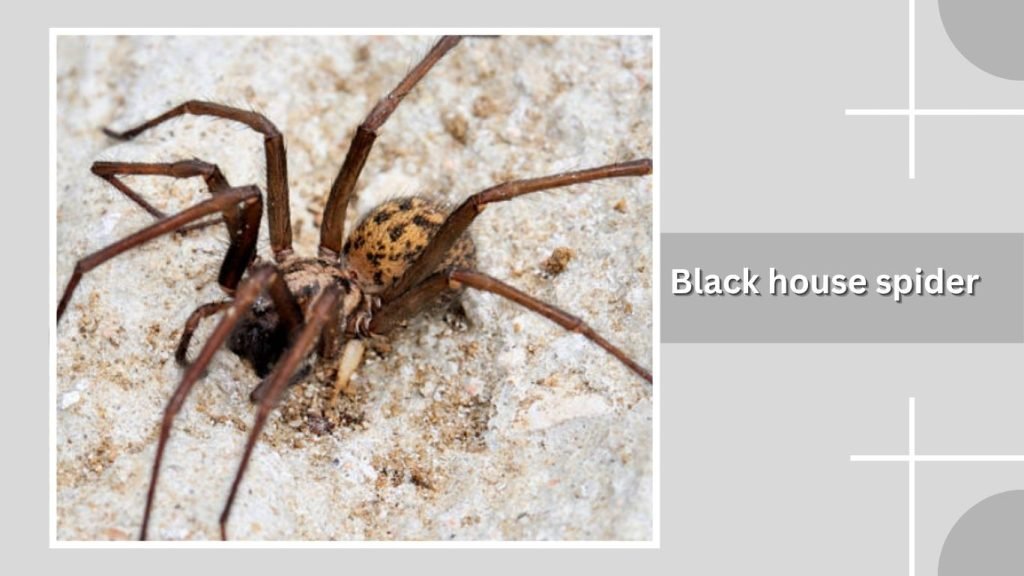
The Black house spider is a common indoor and outdoor species often found in and around buildings. It is known for creating messy, funnel-like webs in quiet, sheltered spaces such as window frames and corners. Although its dark appearance may seem intimidating, it is generally harmless to humans and helps reduce insect populations.
Identification
- Dark brown to black body with a velvety texture
- Medium-sized with a compact, stocky build
- Shorter legs compared to many other house spiders
- Females are larger and more robust than males
- Builds irregular funnel-shaped webs with a retreat
Habitat
Black house spiders are typically found in sheltered locations such as window frames, doorways, sheds, fences, and wall corners. Outdoors, they may live under bark, rocks, or in crevices. They prefer undisturbed areas where they can build and maintain their webs.
Behaviors
This species is mainly nocturnal and stays hidden in its funnel retreat during the day. At night, it remains in its web waiting for vibrations from trapped prey. If disturbed, it quickly retreats into its hiding place rather than confronting threats.
Diet and Lifecycle
Black house spiders feed on insects such as flies, moths, and mosquitoes that become caught in their webs. Females lay multiple egg sacs over their lifetime and often remain close to them. Spiderlings emerge from the sacs and disperse, while males wander in search of females and typically live shorter lives.
4. Grey house spider
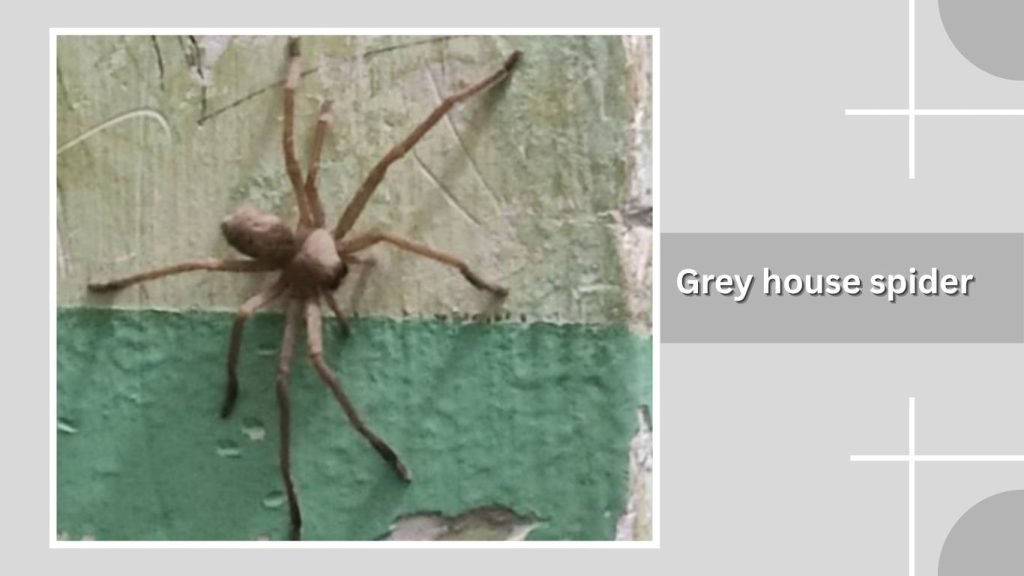
The Grey house spider is a commonly encountered species in homes and buildings, known for its light grey coloration and funnel-shaped webs. It is often confused with other house spiders but can be distinguished by its muted coloring. This species is harmless to humans and helps control indoor insect populations.
Identification
- Grey to light brown body with a slightly mottled appearance
- Medium-sized with a somewhat flattened body
- Long, slender legs compared to body size
- Females are larger and more robust than males
- Builds irregular funnel-like webs in sheltered areas
Habitat
Grey house spiders are typically found in quiet indoor spaces such as corners of rooms, behind furniture, window frames, and ceilings. Outdoors, they may inhabit sheds, garages, fences, and crevices. They prefer dry, undisturbed environments where their webs can remain intact.
Behaviors
This species is mainly nocturnal and remains hidden in its funnel retreat during the day. At night, it becomes active in maintaining its web and capturing prey. When threatened, it usually retreats quickly rather than showing aggression.
Diet and Lifecycle
Grey house spiders feed on small insects like flies, ants, and mosquitoes that get trapped in their webs. Females produce egg sacs that are kept within or near the web. After hatching, spiderlings disperse to create their own webs, while males roam in search of mates and have shorter lifespans.
5. Cellar spider
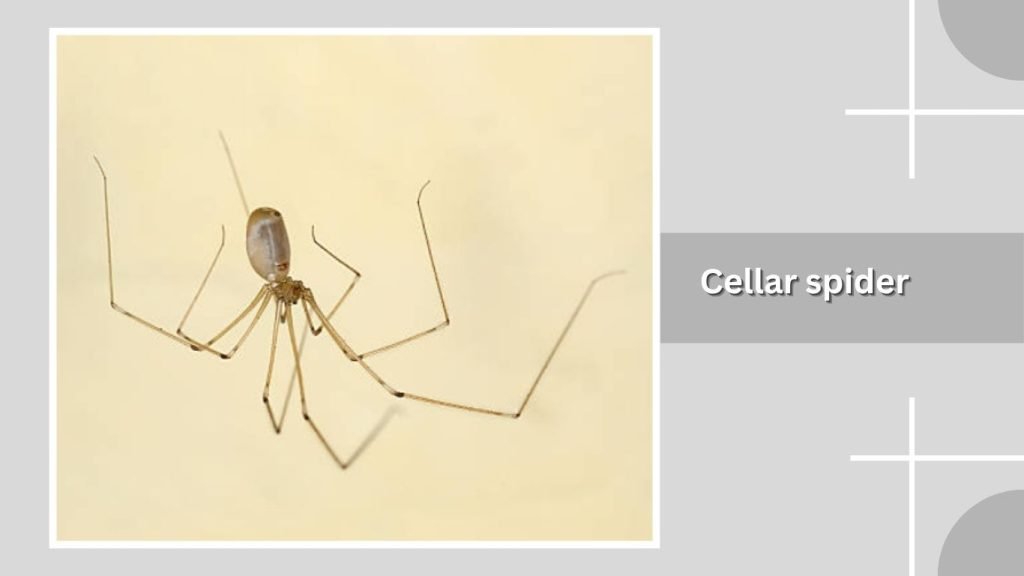
The Cellar spider, often called the “daddy long-legs,” is a common household spider known for its extremely long, thin legs and delicate appearance. It is frequently found in dark, damp areas of homes and is harmless to humans. This species is beneficial as it helps control other insect and spider populations.
Identification
- Very long, thin, and delicate legs relative to body size
- Small, narrow body that is usually pale grey or light brown
- Often hangs upside down in its web
- Females are slightly larger than males
- Legs may appear fragile and easily broken
Habitat
Cellar spiders are commonly found in basements, cellars, garages, bathrooms, and other damp, low-light areas. They build loose, irregular webs in corners, ceilings, and undisturbed spaces. Outdoors, they may be found under rocks, logs, or in shaded crevices.
Behaviors
This species is typically passive and remains in its web most of the time. It vibrates rapidly when disturbed, which may help confuse predators. Cellar spiders are known to capture and wrap prey in their webs rather than actively hunting. They are non-aggressive and rarely interact with humans.
Diet and Lifecycle
Cellar spiders feed on small insects and even other spiders that become entangled in their webs. Females lay egg sacs within the web and often carry them in their mouthparts or keep them nearby. Spiderlings emerge and disperse after hatching. Males have shorter lifespans and primarily focus on locating females for mating.
6. Sac spider
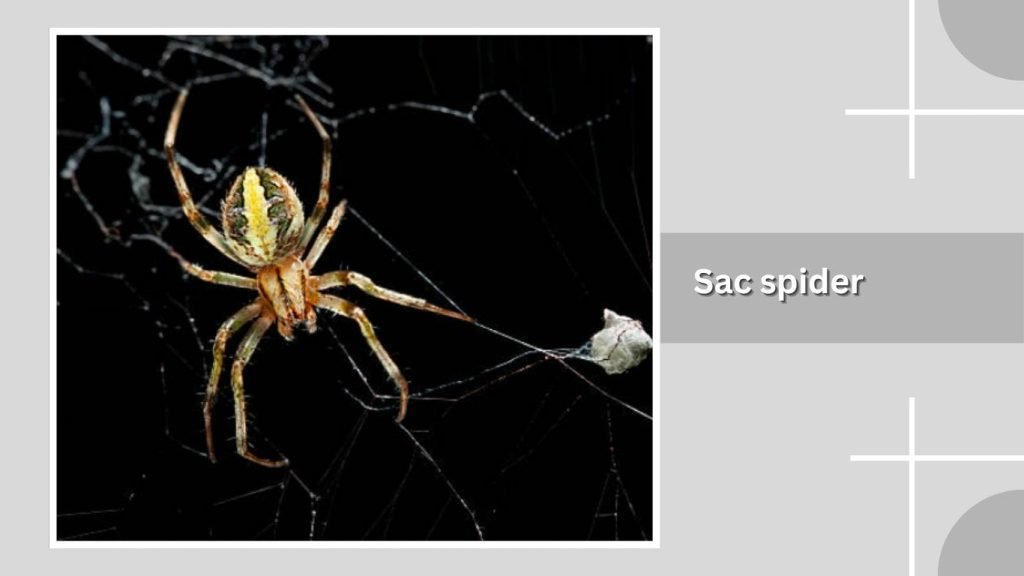
The Sac spider is a common household and outdoor spider known for creating small silk sacs where it rests during the day. Unlike web-building spiders, it actively hunts its prey and is often found roaming at night. It is generally harmless to humans and prefers to avoid contact.
Identification
- Small to medium-sized spider with a pale yellow, beige, or light brown body
- Elongated abdomen with slender legs
- Moves quickly and appears agile
- Lacks large, visible web structures
- Creates small silk sacs for resting rather than trapping prey
Habitat
Sac spiders are commonly found inside homes, along walls, ceilings, corners, and behind furniture. Outdoors, they inhabit gardens, under leaves, bark, and debris. They prefer sheltered, quiet environments where they can hide in their silk retreats during the day.
Behaviors
This species is primarily nocturnal and actively hunts at night. During the day, it rests inside its silk sac. It does not rely on webs to capture prey but instead moves around to hunt. When disturbed, it tends to run away quickly rather than show aggression.
Diet and Lifecycle
Sac spiders feed on small insects and other arthropods that they capture through active hunting. Females lay egg sacs inside their silk retreats and may guard them until hatching. Spiderlings disperse after emerging, while males roam in search of mates and generally have shorter lifespans compared to females.
7. Yellow sac spider
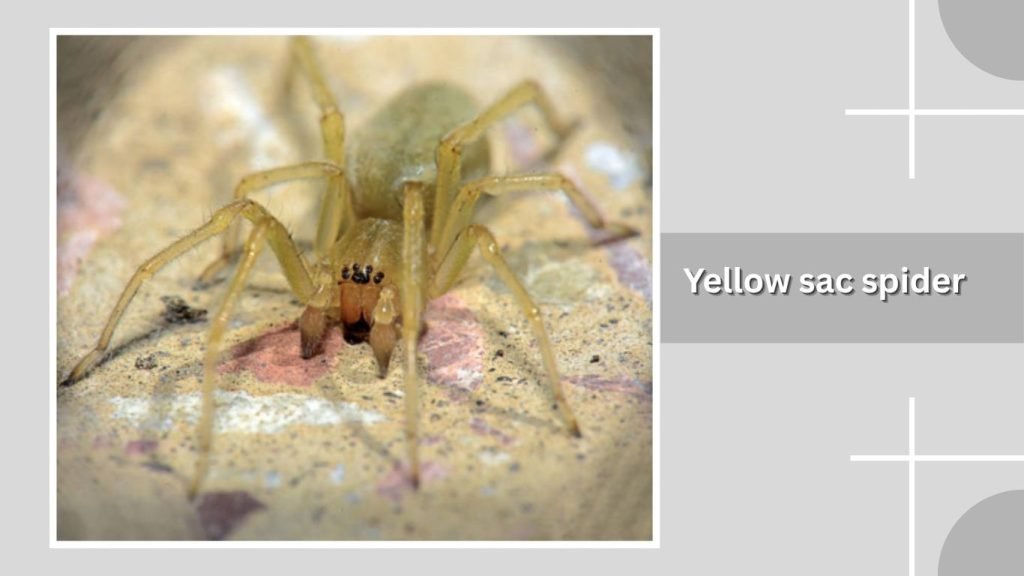
The Yellow sac spider is a small, pale-colored spider commonly found in homes and outdoor vegetation. It is known for its roaming hunting behavior and tendency to build small silk sacs for resting rather than webs for catching prey. Although it can occasionally enter homes, it is generally not aggressive toward humans.
Identification
- Pale yellow to light beige body color
- Small, slender body with relatively long legs
- No prominent markings on the abdomen
- Creates small, tubular silk sacs for resting
- Moves quickly and appears agile
Habitat
Yellow sac spiders are commonly found in gardens, grasslands, under leaves, and on plants. Indoors, they may be seen on walls, ceilings, and corners. They prefer quiet, sheltered areas where they can hide during the day and hunt at night.
Behaviors
This species is primarily nocturnal and actively hunts rather than using webs to capture prey. During the day, it rests inside its silk sac. It is a wandering hunter and may travel across surfaces in search of food. When disturbed, it usually runs away rather than acting defensively.
Diet and Lifecycle
Yellow sac spiders feed on small insects such as flies, aphids, and other soft-bodied arthropods. Females lay egg sacs inside their silk retreats and may guard them. Spiderlings hatch and disperse shortly after emergence. Males roam in search of mates and typically have shorter lifespans than females.
8. Cobweb spider
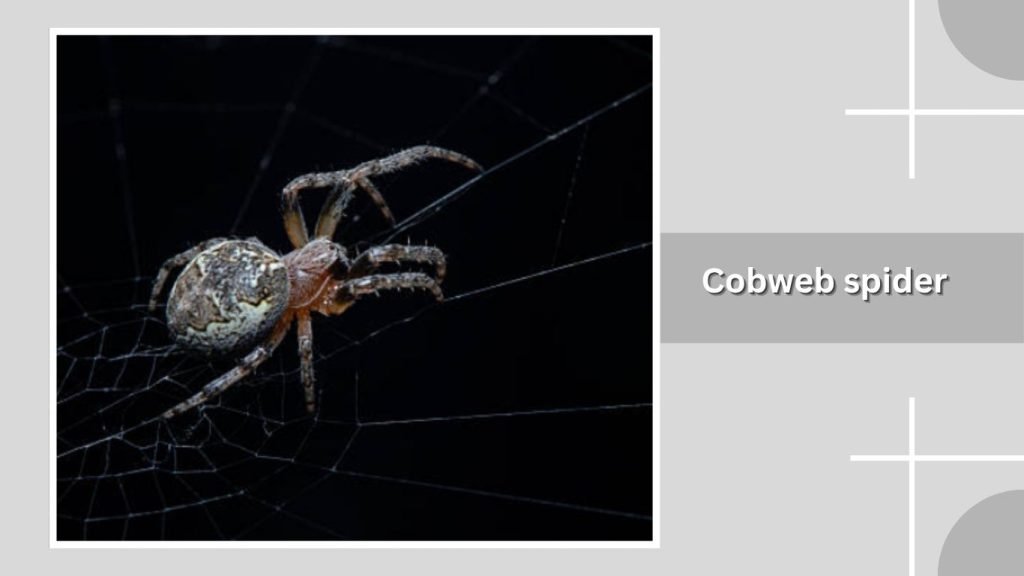
The Cobweb spider is a common household spider known for creating irregular, tangled webs in corners and undisturbed areas. It belongs to a group of spiders that thrive in human environments, where they help control insect populations. These spiders are generally harmless and prefer to remain hidden.
Identification
- Small to medium-sized body with a rounded abdomen
- Color ranges from brown, grey, to black with subtle markings
- Long, thin legs relative to body size
- Builds messy, irregular cobwebs in corners
- Females are typically larger than males
Habitat
Cobweb spiders are commonly found in homes, garages, sheds, basements, and outdoor structures. They prefer quiet, undisturbed areas such as ceiling corners, under furniture, and behind objects. Outdoors, they may inhabit shrubs, fences, and crevices where insects are present.
Behaviors
This species is primarily nocturnal and remains in its web during the day. It waits for vibrations caused by trapped prey and then quickly moves to capture it. Cobweb spiders are generally non-aggressive and will retreat if disturbed rather than confront threats.
Diet and Lifecycle
Cobweb spiders feed on small insects such as flies, ants, and mosquitoes that become entangled in their webs. Females produce egg sacs that are placed within the web or nearby sheltered areas. Spiderlings hatch and disperse to establish their own webs. Males have shorter lifespans and primarily search for females during the breeding period.
9. House jumping spider
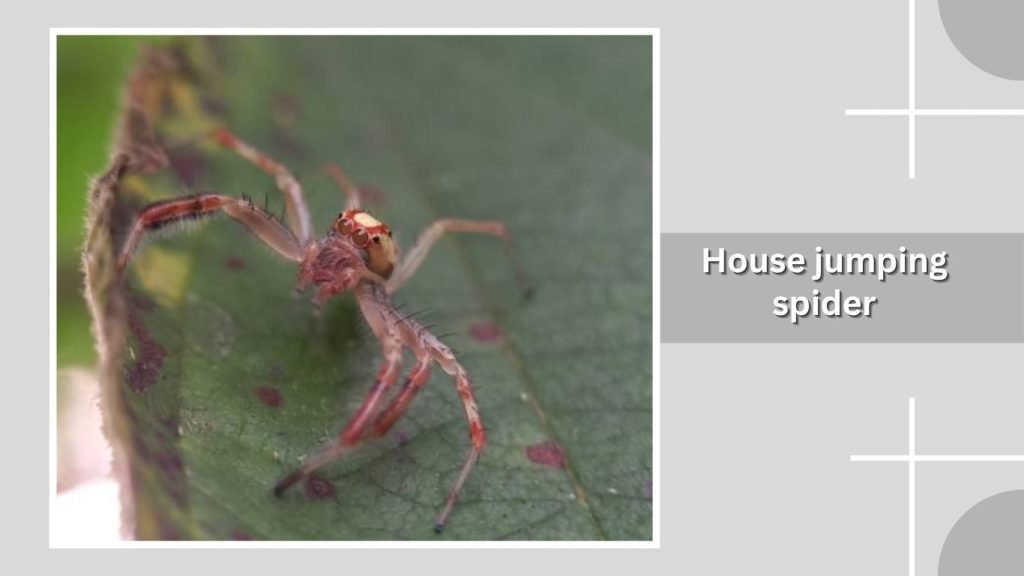
The House jumping spider is a small, active spider commonly found inside homes and around windows, walls, and ceilings. It belongs to the jumping spider family, known for excellent vision and agile movements. Unlike web-building spiders, it hunts its prey by jumping. It is harmless to humans and often regarded as beneficial due to its insect-hunting behavior.
Identification
- Small, compact body with a slightly hairy appearance
- Typically black, brown, or dark grey with lighter markings
- Large, forward-facing eyes that give it excellent vision
- Short, stout legs compared to other spiders
- Moves in short, quick jumps rather than crawling slowly
Habitat
House jumping spiders are commonly found indoors on walls, windowsills, ceilings, and near light sources where insects gather. Outdoors, they inhabit gardens, fences, and vegetation. They prefer well-lit areas where they can easily spot and track prey.
Behaviors
This species is diurnal (active during the day) and relies heavily on its vision for hunting. It stalks and pounces on prey rather than using webs. House jumping spiders are curious but non-aggressive and may observe movement before reacting. They often avoid confrontation with humans.
Diet and Lifecycle
House jumping spiders feed on small insects such as flies, ants, and other small arthropods. Females lay eggs in silk nests and guard them until hatching. Spiderlings emerge and develop through several stages before adulthood. Males are often more mobile, seeking out females during mating periods and typically have shorter lifespans.
10. Wolf spider
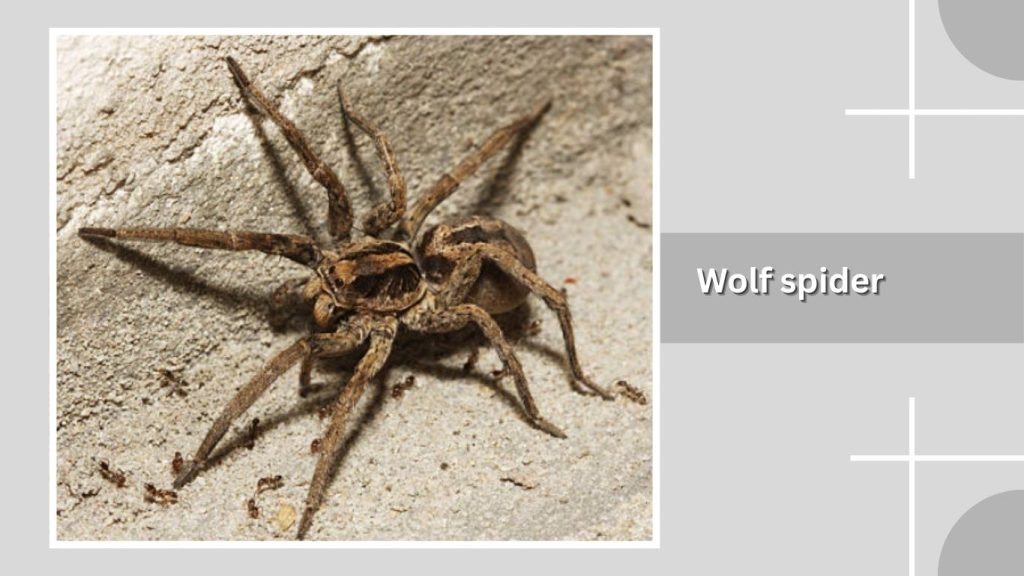
The Wolf spider is a large, fast-moving ground-dwelling spider commonly found in homes, gardens, and natural environments. Unlike many spiders, it does not build webs to catch prey but actively hunts on the ground. Although its size and appearance can be intimidating, it is generally harmless to humans and plays an important role in controlling insect populations.
Identification
- Medium to large-sized spider with a robust, hairy body
- Brown, grey, or black coloration with subtle striping or patterns
- Eight eyes arranged in three rows, with prominent front eyes
- Long, strong legs adapted for running
- Females are larger and may carry egg sacs attached to their abdomen
Habitat
Wolf spiders are commonly found in grasslands, forests, gardens, and under rocks, logs, and leaf litter. Indoors, they may enter homes through doors or cracks, often seeking shelter in basements, garages, and ground-level spaces. They prefer ground-level environments rather than elevated areas.
Behaviors
This species is nocturnal and relies on speed and agility to hunt prey. It does not build webs but actively chases down insects. Wolf spiders are solitary and may carry their egg sacs with them. When threatened, they may flee quickly rather than display aggression, though they can defend themselves if provoked.
Diet and Lifecycle
Wolf spiders feed on a variety of insects and other small arthropods. Females carry their egg sacs attached to their spinnerets and later carry spiderlings on their back after hatching. The young eventually disperse and grow independently through multiple stages before reaching maturity. Males typically roam in search of mates and have shorter lifespans than females.
11. Orb-weaver spider
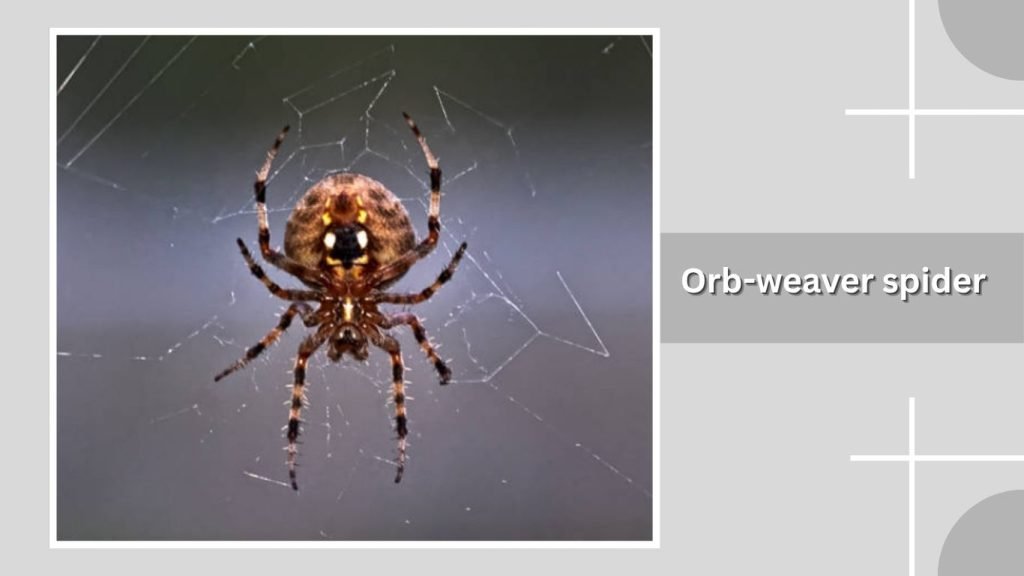
The Orb-weaver spider is a well-known group of spiders recognized for their intricate, wheel-shaped webs. These spiders are commonly found in gardens, forests, and near human dwellings where they build large, symmetrical webs to capture flying insects. Despite their sometimes large size, they are harmless to humans and are considered beneficial for pest control.
Identification
- Medium to large-sized spider with a rounded abdomen
- Color varies widely: brown, yellow, orange, or patterned
- Long legs often held in pairs while resting
- Distinct circular (orb-shaped) web structure
- Females are typically larger and more visible than males
Habitat
Orb-weaver spiders are commonly found outdoors in gardens, trees, shrubs, and between buildings or fences. They build their webs in open spaces where flying insects are abundant. During the day, they may hide nearby in leaves or silk retreats attached to the web.
Behaviors
These spiders are primarily nocturnal, often building or repairing their webs at night. During the day, they remain still in a concealed area near the web. They wait patiently for prey to become trapped in the sticky web and rarely show aggression toward humans.
Diet and Lifecycle
Orb-weavers feed mainly on flying insects such as flies, moths, and mosquitoes. Females produce egg sacs that are often hidden in vegetation or attached near the web. Spiderlings hatch and disperse, sometimes using ballooning (riding air currents). Males have shorter lifespans and typically roam in search of females for mating.
12. Spitting spider
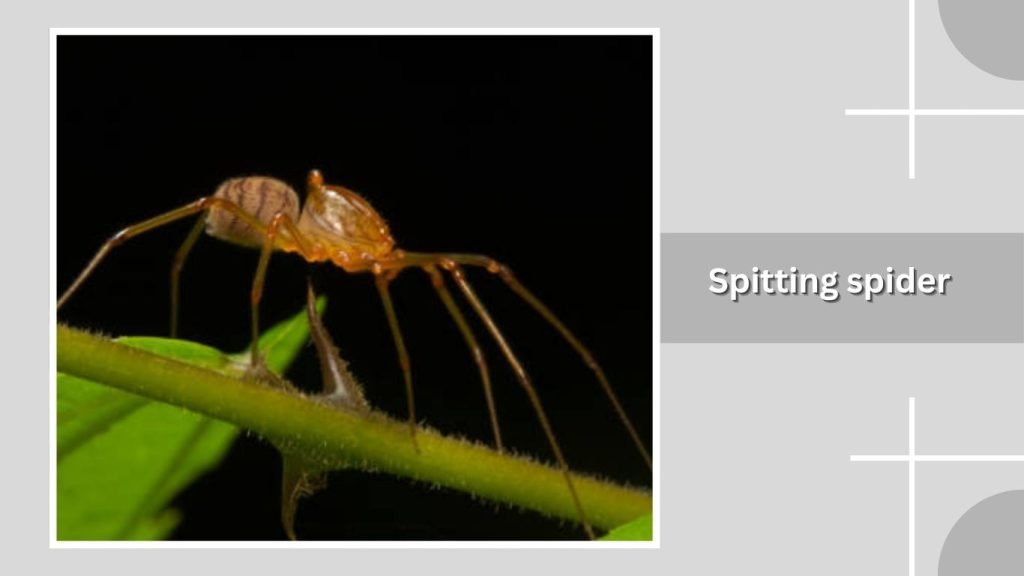
The Spitting spider is a unique species known for its unusual hunting method of spraying a sticky, venomous silk-like substance to immobilize prey. It is typically small and slow-moving, often found indoors and in sheltered outdoor areas. Despite its unusual behavior, it is harmless to humans and rarely comes into contact with people.
Identification
- Small spider with a rounded or slightly elongated body
- Pale yellow to light brown coloration with dark markings
- Distinctive dome-shaped cephalothorax
- Long, slender legs
- Moves slowly compared to other active hunters
Habitat
Spitting spiders are commonly found in homes, basements, garages, and other quiet indoor areas. Outdoors, they may inhabit under rocks, bark, leaf litter, and crevices. They prefer dry, sheltered environments where they can remain hidden and ambush prey.
Behaviors
This species is nocturnal and relies on its unique spitting mechanism to capture prey. It sprays a sticky, venom-laced substance from its mouthparts in a zigzag pattern to trap insects. It is generally non-aggressive and avoids confrontation with humans, remaining hidden during the day.
Diet and Lifecycle
Spitting spiders feed on small insects such as flies, ants, and other arthropods. They immobilize prey using their spitting technique before consuming it. Females lay eggs in silk sacs placed in safe, hidden locations. Spiderlings emerge and disperse after hatching. Males actively search for females and typically have shorter lifespans than females.
13. Crab spider
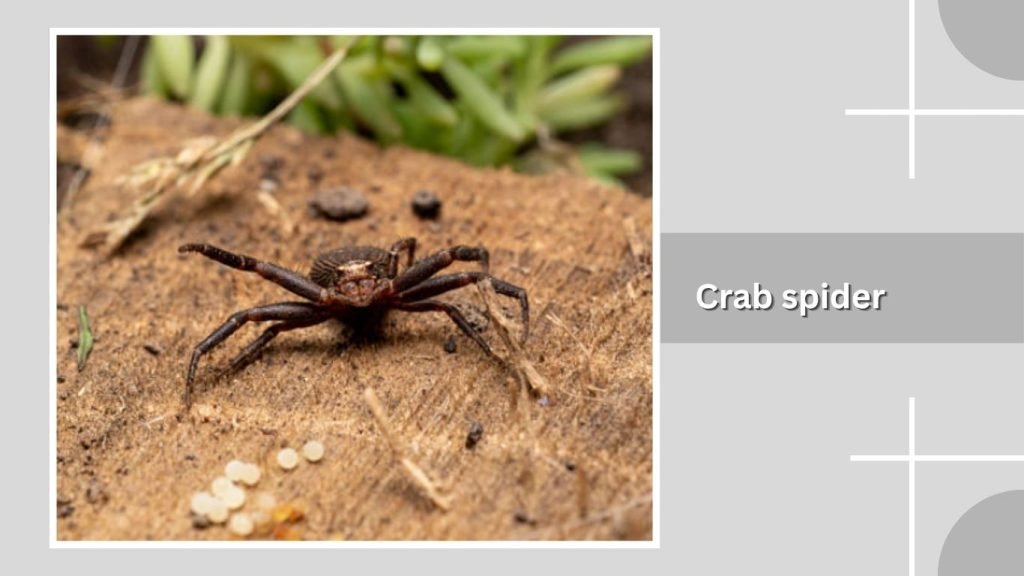
The Crab spider is a distinctive species known for its crab-like appearance and ability to walk sideways or backwards. It is commonly found on flowers and vegetation, where it waits to ambush prey rather than building webs. This spider is harmless to humans and is considered beneficial due to its role in controlling insect populations.
Identification
- Small to medium-sized body with a flattened, broad shape
- Legs extend sideways, resembling a crab’s stance
- Color varies (white, yellow, green, or brown), sometimes able to blend with surroundings
- Front two pairs of legs are longer and stronger for grabbing prey
- Does not build webs for hunting
Habitat
Crab spiders are typically found on flowers, leaves, shrubs, and grasses. They prefer areas where pollinating insects are abundant. Outdoors is their primary habitat, though they may occasionally be seen near windows or indoor plants.
Behaviors
This species is an ambush predator that remains still while waiting for prey to approach. It can change its body color slightly in some species to match the flower it inhabits. Crab spiders rely on stealth and patience rather than active pursuit or web-building.
Diet and Lifecycle
Crab spiders feed on insects such as flies, bees, butterflies, and other small arthropods that visit flowers. Females lay egg sacs on foliage and guard them until hatching. Spiderlings disperse after emergence and develop through several stages. Males are smaller, more mobile, and primarily search for females during mating periods.
14. Long-bodied cellar spider
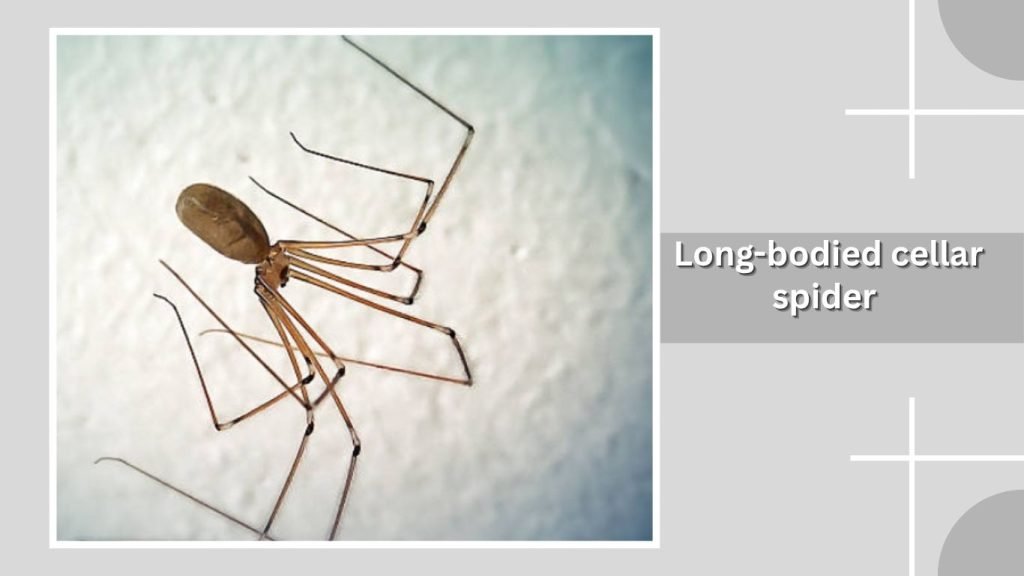
The Long-bodied cellar spider is a slender spider commonly found in dark, damp areas of homes such as basements, cellars, and corners of rooms. It is closely related to other cellar spiders and is known for its elongated abdomen and very long legs. Despite its appearance, it is harmless to humans and helps reduce populations of small insects and other spiders.
Identification
- Very long, narrow abdomen compared to other spiders
- Extremely long, thin, delicate legs
- Light brown to pale grey coloration
- Small body size with a fragile appearance
- Often hangs upside down in loose, irregular webs
Habitat
Long-bodied cellar spiders are typically found in basements, garages, crawl spaces, bathrooms, and other damp, low-light indoor environments. Outdoors, they may inhabit shaded crevices, under rocks, or in sheltered vegetation. They prefer quiet, undisturbed areas where their webs can remain intact.
Behaviors
This species is generally non-aggressive and remains in its web most of the time. It may vibrate rapidly when disturbed, a behavior thought to confuse predators. It captures prey by wrapping them in silk rather than actively hunting. It rarely leaves its web unless necessary.
Diet and Lifecycle
Long-bodied cellar spiders feed on small insects and occasionally other spiders that become trapped in their webs. Females produce egg sacs that are often carried or kept within the web. Spiderlings emerge and disperse after hatching. Males have shorter lifespans and spend much of their time searching for mates.
15. Brown recluse spider
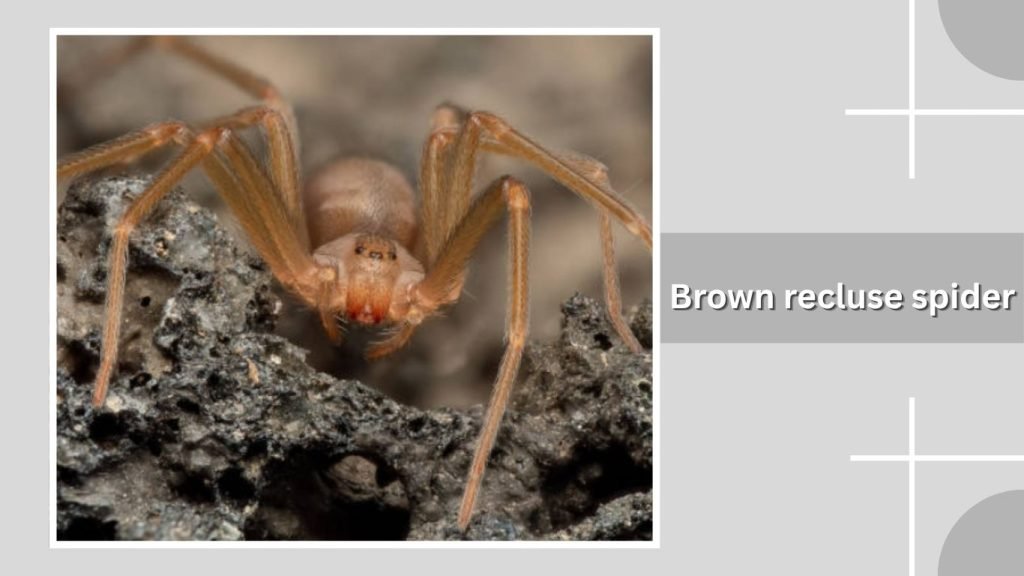
The Brown recluse spider is a well-known species recognized for its violin-shaped marking on the back of its body. It is typically found in undisturbed indoor areas such as closets, basements, and storage spaces. Unlike web-building spiders, it is a reclusive hunter that prefers to avoid contact with humans. While its bite can be medically significant, it generally only bites when provoked.
Identification
- Light to medium brown body with a darker violin-shaped marking on the cephalothorax
- Smooth, uniform coloration without distinct stripes or patterns on the legs
- Six eyes arranged in pairs (unlike most spiders with eight eyes)
- Long, thin legs without obvious spines or bands
- Small to medium size with a relatively flat body
Habitat
Brown recluse spiders are commonly found in undisturbed indoor areas such as attics, basements, closets, behind furniture, and inside boxes. Outdoors, they may live under rocks, logs, or debris. They prefer dry, dark, and sheltered environments where they can hide during the day.
Behaviors
This species is nocturnal and avoids open spaces. It does not build webs to catch prey but instead creates small, irregular retreats where it rests. It is shy and non-aggressive, typically retreating when disturbed. Bites are rare and usually occur only when the spider is trapped against skin.
Diet and Lifecycle
Brown recluse spiders feed on small insects and other arthropods. They hunt at night using stealth rather than webs. Females lay egg sacs in hidden locations, and spiderlings emerge and disperse shortly after hatching. The species has a relatively long lifespan compared to many other spiders, and males roam in search of mates.
16. Daddy long-legs spider
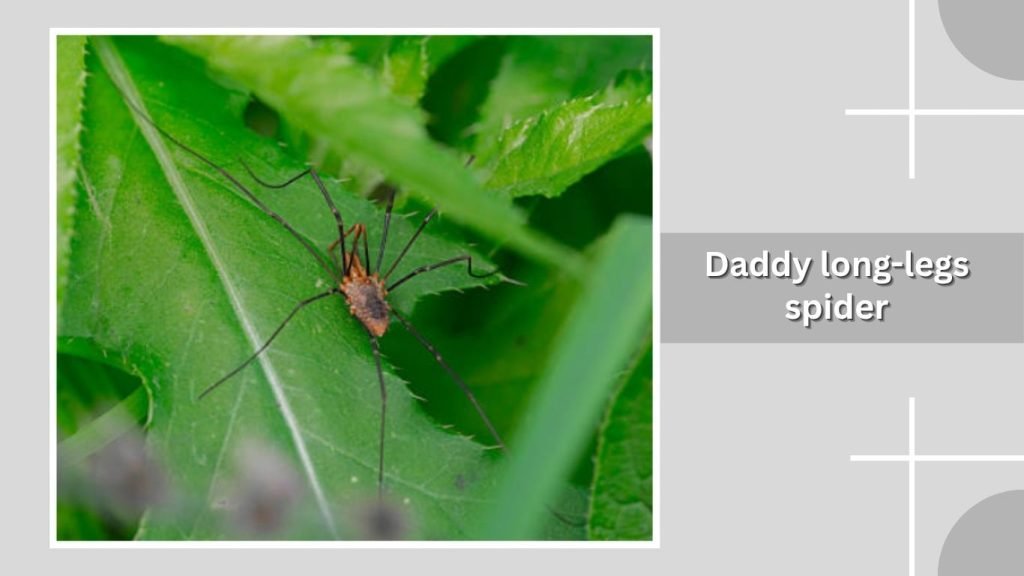
The Daddy long-legs spider is a common household name often used to describe cellar spiders, which are known for their extremely long, thin legs and delicate bodies. These spiders are frequently found in corners of homes, basements, and garages, where they build loose webs to catch prey. They are harmless to humans and help reduce insect populations.
Identification
- Extremely long, thin, and fragile-looking legs
- Small, narrow body that is usually pale grey or light brown
- Often seen hanging upside down in webs
- Legs may appear much longer than the body size
- Delicate and lightweight appearance
Habitat
Daddy long-legs spiders are commonly found in basements, ceilings, corners of rooms, garages, and other quiet indoor spaces. Outdoors, they may inhabit shaded, sheltered areas such as under rocks, bark, or in crevices. They prefer damp and undisturbed environments where their webs can remain intact.
Behaviors
This species is generally non-aggressive and remains in its web most of the time. It vibrates when disturbed, which may help deter predators. It captures prey by wrapping it in silk rather than actively hunting. It avoids human contact and usually stays hidden unless feeding or disturbed.
Diet and Lifecycle
Daddy long-legs spiders feed on small insects such as flies, mosquitoes, and other tiny arthropods. Females lay egg sacs within the web and may guard them. After hatching, spiderlings disperse to establish their own webs. Males roam in search of mates and typically have shorter lifespans than females.
17. Common jumping spider
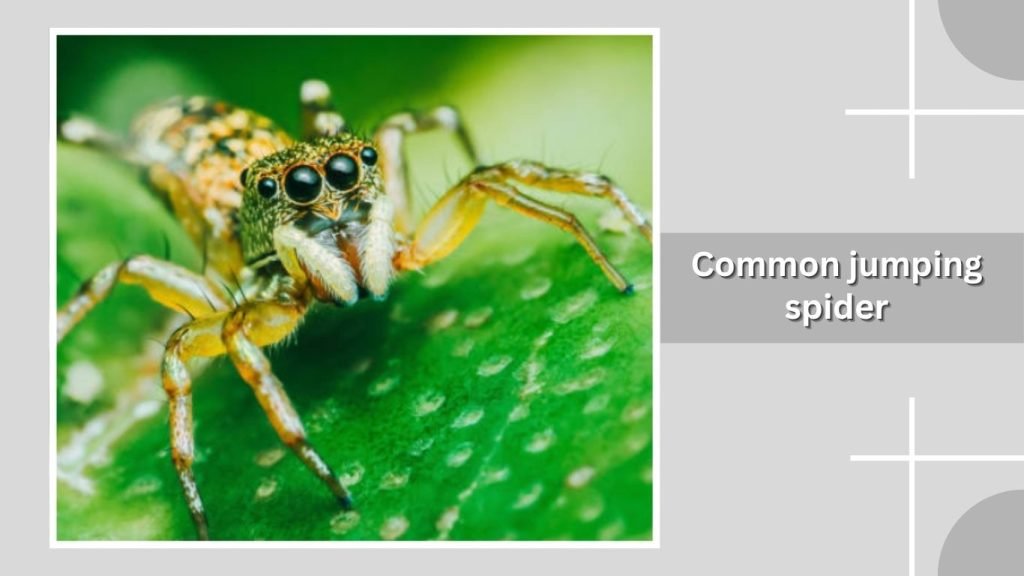
The Common jumping spider is a small, active spider known for its excellent vision and agile jumping ability. It is frequently found in and around homes, especially on walls, windows, and sunny surfaces. Unlike web-building spiders, it hunts by stalking and leaping onto its prey. It is harmless to humans and often considered beneficial for controlling small insects.
Identification
- Small, compact, and slightly hairy body
- Typically black, brown, or dark grey with white or colorful markings
- Large, forward-facing eyes that give excellent vision
- Short, stout legs compared to other spiders
- Moves in short, precise jumps rather than crawling slowly
Habitat
Common jumping spiders are found indoors on walls, windowsills, ceilings, and near light sources where insects gather. Outdoors, they inhabit gardens, fences, plants, and sunny areas. They prefer well-lit environments where they can spot and track prey easily.
Behaviors
This species is diurnal and actively hunts during the day. It relies on its vision to stalk and ambush prey with quick, precise jumps. Common jumping spiders are curious and may observe movement, but they are non-aggressive and avoid confrontation with humans.
Diet and Lifecycle
Common jumping spiders feed on small insects such as flies, ants, and other arthropods. Females lay eggs in silk nests and guard them until they hatch. Spiderlings develop through several stages before reaching adulthood. Males roam in search of mates and typically have shorter lifespans than females.
18. Cupboard spider
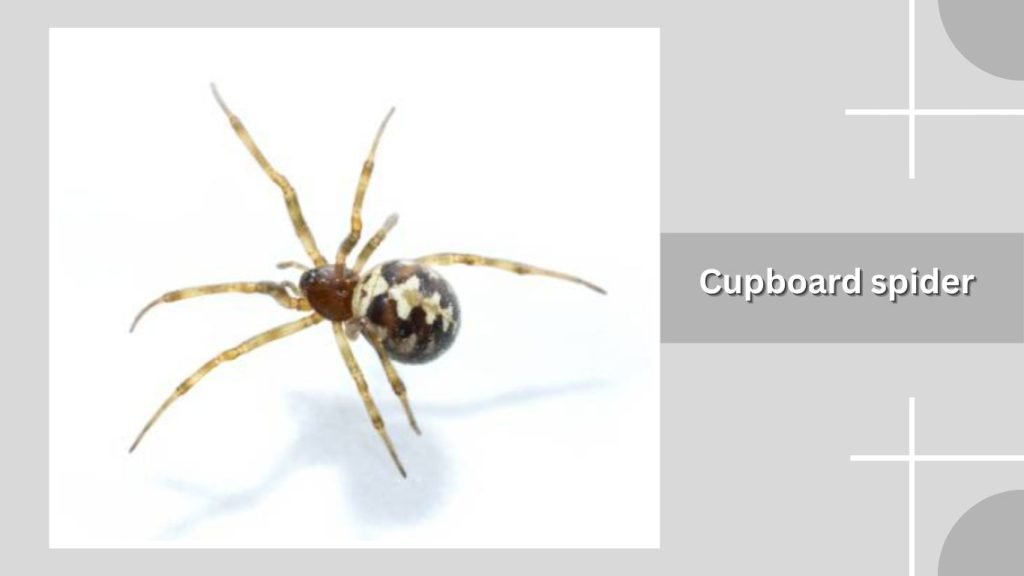
The Cupboard spider is a common indoor spider known for building messy, irregular webs in dark, undisturbed areas such as cupboards, storage spaces, and corners of rooms. It is often mistaken for other house spiders but is distinguished by its distinctive web structure and markings. Despite its presence in homes, it is harmless to humans and helps control insect populations.
Identification
- Medium-sized spider with a rounded abdomen
- Dark brown or black coloration with light patterns or markings
- Long, slender legs relative to body size
- Builds tangled, irregular cobwebs in hidden areas
- Females are larger and more robust than males
Habitat
Cupboard spiders are typically found indoors in cupboards, closets, basements, attics, and behind furniture. Outdoors, they may inhabit sheds, garages, and sheltered corners. They prefer quiet, undisturbed environments where their webs can remain intact for capturing prey.
Behaviors
This species is mainly nocturnal and stays in or near its web during the day. At night, it becomes active in maintaining its web and capturing prey. It is generally non-aggressive and will retreat into its web when disturbed rather than confront threats.
Diet and Lifecycle
Cupboard spiders feed on small insects such as flies, ants, and mosquitoes that become trapped in their webs. Females produce egg sacs that are placed within or near the web. Spiderlings emerge after hatching and disperse to create their own webs. Males typically roam in search of females and have shorter lifespans.
19. American grass spider
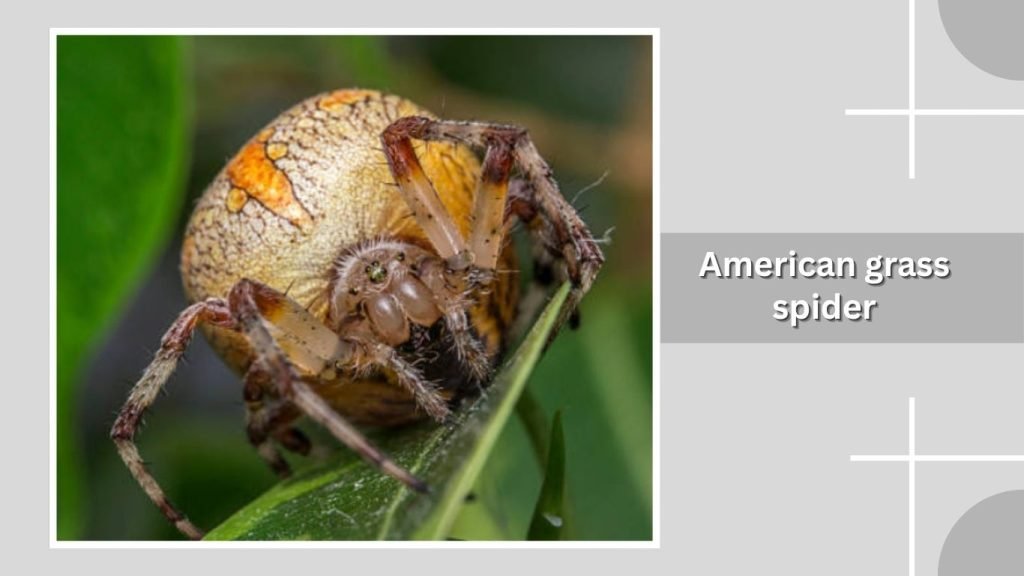
The American grass spider is a fast-moving, ground-dwelling spider commonly found in grassy areas, gardens, and around homes. It is known for building funnel-shaped webs close to the ground and is often mistaken for other similar species. This spider is harmless to humans and plays an important role in controlling insect populations.
Identification
- Medium-sized spider with a brown or grey body
- Long, striped legs adapted for speed
- Distinct dorsal markings with faint patterns
- Builds funnel-shaped webs with a retreat tunnel
- Fast runner when disturbed
Habitat
American grass spiders are typically found in lawns, fields, gardens, and low vegetation. They build their webs close to the ground, often in grass, under rocks, or along building foundations. Outdoors is their primary habitat, but they may occasionally wander indoors.
Behaviors
This species is primarily nocturnal and remains hidden in its funnel retreat during the day. At night, it waits at the entrance of its web to detect vibrations from prey. It is a quick and responsive hunter but avoids human interaction and retreats when disturbed.
Diet and Lifecycle
American grass spiders feed on insects such as crickets, ants, flies, and other small arthropods that wander into their webs. Females lay egg sacs within the web or nearby sheltered areas. Spiderlings hatch and disperse, while males roam in search of mates and typically have shorter lifespans than females.
20. False widow spider
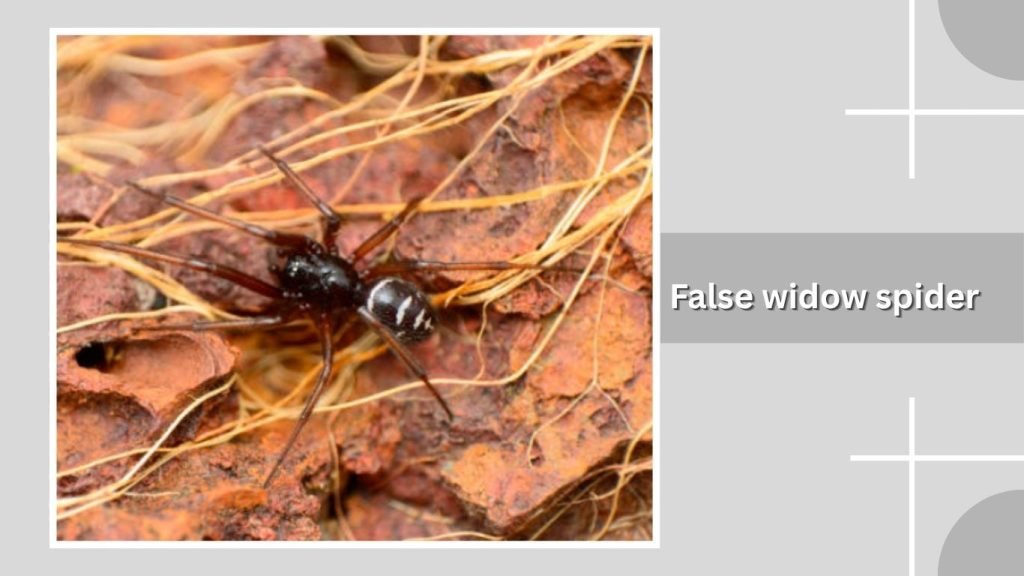
The False widow spider is a common household and outdoor spider that is often mistaken for more dangerous species due to its similar appearance. It has a rounded body and builds messy, irregular webs in sheltered locations. While it possesses venom, it is generally not harmful to humans and is considered low risk.
Identification
- Rounded, bulbous abdomen with a smooth appearance
- Dark brown to black coloration, sometimes with lighter markings
- Medium-sized body with long, slender legs
- Slightly shiny or glossy appearance
- Females are larger and more prominent than males
Habitat
False widow spiders are commonly found in homes, sheds, garages, and around window frames, doorways, and corners. Outdoors, they inhabit fences, walls, and sheltered crevices. They prefer warm, undisturbed areas where their webs can remain intact.
Behaviors
This species is mostly nocturnal and stays in its web during the day. At night, it becomes active in repairing its web and capturing prey. It is generally shy and non-aggressive, typically retreating when disturbed rather than attempting to bite.
Diet and Lifecycle
False widow spiders feed on small insects such as flies, beetles, and other arthropods that become trapped in their webs. Females produce egg sacs that are hidden within the web or nearby sheltered spaces. Spiderlings emerge after hatching and disperse. Males search for females and have shorter lifespans compared to females.
FAQs
What are common house spiders?
Common house spiders are small spiders typically found in homes, especially in corners, ceilings, and basements. Species like the Common house spider build cobwebs to catch insects and are generally harmless to humans.
Are house spiders dangerous to humans?
Most house spiders, including species like the American house spider, are not dangerous to humans. They may bite only if threatened, and their bites are usually mild and non-life-threatening.
Why do spiders enter homes?
Spiders enter homes in search of food, shelter, and a stable environment. They are often attracted by the presence of insects and quiet, undisturbed areas where they can build webs or hide.
How can I prevent spiders in my house?
To reduce spider presence, keep your home clean, reduce clutter, seal cracks and gaps, and control insect populations. Regular cleaning of corners, ceilings, and storage areas also helps discourage spiders like the Cellar spider.
What should I do if I see a spider indoors?
If you see a spider indoors, you can safely relocate it outside using a container or leave it alone if it is harmless. Most house spiders, such as the Black house spider, help control other pests and do not pose a threat.
