
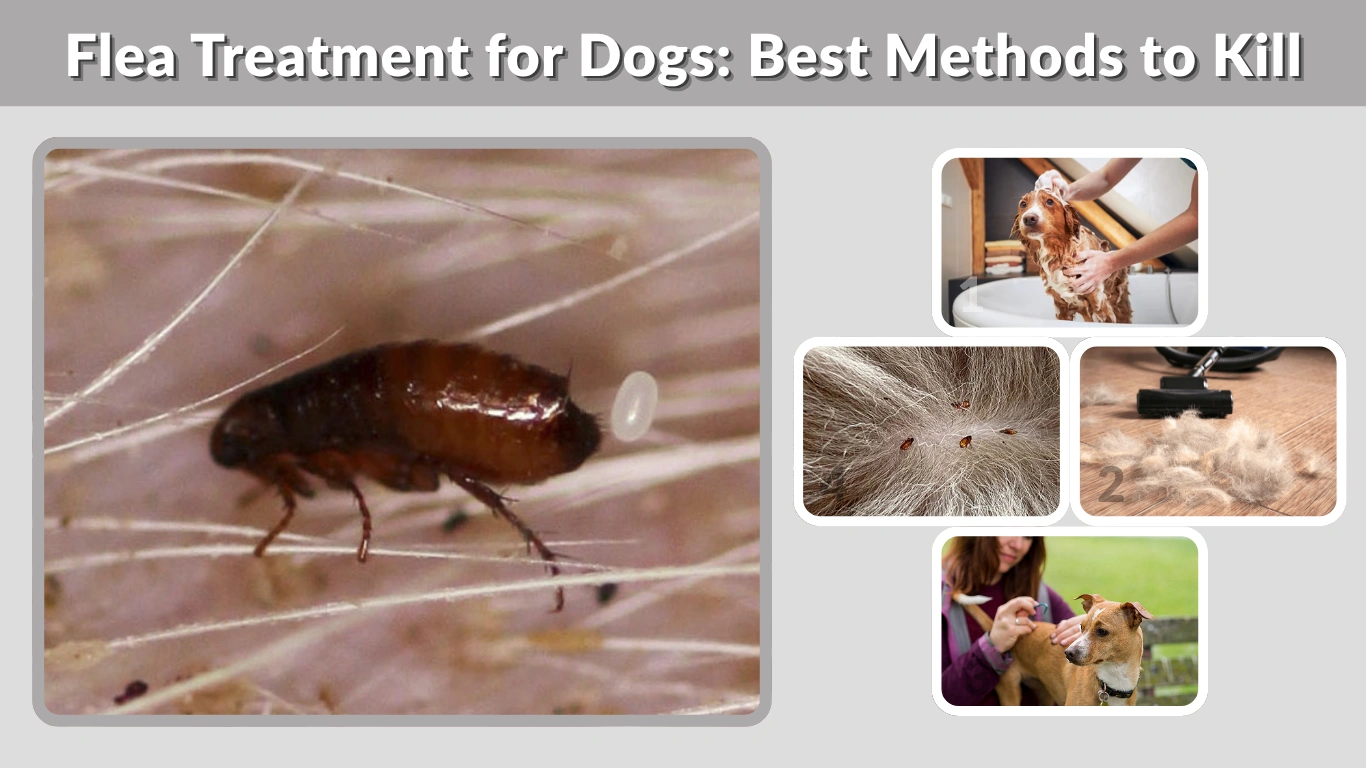
Fleas are one of the most common parasites affecting dogs, causing discomfort, itching, and potential health problems if left untreated. These tiny pests feed on blood and can multiply rapidly, making infestations difficult to control. Effective flea treatment for dogs involves not only killing adult fleas but also targeting their life cycle and preventing reinfestation. In this guide, you’ll learn how to identify fleas on your dog and explore the most effective treatment options available.
What Are Fleas and Why Are They Dangerous for Dogs?
Fleas are small, wingless insects that survive by feeding on the blood of animals, including dogs. Despite their tiny size, they can cause significant irritation and health issues.
Dogs are especially vulnerable because their fur provides an ideal environment for fleas to hide and reproduce. Once fleas infest a dog, they can quickly spread to your home.
If left untreated, flea infestations can lead to serious problems such as skin infections, allergic reactions, and even anemia in severe cases. Fleas can also transmit parasites like tapeworms, making early treatment essential.
Signs Your Dog Has Fleas
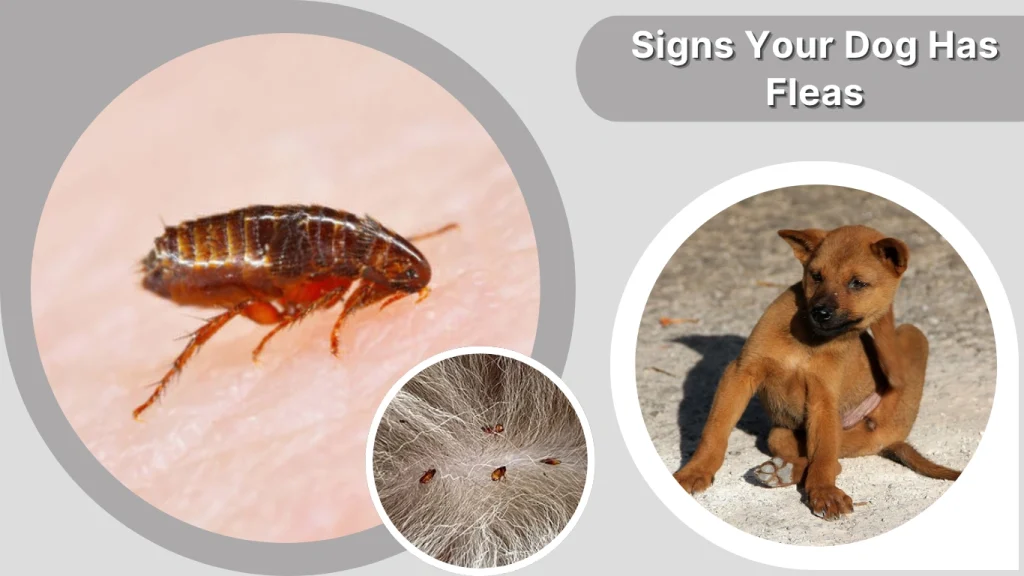
Recognizing the early signs of fleas can help you take quick action before the infestation worsens.
Common Symptoms
One of the most noticeable signs is excessive scratching. Dogs may also bite, chew, or lick their skin more than usual, especially around the neck, tail, and belly.
Skin and Coat Changes
Flea bites can cause redness, irritation, and inflammation. Over time, constant scratching may lead to hair loss, scabs, or hot spots on the skin.
Visible Evidence
You may be able to spot fleas moving through your dog’s fur, especially in light-colored coats. Another clear sign is flea dirt—tiny black specks that look like pepper. These are flea droppings and indicate an active infestation.
Understanding the Flea Life Cycle on Dogs
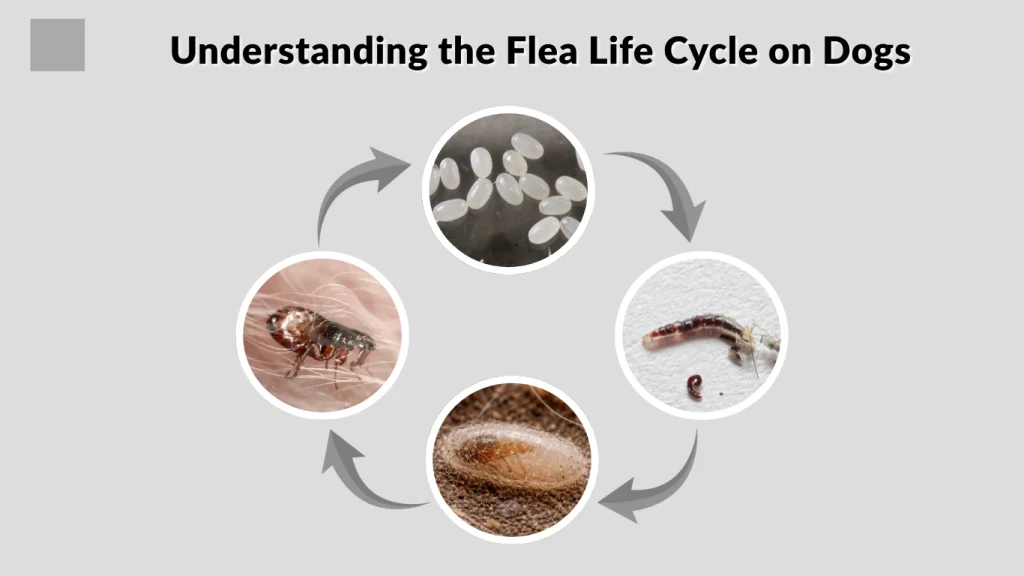
To effectively treat fleas, it’s important to understand their life cycle. Killing only adult fleas is not enough, as eggs and larvae can continue the infestation.
Eggs and Larvae
Fleas lay eggs on your dog, but these often fall into carpets, bedding, and furniture. Larvae then hatch and hide in dark areas, feeding on organic matter.
Pupae Stage
In this stage, fleas form cocoons that protect them from environmental conditions and many treatments. This makes them particularly difficult to eliminate.
Adult Fleas
Adult fleas live on your dog and feed on blood. They begin reproducing quickly, which is why infestations can spread rapidly if not controlled.
Types of Flea Treatment for Dogs
There are several types of flea treatments available, each with its own benefits. Choosing the right option depends on your dog’s needs and the severity of the infestation.
Flea Shampoos
Flea shampoos are a quick way to kill fleas on contact. They provide immediate relief for your dog by removing fleas from the skin and coat. However, their effects are usually short-term, so they should be used alongside other treatments.
Spot-On Treatments (Topical)
Spot-on treatments are applied directly to your dog’s skin, typically between the shoulder blades. These treatments spread across the skin and kill fleas over time. They are easy to use and often provide protection for up to a month.
Oral Medications
Oral flea treatments are given as tablets or chews. They work from within your dog’s body to kill fleas when they bite. Many of these medications act quickly and can eliminate fleas within hours, making them a popular choice for severe infestations.
Flea Collars
Flea collars release chemicals that repel or kill fleas over an extended period. They offer long-term protection and are convenient for ongoing prevention. However, effectiveness can vary depending on the brand and quality.
How to Get Rid of Fleas on Dogs Fast
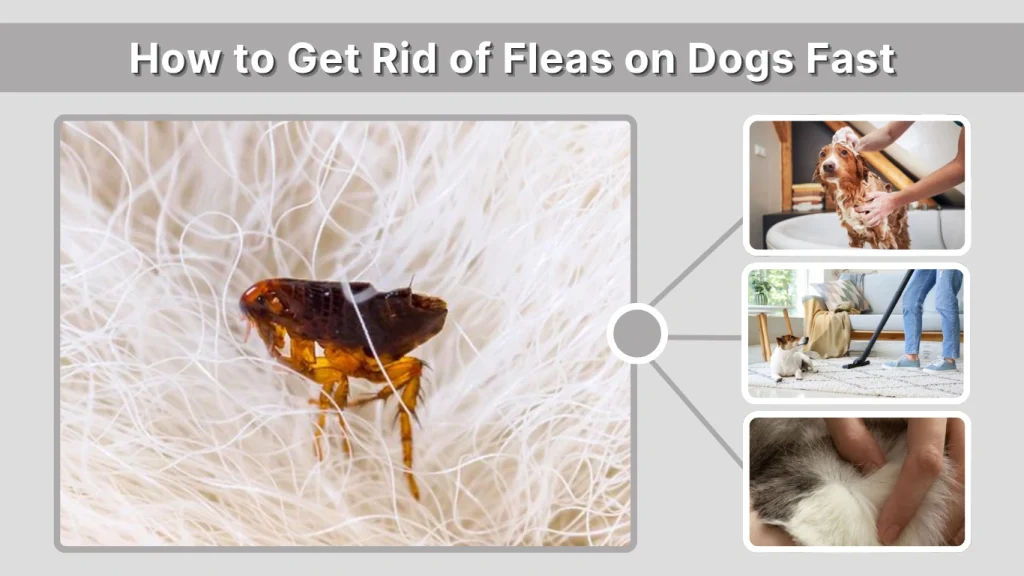
Acting quickly is important when dealing with fleas to prevent them from spreading further.
Immediate Actions
Start by giving your dog a bath using a flea shampoo. This helps remove adult fleas and provides instant relief from itching.
Cleaning the Environment
Since flea eggs and larvae often live in your home, it’s essential to clean thoroughly. Vacuum carpets, furniture, and floors regularly, and wash your dog’s bedding in hot water.
Repeat Treatment
Flea treatment is not a one-time process. Repeating treatments as recommended ensures that newly hatched fleas are eliminated before they can reproduce.
Natural Flea Treatments for Dogs
Some dog owners prefer natural methods to control fleas, especially for mild infestations or sensitive pets. While these remedies can help, they may not always be as effective as medical treatments.
Home Remedies
Apple cider vinegar is often used as a natural flea repellent. Mixing it with water and spraying lightly on your dog’s coat may help deter fleas. Lemon-based sprays are another option, as fleas dislike citrus scents.
Herbal Solutions
Certain plant-based ingredients, such as neem oil or lavender, are believed to repel fleas. However, essential oils should be used with caution, as some can be harmful to dogs if not diluted properly.
Limitations of Natural Methods
Natural remedies may reduce fleas but rarely eliminate a full infestation. For severe cases, combining natural methods with vet-approved treatments is usually more effective.
Treating Your Home Alongside Your Dog
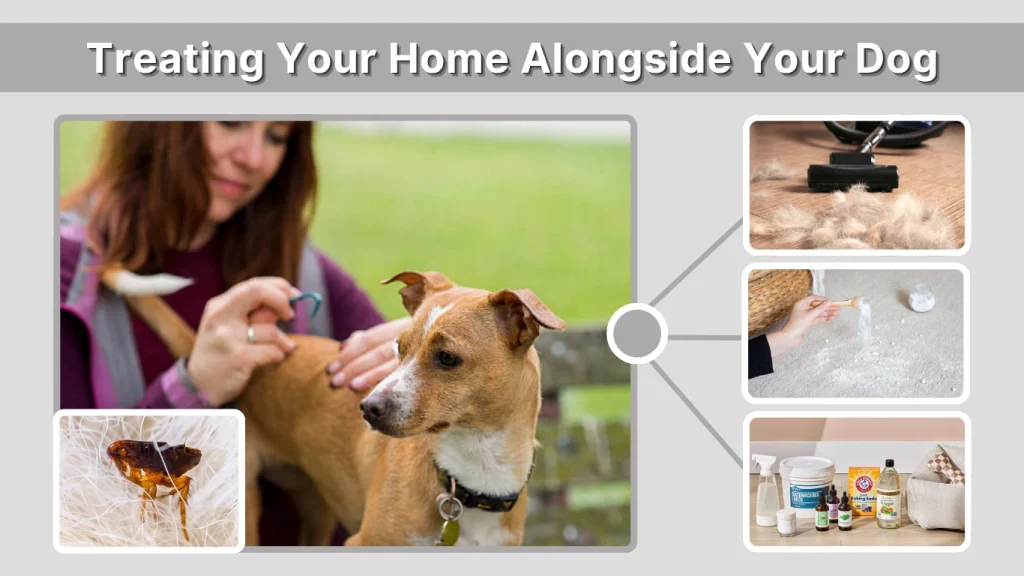
Flea treatment is not complete without addressing your home environment. Fleas can survive in carpets, furniture, and bedding, leading to reinfestation.
Cleaning Tips
Vacuum your home frequently, focusing on areas where your dog spends time. Dispose of vacuum bags immediately to prevent fleas from escaping. Wash all fabrics, including pet bedding, in hot water.
Indoor Flea Control Products
Flea sprays and powders can help eliminate fleas from your home. These products target eggs, larvae, and adult fleas, making them an important part of the treatment process.
How to Prevent Fleas on Dogs
Preventing fleas is much easier than dealing with an active infestation. Consistent care and preventive measures can keep your dog flea-free.
Regular Grooming
Brush your dog regularly and use a flea comb to check for signs of fleas. Early detection can prevent a small problem from becoming serious.
Preventive Medications
Monthly flea prevention treatments are one of the most effective ways to protect your dog. These products are designed to stop fleas before they become a problem.
Outdoor Protection
Keep your yard clean by trimming grass and removing debris. Fleas thrive in warm, shaded areas, so reducing these conditions can help minimize risk.
When to See a Veterinarian
In some cases, professional help is necessary to manage flea problems effectively.
- If your dog has severe itching, redness, or skin infections
- If flea treatments are not working
- If your dog shows signs of an allergic reaction
- If puppies or older dogs are affected
A veterinarian can recommend the safest and most effective treatment based on your dog’s age, size, and health condition.
FAQs
What is the fastest flea treatment for dogs?
Oral medications are often the fastest option, as they can begin killing fleas within hours.
How often should I treat my dog for fleas?
Most flea treatments are applied monthly, but it’s best to follow the specific product instructions or consult your vet.
Can I use natural remedies only?
Natural remedies can help in mild cases, but they may not fully eliminate fleas. Combining them with medical treatments is often more effective.
Are flea treatments safe for puppies?
Some flea treatments are safe for puppies, but not all. Always choose products specifically designed for young dogs and consult a veterinarian if unsure.
Conclusion
Flea treatment for dogs requires a comprehensive approach that includes treating your pet, cleaning your home, and preventing future infestations. By understanding the different treatment options and acting quickly, you can protect your dog from discomfort and health risks. Consistent care, regular grooming, and preventive treatments are the keys to keeping your dog happy, healthy, and free from fleas.
