
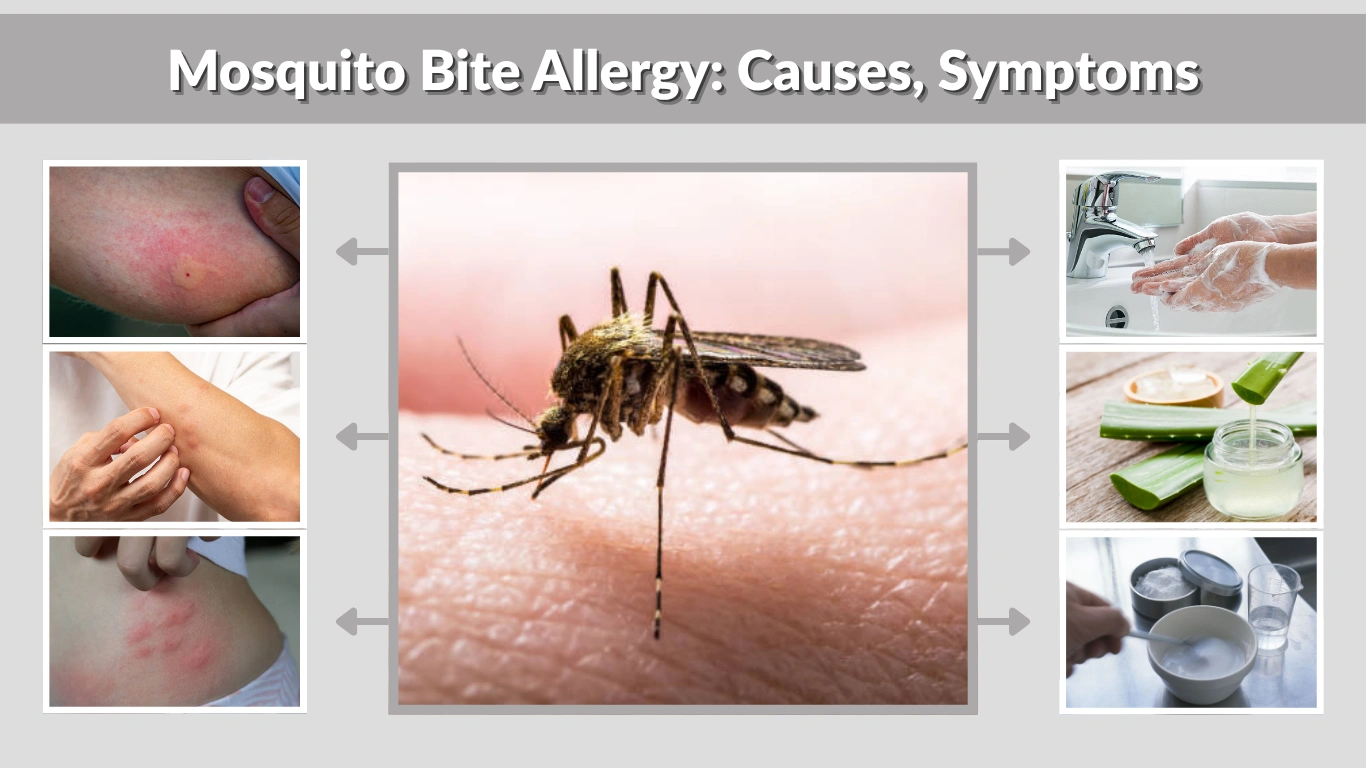
Mosquito bites are common, but for some people, they trigger more than just mild itching. A mosquito bite allergy occurs when the immune system overreacts to proteins in mosquito saliva, leading to excessive swelling, redness, and discomfort. In certain cases, the reaction can become severe and require medical attention. Understanding the causes, symptoms, and early warning signs can help you manage the condition effectively and avoid complications.
What Is a Mosquito Bite Allergy?
A mosquito bite allergy is an exaggerated immune response to the saliva injected by a mosquito during a bite. While most people experience small, itchy bumps, allergic individuals may develop large, painful swelling and intense itching.
This condition is often referred to as Skeeter syndrome, a term used to describe significant localized allergic reactions. Unlike normal bites, these reactions can look alarming and may last longer.
When a mosquito bites, it releases saliva containing proteins that prevent blood clotting. In allergic individuals, the immune system identifies these proteins as harmful, triggering the release of histamines and other chemicals. This leads to inflammation, redness, and swelling at the bite site.
Causes of Mosquito Bite Allergy
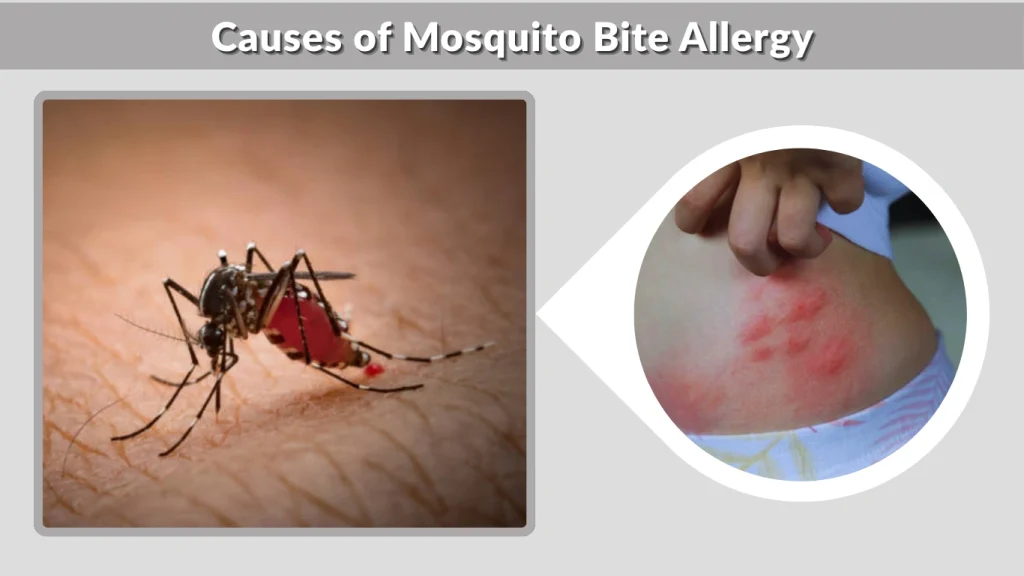
The main cause of mosquito bite allergy is the body’s sensitivity to proteins found in mosquito saliva. However, several factors can increase the likelihood or severity of the reaction:
- Immune system response: Some people have a stronger immune reaction to insect bites.
- Lack of prior exposure: Individuals traveling to new regions may react more strongly to unfamiliar mosquito species.
- Age: Children are more likely to develop stronger reactions because their immune systems are still developing.
- Weakened immunity: People with compromised immune systems may experience unusual reactions.
Repeated exposure over time can sometimes reduce sensitivity, but in other cases, reactions may persist or worsen.
Symptoms of Mosquito Bite Allergy
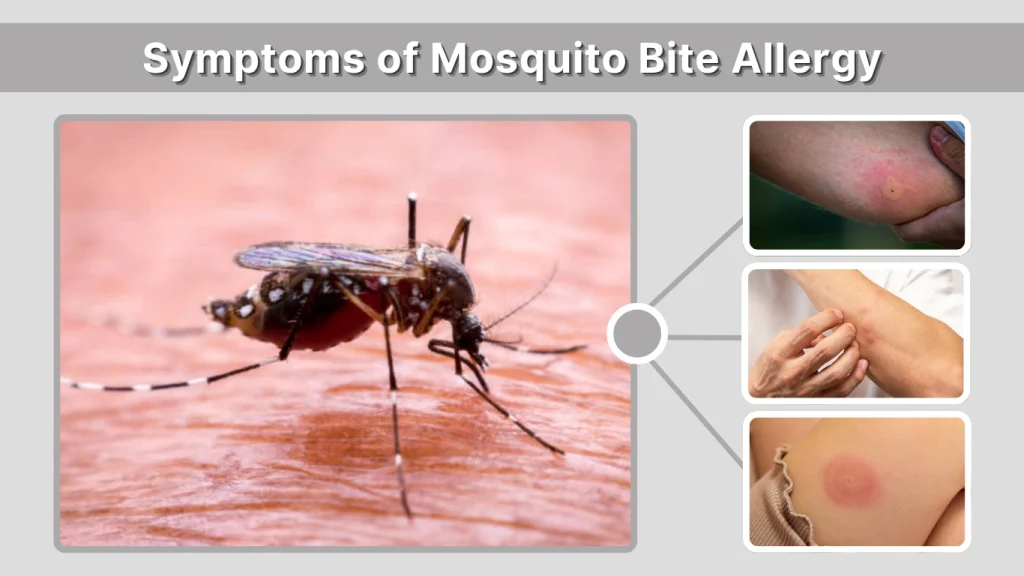
Symptoms can vary from mild irritation to more serious reactions. Recognizing the difference is important for proper care.
Mild Symptoms
- Small red bump
- Mild itching
- Slight swelling
These are normal reactions and usually resolve within a few hours to a couple of days.
Moderate Symptoms
- Large, raised swelling around the bite
- Warmth and redness
- Pain or tenderness
- Occasional blistering
This type of reaction is more typical in people with mosquito bite allergies and may last several days.
Severe Symptoms (Rare but Serious)
- Fever
- Extensive swelling beyond the bite area
- Hives
- Difficulty breathing (in extreme cases)
Severe symptoms may indicate a serious allergic reaction and require immediate medical attention.
What Is Skeeter Syndrome?
Skeeter syndrome is a term used to describe a strong allergic reaction to mosquito bites. It often involves significant swelling, redness, and sometimes fever. The affected area may become hot, firm, and painful, resembling an infection.
This condition is more common in:
- Children
- People with limited exposure to mosquitoes
- Individuals with sensitive immune systems
Unlike infections, Skeeter syndrome is not caused by bacteria. However, it can sometimes be mistaken for cellulitis due to similar symptoms.
How Long Does a Mosquito Bite Allergy Last?
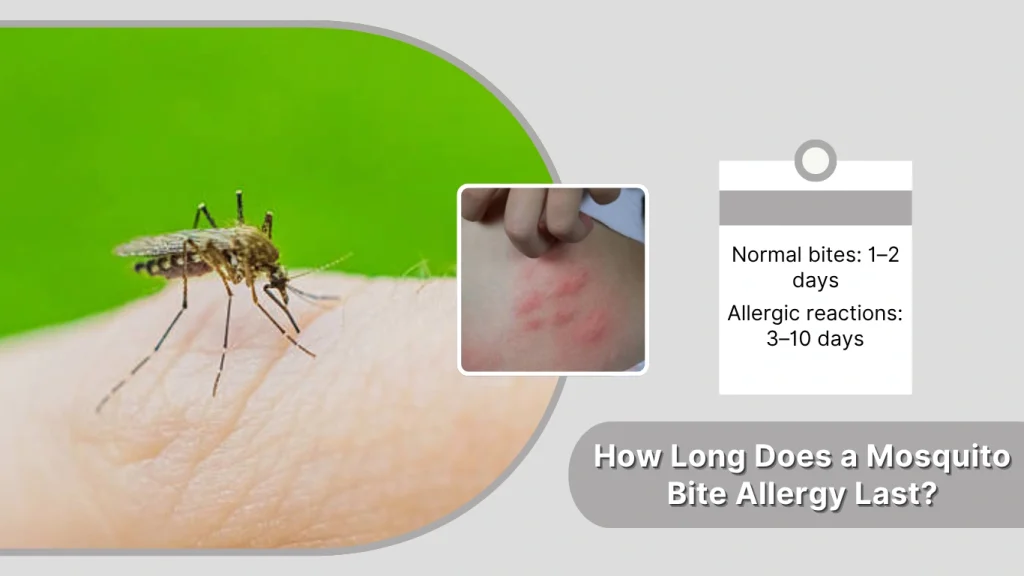
The duration of a mosquito bite allergy depends on the severity of the reaction and the individual’s immune response.
- Normal bites: 1–2 days
- Allergic reactions: 3–10 days
- Severe reactions: May last longer and require treatment
Several factors can influence healing time, including scratching, secondary infection, and overall skin sensitivity.
If swelling continues to worsen after a few days or is accompanied by fever, it’s important to seek medical advice.
Diagnosis of Mosquito Bite Allergy
In most cases, mosquito bite allergy is diagnosed based on visible symptoms and medical history. Doctors typically evaluate:
- Size and appearance of the swelling
- Duration of the reaction
- Frequency of similar reactions
Allergy testing is rarely required unless reactions are severe or unusual. In some cases, doctors may rule out infections or other insect bites.
You should consider seeing a doctor if:
- The swelling is extremely large or painful
- Symptoms worsen over time
- There are signs of infection (pus, increased redness, warmth)
Treatment for Mosquito Bite Allergy
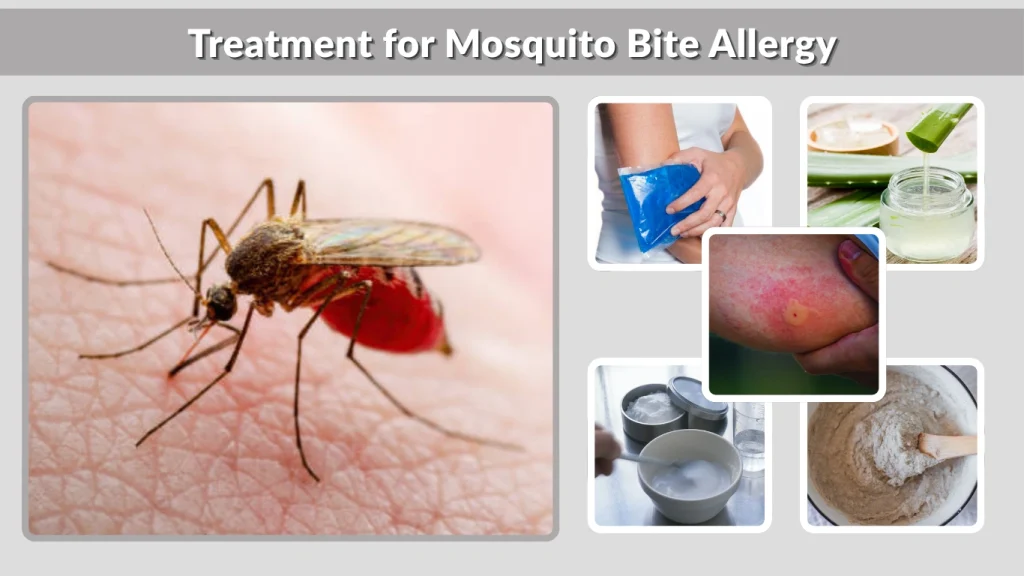
Treating a mosquito bite allergy focuses on reducing itching, swelling, and preventing complications. The approach depends on how severe the reaction is.
Home Remedies
For mild to moderate reactions, simple remedies can provide quick relief:
- Ice packs: Apply for 10–15 minutes to reduce swelling and numb itching
- Aloe vera: Helps soothe irritated skin and reduce inflammation
- Baking soda paste: Can relieve itching when applied briefly
- Oatmeal paste or bath: Calms skin and reduces irritation
These remedies are most effective when used soon after the bite.
Over-the-Counter Treatments
If symptoms are more uncomfortable, non-prescription medications can help:
- Antihistamines: Reduce itching and allergic response
- Hydrocortisone cream: Lowers inflammation and redness
- Calamine lotion: Provides soothing relief from itching
Always follow instructions on the label, especially for children.
Medical Treatments
For more severe allergic reactions, medical intervention may be necessary:
- Prescription antihistamines: Stronger relief for intense reactions
- Oral or topical steroids: Help control significant swelling
- Epinephrine injection: Used in rare, life-threatening allergic reactions
If symptoms include breathing difficulty or widespread swelling, seek emergency care immediately.
How to Reduce Swelling from Mosquito Bites
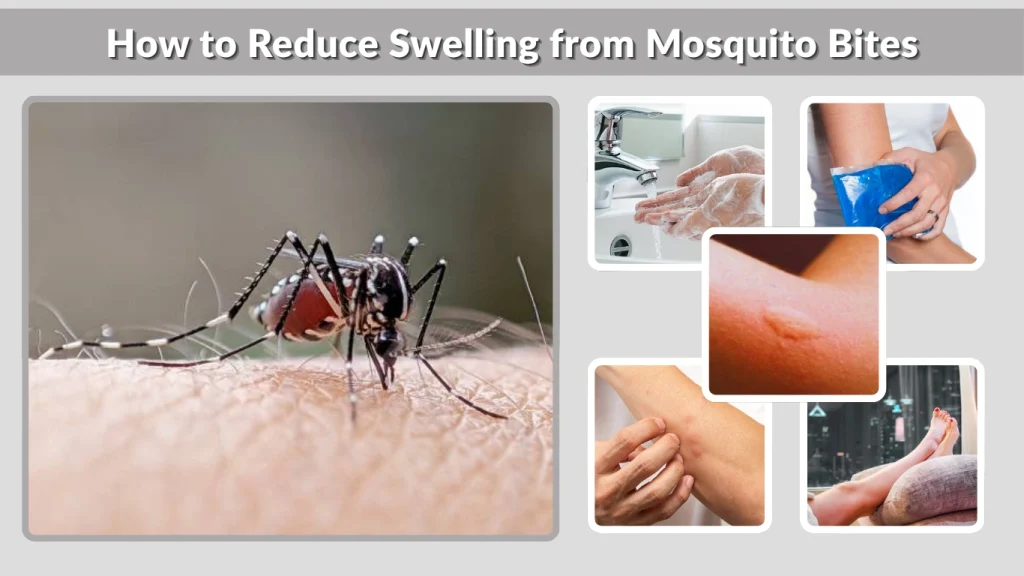
Quick action can prevent the reaction from getting worse. Here are effective steps:
- Clean the area: Wash with soap and water to reduce irritation
- Apply cold compress: Helps control swelling early
- Avoid scratching: Scratching can worsen inflammation and lead to infection
- Elevate the affected area: If possible, this can reduce swelling
Do’s and Don’ts
Do:
- Use soothing creams or gels
- Keep the area clean
- Monitor changes in size or color
Don’t:
- Scratch aggressively
- Apply harsh chemicals
- Ignore worsening symptoms
Prevention Tips for Mosquito Bite Allergy
Preventing mosquito bites is the most effective way to avoid allergic reactions.
Personal Protection
- Use insect repellents containing DEET or picaridin
- Wear long-sleeved clothing, especially during dawn and dusk
- Use mosquito nets while sleeping
Environmental Control
- Remove standing water around your home
- Keep windows and doors screened
- Use indoor mosquito repellents or coils
Natural Prevention Methods
For those who prefer alternatives:
- Citronella oil
- Eucalyptus oil
- Lavender oil
These may provide some protection, although they are generally less effective than chemical repellents.
When to See a Doctor
While most mosquito bites are harmless, certain symptoms should not be ignored.
Seek medical attention if you notice:
- Rapidly increasing swelling
- Severe pain or redness
- Signs of infection (pus, warmth, fever)
- Allergic symptoms like hives or breathing difficulty
Early treatment can prevent complications and provide faster relief.
FAQs
Why do mosquito bites swell so much on some people?
Some individuals have a stronger immune reaction to mosquito saliva, causing excessive inflammation and swelling.
Is mosquito bite allergy dangerous?
In most cases, it is not dangerous. However, severe reactions can occur and may require medical attention.
How do I know if I’m allergic to mosquito bites?
If your bites become unusually large, painful, or last several days, you may have an allergic reaction.
What is the fastest way to heal a mosquito bite?
Applying ice, using antihistamines, and avoiding scratching can speed up healing.
Can mosquito bites cause infection?
Yes, especially if the skin is broken from scratching. Keeping the area clean helps prevent this.
Conclusion
Mosquito bite allergy can range from mild irritation to uncomfortable swelling and, in rare cases, serious reactions. Recognizing the symptoms early and using the right treatments can make a significant difference in recovery. While home remedies and over-the-counter options are often effective, prevention remains the best strategy. By protecting yourself from mosquito exposure and responding quickly to bites, you can minimize discomfort and reduce the risk of complications.
