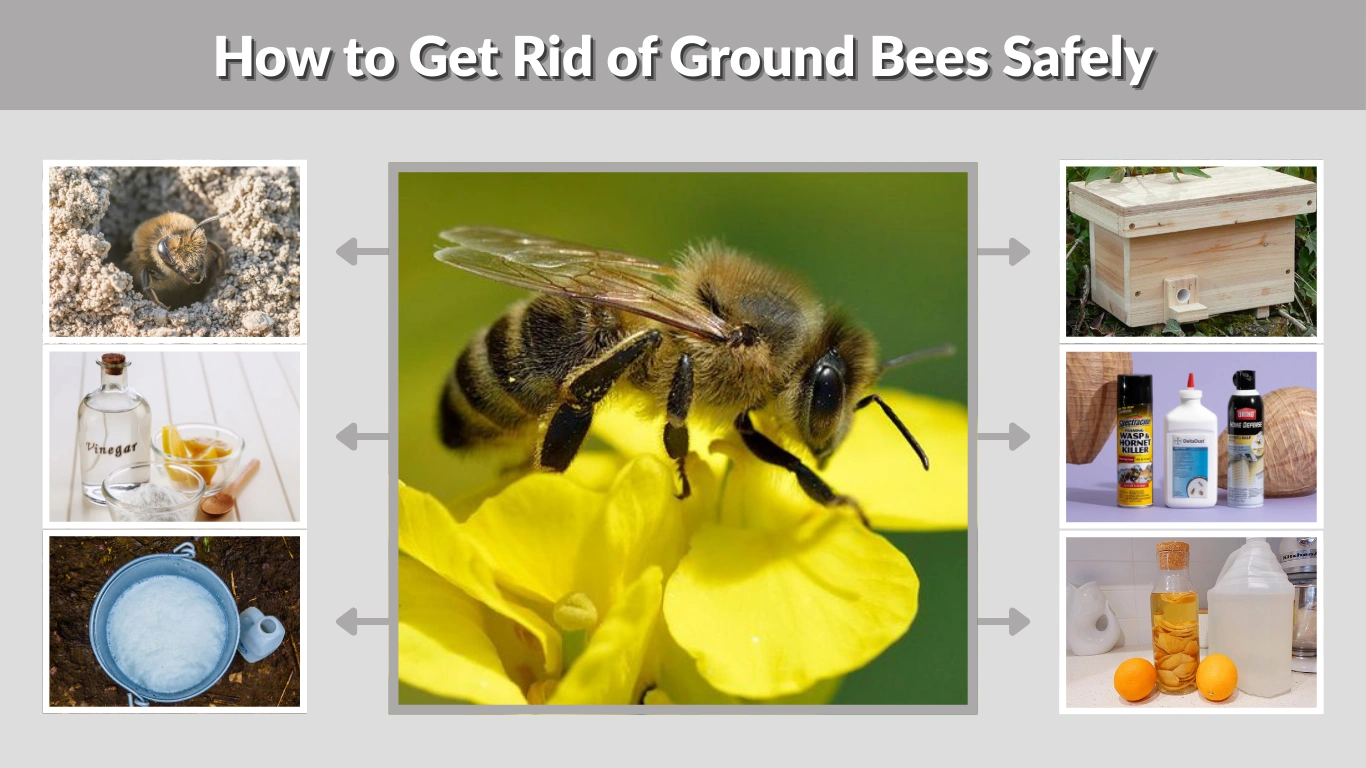
Ground bees are a common backyard surprise, especially in spring and early summer. These bees build nests underground—often in dry soil, lawns, gardens, mulch beds, and even under decks. While most ground bees are harmless solitary pollinators, some species like ground yellow jackets can be aggressive. Because of the potential danger and the damage they cause to lawns, many homeowners look for safe, natural, or quick ways to remove them. This guide explains how to identify ground bees, remove them effectively, and prevent them from returning.
What Are Ground Bees?
Ground bees are any bee species that nest in burrows or tunnels beneath the soil surface. They prefer dry, loose ground with plenty of sun exposure. Unlike honey bees, most ground-nesting bees do not live in large hives—they live independently or in loose clusters.
Ground bees are beneficial pollinators, but they can become a nuisance when they appear around lawns, play areas, or high-traffic parts of a yard. Understanding which species you’re dealing with is the first step in choosing the right removal method.
Types of Ground Bees (ID Guide)
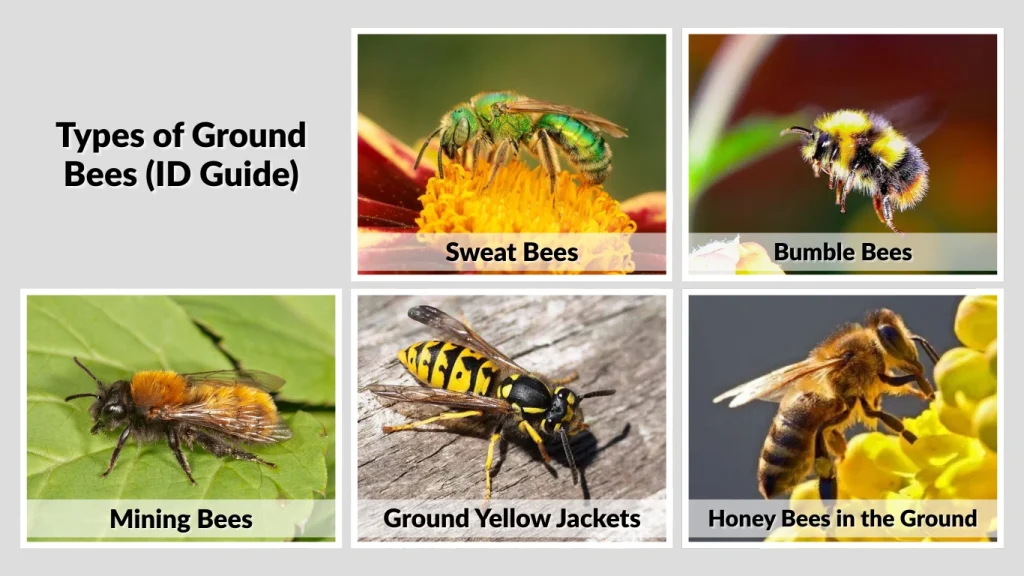
Mining Bees (Ground Digger Bees)
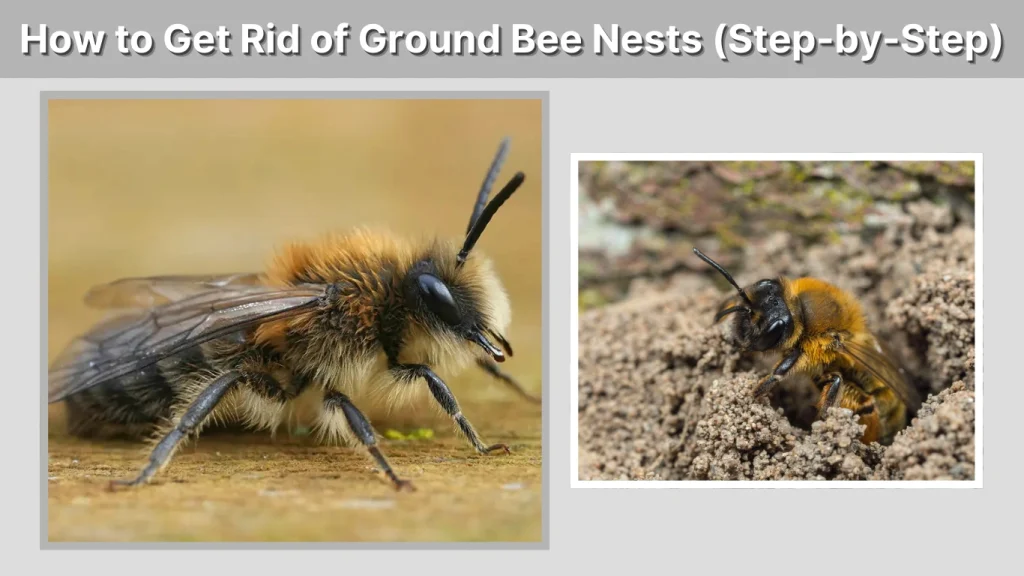
Mining bees are solitary, gentle, and rarely sting. They create small, cone-shaped dirt mounds with a single hole. These bees often appear in large numbers during spring but are not dangerous.
Sweat Bees
Sweat bees are small, sometimes metallic-colored bees that nest in dry soil. They can be attracted to human sweat but generally do not sting unless threatened.
Bumble Bees in the Ground
Bumble bees often nest in abandoned rodent burrows or natural cavities. They are social bees and can be defensive around their nest.
Ground Yellow Jackets (Ground Wasps)
These are not bees—they are aggressive wasps that live in large underground colonies. They can sting repeatedly and pose a real danger.
Honey Bees in the Ground
Although rare, honey bees occasionally occupy old ground burrows. These require special handling by a beekeeper.
Correct identification is crucial because methods that work for solitary bees may not be safe for removing yellow jackets.
Why Ground Bees Build Nests in Your Yard
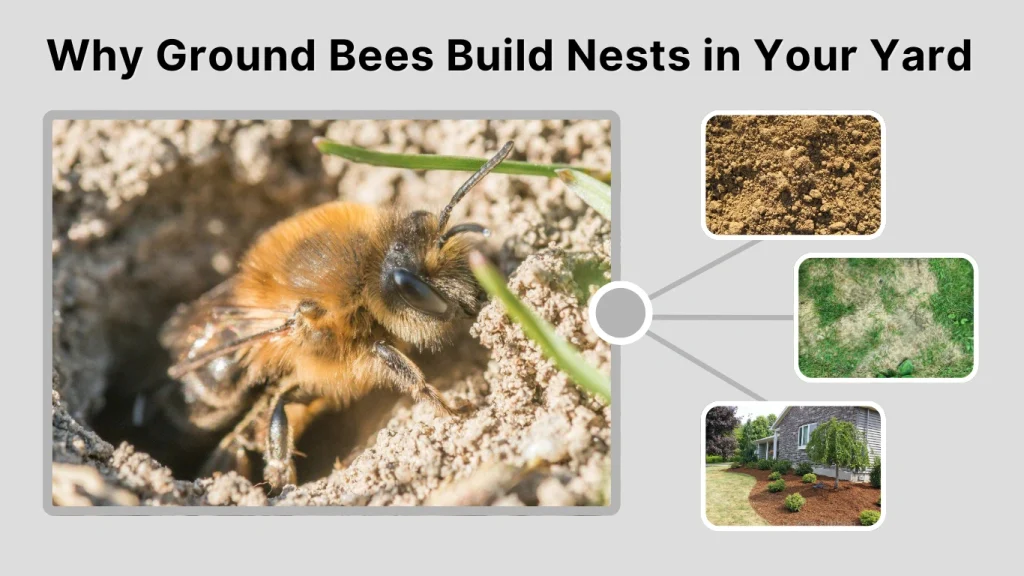
Ground bees choose specific environments based on nest-building needs. Common reasons include:
- Dry, sandy, or loose soil
- Areas with little grass or bare patches
- Sun-exposed ground
- Mulch beds with soft soil
- Old burrows made by mice, voles, or chipmunks
By understanding what attracts them, you can address the root cause of the infestation more effectively.
How to Get Rid of Ground Bees: Main Approaches
There are four main ways to remove ground bees:
- Natural methods — safe for kids, pets, and pollinators.
- Humane relocation — for bumble bees and solitary bees.
- Chemical or fast methods — for aggressive ground yellow jackets or dangerous nests.
- Long-term prevention — to keep bees from returning next season.
Choosing the right method depends heavily on whether you’re dealing with gentle solitary bees, bumble bees, or dangerous ground wasps.
Natural Ways to Get Rid of Ground Bees
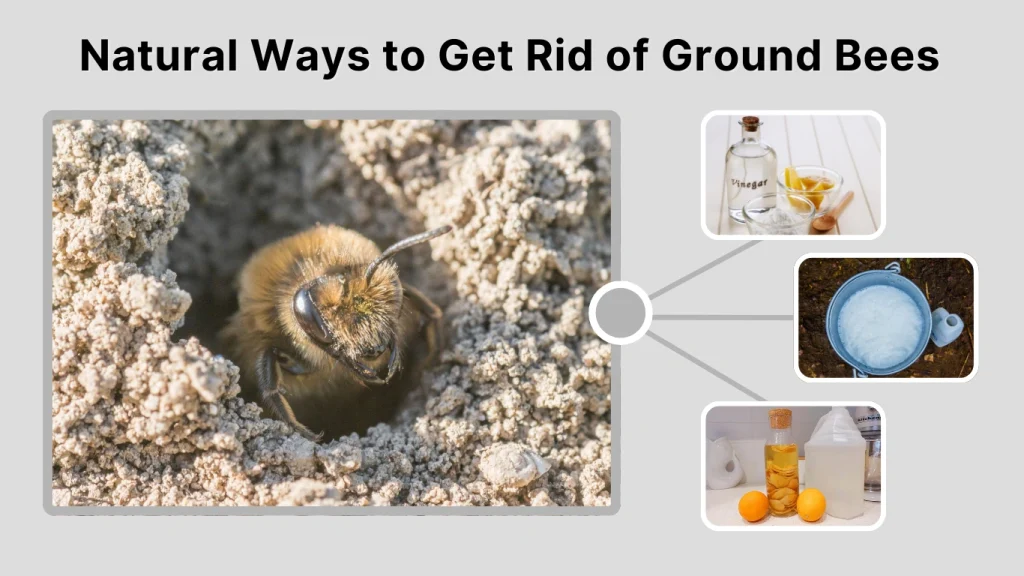
Vinegar Treatment
Vinegar is a simple, effective natural remedy for repelling or removing ground bees. Mix equal parts white vinegar and water, then pour the solution directly into nest holes at dusk when bee activity is low. This deters bees from returning and can eliminate small solitary nests.
Soapy Water Solution
A mixture of dish soap and warm water breaks the surface tension of the bees’ exoskeleton, making it an effective natural removal method. Pour it into the entrance holes during early morning or evening. This method is best for small, solitary ground nests—not large colonies.
Citrus Oil Spray
Boil citrus peels or mix citrus essential oils with water. Ground bees dislike the strong scent, making it effective for gardens and mulch beds. Spray directly into the hole and surrounding soil for several days to drive bees away.
Mulching the Area
Ground bees prefer exposed, dusty soil. Covering the affected area with 2–3 inches of mulch makes the soil unsuitable for nesting and forces bees to relocate naturally. This is particularly helpful in flower beds and near walkways.
How to Get Rid of Ground Bees Without Killing Them (Humane Methods)
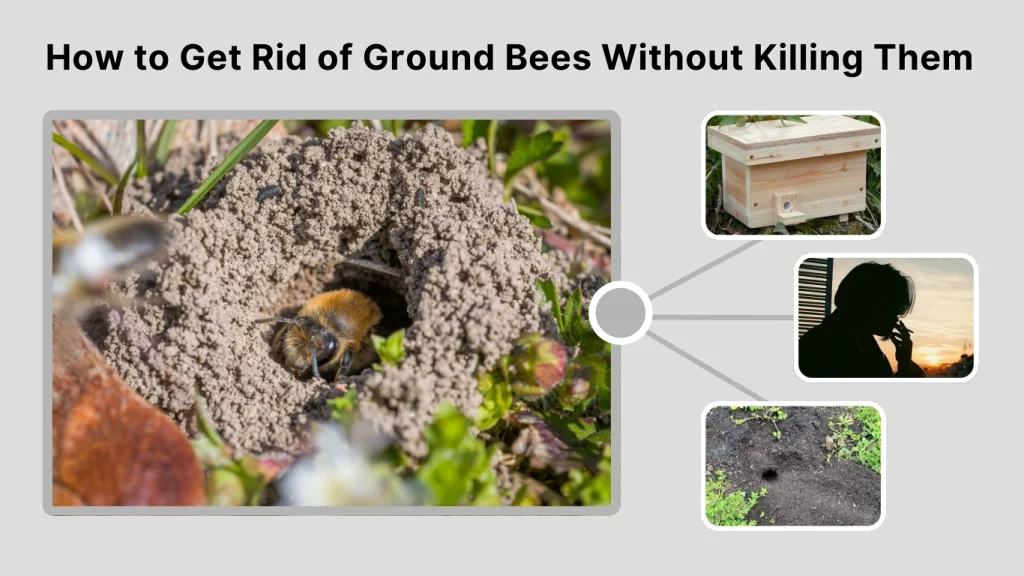
Flooding the Nest Gently
Soaking the soil around the nest entrance with water each day makes the environment too damp for ground bees. This method encourages solitary bees to move on without harming them. Avoid overwatering areas near foundations.
Relocating Bumble Bee Nests
Bumble bee nests should be handled carefully since they play a vital role in pollination. To encourage relocation:
- Place a small box with ventilation holes near the nest
- Add strong scents like peppermint or citronella
- Lightly smoke the entrance at dusk
- Block the entry hole after they leave
If the nest is large, contacting a beekeeper or wildlife specialist is the safest option.
Blocking Entrance Holes
After bees exit in the evening, gently fill holes with soil, mulch, or sand. Smooth and compact the ground to discourage future burrowing.
Fast Ways to Get Rid of Ground Bees
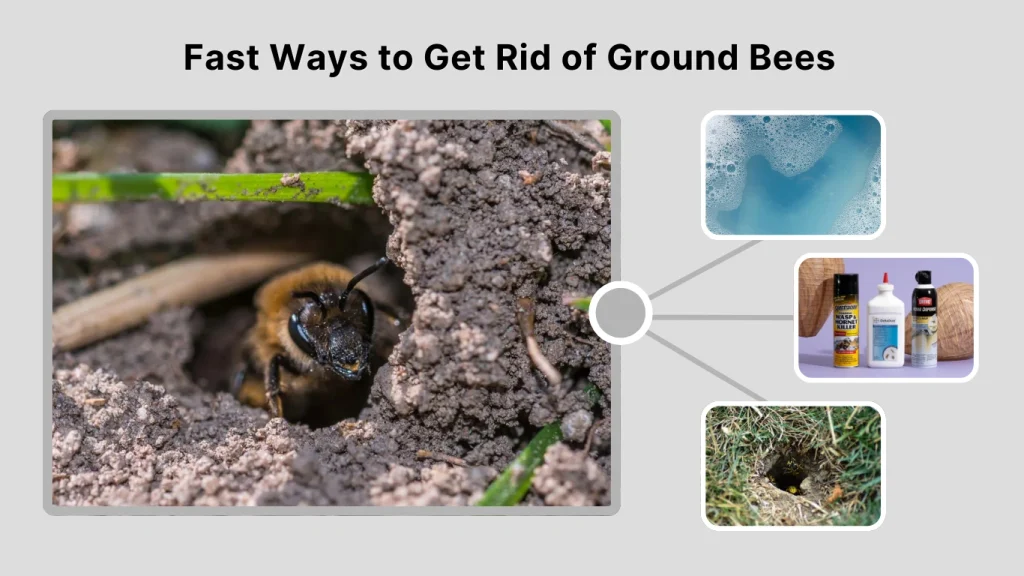
Sometimes you need quick results, especially if the nest is close to walkways, decks, children’s play areas, or pet zones.
Soapy Water Dump (Immediate Effect)
Soapy water poured directly into the entrance hole works quickly against solitary bees. Dish soap breaks the protective waxy layer on insects, making this a fast and accessible method.
Commercial Bee or Wasp Spray
These sprays work best at dusk or dawn, when bees are least active. Use:
- Bee spray for ground bees
- Wasp/yellow jacket foam for aggressive wasps
Always follow label instructions and wear protective clothing.
Covering the Nest Entrance
Placing a glass bowl, bucket, or container over the entrance traps the bees inside. This method prevents them from leaving and eventually forces them to abandon the nest if alternative exits do not exist. Effective for solitary nests, not large colonies.
How to Get Rid of Ground Bee Nests (Step-by-Step)
- Identify the species
Determine whether the insects are solitary bees, bumble bees, or yellow jackets. - Locate all entrance holes
Ground bees often dig one main hole; yellow jackets may have multiple. - Apply your chosen method
Natural, humane, or fast treatments should be used at dusk for safety. - Observe activity over 24–48 hours
Look for reduced buzzing or flight patterns. - Block or fill the hole
Once bees leave or die, fill the hole with soil, mulch, or sand. - Fix soil conditions
Prevent future nesting by watering regularly and reducing bare patches.
How to Get Rid of Bumble Bees in the Ground
Understanding Bumble Bee Behavior
Bumble bees often nest in abandoned rodent burrows or underground cavities. They are gentle pollinators but can defend their nest if disturbed.
Safe Removal Steps
- Lightly smoke near the nest to encourage bees to vacate
- Apply peppermint oil or vinegar around the entrance
- Once they leave, gently fill the hole
- Avoid using chemicals — bumble bees are important pollinators
For large or active colonies, professional relocation is recommended.
How to Get Rid of Ground Yellow Jackets (Ground Wasps)
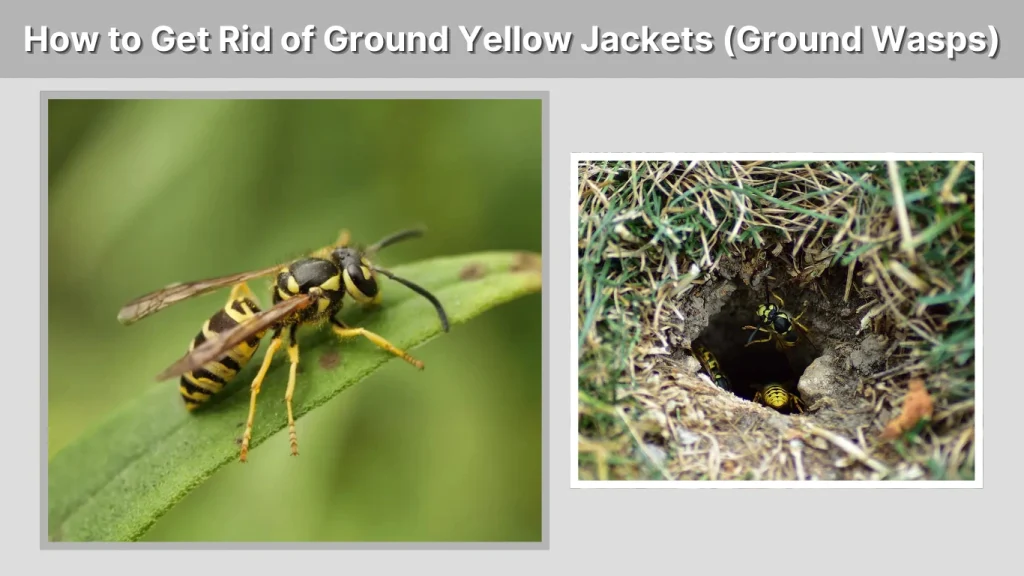
Why They Are Dangerous
Yellow jackets:
- Are not bees
- Live in large colonies
- Can sting repeatedly
- Are highly aggressive when disturbed
They require different removal methods.
Effective Removal Methods
- Wasp foaming spray
- Insecticidal dust applied at the entrance
- Professional extermination for large colonies
Do not attempt natural or gentle methods on yellow jacket nests — it is unsafe.
Removing Ground Bees in Specific Locations
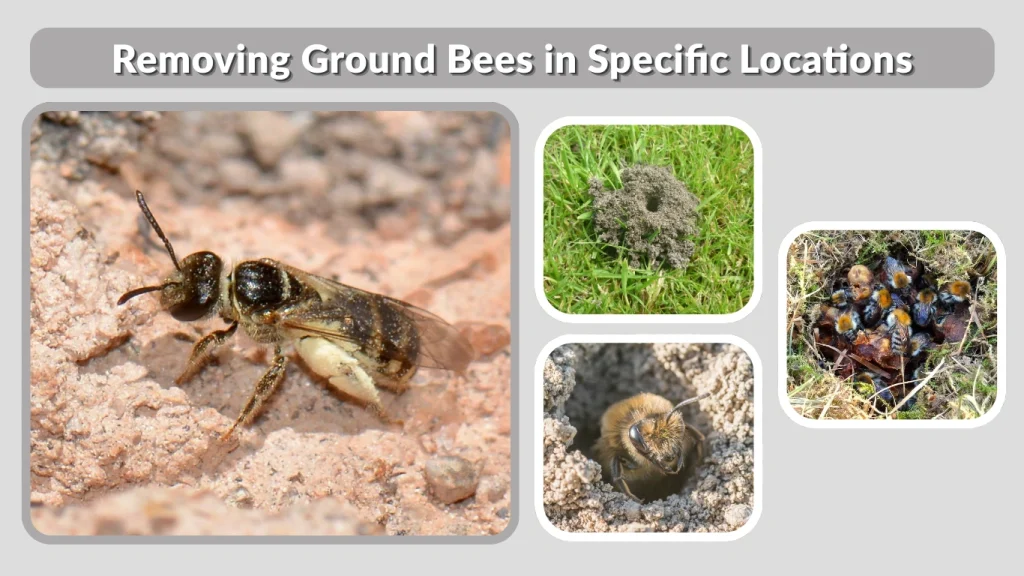
In Lawn or Grass
- Water the lawn frequently
- Overseed bare patches
- Use vinegar or soap solutions only if needed
Healthy, thick grass usually prevents ground nesting.
In Mulch Beds
- Apply mulch 2–3 inches deep
- Spray citrus or peppermint oil into holes
- Turn the soil to break tunnels
In Sand or Dry Soil
Ground bees love sandy soil. To deter them:
- Water regularly
- Mix organic compost into the sand
- Cover problem areas with mulch or river stone
Under a Deck
- Apply peppermint oil or citrus spray around the area
- Flood lightly every day
- Seal gaps with hardware cloth
Near Gardens or Flower Beds
Because these areas are beneficial to pollinators, use only natural or humane methods:
- Mulching
- Strong scents
- Soil enrichment
How to Get Rid of Ground Bees Permanently
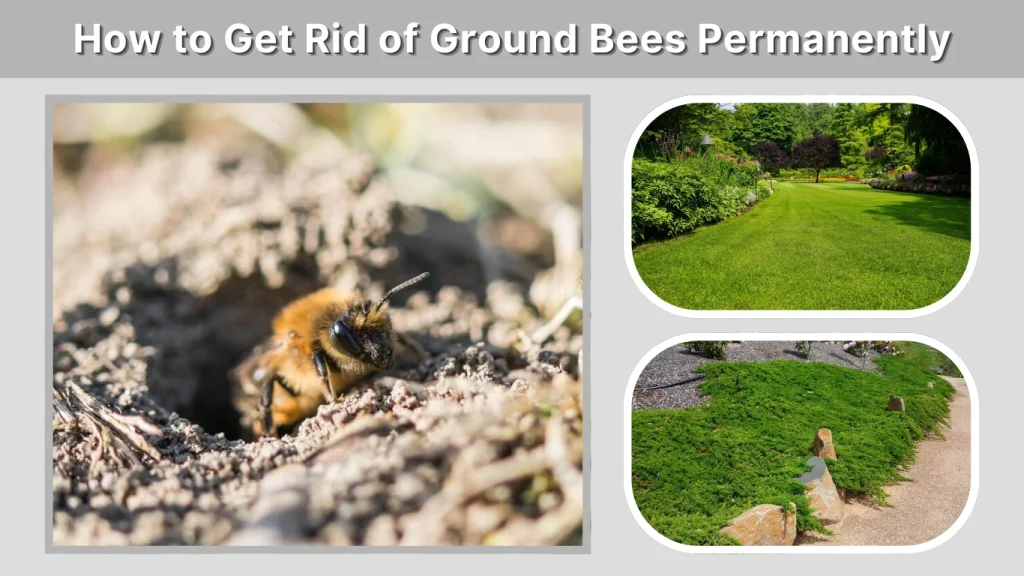
Improve Soil Moisture
Ground bees avoid wet, compact soil. Watering regularly discourages nesting.
Grow Thick Grass
Bare patches invite bees. Prevent this by:
- Overseeding
- Fertilizing
- Core aeration
- Consistent watering
Cover Bare Ground
Use:
- Mulch
- Stone
- Groundcover plants
Fill and Compact Old Burrows
Leaving old tunnels unfilled invites new bees every year. Fill all holes firmly with dirt, mulch, or sand.
Ground Bees vs Yellow Jackets: Comparison Table
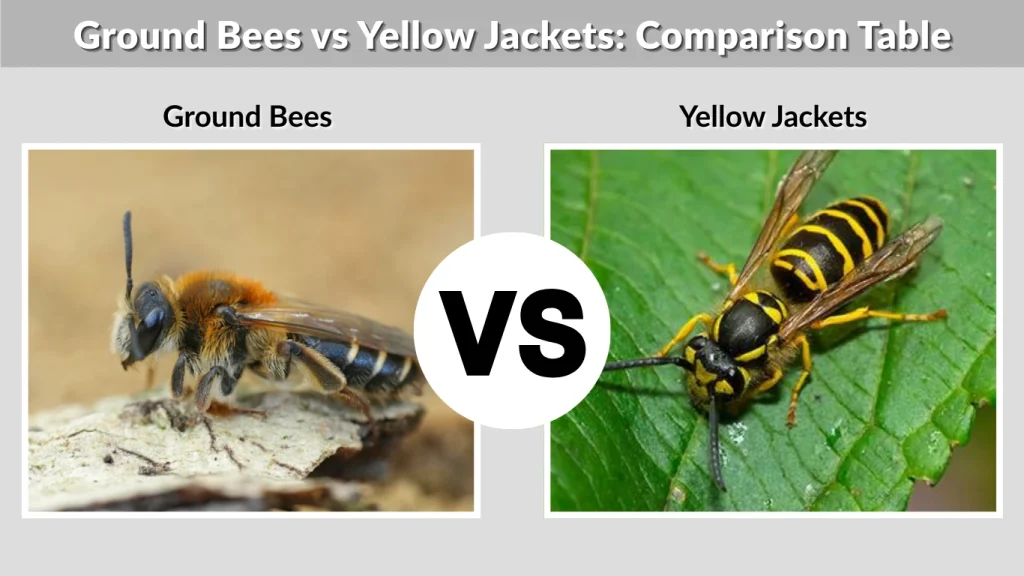
| Feature | Ground Bees | Yellow Jackets (Wasps) |
| Aggression | Low | Very high |
| Colony Size | Solitary or small groups | Large colonies |
| Nest Type | Small holes in soil | Complex underground nest |
| Removal | Natural/humane methods | Chemical or professional |
| Stings | Rare | Multiple, dangerous |
Safety Tips Before Removing Ground Bees
- Wear long sleeves, gloves, and pants
- Avoid sudden movements
- Treat nests at dusk/dawn
- Keep pets and children indoors
- Never pour gasoline or harmful chemicals into the soil
- Approach yellow jacket nests with extreme caution
When to Call a Professional
You should contact a beekeeper or pest control specialist if:
- The nest is large
- The species is unknown
- Bees or wasps are located near high-traffic areas
- You or someone in your home is allergic
- Yellow jackets are present
Professional removal ensures safety and prevents environmental harm.
FAQs
Do ground bees sting?
Most ground bees are gentle and rarely sting. Yellow jackets, however, are highly aggressive and can sting multiple times.
Will ground bees go away on their own?
Yes — solitary ground bees often leave within 4–6 weeks. Bumble bees and yellow jackets require intervention.
Does vinegar kill ground bees?
Vinegar can repel or kill solitary bees but should not be used on bumble bees or wasps.
How do I fill ground bee holes?
After bees leave, fill holes with soil or sand and compact the area to prevent future nesting.
What is the safest way to remove ground bees?
Humane methods such as flooding, mulching, or using peppermint oil are safest for bees and the environment.