
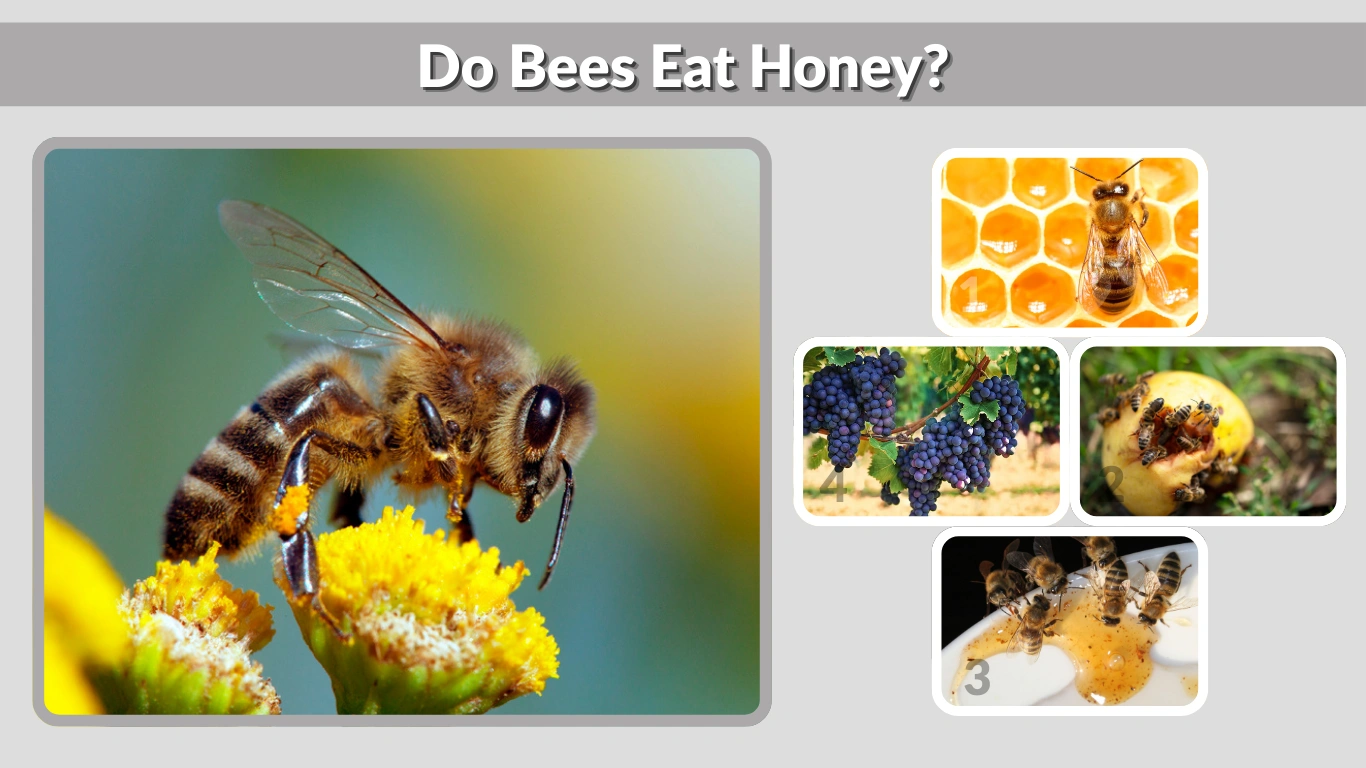
Bees are among the most fascinating creatures in nature, but few topics create more confusion than their diet. People often wonder whether bees actually eat the honey they make, what else they eat, and how different bee species feed themselves throughout the year. From nectar-loving honey bees to fruit-sipping wild bees and even predators that eat bees, the world of bee nutrition is far more complex than most people realize. This first half of the article explores what bees eat, why they eat it, and how honey fits into their diet.
Do Bees Eat Honey?
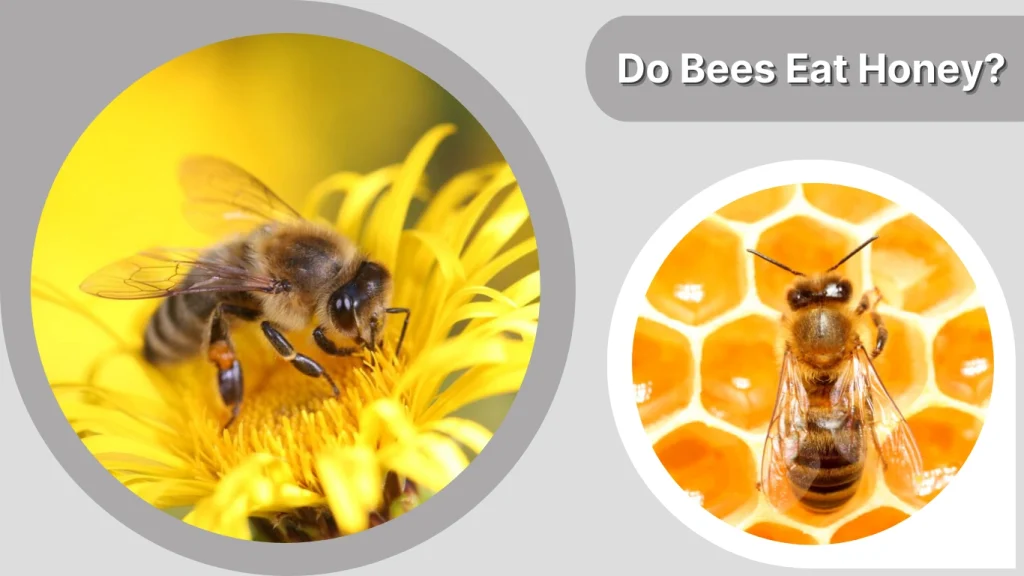
Do Honey Bees Eat Honey?
Yes—honey bees absolutely eat honey. In fact, honey is their primary energy source, especially for activities that require enormous metabolic power, such as foraging, flying, defending the hive, and generating heat during cold weather. Honey is essentially concentrated nectar packed with sugars that bees convert into fuel.
Honey is not a luxury for bees; it’s their survival food. They depend on it year-round, and especially during months when flowers are not blooming.
Do Bees Eat Their Own Honey?
Yes. Bees make honey for themselves, not for humans. Beekeepers remove only the surplus honey a hive produces. Inside the colony, worker bees consume honey daily, and so do drones. Queens also feed on honey in addition to royal jelly.
Bees do not consider honey “human food.” They store it as a long-term food supply and will gladly eat it whenever they need energy or when nectar is scarce.
Do Bees Eat Honey in Winter?
Winter is the most critical time for honey consumption. Because flowers do not bloom, bees cannot collect fresh nectar. Instead, the colony depends on honey stored throughout the year. A healthy hive typically requires 40–60 pounds of honey to survive an entire winter.
Honey gives bees the calories they need to maintain heat inside the hive. Without enough stored honey, a colony can starve even in mild climates.
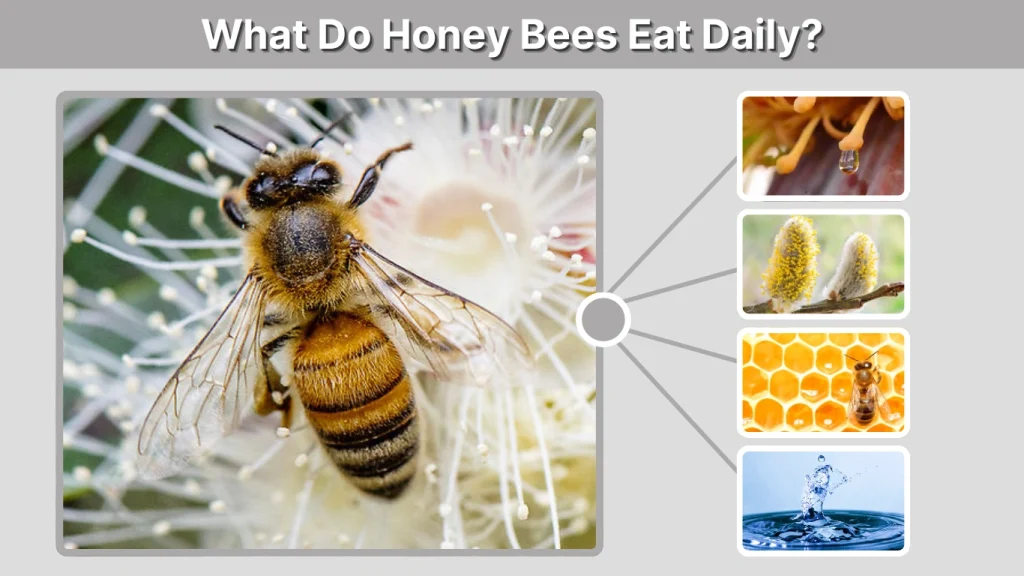
What Do Honey Bees Eat Daily?
Main Foods in a Honey Bee Diet
Honey bees have a diverse diet centered around three essentials:
- Nectar – Their primary source of carbohydrates
- Pollen – Their source of protein, vitamins, and minerals
- Honey – Their stored, long-lasting energy
- Water – Used for cooling, digestion, and thinning honey
These four resources allow bees to fulfill different biological roles in the hive.
What Adult Bees Eat
Adult bees eat according to their roles:
- Worker bees consume nectar, honey, and pollen to fuel their tasks—building comb, caring for brood, collecting food, defending the hive, and regulating temperature.
- Drones mainly eat honey because they need high energy for flying and mating flights.
- Queens are fed royal jelly during early development, but adult queens later consume honey as their primary fuel source.
- Yes—queens do eat honey.
What Honey Bee Larvae Eat
Larval bees have different diets depending on their caste:
- First 3 days: All larvae consume royal jelly.
- Worker larvae: Switch to a mixture of honey + pollen called bee bread.
- Queen larvae: Continue receiving pure royal jelly.
This diet difference is what turns a genetically identical larva into a queen or a worker.
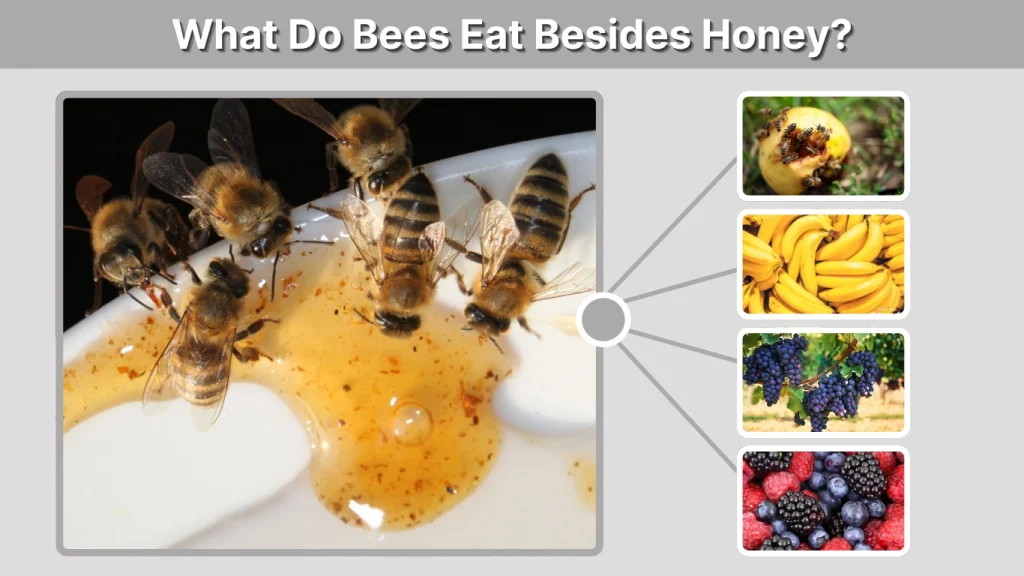
What Do Bees Eat Besides Honey?
Do Bees Eat Pollen?
Yes. Pollen is the protein source of the hive and is essential for brood production. Without pollen, bees cannot raise new workers. Pollen contains amino acids, vitamins, minerals, and lipids that bees need to grow and maintain their bodies.
Do Bees Eat Fruit?
While nectar is the preferred food, bees may also consume juice from fruits such as:
- Apples
- Bananas
- Grapes
- Berries
They do this when nectar sources are limited or when fruit is damaged and leaking juice.
Do Bees Eat From Hummingbird Feeders?
Yes—bees often drink sugar water from feeders when nectar is scarce. This is especially common during droughts or late summer when flowers start to disappear.
Do Bees Eat Meat or Wood?
- Honey bees do NOT eat meat.
- They also do NOT eat wood.
- Carpenter bees drill wood to nest, but they do not eat it.
- Only a special species called vulture bees consumes meat—but they are not honey bees.
These distinctions are important because people often assume honey bees have varied diets similar to wasps, which is not true.
What Do Different Bee Species Eat?
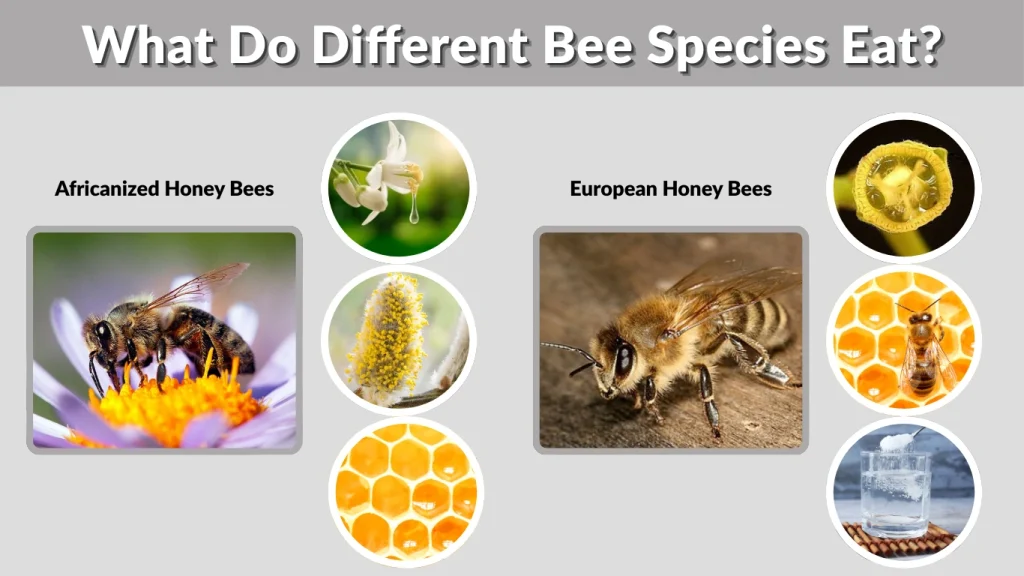
African & Africanized Honey Bees
African and Africanized honey bees eat the same foods as European honey bees:
- Nectar
- Pollen
- Honey
- Water
Their aggressive reputation does not change their diet.
Western, American & European Honey Bees
These are the most common managed bees in the world. Their diet consists of:
- Nectar and pollen during warm seasons
- Honey during bad weather and winter
- Occasional sugar water if kept by beekeepers
Non-Honey Bees
Different bee families have different food sources:
- Bumble bees: Nectar and pollen
- Carpenter bees: Nectar only
- Vulture bees: Meat (very rare species)
- Wasps & hornets: Insects + sugary liquids
This diversity helps ecosystems by allowing many species to coexist without competing for identical food sources.
Why Do Bees Make Honey?
Do Bees Make Honey Because They Eat It?
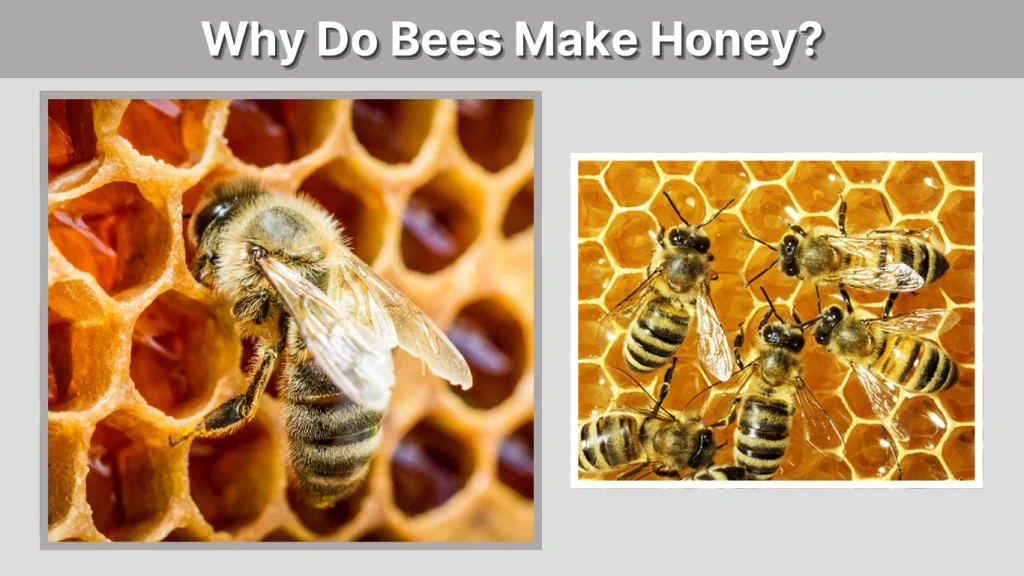
Absolutely. Honey exists because bees need it. Bees convert nectar into honey to create a stable, long-lasting food source that will not spoil. Unlike nectar, which is watery and ferments quickly, honey is thick, low-moisture, and antimicrobial—perfect for storing through long periods without flowers.
Honey fuels:
- Foraging flights
- Brood care
- Wax production
- Hive heating
- Daily movement and energy
Honey is essential, not optional. Bees make honey because their survival depends on it.
Why Bees Eat Honey
Honey supplies bees with carbohydrates, which they need for:
- Wing muscle activity
- Maintaining body heat
- Feeding larvae
- Surviving storms, cold nights, and nectar shortages
Even in summer, bees eat small amounts of honey every day. When they cluster in winter to preserve warmth, honey becomes their only food source. Without honey, bees would starve within days.
Do Bees Only Eat Honey?
No. Bees require both honey (carbs) and pollen (protein). Honey alone cannot sustain brood development or help bees grow.
Their complete diet includes:
- Honey
- Nectar
- Pollen
- Water
Each element serves a different purpose, and all are crucial for a healthy colony.
What Happens When Humans Take Honey?
If We Take Honey, What Do Bees Eat?
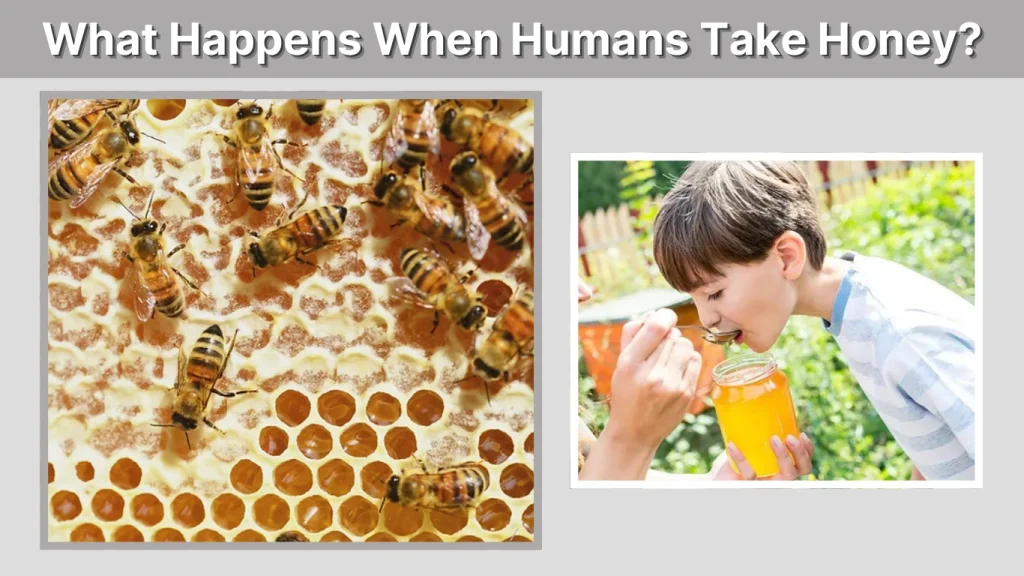
Responsible beekeeping means harvesting only surplus honey. A strong hive produces far more honey than it needs under favorable conditions. Beekeepers typically leave plenty of honey for the bees and only take the excess.
After honey is harvested, bees eat:
- Remaining honey stores
- Incoming nectar
- Pollen and bee bread
Because bees constantly collect nectar, they can replenish their stores quickly during warm seasons.
What Do Bees Eat If We Take Too Much Honey?
If honey is removed too aggressively or during poor seasons, bees may struggle to feed themselves. In such cases, beekeepers supplement their diet with:
- Sugar syrup (1:1 or 2:1 ratio depending on season)
- Pollen patties for protein
- Candy boards in winter
These substitutes are helpful but not equal to natural honey. Overharvesting harms colonies, which is why ethical beekeeping always ensures bees have enough honey to survive.
Animals That Eat Honey Bees
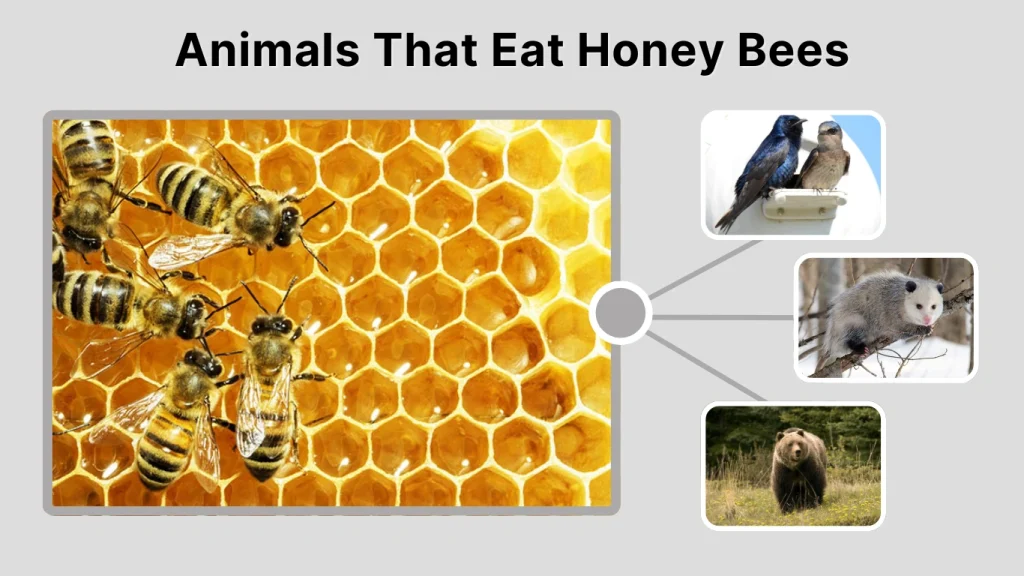
Many animals see bees as food—some eat them for protein, others for honey, and some eat both. This section groups predators from the keywords you provided.
Birds That Eat Bees
Several bird species include honey bees in their diet:
- Purple martins
- Blue jays
- Bluebirds
- Sparrows
- Orioles
- Barn swallows
- Martins
- Swallows
These birds usually prey on bees mid-flight. They rarely target hives directly.
Mammals That Eat Bees or Honey
Many mammals enjoy bees, honey, or both:
- Bears: eat honey, bees, larvae, and wax
- Skunks: scratch hives at night to eat bee guards
- Possums: occasionally feed on bees
- Bats: some species catch flying bees
- Honey badgers: known for raiding hives
- Chickens: may peck at bees
- Armadillos: sometimes dig near hives for insects
These predators play ecological roles but can be major threats to unmanaged hives.
Reptiles, Amphibians & Invertebrate Predators
A surprising number of small predators eat honey bees:
- Frogs
- Lizards
- Praying mantises
- Assassin bugs
- Spiders
- Bald-faced hornets
- Yellow jackets
- European hornets
- Wasps
Most of these insects catch bees at the hive entrance or in flight. Hornets and yellow jackets are particularly aggressive and often attack in groups.
Do Honey Bees Eat Other Bees or Meat?
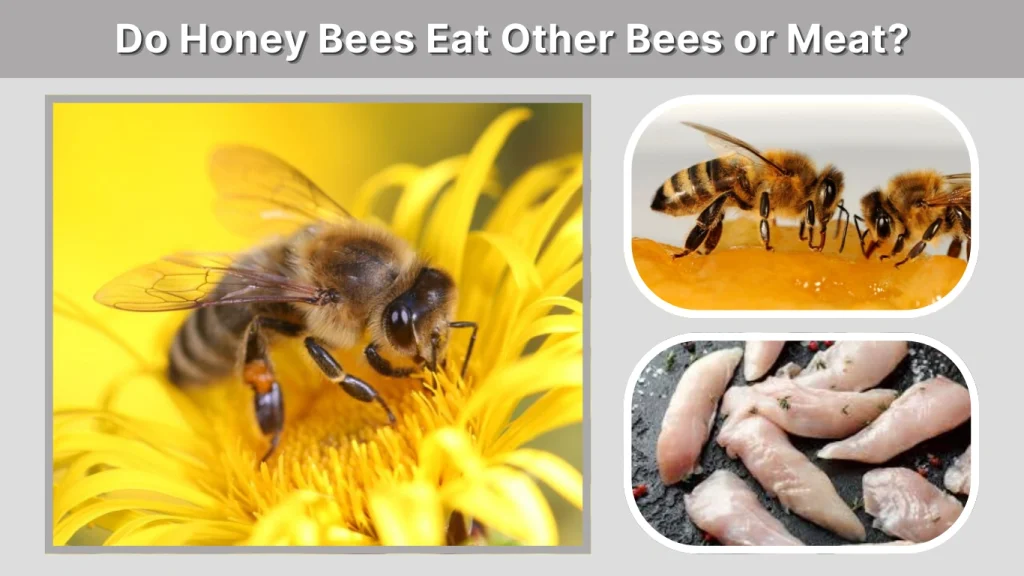
Do Honey Bees Eat Meat?
No. Honey bees are strictly herbivorous, feeding only on plant-based foods:
- Nectar
- Pollen
- Honey
- Water
They do not eat meat, insects, or animal protein. This sets them apart from wasps and hornets.
The only bees that eat meat are vulture bees, a different species entirely.
Do Honey Bees Eat Other Bees?
Honey bees do not eat other bees. They remove dead bees from the hive as part of housekeeping, but they do not consume them.
Cannibalism is extremely rare and occurs only during severe starvation, when worker bees may consume undeveloped larvae to conserve protein.
How Do Bees Eat?
How Bees Eat Honey
Bees use their long, straw-like proboscis to sip honey and nectar. Once inside their digestive tract, honey is broken down into simple sugars that supply rapid energy.
Worker bees can convert honey into:
- Heat (by vibrating their flight muscles)
- Wax (for building comb)
- Brood food (for feeding larvae)
How Much Honey Bees Eat
Honey consumption changes throughout the year:
- Summer: light consumption because nectar is abundant
- Winter: heavy consumption—up to 40–60 pounds for a full hive
- Cold snaps: rapid increases in usage to maintain warmth
A colony must carefully manage honey stores for survival.
Seasonal Eating Patterns
Summer Diet
In warm months, bees primarily consume:
- Fresh nectar
- Pollen
- Small amounts of honey
They produce more honey than they eat, building reserves for winter.
Winter Diet
During winter, bees remain inside the hive and form a tight cluster for warmth. Their only food is:
- Stored honey
Without enough honey, a hive will die, regardless of outside temperature.
FAQs
Do all bees eat honey?
No. Only honey bees and some stingless bees eat honey. Bumble bees and carpenter bees rely mainly on nectar.
Do bees eat honey or pollen?
They eat both—honey for energy, pollen for protein.
Why do bees make honey if humans take it?
Bees make honey for themselves; beekeepers take only the extra honey the colony doesn’t need.
Do baby bees eat honey?
Most larvae eat a mixture of honey and pollen. Only future queens eat pure royal jelly.
Do bees eat honey or just make it?
They make it and eat it. Honey is their survival food.
