
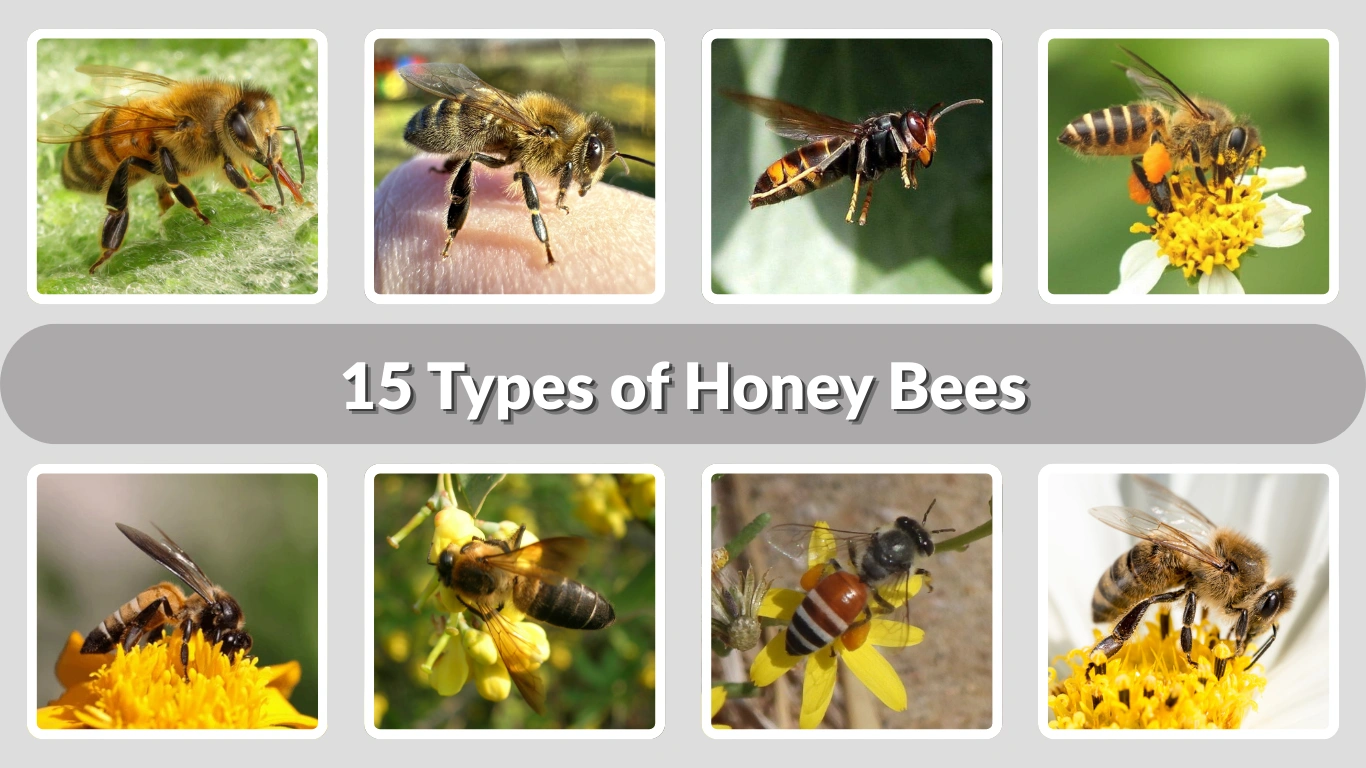
Honey bees come in a remarkable variety, each species adapted to its habitat, climate, and ecological role. From giant cliff-nesting bees to tiny dwarf species, these bees contribute to pollination, biodiversity, and local agriculture worldwide. This guide offers a clear, structured overview of 15 notable honey bee types, highlighting their unique features, habitats, and importance in nature.
1. Western Honey Bee
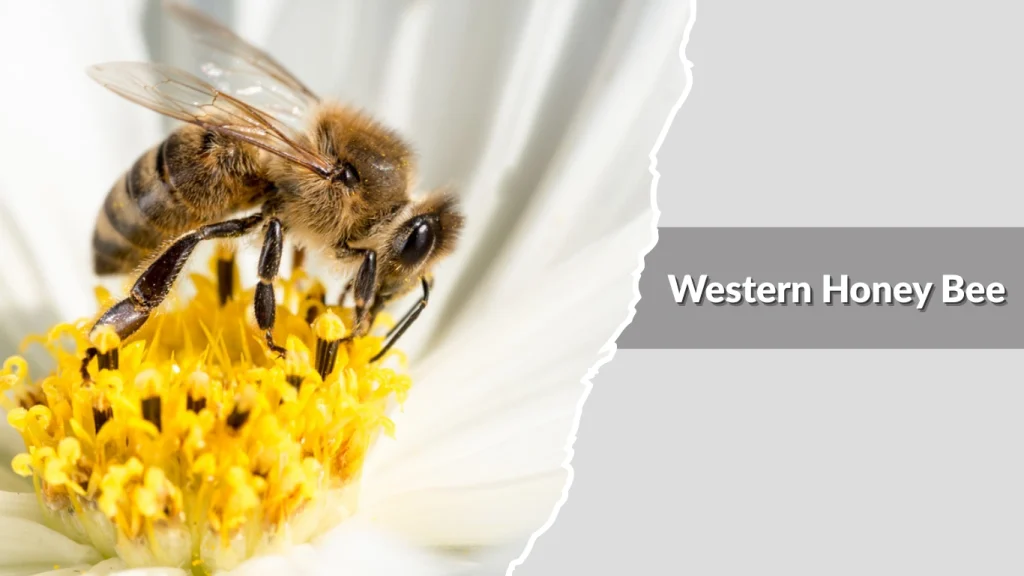
The western honey bee (Apis mellifera) is the most widely distributed and commercially important honey-producing species. Known for its adaptability, strong colony structure, and high honey yield, it plays a central role in global agriculture and pollination.
Identification
- Medium-sized honey bee with golden-brown coloration
- Black abdominal bands with lighter edges
- Hairy thorax aiding pollen collection
- Workers smaller than drones; queen larger and longer
- Distinct buzzing flight behavior
Habitat & Distribution
The western honey bee is native to Europe, Africa, and parts of the Middle East but is now found on every continent except Antarctica. It thrives in diverse climates—temperate, tropical, and even arid—thanks to selective breeding and human-supported beekeeping.
Behavior & Colony Structure
Colonies are highly organized, consisting of a queen, thousands of workers, and drones. They communicate through pheromones and the famous “waggle dance,” which helps workers locate nectar and pollen sources. Their cooperative behavior makes them extremely efficient pollinators.
Importance in Agriculture
The species is essential to the global food system. It pollinates numerous crops, including fruits, vegetables, nuts, and oilseeds. Commercial beekeeping relies heavily on Apis mellifera due to its productivity, docile temperament (in many strains), and ability to produce large quantities of honey and wax.
2. Eastern Honey Bee
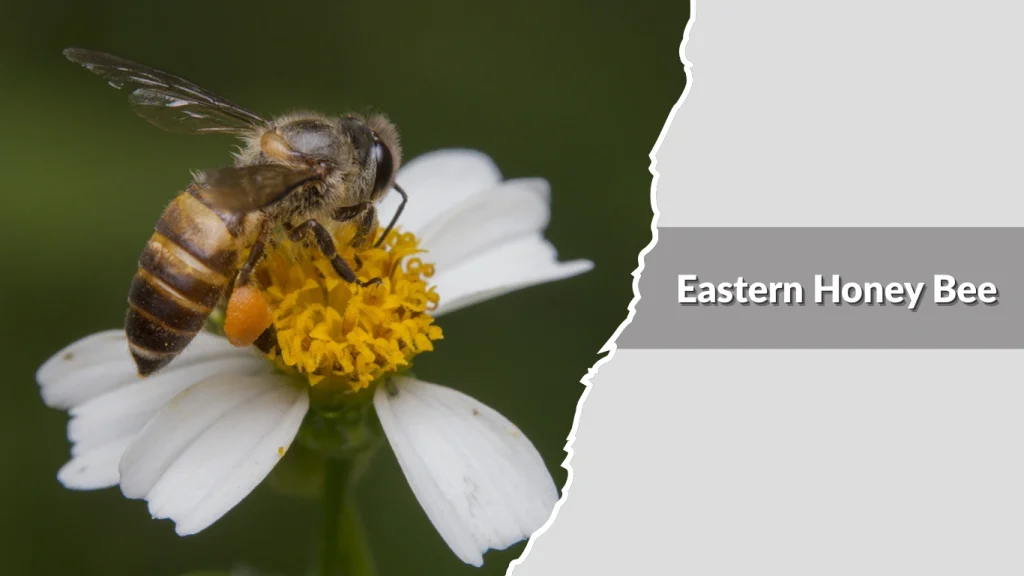
The eastern honey bee (Apis cerana) is a widely distributed Asian species known for its resilience, disease resistance, and efficient pollination in tropical and subtropical regions. It is smaller than the western honey bee but highly adapted to local climates and flora.
Identification
- Smaller body size with dark brown to black coloration
- Narrower abdominal stripes than Apis mellifera
- Dense hair on the thorax
- Queens slightly larger but slimmer than workers
- Faster, more agile flight patterns
Habitat & Distribution
This species is native to South Asia, Southeast Asia, and East Asia, thriving in warm and humid environments. It nests in cavities, tree hollows, and human-made hives, adapting well to traditional and modern beekeeping methods across rural and urban settings.
Behavior & Colony Dynamics
Eastern honey bees exhibit strong defensive behaviors and are known for their effective “shimmering” defense—workers ripple their bodies to deter predators like hornets. Colonies remain smaller, swarm more frequently, and display strong hygienic traits, helping them resist pests such as Varroa mites.
Agricultural & Ecological Importance
Apis cerana is vital for pollination of regional crops such as tea, citrus, and various vegetables. While honey production is moderate compared to western honey bees, their disease resistance and local adaptability make them crucial for sustainable beekeeping in Asia.
3. Giant Honey Bee
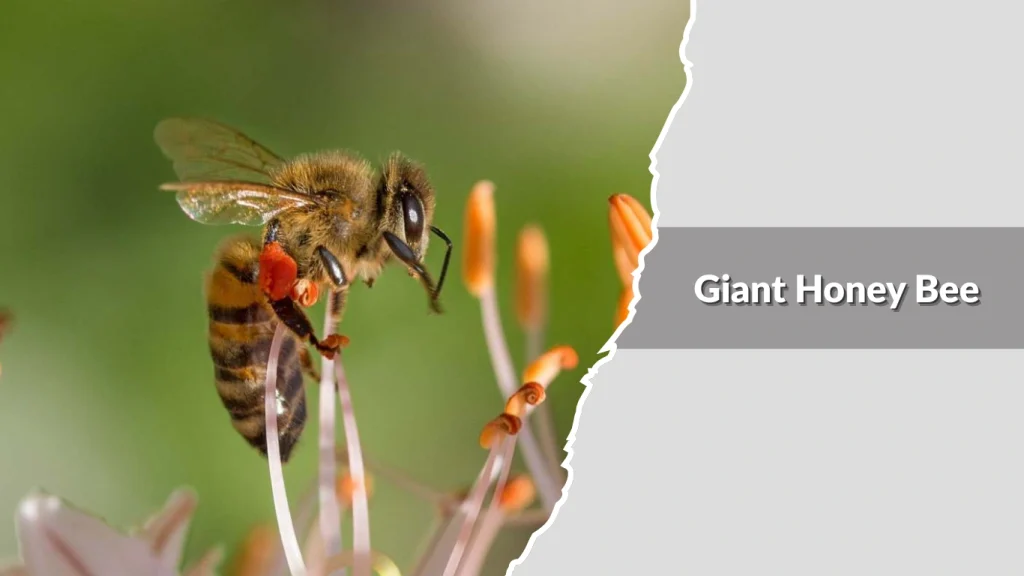
The giant honey bee (Apis dorsata) is one of the largest honey bee species in the world, known for building enormous exposed nests and displaying highly synchronized defensive behaviors. It plays a crucial ecological role in pollinating wild plants across tropical Asia.
Identification
- Very large body size with dark coloration
- Bold yellow or orange bands on the abdomen
- Long wings suited for strong, fast flight
- Workers visibly larger than workers of other species
- Builds single, massive combs on open surfaces
Habitat & Distribution
This species is native to South and Southeast Asia, commonly found in forests, cliffsides, tall buildings, and large tree branches. Giant honey bees prefer warm, humid climates and migrate seasonally to follow nectar flows, often traveling long distances.
Behavior & Colony Patterns
Apis dorsata is highly defensive and forms huge colonies with thousands of workers. They exhibit the remarkable “shimmering” defense behavior, where waves of bees raise their abdomens to confuse predators. They do not adapt well to domestication and remain wild-living.
Ecological Importance
Although not used for commercial beekeeping, giant honey bees are major pollinators of native tropical flora. Their wild honey is harvested by traditional honey hunters, contributing to local economies and cultural practices across Asia.
4. Red Dwarf Honey Bee
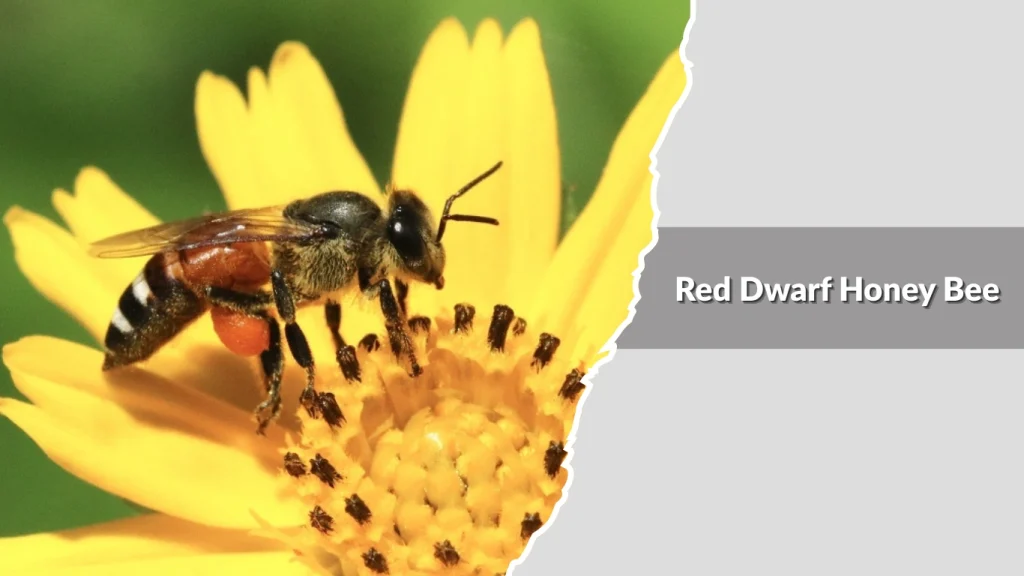
The red dwarf honey bee (Apis florea) is one of the smallest honey bee species, known for its open-air single-comb nests and bright reddish coloration. Despite its small size, it is an efficient pollinator of many wild and cultivated plants in South and Southeast Asia.
Identification
- Very small body size with a reddish-brown appearance
- Thin black and white abdominal bands
- Workers noticeably smaller than most honey bee species
- Distinct single-comb nests built on thin branches
- Rapid, agile flight ideal for small flowers
Habitat & Distribution
This species thrives in warm, dry, and tropical climates across South Asia, the Middle East, and Southeast Asia. It commonly nests on shrubs, small trees, and even man-made structures. Red dwarf honey bees avoid dense forests, preferring open and semi-open habitats.
Behavior & Colony Characteristics
Colonies of Apis florea are relatively small but highly adaptable. They exhibit defensive “shimmering” waves similar to giant honey bees. They frequently migrate short distances and reposition nests based on food availability and predation pressure.
Role in Pollination
Although they produce very limited honey, red dwarf honey bees are vital for pollinating small-flowered crops, wild herbs, and fruiting plants. Their presence supports local ecosystems and agricultural diversity in regions where larger honey bee species are less effective.
5. Black Dwarf Honey Bee
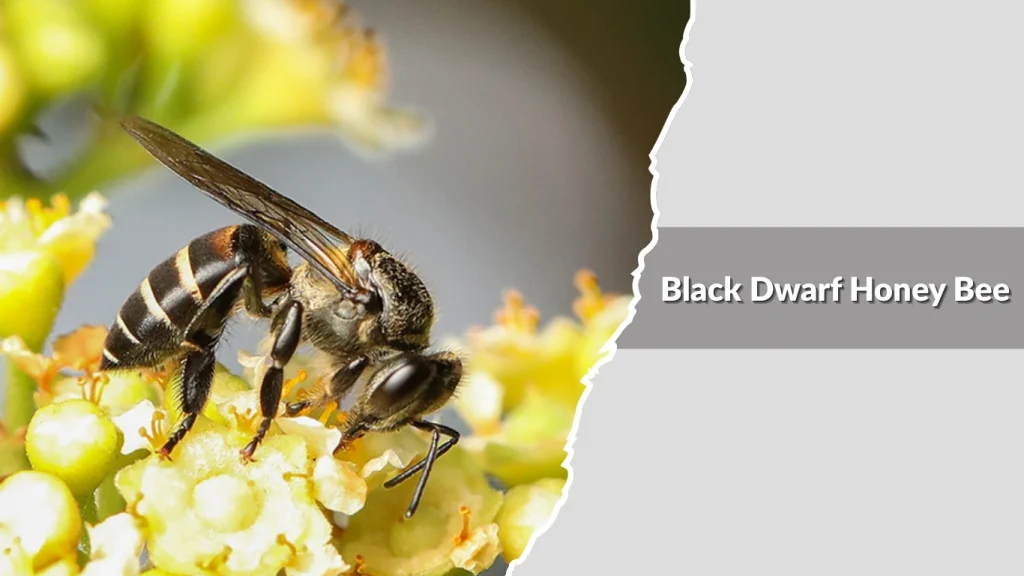
The black dwarf honey bee (Apis andreniformis) is a small, slender honey bee species closely related to the red dwarf honey bee but darker in appearance. It is known for its delicate open-comb nests and important role in pollinating small flowering plants in Southeast Asia.
Identification
- Very small and slender body shape
- Predominantly dark or black coloration
- Narrow pale bands on the abdomen
- Builds small single-comb nests on thin branches
- Quick, darting flight suited for tiny blossoms
Habitat & Distribution
Native to Southeast Asia, this species inhabits tropical forests, orchards, and rural landscapes. It prefers warm, humid environments and frequently nests on low shrubs, bamboo, and young trees. Unlike larger species, it thrives in shaded forested areas.
Behavior & Colony Traits
Colonies of Apis andreniformis are small but efficient. They are generally gentle but use shimmering displays to deter predators. The species often shifts nesting sites seasonally, following floral availability and avoiding disturbances.
Ecological Importance
Though not used for honey production due to small colony size, black dwarf honey bees are essential pollinators of forest undergrowth plants and small-flowered crops. Their activity helps maintain biodiversity and healthy plant regeneration in tropical ecosystems.
6. Koschevnikov’s Honey Bee
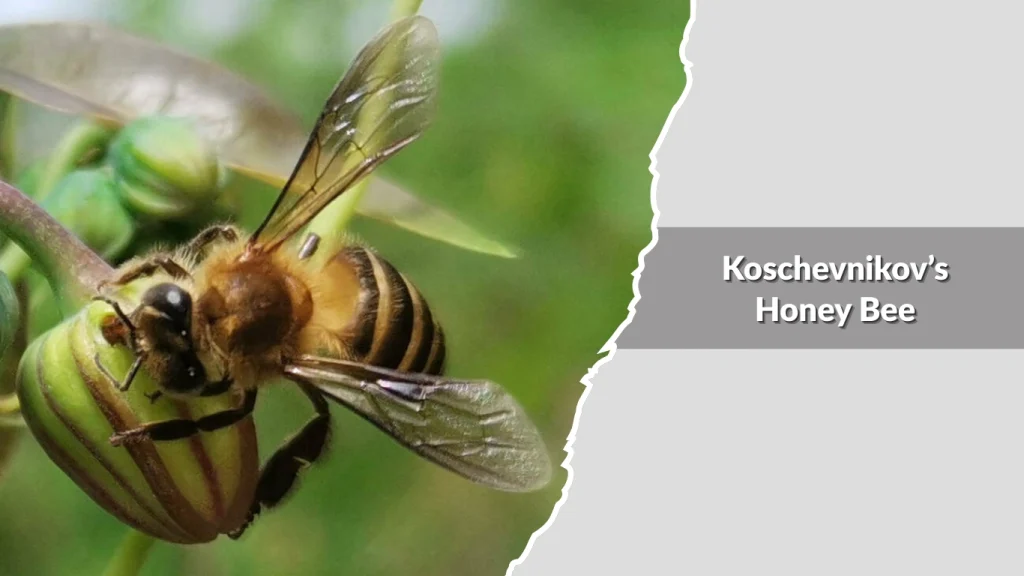
Koschevnikov’s honey bee (Apis koschevnikovi) is a rare Southeast Asian species known for its reddish coloration, gentle temperament, and preference for lowland forest habitats. It plays a valuable role in pollinating native plant species.
Identification
- Medium-sized bee with reddish-brown body
- Distinct orange abdominal bands
- Dense hair on thorax
- Queens larger with more pronounced coloration
- Builds multi-comb nests inside natural cavities
Habitat & Distribution
This species is found mainly in Borneo, Sumatra, and the Malay Peninsula, inhabiting tropical lowland and peat swamp forests. It prefers shaded, humid environments and nests in tree hollows or abandoned cavities away from predators.
Behavior & Colony Structure
Apis koschevnikovi forms moderate-sized colonies and is known for its gentle behavior compared to other wild species. It exhibits strong nest defense when threatened but is less aggressive than giant honey bees. Colonies remain stable and do not migrate long distances.
Conservation & Ecological Role
Due to habitat loss from logging and land conversion, this species is considered vulnerable. Its pollination of native forest plants supports ecosystem balance, making conservation efforts crucial for maintaining local biodiversity.
7. Himalayan Giant Honey Bee
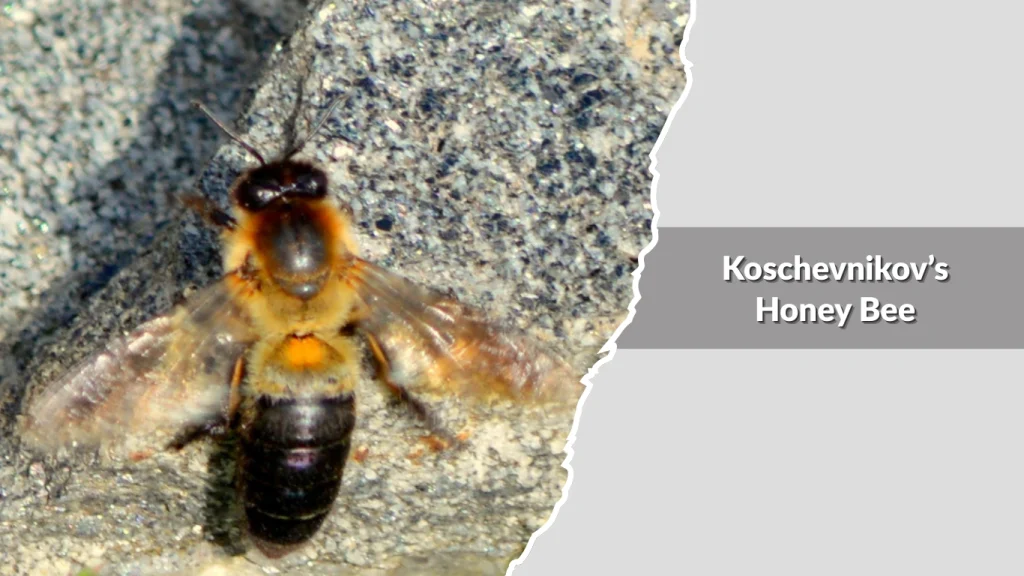
The Himalayan giant honey bee (Apis laboriosa) is the world’s largest honey bee species, famous for building massive nests on high mountain cliffs and producing prized “red honey.” It thrives in rugged Himalayan environments where few other bees can survive.
Identification
- Extremely large body size with dark coloration
- Thick hair on thorax suited for cold climates
- Broad yellow abdominal bands
- Long wings adapted for high-altitude flight
- Builds giant exposed combs on vertical cliffs
Habitat & Distribution
This species is native to the Himalayan regions of Nepal, Bhutan, India, and Tibet. It nests at elevations ranging from 2,500 to 4,000 meters, choosing steep, inaccessible cliffs for protection. Seasonal migration occurs along mountain gradients to follow blooming cycles.
Behavior & Colony Dynamics
Apis laboriosa forms very large colonies with thousands of workers. They display synchronized “shimmering” waves to deter predators and protect their exposed nests. Their defensive behavior is strong, making honey harvesting extremely challenging and culturally significant in Himalayan communities.
Cultural & Ecological Importance
The species is central to traditional honey hunting rituals, particularly in Nepal, where its psychoactive red honey is harvested. Ecologically, it plays a vital role in pollinating high-altitude plants, contributing to mountain biodiversity and the survival of alpine ecosystems.
8. Philippine Honey Bee
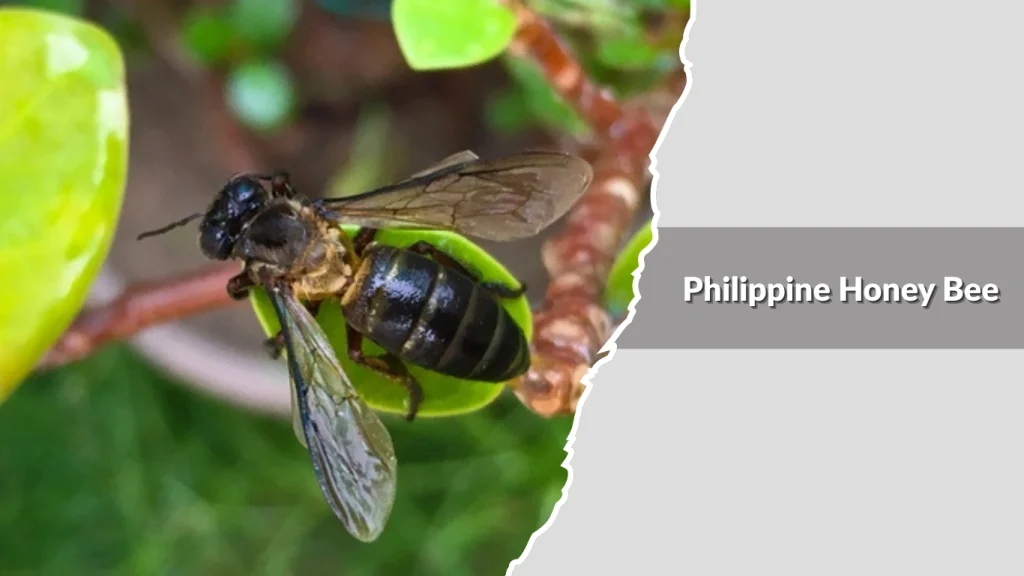
The Philippine honey bee (Apis nigrocincta) is a medium-sized cavity-nesting species native to the Philippines and parts of Indonesia. Known for its distinctive dark bands and gentle disposition, it contributes significantly to pollination in tropical island ecosystems.
Identification
- Medium-sized body with dark brown to black coloration
- Prominent black abdominal bands with lighter edges
- Dense thoracic hair
- Queens larger and more robust than workers
- Builds multi-comb nests inside natural cavities
Habitat & Distribution
This species is primarily found in the Philippines, Sulawesi, and surrounding islands. It thrives in tropical rainforests, coconut farms, mangroves, and rural landscapes. Apis nigrocincta prefers enclosed nesting sites such as tree hollows, rock cavities, and abandoned wood structures.
Behavior & Colony Nature
Philippine honey bees form moderately sized colonies and are generally calm. They practice efficient foraging and exhibit strong hygienic behavior, which helps them resist pests and diseases. Their swarming tendencies are lower than those of other Asian honey bee species.
Ecological & Agricultural Role
These bees are vital pollinators for island agriculture, supporting crops like coconut, banana, mango, and various vegetables. They also maintain the health of native forests by pollinating diverse tropical plants, making them ecologically indispensable in their natural range.
9. Bornean Honey Bee
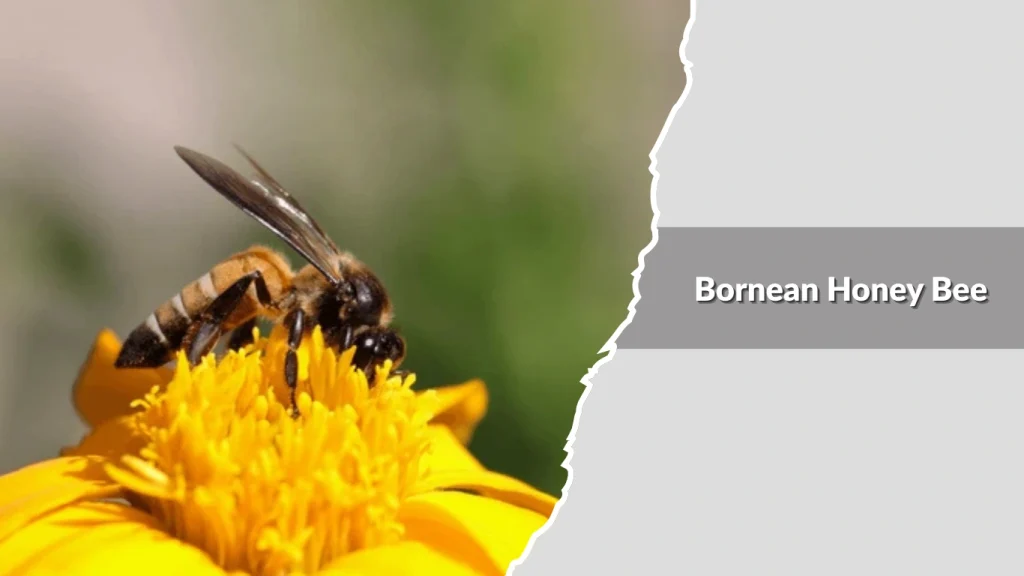
The Bornean honey bee (Apis nuluensis) is a localized species found mainly in northern Borneo. It resembles the eastern honey bee but is genetically distinct and uniquely adapted to the island’s highland forest environments.
Identification
- Medium-sized bee with dark brown to black coloration
- Narrow, pale abdominal bands
- Dense thoracic hair
- Queens slightly larger and darker
- Builds multi-comb nests in natural cavities
Habitat & Distribution
This species lives primarily in the highland regions of Sabah, Malaysia, especially around Mount Kinabalu. It prefers cool, moist montane forests and rarely occurs in lowland areas. Natural cavities in trees and rock crevices serve as ideal nesting sites.
Behavior & Colony Patterns
Apis nuluensis forms moderate-sized colonies and displays gentle behavior. It practices efficient hygienic behavior, allowing it to resist certain pests. Its foraging activity is adapted to cooler temperatures, making it active in environments where other honey bee species are less effective.
Ecological Importance
As a highland specialist, the Bornean honey bee pollinates a variety of native montane plants and contributes to the biodiversity of Borneo’s ecosystem. Although not widely used in commercial beekeeping, it remains crucial for maintaining healthy forest regeneration in the region.
10. Indonesian Honey Bee
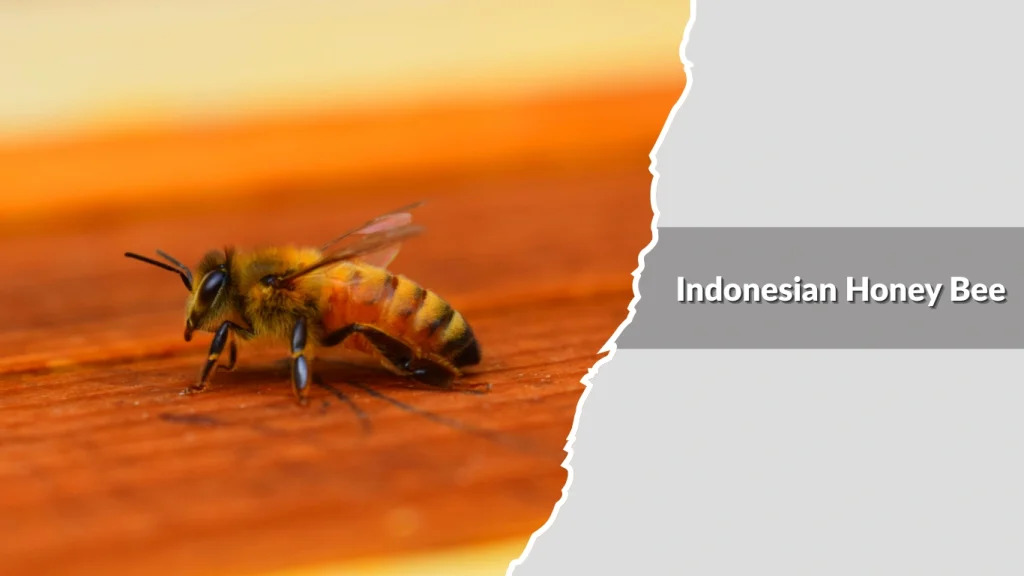
The Indonesian honey bee (Apis binghami) is a rare and localized species native to parts of Indonesia. Closely related to other Asian honey bees, it is known for its distinct coloration and its role in pollinating regional forest plants.
Identification
- Medium-sized bee with predominantly dark coloration
- Slightly reddish or brown abdominal bands
- Dense hair on thorax
- Queens larger and darker than workers
- Builds multi-comb nests in hollow trees or cavities
Habitat & Distribution
This species is found mainly in Sulawesi and nearby Indonesian islands. It inhabits tropical forests, highland regions, and areas with abundant flowering plants. Natural nesting sites include tree hollows, rock cavities, and abandoned wooden structures.
Behavior & Colony Structure
Apis binghami forms stable colonies of moderate size. The species is relatively gentle and shows strong hygienic behavior, helping it resist parasites and diseases. Its foraging patterns are well adapted to local flowering plants, especially in forest ecosystems.
Ecological Role
Though not commonly used for managed beekeeping, the Indonesian honey bee is an important pollinator of native vegetation. By supporting forest regeneration and plant diversity, it contributes significantly to the ecological balance of its natural habitats.
11. Indian Honey Bee
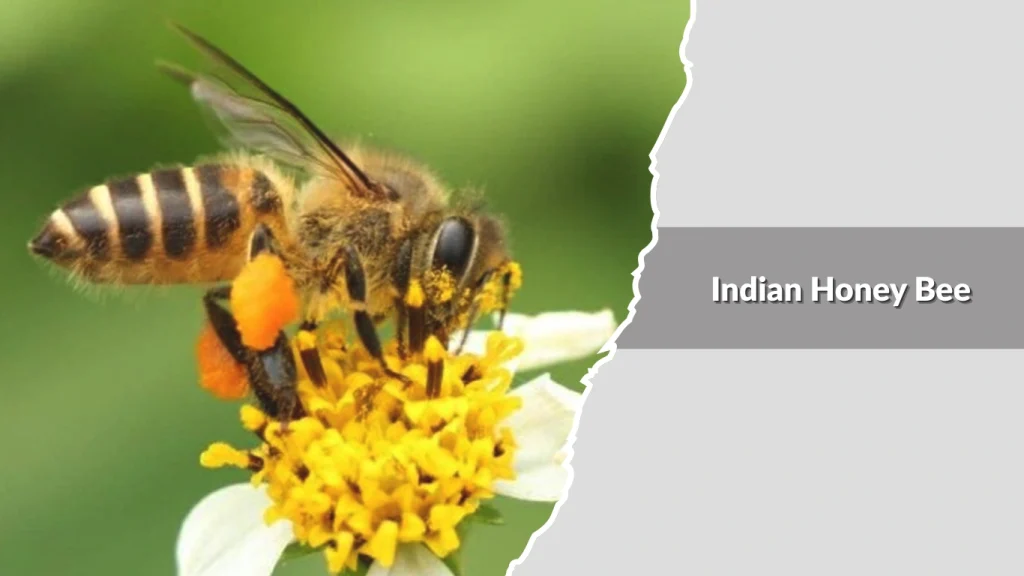
The Indian honey bee (Apis indica) is a widely distributed species across South Asia, known for its adaptability, moderate honey production, and importance in traditional beekeeping practices. It is closely related to the eastern honey bee but recognized as a distinct species.
Identification
- Medium-sized body with golden-brown coloration
- Narrow dark bands on the abdomen
- Slightly smaller than Apis cerana
- Queens larger with elongated abdomens
- Builds multi-comb nests inside cavities
Habitat & Distribution
This species is found throughout India, Nepal, Bangladesh, Sri Lanka, and parts of Southeast Asia. It thrives in varied habitats, including forests, agricultural regions, villages, and urban areas. Indian honey bees prefer enclosed nesting sites such as tree hollows, wall crevices, and wooden structures.
Behavior & Colony Dynamics
Apis indica forms moderate-sized colonies and displays gentle to moderately defensive behavior. The species swarms periodically and shows strong hygienic traits, helping it resist pests and diseases. It is well adapted to local flowering cycles and climatic conditions.
Agricultural Importance
Indian honey bees play a vital role in pollinating crops such as mustard, coconut, mango, sunflower, and various vegetables. They are commonly used in traditional beekeeping, providing honey, beeswax, and pollination services essential to South Asian agriculture.
12. Short-Tongued Honey Bee
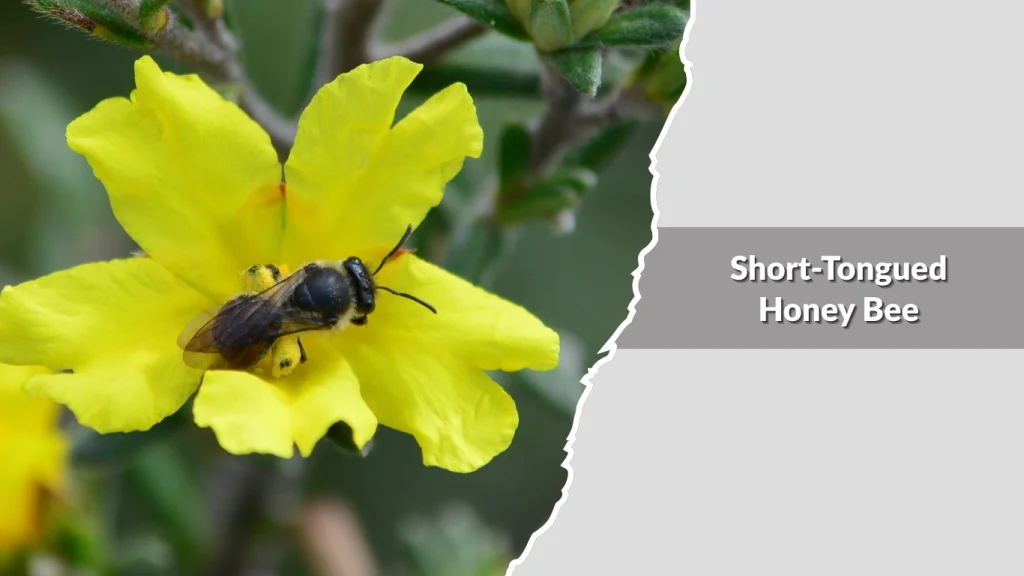
The short-tongued honey bee (Apis breviligula) is a cavity-nesting species native to the Philippines. Known for its relatively short proboscis, it specializes in pollinating flowers with shallow nectar sources and contributes significantly to local ecosystems.
Identification
- Medium-sized bee with dark brown body
- Narrow pale abdominal stripes
- Notably shorter tongue compared to related species
- Queens larger and deeper in color
- Builds multiple combs inside enclosed cavities
Habitat & Distribution
This species is primarily found in the Philippines, especially in forested and semi-forested regions. It nests in tree hollows, wall crevices, and other protected cavities. Apis breviligula thrives in both lowland and upland environments with abundant floral resources.
Behavior & Colony Traits
Colonies are moderate in size and generally gentle in temperament. The species shows strong hygienic behavior and efficient foraging, particularly on flowers with readily accessible nectar. Swarming occurs seasonally but is less frequent than in other Asian honey bee species.
Ecological Importance
The short-tongued honey bee is an essential pollinator of numerous native plants and agricultural crops. Its unique morphological adaptation allows it to pollinate flowers that longer-tongued bees may overlook, supporting biodiversity and sustainable plant reproduction.
13. Asian Hornet Bee (Velutina Honey Bee)
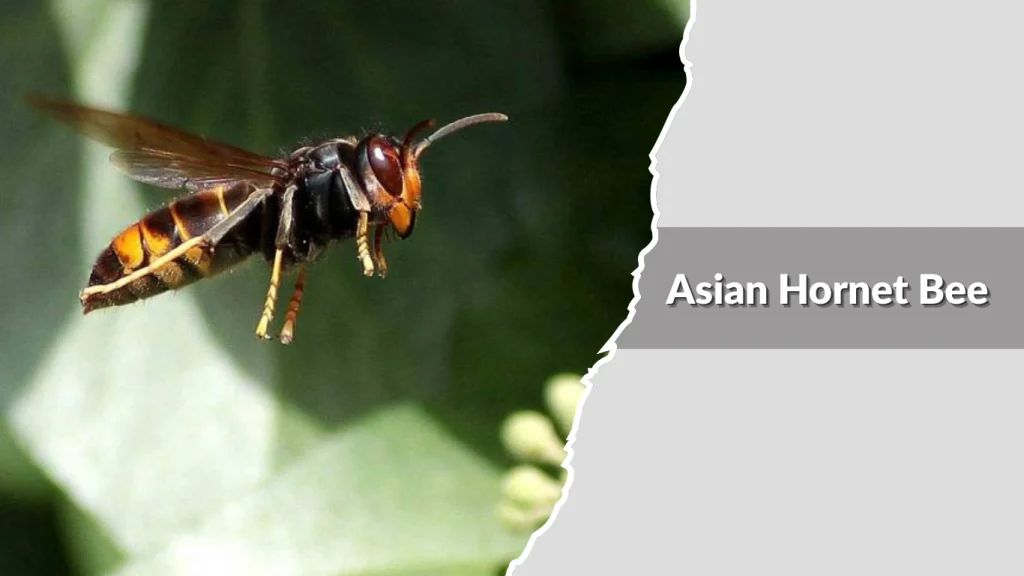
The Asian hornet bee (Apis velutina) is a lesser-known honey bee species characterized by its dark body and resemblance to certain wasps. Although not widely domesticated, it plays an important role in pollinating native plants across parts of Southeast Asia.
Identification
- Medium-sized bee with dark, velvety body
- Yellowish or reddish abdominal markings
- Slightly longer legs compared to related species
- Queens larger and more prominently colored
- Builds multi-comb nests in protected cavities
Habitat & Distribution
This species is found in Southeast Asian regions, including parts of Malaysia, Indonesia, and surrounding islands. It inhabits tropical forests, orchards, and shaded woodland areas. Natural nests occur in tree hollows, rock crevices, and abandoned wooden structures.
Behavior & Colony Structure
Apis velutina forms moderate-sized colonies with relatively gentle disposition. It practices effective foraging and displays strong hygienic behavior, helping it avoid disease. Unlike giant honey bees, it does not build exposed nests and prefers sheltered locations.
Ecological Role
Asian hornet bees contribute to the pollination of diverse native plants and some agricultural crops. Their presence supports ecosystem balance in tropical regions, particularly in habitats where other honey bee species may be less abundant.
14. Koka Honey Bee
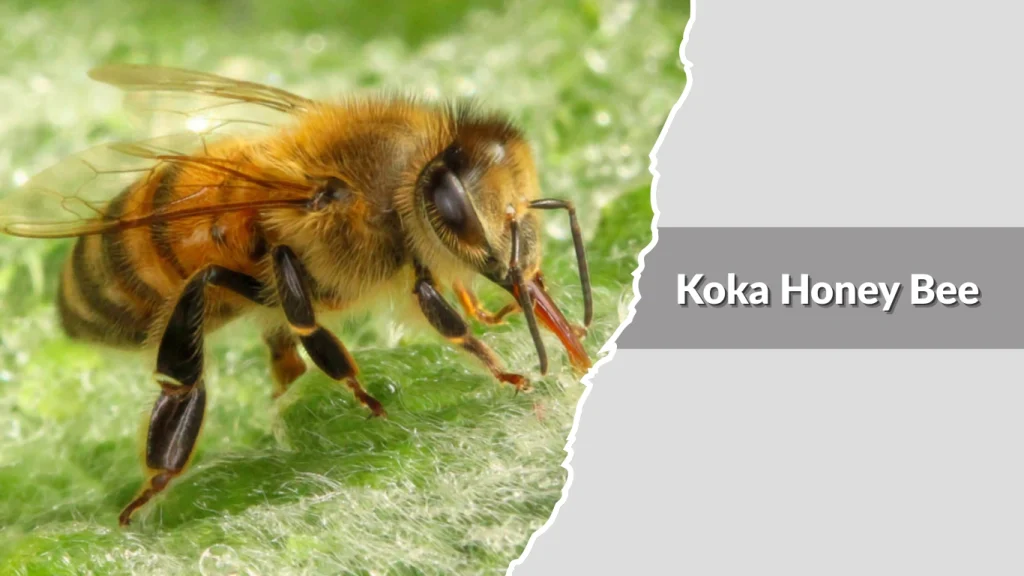
The Koka honey bee (Apis konkakarensis) is a small, localized honey bee species discovered in parts of India. It is closely related to dwarf honey bees and is known for its delicate open-comb nests and adaptability to dry, warm environments.
Identification
- Small body size with light brown to dark coloration
- Thin pale abdominal bands
- Slender body resembling dwarf honey bees
- Builds single, exposed combs on thin branches
- Fast, agile flight suited for small flowers
Habitat & Distribution
This species is primarily found in India, especially in dry and semi-arid regions. It nests on bushes, small trees, and low vegetation. The bee prefers open landscapes and avoids dense forests, living in areas with scattered floral resources.
Behavior & Colony Traits
Colonies of Apis konkakarensis are small and mobile. They frequently relocate nests based on seasonal blooms and environmental disturbances. The bees exhibit shimmering defensive behavior similar to other dwarf species but tend to be less aggressive.
Ecological Importance
Although it produces minimal honey, the Koka honey bee is an important pollinator of small flowering plants, shrubs, and local crops. Its activity supports biodiversity in arid and semi-arid ecosystems, contributing to healthy plant regeneration.
15. Carniolan Honey Bee
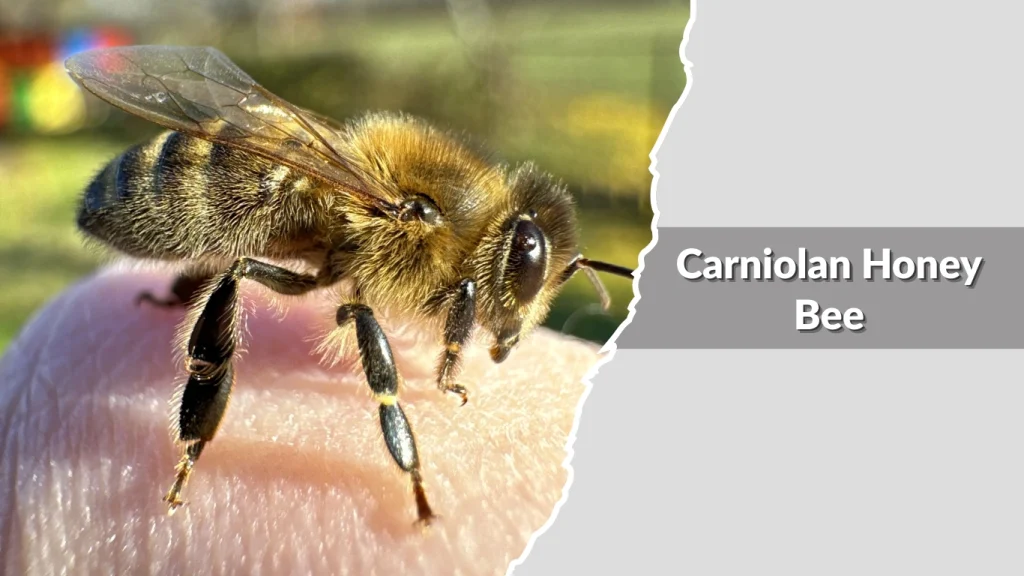
The Carniolan honey bee (Apis mellifera carnica) is a well-known subspecies of the western honey bee, admired for its gentle temperament, rapid spring buildup, and strong foraging efficiency. It is one of the most popular bees used in modern beekeeping.
Identification
- Medium-sized bee with grayish-brown coloration
- Distinct silver or gray bands of hair on abdomen
- Queens longer and darker than workers
- Calm flight with minimal aggression
- Builds multi-comb nests inside cavities or hives
Habitat & Distribution
Native to Slovenia, Austria, and the Balkans, the Carniolan honey bee thrives in temperate climates. It adapts well to cold winters and warm summers, making it popular in Europe, North America, and parts of Asia. Managed colonies typically live in standard beehives.
Behavior & Colony Characteristics
Carniolan bees are known for their gentleness, making them ideal for beekeepers. They expand colony population quickly in spring, respond efficiently to changing nectar flows, and swarm more readily than some other subspecies. Strong hygienic behavior helps them resist diseases and pests.
Importance in Beekeeping
Highly valued in commercial and hobby beekeeping, this subspecies excels in honey production, pollination, and overwintering ability. Its calm nature and efficiency make it a preferred choice for sustainable beekeeping and agricultural pollination worldwide.
FAQs
What is the most common honey bee species in the world?
The western honey bee (Apis mellifera) is the most common and widely distributed species globally. It is heavily used in commercial beekeeping, pollination services, and honey production due to its adaptability and high productivity across many climates.
How many species of honey bees exist?
There are currently around 10 recognized species in the genus Apis, with multiple subspecies under each. These species range from giant honey bees to small dwarf bees, each adapted to specific environments, climates, and ecological niches worldwide.
Which honey bee produces the most honey?
The western honey bee, especially subspecies like the Italian and Carniolan bees, produces the highest volume of honey. These bees are favored by beekeepers for their strong foraging behavior, colony size, and efficient honey storage capabilities.
Why do some honey bees build exposed nests?
Species such as the giant honey bee and dwarf honey bees build exposed nests as part of their natural adaptation. These open-air structures allow for better temperature regulation and quick relocation when threatened but require strong defensive behaviors to protect the colony.
Are all honey bees suitable for beekeeping?
No. While species like Apis mellifera and Apis cerana are widely used in beekeeping, many honey bees—such as giant and dwarf species—are not suitable due to their defensive nature, nesting habits, or low honey production. They play vital roles in ecosystems but are rarely domesticated.
