

Bed bugs are small, blood-feeding insects that have adapted to live close to humans and other warm-blooded animals. While the common bed bug (Cimex lectularius) is the most notorious species infesting homes worldwide, many related species also exist—some that feed on bats, birds, and poultry, and occasionally bite humans when their natural hosts are unavailable.
This guide explores 15 different types of bed bugs and their relatives, detailing their identification, habitats, behaviors, lifecycles, and diets. Understanding these species helps in recognizing infestations early, managing them effectively, and preventing reoccurrence.
1. Common Bed Bug
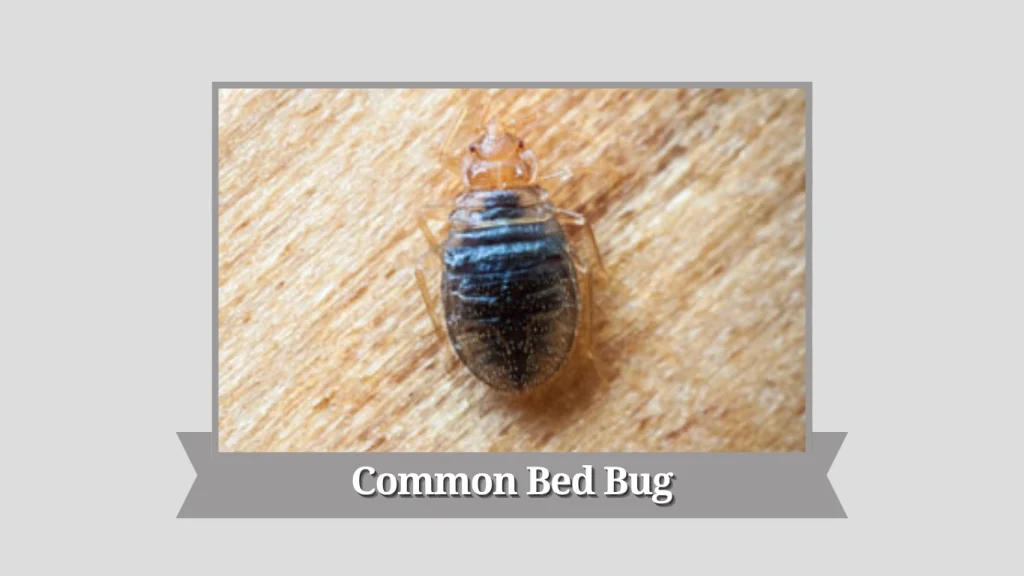
The Common Bed Bug (Cimex lectularius) is the most widespread and well-known bed bug species. Found across temperate regions worldwide, it is a blood-feeding parasite that primarily targets humans but can also feed on pets and other warm-blooded animals. Its ability to hide in small crevices and survive long periods without food makes it one of the most resilient household pests.
Identification
- Scientific name: Cimex lectularius
- Size: 4–6 mm in length (about the size of an apple seed).
- Color: Reddish-brown; becomes darker after feeding.
- Shape: Oval, flat body that swells and elongates after feeding.
- Distinctive features: Wingless, with short antennae and a distinct “musty-sweet” odor in infested areas.
Habitat
Common bed bugs thrive in human dwellings—particularly in mattresses, bed frames, furniture seams, baseboards, and behind wallpaper. They prefer warm environments close to sleeping areas where they can easily access a host. Infestations are most common in apartments, hotels, dormitories, and public transportation.
Behaviors
Bed bugs are nocturnal and feed exclusively on blood. They emerge at night to bite exposed skin, usually around the face, neck, arms, and shoulders. Their bites cause itchy red welts in many individuals. Bed bugs are excellent hitchhikers, spreading through luggage, furniture, and clothing. Despite their small size, they can survive for months without a meal, allowing infestations to persist unnoticed.
Lifecycle & Diet
The Common Bed Bug undergoes incomplete metamorphosis, passing through egg, nymph, and adult stages. A female can lay hundreds of eggs in her lifetime, and under warm indoor conditions, a full generation can develop in 5–8 weeks. Both nymphs and adults feed exclusively on blood, typically from humans, using specialized mouthparts to pierce the skin and suck blood for several minutes before retreating to their hiding places.
2. Tropical Bed Bug
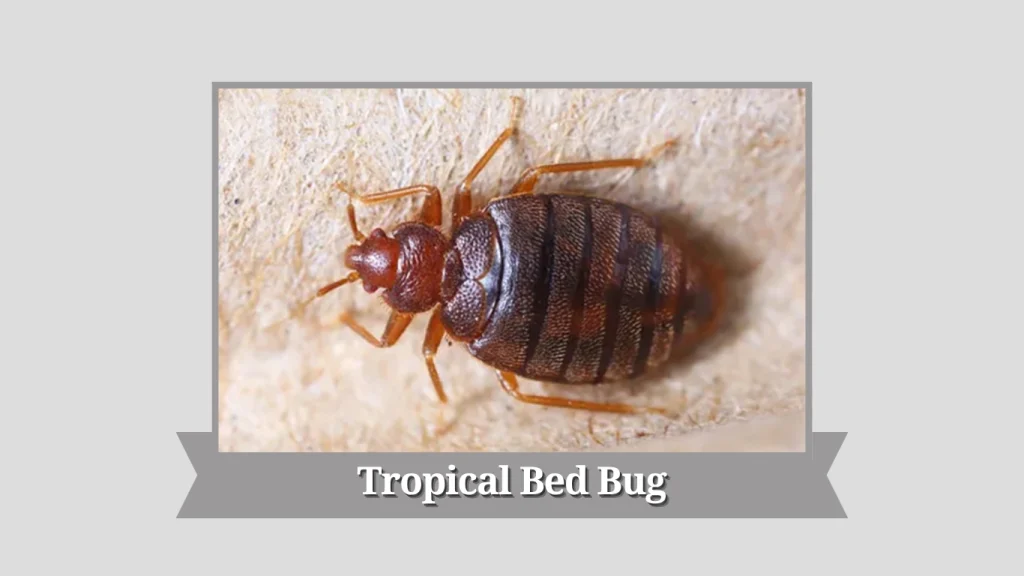
The Tropical Bed Bug (Cimex hemipterus) is closely related to the common bed bug but thrives in warmer climates. It is prevalent in tropical and subtropical regions, including parts of Asia, Africa, and South America. This species feeds exclusively on human blood and is responsible for many infestations in humid environments.
Identification
- Scientific name: Cimex hemipterus
- Size: 4.5–6.5 mm long.
- Color: Reddish-brown, slightly darker than C. lectularius.
- Shape: Oval, flattened body; becomes engorged after feeding.
- Distinctive feature: Broader pronotum (the plate behind the head) with less curvature compared to the common bed bug.
Habitat
This species inhabits bedrooms, hotel rooms, and other indoor spaces in tropical regions. It hides in mattress seams, cracks in furniture, and wall crevices near sleeping areas.
Behaviors
Tropical Bed Bugs are nocturnal and bite humans during the night, leaving small, itchy welts. They are highly resilient to temperature changes and can survive months without feeding. Infestations often spread through used bedding, luggage, and furniture.
Lifecycle & Diet
Their life cycle includes egg, five nymphal stages, and adult. Females lay up to 200 eggs in their lifetime. Both nymphs and adults feed on human blood, using anesthetic saliva to avoid detection while feeding.
3. African Bat Bug

The African Bat Bug (Leptocimex boueti) is a bed bug species that primarily parasitizes bats but occasionally bites humans, especially when bat colonies roost in buildings. Found mainly in West Africa and parts of the Middle East, it plays an ecological role in bat caves and roosts.
Identification
- Scientific name: Leptocimex boueti
- Size: 3.5–5 mm long.
- Color: Pale brown to dark brown.
- Shape: Flattened and oval, similar to human bed bugs but slightly more elongated.
- Distinctive feature: Shorter hair on the pronotum and longer antenna segments than Cimex species.
Habitat
African Bat Bugs are found in bat-inhabited structures such as attics, caves, and old buildings. When bats vacate their roosts, the bugs may move into nearby human dwellings in search of food.
Behaviors
These insects feed primarily on bats but will bite humans if bat hosts are absent. They are nocturnal, hiding in cracks during the day and feeding at night. Infestations are rare but can occur in homes near bat colonies.
Lifecycle & Diet
Their lifecycle mirrors that of other bed bugs—egg, nymph, and adult stages. Development depends on temperature and host availability. While their preferred diet is bat blood, they can survive on human blood when necessary.
4. Western Bat Bug
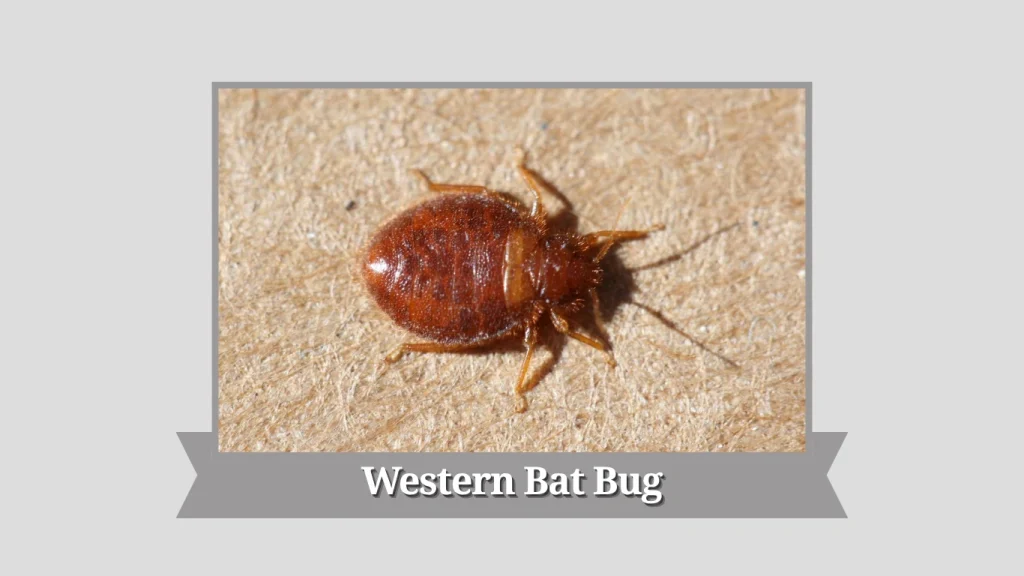
The Western Bat Bug (Cimex pilosellus) is a species native to North America that primarily feeds on bats but occasionally invades homes and bites humans. It is most common in the western and central United States, where bats roost in attics and old buildings.
Identification
- Scientific name: Cimex pilosellus
- Size: 4–6 mm long.
- Color: Light to dark brown.
- Shape: Flat, oval body with fine hairs on the upper surface.
- Distinctive feature: Longer body hairs and narrower pronotum compared to Cimex lectularius.
Habitat
Western Bat Bugs live in close association with bats, typically in attics, barns, and caves. When bats migrate or leave roosts, these bugs may move into human dwellings through cracks and ceiling spaces.
Behaviors
They are nocturnal and feed primarily on bats, but in the absence of their natural hosts, they will bite humans. Bites are similar to those from human bed bugs, though infestations are rare and usually localized.
Lifecycle & Diet
Their lifecycle includes egg, nymph, and adult stages, with development lasting several weeks depending on temperature. They feed mostly on bat blood but can survive short periods feeding on human blood if necessary.
5. Eastern Bat Bug

The Eastern Bat Bug (Cimex adjunctus) is closely related to the Western Bat Bug but is found throughout eastern North America. It inhabits bat roosts in homes, churches, and caves, occasionally entering living areas and biting humans.
Identification
- Scientific name: Cimex adjunctus
- Size: 4.5–6 mm long.
- Color: Reddish-brown to mahogany.
- Shape: Oval, flattened body with short antennae.
- Distinctive feature: Hair on the body is shorter and denser than that of C. pilosellus; difficult to distinguish from C. lectularius without magnification.
Habitat
Eastern Bat Bugs inhabit areas where bats roost—especially attics, chimneys, and wall voids. They are often found in buildings with large bat colonies, such as old houses and barns.
Behaviors
They feed primarily on bats but will bite humans when their usual hosts are absent. Though they don’t reproduce as rapidly as human bed bugs, they can persist in homes for months, especially near bat nesting sites.
Lifecycle & Diet
The lifecycle includes eggs, five nymphal stages, and adult. Reproduction and feeding depend on bat activity. Their main diet is bat blood, but they can feed on humans opportunistically, especially during summer months when bats migrate.
6. European Bat Bug
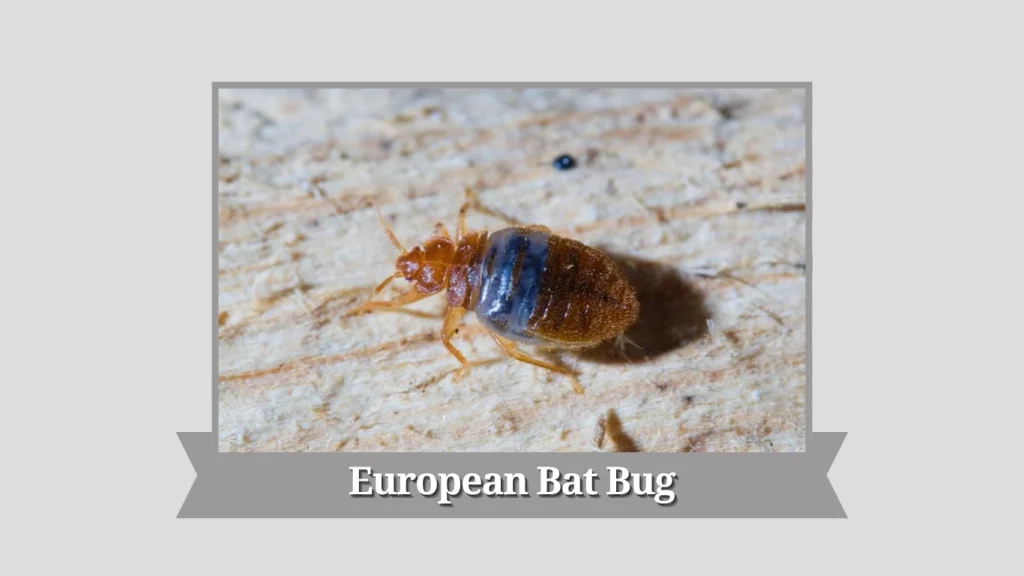
The European Bat Bug (Cimex pipistrelli) is a common parasite of bats across Europe and parts of Asia. Though it closely resembles the human bed bug, it primarily feeds on bats and only occasionally bites humans when bats roost inside buildings.
Identification
- Scientific name: Cimex pipistrelli
- Size: 4–6 mm long.
- Color: Reddish-brown, becoming darker after feeding.
- Shape: Flattened, oval body with a broad pronotum.
- Distinctive feature: Slightly shorter body hairs and longer antennae compared to C. lectularius.
Habitat
This species inhabits bat roosts in attics, roof spaces, caves, and old buildings. It is widespread in Europe, especially in regions where bats commonly share human structures.
Behaviors
The European Bat Bug feeds mainly on bats but will bite humans if its hosts leave or populations grow too large. It is nocturnal, emerging at night to feed and hiding in cracks during the day. These bugs rarely establish permanent infestations in human dwellings.
Lifecycle & Diet
Its lifecycle includes egg, nymph, and adult stages, with development depending on warmth and access to hosts. It feeds primarily on bat blood but can occasionally survive on human blood for short periods.
7. Japanese Bat Bug
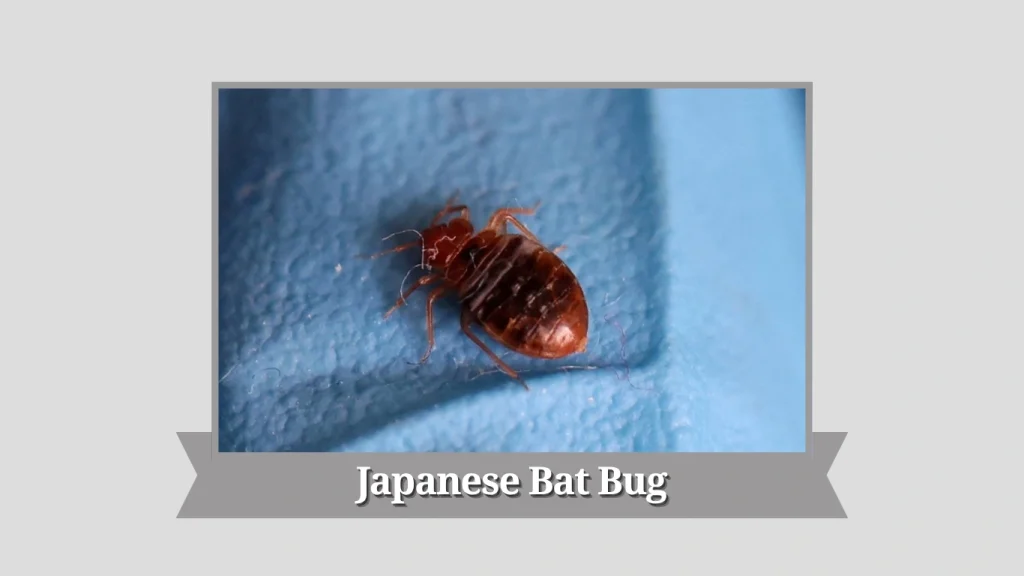
The Japanese Bat Bug (Cimex japonicus) is found throughout East Asia, particularly in Japan, China, and Korea. It parasitizes bats and occasionally infests homes or temples where bats roost.
Identification
- Scientific name: Cimex japonicus
- Size: 4–5.5 mm long.
- Color: Brown to reddish-brown.
- Shape: Oval, flattened body similar to other Cimex species.
- Distinctive feature: Slightly longer antennae and narrower body shape than C. lectularius.
Habitat
Japanese Bat Bugs reside in caves, temples, and old wooden houses frequented by bats. They can enter human living areas when disturbed or when bats migrate.
Behaviors
They feed primarily on bats but occasionally bite humans if they share the same structure. These bugs are secretive, hiding in cracks, rafters, and behind wooden panels during the day. Though rare in homes, infestations may occur seasonally when bats move.
Lifecycle & Diet
Their lifecycle includes egg, five nymphal stages, and adult. Reproduction rates depend on temperature and host proximity. Their preferred diet is bat blood, but they can temporarily survive on human blood if their usual hosts are unavailable.
8. South American Bat Bug
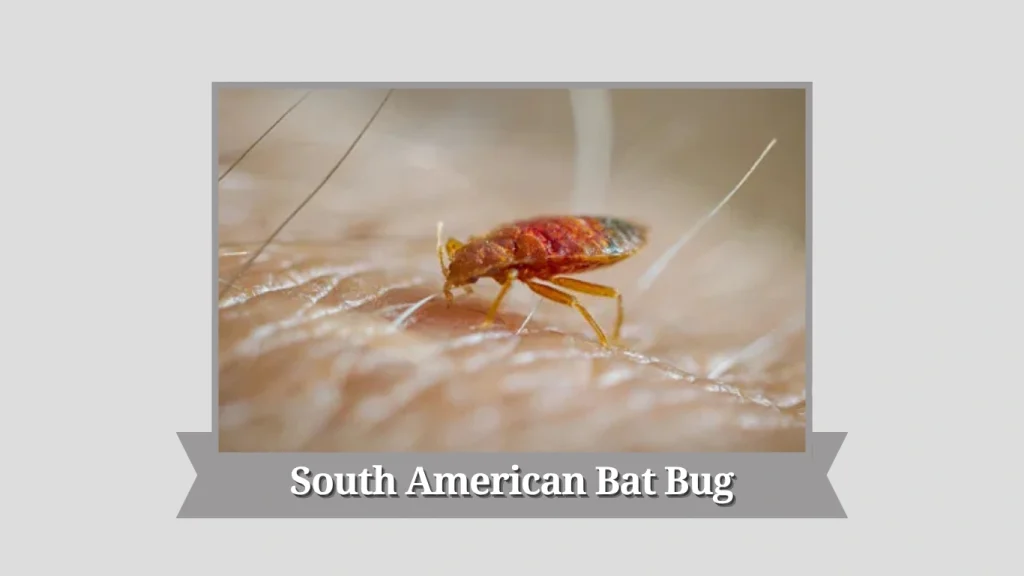
The South American Bat Bug (Cimex antennatus) is a lesser-known species found across Central and South America, primarily inhabiting bat roosts in caves, old trees, and abandoned structures. While it mainly feeds on bats, it can occasionally bite humans living near infested areas.
Identification
- Scientific name: Cimex antennatus
- Size: 4–6 mm long.
- Color: Light to dark brown, darker after feeding.
- Shape: Oval and flattened with long antennae segments.
- Distinctive feature: Extended antennae and fine body hairs distinguish it from C. lectularius.
Habitat
This species prefers tropical and subtropical environments, living in bat roosts, hollow trees, and roofs of old buildings. It thrives in warm, humid conditions and can occasionally migrate into human dwellings.
Behaviors
South American Bat Bugs feed mainly at night, preferring bats as their hosts. When bat colonies move or are disturbed, these insects may temporarily feed on humans or domestic animals. They are not known to establish long-term infestations indoors.
Lifecycle & Diet
The lifecycle includes egg, nymph, and adult stages. Females lay eggs in crevices near bat resting spots. Both nymphs and adults feed on bat blood, occasionally switching to humans when their hosts are absent.
9. European Swallow Bug

The European Swallow Bug (Oeciacus hirundinis) is a bird-associated species commonly found in Europe and parts of Asia. It infests the nests of swallows and other cliff-nesting birds, occasionally biting humans when nests are built close to houses.
Identification
- Scientific name: Oeciacus hirundinis
- Size: 4–6 mm long.
- Color: Grayish-brown to reddish after feeding.
- Shape: Broad, oval body with shorter legs than human bed bugs.
- Distinctive feature: More elongated head and beak adapted for feeding on birds.
Habitat
European Swallow Bugs live in bird nests, particularly those of swallows attached to walls, bridges, and eaves of buildings. They may enter homes through open windows or cracks near nesting sites.
Behaviors
These bugs feed mainly on swallows and other small birds. When birds migrate or abandon nests, the bugs may enter human living spaces and bite people, though they cannot survive long without their avian hosts. They hide in nest materials or crevices nearby during the day.
Lifecycle & Diet
The lifecycle consists of egg, nymph, and adult stages. Eggs are laid in bird nests, and nymphs hatch to feed on the blood of nestlings or adult birds. Their diet consists exclusively of bird blood, though they can temporarily feed on humans when bird hosts are unavailable.
10. American Swallow Bug

The American Swallow Bug (Oeciacus vicarius) is a close relative of the European Swallow Bug and is native to North America. It primarily parasitizes cliff swallows but occasionally bites humans when birds abandon their nests near human dwellings.
Identification
- Scientific name: Oeciacus vicarius
- Size: 4–6 mm in length.
- Color: Brownish-gray, becoming reddish after feeding.
- Shape: Oval, flattened body with long legs.
- Distinctive feature: Slightly longer antennae and a broader head than O. hirundinis.
Habitat
This species is found in swallow nests built under bridges, eaves, and cliffs across the United States and Canada. It thrives in dry, sheltered areas where swallows nest in colonies.
Behaviors
American Swallow Bugs are nocturnal and feed exclusively on bird blood while the hosts are nesting. When the birds migrate, the bugs remain in the nest, surviving months without feeding. In some cases, they enter nearby homes and bite humans, though infestations are temporary.
Lifecycle & Diet
Their lifecycle consists of egg, nymph, and adult stages. Females lay eggs in swallow nests, and nymphs feed on nestlings and adults. Their diet is primarily bird blood, but they can feed on human blood occasionally if necessary.
11. Mexican Chicken Bug

The Mexican Chicken Bug (Haematosiphon inodorus) is a blood-feeding parasite that primarily attacks poultry but can also bite humans when in close contact with infested birds. It is a significant pest in chicken farms and poultry houses across Mexico and the southern United States.
Identification
- Scientific name: Haematosiphon inodorus
- Size: 5–7 mm long.
- Color: Yellowish-brown to reddish after feeding.
- Shape: Oval, flat body with a long, piercing mouthpart.
- Distinctive feature: More elongated body and smaller head compared to typical bed bugs.
Habitat
This species inhabits poultry houses, bird coops, and occasionally wild bird nests. It hides in cracks in walls, under roosts, and beneath bedding materials. Infestations often spread through poultry equipment and transport cages.
Behaviors
Mexican Chicken Bugs feed mainly on chickens, causing irritation, anemia, and decreased egg production. They are nocturnal, coming out to feed during the night. In heavy infestations, they may crawl onto humans working in poultry houses and bite exposed skin.
Lifecycle & Diet
Their lifecycle includes egg, five nymphal stages, and adult. Females lay eggs near roosting areas, and development takes several weeks. They feed almost exclusively on bird blood, with chickens as their preferred hosts, but can occasionally bite humans or other mammals.
12. Tropical Bird Bug
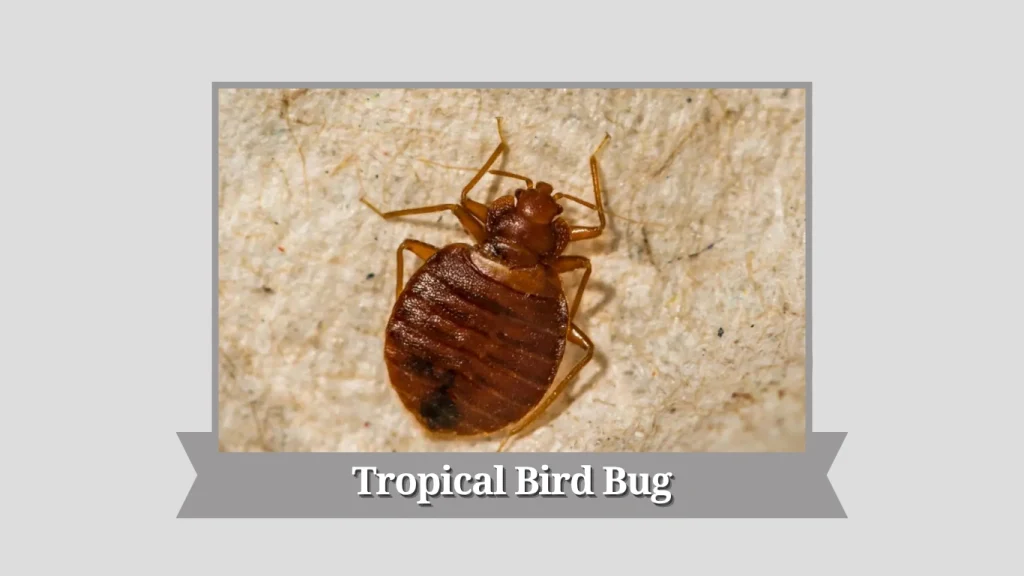
The Tropical Bird Bug (Ornithocoris toledoi) is a parasitic insect found mainly in South and Central America. It lives in bird nests and occasionally infests homes, especially those located near bird roosts. Though it rarely targets humans, it can bite when disturbed or when bird hosts are absent.
Identification
- Scientific name: Ornithocoris toledoi
- Size: 4–5.5 mm in length.
- Color: Light to medium brown, reddish after feeding.
- Shape: Oval, slightly elongated, and flattened body.
- Distinctive feature: Narrow head and longer legs than human bed bugs, adapted for moving in feathers.
Habitat
This species inhabits tropical and subtropical regions of South and Central America. It is commonly found in nests of pigeons, sparrows, and other small birds, particularly in urban or rural settings where birds nest on roofs or ledges.
Behaviors
Tropical Bird Bugs feed on the blood of birds and remain in nests between meals. When birds migrate or abandon their nests, they may enter nearby human dwellings and bite humans, though infestations are typically short-lived.
Lifecycle & Diet
Their lifecycle includes egg, nymph, and adult stages. Females lay eggs in bird nests, and nymphs feed on the blood of nestlings and adult birds. Their diet is mainly avian blood, but they can survive temporarily on human blood if hosts are unavailable.
13. Cave Bed Bug
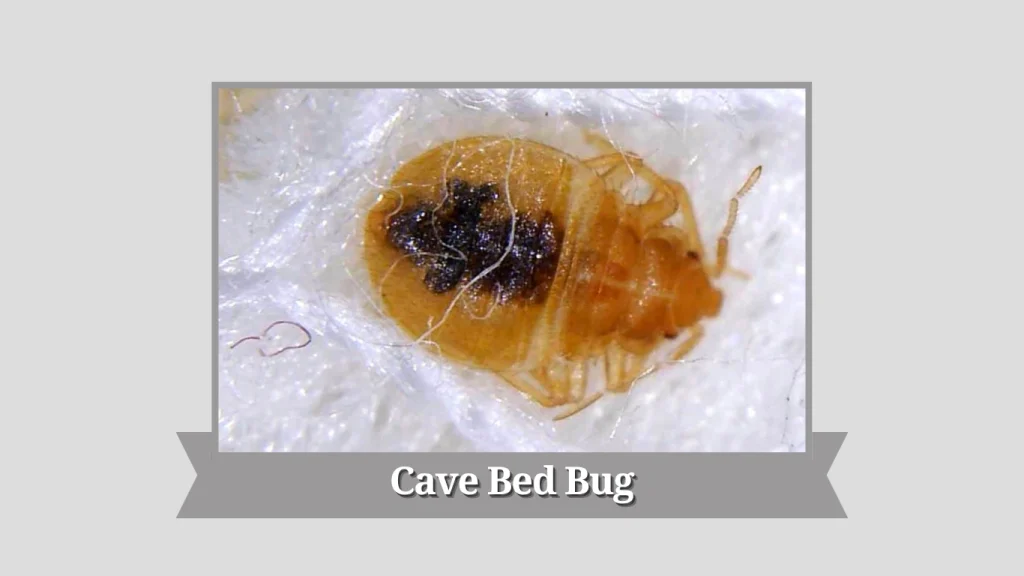
The Cave Bed Bug (Primicimex cavernis) is one of the more primitive species of the Cimicidae family, found in caves inhabited by bats and other mammals. It is native to North America and is rarely encountered by humans unless caves are explored or disturbed.
Identification
- Scientific name: Primicimex cavernis
- Size: 4–7 mm long.
- Color: Dark brown to blackish.
- Shape: Oval and heavily flattened, with a broad, shield-like pronotum.
- Distinctive feature: Primitive body structure with reduced wing pads and coarse hairs.
Habitat
This species inhabits limestone caves and other subterranean environments, where it feeds primarily on bats. It hides in crevices, cracks, and under rocks near roosting areas.
Behaviors
Cave Bed Bugs are nocturnal and feed exclusively on the blood of cave-dwelling bats. They have limited mobility and do not typically infest human dwellings. Occasionally, they may bite cave explorers or workers when disturbed.
Lifecycle & Diet
Their lifecycle consists of egg, nymph, and adult stages. Development is slower than in other bed bug species due to the cool and stable cave environment. Their diet is almost entirely composed of bat blood, though they can survive long periods without feeding.
14. African Cave Bug
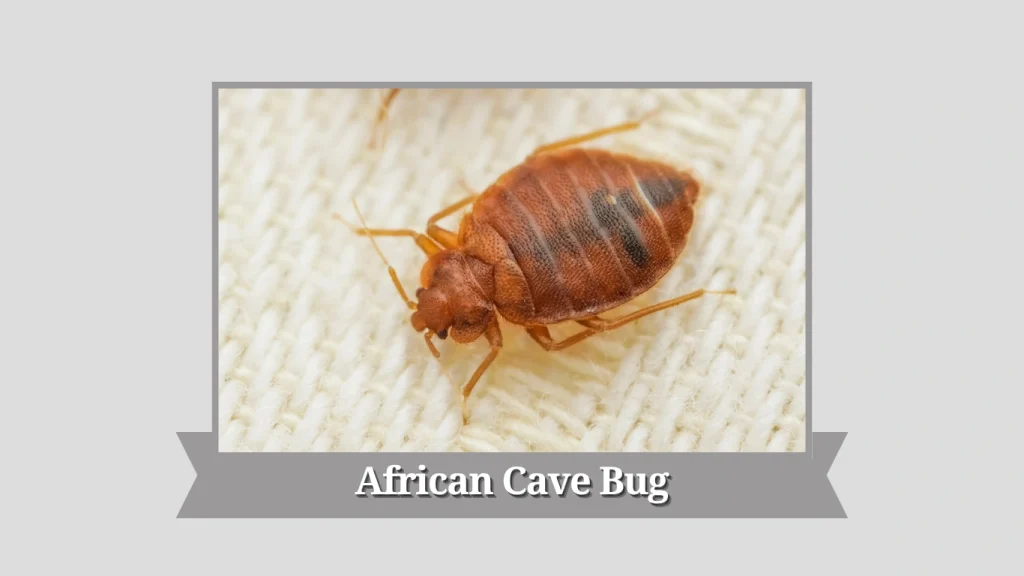
The African Cave Bug (Stricticimex parvus) is a species of bed bug primarily associated with bats and other cave-dwelling mammals in Africa. It lives deep within dark, humid caves and rarely comes into contact with humans unless its habitat is disturbed.
Identification
- Scientific name: Stricticimex parvus
- Size: 4–6 mm long.
- Color: Dark brown to almost black.
- Shape: Flattened, oval body with short legs.
- Distinctive feature: Rough-textured exoskeleton and shorter, broader head compared to Cimex species.
Habitat
This species inhabits bat caves, rocky crevices, and other sheltered subterranean environments across sub-Saharan Africa. It thrives in warm, humid areas with stable temperatures and abundant bat populations.
Behaviors
The African Cave Bug feeds mainly on the blood of bats. It is nocturnal and emerges from crevices at night to feed. These bugs are slow-moving and rarely infest human dwellings but may occasionally bite humans during cave exploration or research.
Lifecycle & Diet
The lifecycle consists of egg, nymph, and adult stages. Reproduction occurs year-round in stable cave climates. Both nymphs and adults feed exclusively on bat blood and can survive several months without feeding if hosts are absent.
15. Southeast Asian Bed Bug
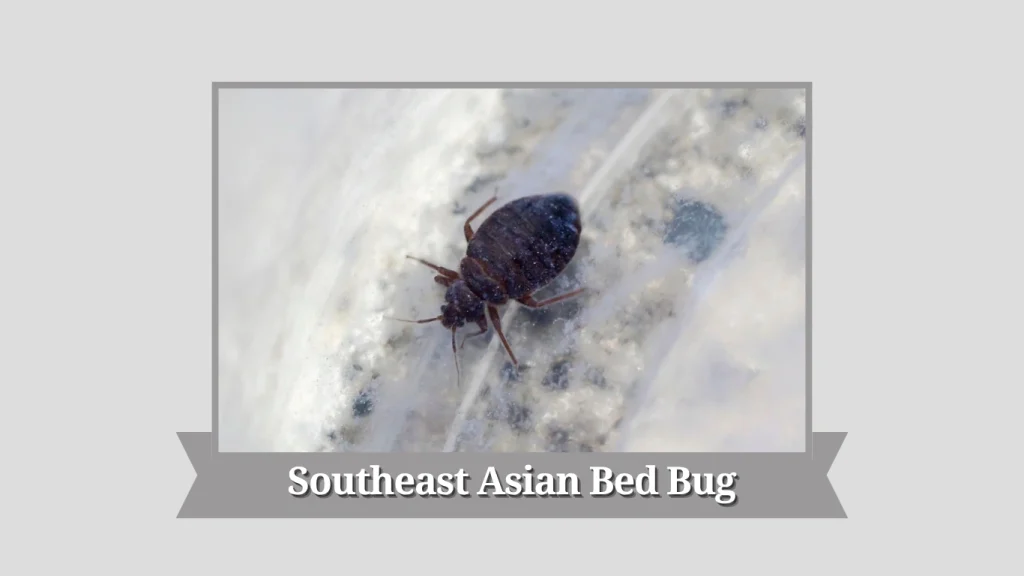
The Southeast Asian Bed Bug (Leptocimex spectans) is a species native to Southeast Asia that primarily parasitizes bats but can occasionally infest human dwellings. It is closely related to the African Bat Bug (Leptocimex boueti).
Identification
- Scientific name: Leptocimex spectans
- Size: 4–6 mm in length.
- Color: Reddish-brown to dark brown.
- Shape: Oval, flattened body with long antennae.
- Distinctive feature: Elongated body and slightly pointed abdomen tip.
Habitat
This species inhabits bat roosts in caves, temples, and abandoned buildings throughout Southeast Asia, including Thailand, Indonesia, and Malaysia. It may enter nearby human dwellings when bats roost in attics or roofs.
Behaviors
Southeast Asian Bed Bugs are nocturnal and feed mainly on bats, though they will bite humans if their hosts are unavailable. They are highly secretive and prefer dark, undisturbed locations. Infestations in homes are rare but can occur near bat colonies.
Lifecycle & Diet
Their lifecycle includes egg, five nymphal stages, and adult. Development is influenced by temperature and host access. Both nymphs and adults feed on the blood of bats, occasionally turning to humans as an alternate source when necessary.
