
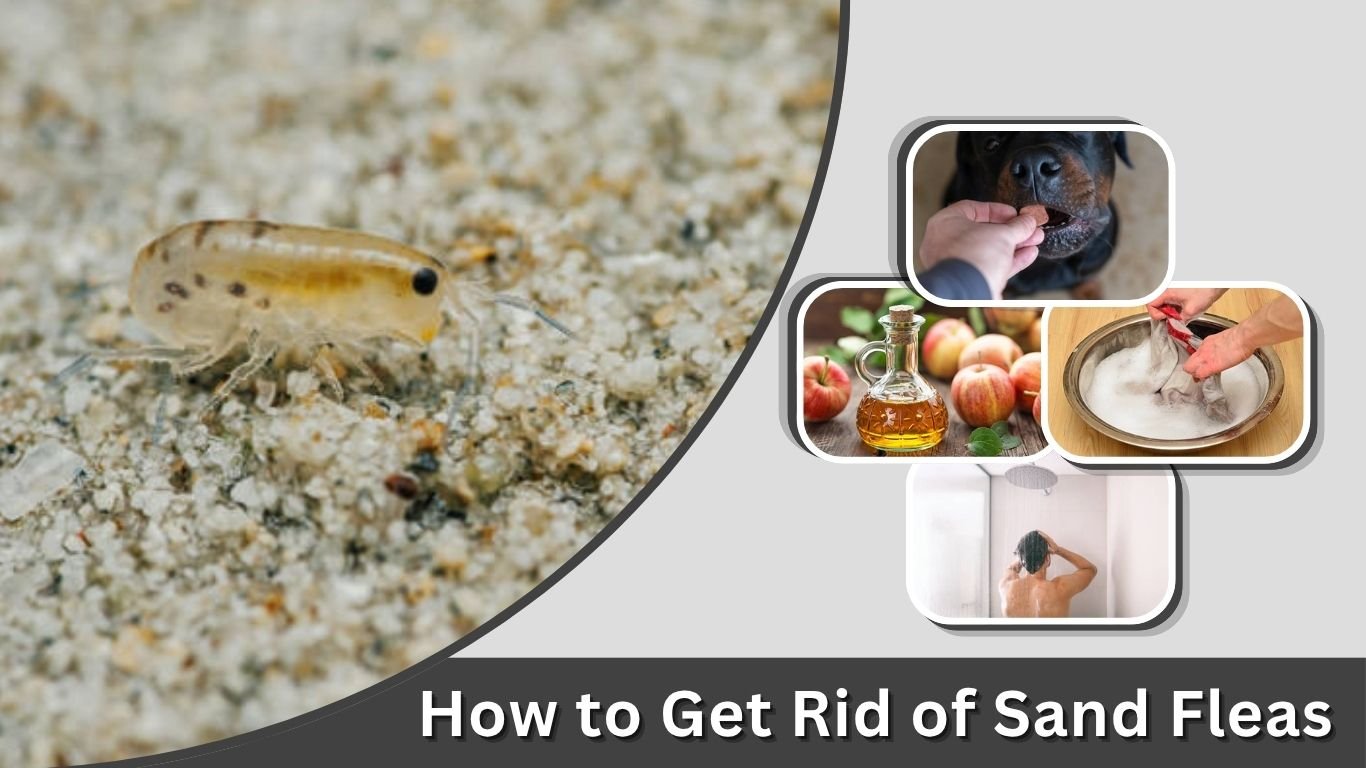
Learning how to get rid of sand fleas starts with identifying what is actually causing the problem. The name “sand flea” may refer to true fleas, biting insects found around beaches, or other small beach-dwelling creatures. If fleas have entered your home or are affecting pets, effective control requires treating the animal, cleaning indoor areas, and reducing outdoor hiding places. Bites also need proper care. The following guide explains practical ways to control sand fleas in your house, yard, pets, and skin.
What Are Sand Fleas and Where Do They Come From?
“Sand flea” is a broad common name rather than one specific insect. In many situations, people use it for fleas or tiny biting pests encountered around beaches, sandy soil, coastal vegetation, or animal resting areas. Understanding the source matters because ordinary pet fleas require different control methods from beach insects or chigoe fleas that can penetrate human skin.
How Do You Get Sand Fleas?
People commonly encounter biting pests after walking, sitting, or lying in sandy areas where insects are active. Pets can also pick up true fleas from outdoor environments and transport them into homes.
Once ordinary fleas enter a house on a dog, cat, wildlife host, clothing, or belongings, eggs and immature stages can accumulate around carpets, furniture, and pet resting areas.
Can You Get Sand Fleas From the Beach?
Yes, people and pets can encounter organisms commonly called sand fleas at beaches. However, not every jumping or biting beach creature is a true flea.
Beach exposure may cause itchy bites without creating an indoor infestation. If bites continue several days after returning home, inspect pets and indoor areas to determine whether actual fleas were brought inside.
How to Get Rid of Sand Fleas in Your House
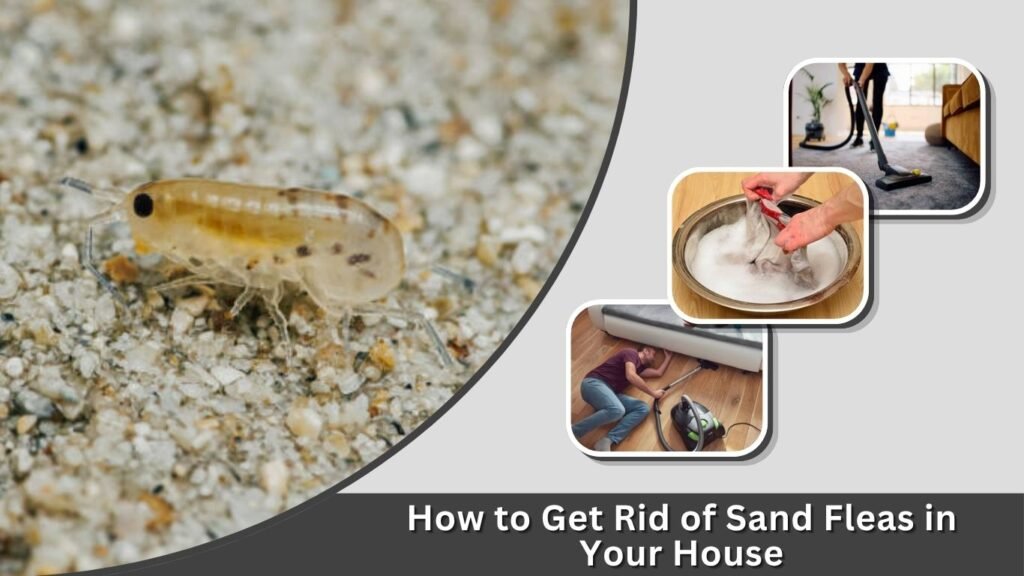
If true fleas are responsible, treating only the insects you can see will rarely solve the problem. Adults may live on pets while eggs, larvae, and pupae develop throughout the indoor environment. Effective control therefore combines cleaning, pet treatment, monitoring, and repeated attention to areas where animals sleep or spend significant amounts of time.
Clean Flea-Prone Areas Thoroughly
Focus your cleaning on:
- Vacuum carpets, rugs, furniture, and floor edges frequently.
- Pay extra attention to pet sleeping areas.
- Vacuum underneath beds and furniture.
- Wash pet bedding regularly.
- Wash suitable blankets and fabrics in hot water when appropriate.
- Dry washable items according to their care labels using sufficient heat.
- Empty the vacuum outdoors after cleaning.
- Reduce unnecessary clutter where fleas can remain hidden.
Vacuuming is useful because it removes some adult fleas and immature stages while disturbing pupae that may later emerge.
Treat Pets at the Same Time
Indoor cleaning will have limited success if an infested pet continues carrying adult fleas.
Dogs and cats should receive an appropriate veterinarian-recommended flea preventive or treatment. Because flea-control products are species- and weight-specific, never assume that a product designed for dogs is safe for cats.
How to Get Rid of Sand Fleas Outside and in Your Yard
Outdoor flea problems are usually concentrated in sheltered places rather than sunny, exposed lawn areas. Fleas tend to do better where animals rest and where humidity, shade, and organic material provide protection. Yard management should therefore focus on changing these favorable environments while also controlling fleas on pets that use the area.
Reduce Outdoor Flea Habitat
Useful outdoor measures include:
- Keep grass reasonably trimmed.
- Remove piles of leaves and organic debris.
- Clean areas where pets regularly rest.
- Reduce damp, heavily shaded hiding places where practical.
- Keep wildlife from nesting directly beside the house.
- Discourage stray animals from sleeping around porches or sheds.
- Wash or replace heavily infested outdoor pet bedding.
- Treat pets consistently with veterinary-approved flea prevention.
Covering an entire yard with pesticides is often unnecessary when the main flea activity is concentrated around specific shaded resting places.
How to Get Rid of Fleas in Sand
If a sandbox is suspected, first determine whether actual fleas are present. Keeping the sandbox covered when it is not being used can reduce visits from cats, rodents, and other animals that may introduce fleas.
For heavily contaminated play sand, replacing the sand and preventing future animal access may be more practical than repeatedly applying pesticides where children play.
How to Get Rid of Sand Fleas on Dogs
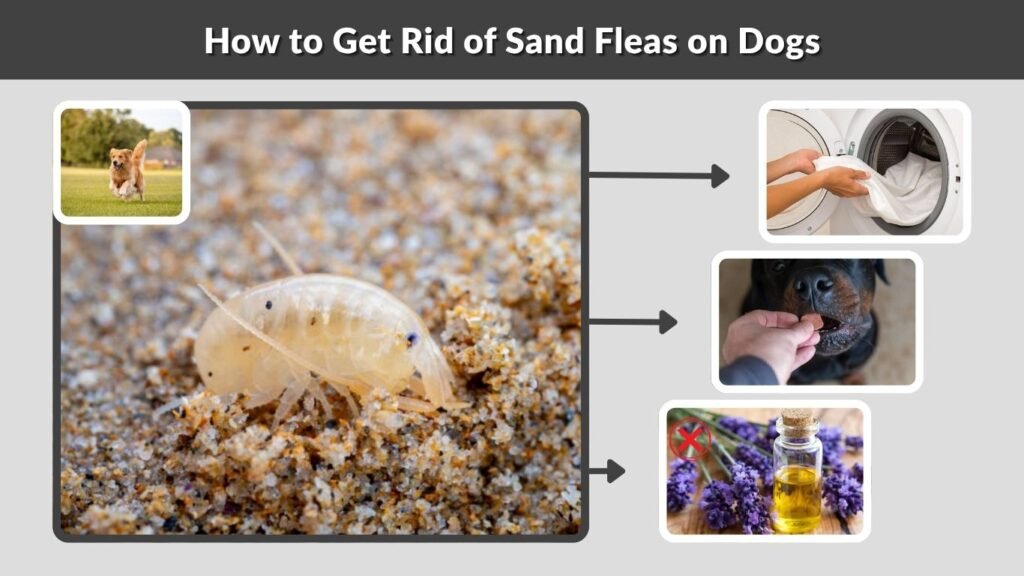
Dogs can encounter fleas at beaches, parks, yards, kennels, and other places where infested animals have been present. Persistent scratching after a beach trip does not automatically prove sand fleas are responsible, since allergies, mites, ordinary pet fleas, and skin irritation can cause similar symptoms. Inspecting the dog and consulting a veterinarian helps determine the cause.
Signs Your Dog May Have Fleas
Watch for:
- Frequent scratching or chewing
- Fleas moving through the coat
- Black specks resembling pepper in the fur
- Irritated or reddened skin
- Hair thinning from repeated scratching
- Scabs around the back or tail area
- Restlessness caused by itching
“Flea dirt” may contain digested blood and can be an important clue that true fleas are present.
Treating Fleas on Dogs
Use a flea-control product appropriate for your dog’s age, weight, health, and lifestyle. Your veterinarian can recommend oral, topical, or other preventive options.
Also wash bedding and clean the home environment. Killing fleas on the dog without addressing developing fleas indoors can result in repeated reinfestation.
Never apply concentrated essential oils, household insecticides, or products intended for another animal species directly to a dog.
How to Get Rid of Sand Flea Bites
Once a bite has occurred, you cannot remove it in the same sense as removing the insect. Treatment instead focuses on reducing itching and allowing the skin to heal. Most ordinary bites improve naturally, while continued scratching can make symptoms last longer and increase the possibility of bacterial infection.
Caring for Sand Flea Bites
For uncomplicated bites:
- Wash the area gently with soap and water.
- Apply a cool compress for itching.
- Avoid scratching.
- Keep scratched skin clean.
- Consider an appropriate anti-itch cream.
- Ask a pharmacist about an antihistamine if needed.
- Monitor the area for worsening redness or swelling.
Seek medical care if you develop spreading redness, pus, increasing pain, fever, or other evidence of infection.
Can Sand Fleas Get Under Your Skin?
Most insects people casually call sand fleas bite and leave rather than living beneath human skin.
One important exception is the chigoe flea, which can embed in the skin and cause tungiasis. This occurs mainly in particular tropical and subtropical areas and often affects the feet. Suspected embedded fleas should be medically evaluated rather than cut or dug out at home.
Can Sand Fleas Live in Your Bed or Hair?
True pet fleas can temporarily jump onto people, furniture, and beds, particularly when an infested pet sleeps nearby. However, humans are generally not the preferred long-term host for common cat and dog fleas. Finding fleas around a bed usually means the surrounding environment or an animal host should be investigated.
Sand Fleas in Your Bed
If fleas are present around your bed, vacuum the mattress edges, floor, bed frame, and nearby carpeting. Wash suitable bedding and check any pets that sleep in the room.
Unlike bed bugs, fleas can jump considerable distances relative to their size, so they may appear on the bed without permanently living inside the mattress.
Sand Fleas in Human Hair
Pet fleas may briefly move through human hair, but they are not generally adapted to live permanently on the human scalp in the way head lice are.
Persistent scalp itching should therefore not automatically be blamed on sand fleas. Other causes may require investigation.
Do Natural Remedies Get Rid of Sand Fleas?
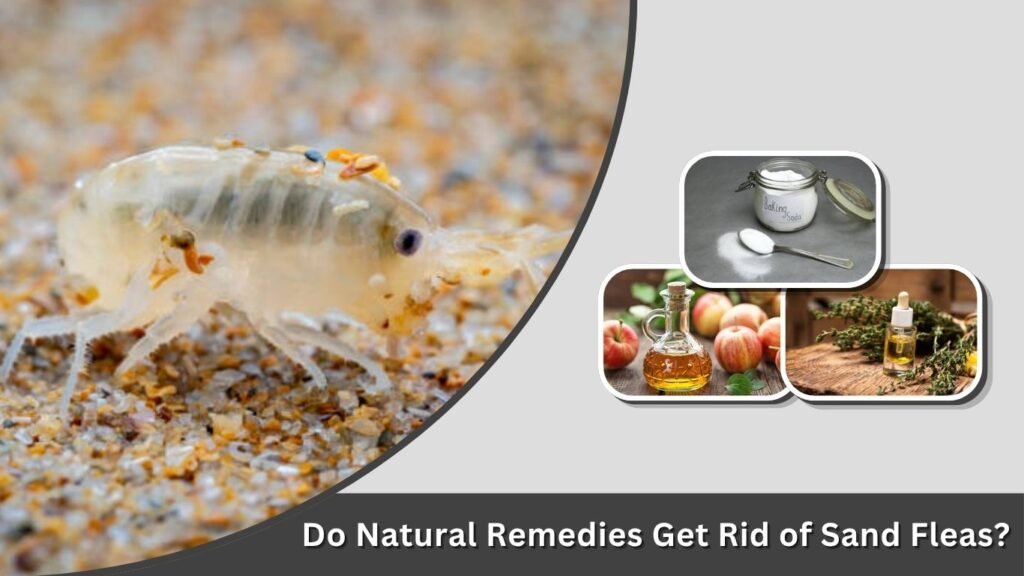
Many home remedies are promoted for flea control, but their effectiveness is inconsistent. Vinegar, baking soda, essential oils, and similar substances should not be relied upon as complete infestation treatments. Some concentrated natural products can also irritate people or poison pets.
A Better Home-Control Approach
A dependable strategy combines regular vacuuming, laundering pet bedding, treating pets appropriately, monitoring for continued activity, and using correctly labeled pest-control products when necessary.
If fleas remain numerous despite these measures, professional pest control can help locate overlooked breeding areas and determine whether another insect is being mistaken for a sand flea.
How to Prevent Sand Fleas From Returning
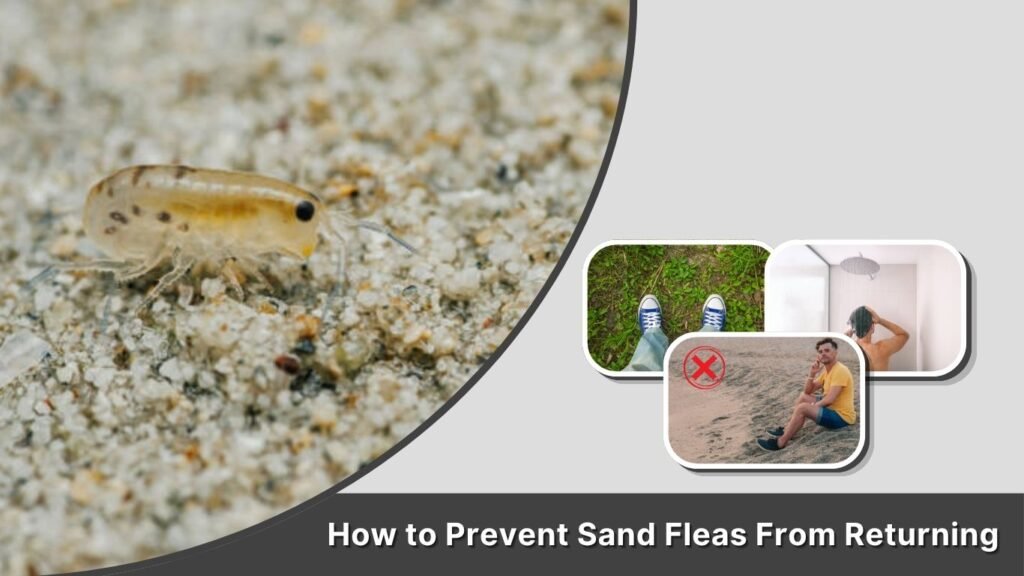
Long-term prevention is easier than repeatedly treating established infestations. Focus on protecting pets, limiting animal access to the property, keeping resting areas clean, and reducing exposure when visiting locations known for biting insects. Prevention is especially valuable in warm environments where flea populations may remain active for long periods.
Protecting Yourself at Beaches
Wear footwear and cover the lower legs when biting insects are abundant. An appropriate insect repellent may also reduce bites.
Avoid sitting directly on damp sand, decaying vegetation, or heavily infested areas when possible. After leaving the beach, shower and wash clothing, especially after significant exposure.
FAQs
What is the fastest way to get rid of sand fleas?
If true fleas are involved, treat pets with an appropriate flea-control product while simultaneously vacuuming carpets, furniture, floor edges, and pet resting areas. Wash pet bedding and continue monitoring. Because immature fleas can remain in the environment, complete control generally requires repeated cleaning rather than one quick treatment.
How do you get rid of sand fleas naturally?
Regular vacuuming, washing bedding, removing outdoor debris, keeping grass maintained, and preventing wildlife from resting near the home can reduce fleas without excessive pesticide use. However, a significant flea infestation may require veterinarian-approved pet treatment or correctly labeled pest-control products in addition to environmental cleaning.
Can sand fleas infest your house?
True fleas can enter homes on pets or other animals and establish populations when suitable hosts are available. Eggs and immature fleas may develop in carpets, furniture, cracks, and pet resting areas. Many beach organisms called sand fleas, however, do not create household infestations, making correct identification important.
How do I get rid of sand fleas on my body?
Ordinary fleas generally do not remain permanently attached to human skin. Shower, change and wash exposed clothing, and treat any bites appropriately. If a persistent lesion appears to contain an embedded organism, particularly after travel in an area where tungiasis occurs, seek medical evaluation rather than trying to remove it yourself.
Can dogs get sand fleas at the beach?
Dogs can encounter fleas and other biting organisms in coastal environments. After a beach visit, check your dog’s coat and skin for excessive scratching, visible fleas, flea dirt, redness, or irritation. Persistent symptoms should be evaluated by a veterinarian, who can recommend safe flea treatment and rule out other skin problems.
