
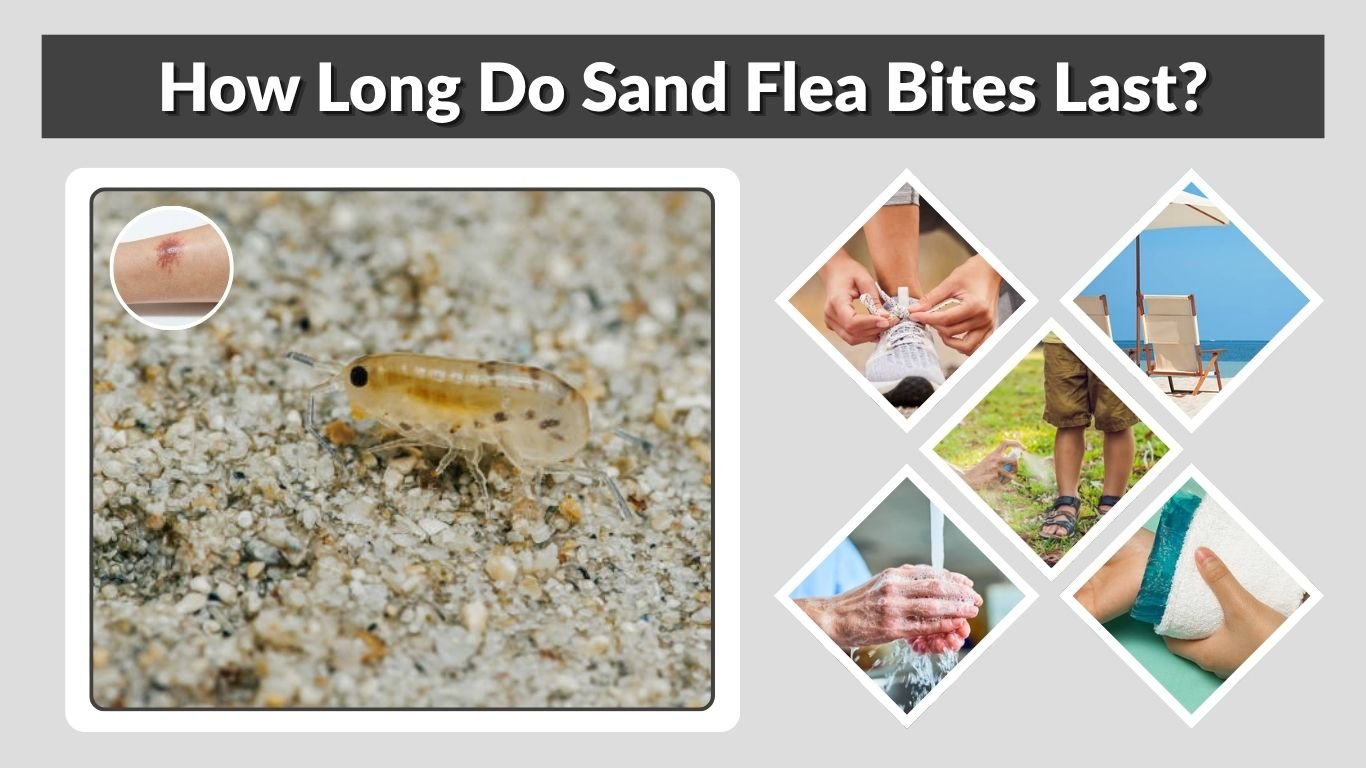
How long do sand flea bites last? Most uncomplicated bites begin improving within a few days, although itching, redness, or small bumps can sometimes persist for one to two weeks depending on the person and the insect involved. The term “sand flea” is used for several different beach-dwelling biting creatures, so reactions can vary. Scratching, sensitive skin, repeated exposure, or infection may make symptoms last longer. Knowing the normal healing pattern and warning signs can help you manage discomfort safely.
How Long Do Sand Flea Bites Last on Humans?
For many people, ordinary sand flea bites cause temporary itching and inflammation that gradually fades over several days. Some marks may remain noticeable for a week or longer, particularly in people who have stronger reactions to insect saliva. The exact duration depends on the insect responsible, number of bites, individual sensitivity, and whether the skin becomes irritated from scratching.
Typical Healing Timeline
A common reaction may follow this general pattern:
- First few hours: Itching, redness, or burning may begin.
- Days 1–3: Bumps can become more noticeable and itchy.
- Days 3–7: Mild bites often begin to settle.
- 1–2 weeks: Remaining redness or itching generally continues fading.
- Longer than two weeks: Persistent or worsening symptoms deserve closer attention.
This timeline is only an estimate because different insects are commonly called sand fleas.
Why Some Bites Last Longer
People respond differently to insect bites. Someone who develops a stronger inflammatory reaction may experience larger bumps and longer-lasting itching than another person exposed to the same insects.
Repeated scratching can also delay healing because it damages the skin. If bacteria enter the scratched area, a secondary skin infection may develop and extend the recovery period.
What Do Sand Flea Bites Look and Feel Like?
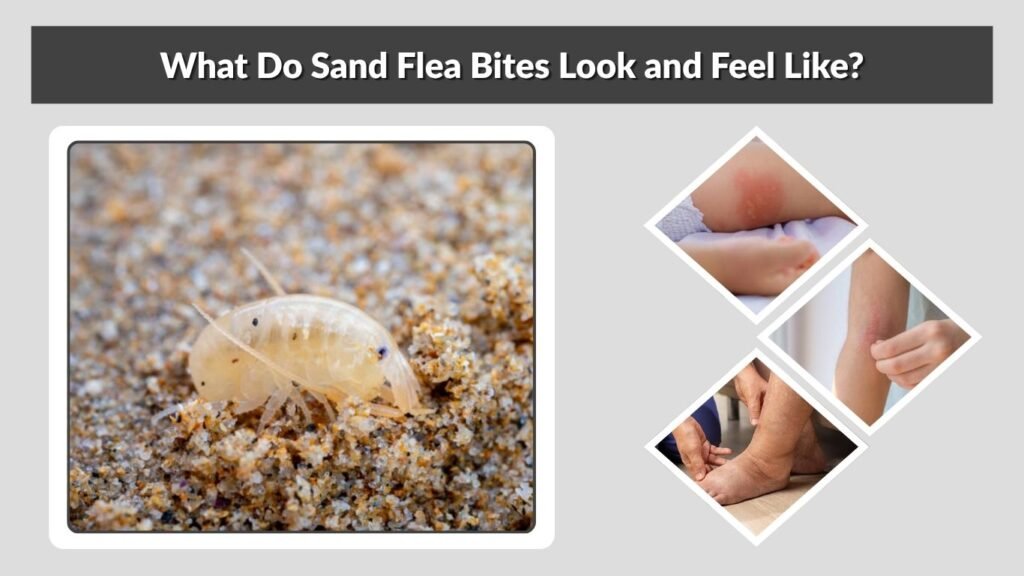
Sand flea bites often appear as small, itchy, red or inflamed bumps after time spent around beaches, sandy ground, or coastal vegetation. They may occur singly or in groups. Because mosquitoes, biting midges, true fleas, and other insects can cause similar marks, appearance alone usually cannot identify the exact pest responsible.
Common Symptoms
Possible sand flea bite symptoms include:
- Small red or pink bumps
- Intense itching
- Mild swelling
- Burning or irritation
- Tenderness
- Several bites grouped together
- Scratches or scabs from repeated itching
The ankles, feet, and lower legs are frequently affected because these areas are closest to the sand.
Where Sand Fleas Usually Bite
Bites often occur on exposed lower-body areas, including the feet, ankles, calves, and legs. However, bites may appear elsewhere when someone sits or lies on an infested beach.
Clothing can provide some protection, although very small biting insects may reach exposed skin around cuffs, waistbands, or other openings.
Why Do Sand Flea Bites Itch for So Long?
The itching is caused primarily by the body’s reaction to substances introduced during feeding. Your immune system recognizes these substances as foreign and produces an inflammatory response, causing redness, swelling, and itching. Even after the insect has left, inflammation can continue for several days while the skin gradually returns to normal.
Your Immune Response Matters
Some people barely react to bites, while others develop large, intensely itchy welts. Previous exposure can also affect how strongly a person’s immune system responds.
This is why two people who spend the same amount of time on a beach may experience very different symptoms and healing times.
Scratching Can Extend the Reaction
Scratching may provide temporary relief but often increases inflammation. Repeated scratching can break the skin, create scabs, and potentially introduce bacteria.
A bite that might otherwise disappear within several days can therefore remain irritated much longer when it is repeatedly scratched.
How to Help Sand Flea Bites Heal Faster
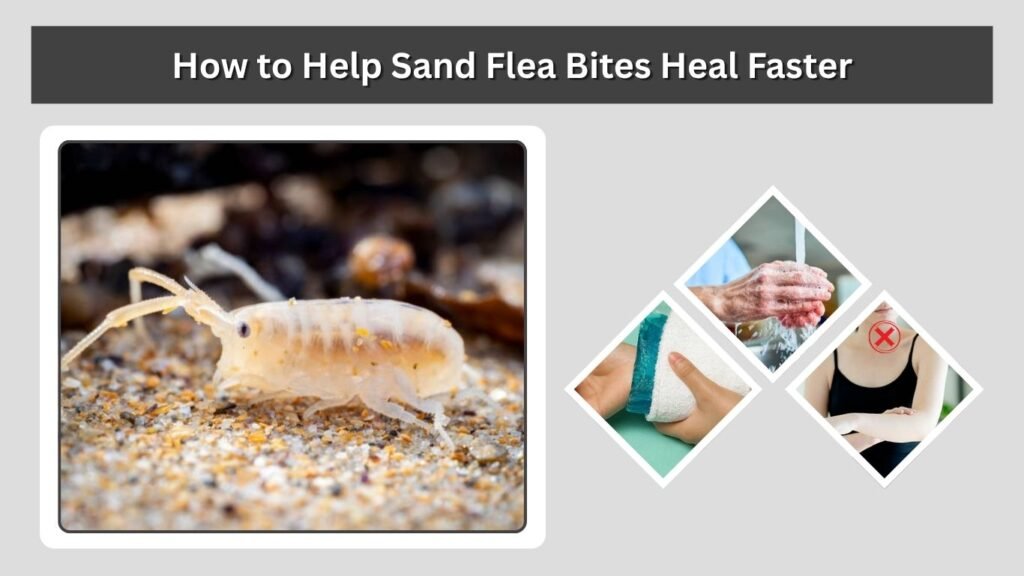
Most mild sand flea bites can be managed with simple skin care and measures that reduce itching. The goal is not to “remove” venom or saliva from the skin after the bite has occurred. Instead, treatment focuses on reducing irritation and preventing scratching while the body’s inflammatory response naturally settles.
Simple Home Care
For uncomplicated bites:
- Wash the area gently with soap and water.
- Apply a cool compress for itching and swelling.
- Avoid scratching whenever possible.
- Keep fingernails short and clean.
- Keep broken or scratched skin clean.
- Ask a pharmacist about appropriate anti-itch products if needed.
- Avoid additional exposure until the bites improve.
Do not repeatedly apply harsh household chemicals to irritated skin, as they may worsen inflammation.
Can Anti-Itch Products Help?
Over-the-counter hydrocortisone creams or oral antihistamines may help some people with itching, depending on age, medical conditions, medications, and individual circumstances.
A pharmacist or healthcare professional can recommend an appropriate option when itching is significant or persistent.
Can Sand Flea Bites Last for Weeks?
Ordinary insect bites usually improve gradually, but some reactions can remain visible for more than a week. Persistent itching does not automatically mean insects remain under the skin. However, the term “sand flea” creates an important exception because chigoe fleas can actually penetrate the skin and cause a condition called tungiasis.
Ordinary Bites vs. Tungiasis
Most insects casually called sand fleas simply bite and leave. Their reactions usually resolve as the inflammation fades.
The chigoe flea, found in certain tropical and subtropical regions, behaves differently. A fertilized female can embed herself in the skin, usually around the feet. This can create a persistent lesion rather than a temporary bite and requires medical evaluation rather than ordinary bite care.
Signs That It May Be Something Different
A lesion that continues enlarging, contains a central dark spot, becomes increasingly painful, drains fluid, or does not gradually heal should not automatically be treated as an ordinary sand flea bite.
Travel history is also important. Someone who develops persistent foot lesions after visiting an area where tungiasis occurs should tell a healthcare professional about that exposure.
How to Prevent Sand Flea Bites
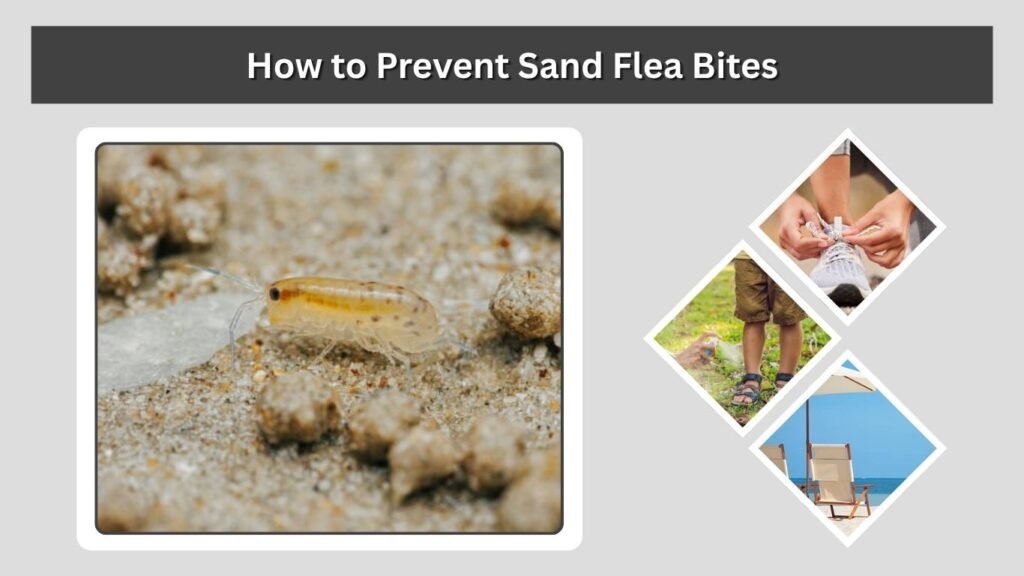
Preventing additional bites is especially important when existing ones are already irritated. Because many beach insects are most active close to the ground and around damp organic material, small changes in clothing, location, and timing can reduce exposure considerably.
Ways to Reduce Bites
Consider these precautions:
- Wear shoes rather than walking barefoot in high-risk areas.
- Cover ankles and lower legs when practical.
- Use an appropriate insect repellent.
- Avoid sitting directly on damp sand or decaying vegetation.
- Use a beach chair or blanket.
- Avoid heavily infested areas around dawn or dusk when relevant.
- Wash exposed skin after leaving the area.
Local insect activity varies, so prevention strategies may differ by destination.
When Should You See a Doctor?
Most sand flea bites are irritating rather than dangerous. However, skin that gets progressively worse instead of better may need medical assessment. This is especially important when scratching has damaged the skin or when the lesion does not resemble a typical temporary insect bite.
Seek Medical Advice If You Notice
Contact a healthcare professional if you develop:
- Increasing redness or swelling
- Significant warmth or worsening pain
- Pus or drainage
- Fever
- Red streaks spreading from the bite
- Severe swelling
- A persistent lesion after tropical travel
- Symptoms lasting much longer than expected
Seek emergency help for difficulty breathing, facial or throat swelling, fainting, or other signs of a severe allergic reaction.
FAQs
How long do sand flea bites usually last?
Most uncomplicated sand flea bites begin improving within several days. Itching or small red marks may remain for approximately one to two weeks in some people. The exact healing period depends on individual sensitivity, the number of bites, scratching, and which insect is actually responsible.
Why are my sand flea bites still itching after a week?
Itching can remain after a week because the immune reaction in the skin may take time to settle. Scratching can also prolong inflammation. If the bites are gradually improving, this can still be within a normal range. Worsening pain, spreading redness, drainage, or fever should be medically evaluated.
Do sand flea bites leave scars?
Most sand flea bites heal without permanent scarring. However, repeatedly scratching the skin can create wounds, scabs, infection, or changes in skin color that remain after the original bite disappears. Avoiding scratching and keeping damaged skin clean can reduce the risk of lasting marks.
Can sand flea bites last longer than two weeks?
Some inflammatory reactions can remain visible beyond two weeks, especially after severe scratching. However, persistent or worsening lesions should be checked because another skin condition, infection, or a different type of “sand flea,” such as the chigoe flea that causes tungiasis, may be responsible.
Do sand fleas stay in your skin after biting?
Most insects commonly called sand fleas simply bite and leave, so they do not remain inside the skin. An important exception is the chigoe flea, whose fertilized female can embed in human skin and cause tungiasis. Persistent foot lesions after travel to affected regions need medical evaluation.
