
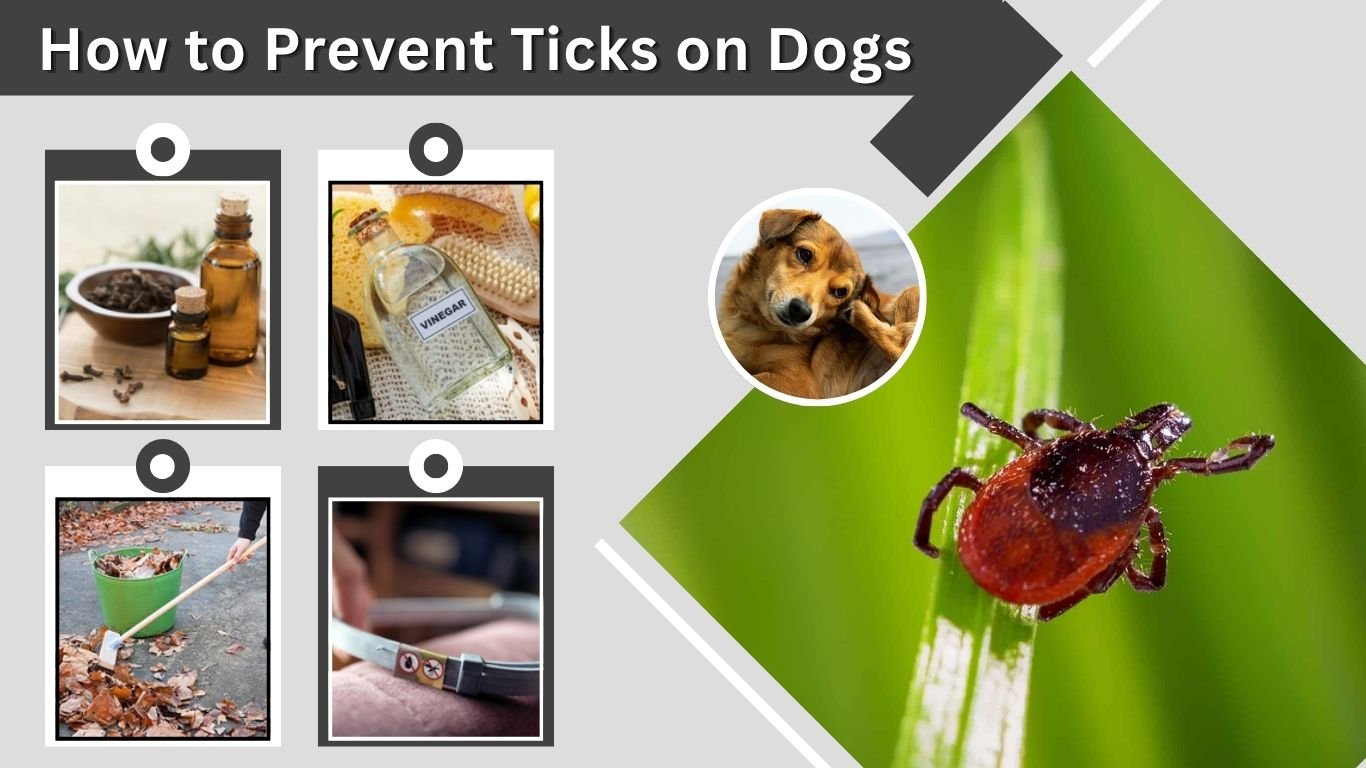
Ticks can attach to dogs during walks, hikes, camping trips, or even time spent in the backyard. Besides causing irritation, some ticks can transmit diseases, making prevention much easier than dealing with an infestation later. The best way to prevent ticks on dogs is to combine veterinarian-approved preventive products with regular tick checks and good yard management. Natural methods can support prevention, but they should not replace proven protection in areas where ticks are common.
How to Prevent Ticks on Dogs
Effective tick prevention usually involves several layers of protection. No single method can guarantee that your dog will never encounter a tick, especially if you live in or travel through a high-risk area.
Best Ways to Prevent Ticks
- Use veterinarian-recommended tick prevention.
- Check your dog after outdoor activities.
- Keep grass and vegetation trimmed.
- Avoid dense brush when possible.
- Inspect ears, paws, belly, and neck regularly.
- Wash pet bedding frequently.
- Remove ticks immediately when found.
- Maintain prevention throughout tick season.
- Check other pets in the household.
- Keep outdoor resting areas clean.
The more consistently these steps are followed, the lower the chance of ticks remaining attached long enough to create problems.
Use a Reliable Tick Preventive
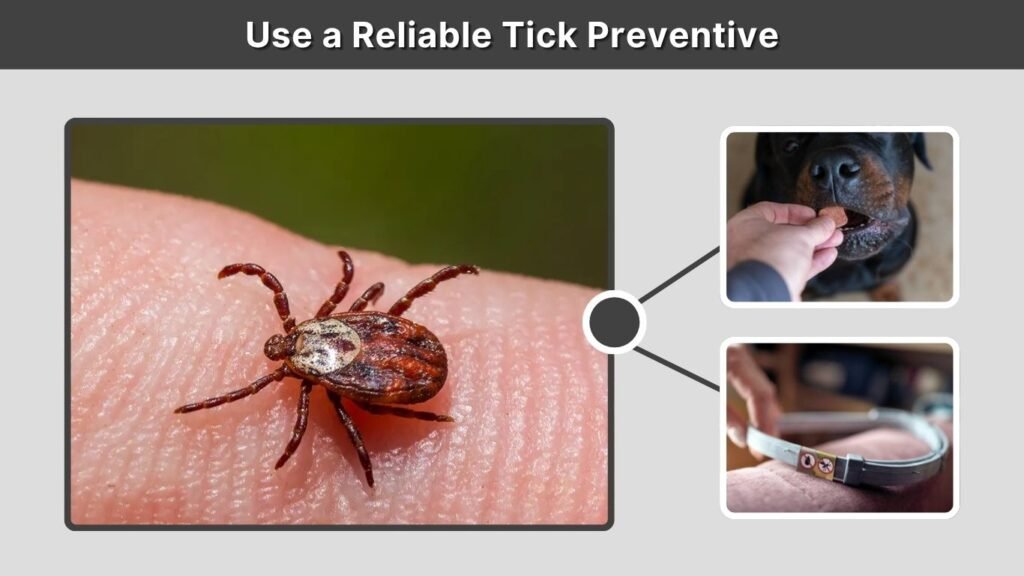
Veterinary tick preventives are among the most dependable ways to protect dogs. They are available in several forms, including oral medications, topical treatments, and collars.
The right option depends on your dog’s size, age, health, and lifestyle.
Oral Tick Preventives
Oral flea-and-tick medications are often supplied as chewable tablets.
Depending on the product, they may be given monthly or at longer intervals. Once administered, the active ingredient circulates through the dog’s body and kills susceptible ticks when they begin feeding.
These treatments can be convenient for dogs that swim or require frequent bathing.
Topical Tick Treatments
Spot-on treatments are applied directly to the dog’s skin.
Some products kill ticks after contact or attachment, while others may also have repellent properties.
Always apply the correct dose for your dog’s weight and follow label instructions carefully.
Tick Collars
Certain tick collars provide extended protection by releasing active ingredients over time.
They can be useful for dogs that spend significant time outdoors.
Make sure the collar fits correctly and check the neck regularly for irritation.
How to Prevent Ticks on Dogs Naturally
Many owners prefer to reduce chemical exposure when possible. Natural prevention methods can help reduce tick encounters, particularly when combined with regular inspections and yard maintenance.
However, natural methods may not offer the same level of protection as proven veterinary preventives.
Keep the Yard Unfriendly to Ticks
Ticks prefer moist, shaded environments with tall grass, weeds, leaf litter, and dense vegetation.
Reduce suitable habitat by:
- Mowing grass regularly
- Removing fallen leaves
- Cutting back tall weeds
- Trimming shrubs
- Clearing brush piles
- Keeping wood piles dry and organized
- Creating open areas around frequently used spaces
A cleaner, sunnier yard is usually less favorable to ticks.
Regular Grooming
Brushing your dog after outdoor activity can help you notice crawling ticks before they attach.
Run your hands slowly through the coat and feel for small bumps.
Long-haired dogs may require a comb to expose the skin.
Regular grooming also makes it easier to identify ticks before they become engorged.
Home Remedies for Preventing Ticks on Dogs
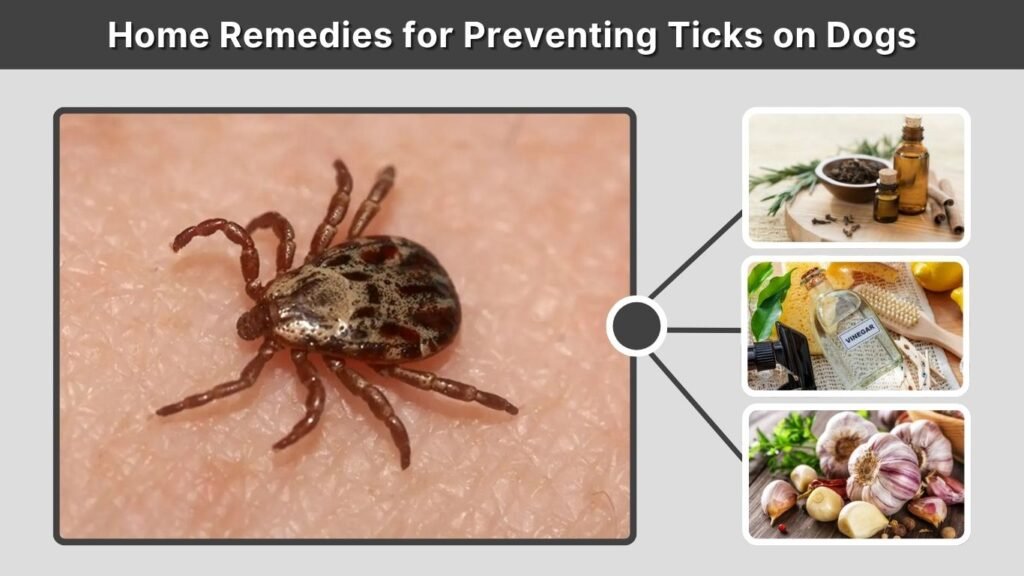
Home remedies are popular, but not every commonly suggested method is safe or effective.
Avoid assuming that a natural ingredient is harmless simply because it comes from a plant.
Be Careful With Essential Oils
Some essential oils may irritate a dog’s skin or cause toxicity if swallowed or applied at inappropriate concentrations.
Tea tree oil, pennyroyal, clove oil, and several other concentrated oils can be risky for pets.
Do not apply concentrated essential oils directly to your dog without veterinary guidance.
Does Vinegar Prevent Ticks?
Vinegar is sometimes promoted as a natural tick repellent, but it should not be relied upon as a primary preventive.
It may also irritate damaged or sensitive skin.
A veterinarian-approved preventive provides more reliable protection for dogs that regularly encounter ticks.
Does Garlic Prevent Ticks?
Garlic is sometimes recommended online as a homemade tick remedy, but feeding significant amounts of garlic can be harmful to dogs.
Do not use garlic supplements or homemade garlic treatments for tick prevention unless specifically advised by a veterinarian.
Check Your Dog for Ticks Every Day
Even dogs using preventive medication can occasionally pick up ticks.
A quick daily inspection is especially valuable during warmer months or after time in grassy or wooded areas.
Where to Check for Ticks
Pay particular attention to:
- Around the ears
- Inside visible ear folds
- Around the eyes
- Under the collar
- Neck and shoulders
- Armpits
- Belly
- Groin
- Around the tail
- Between the toes
- Around paw pads
Ticks commonly choose areas with thinner skin and less dense fur.
What Does a Tick Feel Like?
An attached tick may feel like a small raised bump.
Tiny ticks can look like dark seeds or specks, while engorged ticks may become much larger and rounder.
If you find one, remove it promptly with fine-tipped tweezers or an appropriate tick-removal tool.
How to Prevent Ticks on Dogs While Hiking
Hiking can expose dogs to tall grass, leaf litter, brush, and wildlife trails where ticks are common.
Planning ahead can significantly reduce the risk.
Before the Hike
Make sure your dog’s preventive treatment is current.
Do not apply an extra dose immediately before hiking unless the product instructions or your veterinarian specifically recommend it.
Bring a tick-removal tool in your first-aid kit.
During the Hike
Keep your dog on established trails rather than allowing them to run through dense vegetation.
Avoid tall grass, brush edges, and thick leaf litter whenever possible.
A leash can help prevent your dog from entering heavily vegetated areas.
After the Hike
Perform a thorough tick check as soon as possible.
Inspect the dog’s legs, paws, belly, chest, neck, face, and ears.
Brush the coat and check yourself as well, because ticks can hitchhike on both people and pets.
How to Prevent Ticks While Camping With a Dog
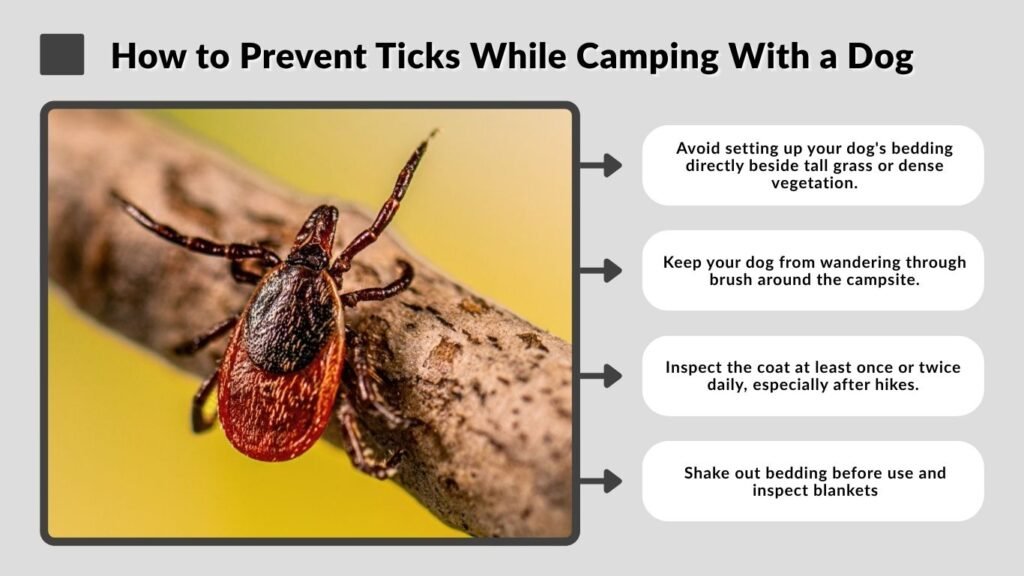
Camping often means longer exposure to tick habitat than a normal walk.
Choose campsites carefully and keep your dog’s sleeping area clean.
Camping Tick Prevention Tips
Avoid setting up your dog’s bedding directly beside tall grass or dense vegetation.
Keep your dog from wandering through brush around the campsite.
Inspect the coat at least once or twice daily, especially after hikes.
Shake out bedding before use and inspect blankets, harnesses, and other equipment before packing them away.
Prevent Ticks on Dogs and Humans
When ticks are common around a home or outdoor activity, prevention should include everyone in the household.
Dogs can carry unattached ticks indoors, where they may later crawl onto people or other pets.
Reduce Household Exposure
Check dogs before they come inside after hiking or spending time in tall vegetation.
Humans should also inspect clothing and skin after outdoor activity.
Wash outdoor clothing when appropriate and inspect boots, backpacks, blankets, and pet gear.
Keeping ticks from entering the home reduces risk for both pets and people.
Prevent Ticks on Dogs and Cats
If your home includes both dogs and cats, parasite prevention requires extra caution.
Some products designed for dogs are unsafe for cats.
Important Multi-Pet Safety
Never use a dog tick treatment on a cat unless the product specifically states that it is safe for cats.
Certain dog products containing permethrin can be highly toxic to cats.
Also follow instructions about keeping cats away from recently treated dogs until a topical product has dried completely.
Your veterinarian can recommend compatible products for a multi-pet household.
Make Your Yard Less Attractive to Ticks
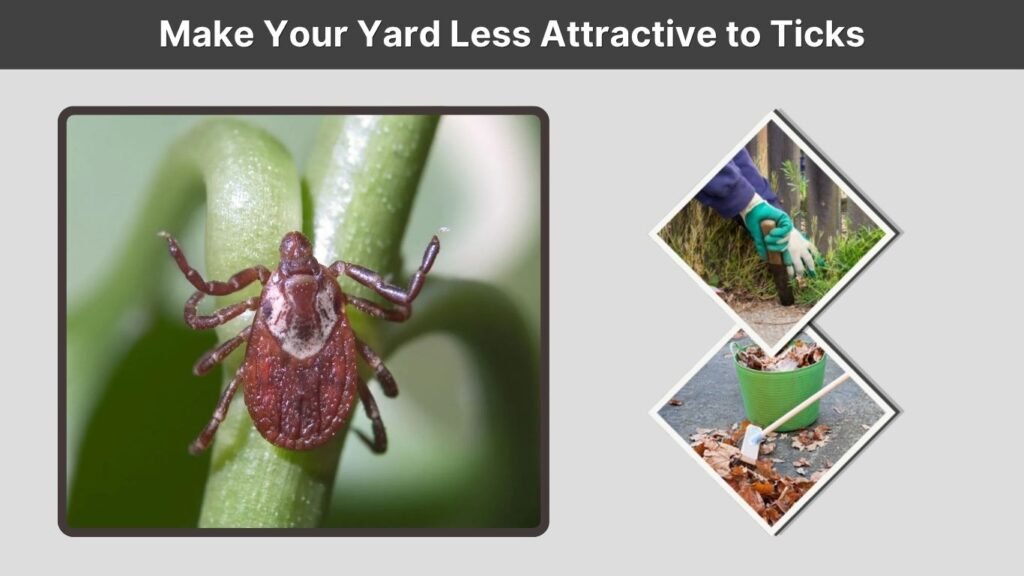
Environmental management can make a major difference, especially when dogs spend considerable time outdoors.
Ticks often thrive around the transition zones between lawns and wooded or overgrown areas.
Yard Prevention Tips
Keep lawns short and remove weeds along fences and building edges.
Move children’s play areas and pet resting areas away from dense vegetation.
Remove unnecessary leaf litter and brush.
Consider creating a dry barrier of gravel or similar landscaping material between lawns and wooded edges where practical.
Reducing rodent and wildlife attractants can also help because many ticks rely on wild animals during parts of their life cycle.
How Often Should Dogs Receive Tick Prevention?
The correct schedule depends on the product.
Some medications are used monthly, while others provide protection for several weeks or months.
Do Not Skip Doses
Missing or delaying a dose can create a gap in protection.
Set reminders if necessary and follow the exact dosing schedule.
In areas with year-round tick activity, continuous protection may be more appropriate than seasonal use.
Ask your veterinarian about local tick activity if you are unsure.
What to Do If You Find a Tick Despite Prevention
Finding one attached tick does not always mean your prevention has failed.
Some medications work only after the tick attaches and begins feeding.
Remove the Tick Promptly
Use fine-tipped tweezers to grasp the tick close to the skin and pull upward with steady pressure.
Clean the area afterward and monitor your dog.
If you regularly find attached ticks despite correct treatment, speak with your veterinarian about whether another preventive may be more appropriate.
FAQs
1. What is the best way to prevent ticks on dogs?
The most reliable approach combines veterinarian-approved tick prevention, regular tick checks, yard maintenance, and avoiding dense vegetation when possible.
2. Can I prevent ticks on my dog naturally?
Regular grooming, yard maintenance, and avoiding tick habitats can reduce exposure naturally. However, natural methods may not provide sufficient protection in areas with heavy tick populations.
3. Should I check my dog for ticks if it uses tick medicine?
Yes. Preventive treatments significantly reduce risk, but regular checks remain important because ticks may still crawl on or temporarily attach to treated dogs.
4. How can I prevent ticks when hiking with my dog?
Keep preventive treatment current, stay on clear trails, avoid tall grass and dense brush, and thoroughly inspect your dog immediately after the hike.
5. Can dogs get ticks in their own backyard?
Yes. Ticks can live in tall grass, leaf litter, shrubs, wooded edges, and areas visited by wildlife. Keeping the yard trimmed and removing dense vegetation can reduce the risk.
