
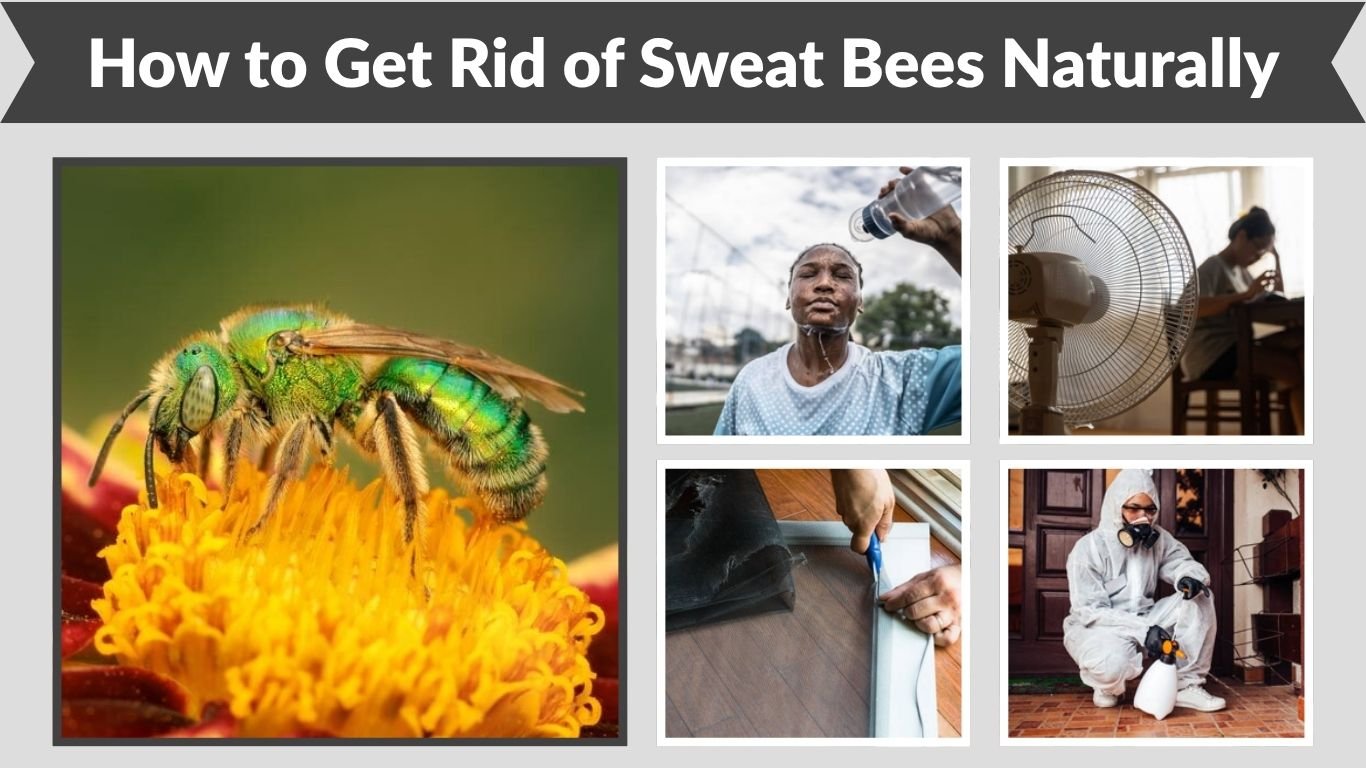
Sweat bees are small, often metallic-colored bees attracted to human perspiration, flowers, and moisture. They rarely behave aggressively, but their constant presence around pools, patios, yards, and outdoor gatherings can become irritating. The best way to get rid of sweat bees is to remove their water and salt sources, reduce attractive flowers near activity areas, cover food and drinks, and discourage nesting in exposed soil. Because sweat bees are beneficial pollinators, control methods should focus on keeping them away rather than killing them.
What Are Sweat Bees?
Sweat bees belong to a large family of insects called Halictidae. Depending on the species, they may appear metallic green, blue, bronze, black, or brown. Most are much smaller than honeybees and have slender bodies.
They receive their common name because they sometimes land on people to drink salty perspiration. Their behavior can feel alarming, but they are usually searching for moisture and minerals—not trying to attack.
Do Sweat Bees Sting?
Female sweat bees can sting, but they generally do so only when trapped, squeezed, stepped on, or handled. Their sting is usually mild compared with that of many wasps or honeybees.
However, any bee sting may cause a serious allergic reaction in a sensitive person. Seek emergency help if a sting causes breathing difficulty, facial or throat swelling, dizziness, widespread hives, or faintness.
Why Are Sweat Bees Around Your Property?
Sweat bees may gather around a property because it provides:
- Moist or exposed soil suitable for nesting
- Swimming pools, puddles, or leaking faucets
- Human perspiration and salty skin
- Flowering weeds and garden plants
- Sweet drinks, fruit, or uncovered food
- Bare areas under decks, patios, and walkways
- Decaying wood where certain species may nest
Identifying what attracts them is the first step toward controlling them.
How to Get Rid of Sweat Bees Fast
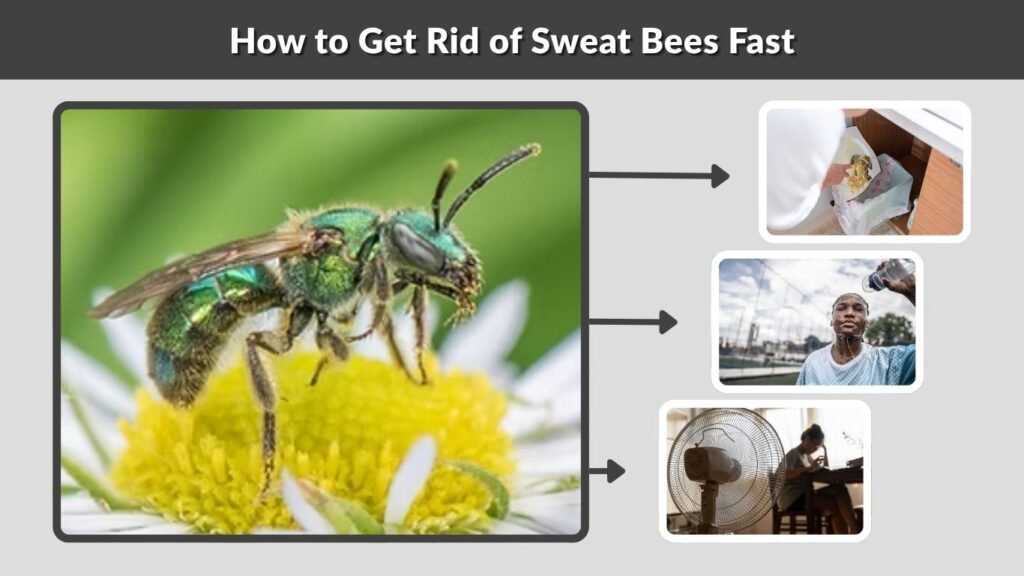
Sweat bees cannot always be removed instantly, especially if they are nesting nearby. However, several immediate changes can sharply reduce their activity around people.
Dry Up Moist Areas
Repair leaking faucets, irrigation pipes, hoses, and outdoor plumbing. Empty containers that collect rainwater, including buckets, plant saucers, toys, tarps, and wheelbarrows.
Improve drainage wherever the ground remains wet for long periods. Sweat bees need water, and damp soil may also provide favorable nesting conditions. Drying these areas makes the property less attractive without harming the bees.
Remove Food and Drink Attractants
Keep outdoor drinks covered and clean up spilled soda, juice, fruit, and other sugary substances promptly. Use containers with lids at picnics, and keep trash and recycling bins tightly closed.
Rinse bottles and cans before placing them outdoors for recycling. Clean tables, pool furniture, grills, and deck surfaces after meals.
Wash Away Sweat
If tiny sweat bees repeatedly land on you, rinse your skin or wipe away perspiration. Wearing lightweight, breathable clothing can reduce the amount of exposed, sweaty skin.
Avoid strongly scented lotions, perfumes, hair products, and sunscreens when sweat bees are particularly active. Unscented personal-care products may attract less attention.
Use a Fan
Place a portable fan near a porch, patio table, outdoor workspace, or seating area. Sweat bees are small and may struggle to fly in a strong, steady air current.
A fan provides immediate relief without sprays, traps, or pesticides. It is particularly useful during meals and outdoor gatherings.
How to Get Rid of Sweat Bees Naturally
Natural control is usually the most appropriate approach because sweat bees are important pollinators and rarely damage property. The objective is to make human activity areas less appealing while allowing the bees to forage elsewhere.
Cover Bare Ground
Many sweat bees nest in small tunnels in exposed soil. Cover unused bare areas with grass, mulch, gravel, or dense groundcover. Maintaining a healthy lawn may also discourage ground-nesting species.
Apply mulch approximately two to three inches deep in garden beds, but avoid piling it directly against plant stems or building foundations. Do not block active nest entrances if doing so would trap bees underground.
Change Your Watering Schedule
Frequent, light watering keeps the soil surface consistently moist and attractive. When appropriate for your plants and local conditions, water more deeply but less frequently. Allow the surface to dry between watering sessions.
Water early in the morning so excess moisture evaporates during the day. Correct broken sprinkler heads that continuously soak one part of the yard.
Relocate Attractive Plants
Flowering plants are valuable, and removing all of them is unnecessary. Instead, position highly attractive flowers away from doors, decks, pools, play areas, and outdoor dining spaces.
Creating a pollinator garden in a quieter section of the yard may encourage sweat bees to forage away from frequently used areas.
Try Temporary Natural Deterrents
Citronella candles or fans may help discourage insects within a small seating area, although they will not eliminate a nest. Keeping surfaces clean and dry is generally more reliable than relying on strong-smelling home remedies.
Avoid spraying concentrated essential oils directly on bees, flowers, pets, or soil. Some oils may irritate people and animals or harm beneficial insects.
How to Get Rid of Sweat Bees Outside and in the Yard
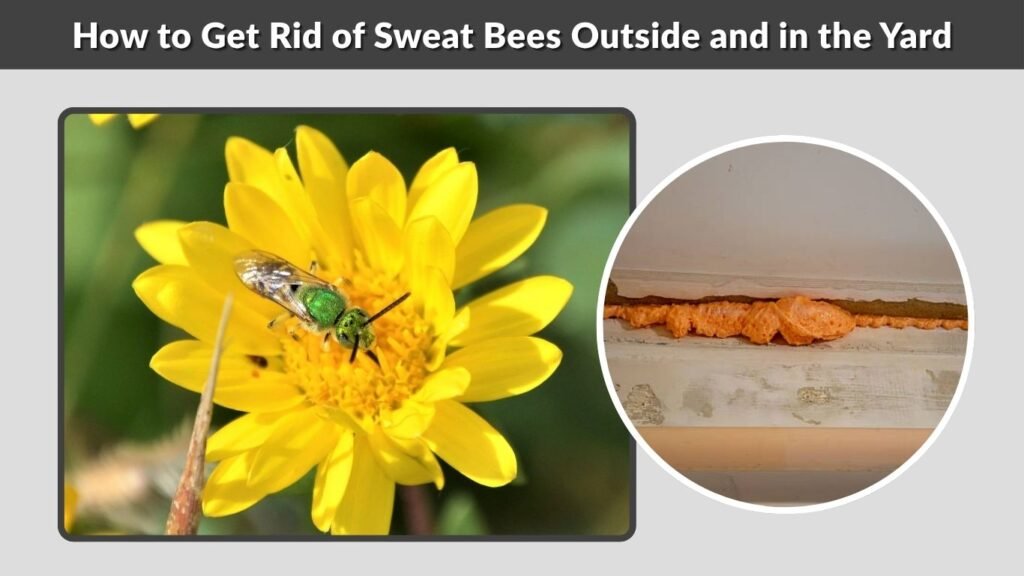
When sweat bees are active throughout the yard, determine whether they are feeding on flowers or repeatedly entering holes in the ground.
Locate Possible Nesting Areas
Observe the bees from a safe distance during warm daylight hours. Ground-nesting sweat bees may repeatedly fly to tiny holes surrounded by loose soil. Several individual females can nest close together, making the area resemble a colony.
Common nesting places include:
- Thin or damaged lawns
- Sunny patches of exposed soil
- Garden paths and borders
- Areas beneath decks
- Gaps beside foundations
- Soil between paving stones
Do not dig into or pour substances into a suspected nest. Disturbing it may cause defensive behavior and can contaminate the soil.
Improve Lawn Coverage
Reseed bare areas and maintain suitable grass height for your lawn type. Healthy, dense turf reduces the exposed soil that ground-nesting bees prefer.
Avoid overwatering. Excessively wet ground can attract bees seeking moisture, while thin vegetation can continue providing nest openings.
Seal Structural Gaps
Some sweat bee species may use cavities or decaying wood. Repair damaged wood and seal unnecessary gaps around decks, sheds, window frames, and exterior walls after confirming that no insects are trapped inside.
Sweat bees do not normally damage sound structural wood, so extensive repairs are rarely necessary.
How to Get Rid of Sweat Bees Around a Pool
Pools provide three things sweat bees may seek: water, salt, and people who are perspiring. Completely preventing their presence can be difficult, but consistent sanitation and moisture control usually reduce activity.
Keep the Pool Area Clean
Rinse away spilled drinks and food residue from the deck. Remove overripe fruit, fallen flowers, and open trash containers. Regularly clean sticky residue from loungers, tables, and railings.
Maintain proper pool circulation and sanitation. Sweat bees landing on the water are usually attempting to drink rather than living in the pool.
Remove Nearby Standing Water
Check outdoor showers, clogged drains, leaking filters, pool equipment, and low spots around the deck. Fix leaks and eliminate puddles.
Cover pet bowls or move them away from the pool when they are not being used. Keep pool covers dry rather than allowing rainwater to collect on top.
Create an Alternative Water Source
In some situations, a shallow bee-watering station placed far from the pool may redirect activity. Fill a shallow container with clean water and add stones or floating cork pieces that provide safe landing surfaces.
Place it near flowering plants and well away from swimmers. Change the water frequently to prevent mosquitoes and algae.
Use Fans Near Seating Areas
Outdoor fans can help protect tables and lounge areas. Position them so the air moves across people rather than toward the pool. This is one of the fastest nonlethal ways to keep small sweat bees away from swimmers and guests.
How to Get Rid of Sweat Bees in the House
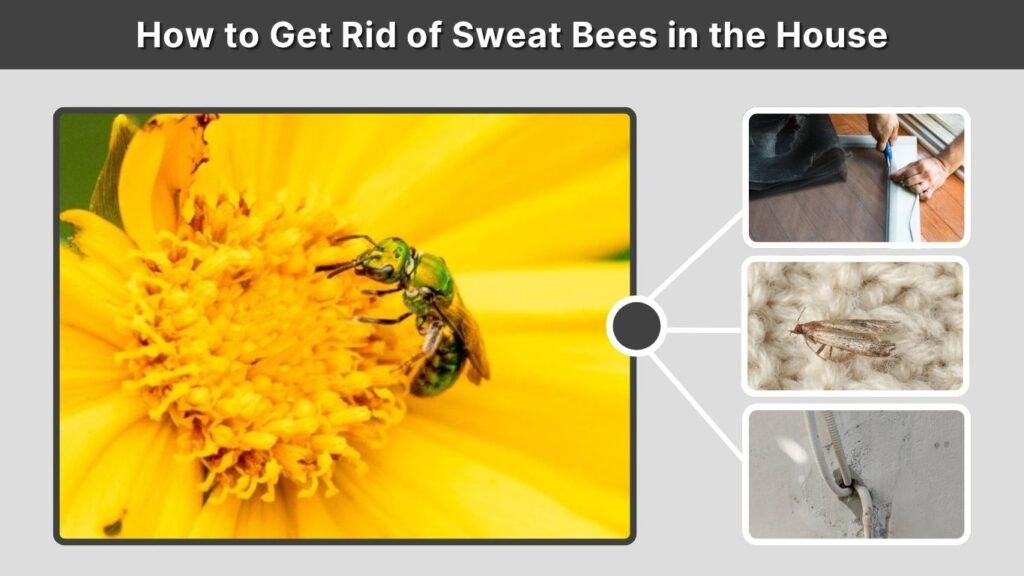
Sweat bees occasionally enter homes through open doors, windows, or damaged screens. A few indoor bees usually indicate accidental entry rather than an indoor infestation.
Remove Individual Bees Safely
Open a nearby window or door and turn off indoor lights. The bee may move toward natural daylight. You can also place a glass over the resting bee, slide stiff paper underneath, and release it outside.
Avoid swatting or handling it with bare hands because a trapped female may sting.
Prevent More Bees From Entering
Repair window screens, install door sweeps, and seal gaps around utility lines. Keep doors closed when outdoor bee activity is high.
If many bees repeatedly emerge from a wall, ceiling, vent, or window frame, arrange a professional inspection. Correct identification is important because the insects may be another bee or wasp species.
Should You Use a Sweat Bee Trap?
Traps are rarely the best solution. Sweet bait can attract more bees and may kill beneficial pollinators without addressing nearby water or nesting conditions.
If bees are gathering around a pool or patio, removing attractants, covering food, drying surfaces, and using fans will usually provide better control. Avoid hanging general-purpose wasp traps unless a professional has confirmed that a harmful wasp species is present.
Home Remedies to Avoid
Some commonly suggested DIY methods are ineffective, dangerous, or unnecessarily harmful.
Do not use:
- Gasoline, bleach, ammonia, or boiling water in nest holes
- Glue traps where birds and beneficial insects can become caught
- Open containers of sugary bait
- Unlabeled pesticide mixtures
- Fire, smoke, or flooding to destroy underground nests
- Essential oils directly on bees or flowering plants
These methods may contaminate soil, damage plants, harm other animals, or increase the risk of stings.
When Is Professional Removal Necessary?
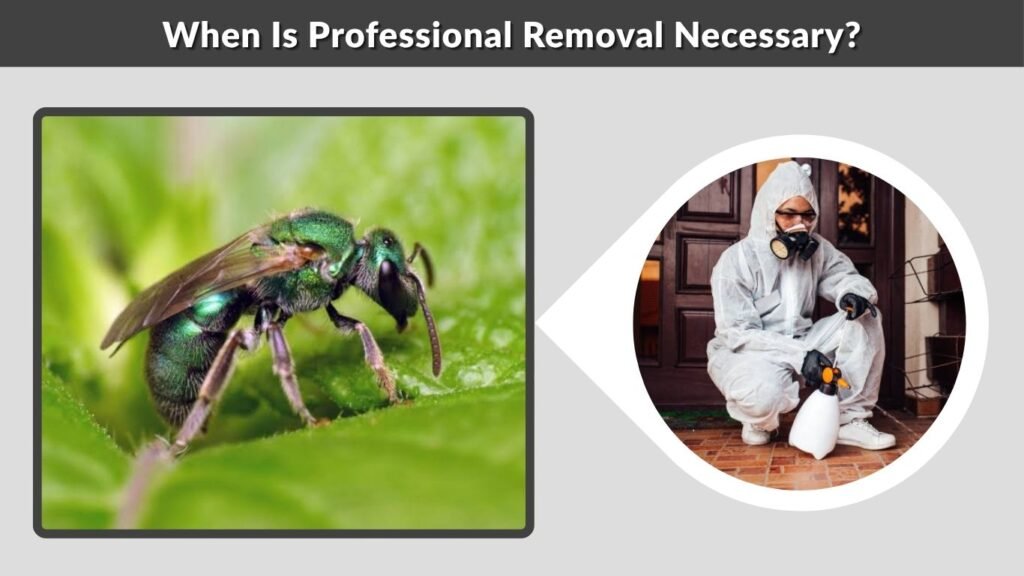
Most sweat bee activity can be managed without extermination. Consider contacting a licensed pest-management professional or experienced bee specialist when:
- A nest is beside a doorway, pool, playground, or busy walkway
- Someone in the household has a known bee-sting allergy
- Large numbers of bees appear from a building cavity
- The insects behave aggressively
- You cannot confidently identify the insect
- Changes to moisture, soil, and food sources do not help
Ask whether the nest can be relocated or managed with targeted exclusion. Broad pesticide treatment can kill pollinators and should not be the first option.
How to Prevent Sweat Bees From Returning
Long-term prevention depends on controlling the conditions that attract them. Keep outdoor surfaces clean, repair leaks, improve drainage, cover bare soil, and maintain screens around the home. Position flowering plants and bee-friendly water sources away from patios and pools.
During warm weather, cover food and drinks, wipe away perspiration, and use fans in outdoor seating areas. Sweat bee activity often changes with the season and may decrease naturally as flowering patterns and weather conditions change.
Frequently Asked Questions
What is the fastest way to get rid of sweat bees?
Remove sweet foods and drinks, dry wet surfaces, rinse perspiration from exposed skin, and use a strong outdoor fan. These actions can reduce contact immediately, although modifying a nesting area may take longer.
How do I get rid of sweat bees without killing them?
Eliminate standing water, repair leaks, cover exposed soil, relocate attractive flowers, use screens, and operate fans around seating areas. These methods discourage the bees without destroying beneficial pollinators.
Why are sweat bees attracted to my pool?
Pools provide water, while swimmers supply salty perspiration. Food, sweet drinks, wet decking, and flowering plants around the pool may increase their activity.
Do sweat bees build nests in the ground?
Many species create individual underground tunnels in bare or lightly covered soil. Multiple females may nest close together, causing the area to appear like one large colony.
Will vinegar get rid of sweat bees?
Vinegar is not a reliable long-term solution and may damage plants or irritate bees. Removing moisture, food residue, and nesting opportunities is safer and more effective.
