
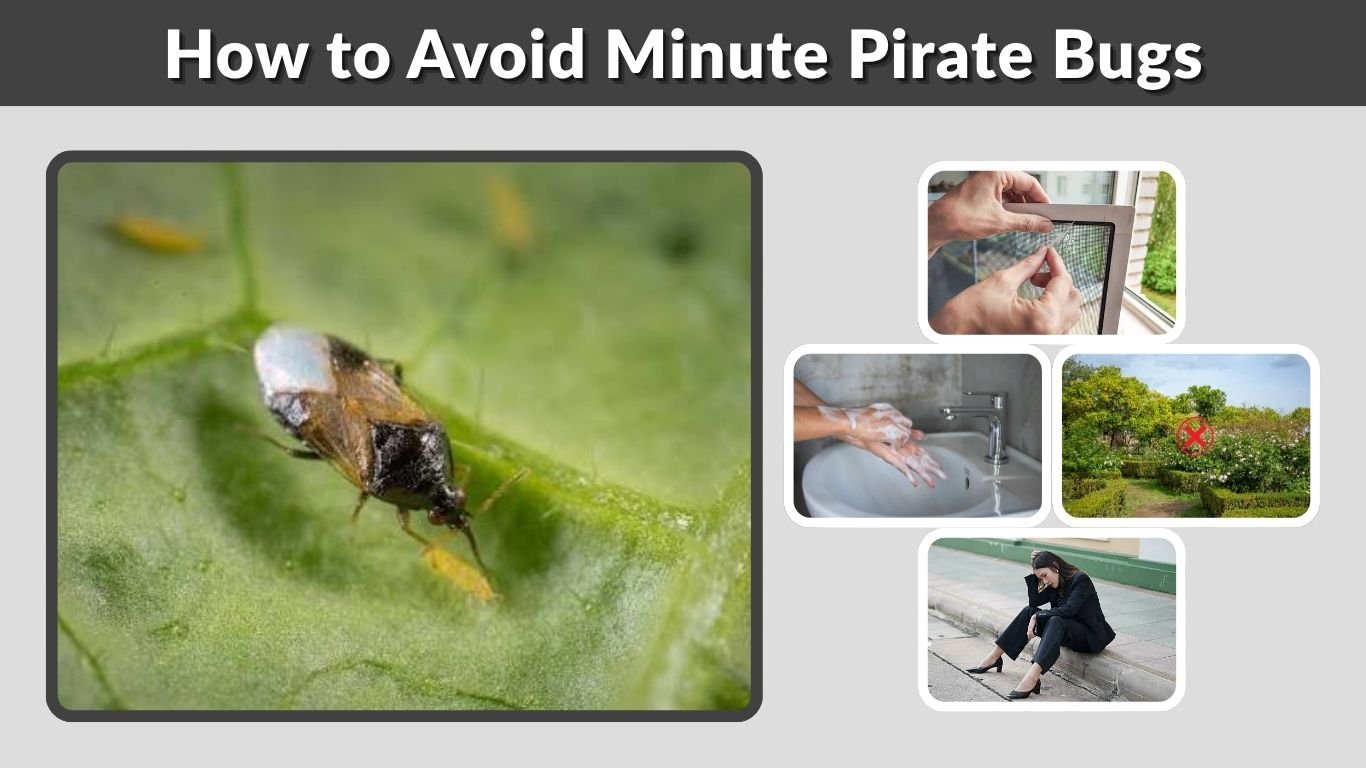
Minute pirate bugs are among the smallest beneficial insects found in gardens, fields, and flowering landscapes. Although they measure only a few millimeters long, they can deliver a surprisingly sharp bite when they land on exposed skin.
These insects do not drink human blood, spread disease, or infest people like mosquitoes, ticks, or bed bugs. They are outdoor predators that normally feed on thrips, aphids, mites, and insect eggs. However, minute pirate bugs may probe human skin during warm weather, especially in late summer and fall.
Completely eliminating them outdoors is neither practical nor recommended. The best approach is to understand when they are active, cover exposed skin, keep them outside, and avoid the conditions that increase contact.
What Are Minute Pirate Bugs?
Minute pirate bugs are tiny predatory true bugs in the family Anthocoridae. Many commonly encountered species belong to the genus Orius. One of the best-known North American species is the insidious flower bug, scientifically known as Orius insidiosus.
Both adults and nymphs hunt small plant pests. Their diet may include:
- Thrips
- Aphids
- Spider mites
- Whitefly nymphs
- Small caterpillars
- Insect eggs
- Other soft-bodied arthropods
Because they consume damaging pests, minute pirate bugs are considered beneficial in gardens, farms, orchards, and greenhouses. Some species are even sold commercially for biological pest control.
How to Identify Minute Pirate Bugs
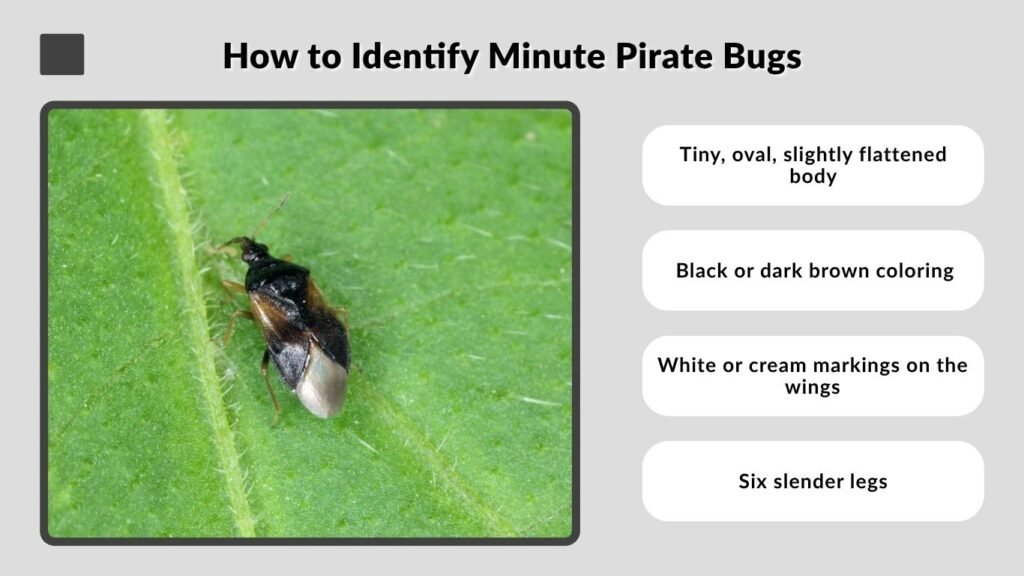
Adult minute pirate bugs are usually less than 1/5 inch long. Some measure closer to 1/8 inch, making them difficult to notice until they land on the skin.
Identification Features
- Tiny, oval, slightly flattened body
- Black or dark brown coloring
- White or cream markings on the wings
- Six slender legs
- Long, segmented antennae
- Short, pointed feeding beak
- Ability to crawl and fly
- Frequent presence around flowers
Their black-and-white markings can create a rough diamond-shaped pattern across the back when the wings are folded.
Minute pirate bug nymphs do not yet have functional wings. They may be yellow, orange, reddish-brown, or tan. Despite their resemblance to aphids, they move quickly and actively hunt other small insects.
Why Do Minute Pirate Bugs Bite?
Minute pirate bugs do not bite people to obtain blood. Their normal mouthpart is a piercing beak used to stab small insects and consume their internal fluids.
When one lands on human skin, it may use this beak to probe the surface. The bug may be testing whether the skin is a possible food source or attempting to obtain moisture or salts. It usually releases quickly because humans are not suitable prey.
Biting is especially common during late summer and early fall. During this period:
- Their populations may be at their highest.
- Flowers may begin drying.
- Populations of their insect prey may decline.
- Adults become more active while searching for food.
- Bugs may begin looking for sheltered winter locations.
Warm, sunny, calm afternoons often produce the most noticeable activity.
What Does a Minute Pirate Bug Bite Feel Like?
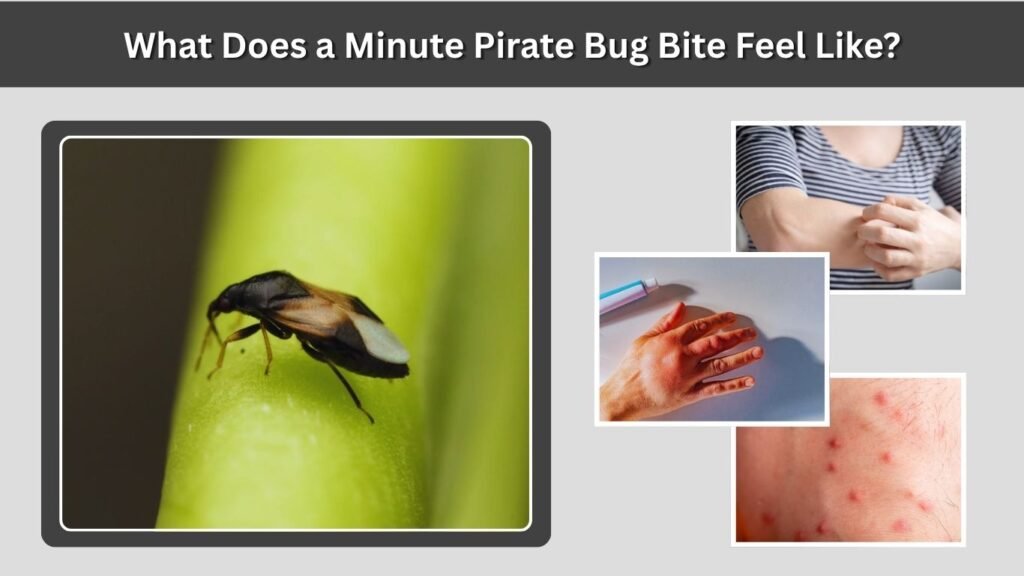
The insect is tiny, but its bite may feel like a sharp pinprick or sudden sting. Some people immediately notice the bug on their skin, while others see only a small dark insect after feeling the pain.
A bite may cause:
- Immediate pinching or stabbing pain
- A tiny red spot
- Mild swelling
- A raised bump
- Itching or burning
- Local tenderness
The initial pain usually lasts only a short time. Redness, swelling, or itching may remain for several hours or longer, depending on the person’s sensitivity.
Minute pirate bug bites are not known to transmit disease. Severe reactions are unusual.
How to Avoid Minute Pirate Bugs Outdoors
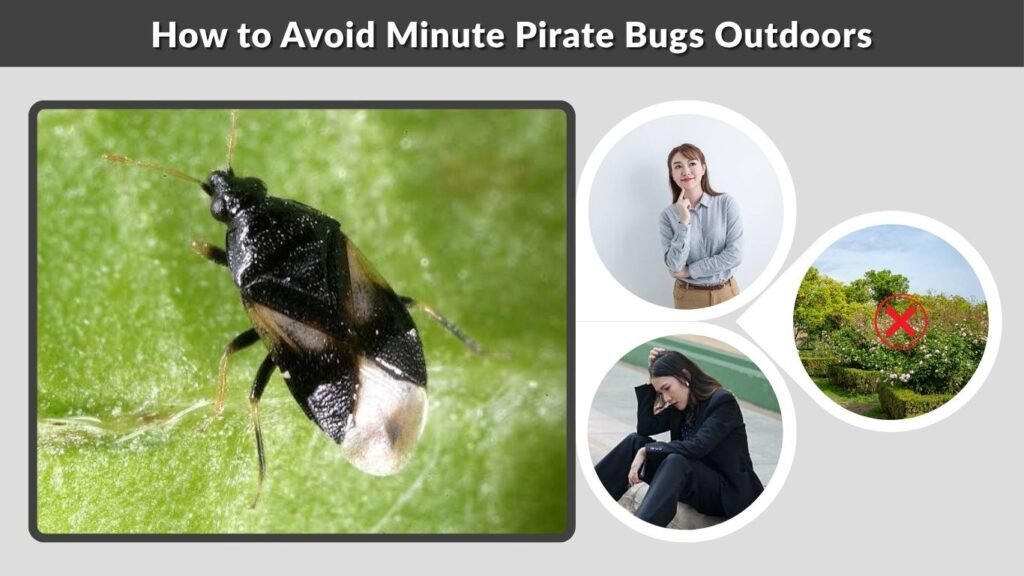
Minute pirate bugs are strong fliers and can move into a yard from surrounding vegetation. Therefore, prevention should focus on limiting contact rather than trying to eliminate every bug.
1. Cover Exposed Skin
Clothing provides the most dependable protection. Wear long sleeves, long pants, socks, and closed shoes when working in gardens or fields during peak activity.
Lightweight gardening gloves can protect the hands, which are commonly exposed while handling flowers and plants. Tuck pants into socks when walking through tall vegetation.
Loose clothing may allow insects to crawl underneath. Choose clothing that fits comfortably around the wrists, ankles, and neckline.
2. Wear Darker Clothing
Minute pirate bugs may be more noticeable or more likely to land on light-colored surfaces. Wearing darker clothing may reduce the number that lands on you, although it cannot guarantee complete protection.
Avoid bright white or yellow shirts during periods of heavy activity. Medium or dark-colored clothing may be a more practical choice for gardening in late summer and fall.
3. Choose Cooler Times for Outdoor Work
Minute pirate bug activity is often greatest on warm, sunny afternoons. Schedule gardening, yard work, or outdoor exercise during cooler periods when possible.
Early morning may be more comfortable because temperatures are lower and insect activity may be reduced. Cool, cloudy, breezy days may also produce fewer encounters than calm, sunny days.
4. Avoid Heavily Flowering Areas
Pirate bugs commonly gather around flowers because flowers provide pollen and attract the small insects they hunt.
During periods of heavy biting, avoid standing unnecessarily close to:
- Flower beds
- Blooming weeds
- Cornfields
- Vegetable gardens
- Shrubs covered with aphids or thrips
- Wildflower areas
- Field edges
You do not need to remove healthy flowering plants. Simply limit prolonged exposure when pirate bugs are unusually active.
5. Brush Bugs Away Quickly
When a minute pirate bug lands on your skin, gently brush or blow it away. Do not press it against the skin or attempt to slap it, since trapping the insect may encourage it to probe or bite.
Inspect your arms, neck, and clothing after working near flowers. Their small black-and-white bodies may be easier to see before they reach exposed skin.
Do Insect Repellents Work on Minute Pirate Bugs?
Standard mosquito and tick repellents may not work reliably against minute pirate bugs. Products containing DEET, picaridin, or plant-based ingredients may provide inconsistent results because pirate bugs are not seeking blood in the same way as mosquitoes.
A repellent may reduce landings for some people, but protective clothing is generally more dependable.
When using any repellent:
- Follow the product label.
- Apply it only to approved areas.
- Avoid the eyes and mouth.
- Do not apply it beneath clothing.
- Wash treated skin after returning indoors.
- Follow age restrictions for children.
Do not apply garden insecticides directly to clothing or skin.
How to Keep Minute Pirate Bugs Out of the House
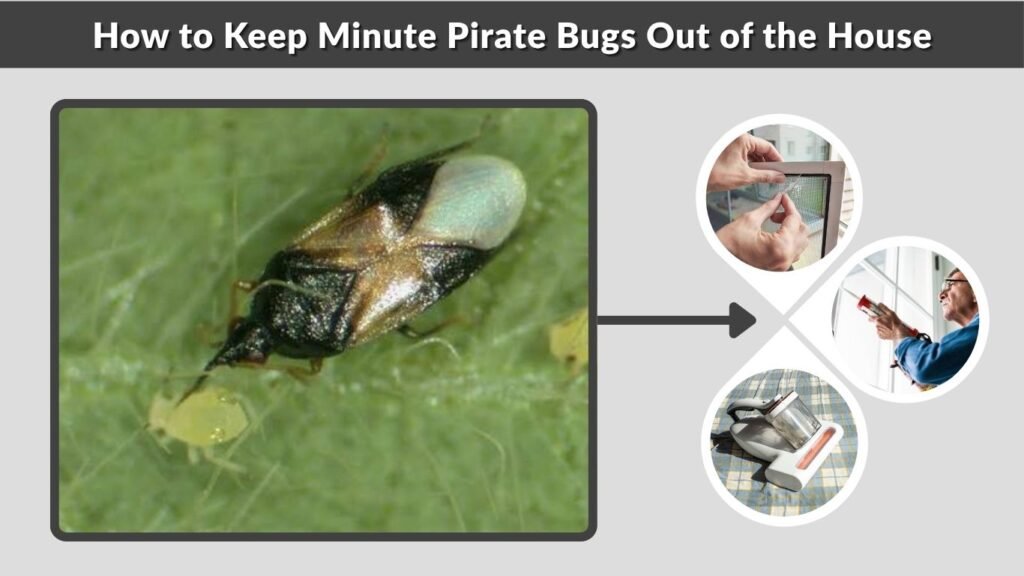
Minute pirate bugs are outdoor insects, but adults may accidentally enter homes through windows, doors, or damaged screens. They can also arrive on cut flowers and potted plants.
To reduce indoor entry:
- Repair torn window screens.
- Seal gaps around window frames.
- Install weatherstripping beneath doors.
- Keep unscreened windows closed.
- Inspect cut flowers before bringing them inside.
- Check outdoor plants before moving them indoors.
- Vacuum insects found on walls or windows.
- Remove plant debris touching the foundation.
An occasional pirate bug inside does not indicate an infestation. They do not reproduce in mattresses, feed on stored food, or establish indoor colonies.
Minute Pirate Bugs in the Bed
Finding a minute pirate bug on a bed can be alarming, but it does not mean you have bed bugs. A pirate bug may enter through an open window or be carried indoors on clothing.
| Feature | Minute pirate bug | Bed bug |
| Normal habitat | Flowers and outdoor vegetation | Beds, furniture, and indoor cracks |
| Main food | Small insects and pollen | Human or animal blood |
| Appearance | Tiny, black, and white | Flat, oval, and reddish-brown |
| Indoor reproduction | Uncommon | Common during an infestation |
| Bite behavior | Occasional probing | Intentional blood feeding |
Vacuum the insect and inspect window screens. Repeated nighttime bites or multiple insects around mattress seams may require a separate bed bug inspection.
How to Get Rid of Minute Pirate Bugs Outside
Trying to kill all pirate bugs in a yard is not recommended. They are beneficial predators, and new adults can fly in from surrounding vegetation after treatment.
Broad-spectrum insecticides may also kill:
- Lady beetles
- Lacewings
- Bees
- Butterflies
- Parasitic wasps
- Other beneficial predators
Outdoor spraying may provide only temporary relief while disrupting natural pest control.
When one small area produces repeated contact, trim excessive weeds, remove unnecessary plant debris, and keep sitting areas slightly separated from dense flowering vegetation. Avoid removing healthy habitat solely because pirate bugs are present.
What to Do After a Minute Pirate Bug Bite
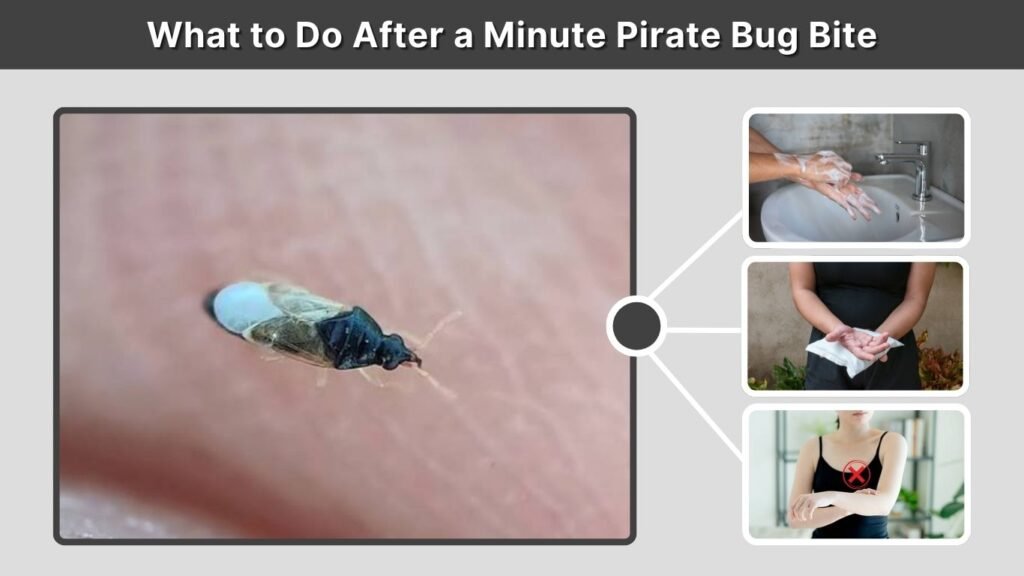
Most bites need only basic home care.
Bite Treatment
- Wash the affected area with soap and water.
- Apply a cold pack wrapped in cloth.
- Leave it in place for about 10 minutes.
- Repeat when necessary for swelling or discomfort.
- Avoid scratching the bite.
- Keep the skin clean until irritation resolves.
An over-the-counter treatment for itching may help, but follow its label and consider asking a pharmacist when treating children or people with sensitive skin.
Seek medical attention for breathing difficulty, facial swelling, dizziness, widespread hives, severe pain, or rapidly increasing redness. These symptoms may indicate an allergic reaction, infection, or a bite from another organism.
Minute Pirate Bugs vs. No-See-Ums
Minute pirate bugs are sometimes confused with no-see-ums because both are extremely small and can produce painful bites.
| Feature | Minute pirate bug | No-see-um |
| Type | Predatory true bug | Tiny biting fly |
| Appearance | Oval and black-and-white | Slender and fly-like |
| Normal diet | Small insects and pollen | Females of some species consume blood |
| Bite purpose | Exploratory probing | Blood feeding |
| Common habitat | Flowers and crops | Moist areas near water or wet soil |
| Flight | Short movement between plants | Active swarming or flying |
No-see-ums often produce multiple itchy bites, while a pirate bug encounter may cause one sudden, sharp bite after the insect lands visibly on the skin.
Are Minute Pirate Bugs Beneficial?
Yes. Minute pirate bugs play an important role in controlling garden and agricultural pests. A single bug can consume many thrips, mites, aphids, and insect eggs during its lifetime.
Gardeners should generally tolerate them instead of applying widespread pesticides. Personal protection and indoor exclusion allow people to avoid bites while keeping these natural predators in the landscape.
FAQs
What is the best way to avoid minute pirate bugs?
Wear long sleeves, pants, gloves, and closed shoes. Work outdoors during cooler periods and avoid prolonged activity around flowering vegetation on warm, sunny afternoons.
Why are minute pirate bugs attracted to me?
They are not specifically seeking human blood. They may land while moving between plants and probe the skin as they investigate the surface.
Does bug spray repel minute pirate bugs?
Ordinary insect repellents may provide inconsistent protection. Clothing barriers and choosing cooler times for outdoor activity are usually more reliable.
How long does a pirate bug bite last?
The sharp pain is often brief, but redness or itching may remain for several hours or longer. The duration depends on individual sensitivity.
Are minute pirate bugs dangerous?
No. Their bites can be painful, but they are not known to spread disease or create lasting health problems. They are beneficial predators of common plant pests.
