
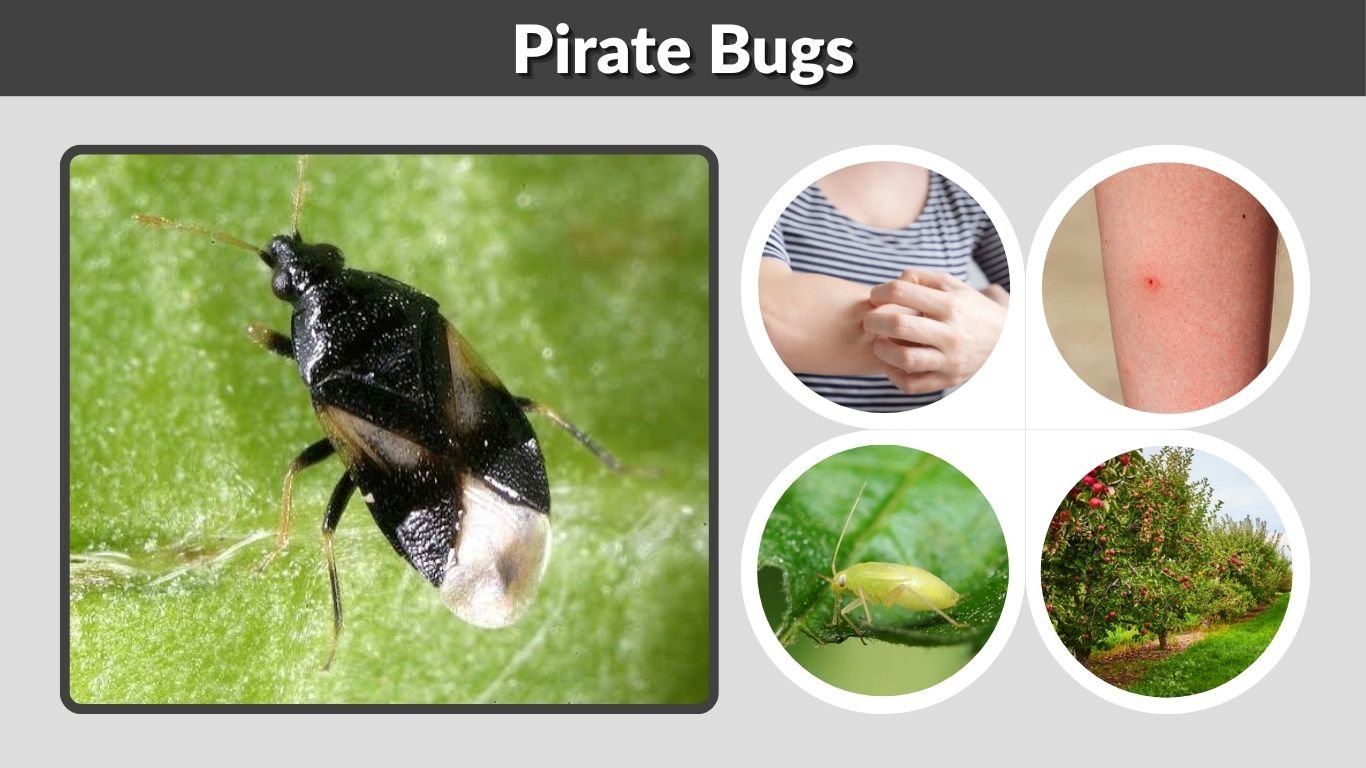
Pirate bugs are tiny predatory insects commonly found on flowers, crops, shrubs, and garden plants. The best-known members are minute pirate bugs, including the insidious flower bug, Orius insidiosus. Despite their extremely small size, they can deliver a surprisingly noticeable bite when they land on human skin.
These insects are not blood-feeding parasites or dangerous household pests. In gardens and farms, they are valuable natural predators that consume thrips, aphids, mites, insect eggs, and other small pests. Problems usually occur during late summer or fall, when pirate bugs become more active around people.
What Are Pirate Bugs?
Pirate bugs are predatory true bugs belonging to the family Anthocoridae. The name is commonly applied to species in the genus Orius, which are often called minute pirate bugs or flower bugs.
They use piercing, straw-like mouthparts to stab small prey and consume its body fluids. Both adults and immature nymphs are predators. They may also feed on pollen or nectar when insect prey is limited.
| Feature | Description |
| Scientific group | Family Anthocoridae |
| Common genus | Orius |
| Common species | Orius insidiosus |
| Adult size | Usually under 1/5 inch |
| Color | Black, brown, and white |
| Main habitat | Flowers, crops, gardens, and vegetation |
| Diet | Thrips, mites, aphids, and insect eggs |
| Human risk | Painful but generally minor bite |
How to Identify a Minute Pirate Bug
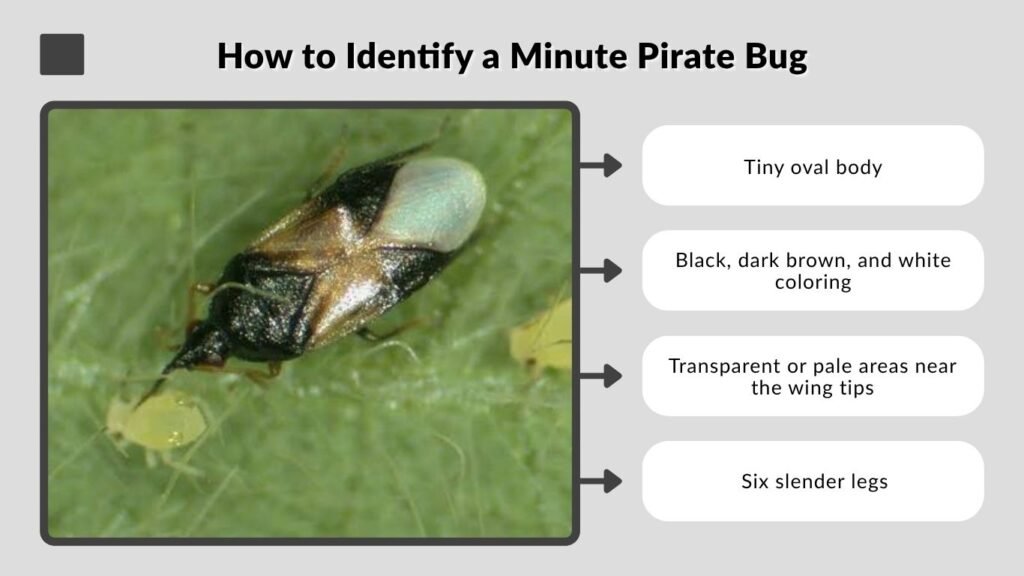
Minute pirate bugs are easy to overlook until one lands on the skin. Adults have small, oval bodies that are usually black or dark brown with contrasting white or cream markings on their folded wings.
Identification Features
- Tiny oval body
- Black, dark brown, and white coloring
- Transparent or pale areas near the wing tips
- Six slender legs
- Long, segmented antennae
- Short piercing beak beneath the head
- Ability to crawl and fly
- Commonly found around flowers
Adults are generally less than 1/5 inch long, and some species are closer to 1/8 inch. Their small size explains the term “minute” pirate bug.
Minute Pirate Bug Nymph
Immature pirate bugs are wingless and may appear yellow, orange, tan, or reddish-brown. Their narrow bodies and quick movements can cause them to be confused with aphids, young bed bugs, or other small insects.
Nymphs gradually develop visible wing pads as they mature. Like adults, they actively hunt small insects rather than feeding on people or household materials.
Where Do Minute Pirate Bugs Live?
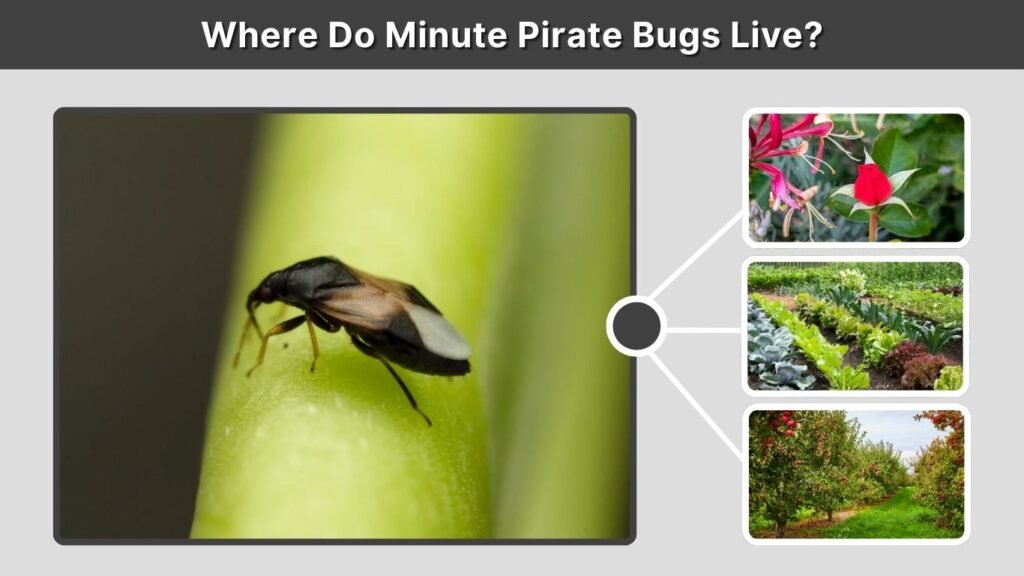
Pirate bugs are most frequently found on flowering plants and vegetation containing populations of small insect prey. They may live in gardens, agricultural fields, orchards, greenhouses, woodlands, and landscaped areas.
Common locations include:
- Flowers and flower buds
- Corn, soybeans, and other crops
- Vegetable gardens
- Fruit trees and shrubs
- Weeds and native plants
- Greenhouses
- Woodland vegetation
- Areas containing aphids or thrips
Adults may spend winter in protected places such as tree bark, fallen leaves, vegetation, and cracks around buildings. Several generations can develop during a year, particularly in warm conditions.
What Do Pirate Bugs Eat?
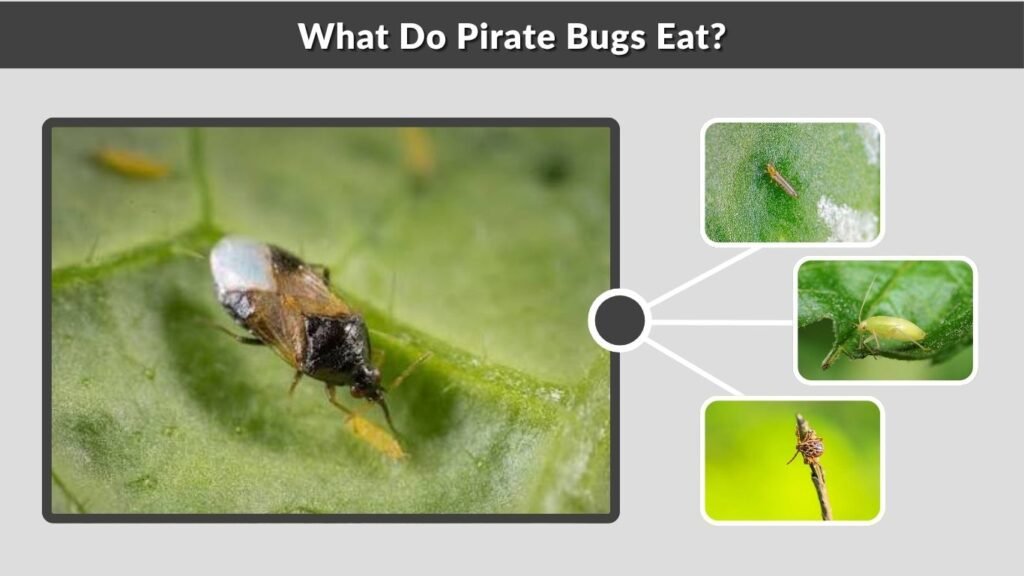
Minute pirate bugs are generalist predators. They attack pests by inserting their piercing mouthparts and consuming the contents of the prey.
Their diet may include:
- Thrips
- Aphids
- Spider mites
- Whitefly nymphs
- Psyllids
- Small caterpillars
- Insect eggs
- Other soft-bodied arthropods
Because they consume damaging plant pests, pirate bugs can contribute to natural pest control in gardens, crop fields, and greenhouses. They are particularly valued for controlling thrips and mites.
Commercial growers sometimes purchase Orius species for greenhouse biological-control programs. Releasing purchased pirate bugs outdoors is generally less practical because they may disperse rather than remain in one garden.
Do Pirate Bugs Bite Humans?
Yes, minute pirate bugs occasionally bite people. Their bites are often described as surprisingly sharp or painful compared with the insect’s tiny size.
The insect does not bite to drink blood. Instead, it briefly probes the skin with the same beak it uses to attack small insect prey. It does not remain attached like a tick or feed repeatedly like a bed bug. Iowa State University Extension reports that pirate bugs do not inject venom or feed on human blood.
Why Do Minute Pirate Bugs Bite?
Biting is reported most frequently during warm, sunny days in late summer and fall. At this time, flowers may begin drying and populations of their usual insect prey decline. Pirate bugs become more mobile while searching for food and sheltered overwintering locations.
When one lands on exposed skin, it may insert its beak to investigate whether the surface is suitable food. The behavior is exploratory rather than an attempt to attack or parasitize a person.
What Does a Pirate Bug Bite Look Like?
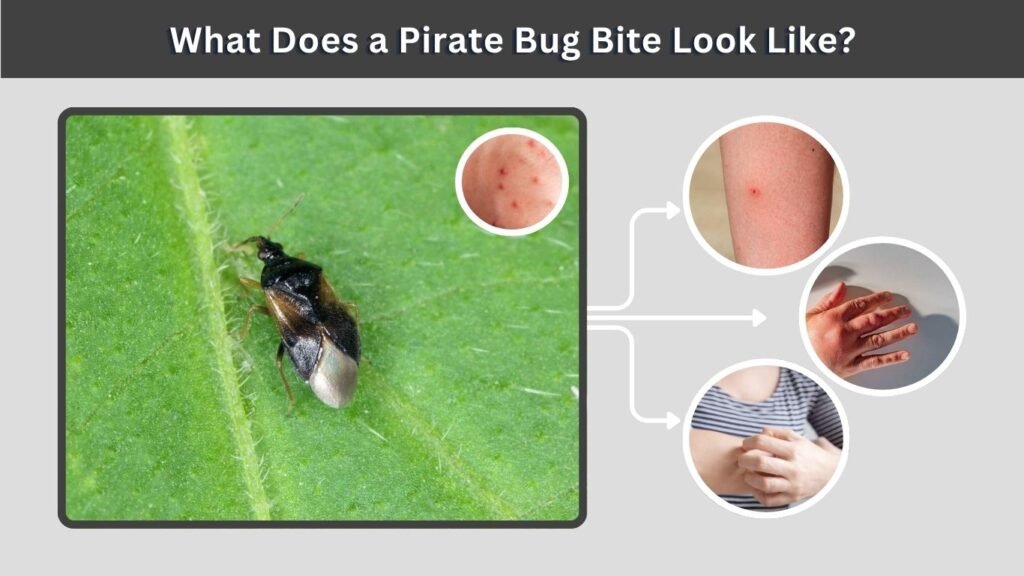
The appearance of a pirate bug bite varies. Some people develop no visible reaction, while others notice a small red spot, raised bump, or localized swelling resembling a mosquito bite.
Possible symptoms include:
- Immediate pinching or stabbing pain
- A small red mark
- Mild swelling
- Itching or burning
- Tenderness around the bite
- A raised mosquito-like bump
The pain is usually brief, but redness or irritation may remain longer. Responses differ because individual sensitivity varies. Pirate bug bites are not known to cause lasting health effects or transmit disease.
Pirate Bug Bite Treatment
Most pirate bug bites require only simple home care. Wash the affected skin with soap and water, then apply a cloth-wrapped cold pack for 10–20 minutes to reduce discomfort and swelling. Avoid scratching because broken skin can become infected.
Seek medical attention when symptoms include breathing difficulty, facial or mouth swelling, dizziness, widespread hives, severe pain, or rapidly increasing redness and swelling. These reactions are unusual but may indicate an allergy, infection, or a bite from another organism.
Are Minute Pirate Bugs Dangerous?
Minute pirate bugs are not considered dangerous to humans, pets, or buildings. They do not consume blood, infest bedding, damage furniture, or reproduce on human hosts.
Their bites can be irritating, but they are mainly temporary nuisance insects. In outdoor environments, their benefits as natural predators generally outweigh the inconvenience caused by occasional bites.
Minute Pirate Bugs in the House or Bed
A pirate bug may occasionally enter a house through an open door, window, damaged screen, or small exterior gap. Adults may also seek protected overwintering spaces around buildings.
Finding one in a bedroom or on a bed does not mean the house has a bed bug infestation. Pirate bugs do not establish colonies in mattresses or feed on sleeping people. An individual found indoors is usually an accidental visitor.
Use a vacuum or cup to remove it. Repair window screens, seal gaps around doors, and reduce the time that unscreened windows remain open during periods of high outdoor activity.
Pirate Bugs vs. No-See-Ums
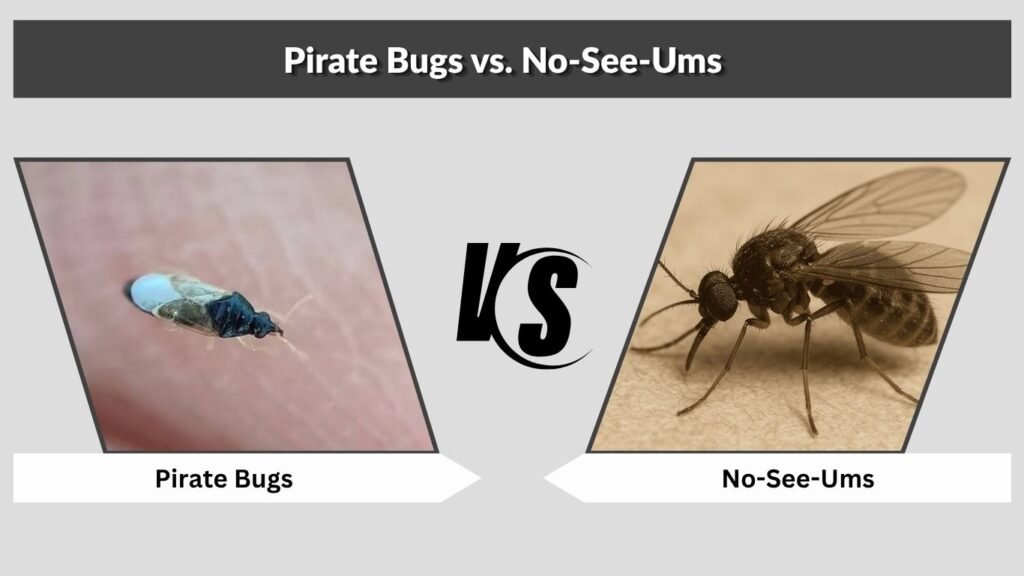
Both insects are extremely small and can produce noticeable bites, but they are unrelated.
| Feature | Minute pirate bug | No-see-um |
| Insect type | Predatory true bug | Biting fly |
| Shape | Oval and black-and-white | Small, delicate, fly-like |
| Feeding on humans | Exploratory probing | Females of biting species seek blood |
| Normal diet | Small insects, mites, and pollen | Varies; biting females may blood-feed |
| Common habitat | Flowers, crops, and gardens | Moist areas near aquatic habitats |
| Disease concern | Not known to transmit disease | Some species can transmit pathogens |
No-see-ums are biting midges, generally less than 1/8 inch long. Unlike pirate bugs, some biting midges intentionally obtain blood and may transmit pathogens in certain regions.
How to Get Rid of Minute Pirate Bugs
Eliminating pirate bugs across a yard is neither practical nor desirable. They fly in from gardens, fields, and natural vegetation, and their abundance may change from one day or year to another.
Broad pesticide spraying can kill beneficial insects without providing lasting relief. New pirate bugs may quickly move into the treated area from nearby vegetation.
Reduce Pirate Bugs Indoors
To keep them from entering the house:
- Repair torn window and door screens.
- Seal gaps around exterior doors and windows.
- Keep doors closed when pirate bugs are active.
- Vacuum individual insects found indoors.
- Remove excessive plant debris touching the building.
- Check flowers and plants before bringing them inside.
Avoid indoor foggers or widespread insecticide applications for occasional pirate bugs. They rarely reproduce indoors, so physical removal and exclusion are usually sufficient.
How to Keep Pirate Bugs From Biting
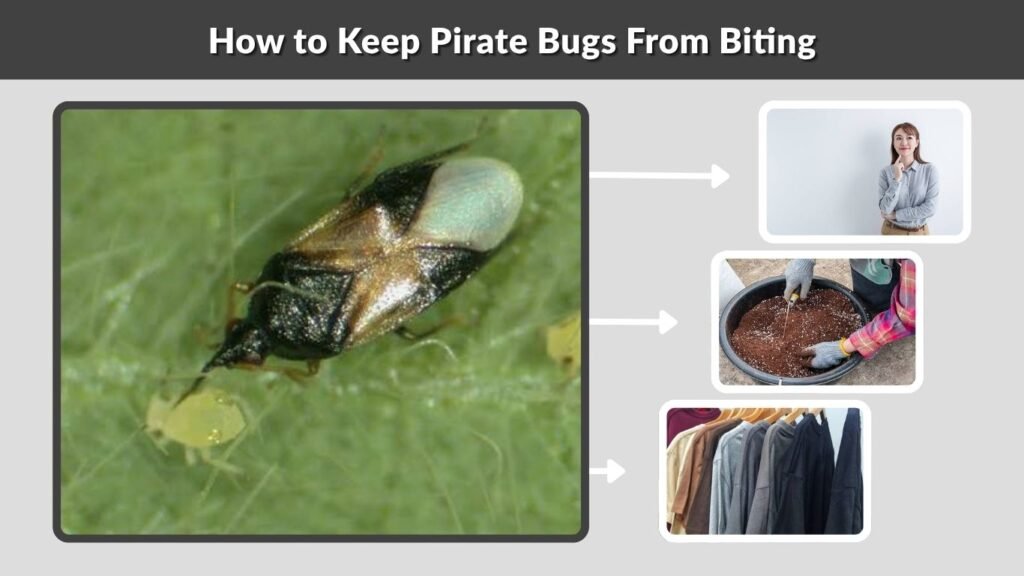
Standard insect repellents often provide little protection against minute pirate bugs. Pesticide treatment of yards or building exteriors is also unlikely to offer dependable control.
Better ways to reduce bites include:
- Wear long sleeves and long pants.
- Choose darker clothing rather than light colors.
- Work outside on cool or cloudy days.
- Avoid warm, sunny outdoor periods when activity is high.
- Wear lightweight gloves while gardening.
- Brush insects away instead of crushing them against the skin.
Pirate bug activity usually declines after cold weather arrives. Therefore, the biting problem is often temporary rather than a season-long infestation.
FAQs
Do minute pirate bugs fly?
Yes. Adult minute pirate bugs have functional wings and can fly between flowers, gardens, fields, and nearby buildings. Nymphs do not have fully developed wings and travel by crawling.
How long do pirate bug bites last?
The sharp pain is generally brief, but redness, itching, or a small bump may persist longer depending on individual sensitivity. Worsening symptoms should be evaluated by a healthcare professional.
What attracts minute pirate bugs?
They are attracted to flowers, pollen, nectar, and plants containing prey such as thrips, aphids, mites, and insect eggs. Outdoor activity often increases during warm fall weather.
What repels pirate bugs?
Common insect repellents may not work reliably. Covering exposed skin, wearing darker clothing, and choosing cool, cloudy periods for outdoor work may reduce contact.
Should you kill pirate bugs in the garden?
Usually not. Pirate bugs are beneficial predators that naturally suppress several plant pests. Control is mainly appropriate when individual insects enter buildings or repeatedly land on exposed skin.
