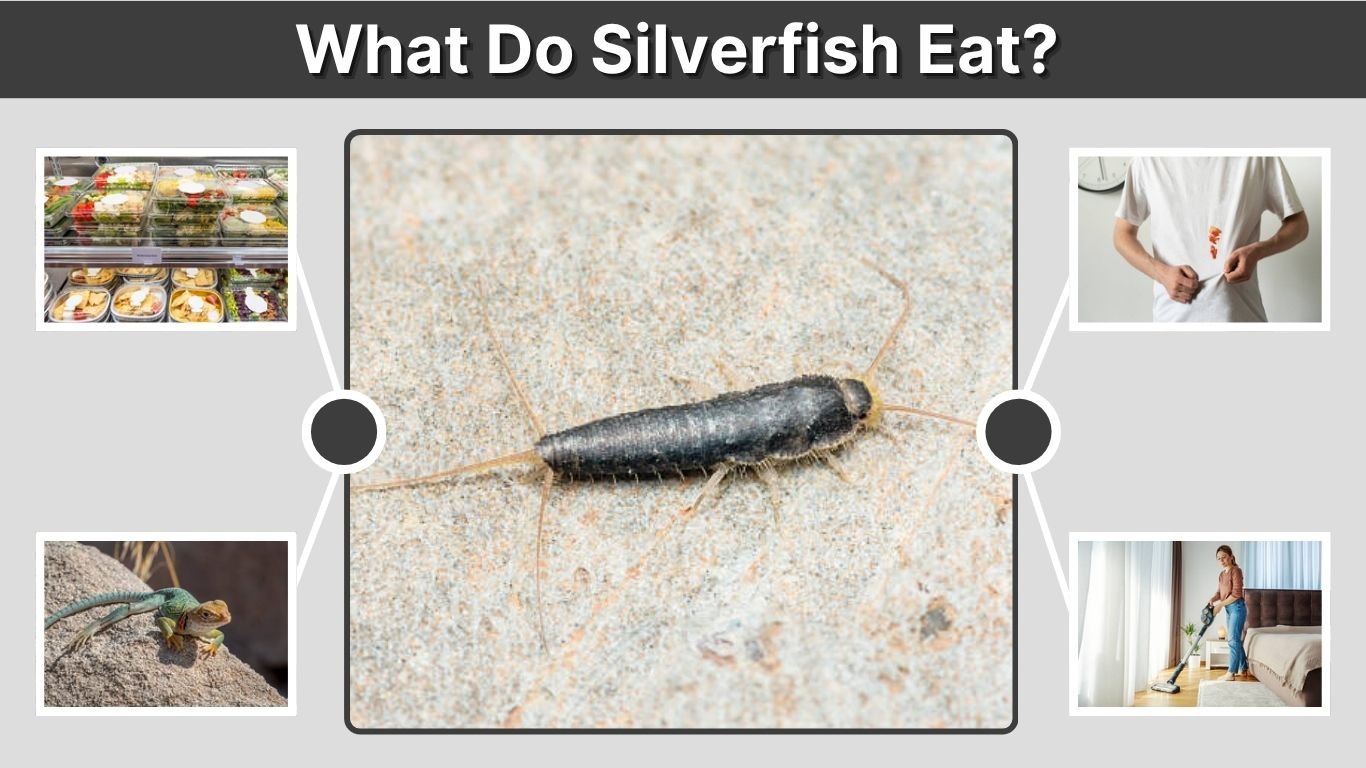
Silverfish eat many starchy, sugary, and protein-rich materials found inside homes. They are especially attracted to paper, glue, cardboard, book bindings, wallpaper paste, cereal crumbs, dead insects, mold, hair, and some fabrics. Although silverfish do not bite people or spread serious disease, their feeding habits can damage books, stored papers, clothing, carpets, and household items. Understanding what silverfish eat makes it easier to prevent damage and remove the food sources that attract them.
What Do Silverfish Eat?
Silverfish are scavenging insects. They do not eat like termites, and they do not chew through wood for nutrition. Instead, they prefer materials that contain starches, sugars, cellulose, protein, or glue. This is why they are often found in bathrooms, basements, closets, kitchens, attics, bookshelves, and storage boxes.
Common silverfish foods include:
- Paper
- Books
- Cardboard
- Wallpaper paste
- Glue
- Flour
- Cereal
- Oats
- Rice
- Pasta
- Sugar
- Dead insects
- Mold
- Hair
- Dandruff
- Cotton
- Linen
- Silk
- Wool blends
- Carpet fibers
Silverfish can survive for long periods without much food, so even a small amount of crumbs, paper, or organic debris can support them.
Do Silverfish Eat Clothes?
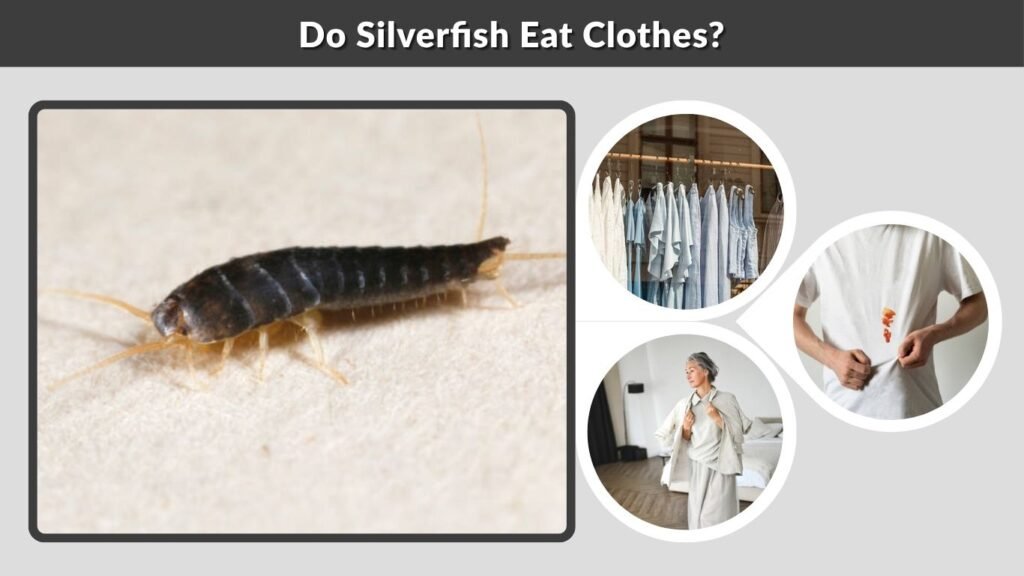
Yes, silverfish can eat clothes, but they are not usually eating the fabric in the same way moth larvae do. They are mostly attracted to starch, sweat, body oils, food stains, and certain natural fibers. Clothes stored in dark, humid closets or boxes are more likely to be damaged.
Why Silverfish Damage Clothing
Silverfish are drawn to clothes when fabric contains something they can digest. They may feed on laundry starch, spills, sweat residue, or natural fibers. This can leave small holes, yellowish stains, or scraped patches.
Silverfish may damage:
- Cotton shirts
- Linen clothing
- Silk garments
- Wool clothes
- Rayon fabrics
- Starched clothes
- Stored seasonal clothing
- Clothes with food stains
Do Silverfish Eat Wool?
Silverfish can damage wool, especially if the fabric is dirty or stored in humid conditions. However, wool damage is more commonly linked to clothes moth larvae or carpet beetle larvae. If you see heavy wool damage, inspect carefully because another fabric pest may also be present.
Do Silverfish Eat Polyester?
Silverfish do not prefer synthetic fabrics like polyester. However, they may still nibble on polyester clothing if it has food stains, sweat, starch, or natural fiber blends. Clean storage is the best prevention.
Do Silverfish Eat Paper and Books?
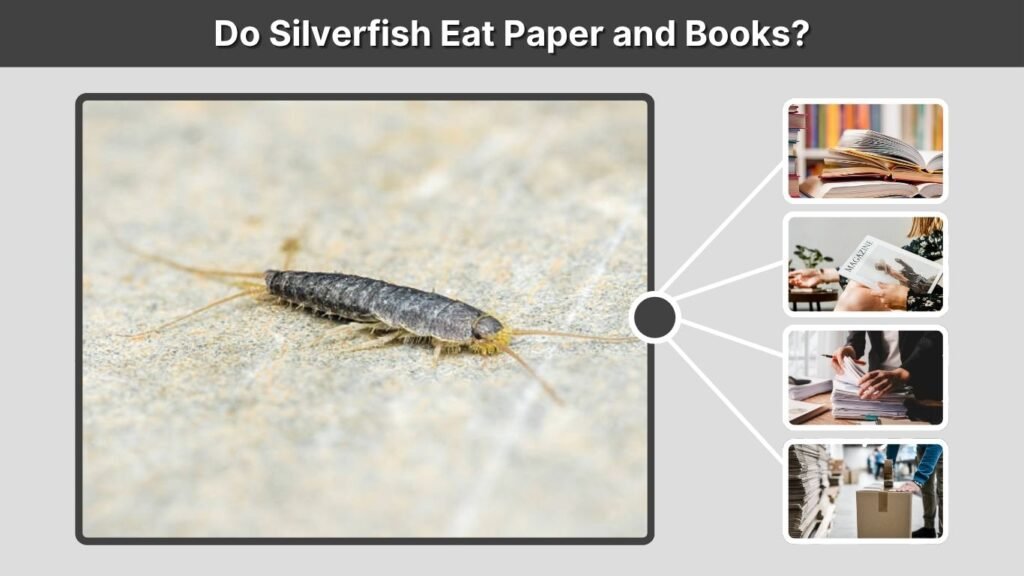
Yes, silverfish eat paper, books, and book bindings. This is one of the most common problems they cause indoors. They are attracted to the starches and cellulose in paper, as well as the glue used in book bindings, labels, wallpaper, and cardboard boxes.
Why Silverfish Eat Paper
Paper contains cellulose, and many older papers, labels, envelopes, and book materials also contain starch-based glue. Silverfish scrape the surface as they feed, leaving irregular marks or small holes.
They may damage:
- Books
- Magazines
- Old letters
- Documents
- Wallpaper
- Envelopes
- Photos
- Cardboard boxes
- Paper labels
- Stored files
Silverfish Eating Books
Silverfish are especially common around old books stored in damp rooms. They may feed on the pages, covers, glue, and bindings. Damage often appears as rough scraped areas, small holes, or notched edges.
To protect books, keep them in a dry room, avoid cardboard storage in damp places, and vacuum shelves regularly.
Do Silverfish Eat Cardboard?
Yes, silverfish eat cardboard. Cardboard boxes are a perfect hiding and feeding place because they provide darkness, shelter, and cellulose. If cardboard is stored in basements, garages, closets, or attics, it can attract silverfish.
Why Cardboard Attracts Silverfish
Cardboard is made from plant fiber and may contain glue. It also traps moisture and dust. Silverfish can hide between folded edges and under boxes during the day, then come out at night to feed.
Better storage options include:
- Plastic bins with tight lids
- Dry shelving
- Sealed containers
- Moisture-resistant storage boxes
- Regularly cleaned storage areas
Do Silverfish Eat Wood?
Silverfish do not eat solid wood the way termites or carpenter ants damage wood. They may be found near wood, baseboards, or cabinets, but they are usually feeding on dust, mold, glue, paper, or organic debris nearby.
Silverfish vs Wood-Destroying Insects
If you see wood damage, silverfish are probably not the main cause. Termites, carpenter ants, powderpost beetles, or wood borers are more likely suspects. Silverfish may scrape wallpaper, paper backing, or glue near wood, but they do not tunnel through structural wood.
| Material | Do Silverfish Eat It? | Damage Risk |
|---|---|---|
| Paper | Yes | High |
| Books | Yes | High |
| Cardboard | Yes | High |
| Clothes | Sometimes | Medium |
| Wool | Sometimes | Medium |
| Cotton | Sometimes | Medium |
| Polyester | Rarely | Low |
| Wood | No, not solid wood | Low |
| Plastic | No, but may enter packaging | Low |
| Glue | Yes | High |
Do Silverfish Eat Plastic?
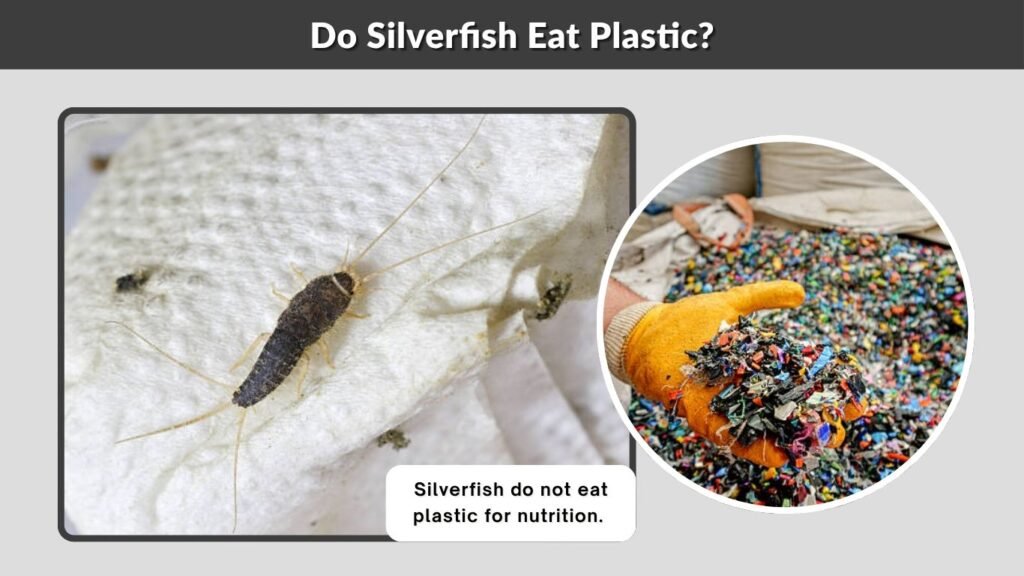
Silverfish do not eat plastic for nutrition. However, they may chew thin plastic packaging if they smell food inside or if the plastic has residue on it. They may also crawl into plastic bags, food wrappers, or storage containers that are not sealed properly.
Can Silverfish Eat Through Plastic?
Silverfish are not strong plastic chewers like rodents. They may damage weak packaging, but they usually cannot chew through thick plastic containers. For food storage, hard plastic bins with tight lids are better than paper bags or cardboard boxes.
Do Silverfish Eat Food?
Yes, silverfish may eat stored dry foods, especially foods high in starch or sugar. They are not usually major pantry pests like weevils or pantry moths, but they can contaminate food if they get into packaging.
Silverfish may feed on:
- Flour
- Cereal
- Oats
- Rice
- Pasta
- Sugar
- Bread crumbs
- Crackers
- Dried pet food
- Starchy spills
How to Protect Food from Silverfish
Store dry foods in sealed glass, metal, or hard plastic containers. Clean crumbs from shelves and avoid leaving pet food out overnight. If food packages show insect activity, discard contaminated items.
Do Silverfish Eat Mold, Dust, Hair and Dead Skin?
Silverfish can feed on organic debris, including mold, dust, hair, dandruff, and dead skin particles. These food sources are common in bathrooms, laundry rooms, bedrooms, and under furniture.
Why Moist Areas Attract Silverfish
Silverfish love humidity. Bathrooms, basements, and laundry rooms often provide moisture plus food sources such as skin flakes, hair, mold, paper labels, cardboard, and dust. Reducing moisture can make your home less attractive to them.
Helpful steps include:
- Use a dehumidifier.
- Repair water leaks.
- Ventilate bathrooms.
- Clean under sinks.
- Vacuum baseboards.
- Remove moldy cardboard.
- Keep storage areas dry.
Do Silverfish Eat Other Bugs?
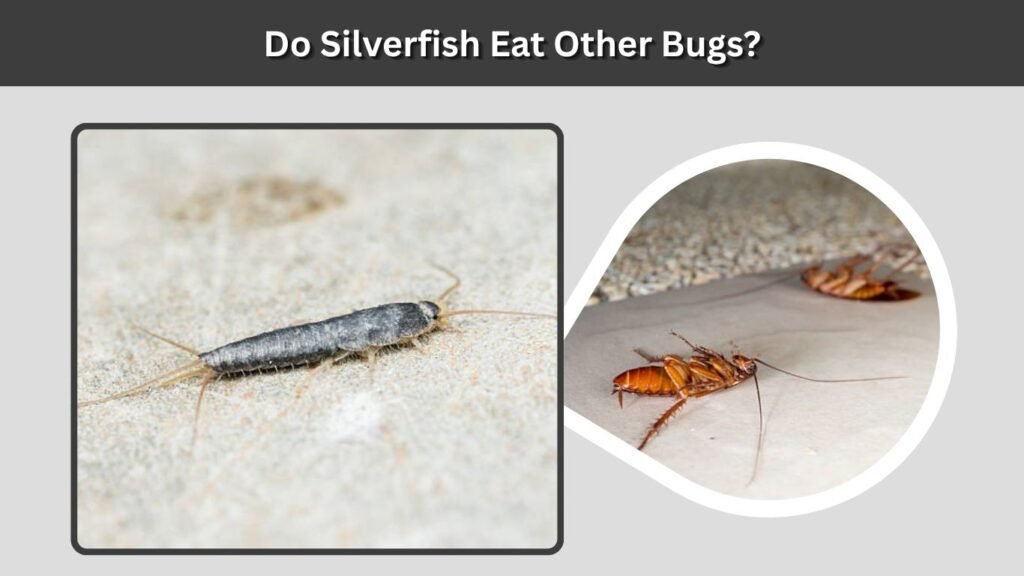
Silverfish are mainly scavengers, not active predators. They may feed on dead insects or insect remains, but they do not usually hunt live bugs like spiders or centipedes do.
Do Silverfish Eat Spiders?
Silverfish do not normally eat live spiders. They may feed on dead spiders or shed insect parts, but they are not spider predators.
Do Silverfish Eat Roaches or Cockroaches?
Silverfish do not usually eat live roaches. They may feed on dead cockroaches, roach eggshell remains, or organic debris left behind, but they are not a reliable roach control insect.
Do Silverfish Eat Bed Bugs or Fleas?
Silverfish do not control bed bugs or fleas. They are not predators of these pests. If you have bed bugs or fleas, you need targeted pest control methods.
What Eats Silverfish?
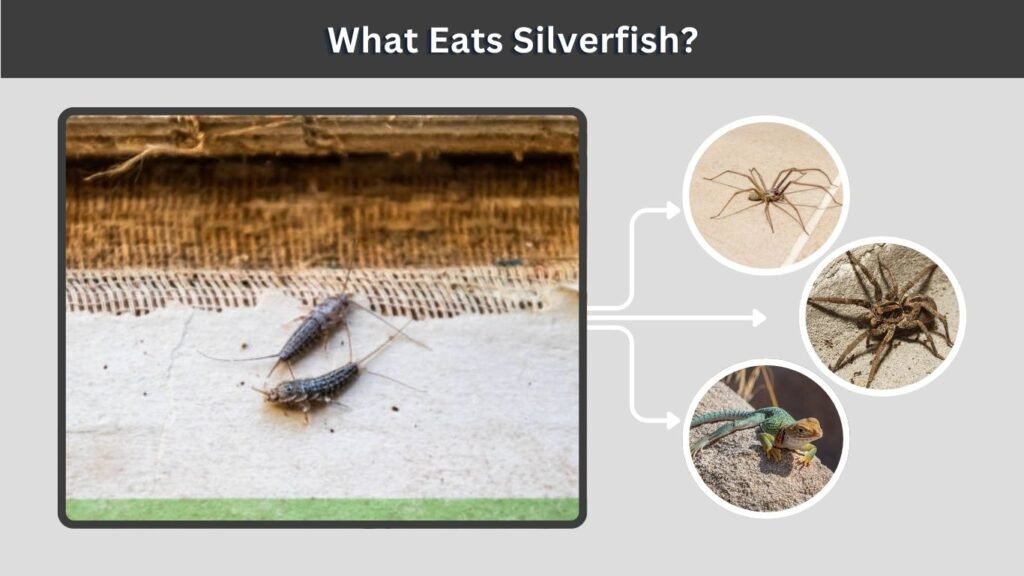
Many household predators may eat silverfish. These predators can reduce a few silverfish, but they usually do not eliminate an infestation completely.
Common silverfish predators include:
- House spiders
- Cellar spiders
- Jumping spiders
- Wolf spiders
- House centipedes
- Earwigs
- Some ants
- Lizards
- Geckos
- Frogs
- Birds
Do Spiders Eat Silverfish?
Yes, many spiders can eat silverfish if they catch them. Cellar spiders, house spiders, jumping spiders, and wolf spiders may prey on silverfish indoors or around homes.
Do House Centipedes Eat Silverfish?
Yes, house centipedes eat silverfish. They are fast predators that hunt many indoor pests, including silverfish, roaches, flies, and small insects. However, seeing house centipedes may also mean there are enough insects in the home to attract them.
Can Cats or Dogs Eat Silverfish?
Cats and dogs may chase and eat silverfish, especially if the insects move quickly across floors. In most cases, eating one or two silverfish is not a serious problem. Silverfish are not poisonous, but eating many insects may cause mild stomach upset.
Can Cats Eat Silverfish?
A cat eating a silverfish is usually not dangerous. However, if your cat vomits, drools, refuses food, or acts sick after eating insects, contact a veterinarian. Also, avoid using insecticides where pets can lick or walk.
Can Dogs Eat Silverfish?
Dogs may eat silverfish out of curiosity. One silverfish is unlikely to harm a dog, but repeated insect eating can irritate the stomach. If you use pest control products, keep pets away from treated areas.
How to Stop Silverfish from Eating Clothes, Books and Paper

The best way to stop silverfish damage is to remove food sources and reduce humidity. Killing a few silverfish will not solve the problem if your home still has damp storage, cardboard, paper piles, and crumbs.
Prevention Tips
Use these steps to protect your belongings:
- Store clothes clean and dry.
- Use sealed plastic bins instead of cardboard.
- Keep books in dry rooms.
- Vacuum closets, shelves, and baseboards.
- Remove old papers and clutter.
- Fix leaks quickly.
- Reduce humidity below comfortable pest levels.
- Store food in airtight containers.
- Avoid leaving laundry on damp floors.
- Clean under furniture and appliances.
Protecting Clothes
Wash clothes before storage because sweat, body oils, and food stains attract silverfish. Use sealed bins or garment bags. Add moisture control packs in storage areas if needed.
Protecting Books and Documents
Avoid storing books and papers in damp basements or garages. Use shelves with airflow, clean dust regularly, and keep valuable documents in sealed containers.
FAQs
What do silverfish eat the most?
Silverfish mostly eat starchy and sugary materials such as paper, glue, cardboard, book bindings, cereal crumbs, flour, oats, and wallpaper paste. They may also feed on mold, hair, dead insects, and some fabrics.
Do silverfish eat clothes?
Yes, silverfish can eat clothes, especially cotton, linen, silk, wool, and starched fabrics. They are more likely to damage dirty or stored clothing with sweat, food stains, or body oils.
Do silverfish eat paper?
Yes, silverfish eat paper because it contains cellulose and may have starch or glue. They can damage books, documents, wallpaper, cardboard, envelopes, and stored files.
Do spiders eat silverfish?
Yes, many spiders eat silverfish. House spiders, cellar spiders, jumping spiders, and wolf spiders may catch silverfish indoors, but they usually will not remove a large infestation alone.
Can cats eat silverfish?
Cats can eat silverfish, and one or two are usually not harmful. However, eating many insects may cause mild stomach upset. Keep cats away from insecticides or pest control products used for silverfish.