
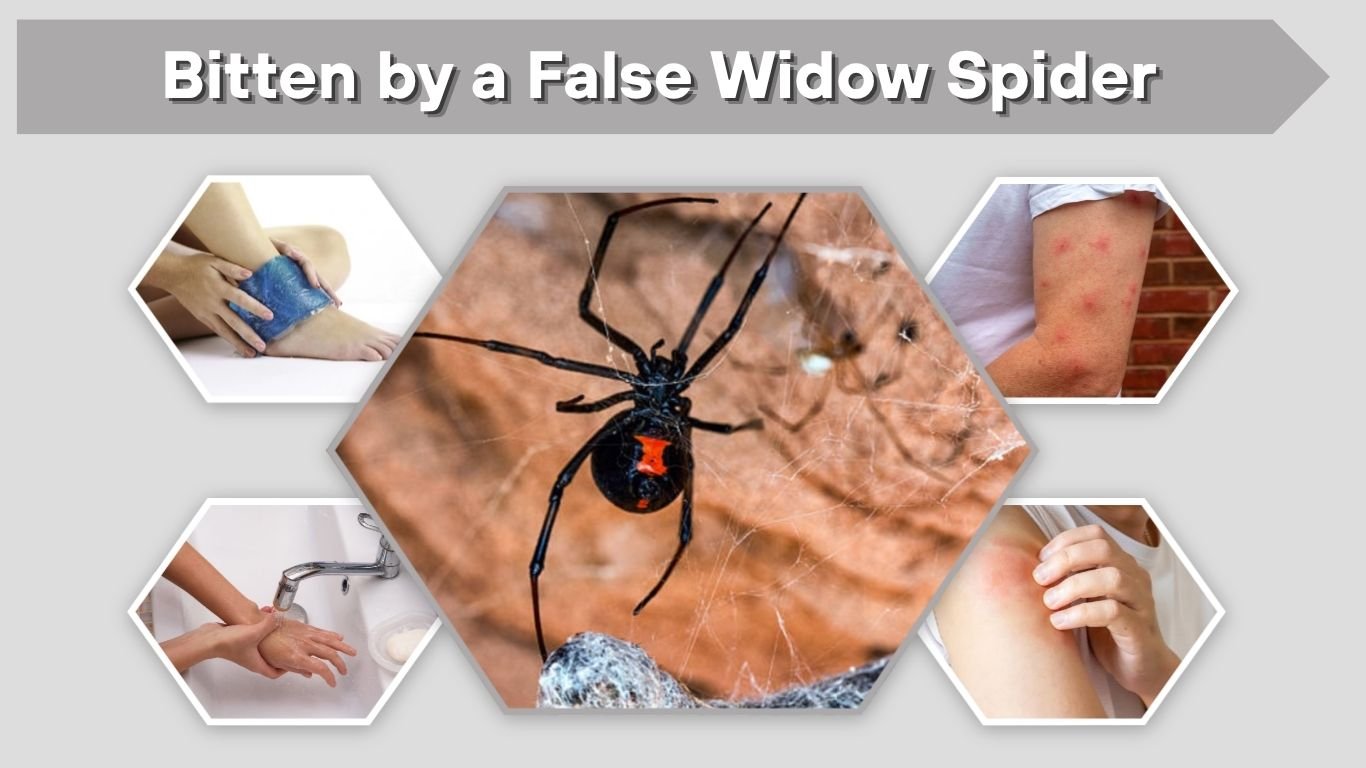
A false widow spider bite can be worrying, especially when the area becomes red, swollen, or painful. In most cases, the bite is mild and improves with basic first aid, but some people may develop stronger reactions or infection. Knowing what to do early helps reduce discomfort, prevent complications, and decide when medical care is needed.
What Is a False Widow Spider Bite?
A false widow spider bite happens when a false widow spider bites through the skin, usually after being trapped against the body. These spiders do not usually chase or attack people. Most bites happen by accident when someone puts on clothing, moves stored items, or presses against a hidden spider.
False widow spiders are venomous, but their venom is usually not dangerous to healthy adults. The bite may feel like a sharp pinch, bee sting, or burning sensation. Some people notice two tiny puncture marks, while others only see redness and swelling.
The term “false widow” can refer to several spiders in the Steatoda group. The noble false widow is one of the best-known species. It has a rounded body, glossy appearance, and pale markings on the abdomen. However, bite symptoms alone are not enough to confirm the spider species.
Common Symptoms After Being Bitten
Symptoms can vary depending on the person, bite location, amount of venom, and whether the wound becomes infected. Many false widow bites stay local, meaning symptoms remain around the bite area.
Mild Bite Symptoms
Most mild bites cause discomfort near the skin only. The area may feel tender for a few hours and then slowly improve. These symptoms are usually manageable at home with simple care.
- Sharp pain or stinging at the bite site
- Redness around the area
- Mild swelling
- Itching or irritation
- Warm skin near the bite
- Small puncture marks
- Tenderness when touched
Mild symptoms often settle within a day or two. The skin may remain slightly irritated for longer, especially if scratched.
Stronger Reaction Symptoms
Some people develop a stronger reaction. This does not always mean the bite is dangerous, but it should be watched carefully. A larger swollen area, spreading redness, or increasing pain may need medical attention.
Possible stronger symptoms include nausea, headache, tiredness, muscle aches, and a general unwell feeling. Pain may spread from the bite site into the nearby limb. If symptoms worsen instead of improving, it is safer to contact a doctor.
What to Do If Bitten by a False Widow Spider
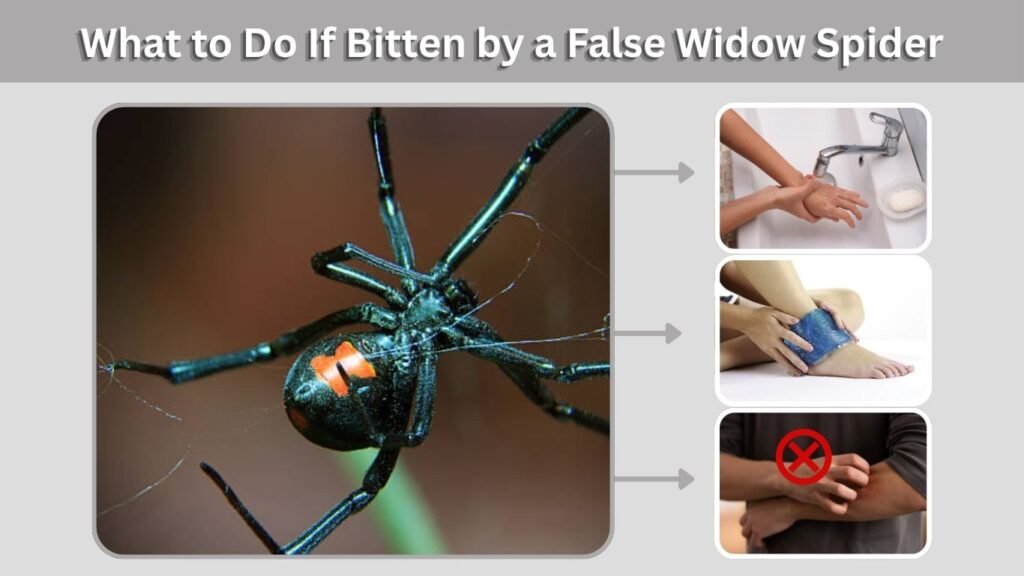
First aid should focus on cleaning the wound, reducing swelling, and watching for warning signs. Do not panic, and do not try unsafe home remedies.
Immediate First Aid Steps
Use these steps as soon as you notice the bite:
- Move away from the spider to avoid another bite.
- Wash the bite gently with soap and clean water.
- Apply a cold compress for 10–15 minutes at a time.
- Keep the bitten area raised if possible.
- Avoid scratching the bite.
- Take an over-the-counter pain reliever if suitable for you.
- Mark the edge of swelling with a pen to track spreading.
- Take a photo of the bite for comparison later.
Do not cut the bite, suck out venom, or apply harsh chemicals. These methods can damage skin and increase infection risk.
What Not to Do
Some actions can make the bite worse. Avoid squeezing the wound, because it can irritate the skin and push bacteria deeper. Do not apply heat immediately, as this may increase swelling. Do not take antibiotics unless a healthcare professional prescribes them.
Also avoid using random creams if the skin is broken. If you use an antihistamine cream or mild itch cream, follow the label and stop if irritation increases.
False Widow Bite Symptoms Timeline
Bite reactions do not look the same for everyone. Some people feel pain quickly, while others notice swelling later. The table below shows a general timeline.
| Time After Bite | What May Happen | What You Should Do |
| First few minutes | Sharp sting, burning, or small red mark | Wash the area and apply a cold compress |
| First few hours | Swelling, tenderness, itching, mild redness | Rest the area and monitor changes |
| 12–24 hours | Pain may reduce, but redness may remain | Keep the bite clean and avoid scratching |
| 1–3 days | Most mild bites improve | Seek help if redness spreads or pain worsens |
| After 3 days | Lingering irritation or possible infection signs | Contact a doctor if symptoms do not improve |
A bite that keeps getting bigger, hotter, more painful, or filled with pus should not be ignored.
When to Seek Medical Help
Most false widow spider bites do not need emergency care. However, some symptoms may signal infection, allergy, or a stronger reaction. Medical care is especially important for children, older adults, pregnant people, or anyone with a weakened immune system.
Warning Signs to Watch For
Get medical advice if you notice:
- Swelling that spreads quickly
- Redness moving away from the bite
- Severe or increasing pain
- Pus, blisters, or an open wound
- Fever or chills
- Dizziness or faintness
- Nausea that does not settle
- Muscle cramps or body aches
- A red streak moving from the bite
- Symptoms lasting more than a few days
Seek urgent help if there is trouble breathing, swelling of the face or throat, chest tightness, confusion, or severe allergic reaction symptoms.
Can a False Widow Bite Become Infected?
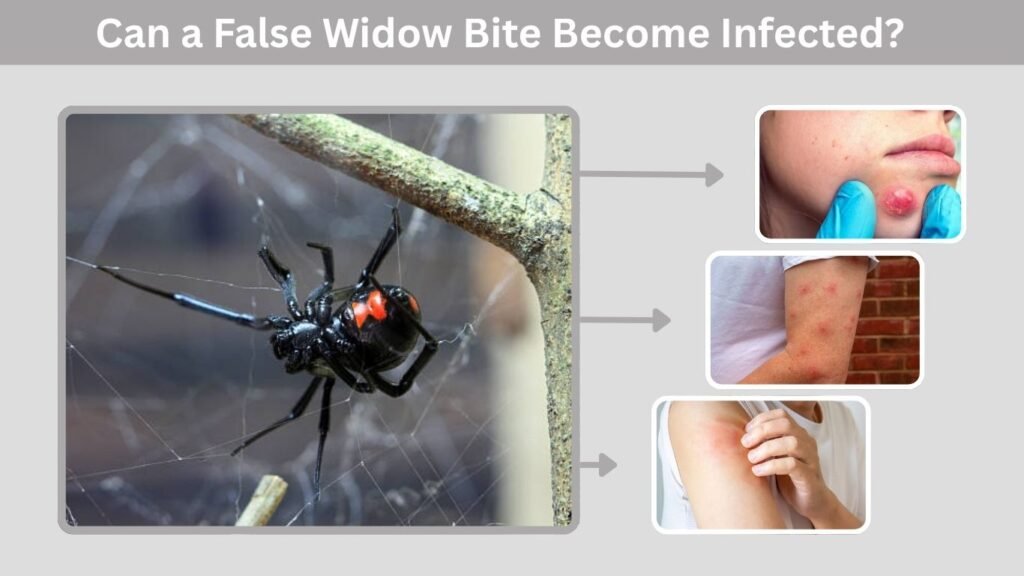
Yes, any break in the skin can become infected. The infection may come from bacteria on the skin, scratching, dirty hands, or an unclean environment. Infection is not always caused by the spider venom itself.
An infected bite may become more painful after the first day. The area can feel hot, swollen, and tender. Yellow fluid, pus, or a spreading red patch may appear. Fever can also develop in more serious cases.
To reduce infection risk, keep the bite clean and dry. Cover it with a clean dressing if clothing rubs against it. Change the dressing daily, and wash your hands before touching the area.
How to Tell If It Was Really a False Widow
Many skin marks are blamed on spiders, but not every red or swollen bite is from a spider. Mosquitoes, fleas, bed bugs, mites, ants, and skin infections can look similar. A confirmed spider bite usually means the spider was seen biting or found immediately afterward.
False widow spiders often hide in sheds, garages, window frames, wall gaps, cluttered corners, and stored outdoor items. They make messy, tangled webs rather than neat circular webs.
Identification Clues
A false widow spider may have these features:
- Glossy, rounded abdomen
- Brown, dark brown, or purplish body
- Pale cream markings on the abdomen
- Relatively small body size
- Long, slim legs
- Tangled web in a sheltered place
- More active in dark or quiet areas
Do not handle the spider with bare hands. If safe, take a clear photo for identification. If you catch it, use a container and avoid direct contact.
Why False Widow Spiders Bite
False widow spiders usually bite in self-defense. They may bite when trapped inside clothes, bedding, gloves, towels, or shoes. A spider may also bite if pressed against the skin while someone is cleaning or moving boxes.
These spiders are not aggressive toward humans. They prefer hiding places where they can catch insects. Problems happen when their hiding spots overlap with human spaces, especially in homes, garages, sheds, and garden storage areas.
Reducing clutter and checking items before use can lower the chance of accidental contact.
How to Treat Pain, Itching, and Swelling
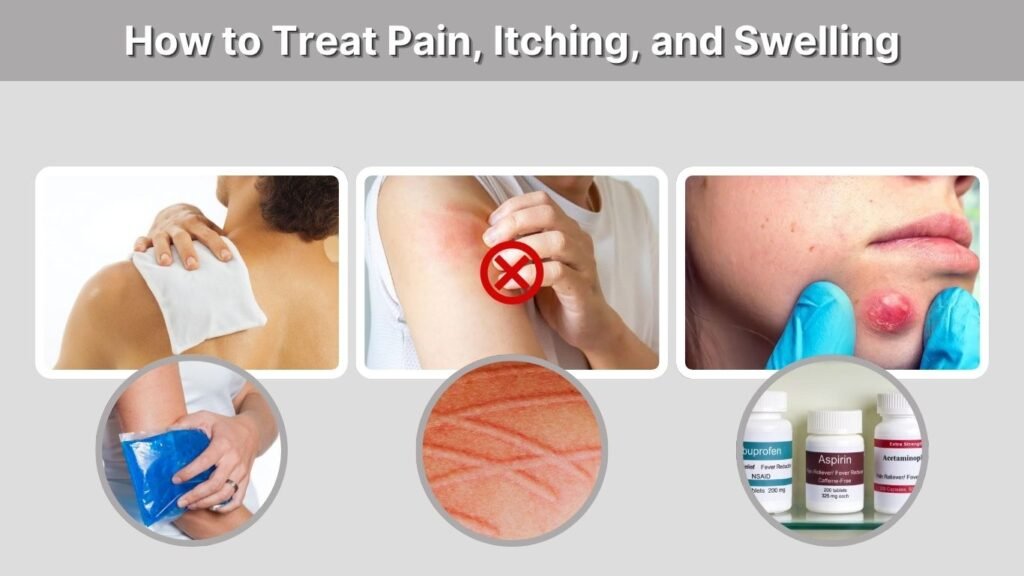
Pain and swelling usually respond well to simple care. A cold compress can reduce inflammation. Use it for short periods, with a cloth between the ice pack and skin. Do not place ice directly on the bite.
For itching, avoid scratching. Scratching can break the skin and raise infection risk. A pharmacy antihistamine may help some people, but always follow the label and check whether it is safe for you.
For pain, over-the-counter pain relief may help. People with medical conditions, allergies, stomach ulcers, kidney disease, pregnancy, or those taking other medicines should ask a healthcare professional before taking medication.
How to Prevent False Widow Spider Bites
Preventing bites is mostly about reducing accidental contact. You do not need to panic or destroy every spider you see. Instead, focus on areas where people touch, dress, sleep, or store items.
Practical Prevention Tips
- Shake out shoes, gloves, and clothing before wearing them.
- Wear gloves when moving boxes, wood, or garden items.
- Clean corners, window frames, sheds, and garages.
- Reduce clutter in storage areas.
- Seal cracks around windows, doors, and walls.
- Move webs with a long-handled brush or vacuum.
- Keep bedding away from walls if spiders are common indoors.
- Use storage boxes with tight lids.
- Check towels and laundry left near floors.
- Avoid handling unknown spiders.
If false widow spiders are common in your home, regular cleaning and sealing entry points can help reduce encounters.
False Widow Bite vs Other Insect Bites
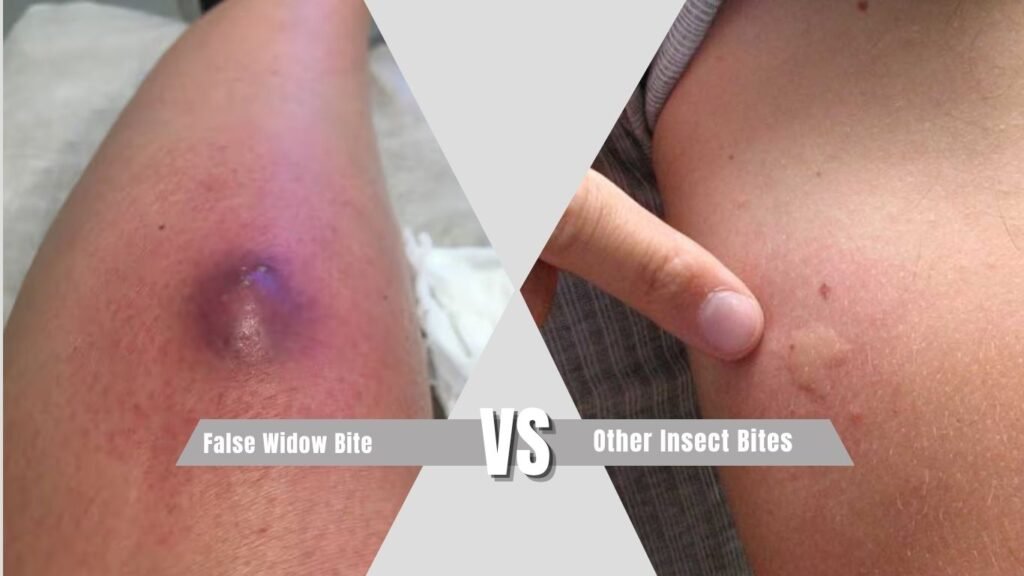
False widow bites can look similar to other bites. A wasp sting may cause sudden sharp pain and swelling. Mosquito bites usually itch more than they hurt. Bed bug bites often appear in clusters or lines. Flea bites commonly appear around ankles and lower legs.
A false widow bite may cause a sharper initial sting and more localized tenderness. However, skin reactions overlap, so appearance alone is not reliable. If the wound worsens, focus less on naming the spider and more on getting proper care.
Are False Widow Spider Bites Dangerous?
For most people, false widow spider bites are not seriously dangerous. The usual reaction is local pain, redness, swelling, and itching. Some people may feel unwell for a short time, but symptoms often improve with basic care.
The main concern is a strong reaction or infection. Rarely, a person may need medical treatment because the bite area becomes badly inflamed or infected. Anyone with severe symptoms should not wait for the bite to heal on its own.
A cautious approach is best: clean it, monitor it, and get medical help if symptoms worsen.
FAQs
What should I do first if bitten by a false widow spider?
Wash the bite with soap and clean water, then apply a cold compress to reduce swelling. Keep the area clean and avoid scratching. Monitor the bite for spreading redness, increasing pain, pus, fever, or other warning signs. Seek medical help if symptoms become severe or continue to worsen.
How long does a false widow spider bite last?
A mild false widow spider bite may improve within 24–48 hours, though slight redness or itching can last longer. Some people feel discomfort for a few days. If the bite becomes more painful, swollen, hot, or infected-looking after the first day, contact a healthcare professional.
Can a false widow spider bite kill you?
A false widow bite is very unlikely to be life-threatening for most people. However, severe allergic reactions and infections can be dangerous if ignored. Trouble breathing, facial swelling, severe pain, fever, confusion, or a rapidly worsening wound needs urgent medical attention.
Should I go to the hospital for a false widow bite?
You usually do not need hospital care for a mild bite. Go for urgent medical help if you have breathing difficulty, severe swelling, spreading redness, fever, intense pain, or a wound that is getting bigger. Children, older adults, and people with weak immune systems should be more cautious.
How do I know if a false widow bite is infected?
An infected bite may become hotter, redder, more swollen, and more painful over time. Pus, yellow fluid, red streaks, fever, or a bad smell from the wound can also suggest infection. If these signs appear, do not squeeze the bite. Get medical advice promptly.
