
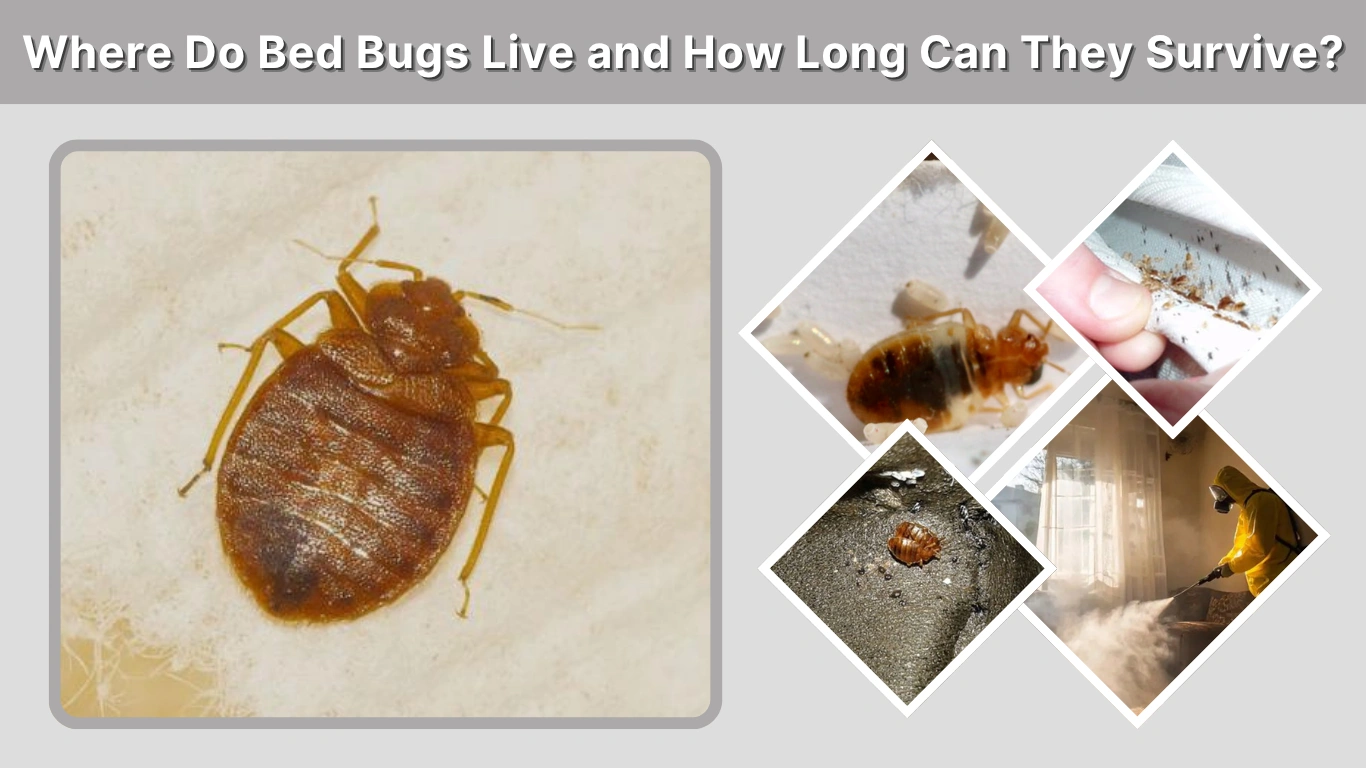
Bed bugs are small, blood-feeding insects that have become a significant problem in homes, hotels, and other public spaces worldwide. They are notorious for hiding in places humans often overlook and can survive without feeding for extended periods. Understanding where bed bugs live and how long they can survive without a host is essential for effective prevention and control. This article explores their habitat, lifespan, and survival strategies.
How Long Do Bed Bugs Live?
The lifespan of bed bugs depends on factors such as age, access to food, and environmental conditions:
- Adults: Can survive 4–6 months on average, with some living up to a year in ideal conditions.
- Nymphs: Require frequent blood meals to molt; they survive only a few weeks without feeding.
- Without a host: Adult bed bugs can live 2–6 months without blood, depending on temperature and humidity. Cooler environments slow their metabolism, extending survival, while warmer conditions shorten it.
Bed bugs are highly resilient and can endure starvation better than many pests, making them difficult to eliminate once they infest a space. Their ability to survive long periods without feeding allows them to persist in vacant homes, hotel rooms, or storage areas.
Where Bed Bugs Can Live
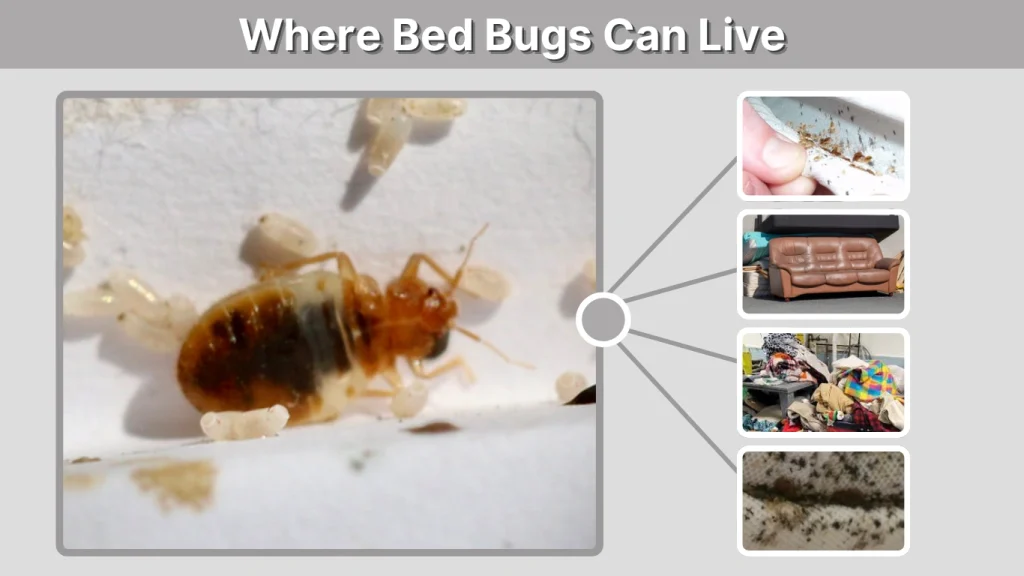
Bed bugs are highly adaptable and can hide in numerous locations in and around human habitats. Key hiding places include:
- Mattresses and bedding: Seams, corners, and under sheets.
- Furniture: Sofas, chairs, wooden furniture, and leather couches.
- Clothing and laundry: Folded clothes, laundry baskets, and luggage.
- Cars and vehicles: Seats, carpets, and cracks in cars or public transport.
- Walls and baseboards: Behind wallpaper, electrical outlets, and small wall cracks.
- Books, papers, and storage boxes: Creases and folds provide shelter.
- Pets and humans: Occasionally on skin or fur during feeding but not permanent residents.
These hiding places make bed bugs difficult to detect. They prefer narrow crevices close to a host, allowing them to feed at night and retreat during the day. Understanding these common locations helps prevent infestations and guides effective cleaning and pest control efforts.
Bed Bug Behavior When a Host is Absent
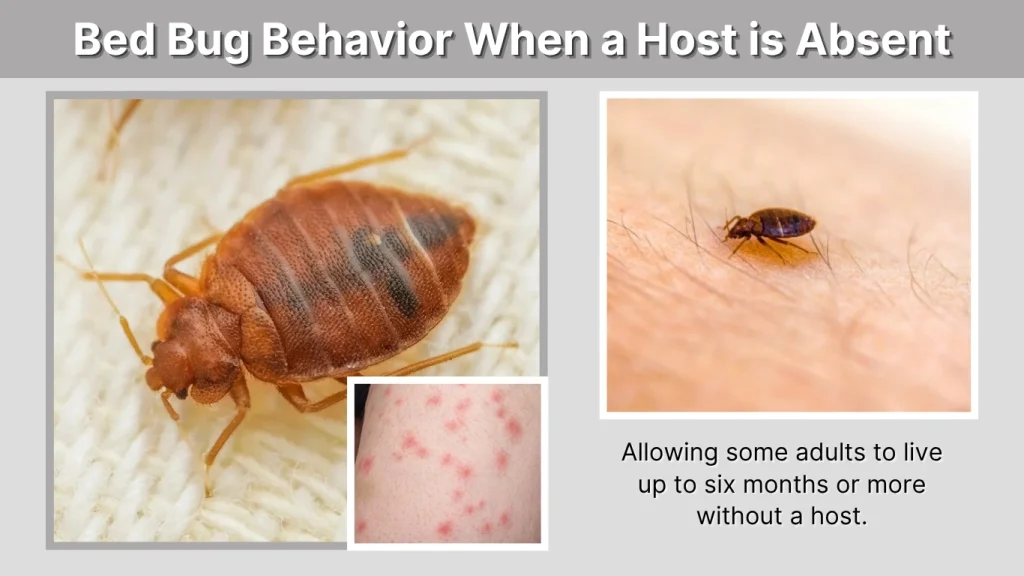
When a host is not available, bed bugs rely on survival strategies to conserve energy and locate new food sources.
Searching for a Host
Bed bugs are attracted by body heat, carbon dioxide, and scent. Even without a host, they actively explore their surroundings, moving short distances to find humans or animals to feed on. During the day, they hide in narrow cracks, behind furniture, and in seams of mattresses or sofas.
Dormancy and Metabolic Slowdown
Bed bugs can enter a state of semi-dormancy to survive periods without feeding. In this state, their metabolism slows dramatically, reducing energy requirements and extending survival. Cooler temperatures amplify this dormancy, allowing some adults to live up to six months or more without a host.
Risk of Starvation and Death
While resilient, bed bugs cannot survive indefinitely without a blood meal. Nymphs perish faster, usually within a few weeks to a month, because they need frequent meals to molt and grow. Adults eventually starve if no host is available, though they can endure far longer than most other pests.
Bed Bug Survival in Different Environments
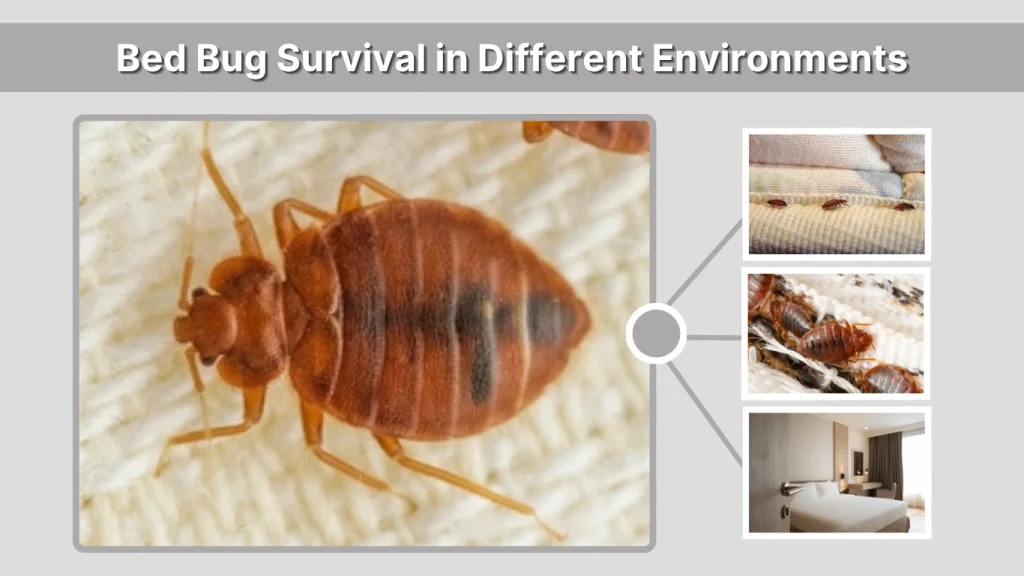
Environmental factors heavily influence how long bed bugs can live:
- Furniture and mattresses: Provide hidden shelter, helping bed bugs survive longer.
- Clothing and luggage: Folded clothes and bags are ideal for temporary hiding.
- Cars and vehicles: They can hide in carpets, seats, and small crevices, waiting for a host.
- Walls and baseboards: Bed bugs retreat into wall cracks or behind wallpaper for protection.
- Temperature and humidity: Cooler temperatures slow metabolism, prolonging survival; very hot or dry conditions accelerate death.
Bed bugs rarely survive outdoors unless sheltered, as exposure to sunlight, wind, and temperature extremes is lethal. They thrive indoors because homes and hotels provide warmth, darkness, and easy access to hosts.
Bed Bug Eggs – Lifespan and Survival
Bed bug eggs are small, whitish, and sticky, usually laid in clusters in crevices.
- Hatching period: Typically 6–17 days, depending on temperature.
- Survival without feeding: Eggs can remain viable for several weeks in protected environments.
- Treatment importance: Killing eggs is crucial because new nymphs can restart an infestation even if adults are eliminated.
Tips to Prevent Bed Bug Infestation
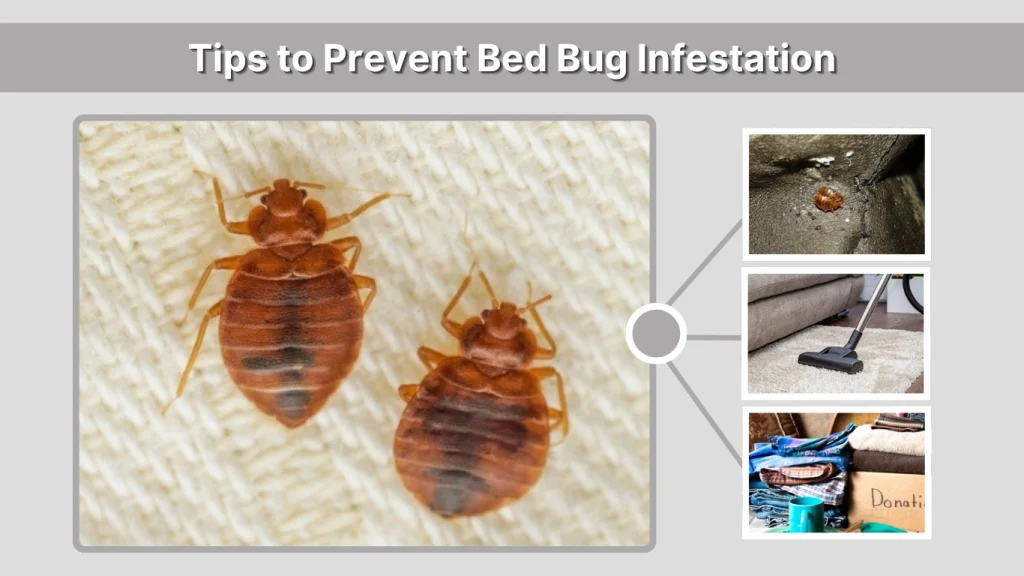
Preventing bed bugs is easier than eradicating them once established:
- Inspect used furniture and clothing before bringing items home.
- Vacuum regularly carpets, mattresses, and furniture.
- Reduce clutter to eliminate hiding spots.
- Use protective covers on mattresses and box springs.
- Professional pest control may be necessary for severe or persistent infestations.
- Care when traveling: Inspect hotel rooms, luggage, and clothing after trips.
Signs Bed Bugs Are Present
Even if no host is currently present, signs of bed bugs can indicate an infestation:
- Bites on humans or pets: Red, itchy welts, often in clusters.
- Fecal stains: Small, dark spots on bedding, furniture, or walls.
- Shed skins and eggs: Tiny, translucent skins and whitish eggs in crevices.
- Musty odor: A sweet, musty smell from larger infestations.
Early detection is key to effective elimination and preventing spread to other areas.
How to Eliminate Bed Bugs
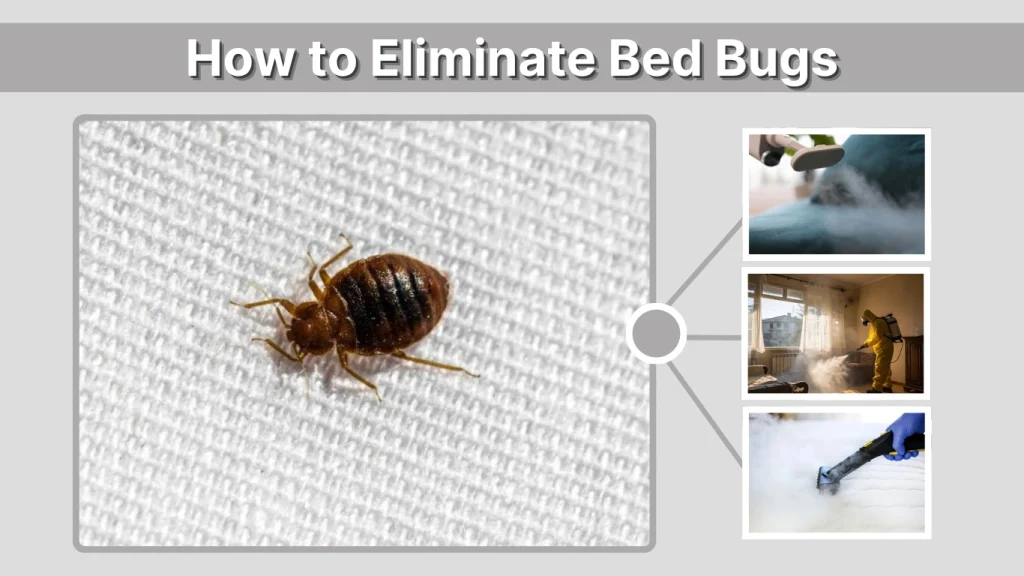
Professional Treatments
- Heat treatment: High temperatures kill all life stages.
- Chemical sprays and fumigation: Targeted application by licensed pest control professionals.
- Integrated Pest Management (IPM): Combining sanitation, chemical, and physical strategies for long-term control.
Home Remedies and Precautions
- Steam cleaning: Effective on mattresses, furniture, and carpets.
- Vacuuming: Removes visible bugs and eggs; dispose of vacuum contents immediately.
- Freezing infested items: Items exposed to sub-zero temperatures for several days can eliminate bed bugs.
Persistence is critical: bed bugs are highly resilient, and repeated treatments are often necessary.
FAQs
Can bed bugs live in hair or on humans?
Bed bugs cannot live permanently on humans or in hair. They only feed briefly and retreat to nearby hiding spots afterward.
Can bed bugs live in clothes or laundry?
Yes. They hide in folded clothes, laundry baskets, and luggage but do not live on the body. Regular washing in hot water helps eliminate them.
Can bed bugs survive outdoors or in cold temperatures?
Bed bugs rarely survive outdoors. Cold temperatures slow metabolism but do not kill them instantly; extreme cold or heat is lethal.
Where do bed bugs usually hide in a house?
They hide in mattresses, bedding, furniture, cracks in walls, books, luggage, and baseboards—anywhere close to a host and protected from light.
How long can bed bug eggs survive without a host?
Eggs remain viable for several weeks in hidden crevices. Killing them is essential to prevent a new generation from hatching.
