
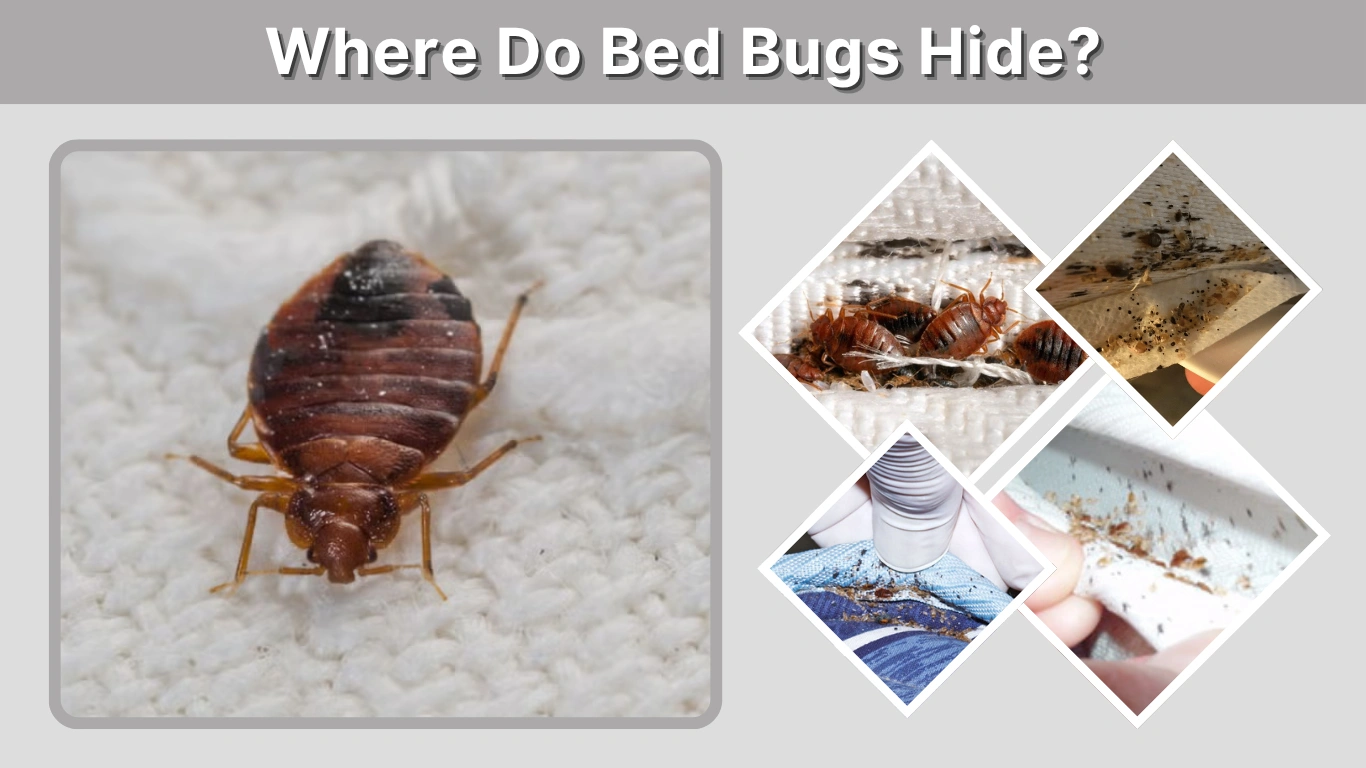
Bed bugs are masters of concealment. Their flat bodies, nocturnal habits, and ability to slip into cracks as thin as a credit card make them one of the hardest pests to detect. Many infestations grow for weeks before anyone realizes what’s happening. Understanding exactly where bed bugs hide is the key to spotting them early, preventing spread, and eliminating them effectively. This guide reveals the most common and unexpected hiding places in beds, furniture, clothing, cars, hotels, and even your own body.
Why Bed Bugs Hide (Understanding Their Behavior)
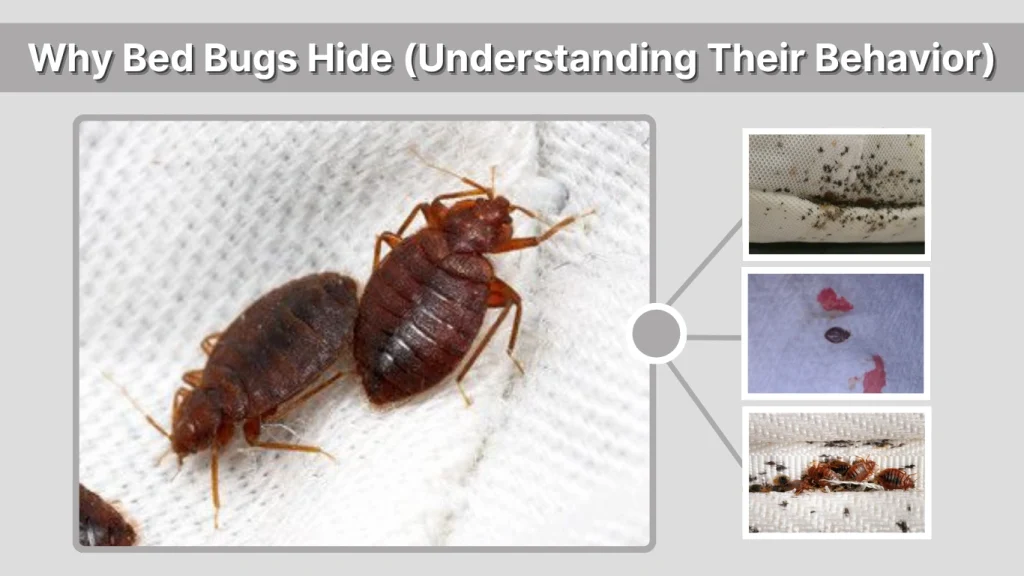
Bed bugs are built to hide. Their survival depends on staying concealed during the day and emerging only when it’s safe to feed. If you know their preferred environments and habits, spotting an infestation becomes much easier.
What Makes Them Expert Hiders
Bed bugs can flatten themselves to fit into spaces as small as 1 millimeter. They hide in dark, sheltered areas where they feel protected. Their reddish-brown color blends perfectly with wood furniture and fabric shadows. Since they usually feed at night, the daytime is spent hiding deep in cracks where they are almost impossible to detect without a thorough search.
Signs You Have Hidden Bed Bugs
You don’t have to see a live bug to know they are present. Their hiding spots usually leave clues such as:
- Tiny black fecal spots on sheets, carpets, or furniture
- Rust-colored blood smears on bedding
- Shed exoskeletons around seams and cracks
- A sweet, musty odor in severe infestations
These early signs often appear before the bugs themselves are visible.
Where Bed Bugs Hide in the Bed & Mattress
Since bed bugs feed primarily while you sleep, the number one place they hide is your bed. They stay as close as possible to their food source, making mattresses and bed frames prime real estate.
Mattress Seams, Tags & Stitching
Mattress seams act like highways for bed bugs. They hide in:
- Stitching
- Corner folds
- Under the sewn-on tags
- Around piping or edging
These areas offer warmth, shadow, and easy access to sleeping humans.
Box Springs & Bed Frames
If you have a box spring, bed bugs can hide inside the thin fabric covering, wooden slats, and staple holes. Wooden bed frames, especially older ones, contain countless tiny cracks bed bugs can squeeze into. Metal bed frames also offer hiding spots where screws and joints meet.
Pillows, Sheets & Bed Skirts
Although less common, bed bugs may hide in pillow edges, especially if the infestation is growing. Bed skirts and blanket edges that touch the floor are also high-risk because they allow bugs to climb up easily. Check the underside of pillows and the corners of fitted sheets for black spots or eggs.
Where Bed Bugs Hide on Your Body & Clothes
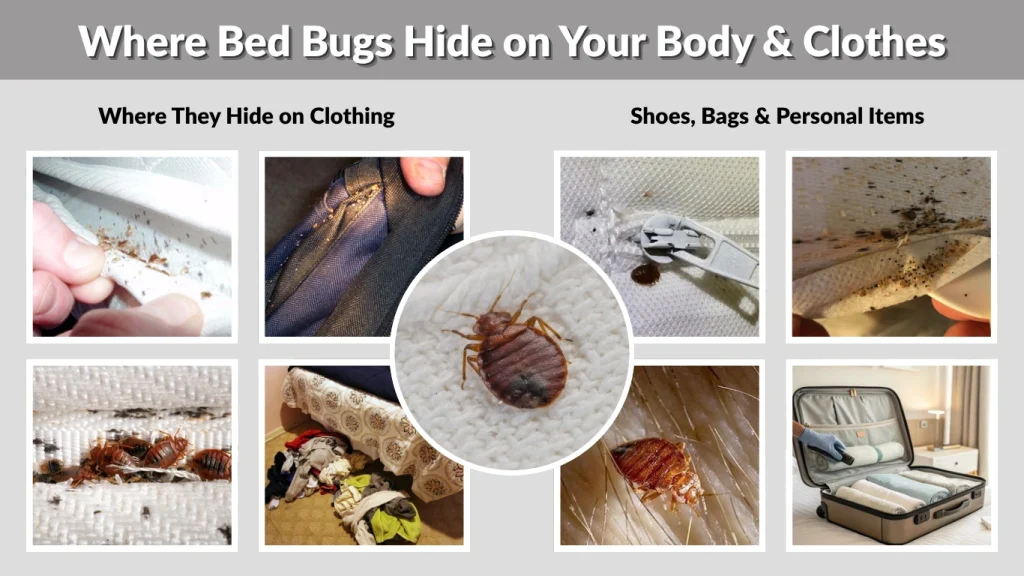
Despite popular belief, bed bugs do not live on the human body. They only come out to feed and then return to hiding. But they can hide temporarily in clothing or accessories.
Do They Live on Your Body?
No. Bed bugs do not live in hair, on skin, or in the ears. They prefer solid surfaces and dark crevices, not warm or moving environments like the human body. After feeding, they retreat to nearby hiding places.
Where They Hide on Clothing
Bed bugs can hide temporarily in:
- Seams of sweatshirts
- Hood linings
- Inner pockets
- Clothing piles on the floor
Dirty laundry is especially attractive because it carries human scent, which bed bugs follow.
Shoes, Bags & Personal Items
Fabric shoes, backpacks, duffel bags, and purses offer hiding spots for travelling bed bugs. They tuck into:
- Zipper linings
- Inner fabric layers
- Small creases
This is why luggage and bags are major carriers between locations.
Where Bed Bugs Hide During the Day vs. Night
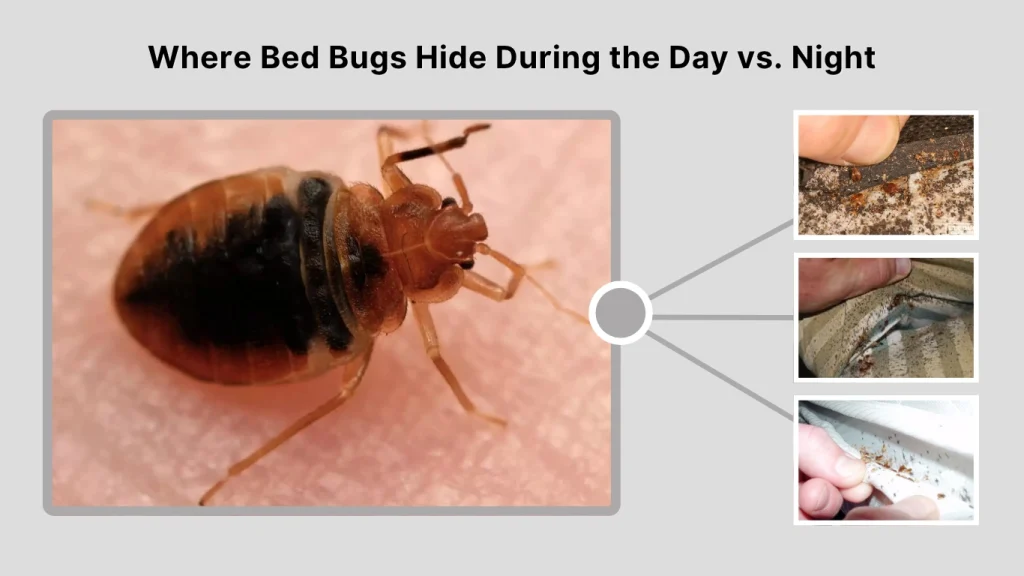
Daytime Hiding Spots
During the day, bed bugs retreat to the darkest and tightest hiding places they can find. Common areas include:
- Beneath mattresses
- Behind headboards
- Inside deep cracks in furniture
- Under carpet edges
Since they avoid light and movement, daytime inspections require flashlights and careful lifting of furniture.
Nighttime Behavior
Bed bugs become active after midnight. They emerge from hiding to feed but only travel short distances—usually a few feet from the bed. They often hide:
- In the bed frame corners
- In gaps between mattress and frame
- Under pillows or blankets
Once feeding is done, they return to the nearest safe area.
Where They Go After Biting
Immediately after feeding, bed bugs crawl back to their hiding spot to digest. This is usually a crevice close to the bed, such as a screw hole, baseboard crack, or mattress seam. They do not remain on your body.
Where Bed Bugs Hide in Furniture & Couches
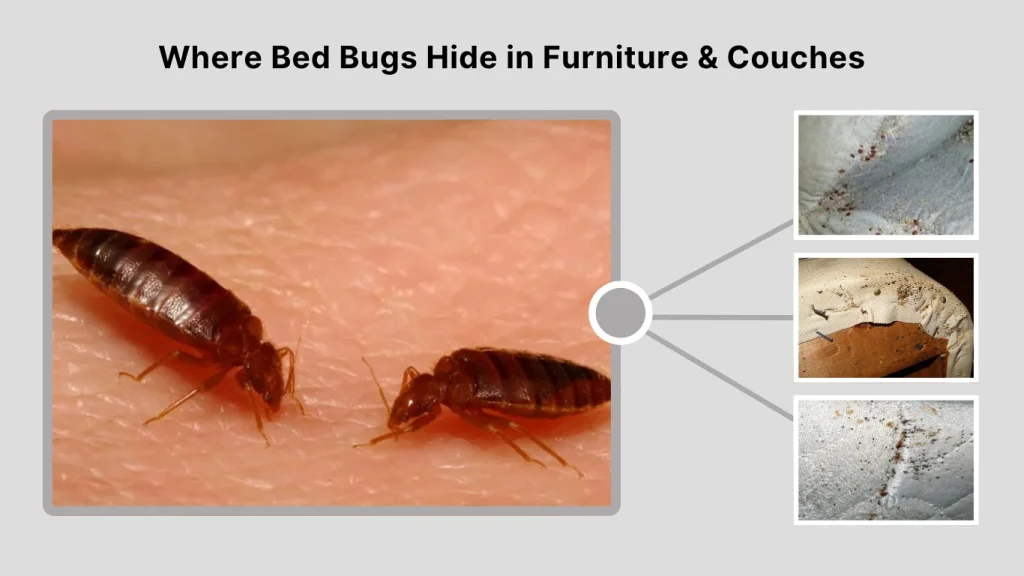
Once bed bugs spread beyond the bed, their next most common hiding place is upholstered furniture. Couches, recliners, and chairs provide warmth, fabric layers, and deep seams that offer excellent protection.
Sofas, Recliners & Chairs
Bed bugs hide in:
- Cushion seams
- Underneath couch cushions
- Along zippers and fabric folds
- Inside wooden frames
- Under the couch or recliner base
Recliners and fabric armchairs are especially high-risk because people sit for long periods, offering bed bugs a consistent food source.
Used Furniture Risks
Second-hand or dumpster-picked furniture is one of the top sources of new infestations. Bed bugs can hide for months without feeding, so even “clean-looking” items may contain:
- Eggs
- Baby bed bugs
- Fecal spots
- Shed skins
Always inspect used furniture thoroughly or avoid it altogether when possible.
Wooden Shelves, Desks & Drawers
Bed bugs love the cracks and joints of wood furniture. They may hide behind drawers, inside screw holes, or under wooden supports. Even bookshelves near the bed can harbor clusters, especially behind books where it’s dark and undisturbed.
Where Bed Bugs Hide in Your Home
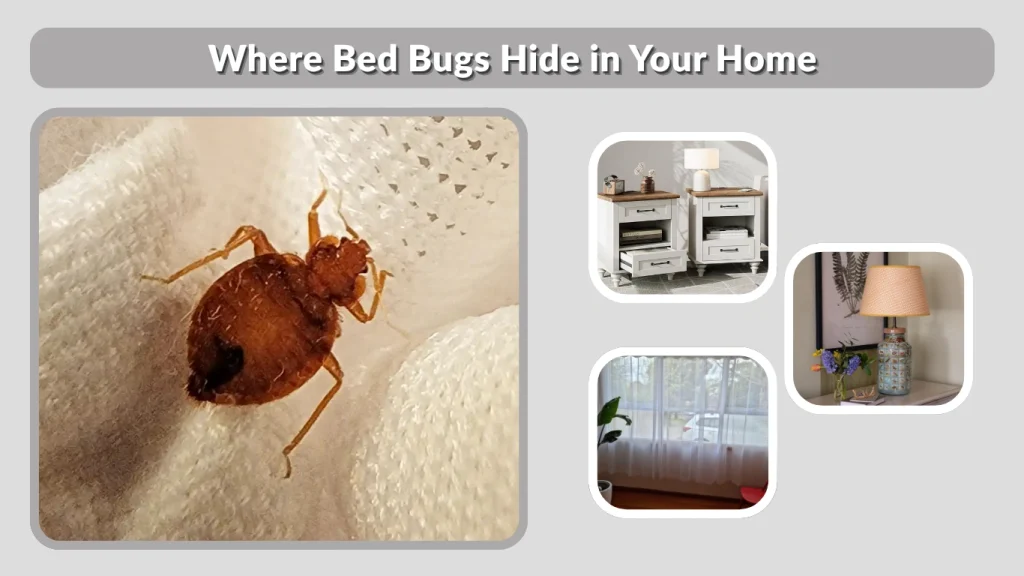
Bed bugs spread throughout the home as infestations grow. They hide anywhere dark, still, and close to places humans rest.
Bedroom Hiding Places
Beyond the bed, they hide in:
- Nightstands
- Lamp bases
- Curtain seams
- Under rugs
- Behind wallpaper
Even small bedroom objects like alarm clocks or picture frames can harbor them.
Living Room Hiding Places
Couches and recliners are top hiding spots, but so are:
- Blankets thrown on the couch
- Throw pillows
- Carpet edges
- Behind entertainment centers
They follow human activity—where you sit, they hide nearby.
Wall, Carpet & Floor Cracks
Bed bugs crawl along walls and floors to find new hiding zones. Look for them:
- Under baseboards
- Behind loose wallpaper
- In electrical outlets
- In gaps between floorboards
Multiple wall cracks with fecal spots are signs of a large infestation.
Where Bed Bugs Hide in Apartments & Empty Houses
Why They Survive Without Feeding
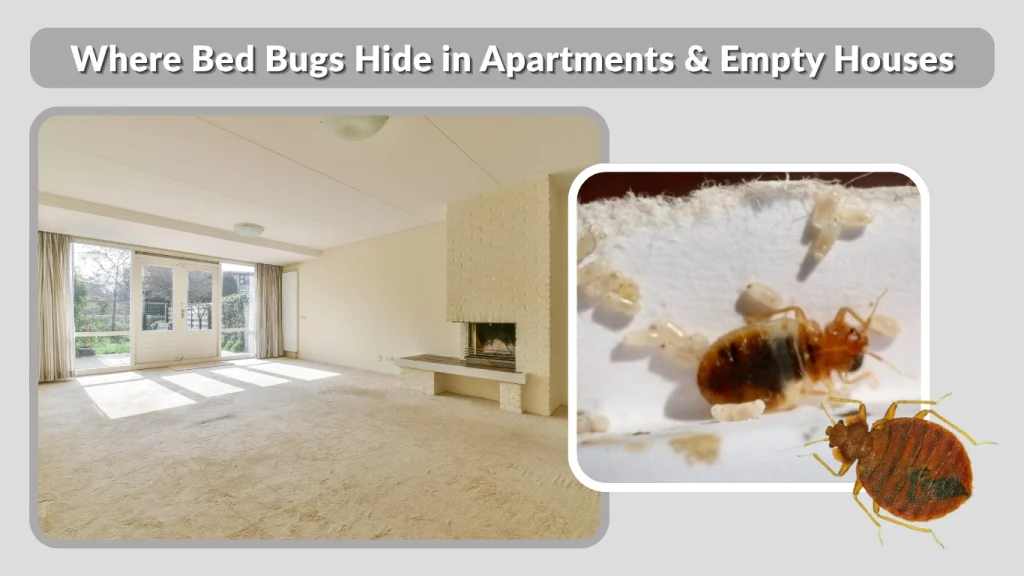
Bed bugs can live 4–12 months without food depending on temperature. This means an empty house or apartment can still have a thriving hidden infestation long after tenants move out.
Hiding Spots in Vacant Spaces
When no beds are present, they hide in:
- Wall voids
- Closet corners
- Behind floor trim
- Cracks around windows and doors
They stay dormant until new hosts move in.
Apartment Unit Spread
In multi-unit buildings, bed bugs travel through:
- Shared walls
- Plumbing passages
- Electrical conduits
- Hallways
This makes apartment infestations especially difficult to eliminate without treating neighboring units.
Where Bed Bugs Hide in Cars, Hotels & Public Places
Cars & Vehicles
Bed bugs can infest vehicles by hitchhiking on clothing or luggage. They hide in:
- Seat seams
- Under floor mats
- In the trunk
- Along carpet edges
Uber, taxi, or rideshare vehicles can also unintentionally carry them.
Hotels & Hostels
Hotels experience high turnover, making them ideal breeding grounds. Bed bugs hide in:
- Mattress corners
- Box spring folds
- Curtains
- Upholstered chairs
- Luggage racks
Always check hotel beds before lying down or unpacking.
Office Chairs & Public Furniture
In workplaces or waiting rooms, bed bugs hide in:
- Seat cushions
- Desk chairs
- Fabric-lined cubicles
- Sofas in break rooms
High-traffic public seating increases the spread.
Where Bed Bugs Hide Their Eggs
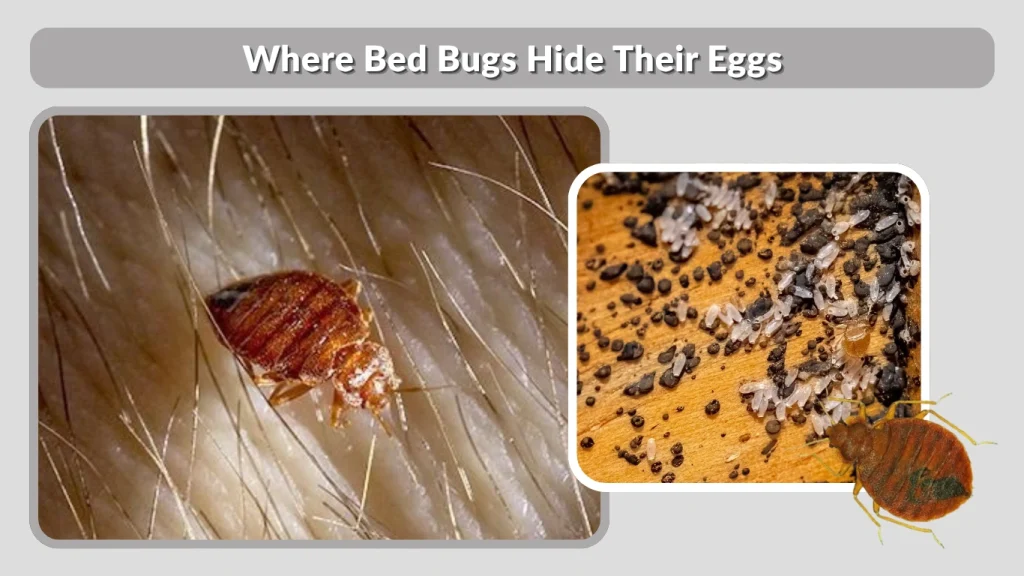
Egg-Laying Behavior
Female bed bugs lay eggs in protected cracks where they won’t be disturbed. Eggs are sticky and adhere to surfaces so they don’t fall off easily.
Common Egg Hiding Spots
Eggs are usually found in:
- Mattress folds
- Box spring fabric
- Wooden bed frame cracks
- Drawer joints
- Behind baseboards
- Under couch cushions
Eggs are the hardest part of an infestation to eliminate because they hatch later and restart the cycle.
Rare & Unexpected Bed Bug Hiding Places
Books & Paper Items
Bed bugs hide in books, especially those kept near the bed. They slip between pages or along the spine where it’s dark and warm.
Electronics
Electronics generate heat, making them attractive hiding spots. Bed bugs have been found in:
- Alarm clocks
- Microwave seams
- TV remotes
- Laptops
- Power strips
They hide in vent holes and behind panels.
Outdoor & Unusual Areas
While bed bugs don’t typically live outdoors, they may hide temporarily in:
- Outdoor furniture
- Storage boxes
- Sheds
They do not hide in mold or mildew because they avoid moisture.
How to Find Hidden Bed Bugs (Detection Techniques)
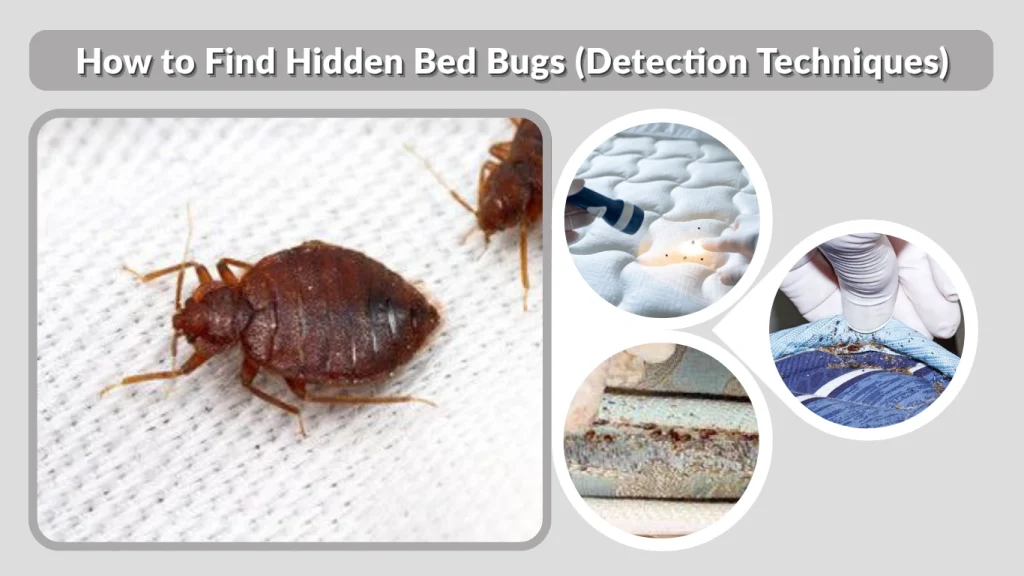
Flashlight & Credit Card Method
Slide a credit card along mattress seams or cracks. This forces bed bugs out of hiding. Use a flashlight to spot any movement or fecal spots left behind.
Using Interceptor Traps
Place traps under bed legs to catch bed bugs as they travel to and from the bed. Interceptors help confirm infestations and identify activity levels.
UV Light, Steaming & Visual Tracking
UV lights can highlight fecal stains and shed skins. Steamers force bed bugs out of cracks and instantly kill them on contact. Follow the trail of black spots, blood stains, and shed shells to locate nests.
What to Do After You Find Their Hiding Spots
Immediate Cleaning Steps
- Wash all bedding and clothes on high heat
- Vacuum seams, cracks, carpets
- Steam mattresses and furniture
- Seal infested items in plastic bags
Treatment Options
- Heat treatment (most effective)
- Steam
- Insecticides (professional-grade)
- Natural powders like diatomaceous earth
Preventing Reinfestation
- Use mattress encasements
- Avoid clutter
- Inspect luggage after travel
- Install bed interceptors
- Regularly check sleeping and sitting areas
FAQs
Where do bed bugs hide the most?
Bed bugs hide most often in mattress seams, box springs, and bed frames because these areas keep them close to their food source—sleeping humans. As infestations grow, they spread to couches, carpets, baseboards, and furniture cracks. They prefer tight, dark, undisturbed spaces where they can stay hidden during the day.
Do bed bugs hide on your body?
No. Bed bugs do not live on the human body or stay attached after feeding. They may crawl on skin briefly while biting but retreat to hiding places like mattress seams, clothing folds, or furniture cracks immediately afterward. They prefer solid surfaces, not moving or warm environments like skin.
Where do bed bugs hide during the day?
During the day, bed bugs hide in the darkest, tightest spaces they can find. This includes mattress seams, box springs, bed frames, couch cushions, wall cracks, electrical outlets, and behind baseboards. They stay hidden until nighttime when they come out to feed.
Where do bed bugs hide in a clean house?
Bed bugs do not care about cleanliness. Even spotless homes offer hiding places in mattress seams, couch folds, bed frames, carpets, shoes, luggage, and clothing piles. A clean home may help you detect them earlier, but it does not prevent them from hiding or spreading.
Where do bed bugs hide their eggs?
Bed bugs lay their eggs in protected crevices where they won’t be disturbed. Common egg hiding spots include mattress folds, box spring fabric, cracks in wooden furniture, behind baseboards, under couch cushions, and inside drawers. Eggs are tiny, white, and glued to surfaces, making them difficult to see.
