
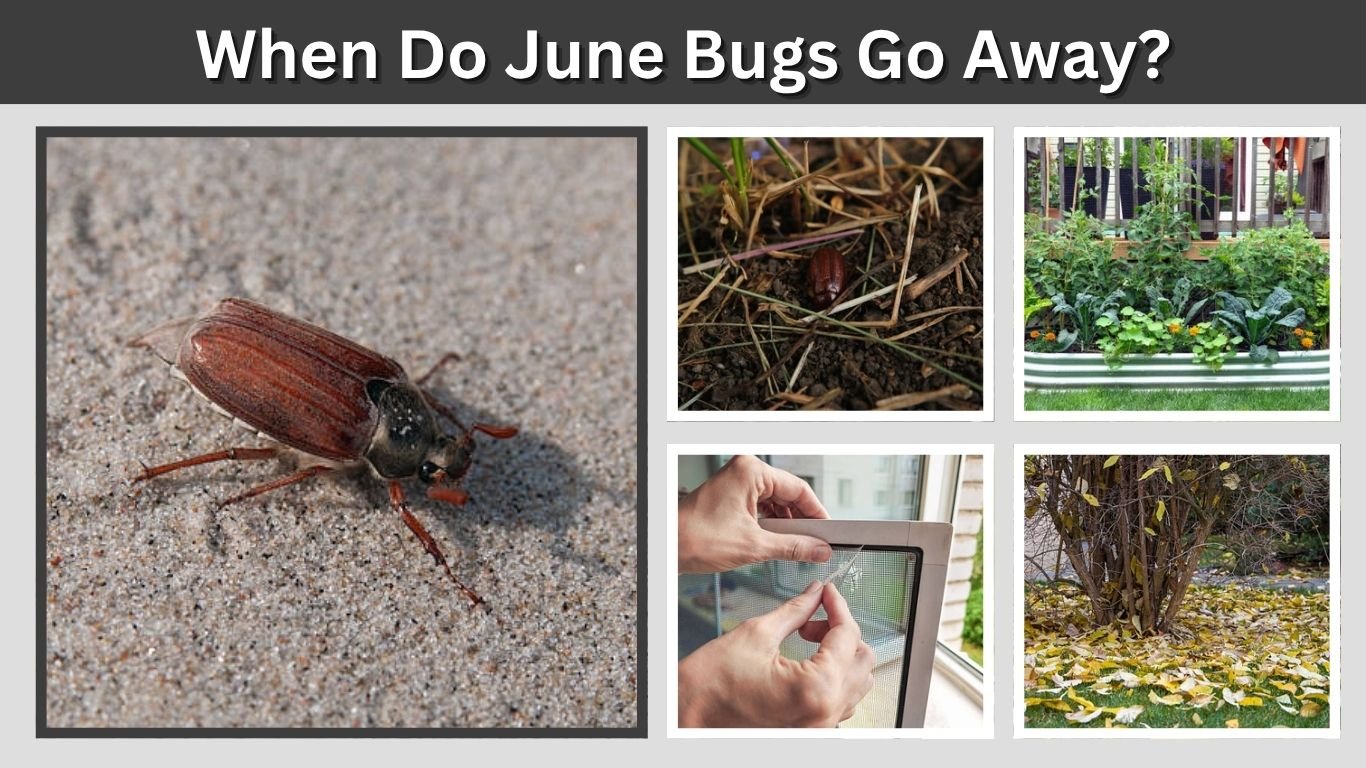
June bugs usually go away by late June, July, or early August, depending on the species, climate, and region. In warmer places, they may appear earlier and stay longer. In cooler areas, their adult activity may be shorter. Most June bugs do not live above ground for long. The adult beetles come out to mate, lay eggs, and then disappear, while their larvae continue living underground as white grubs.
When Do June Bugs Go Away?
June bugs are most noticeable in late spring and early summer. Many people see them around porch lights, windows, patios, and garages during May, June, and July. They usually become less common once the adult beetles finish mating and egg-laying.
What Month Do June Bugs Go Away?
In many areas, June bugs start disappearing by late June or July. However, some may remain into August, especially in warm regions or where different June beetle species are active.
| Region or Condition | When June Bugs Usually Go Away |
| Cooler northern areas | Late June to July |
| Warmer southern areas | July to early August |
| Texas and similar warm states | Often July, sometimes longer |
| Heavy local population | May last several weeks |
| Light population | May disappear quickly |
Do June Bugs Go Away After June?
Yes, many June bugs begin going away after June, but not always immediately. The name “June bug” can be misleading because some appear in May, while others are still active in July. Weather, soil temperature, rain, and species all affect timing.
Where Do June Bugs Go During the Day?
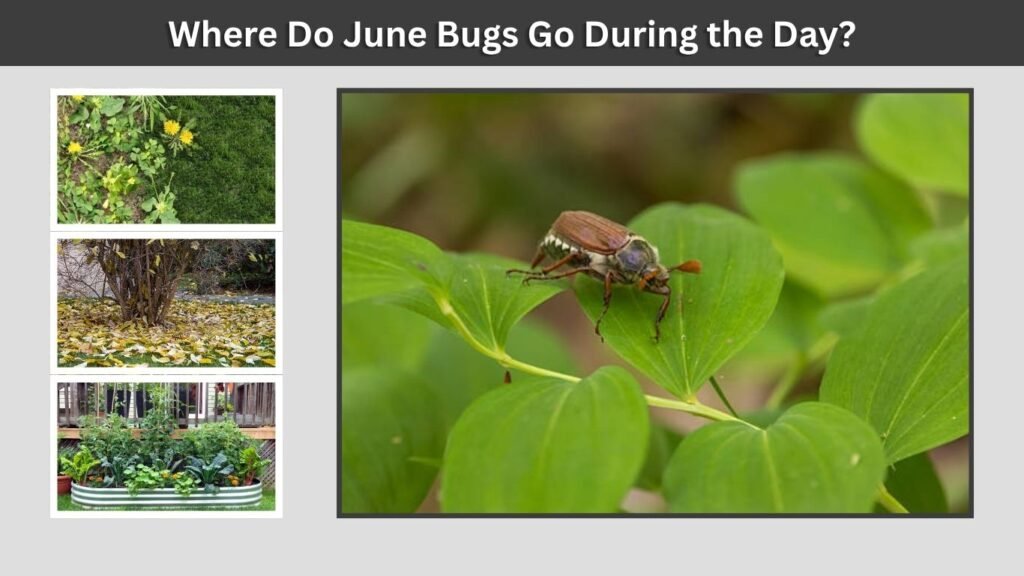
During the day, adult June bugs usually hide in sheltered places. They are not as active in bright sunlight as they are at dusk or night. This is why you may see many at night but very few during the daytime.
Common Daytime Hiding Places
June bugs may hide in:
- Grass and weeds
- Under leaves
- Low shrubs
- Mulch beds
- Tree bark cracks
- Soil surface areas
- Garden plants
- Around porch corners or outdoor structures
What Time Do June Bugs Come Out?
June bugs usually become active around dusk and nighttime. They are attracted to lights, so they often gather near porch lights, garage lights, patio lamps, and window lights after dark.
Where Do June Bugs Go at Night?
At night, June bugs fly around to feed, find mates, and move toward light sources. They may land on screens, doors, windows, siding, trees, and plants. Their clumsy flying makes them look more aggressive than they really are.
Why Do June Bugs Go to Light?
June bugs are attracted to artificial light. Porch lights and bright windows confuse them and pull them away from natural nighttime movement. This is why they often crash into doors, walls, and people near lit areas.
Do June Bugs Go to Sleep?
June bugs do rest, but they do not sleep in the same way humans do. During inactive periods, they stay still in protected places. They are usually most active when conditions are warm, dark, and calm.
Where Do June Bugs Go in Winter?
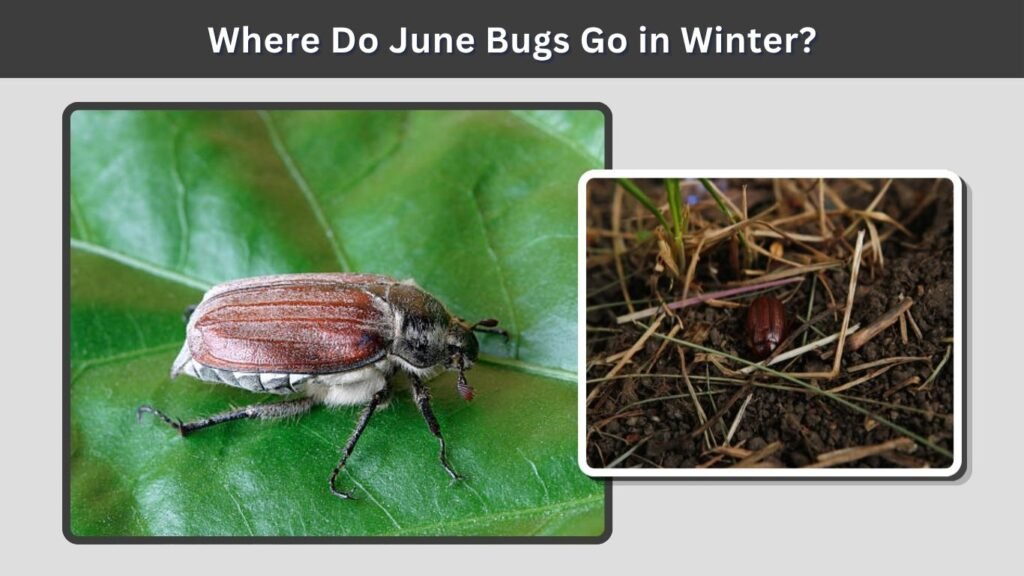
June bugs do not simply vanish forever after summer. Most of their life happens underground. In winter, many June bug larvae, called white grubs, stay below the soil surface where they are protected from cold weather.
June Bug Winter Behavior
During winter, June bug grubs usually:
- Stay underground
- Move deeper into soil during cold periods
- Become less active
- Survive as larvae until warmer weather
- Continue their life cycle when conditions improve
Do Adult June Bugs Survive Winter?
Most adult June bugs do not survive winter. Adults usually die after mating and laying eggs. The next generation continues underground as eggs, larvae, or pupae, depending on the species and timing.
Why Did the June Bugs Suddenly Disappear?
June bugs may seem to disappear overnight. This usually happens when their short adult season ends, weather changes, or outdoor light attraction drops.
| Reason | What Happens |
| Adult season ends | Beetles die after mating and laying eggs |
| Weather changes | Cool, windy, or rainy nights reduce activity |
| Lights are reduced | Fewer beetles gather near homes |
| Predators increase | Birds, bats, frogs, and other animals eat them |
| Population cycle drops | Some years have fewer beetles than others |
How to Make June Bugs Go Away
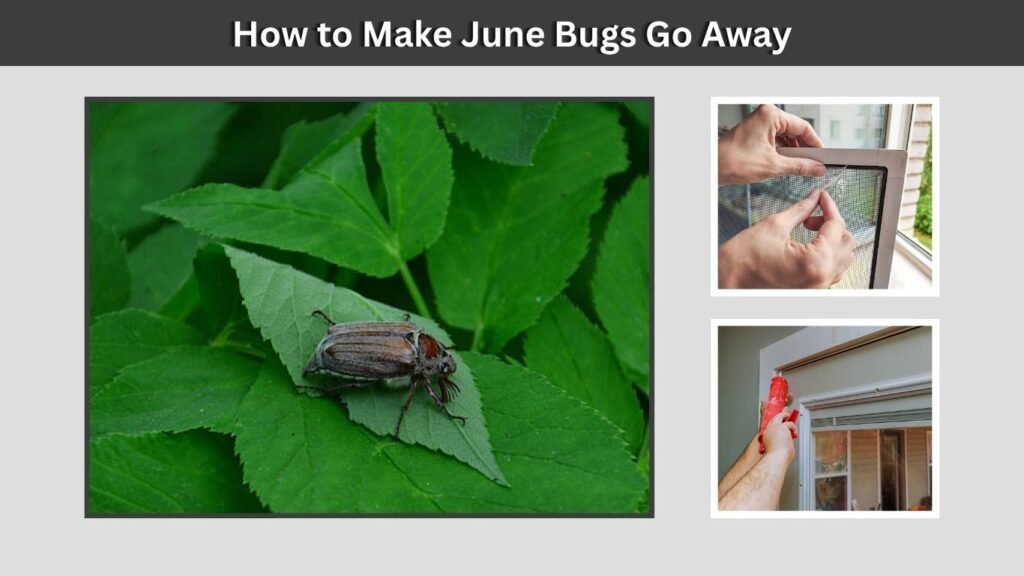
You cannot stop all June bugs from existing outdoors, but you can reduce how many gather around your house. The best method is to make your home less attractive to them at night.
Reduce Outdoor Lights
Since June bugs are strongly attracted to lights, this is the easiest step. Turn off unnecessary porch lights, garage lights, and patio lights at night. You can also switch to yellow outdoor bulbs or motion-sensor lights.
Keep Them Out of the House
A June bug inside the house usually got in by accident. To prevent this:
- Keep doors closed at night
- Repair torn window screens
- Seal gaps around doors and windows
- Turn off indoor lights near open doors
- Use curtains or blinds at night
- Check garage doors for gaps
Manage Lawn Grubs
If you have many June bugs every year, the problem may begin in your lawn. Their larvae live underground as grubs and feed on roots. If you see brown lawn patches, loose turf, or animals digging in the yard, check the soil for white grubs.
Do June Bugs Go in Your Ear or Hair?
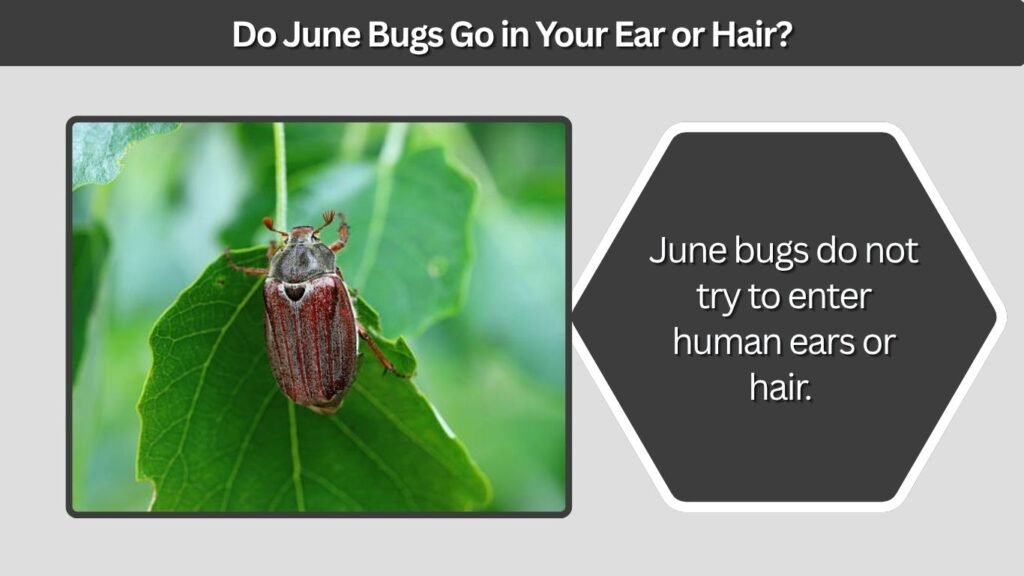
June bugs do not try to enter human ears or hair. However, they are clumsy fliers and may accidentally land on your head, clothing, or hair when flying around lights.
Why They Land on People
They may land on people because:
- They are flying toward light
- They are confused by movement
- They bump into things while flying
- They cling with their spiny legs
- They are poor at steering in the air
What to Do If One Lands on You
Stay calm and brush it off gently. June bugs do not bite or sting. Their legs may feel scratchy, but they are not attacking you.
When Do June Bugs Go Away in Texas?
In Texas and other warm southern areas, June bugs may appear earlier and stay active longer than in cooler regions. Many are seen from spring into summer, and some may remain noticeable into July or later.
Why Texas May Have More June Bugs
Warm weather, irrigated lawns, outdoor lights, and suitable soil can all support June bug activity. Some areas may also have different beetle species active at slightly different times, making the season feel longer.
Are June Bugs Going Extinct?
June bugs are not generally considered extinct. However, insect populations can change from year to year based on weather, habitat, pesticides, predators, and local conditions. If you see fewer June bugs one year, it does not always mean they are gone forever.
FAQs
When do June bugs usually go away?
June bugs usually go away by late June, July, or early August, depending on the region and species. Their adult stage is short, so they disappear once mating and egg-laying are finished. Warm areas may have a longer June bug season than cooler places.
Where do June bugs go during the day?
During the day, June bugs usually hide in grass, shrubs, leaves, mulch, tree bark, or other sheltered areas. They are more active at dusk and night, especially around outdoor lights. That is why they seem to appear suddenly after sunset.
Where do June bugs go in the winter?
In winter, June bugs are usually underground as grubs. The larvae move deeper into the soil to survive cold weather. Adult June bugs usually do not survive winter after mating and laying eggs during their active season.
How can I make June bugs go away from my porch?
Turn off unnecessary porch lights, use yellow outdoor bulbs, repair screens, and keep doors closed at night. June bugs are attracted to bright lights, so reducing light around entry points is one of the easiest ways to keep them away.
Do June bugs go in your hair or ears?
June bugs do not intentionally go into hair or ears. They may accidentally land on people because they fly clumsily around lights. If one lands on you, gently brush it away. June bugs do not bite, sting, or attack humans.
