
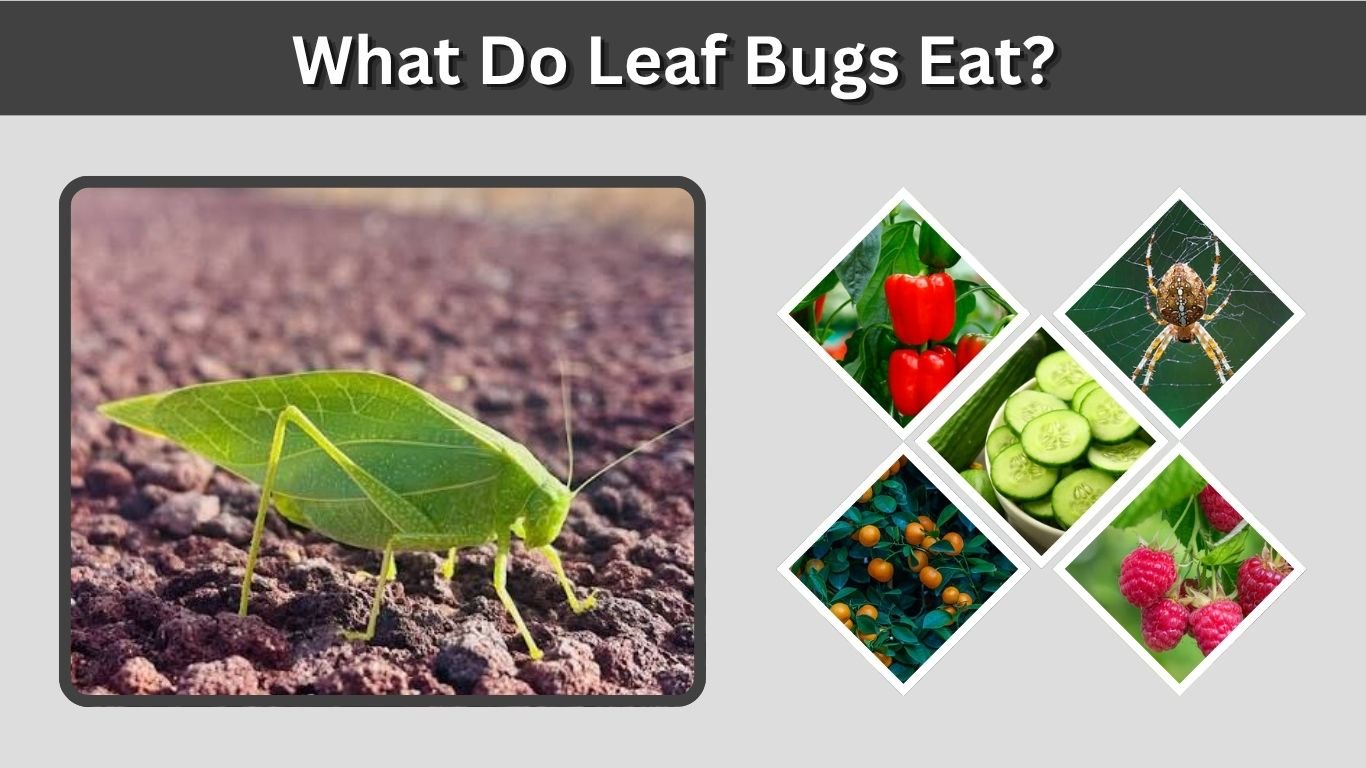
Leaf bugs are plant-feeding insects that survive by sucking juices from leaves, stems, flowers, fruits, and seeds. Most species feed on a wide variety of plants, although some prefer specific trees, shrubs, or garden crops. Their diet depends on the species, life stage, and the plants available in their habitat.
Many people use the term “leaf bug” to describe several different insects, including leaf insects (walking leaves) and leaf-footed bugs. While these insects look different, they are both primarily herbivores that feed on plant material rather than other insects.
If you’ve ever wondered what leaf bugs eat, what they drink, or whether they damage gardens, here’s everything you need to know.
What Do Leaf Bugs Eat?
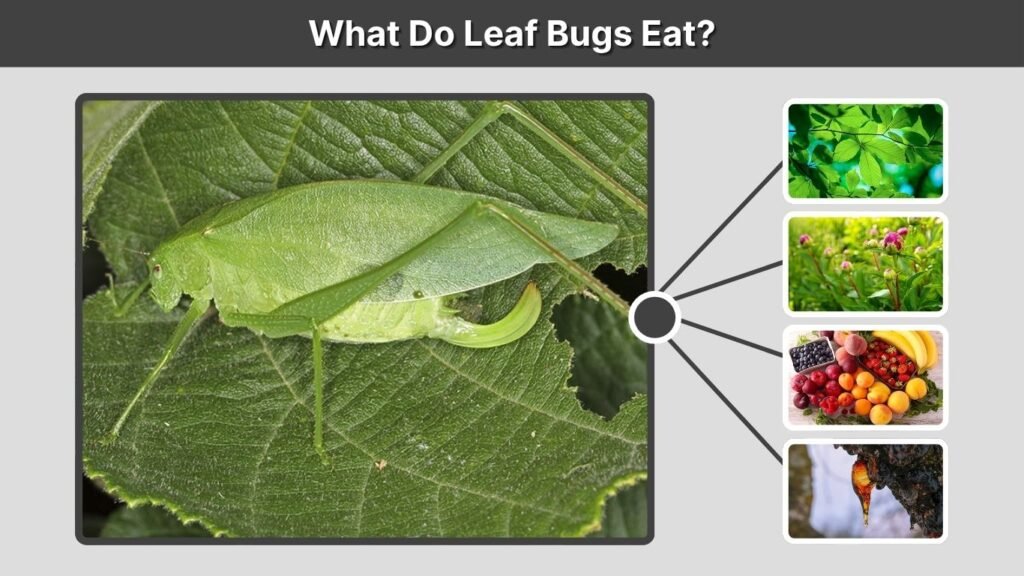
Most leaf bugs feed on plant juices rather than chewing large pieces of leaves. They use a long, needle-like mouthpart called a proboscis to pierce plant tissue and suck out nutrients.
Depending on the species, leaf bugs commonly feed on:
- Leaves
- Young shoots
- Plant stems
- Flower buds
- Fruits
- Seeds
- Sap
- Tender vines
- Tree foliage
- Garden vegetables
Some species feed on many different plants, while others specialize in just a few host plants.
Do Leaf Bugs Eat Leaves?
Yes, some leaf bugs feed directly on leaves, but many do not actually chew holes like caterpillars or beetles.
Instead, they insert their mouthparts into the leaf and suck out fluids. This feeding may cause:
- Yellow spots
- Brown patches
- Curling leaves
- Wilting
- Distorted growth
- Premature leaf drop
Heavy infestations can weaken plants by removing large amounts of sap over time.
What Do Leaf Bugs Eat in the Wild?
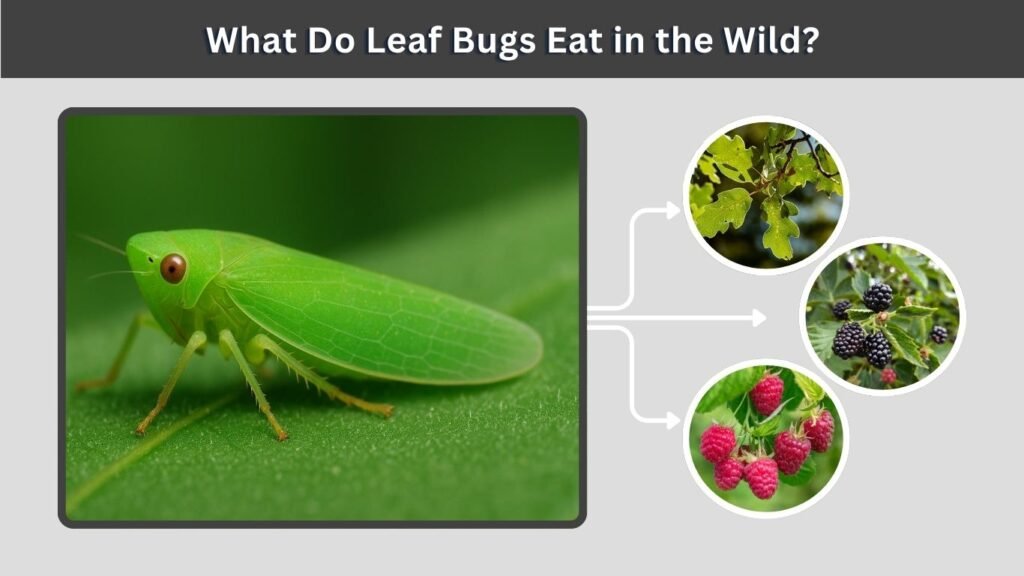
Wild leaf bugs feed on the vegetation growing in their natural habitat. Forests, grasslands, wetlands, and shrublands provide a wide variety of food sources.
Common wild food plants include:
- Oak leaves
- Maple leaves
- Willow
- Birch
- Blackberry
- Wild grape
- Raspberry
- Dogwood
- Alder
- Native shrubs
- Wildflowers
- Grasses
Leaf insects that resemble leaves spend much of their lives hidden among the plants they feed on.
What Do Green Leaf Bugs Eat?
Many green leaf bugs feed on fresh green vegetation because young leaves contain plenty of moisture and nutrients.
Their favorite foods often include:
- Young tree leaves
- Garden plants
- Shrubs
- Fresh shoots
- Flower buds
- Soft stems
Green species are especially well camouflaged among healthy foliage, making them difficult for predators to spot.
What Do Leaf Bugs Eat and Drink?
Leaf bugs obtain both food and moisture from plants.
They typically consume:
- Plant sap
- Leaf juices
- Stem fluids
- Fruit juices
- Flower nectar (some species)
Because plant sap contains a high percentage of water, leaf bugs rarely need to drink standing water. They receive most of their hydration directly from the plants they feed on.
Morning dew and rain droplets may occasionally provide additional moisture.
What Do Leaf-Footed Bugs Eat?
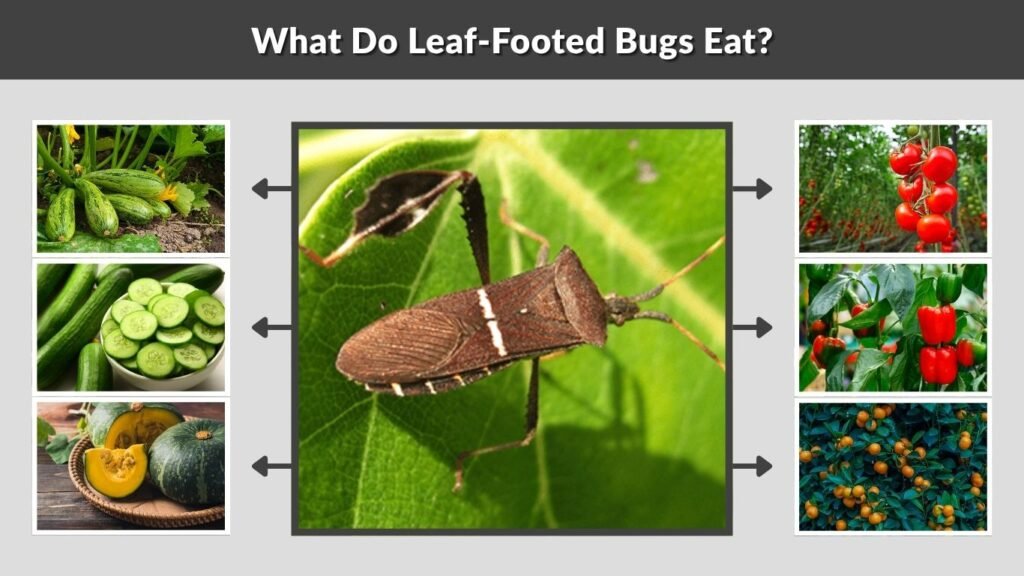
Leaf-footed bugs belong to the family Coreidae and are common in gardens and agricultural fields. Unlike walking leaf insects, they are well known as crop pests.
Their piercing mouthparts allow them to feed on:
- Tomatoes
- Peppers
- Pomegranates
- Citrus fruits
- Peaches
- Almonds
- Pecans
- Sunflowers
- Corn
- Squash
- Cucumbers
- Pumpkins
- Beans
Rather than chewing fruit, they puncture it and suck out juices.
Do Leaf-Footed Bugs Eat Tomatoes?
Yes. Tomatoes are among the favorite foods of many leaf-footed bug species.
Both adults and nymphs feed on:
- Green tomatoes
- Ripening tomatoes
- Tomato stems
- Developing fruit
Their feeding can leave:
- Yellow spots
- Sunken areas
- Hard white tissue beneath the skin
- Misshapen fruit
- Premature fruit drop
Large infestations may reduce the quality of tomato harvests.
Do Leaf Bugs Eat Plants?
Yes. Nearly all leaf bugs are herbivores, meaning they feed on plants rather than animals.
They commonly attack:
- Vegetable gardens
- Fruit trees
- Flower beds
- Native shrubs
- Forest trees
- Farm crops
- Ornamentals
- Greenhouse plants
Different species prefer different host plants, but almost all rely on plant material throughout their lives.
What Plants Do Leaf Bugs Prefer?
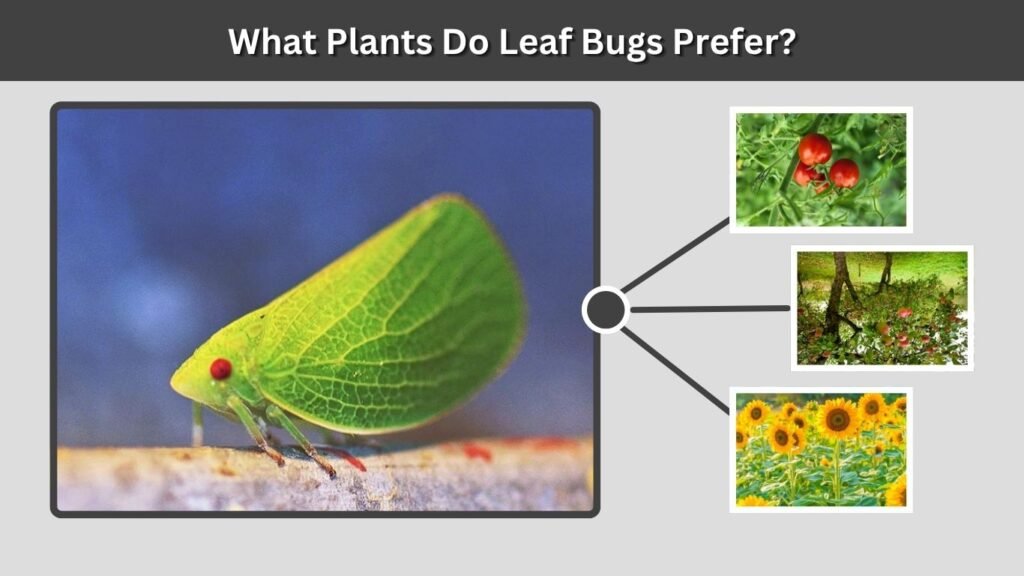
Although preferences vary by species, leaf bugs often feed on plants with soft, nutrient-rich growth.
Popular host plants include:
| Plant Type | Examples |
| Vegetables | Tomatoes, peppers, beans, squash, cucumbers |
| Fruit Trees | Peach, citrus, apple, pear |
| Nut Trees | Pecan, almond |
| Vines | Grapes, blackberries |
| Flowers | Sunflowers, hibiscus |
| Trees | Oak, maple, willow |
| Shrubs | Dogwood, raspberry, blueberry |
Young plants are often more attractive because their tissues are easier to pierce.
Do Baby Leaf Bugs Eat the Same Food?
Yes. Young leaf bugs, called nymphs, generally feed on the same plants as adults.
However, nymphs usually prefer:
- Tender leaves
- New shoots
- Flower buds
- Soft fruits
- Young stems
As they mature, they expand their feeding to tougher plant tissues.
What Eats Leaf Bugs?
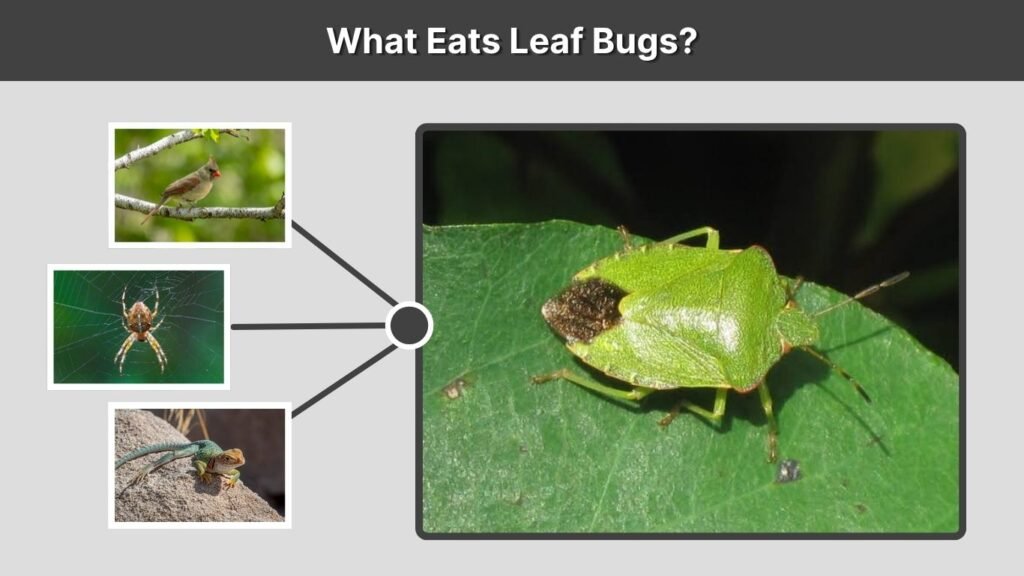
Although leaf bugs have good camouflage, they are an important food source for many predators.
Natural enemies include:
- Birds
- Spiders
- Assassin bugs
- Mantises
- Lizards
- Frogs
- Toads
- Small mammals
- Predatory stink bugs
- Some parasitic wasps
These predators help keep leaf bug populations under control in natural ecosystems and gardens.
Do Birds Eat Leaf Bugs?
Yes. Many insect-eating birds feed on leaf bugs whenever they can find them.
Common predators include:
- Bluebirds
- Robins
- Wrens
- Chickadees
- Flycatchers
- Sparrows
- Woodpeckers
Young leaf bugs are especially vulnerable because they move more slowly than adults.
Are Leaf Bugs Harmful to Gardens?
Some leaf bugs cause little noticeable damage, while others can become significant garden pests.
Signs of feeding include:
- Yellowing leaves
- Brown spots
- Curled foliage
- Damaged fruit
- Stunted growth
- Premature fruit drop
- Poor seed development
Leaf-footed bugs are particularly troublesome for tomatoes, peppers, pomegranates, citrus, and squash.
How to Protect Plants from Leaf Bugs
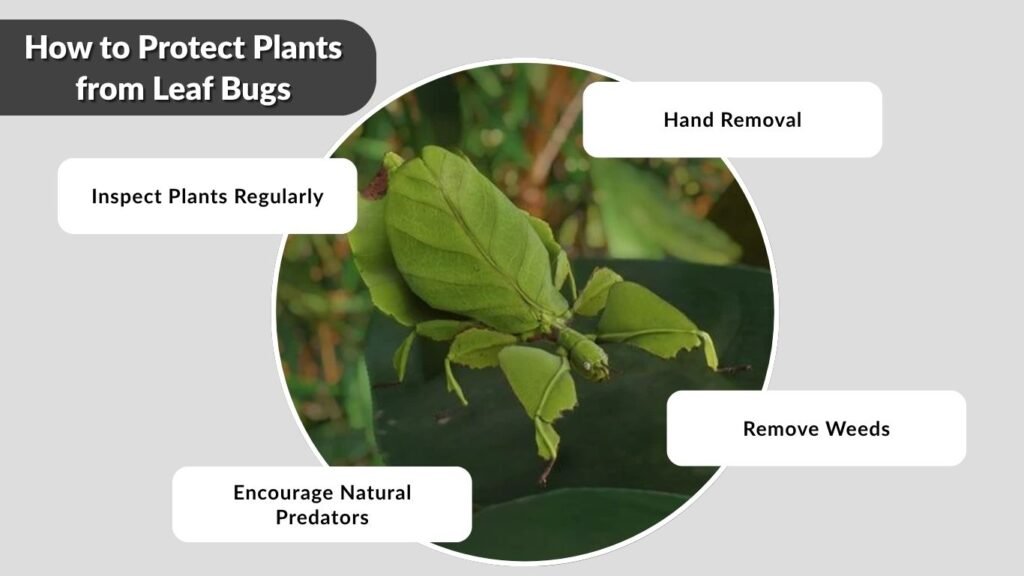
If leaf bugs begin damaging garden plants, several environmentally friendly methods may help reduce their numbers.
Hand Removal
Small infestations can often be managed by removing bugs by hand or knocking them into a bucket of soapy water.
Remove Weeds
Many weeds serve as alternative host plants. Keeping gardens clean can reduce breeding sites.
Encourage Natural Predators
Birds, spiders, assassin bugs, and praying mantises naturally help control leaf bug populations.
Inspect Plants Regularly
Check the undersides of leaves, young fruits, and stems for adults, nymphs, and egg clusters.
Row Covers
Floating row covers can help protect young vegetable plants before flowering begins.
If insecticides become necessary, always identify the insect first and follow the product label carefully to minimize impacts on beneficial insects.
Interesting Facts About Leaf Bug Diet
- Female leaf bugs usually eat more than males while producing eggs.
- Most species are active during warm months when plants are growing rapidly.
- Leaf bugs rely on piercing mouthparts rather than chewing jaws.
- Plant sap provides both nutrients and water.
- Some species feed on dozens of different plant species.
- Nymphs and adults usually feed on the same host plants.
- Their camouflage allows them to feed while remaining hidden from predators.
FAQs
What do leaf bugs eat the most?
Most leaf bugs feed primarily on plant sap, tender leaves, stems, fruits, flowers, and seeds. The exact diet depends on the species, but vegetables, shrubs, trees, and fruiting plants are common food sources.
Do leaf bugs drink water?
Leaf bugs rarely need to drink standing water because they obtain most of their moisture from plant sap and juices. They may occasionally drink rainwater or dew, but plants provide nearly all the hydration they need.
Do leaf-footed bugs eat tomatoes?
Yes. Leaf-footed bugs commonly feed on tomatoes by piercing the fruit and sucking out its juices. Their feeding can leave discolored spots, hard tissue beneath the skin, and misshapen fruit.
What animals eat leaf bugs?
Leaf bugs are eaten by birds, spiders, praying mantises, assassin bugs, frogs, toads, lizards, and some small mammals. These predators help naturally reduce leaf bug populations in gardens and wild habitats.
Are all leaf bugs harmful to plants?
No. While all leaf bugs feed on plants, many cause only minor damage. Problems usually occur when large numbers feed on crops, fruit trees, or vegetable gardens, especially species such as leaf-footed bugs.
