
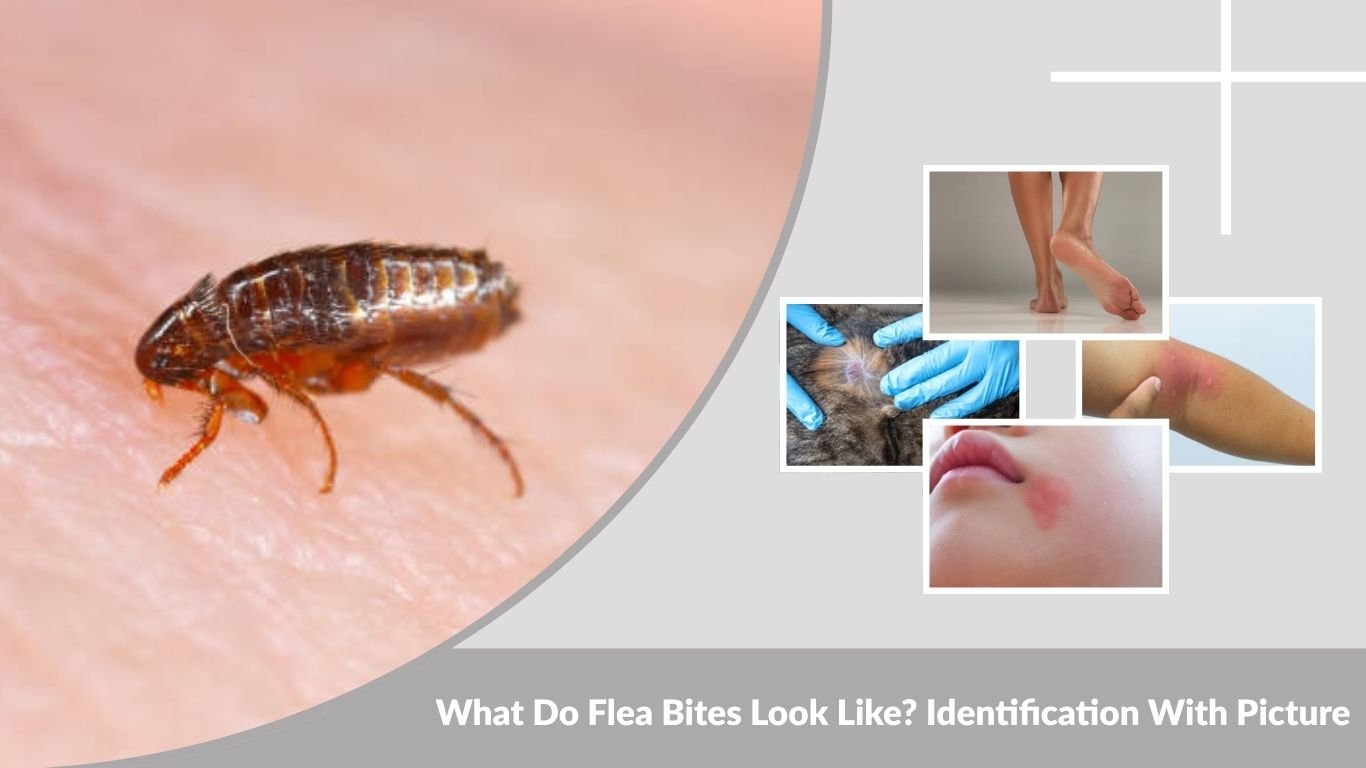
Flea bites are small but extremely itchy, and they are often confused with mosquito or bed bug bites. If you have pets or spend time around carpets or bedding, fleas can quickly become a hidden problem. Their bites usually appear in clusters and tend to affect the lower parts of the body. In this guide, you will learn how to identify flea bites, understand their symptoms, and tell them apart from other common insect bites.
What Do Flea Bites Look Like on Humans?
Flea bites have some clear visual patterns that make them easier to recognize once you know what to look for.
Key visual characteristics
Flea bites are usually:
- Small, red, raised bumps
- Often with a tiny dark red center (puncture point)
- Surrounded by a light red halo
- Found in clusters or groups of 2–4 bites
- Sometimes arranged in a straight or zigzag line
Unlike mosquito bites, which are often larger and more swollen, flea bites stay relatively small but are more intensely itchy.
Common locations on the body
Flea bites most often appear on:
- Ankles
- Feet
- Lower legs
- Around the waist
- Behind the knees
- Occasionally on arms or elbows
This pattern happens because fleas usually live in carpets, floors, and pet bedding. They jump upward and bite the nearest exposed skin, which is why the lower body is most affected.
Flea Bite Symptoms
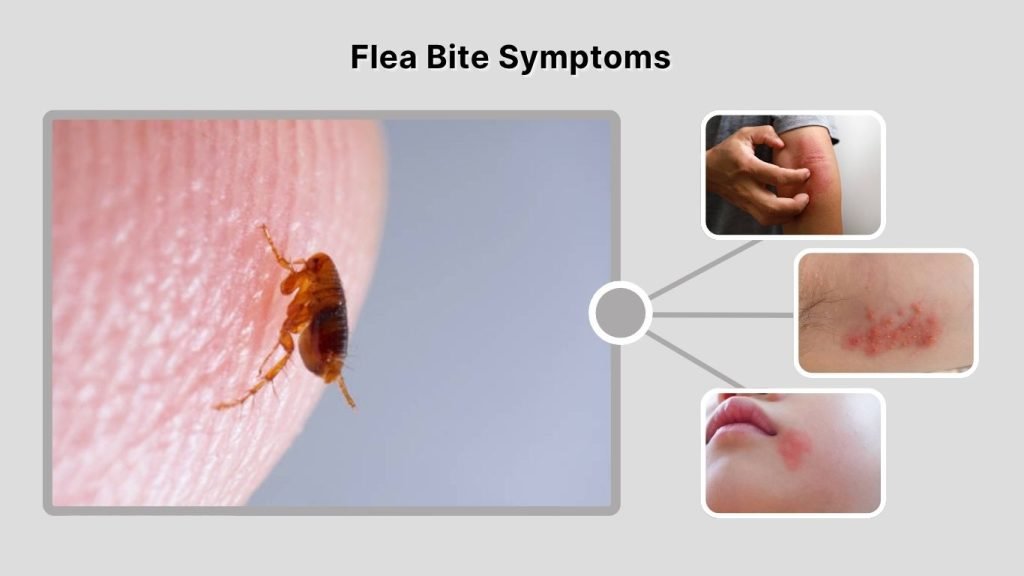
While the appearance of flea bites is important, the symptoms can help confirm what you are dealing with.
Common symptoms
Most people experience:
- Intense itching
- Small raised bumps
- Redness around the bite
- Skin irritation
- A slight burning or stinging feeling
The itching from flea bites is often stronger than from mosquito bites, which is one of the key differences.
Less common reactions
In some cases, flea bites may cause:
- Swelling around the bite
- Blisters
- Allergic reactions
- Infection from excessive scratching
If scratching breaks the skin, bacteria can enter and lead to infection, so it is important to avoid scratching as much as possible.
How to Identify Flea Bites (Quick Checklist)
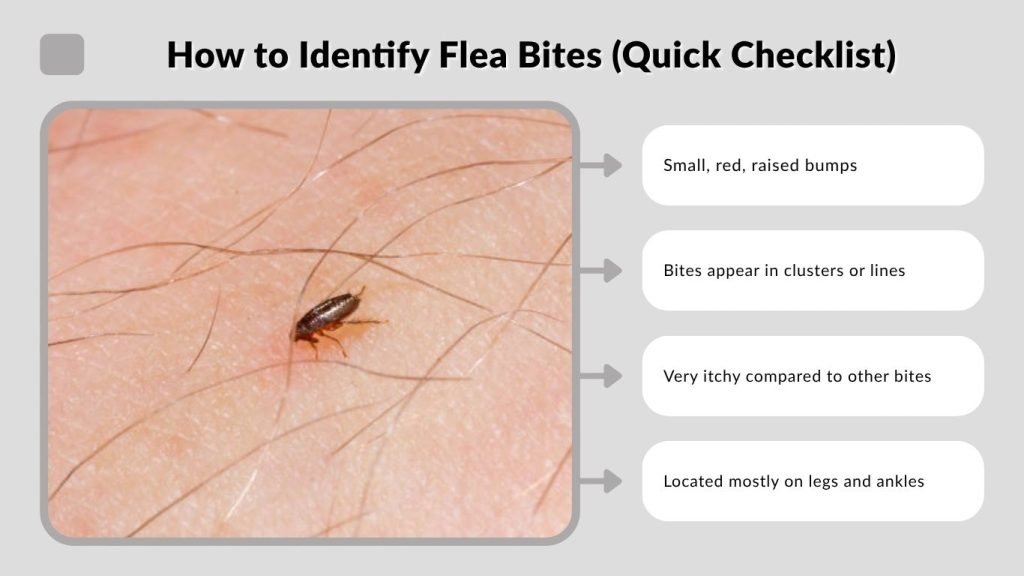
If you are unsure whether your bites are from fleas, use this quick checklist:
- Small, red, raised bumps
- Bites appear in clusters or lines
- Very itchy compared to other bites
- Located mostly on legs and ankles
- Appear after contact with pets, carpets, or bedding
- No large swelling like typical mosquito bites
If most of these signs match, there is a strong chance you are dealing with flea bites.
Flea Bites vs Other Insect Bites
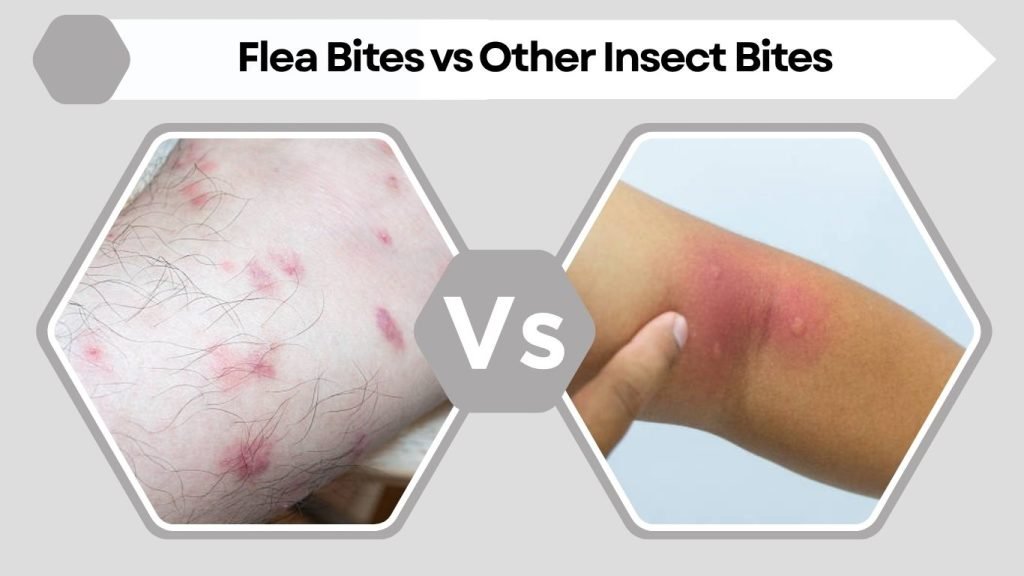
It is easy to confuse flea bites with other insect bites. Understanding the differences can help you identify the source quickly.
| Bite Type | Appearance | Location | Itch Level | Pattern |
| Flea Bites | Small red bumps with center dot | Ankles, legs | Very itchy | Clusters or lines |
| Mosquito Bites | Larger, swollen bumps | Anywhere | Mild to moderate | Random |
| Bed Bug Bites | Red welts | Arms, back, neck | Very itchy | Lines or zigzag |
| Ant Bites | Red bumps or pus-filled | Feet, legs | Burning sensation | Random |
| Spider Bites | Usually single bite | Anywhere | Mild to painful | One bite |
Flea bites are unique because of their size, location, and clustered pattern. If you notice multiple small bites around your ankles or lower legs, fleas are a likely cause.
Where Flea Bites Usually Appear
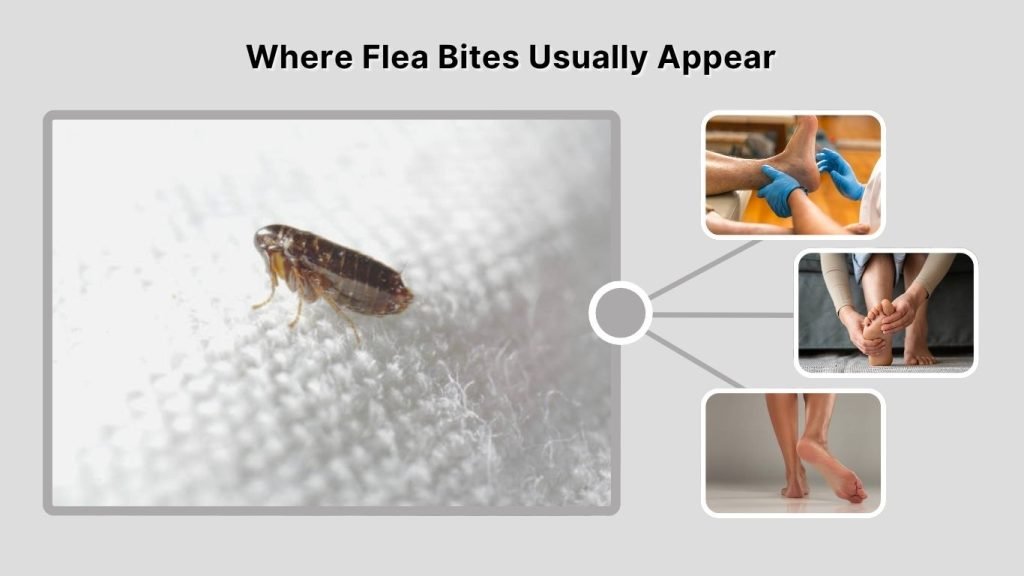
Knowing where flea bites appear can help you identify them faster.
Most common areas
- Ankles
- Feet
- Lower legs
These areas are the most exposed to fleas jumping from floors and carpets.
Why these areas are targeted
Fleas do not fly—they jump. They stay close to the ground in carpets, rugs, and pet bedding. When a person walks by, fleas jump onto the nearest skin, which is usually the lower part of the body.
Because of this behavior, bites on the ankles and legs are one of the strongest signs of flea activity in your home.
What Flea Bites Look Like on Pets
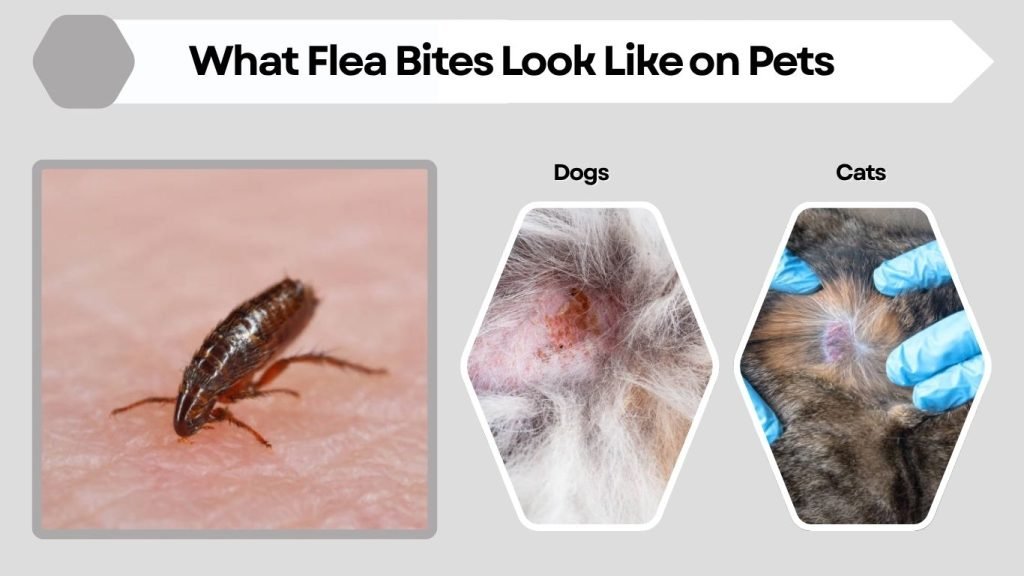
Sometimes, flea bites on humans are only part of the problem. If you have pets, they are often the main source of the infestation. Recognizing flea bites on animals can help you confirm the issue quickly.
Dogs
On dogs, flea bites are harder to see because of fur, but there are clear signs:
- Red bumps or irritated skin under the fur
- Constant scratching, biting, or licking
- Hair loss in certain areas
- Flea dirt (tiny black specks that look like pepper)
Common areas affected include the neck, back, belly, and base of the tail. If your dog is scratching frequently, fleas are a likely cause.
Cats
Cats may show slightly different signs:
- Excessive grooming or licking
- Small scabs or wounds on the skin
- Hair thinning or bald spots
- Restlessness
Cats are very sensitive to flea bites, so even a small number of fleas can cause strong reactions.
Do Flea Bites Look Different on Different Skin Types?
Flea bites can appear slightly different depending on skin tone, but the main features remain the same.
- On lighter skin: bites often look bright red with a visible center
- On darker skin: bites may appear darker brown or purplish
- The raised bump and itching are usually the most noticeable signs
Even if the color is less obvious, the itchiness, clustering, and location (especially on legs and ankles) help identify flea bites.
When to Worry About Flea Bites
Most flea bites are harmless and go away on their own, but there are situations where you should be more careful.
Signs you should not ignore
- Severe swelling around bites
- Pus or signs of infection
- Increasing redness or pain
- Fever (rare but possible)
- Difficulty breathing (in case of allergic reaction)
Who is more sensitive
- Children
- People with allergies
- Pets with sensitive skin
If symptoms become severe or do not improve, it is best to seek medical advice.
How to Treat Flea Bites
Treating flea bites helps reduce itching and prevents infection, but remember—this does not solve the root problem. You must also remove fleas from your environment.
5 simple ways to treat flea bites
- Wash the area with soap and water
This helps clean the skin and reduce irritation. - Apply anti-itch cream or lotion
This can calm itching and reduce redness. - Use a cold compress
Helps reduce swelling and discomfort. - Avoid scratching
Scratching can break the skin and cause infection. - Keep the area clean and dry
This supports faster healing.
When to see a doctor
- If bites become infected
- If itching is severe and persistent
- If you have an allergic reaction
Why You Keep Getting Flea Bites
If you continue to get bitten, it usually means fleas are still present in your environment.
Common reasons include:
- Fleas in carpets or rugs
- Untreated pets
- Flea eggs hatching after initial cleaning
- Bedding not washed properly
- Fleas in furniture or mattresses
- Outdoor sources like yard or garden
Even if adult fleas are gone, eggs can hatch later and restart the cycle.
How to Prevent Flea Bites
Preventing flea bites is all about controlling fleas at the source.
5 ways to prevent flea bites
- Treat pets regularly
Use proper flea prevention to stop infestations early. - Vacuum carpets and furniture frequently
This removes eggs and larvae. - Wash bedding weekly
Use hot water and high heat drying. - Clean pet sleeping areas
These are common flea hotspots. - Maintain yard hygiene
Keep grass short and remove debris where fleas can live.
