
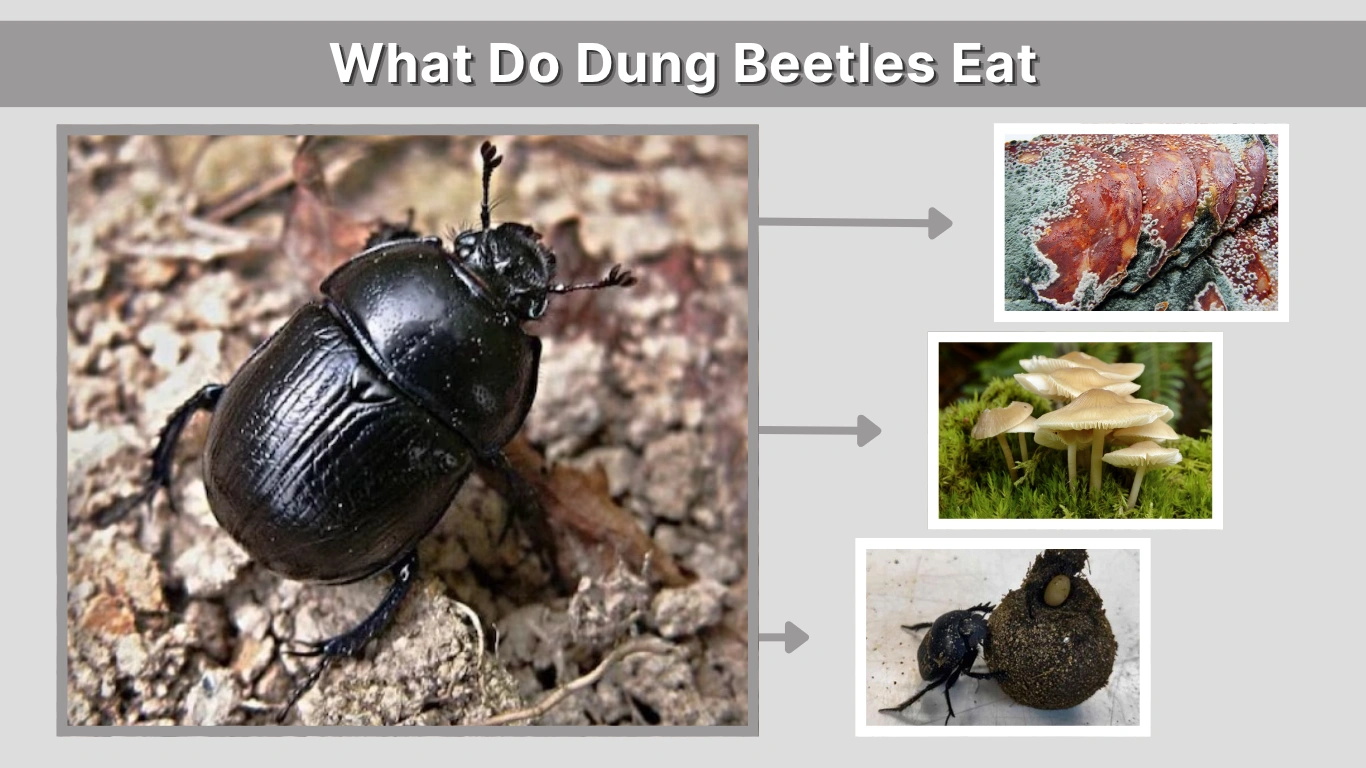
Dung beetles are fascinating insects recognized for their essential ecological role as nature’s recyclers. Feeding mainly on animal feces, they help decompose waste and enrich the soil with nutrients. But what exactly do dung beetles eat in the wild, and how does their diet differ in games like ARK: Survival Evolved? This guide explores their feeding habits, favorite dung types, larval diet, and how players can keep these little workers thriving in ARK.
Natural Diet of Dung Beetles

Dung beetles survive almost entirely on feces. While that might sound unpleasant to us, it’s a perfect food source for them, offering moisture, nutrients, and organic matter vital for their energy and reproduction. Let’s look closer at what they consume and how they process it.
Primary Food Source – Animal Dung
The primary diet of dung beetles consists of animal dung, specifically that of herbivores such as cows, elephants, and horses. This type of feces is nutrient-rich because it contains semi-digested plant matter, fungi, and microorganisms. The beetles extract proteins and carbohydrates from these decomposing components, fueling their activity and reproduction cycles.
Types of Dung They Prefer
Not all feces are equal in the dung beetle world. They display clear preferences depending on their environment and species.
- Herbivore dung: Preferred for its plant content and softness, making it easy to roll or bury.
- Omnivore dung: Moderately used; offers a mix of nutrients but can be harder to manipulate.
- Carnivore dung: Least preferred because of its higher protein and fat content, which can spoil quickly.
Interestingly, some species even specialize in certain animal droppings, forming strong associations with specific mammals in their ecosystems.
How They Process Their Food
Dung beetles exhibit remarkable behavior in how they handle their food. They are classified into three main groups based on feeding habits: rollers, tunnelers, and dwellers.
- Rollers shape dung into balls and roll them away to bury underground as both food storage and a nesting site.
- Tunnelers dig directly under dung piles, burying portions below the surface for consumption.
- Dwellers live inside dung piles and consume the material on-site.
This behavior not only secures their food but also enriches the soil, promoting plant growth and reducing waste buildup.
Diet of Dung Beetles in ARK: Survival Evolved

While dung beetles in nature live off waste, their diet in ARK: Survival Evolved follows a simplified but strategic pattern. In the game, they serve a valuable purpose for resource management and farming.
What Dung Beetles Eat in ARK
In ARK: Survival Evolved, dung beetles eat feces that players collect from animals. The size of the feces matters: larger feces yield more fertilizer and oil when processed by the beetle. To feed them, players can place feces in the beetle’s inventory, and it will automatically consume and convert it.
Feeding After Taming
Once tamed, dung beetles can eat spoiled meat in addition to feces. Spoiled meat is often easier to obtain and lasts longer than feces, making it a convenient alternative. Players can leave a small supply in their inventory to keep tamed beetles nourished for long periods.
Benefits of Feeding Dung Beetles in ARK
Feeding dung beetles regularly provides a significant payoff. When fed properly, they produce two vital resources:
- Fertilizer: Used to cultivate crops efficiently in farming plots.
- Oil: A rare and valuable resource needed for crafting and powering machinery.
A well-fed dung beetle acts like an automatic waste recycler in ARK, turning waste into productivity for the player’s base.
What Dung Beetle Larvae Eat

The diet of dung beetle larvae differs slightly from that of adults. Female dung beetles prepare dung balls filled with feces and sometimes infused with additional organic material. These are buried underground, where the female lays her eggs inside. Once hatched, the larvae feed on this dung ball exclusively.
This nutrient-packed environment not only provides food but also protection from predators and desiccation. The larvae will continue feeding and growing inside this dung ball until they pupate and eventually emerge as adult beetles.
Types of Dung Beetles and Their Diet Preferences
Each type of dung beetle has a distinctive feeding strategy, which determines its diet and behavior in the ecosystem.
| Type | Feeding Behavior | Preferred Food |
| Rollers | Roll dung into spherical balls for storage or breeding | Fresh herbivore dung |
| Tunnelers | Bury dung underground near droppings | Any nearby feces |
| Dwellers | Live within dung piles and feed directly inside | Moist, decomposing dung |
This division of feeding behavior helps reduce competition among species, ensuring that multiple dung beetle varieties can coexist in the same area. Collectively, they play a crucial role in nutrient recycling and soil aeration.
Dung Beetle Feeding Habits in Different Environments
In African Ecosystems
African dung beetles often thrive near large herbivores like elephants, zebras, and buffaloes. The abundance of dung supports dense beetle populations that help keep the savannah clean and fertile.
In Agricultural Areas
In farming environments, dung beetles feed on livestock manure, breaking it down and improving soil structure. They’re considered beneficial insects in agriculture for their ability to reduce pest fly populations and recycle nitrogen.
In Forested and Arid Regions
In rainforests, dung beetles consume feces from primates and forest mammals. In deserts or dry zones, species adapt by feeding on small, dry pellets from animals like camels or antelopes.
Fun Facts About Dung Beetle Diet
- Some dung beetles can bury dung up to 250 times their body weight in a single night.
- They can locate fresh dung from miles away using their highly sensitive sense of smell.
- Certain species can even navigate using the Milky Way to roll their dung balls in a straight line.
- Dung beetles are so efficient that they remove up to 80% of animal waste in some ecosystems.
FAQs
What do dung beetles eat in the wild?
Dung beetles primarily eat animal feces, especially from herbivores like cows, horses, and elephants. They extract nutrients and moisture from the dung’s decaying plant matter, which sustains them and supports soil fertility through their recycling habits.
What do dung beetles eat in ARK: Survival Evolved?
In ARK: Survival Evolved, dung beetles eat feces of any size placed in their inventory. Once tamed, they can also eat spoiled meat, which helps sustain them while they continue producing fertilizer and oil for players.
What do baby dung beetles or larvae eat?
Dung beetle larvae feed on dung balls created and buried by their parents. These nutrient-rich spheres provide everything the larvae need to grow and develop into adults without needing external food sources.
Do dung beetles drink water or eat plants?
Dung beetles rarely drink water directly. They get sufficient moisture from the dung they consume. Their diet does not include fresh plants or leaves because their digestive system is specialized for decomposed organic matter found in feces.
What kind of poop do dung beetles prefer?
Most dung beetles prefer herbivore feces, such as those from cows or elephants. This type of dung is soft, moist, and rich in semi-digested plant material, making it easier to roll, bury, and digest than carnivore droppings.
