
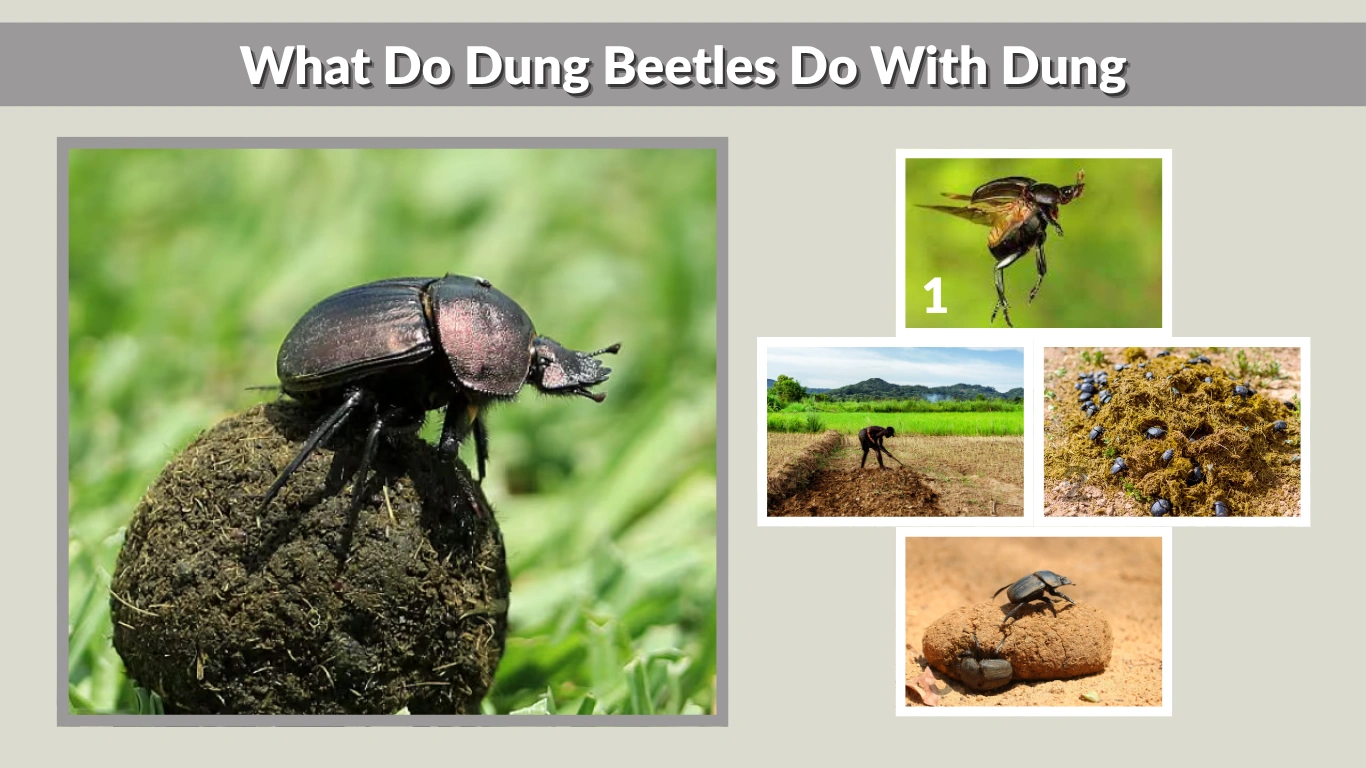
Dung beetles are among nature’s most efficient recyclers, known for their unique habit of collecting, rolling, and burying animal waste. While their work might seem unpleasant to humans, it plays a vital role in maintaining the health of ecosystems worldwide. But what exactly do dung beetles do with dung—and why is it so important? This article explores their fascinating behaviors, from food gathering and reproduction to their ecological and even digital significance in ARK: Survival Evolved.
How Dung Beetles Use Dung
Eating and Nutrient Extraction
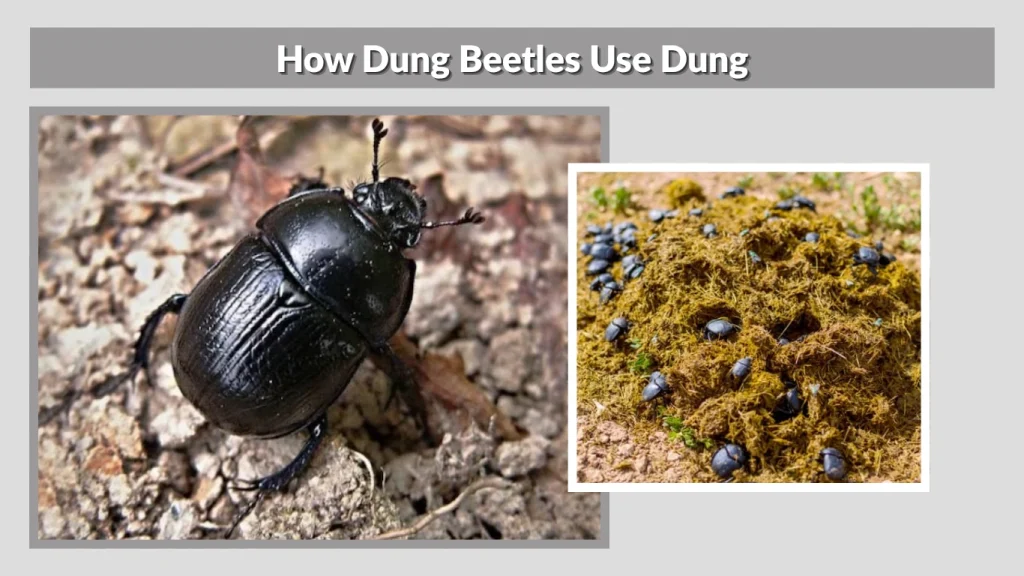
For dung beetles, animal waste is both a meal and a resource. They feed on feces from herbivores such as cows, elephants, and horses, which are rich in partially digested plant matter. This nutrient-packed food contains proteins, carbohydrates, and microbes essential for beetle survival. Instead of eating solid waste, many species consume the soft, nutrient-rich fluids found inside the dung, absorbing the nourishment they need to thrive.
Rolling and Burying Behavior
One of the most iconic sights in nature is a dung beetle rolling a perfectly shaped ball of dung across the ground. This behavior, known as dung rolling, helps beetles transport food to safe locations. By moving dung away from the main pile, they avoid competition from other beetles and predators. Once they reach a suitable spot, they bury the dung ball underground for later consumption or nesting purposes.
Nesting and Egg-Laying
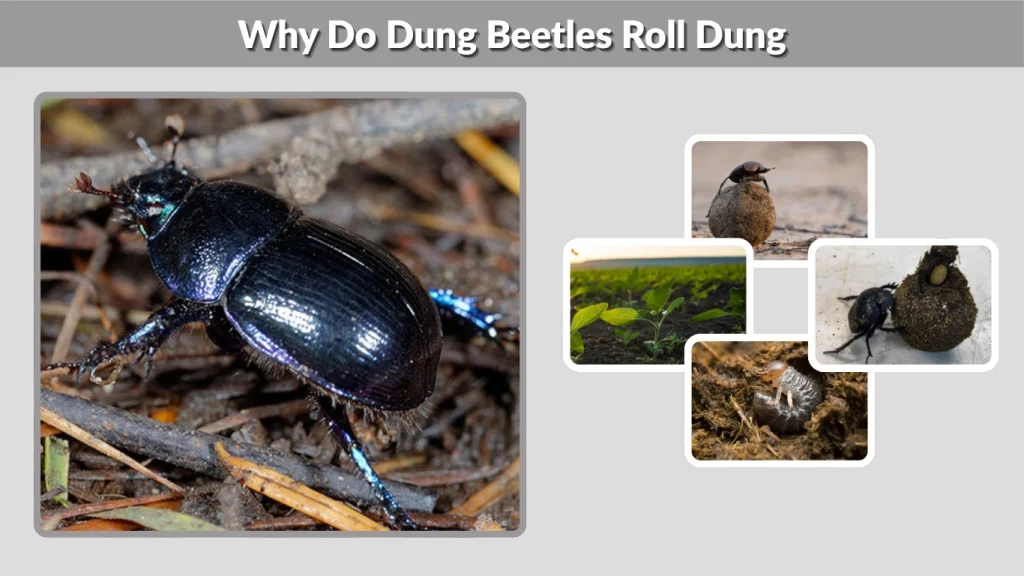
Dung also serves as a nursery. Female dung beetles often form breeding pairs with males, and together they bury dung balls underground. The female lays her eggs inside the ball, sealing it securely. When the larvae hatch, they feed on the dung, gaining all the nutrients they need to develop. This remarkable parenting strategy ensures the offspring have immediate access to food and protection from predators and temperature extremes.
Why Dung Beetles Roll Dung
Protection and Competition Avoidance
In the wild, competition for fresh dung can be fierce. Dung piles quickly attract swarms of beetles, each trying to claim their share. By rolling their dung away, beetles secure a personal supply of food or nesting material. This tactic also protects them from aggressive rivals and other scavengers that might steal their prize.
Temperature and Moisture Control
Burying dung underground serves another vital function: environmental regulation. Underground tunnels maintain a stable climate with consistent humidity and cooler temperatures. This makes the dung less likely to dry out or decay too quickly, ensuring larvae or stored food remain fresh and safe.
Strength and Teamwork
Dung beetles are astonishingly strong. Some can move objects up to 200 times their body weight—the equivalent of a human pulling several fully loaded trucks. They use their hind legs to push the dung ball backward while steering with their front legs. In many species, males and females work as a team: the male rolls the dung while the female helps shape it or scouts for a suitable burial site. Their teamwork is not only functional but also part of their mating ritual.
Environmental Importance of Dung Beetle Activity
Soil Fertilization and Aeration
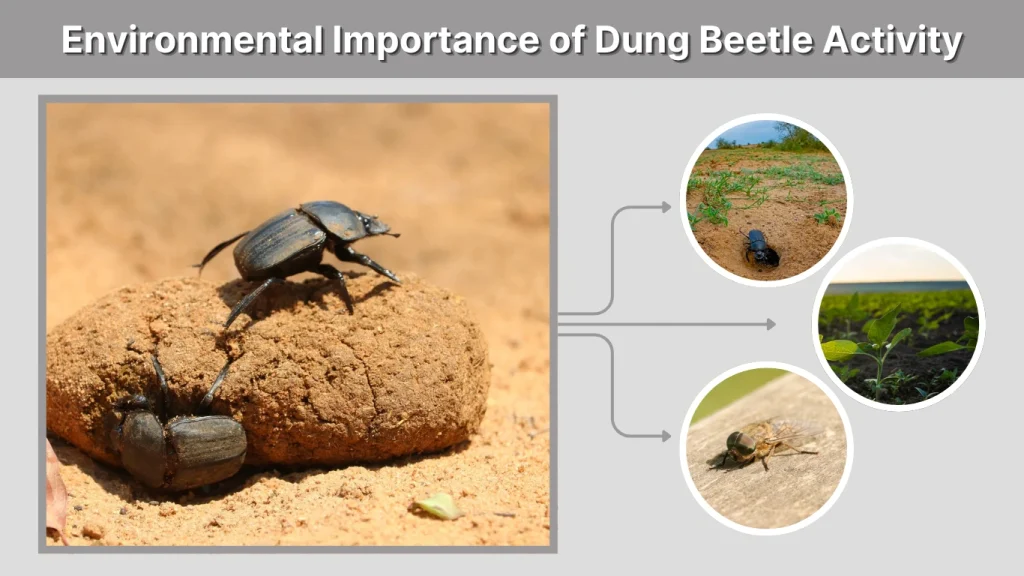
Dung beetles play a crucial role in improving soil health. By burying dung, they naturally till and aerate the soil, allowing air, water, and nutrients to penetrate deeper layers. The decomposed dung enriches the soil with nitrogen, phosphorus, and other essential minerals that enhance plant growth. In agricultural settings, this process can significantly improve crop yields and reduce the need for chemical fertilizers.
Waste Removal and Pest Control
Animal feces left on the surface can attract flies and parasites, spreading disease. Dung beetles clean up these wastes quickly, reducing pest populations and preventing contamination. Their work benefits livestock, wildlife, and humans alike by maintaining cleaner, healthier environments. Farmers in particular value them as nature’s pest control team.
Climate and Nutrient Cycling
Dung decomposition releases gases like methane and nitrous oxide, which contribute to climate change. When dung beetles bury feces underground, they help trap these gases and reduce emissions. They also speed up nutrient cycling, returning vital organic matter to the ecosystem. In this way, beetles contribute to carbon sequestration and long-term ecological balance.
What Dung Beetles Do With Dung in ARK: Survival Evolved
Feeding in ARK
In the survival game ARK: Survival Evolved, dung beetles act as resource recyclers just like their real-life counterparts. In the game, players can feed dung beetles feces collected from tamed animals. Once fed, the beetles consume the dung and convert it into valuable materials over time.
Producing Fertilizer and Oil
One of the main advantages of taming dung beetles in ARK is their ability to produce fertilizer and oil. These two resources are essential for farming and crafting advanced materials. Large feces provide more output, so players often feed them bigger droppings for maximum efficiency.
Managing and Taming Tips
Tamed dung beetles can be placed on “wander” mode within confined areas, allowing them to automatically collect and process dung. They also eat spoiled meat after taming, which helps maintain their energy. With minimal upkeep, these beetles become one of the most useful non-combat creatures in the game, turning waste into productivity.
Other Fascinating Dung Beetle Behaviors
Flying and Navigating by the Stars
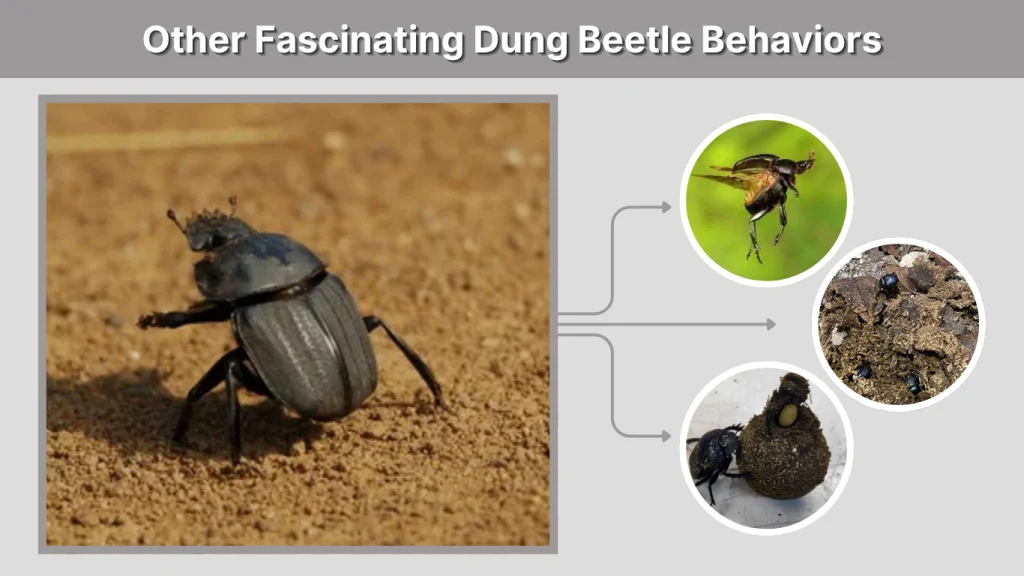
Dung beetles don’t just roll—they fly, too. They use flight to locate fresh dung quickly, guided by their extraordinary sense of smell. Once they find dung, they rely on celestial navigation to roll it in straight lines. Studies show that some species navigate using moonlight or even the Milky Way, making them one of the few animals known to use stars for orientation.
Dung Preferences – Even Dog Poop!
While most dung beetles prefer herbivore waste, some species can adapt to whatever is available—including dog poop or omnivore droppings. However, these types of feces are less nutritious and tend to dry out quickly, so beetles usually prefer soft, moist herbivore dung rich in plant matter.
Life Span and Safety
Dung beetles typically live from a few months to three years, depending on the species and environment. Despite their association with waste, they are completely harmless to humans and pets. They don’t bite or carry diseases; instead, they help keep habitats clean and balanced.
FAQs
What exactly do dung beetles do with dung?
Dung beetles roll, bury, and eat animal feces. They use it as a food source, a safe place to raise their young, and a natural fertilizer that improves soil health and reduces waste buildup.
Do dung beetles eat grass or plants?
No, dung beetles don’t eat fresh grass or plants. Instead, they get their nutrients from decomposed organic matter in feces, especially from herbivores that consume plants.
Can dung beetles eat dog poop?
Yes, certain species can feed on dog feces, though it’s not their preferred choice. They usually favor herbivore dung, which is easier to mold and richer in digestible material.
Are dung beetles dangerous to humans or pets?
Not at all. Dung beetles are harmless and beneficial insects. They don’t bite or spread disease—instead, they help clean the environment and control harmful pests.
Where are dung beetles found?
Dung beetles live on every continent except Antarctica. They thrive in grasslands, forests, deserts, and farmlands—anywhere that animals produce feces for them to feed and breed.
Dung beetles may be small, but their work has a massive impact. By rolling, burying, and consuming dung, they recycle nutrients, fertilize soil, and keep the environment clean. Their behavior has even inspired human innovation and gameplay mechanics. Whether in the real world or in ARK: Survival Evolved, dung beetles prove that even the humblest creatures can be ecological heroes.
