
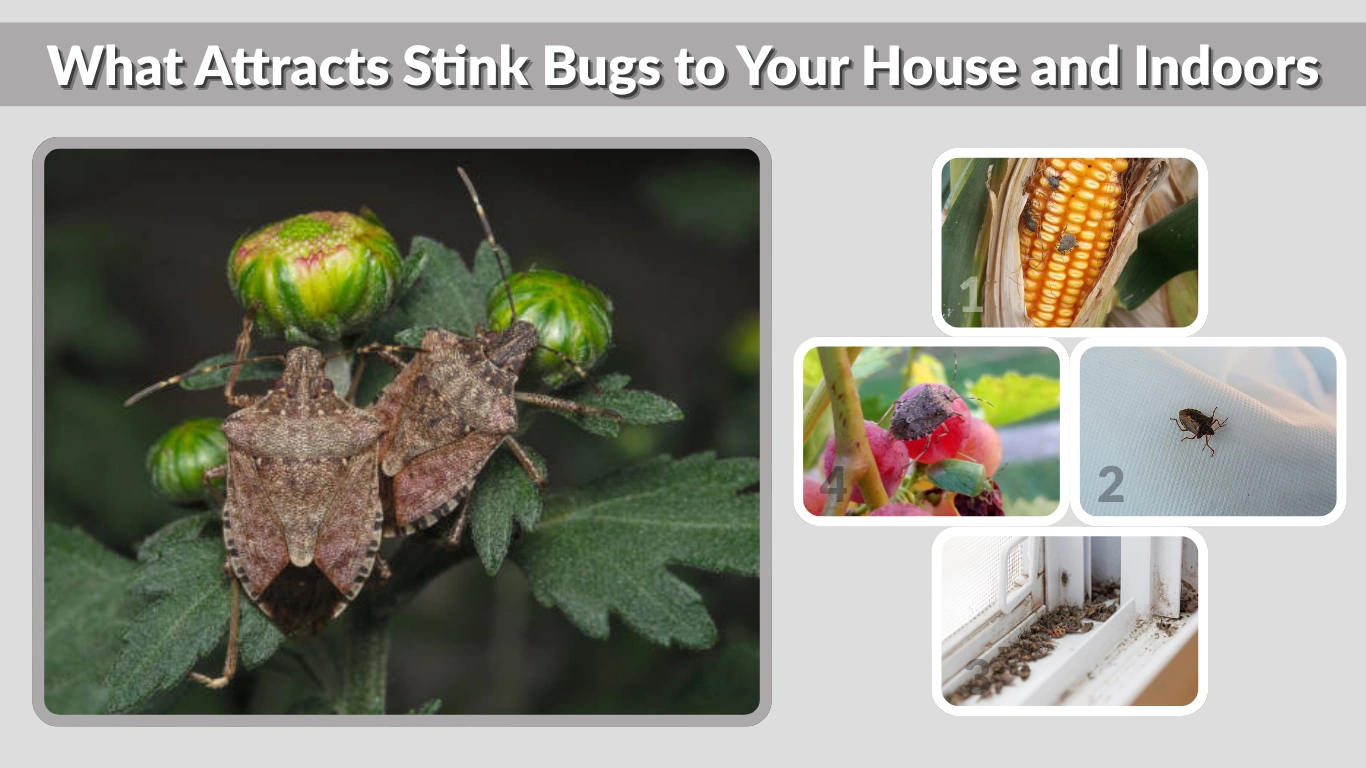
Stink bugs often seem to appear out of nowhere, clustering on walls, windows, and ceilings, especially during warmer months or seasonal changes. Many homeowners assume something inside the house is drawing them in, but the truth is more specific. Stink bugs are attracted to a combination of light, warmth, food sources, and shelter. Understanding exactly what attracts stink bugs can help explain why they keep showing up—and what you can do to reduce the problem.
Identification
- Brown marmorated stink bug
- Green stink bug
- Japanese stink bug
- Shield-shaped body
- Brown or green coloring
- Strong odor when disturbed or crushed
- Most active in summer and fall
What Are Stink Bugs Attracted To?
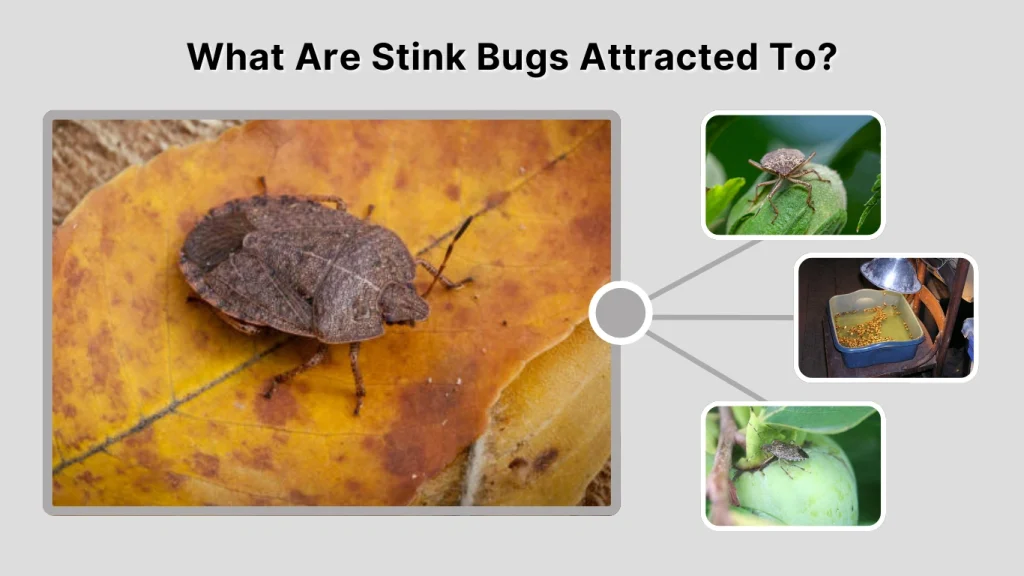
Stink bugs are primarily attracted to three things: food, warmth, and light. Outdoors, they feed on plants, fruits, vegetables, and trees. Indoors, they are not searching for food but for shelter and stable temperatures. Homes unintentionally provide all the conditions stink bugs look for, especially as seasons change.
Unlike insects that infest dirty spaces, stink bugs are not drawn to trash, crumbs, or unsanitary conditions. Their attraction is driven by environmental cues rather than cleanliness.
What Attracts Stink Bugs to Your House?
Houses are highly attractive to stink bugs because they offer protection from weather, predators, and temperature extremes.
Warmth and Shelter
As outdoor temperatures begin to drop, stink bugs actively search for warm places to hide. Homes absorb heat from the sun during the day and retain it well into the evening, making them ideal shelter. This is why stink bug invasions are especially common in late summer and fall.
Entry Points Around the Home
Stink bugs do not chew or dig their way inside. Instead, they take advantage of existing openings such as:
- Cracks in siding
- Gaps around doors and windows
- Roof vents and chimneys
- Attic openings
Once inside, they often remain hidden until disturbed.
What Attracts Stink Bugs Indoors?
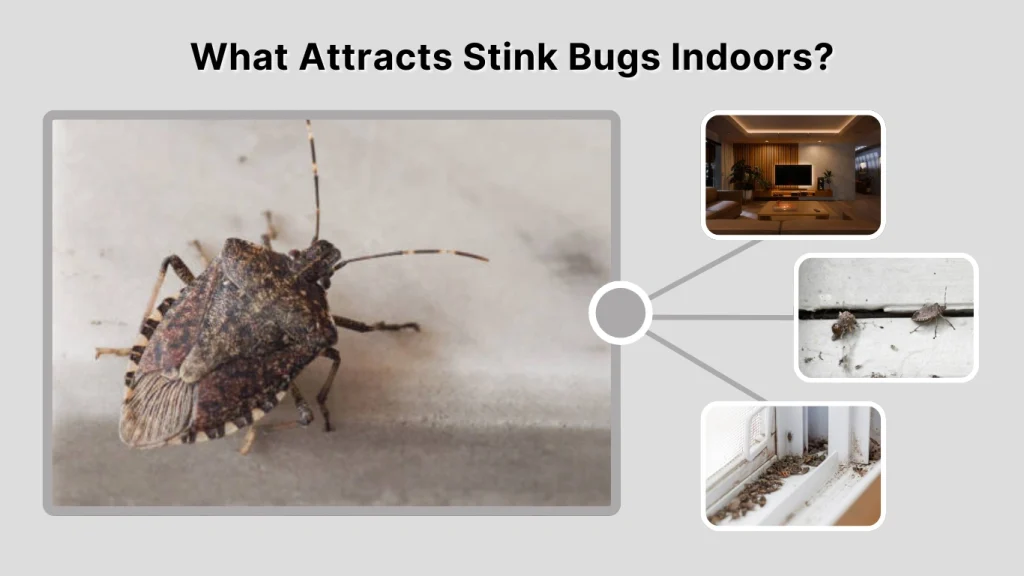
Even after entering a home accidentally, certain indoor conditions can draw stink bugs deeper inside.
Light Sources
Stink bugs are attracted to light, especially when it shines through windows at night. Interior lights near windows and exterior porch lights can guide stink bugs toward entry points and into rooms.
Heat and Sunlit Rooms
Rooms that receive a lot of sunlight during the day tend to be warmer. Stink bugs often gather near windows, upper floors, and sun-facing walls where heat builds up.
Indoor Plants
Houseplants can attract stink bugs indoors because they mimic outdoor food sources. While stink bugs rarely feed indoors, the scent and presence of plant life can still draw their attention.
What Kind of Light Are Stink Bugs Attracted To?
Stink bugs respond strongly to light, a behavior known as phototaxis. Bright and consistent light sources are especially attractive.
Are Stink Bugs Attracted to Light at Night?
Yes. At night, stink bugs are more likely to move toward illuminated windows, lamps, and outdoor lights. This is one of the most common reasons they enter homes after dark.
LED vs Incandescent vs Outdoor Lights
Bright white and cool-toned lights tend to attract more stink bugs than warm, yellow lighting. Exterior lights near doors and windows are particularly effective at drawing stink bugs close to the home.
What Colors Are Stink Bugs Attracted To?
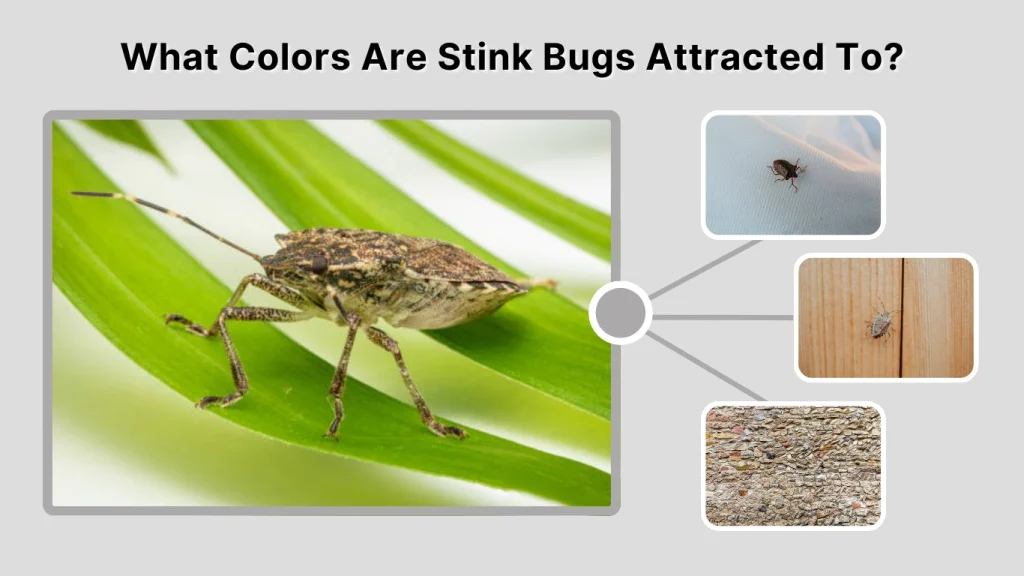
Visual cues also play a role in stink bug behavior. They are more likely to land on and gather around:
- White surfaces
- Light-colored siding
- Yellow or pale exterior walls
Darker colors absorb less reflected light and tend to attract fewer stink bugs. This is why lighter homes often see more stink bug activity on exterior walls.
What Smells Are Stink Bugs Attracted To?
Stink bugs rely more on plant odors than strong smells inside homes.
Plant and Fruit Odors
Stink bugs are attracted to the natural scent of fruits, vegetables, and vegetation. Gardens, orchards, and landscaping close to the house can significantly increase stink bug activity nearby.
Are Stink Bugs Attracted to Human Food or Scents?
No. Stink bugs are not attracted to human food, garbage, sweat, or household odors. A dirty house does not attract stink bugs more than a clean one. Their presence is almost always linked to nearby plants or environmental conditions.
What Plants Attract Stink Bugs?
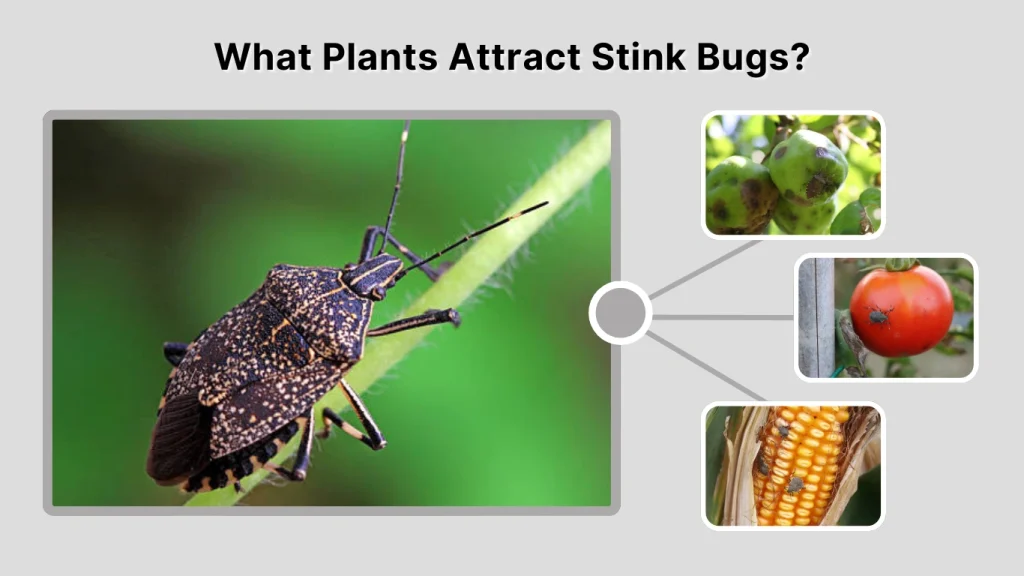
Stink bugs are strongly drawn to certain plants and crops, especially those that produce fruit or seeds.
- Fruit trees
- Tomato plants
- Corn
- Beans
- Peppers
- Ornamental shrubs
Homes located near gardens or agricultural areas often experience higher stink bug populations because these plants act as feeding grounds.
What Trees Are Stink Bugs Attracted To?
Stink bugs are strongly attracted to certain trees that provide food and shelter. These trees often serve as breeding and feeding sites, which explains why homes surrounded by vegetation tend to see more stink bugs.
Common trees that attract stink bugs include:
- Apple trees
- Peach trees
- Pear trees
- Maple trees
- Catalpa trees
When these trees are planted close to a house, stink bugs may move from the tree to nearby walls, windows, and eventually indoors.
What Attracts Brown Marmorated Stink Bugs?
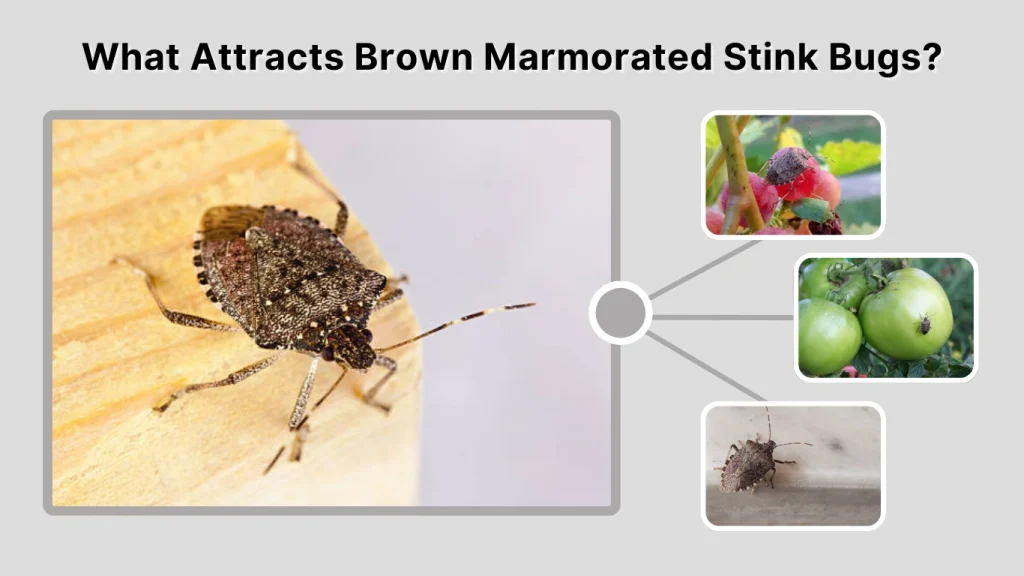
Brown marmorated stink bugs are the most common species found in homes. They are highly attracted to:
- Fruit-bearing trees and crops
- Vegetable gardens
- Warm, sunlit buildings
- Light-colored siding and walls
This species is especially drawn to human structures in the fall as it searches for overwintering shelter.
What Attracts Green and Japanese Stink Bugs?
Green stink bugs and Japanese stink bugs are attracted to many of the same things as brown marmorated stink bugs. They prefer areas with abundant plant life, crops, and gardens. Indoors, they are drawn to warmth and light rather than food. These species are no more aggressive and pose no additional risk compared to other stink bugs.
What Attracts Stink Bugs During the Day vs Night?
Stink bug behavior changes slightly between day and night.
During the day, stink bugs are more likely to rest on:
- Exterior walls
- Trees and plants
- Sunny surfaces
At night, they become more active and are more likely to move toward:
- Porch lights
- Lit windows
- Interior lights near entry points
This day–night shift explains why stink bugs often appear suddenly in rooms after dark.
What Attracts Stink Bugs in Summer vs Fall?
Seasonal changes strongly influence stink bug behavior.
In summer, stink bugs are mainly attracted to food sources such as plants, gardens, and crops. Homes near vegetation see higher activity, but most stink bugs remain outdoors.
In fall, attraction shifts from food to shelter. As temperatures drop, stink bugs actively seek warm places to overwinter, making homes particularly appealing. This is when indoor invasions peak.
What Attracts and Kills Stink Bugs?
Understanding what attracts stink bugs can also help with control.
Some methods use mild attraction to eliminate them:
- Shallow dishes of soapy water placed near lights
- Vacuuming bugs when they gather near windows
However, relying on attraction alone is not effective. Prevention is far more successful than traps. Chemical sprays often provide limited results indoors and can worsen odor problems if bugs are crushed.
Why Stink Bugs Keep Coming Back
Stink bugs release pheromones that can attract other stink bugs to the same area. Once they find a suitable entry point or resting spot, more may follow. Seasonal patterns and repeated access points also contribute to recurring infestations year after year.
How to Reduce What Attracts Stink Bugs to Your Home
Taking steps to remove attractants can greatly reduce stink bug activity.
- Seal cracks and gaps around windows and doors
- Repair damaged screens
- Reduce outdoor lighting near entry points
- Move host plants away from the house
- Avoid crushing stink bugs indoors
Consistent prevention is the most effective way to keep stink bugs out.
FAQs
What is attracting stink bugs to my house suddenly?
A sudden increase is usually caused by seasonal temperature changes, nearby vegetation, or increased nighttime lighting. Fall is the most common time for stink bugs to seek shelter indoors.
Are stink bugs attracted to dirty houses?
No. Stink bugs are not attracted to trash, crumbs, or unclean spaces. Their presence is linked to environmental factors, not household cleanliness.
Are stink bugs attracted to food inside homes?
Stink bugs do not feed on human food indoors. They are attracted to plants and crops outside, not kitchen food or pantry items.
Why are stink bugs attracted to my room?
Stink bugs are often drawn to bedrooms because of light, warmth, and windows. Rooms with lamps or sun exposure tend to attract them more.
Do stink bugs attract other stink bugs?
Yes. Stink bugs release pheromones that can attract others, which is why multiple bugs often appear in the same area.
