

Stick bugs, or phasmids (Phasmatodea), are extraordinary insects famous for their camouflage and twig-like appearance, allowing them to blend perfectly into their surroundings. With over 3,000 known species worldwide, they range from delicate twig mimics to large, spiny, and leaf-like giants. Found mostly in tropical and subtropical forests, these fascinating insects exhibit diverse adaptations, from parthenogenetic reproduction to remarkable defensive behaviors. This guide explores 15 unique types of stick bugs, highlighting their identification, habitats, behaviors, lifecycles, and diets, revealing nature’s most masterful mimics.
1. Indian Stick Insect
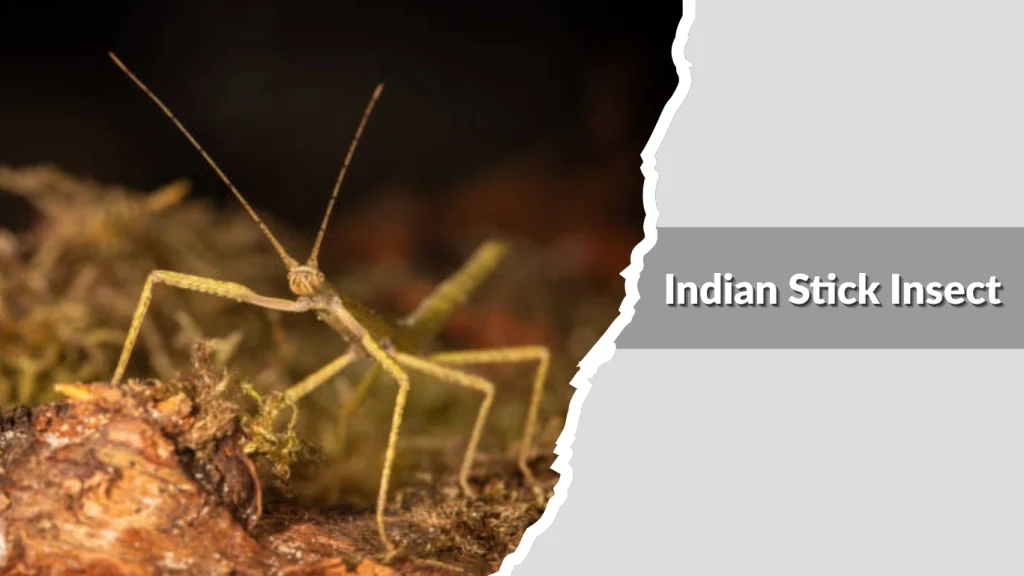
The Indian Stick Insect (Carausius morosus) is one of the most well-known and commonly studied species of stick insect in the world. Native to India and Southeast Asia, it has become a popular species in classrooms, zoos, and as a pet insect due to its simple care, docile nature, and ability to reproduce without males (parthenogenesis). This fascinating insect perfectly mimics twigs and branches, making it nearly invisible in its natural habitat.
Identification
- Scientific name: Carausius morosus
- Size: 8–10 cm long (3–4 inches).
- Color: Green to light brown, resembling a dry twig.
- Shape: Slender, elongated, cylindrical body with long legs and antennae.
- Distinctive feature: Excellent twig mimicry—often remains motionless, swaying gently to imitate a branch in the wind.
Habitat
The Indian Stick Insect is native to tropical forests of southern India but has been introduced to other regions through the pet trade and educational programs. It thrives in humid environments with abundant leafy vegetation. In captivity, it prefers temperatures between 22–28°C (72–82°F) and moderate humidity levels.
Behaviors
This species is nocturnal, remaining motionless during the day to avoid predators. When disturbed, it may drop to the ground and play dead (thanatosis) or sway gently like a leaf in the breeze. The Indian Stick Insect reproduces primarily through parthenogenesis, meaning females can lay fertile eggs without mating—producing clones of themselves.
Lifecycle & Diet
The life cycle includes egg, nymph, and adult stages. Eggs resemble tiny plant seeds and take 3–6 months to hatch. Nymphs resemble miniature adults and molt several times before maturity.
- Lifespan: Around 12–18 months.
- Diet: Herbivorous—feeds mainly on bramble, ivy, oak, rose, and eucalyptus leaves in both wild and captive conditions.
2. Giant Malaysian Stick Insect
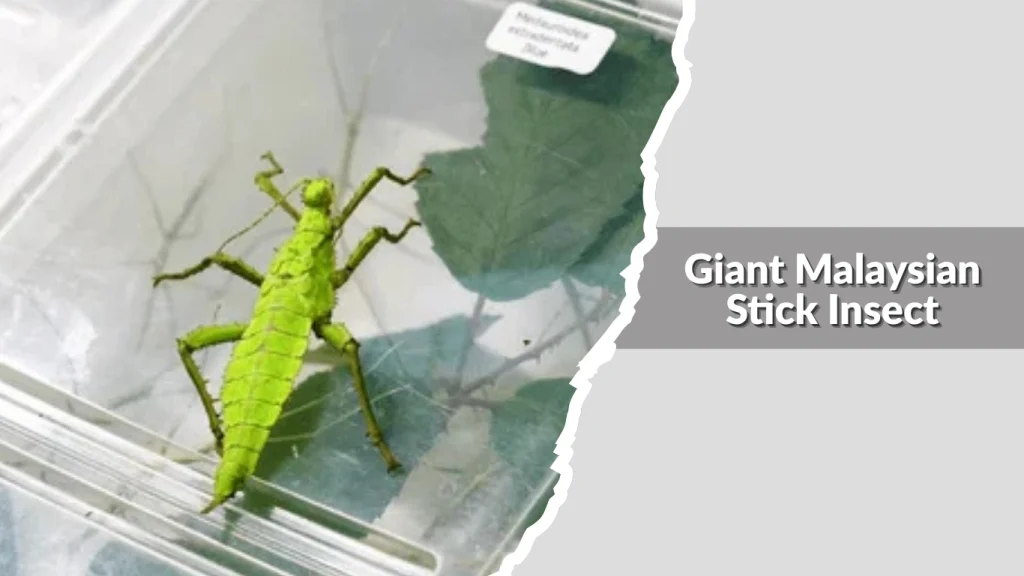
The Giant Malaysian Stick Insect (Heteropteryx dilatata) is one of the largest and heaviest stick insects in the world. Native to the tropical rainforests of Malaysia and Borneo, this species is known for its impressive size, vivid green coloration, and thorny body, which provides excellent camouflage among leaves. Females are significantly larger and bulkier than males, making them one of the most remarkable examples of sexual dimorphism in insects.
Identification
- Scientific name: Heteropteryx dilatata
- Size: Females up to 15 cm (6 inches); males around 10 cm (4 inches).
- Color: Females bright leaf-green; males brownish with translucent wings.
- Shape: Heavy-bodied with thorn-covered legs and thorax.
- Distinctive feature: Thick body with large spines for defense; males are slimmer and capable of flight.
Habitat
This species inhabits humid rainforests of Malaysia, Thailand, and Borneo, usually dwelling in the forest understory and low vegetation. It prefers warm, moist environments with dense foliage for hiding and feeding.
Behaviors
Giant Malaysian Stick Insects are nocturnal, remaining motionless by day and feeding at night. When threatened, females use their spiny hind legs to pinch predators, while both sexes rely on camouflage for protection. They are generally docile and easy to handle in captivity.
Lifecycle & Diet
The life cycle includes egg, nymph, and adult stages. Eggs resemble small seeds and take 6–9 months to hatch. Nymphs molt multiple times before reaching maturity.
- Lifespan: 1.5 to 2 years.
- Diet: Herbivorous—feeds mainly on guava, bramble, oak, and rose leaves.
3. Thorny Stick Insect
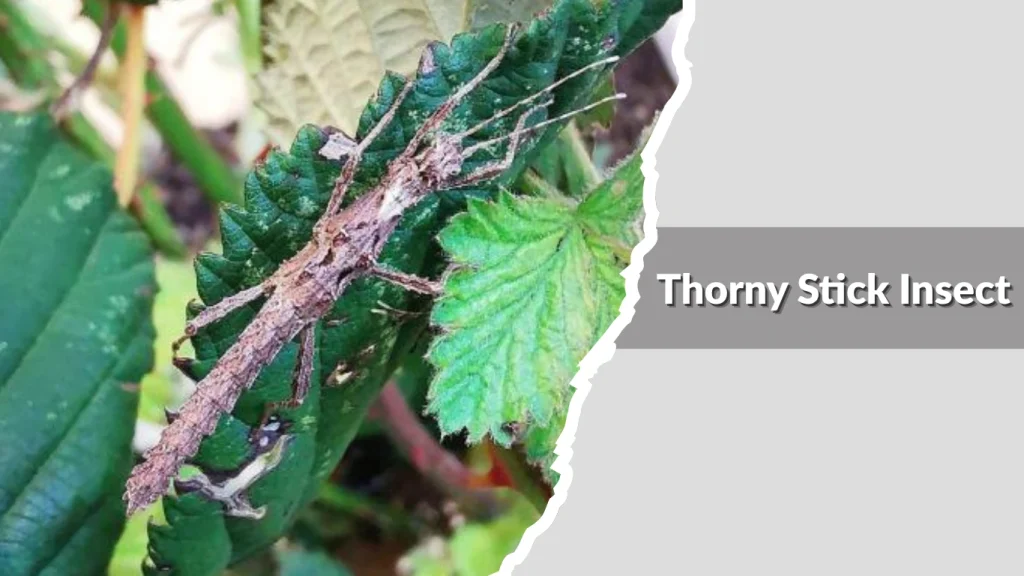
The Thorny Stick Insect (Eurycantha calcarata) is a robust, spiny species native to the rainforests of Papua New Guinea and nearby Pacific islands. Unlike most stick insects, it is wingless and heavily armored, relying on its sharp spines for defense. Its thorny appearance and defensive behaviors make it one of the most distinctive phasmids in the world.
Identification
- Scientific name: Eurycantha calcarata
- Size: 12–15 cm long.
- Color: Dark brown to black, resembling tree bark.
- Shape: Thick-bodied with numerous sharp spines on the legs and thorax.
- Distinctive feature: Large femoral spine on the hind leg used for defense—especially prominent in males.
Habitat
Thorny Stick Insects live in tropical rainforests with high humidity and dense vegetation. They are usually found on tree trunks, under logs, or among leaf litter where their coloration offers perfect camouflage.
Behaviors
This species is nocturnal and slow-moving, relying on camouflage and intimidation. When threatened, it raises its spiny hind legs and delivers painful defensive kicks. They are social insects and can be found living in small groups in captivity.
Lifecycle & Diet
Their eggs are large and hard-shelled, taking 6–12 months to hatch. Nymphs resemble smaller, lighter versions of adults and molt several times before maturing.
- Lifespan: Around 18–24 months.
- Diet: Feeds on bramble, ivy, rose, and raspberry leaves, both in the wild and in captivity.
4. Jungle Nymph
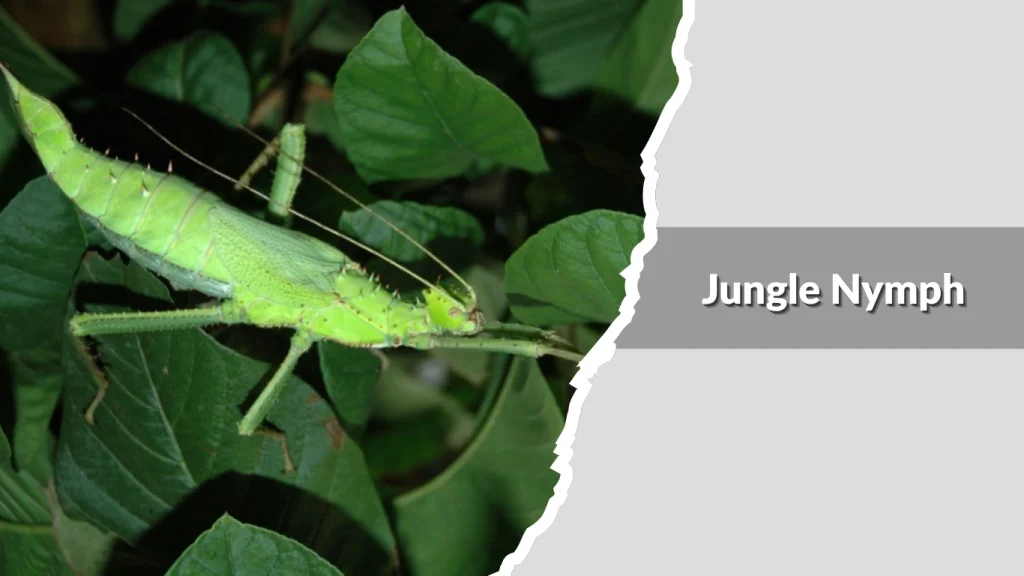
The Jungle Nymph (Heteropteryx texaflava) is one of the largest and most beautiful stick insects on Earth. Endemic to the rainforests of Malaysia, Thailand, and Sumatra, it is renowned for its vivid green color and formidable body size. Females are massive, bright green, and wingless, while males are smaller, brownish, and capable of flight. This species is often kept in insect collections due to its striking appearance and impressive camouflage.
Identification
- Scientific name: Heteropteryx texaflava
- Size: Females up to 15 cm (6 inches); males about 10 cm (4 inches).
- Color: Females bright leaf-green; males brown to olive with long wings.
- Shape: Thick, heavy body with spiny legs and thorax.
- Distinctive feature: Bright green coloration with prominent spines used for defense; heavy, leaf-like build.
Habitat
The Jungle Nymph inhabits tropical rainforests with dense vegetation and high humidity. It prefers low shrubs and forest floor foliage, where its bright color helps it blend with the leaves.
Behaviors
This insect is nocturnal, staying motionless during the day and feeding on leaves at night. When threatened, females raise their hind legs and deliver a painful defensive pinch using their spines. It also produces a rustling sound (stridulation) to startle predators. Despite its appearance, it is gentle and easy to handle when calm.
Lifecycle & Diet
Eggs resemble small plant seeds and take 6–9 months to hatch. Nymphs undergo 6–7 molts before reaching adulthood.
- Lifespan: Around 1.5 to 2 years.
- Diet: Herbivorous—feeds on guava, oak, bramble, and rose leaves.
5. Pink-winged Stick Insect
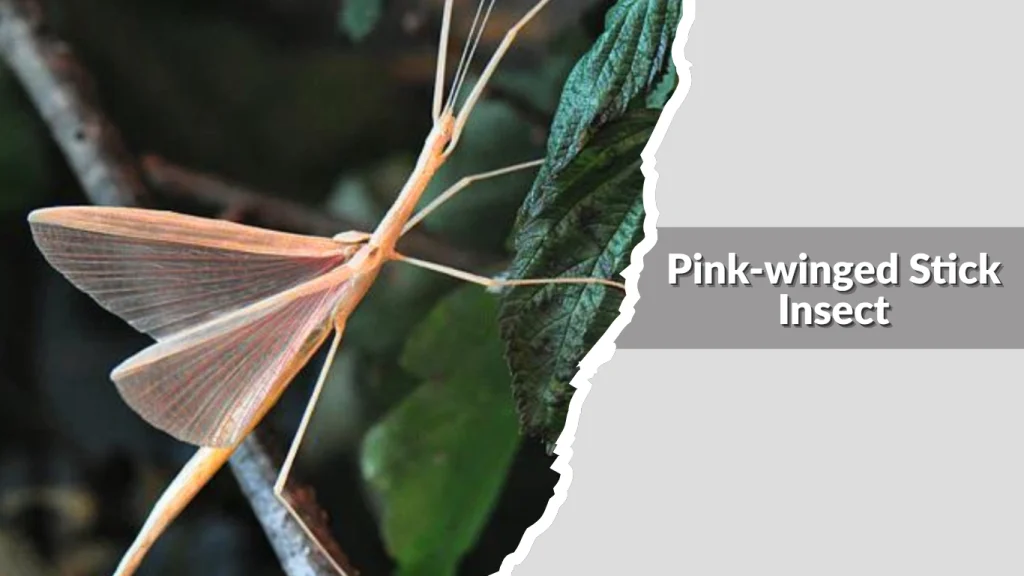
The Pink-winged Stick Insect (Sipyloidea sipylus) is a slender and elegant species known for its delicate pink-tinted wings and twig-like body. Found throughout Southeast Asia, it is one of the most common stick insects kept as a pet due to its gentle nature and ease of care. Females can reproduce through parthenogenesis, allowing populations to thrive even without males.
Identification
- Scientific name: Sipyloidea sipylus
- Size: 10–13 cm long.
- Color: Greenish or brown with pink or red undersides on the wings.
- Shape: Very slender, twig-like body with long legs and antennae.
- Distinctive feature: Pink or reddish hind wings that flash when disturbed—used to startle predators.
Habitat
Native to Southeast Asia (especially Indonesia and Malaysia), this species inhabits tropical forests, gardens, and plantations. It thrives in warm, humid environments and often hides among leaves and twigs during the day.
Behaviors
The Pink-winged Stick Insect is nocturnal and docile, spending the day motionless and feeding at night. When alarmed, it spreads its colorful wings to display sudden flashes of pink, scaring potential predators. It reproduces both sexually and asexually (via parthenogenesis), which makes it a prolific breeder in captivity.
Lifecycle & Diet
Eggs are laid individually and take 4–6 months to hatch. Nymphs look like tiny green twigs and molt several times before adulthood.
- Lifespan: 10–12 months.
- Diet: Eats bramble, ivy, rose, eucalyptus, and guava leaves.
6. Australian Spiny Leaf Insect
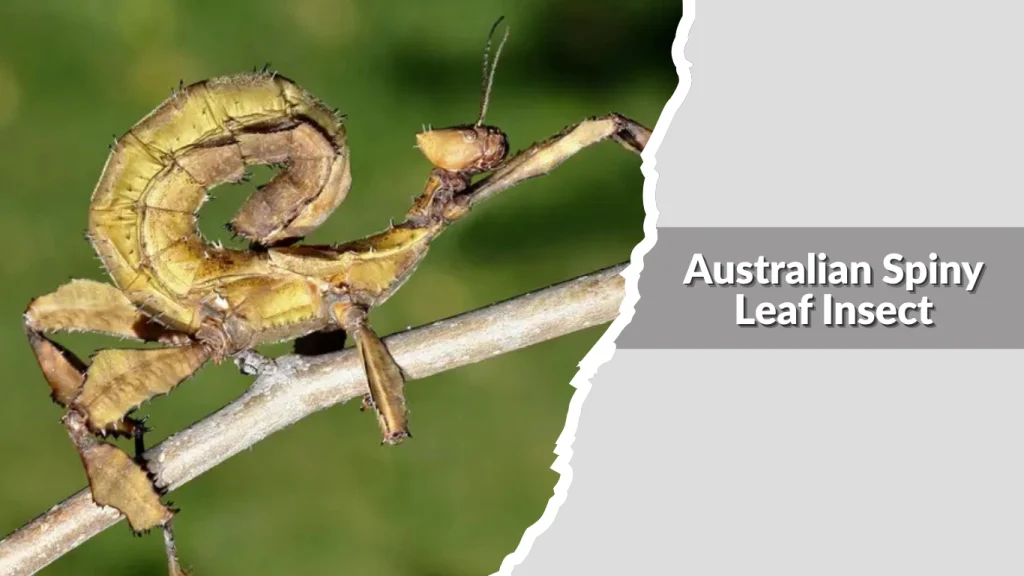
The Australian Spiny Leaf Insect (Extatosoma tiaratum), also known as the Macleay’s Spectre, is one of the most famous and unique stick insects in the world. Native to Australia’s tropical and subtropical forests, it is known for its remarkable leaf-like body and defensive posture resembling a scorpion’s tail. Females are large, heavily spined, and leaf-shaped, while males are slender and capable of flight.
Identification
- Scientific name: Extatosoma tiaratum
- Size: Females up to 20 cm (8 inches); males about 12–15 cm (5–6 inches).
- Color: Brown to mottled tan, mimicking dried leaves.
- Shape: Flattened, leaf-like body with thorny legs.
- Distinctive feature: Females curl their abdomen upward like a scorpion when threatened; males have long wings.
Habitat
This species inhabits rainforests and woodlands of Queensland and New South Wales, Australia. It lives among foliage and leaf litter, relying on camouflage for protection.
Behaviors
The Australian Spiny Leaf Insect is nocturnal and herbivorous. During the day, it remains still, blending perfectly with leaves. When disturbed, females raise their abdomen defensively and may sway to imitate leaves moving in the wind. They are calm and popular in captivity.
Lifecycle & Diet
Females lay hundreds of eggs that resemble seeds, taking 6–9 months to hatch. Nymphs mimic ants in appearance and behavior during their early life stages.
- Lifespan: 1–2 years.
- Diet: Feeds on eucalyptus, bramble, and rose leaves.
7. Vietnamese Stick Insect
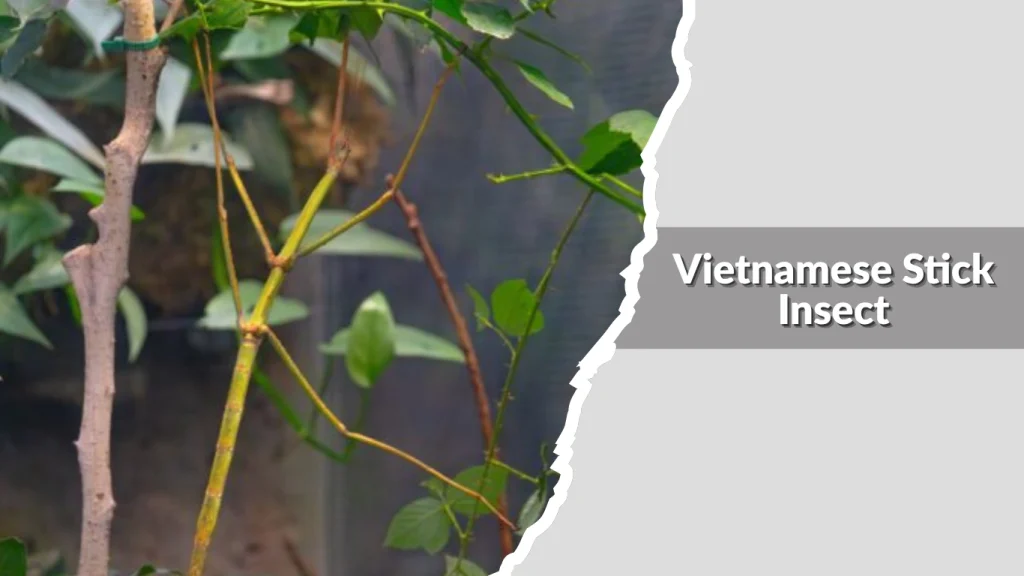
The Vietnamese Stick Insect (Medauroidea extradentata) is one of the most commonly kept stick insects worldwide, favored for its calm nature and simple care requirements. Native to Vietnam and parts of Southeast Asia, it reproduces parthenogenetically, meaning females can produce fertile eggs without males.
Identification
- Scientific name: Medauroidea extradentata
- Size: 10–12 cm long.
- Color: Light brown to greenish-brown, resembling twigs.
- Shape: Slender, cylindrical body with slightly rough texture.
- Distinctive feature: Long, stick-like form with small spines and no wings.
Habitat
This species is native to tropical and subtropical forests of Vietnam, where it hides among branches and shrubs. It adapts well to captive conditions, thriving in moderate humidity and warm temperatures.
Behaviors
The Vietnamese Stick Insect is docile and slow-moving, active mainly at night. When threatened, it remains motionless or drops to the ground to avoid detection. It reproduces asexually and can form large colonies quickly.
Lifecycle & Diet
Eggs hatch after 3–6 months, and nymphs grow to adults in about 6–8 months, molting several times.
- Lifespan: Around 1 year.
- Diet: Herbivorous—feeds on bramble, oak, ivy, rose, and raspberry leaves.
8. Giant Leaf Insect (Phyllium giganteum)
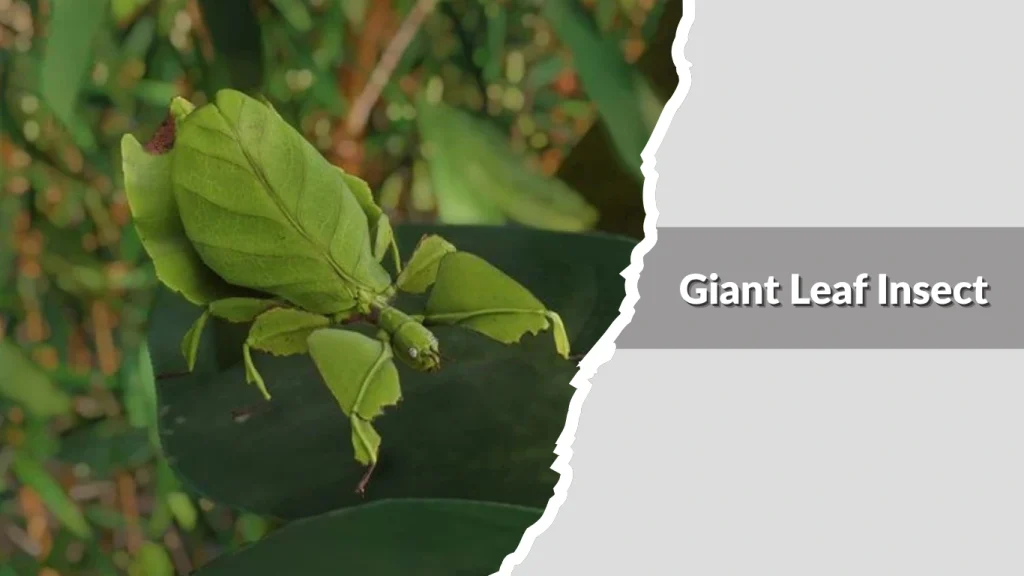
Although often referred to as a “leaf insect,” the Giant Leaf Insect (Phyllium giganteum) is closely related to stick insects and belongs to the same order, Phasmatodea. Native to the rainforests of Malaysia and Indonesia, this species is a master of leaf mimicry — its wings, veins, and even color perfectly resemble living foliage.
Identification
- Scientific name: Phyllium giganteum
- Size: Up to 12–15 cm long.
- Color: Vibrant green with yellow or brown edges.
- Shape: Flattened body and leaf-like legs.
- Distinctive feature: Perfectly mimics leaves, including “bite marks” along the edges.
Habitat
Found in tropical rainforests, typically living in the canopy on broad-leaved trees and shrubs. They thrive in humid environments with consistent warmth.
Behaviors
Giant Leaf Insects are nocturnal and rely completely on camouflage. When disturbed, they sway gently to imitate a leaf moving in the wind. Females are flightless and heavier; males are slimmer with functional wings.
Lifecycle & Diet
Eggs are flicked away from the female, hatching after 6–8 months. Nymphs look like tiny green leaves.
- Lifespan: Around 12–18 months.
- Diet: Leaves from guava, oak, bramble, and rose plants.
9. Blue Stick Insect (Achrioptera manga)
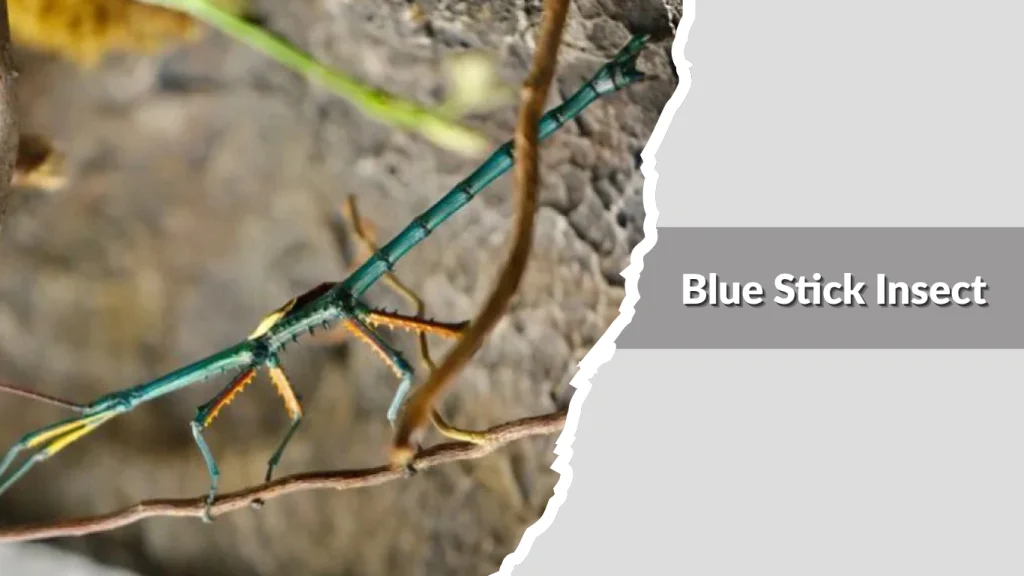
The Blue Stick Insect (Achrioptera manga) is one of the most strikingly colored phasmids, native to Madagascar. Males are metallic blue with red and black accents, while females are larger and earth-toned for camouflage. This vivid coloration makes it one of the most visually stunning insects in the world.
Identification
- Scientific name: Achrioptera manga
- Size: Males up to 13 cm, females up to 18 cm.
- Color: Males metallic blue with red markings; females olive to brown.
- Shape: Slender and elongated with long legs.
- Distinctive feature: Iridescent metallic-blue coloration — rare among stick insects.
Habitat
Native to the humid forests of Madagascar, usually found on shrubs and small trees in shaded areas. They require high humidity and warmth to thrive.
Behaviors
These insects are peaceful and nocturnal, spending daylight hours immobile. When threatened, they may raise their hind legs or drop to the ground to escape detection. Despite their bright color, they rely on stillness and background matching for survival.
Lifecycle & Diet
Females lay eggs in moist soil that hatch after 5–6 months. Nymphs grow quickly and molt several times before maturity.
- Lifespan: About 1–2 years.
- Diet: Herbivorous—feeds on bramble, eucalyptus, raspberry, and guava leaves.
10. Javan Stick Insect
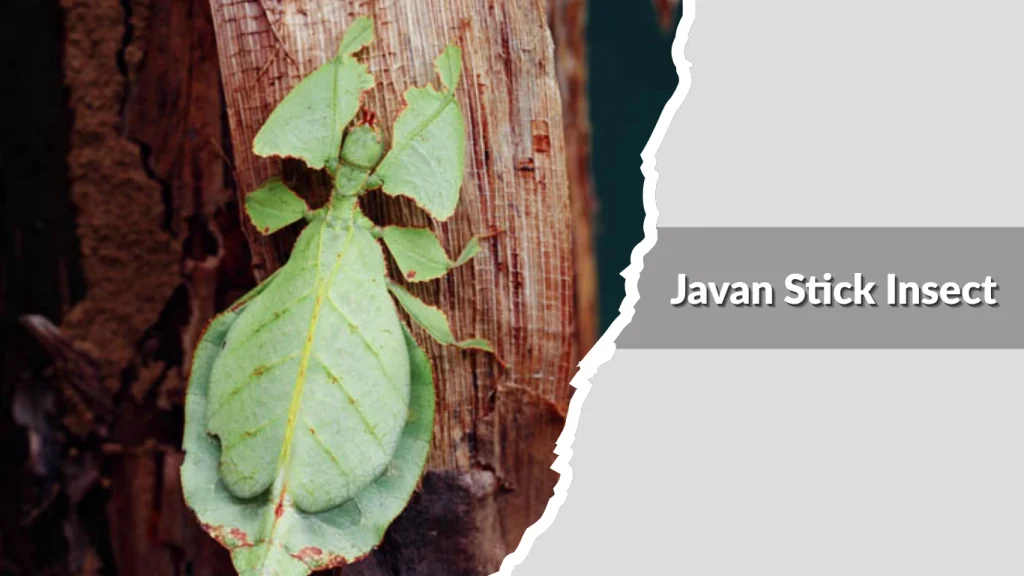
The Javan Stick Insect (Tirachoidea javanica) is a long, slender species native to Indonesia’s island of Java and nearby regions. It is known for its impressive length and twig-like camouflage, which helps it blend seamlessly into its forest surroundings. Though large in size, it is calm and easy to handle, making it a favorite among insect enthusiasts.
Identification
- Scientific name: Tirachoidea javanica
- Size: Up to 25–30 cm (10–12 inches) long — among the longest stick insects.
- Color: Brown or green, often matching the branches it rests on.
- Shape: Extremely elongated and thin body, resembling a twig.
- Distinctive feature: Exceptionally long limbs and antennae; body may curve slightly like a bent stick.
Habitat
Found in tropical rainforests and lowland jungles of Java, Sumatra, and Borneo, this species prefers warm, humid habitats with dense vegetation.
Behaviors
The Javan Stick Insect is nocturnal and spends the day motionless on twigs or branches. When disturbed, it may drop to the ground and remain still. Its camouflage is so effective that predators often overlook it even at close range.
Lifecycle & Diet
Eggs are laid individually and hatch after 6–8 months. Nymphs molt several times over the course of a year before reaching adulthood.
- Lifespan: Around 1.5–2 years.
- Diet: Feeds on guava, bramble, oak, rose, and eucalyptus leaves.
11. Artemis Stick Insect
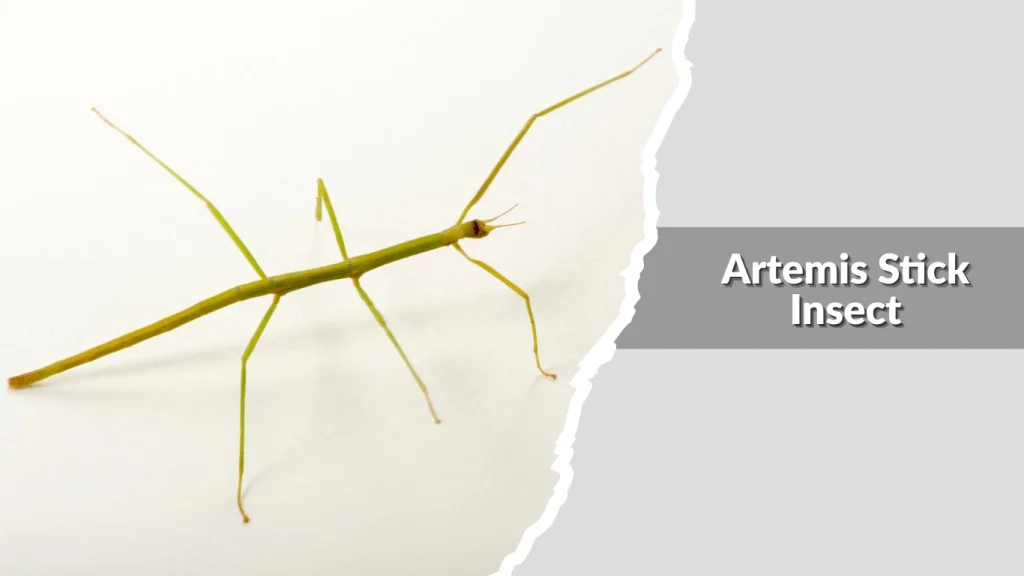
The Artemis Stick Insect (Ramulus artemis) is a delicate, medium-sized species native to Vietnam and southern China. It is a popular species for rearing in captivity due to its manageable size, peaceful nature, and parthenogenetic reproduction (females can reproduce without males).
Identification
- Scientific name: Ramulus artemis
- Size: 8–10 cm long.
- Color: Pale green to light brown.
- Shape: Thin and twig-like, with smooth texture and long antennae.
- Distinctive feature: Extremely slender body resembling a grass stem; wingless in both sexes.
Habitat
This species inhabits tropical and subtropical forests of Vietnam, Laos, and southern China, where it hides among thin branches and leaf stems. In captivity, it thrives in moderate warmth and humidity.
Behaviors
Artemis Stick Insects are calm and nocturnal, remaining still during the day. They rely solely on camouflage to evade predators. Females reproduce by parthenogenesis, laying numerous eggs that hatch into clones of the mother.
Lifecycle & Diet
Eggs take 3–5 months to hatch, and young nymphs mature in about 6 months after several molts.
- Lifespan: 10–12 months.
- Diet: Herbivorous—feeds on bramble, raspberry, ivy, and oak leaves.
12. Peppermint Stick Insect
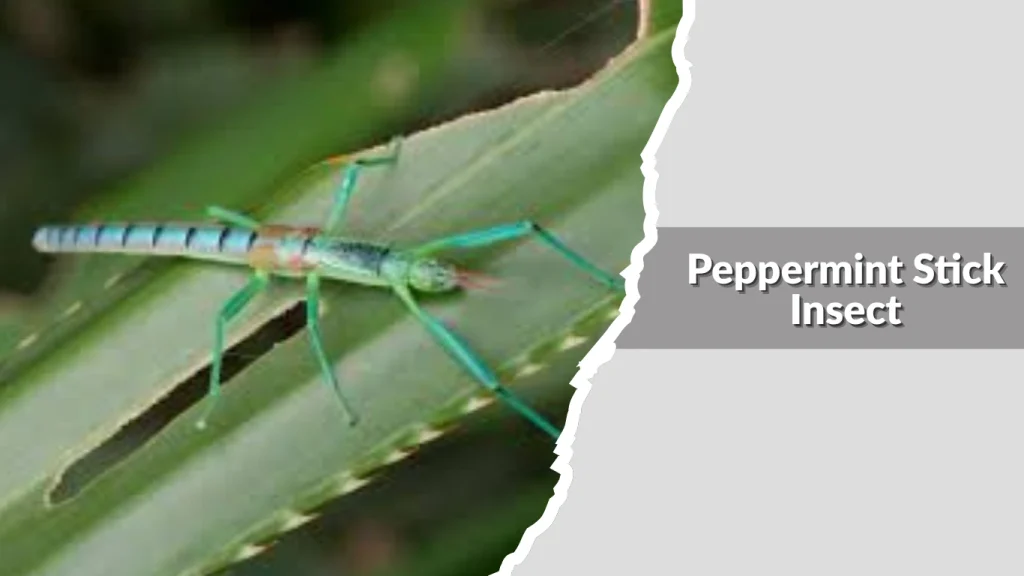
The Peppermint Stick Insect (Megacrania batesii) is one of the most remarkable species of stick insects, named for the peppermint scent it releases as a defense mechanism. Native to the rainforests of northern Queensland, Australia, and parts of Papua New Guinea, it is easily recognized by its bright coloration and flattened, leaf-like body.
Identification
- Scientific name: Megacrania batesii
- Size: 12–14 cm long.
- Color: Pale green to turquoise with white markings.
- Shape: Broad, flattened body resembling a leaf or stick hybrid.
- Distinctive feature: Emits a peppermint-like odor from glands behind the head when threatened.
Habitat
This species lives in coastal rainforests and mangrove forests of northern Australia and Papua New Guinea, often found on Pandanus (screw pine) plants, which serve as both food and shelter.
Behaviors
Peppermint Stick Insects are diurnal—active during the day—and rely on chemical defense rather than camouflage. When disturbed, they spray a menthol-scented fluid that deters predators like birds and lizards. They live peacefully in small groups and rarely show aggression.
Lifecycle & Diet
Females lay eggs on or near host plants, which hatch after 4–6 months. Nymphs resemble smaller versions of adults and molt several times before maturity.
- Lifespan: Around 1 year.
- Diet: Feeds primarily on Pandanus leaves, occasionally on other tropical foliage.
13. New Zealand Stick Insect
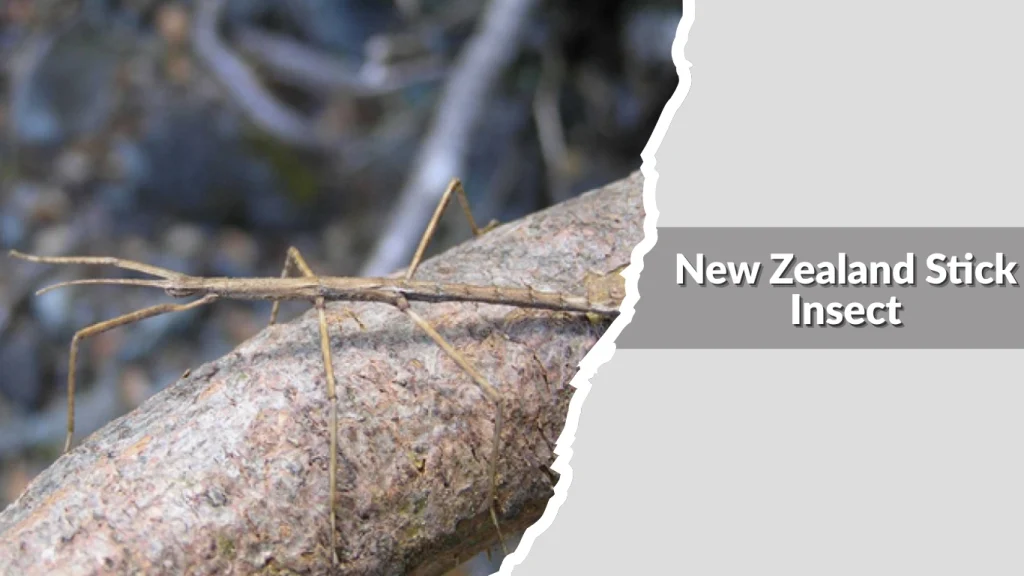
The New Zealand Stick Insect (Clitarchus hookeri) is the most widespread stick insect species in New Zealand and a fascinating example of adaptation to temperate climates. Unlike many tropical relatives, it can tolerate cool conditions and is found throughout forests, gardens, and shrublands.
Identification
- Scientific name: Clitarchus hookeri
- Size: 8–10 cm in length.
- Color: Variable—green, brown, or mottled gray depending on habitat.
- Shape: Slender, cylindrical body with long antennae.
- Distinctive feature: Capable of parthenogenesis—females can reproduce without males.
Habitat
This species inhabits forests, scrublands, and suburban gardens across New Zealand, particularly on Manuka and Kanuka shrubs, which provide food and shelter. It prefers moist, mild environments and is active mostly at night.
Behaviors
New Zealand Stick Insects are nocturnal and rely heavily on camouflage. During the day, they remain motionless among branches, aligning their bodies with twigs. When disturbed, they may drop to the ground or remain perfectly still. Females lay eggs year-round, often dropping them to the soil below.
Lifecycle & Diet
Eggs hatch after 6–9 months, and nymphs grow through multiple molts before adulthood.
- Lifespan: Up to 2 years.
- Diet: Feeds on Manuka, Kanuka, bramble, and native forest plants such as Pittosporum and Coprosma.
14. Philippine Stick Insect

The Philippine Stick Insect (Trachyaretaon carmelae) is a medium-sized, thorn-covered stick insect native to the Philippine islands of Palawan and Luzon. Its heavily spined body and rough bark-like texture provide excellent camouflage among tree trunks and branches. This species is gentle and easy to rear, making it popular among hobbyists.
Identification
- Scientific name: Trachyaretaon carmelae
- Size: 10–12 cm long.
- Color: Dark brown to grayish-brown.
- Shape: Thick-bodied with rough texture and numerous small spines.
- Distinctive feature: Short, thorny protrusions across the legs and thorax; both sexes are wingless.
Habitat
Found in humid tropical forests of the Philippines, this species prefers shady areas with dense vegetation and high humidity. It typically hides under leaves or bark during the day.
Behaviors
Philippine Stick Insects are nocturnal and rely on camouflage to avoid predators. When threatened, they freeze completely or drop to the forest floor. Males are smaller and more active, while females are bulkier and tend to remain motionless for longer periods.
Lifecycle & Diet
Eggs take 4–6 months to hatch. Nymphs resemble miniature adults and undergo multiple molts before reaching maturity.
- Lifespan: 1–1.5 years.
- Diet: Feeds on bramble, guava, rose, and raspberry leaves.
15. Thai Stick Insect

The Thai Stick Insect (Phaenopharos khaoyaiensis) is a graceful species native to Thailand and neighboring Southeast Asian regions. It is famous for its elegant twig-like shape and its ability to reproduce both sexually and parthenogenetically. Its calm nature and hardiness make it a favorite among insect keepers.
Identification
- Scientific name: Phaenopharos khaoyaiensis
- Size: 10–12 cm in length.
- Color: Light brown or olive with subtle banding.
- Shape: Long, slender body with very thin legs and long antennae.
- Distinctive feature: Extremely twig-like appearance; body slightly curved, mimicking a bent branch.
Habitat
Native to tropical forests of Thailand, this species inhabits shrubs and small trees in humid environments. It prefers moderate warmth and dense vegetation for camouflage.
Behaviors
The Thai Stick Insect is nocturnal and peaceful, relying solely on its stick-like form for defense. When disturbed, it becomes motionless, blending completely with surrounding twigs. It is capable of parthenogenesis, allowing females to reproduce without males.
Lifecycle & Diet
Eggs hatch in about 4–5 months, and young nymphs reach adulthood after several molts over 6–8 months.
- Lifespan: About 1 year.
- Diet: Herbivorous—feeds on bramble, oak, ivy, raspberry, and rose leaves.
FAQs
1. Are stick bugs harmful to humans?
No, stick bugs are completely harmless to humans. They do not bite or sting and rely solely on camouflage and stillness to avoid predators.
2. How do stick bugs defend themselves?
Their main defense is camouflage, but some species also use startle displays, spines, or chemical sprays to deter predators. For example, the Peppermint Stick Insect releases a mint-scented spray when threatened.
3. Can stick bugs reproduce without males?
Yes, many species reproduce through parthenogenesis, meaning females can produce fertile eggs without mating, resulting in genetic clones of the mother.
4. What do stick bugs eat?
Stick bugs are herbivores, feeding primarily on leaves from plants such as bramble, oak, rose, ivy, and eucalyptus.
5. How long do stick bugs live?
Most species live between 1 to 2 years, depending on environmental conditions and diet, though some tropical species may live slightly longer in captivity.
