
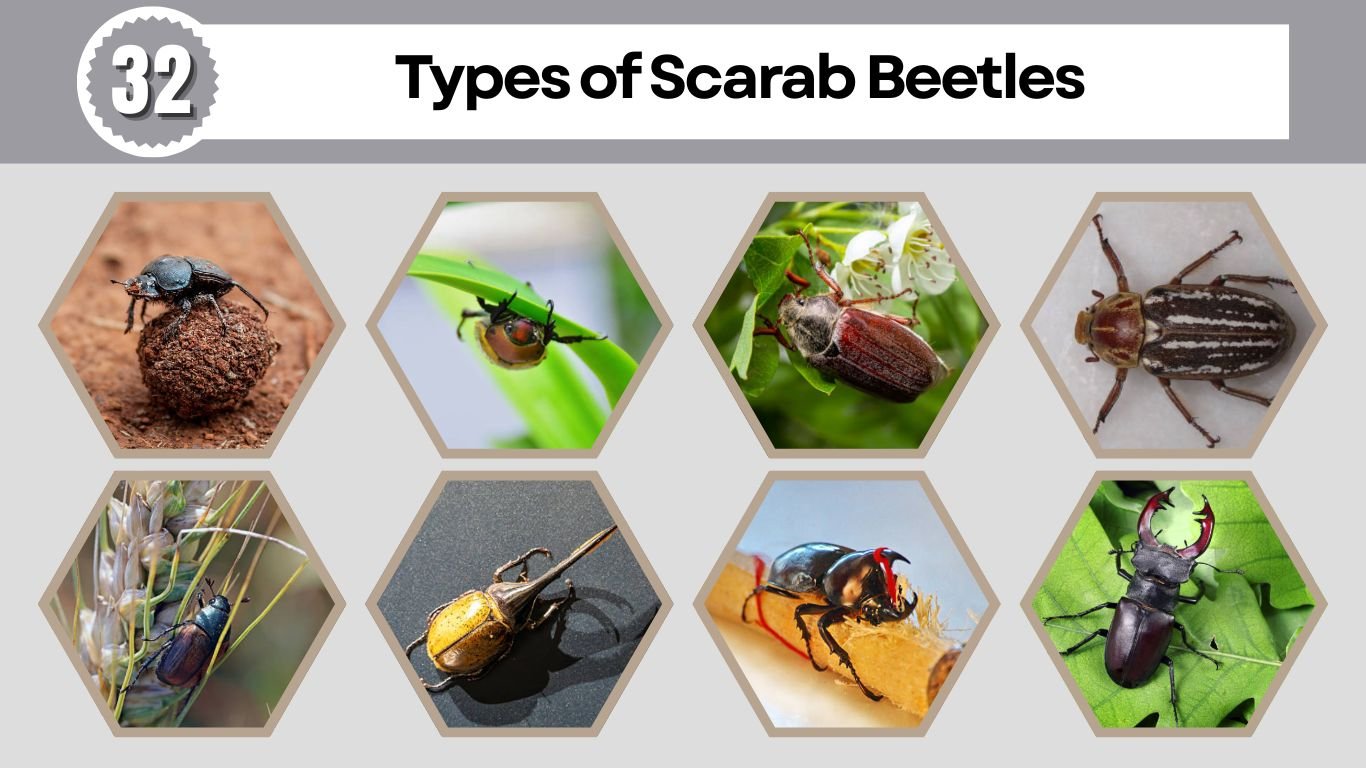
Scarab beetles are a diverse and fascinating group of insects known for their robust bodies, unique shapes, and often striking colors. Found in habitats ranging from forests and grasslands to gardens and farms, these beetles include both beneficial species like dung beetles and destructive pests that damage crops and turf.
This guide covers 32 different types of scarab beetles, helping you identify each species based on key features, habitat, and behavior. Understanding these beetles can help you recognize their role in the ecosystem—whether they contribute to soil health or pose a threat to plants and agriculture.
1. Japanese Beetle
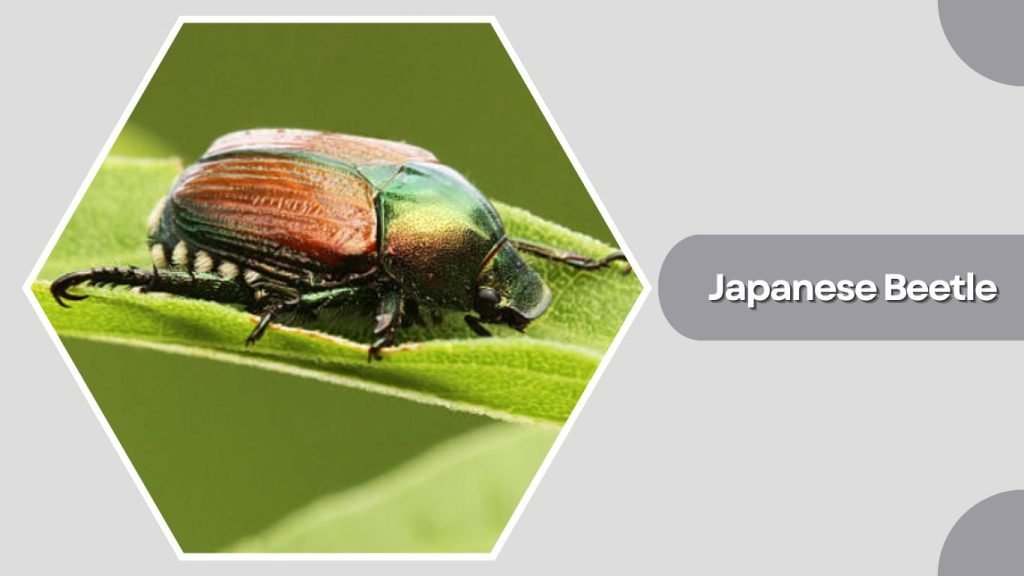
The Japanese beetle is one of the most recognizable and destructive scarab beetles, especially in gardens and agricultural areas. Native to Japan, it has become a major pest in many parts of the world due to its wide host range and ability to damage a variety of plants.
Identification
Japanese beetles are about 8–11 mm long with a metallic green head and thorax, along with shiny copper-brown wing covers. One of their most distinctive features is the row of small white hair tufts along each side of the abdomen.
Habitat and Distribution
They are commonly found in North America and other regions where they have spread. Japanese beetles thrive in gardens, lawns, orchards, and farms, especially in areas with moist soil suitable for their larvae.
Key Characteristics
- Metallic green and copper coloration
- White hair tufts along the abdomen
- Strong flying ability
- Wide range of host plants
Damage and Impact
Adult Japanese beetles feed on leaves, flowers, and fruits, often skeletonizing leaves by eating the tissue between veins. Their larvae, known as grubs, live in the soil and feed on grass roots, damaging lawns and turf.
2. June Beetle
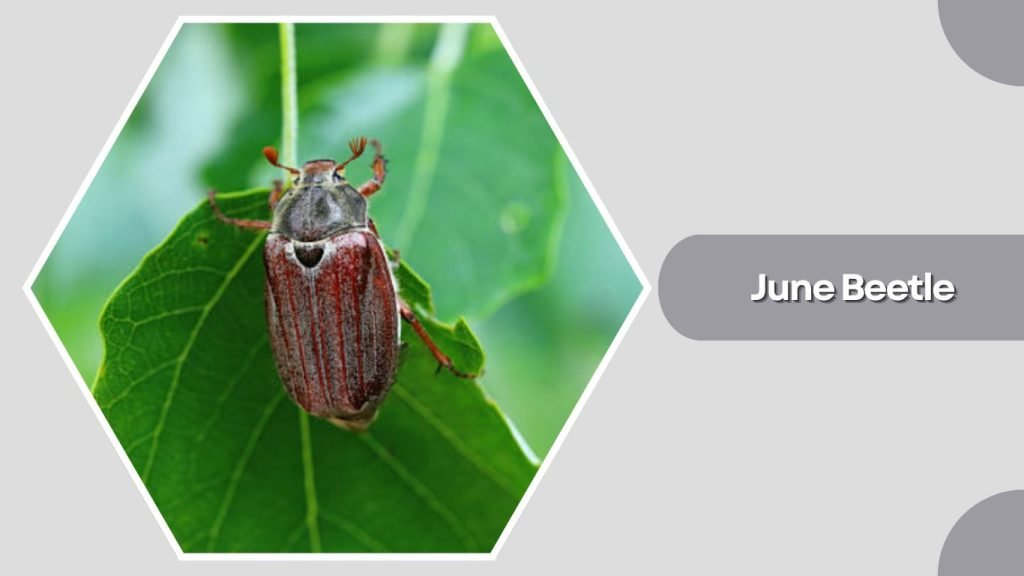
The June beetle, also known as the May beetle, is a common scarab beetle found in many regions. It is well known for its seasonal appearance during late spring and early summer, often attracted to lights at night. While adults are mostly harmless, their larvae can be quite destructive.
Identification
June beetles are medium to large, typically measuring 12–25 mm long. They have a reddish-brown to dark brown body with a smooth, shiny surface. Their bodies are oval and robust, with fan-like antennae.
Habitat and Distribution
They are widely distributed across North America, Europe, and Asia. June beetles are commonly found in forests, grasslands, gardens, and agricultural areas, especially where soil is suitable for larval development.
Key Characteristics
- Oval, robust body with a shiny brown color
- Active during late spring and early summer
- Attracted to lights at night
- Larvae live underground as white grubs
Damage and Impact
Adult June beetles feed on leaves but usually cause minor damage. However, the larvae feed on grass roots underground, which can lead to brown patches in lawns and weakened turf, especially during heavy infestations.
3. Green June Beetle
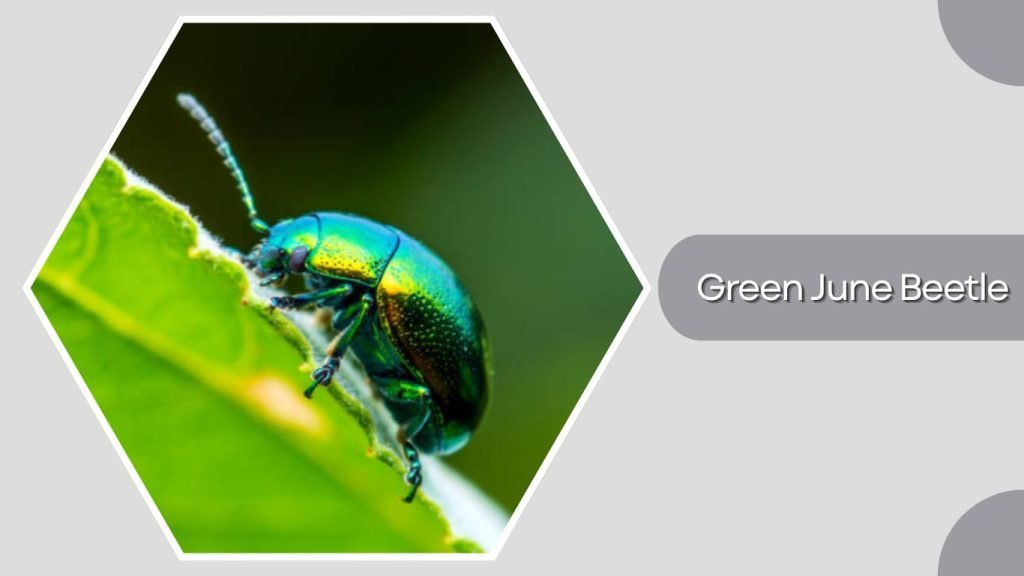
The green June beetle is a large, colorful scarab beetle commonly found in gardens, lawns, and agricultural areas. Known for its loud buzzing flight and metallic appearance, it is often mistaken for other green beetles. While adults are mostly harmless, their larvae can cause noticeable damage to soil and turf.
Identification
Green June beetles are relatively large, measuring about 15–22 mm in length. They have a striking metallic green body with bronze or yellowish edges along the wings. The underside is often shiny and may appear golden or green. Their strong wings allow them to fly noisily during the day, which is a key identifying feature. The larvae are large, white grubs that move on their backs, unlike many other beetle larvae.
Habitat and Distribution
These beetles are primarily found in North America, especially in the eastern and central regions. They thrive in warm, humid environments and are commonly seen in lawns, gardens, orchards, and areas with rich organic soil. They prefer locations where decaying plant material or compost is present, as it provides ideal conditions for larval development.
Key Characteristics
- Metallic green body with bronze highlights
- Loud, low-flying behavior during the day
- Large white grubs that crawl on their backs
- Strong attraction to ripe or decaying fruit
Damage and Impact
Adult green June beetles feed on ripe fruits such as berries, peaches, and figs, sometimes causing minor crop damage. However, the larvae are more problematic, as they burrow through soil in search of organic matter. This activity disrupts the soil structure, leading to uneven ground and damage to lawns. In severe cases, their tunneling can uproot grass and create unsightly patches. Although they rarely destroy healthy plants directly, their presence can weaken turf and create ideal conditions for further pest issues. Managing organic waste and maintaining healthy soil can help reduce infestations.
4. European Chafer
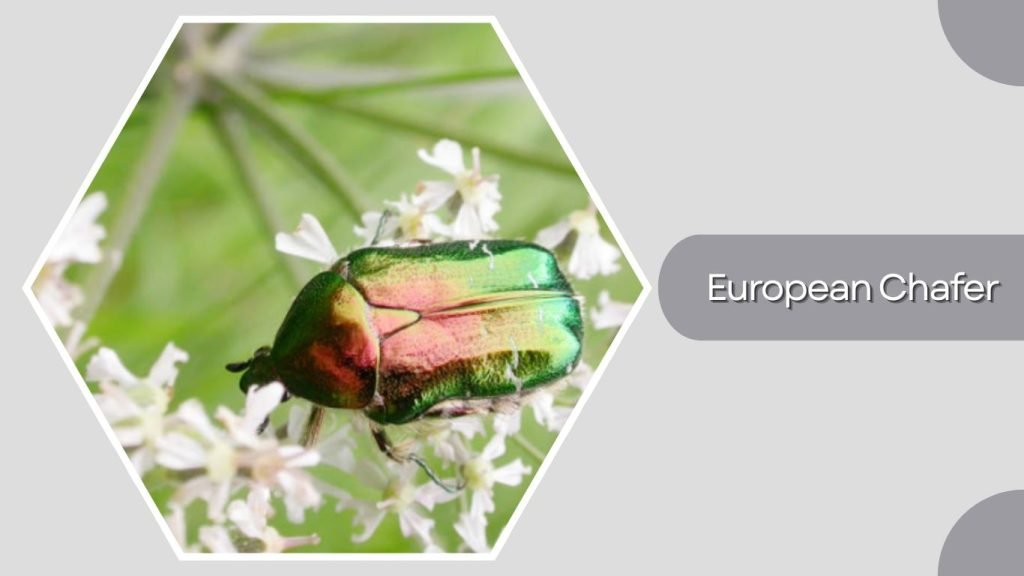
The European chafer is a destructive scarab beetle known for damaging lawns and turfgrass. Originally native to Europe, it has become a serious pest in North America, especially in residential lawns, golf courses, and parks. Its larvae are particularly harmful to grass roots.
Identification
Adult European chafers are medium-sized beetles, about 10–15 mm long, with a light brown to tan body. They have a smooth, oval shape and a slightly fuzzy underside. Adults are active at night and are often attracted to lights. The larvae are typical white grubs with brown heads and curved bodies.
Habitat and Distribution
This species is widely found in Europe and has spread to parts of North America. It thrives in grassy environments such as lawns, sports fields, golf courses, and pastures. Sandy and well-drained soils are especially favorable for egg-laying and larval development.
Key Characteristics
- Light brown, oval-shaped body
- Nocturnal activity with attraction to lights
- Larvae feed on grass roots
- Common in lawns and turf areas
Damage and Impact
The larvae of the European chafer feed on the roots of grass, cutting off the plant’s ability to absorb water and nutrients. This leads to large brown patches in lawns that can be easily pulled up like loose carpet. Severe infestations can destroy entire sections of turf. Additionally, damaged lawns may attract animals like birds and raccoons, which dig up the ground to feed on the grubs, causing further disruption. Effective lawn care and early detection are essential to minimize damage.
5. Rose Chafer
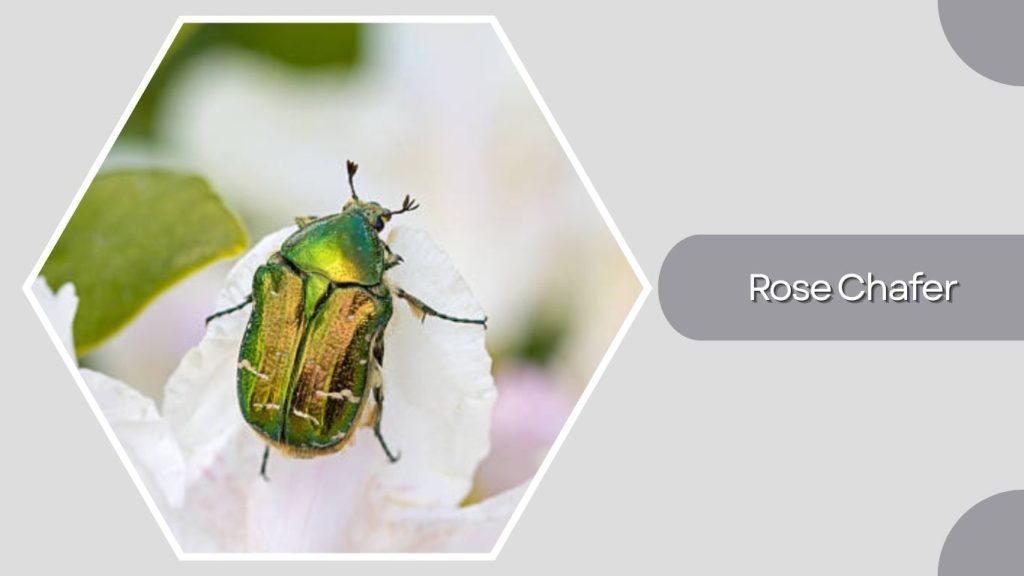
The rose chafer is a slender, light-colored scarab beetle commonly found feeding on flowers and foliage. Despite its delicate appearance, it can cause noticeable damage to ornamental plants, especially roses and other flowering species. It is often seen during late spring and early summer.
Identification
Rose chafers are medium-sized beetles, about 8–13 mm long, with a pale tan or light brown body. They have long legs and a slightly elongated shape, giving them a fragile look. Their bodies are covered with fine hairs, and their wings are soft compared to other beetles.
Habitat and Distribution
They are widely distributed across North America, particularly in sandy soil regions. Rose chafers prefer gardens, orchards, vineyards, and coastal areas where host plants are abundant and soil conditions support larval growth.
Key Characteristics
- Pale tan body with a slender shape
- Long legs and soft wing covers
- Active during warm months
- Strong attraction to flowering plants
Damage and Impact
Adult rose chafers feed on petals, leaves, and fruits, often skeletonizing foliage and damaging blossoms. This can reduce the aesthetic value of ornamental plants and impact fruit production. Their larvae feed on roots of grasses and other plants, but typically cause less noticeable damage compared to adults.
6. Asiatic Garden Beetle
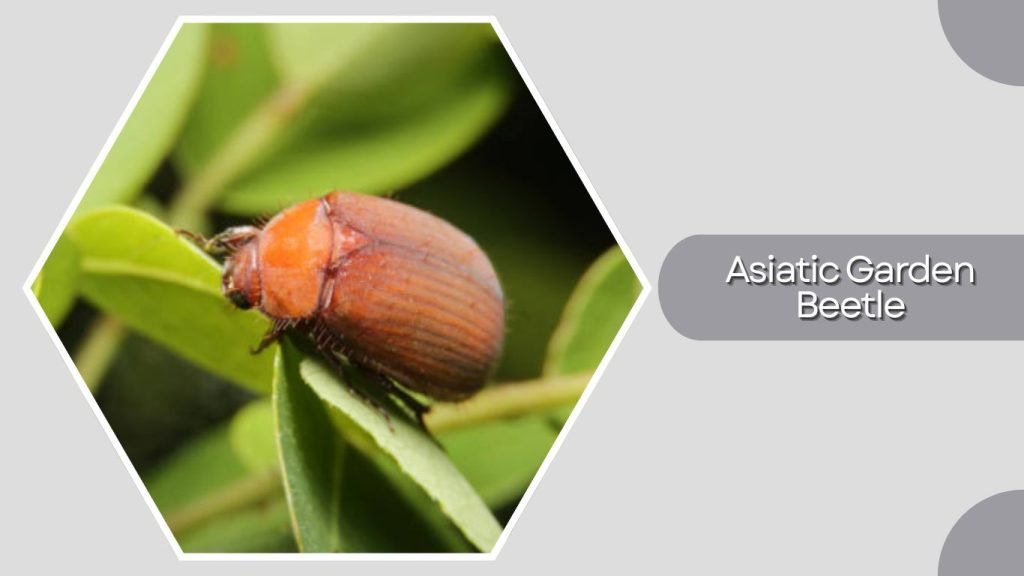
The Asiatic garden beetle is a small but destructive scarab beetle that affects both ornamental plants and crops. It is particularly problematic because both its adult and larval stages feed on plants, leading to widespread damage in gardens and agricultural settings.
Identification
Asiatic garden beetles are small, about 8–11 mm long, with a uniform chestnut-brown color. Their bodies are oval and slightly rounded, with a velvety appearance. Adults are nocturnal and often go unnoticed during the day. The larvae are white grubs with brown heads.
Habitat and Distribution
Originally from Asia, this beetle has spread to North America and other regions. It thrives in gardens, lawns, nurseries, and agricultural fields, especially in areas with moist soil and abundant vegetation.
Key Characteristics
- Small, oval body with a velvety brown surface
- Nocturnal feeding behavior
- Larvae live in soil and feed on roots
- Wide range of host plants
Damage and Impact
Adult beetles feed on leaves, creating irregular holes and chewing damage. They often attack a wide variety of plants, including flowers, vegetables, and shrubs. Meanwhile, larvae feed on roots underground, weakening plants and reducing growth. Severe infestations can lead to both above-ground and below-ground damage, making control more challenging.
7. Oriental Beetle
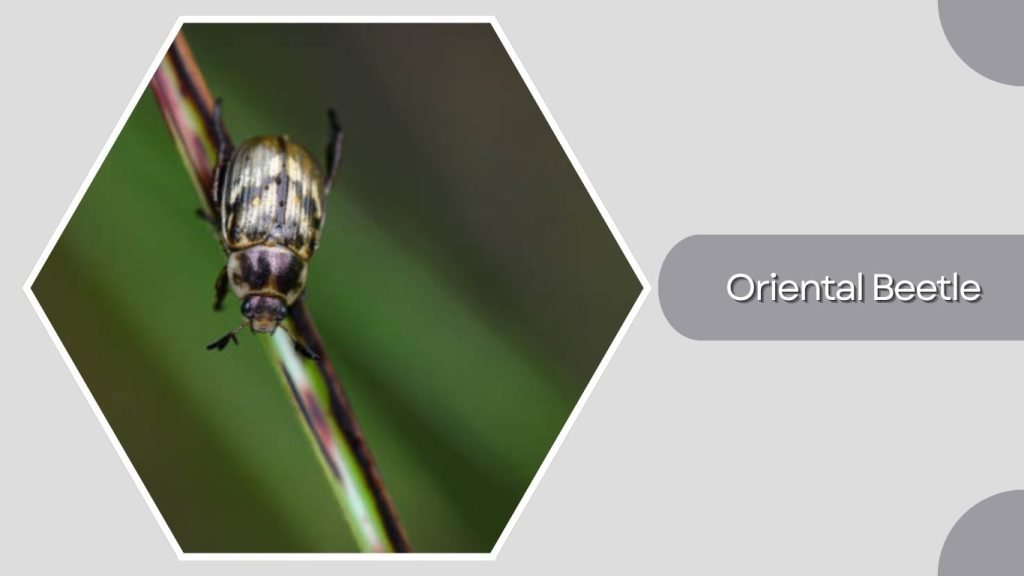
The oriental beetle is a destructive scarab pest known for damaging turfgrass and ornamental plants. It is especially problematic in lawns and golf courses, where its larvae feed on roots, leading to widespread turf damage. Originally from Asia, it has become established in several other regions.
Identification
Oriental beetles are medium-sized, about 7–11 mm long. Their coloration varies widely, ranging from light brown to dark brown or even black with patterned markings. They have a smooth, oval body and are often active at night. The larvae are white grubs with brown heads.
Habitat and Distribution
They are commonly found in North America, particularly in the northeastern United States. Oriental beetles prefer lawns, gardens, and turf areas with well-drained soil, where females lay eggs and larvae develop underground.
Key Characteristics
- Variable coloration with patterned appearance
- Nocturnal adult activity
- Larvae feed on grass roots
- Common in turfgrass environments
Damage and Impact
The larvae cause the most damage by feeding on grass roots, leading to thinning turf, yellow patches, and easily removable grass. Severe infestations can destroy entire lawns. Adults cause minor feeding damage compared to larvae.
8. African Black Beetle
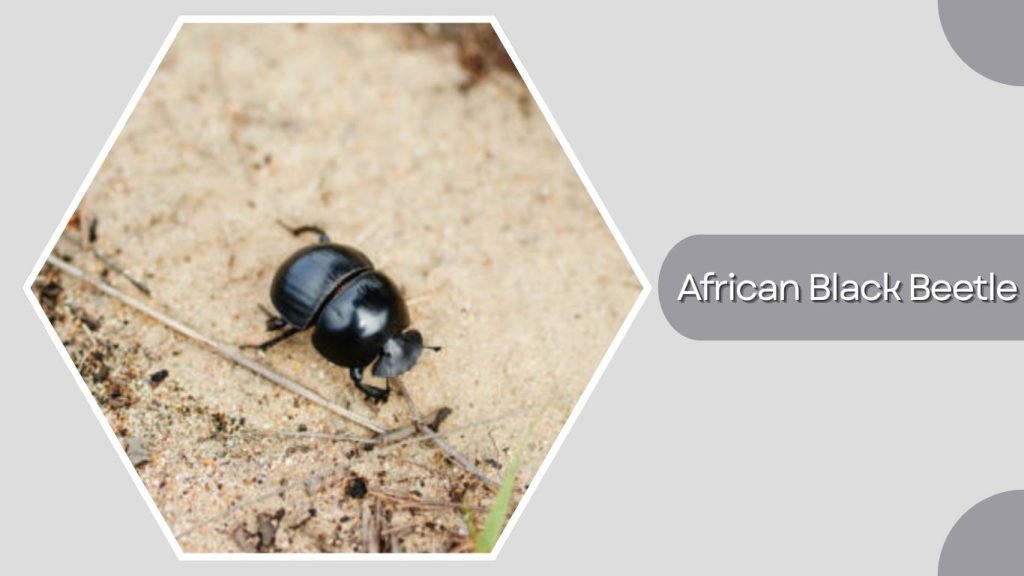
The African black beetle is a serious pest of turfgrass and crops, particularly in warm climates. It is known for damaging both lawns and agricultural plants such as maize and pasture grasses.
Identification
African black beetles are glossy black and oval-shaped, measuring about 12–15 mm long. They have a hard, smooth exoskeleton and strong legs for burrowing. Their larvae are typical white grubs with curved bodies.
Habitat and Distribution
Native to Africa, this beetle has spread to regions like Australia and parts of Asia. It thrives in warm environments and is commonly found in lawns, pastures, and crop fields.
Key Characteristics
- Shiny black, oval body
- Strong burrowing ability
- Larvae live in soil and feed on roots
- Active in warm climates
Damage and Impact
Both adults and larvae cause damage. Adults feed on stems and roots near the soil surface, while larvae feed on roots underground. This results in wilting, dead patches in grass, and reduced crop productivity.
9. Coconut Rhinoceros Beetle
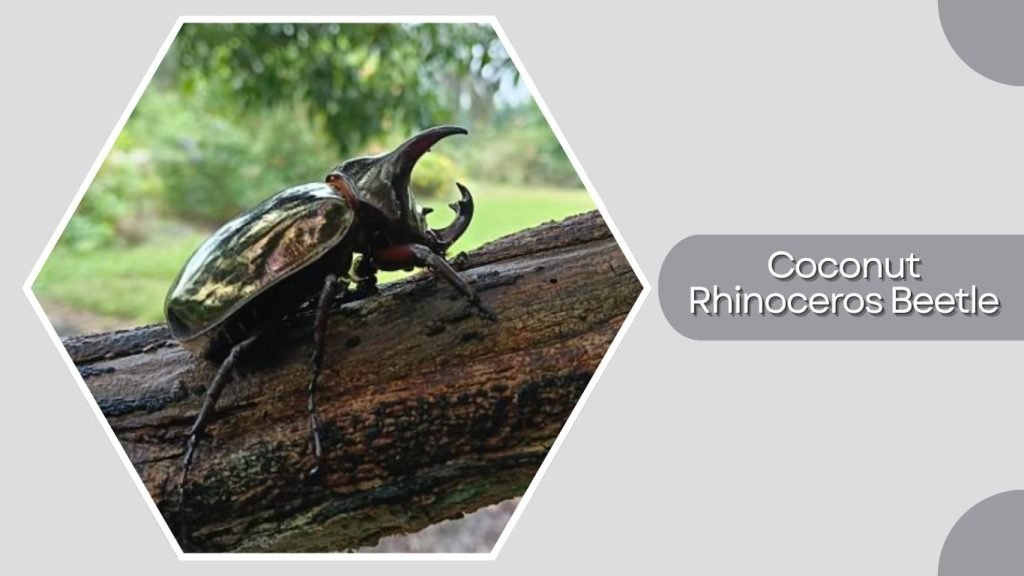
The coconut rhinoceros beetle is a large and highly destructive scarab species that primarily targets coconut palms and other palm trees. It is considered one of the most serious pests in tropical regions due to its ability to severely damage and even kill trees.
Identification
These beetles are large, measuring about 3–5 cm long, with a shiny black or dark brown body. Males have a prominent horn on their head, resembling a rhinoceros, while females have a smaller or less noticeable horn. Their bodies are robust and heavy.
Habitat and Distribution
Native to Southeast Asia, this beetle has spread to many tropical regions, including the Pacific Islands and parts of Africa. It thrives in areas with abundant palm trees, especially coconut plantations.
Key Characteristics
- Large size with a strong, glossy body
- Distinct horn in males
- Strong association with palm trees
- Active mainly at night
Damage and Impact
Adults bore into the crowns of palm trees to feed on sap. This creates holes and damages developing leaves, leading to reduced growth and sometimes tree death. Severe infestations can significantly impact coconut production.
10. Hercules Beetle
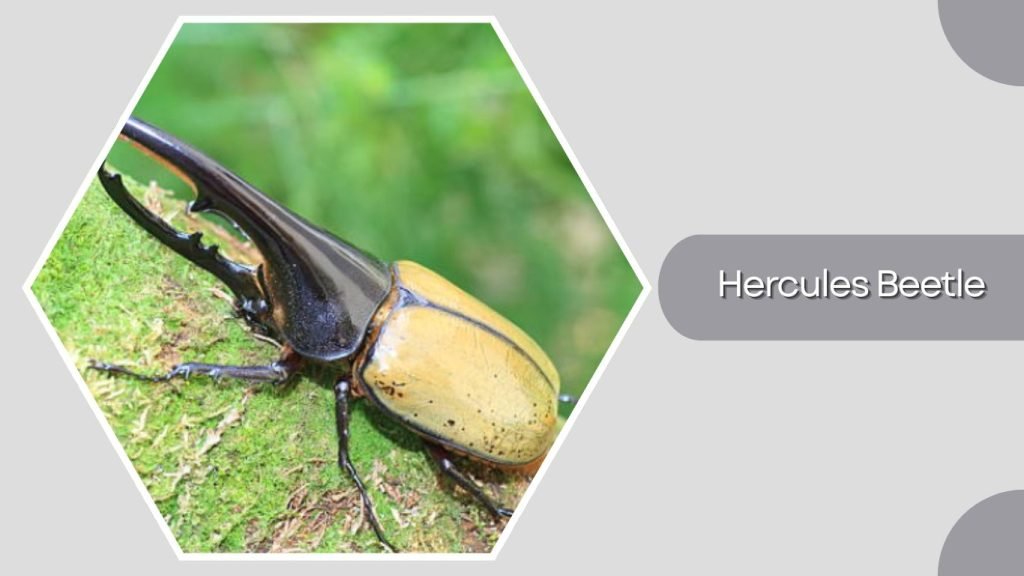
The Hercules beetle is one of the largest and most famous scarab beetles in the world. While it is not considered a major pest, it is widely recognized for its impressive size and strength, as well as its distinctive horned appearance.
Identification
Hercules beetles can grow up to 17 cm in length, making them among the largest beetles globally. Males have long, curved horns extending from their head and thorax, while females lack horns. Their coloration can vary from greenish-yellow to black, often with dark spots.
Habitat and Distribution
They are found in Central and South America, particularly in tropical rainforests. Hercules beetles prefer humid environments with abundant decaying wood and plant material.
Key Characteristics
- Extremely large size
- Prominent horns in males
- Variable coloration depending on humidity
- Strong but generally harmless
Damage and Impact
Unlike many scarabs, Hercules beetles do not typically damage crops. Adults feed on rotting fruit and plant matter, playing a role in decomposition. Their larvae also contribute to breaking down decaying wood, making them beneficial to forest ecosystems.
11. Atlas Beetle
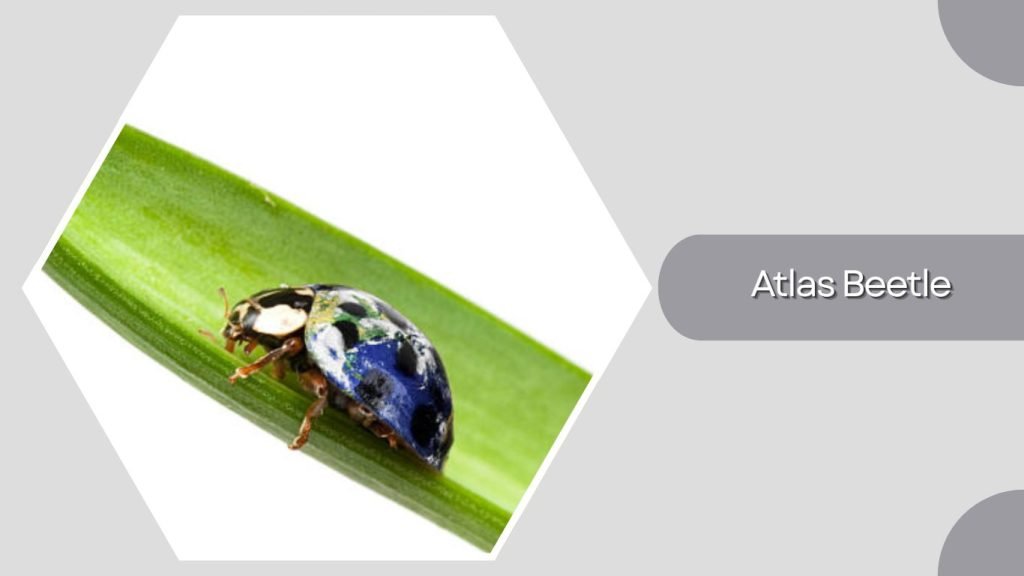
The Atlas beetle is one of the largest and most impressive scarab beetles, known for its massive size and distinctive horn structure. Although it may look intimidating, it is generally harmless to humans and plays an important role in natural ecosystems by helping break down organic matter.
Identification
Atlas beetles are very large, typically measuring between 7–13 cm in length. Males are especially striking, with three long horns—one on the head and two on the thorax—used for fighting rivals. Their bodies are usually dark brown to black with a glossy or slightly velvety texture. Females are smaller and lack prominent horns. The larvae are large, white grubs that live in decaying wood.
Habitat and Distribution
These beetles are native to Southeast Asia, particularly in countries like Indonesia and Malaysia. They thrive in tropical rainforests where humidity is high and there is plenty of decaying organic material. Atlas beetles are commonly found in forested areas with rich biodiversity.
Key Characteristics
- Large size with a heavy, robust body
- Males possess three prominent horns
- Strong but non-aggressive behavior
- Larvae develop in decaying wood
Damage and Impact
Atlas beetles are not considered agricultural pests. Adults feed on tree sap and overripe fruits, while larvae feed on decomposing wood. This feeding behavior helps recycle nutrients back into the soil, making them beneficial to forest ecosystems. Their presence is often a sign of a healthy environment with abundant organic matter.
12. Elephant Beetle
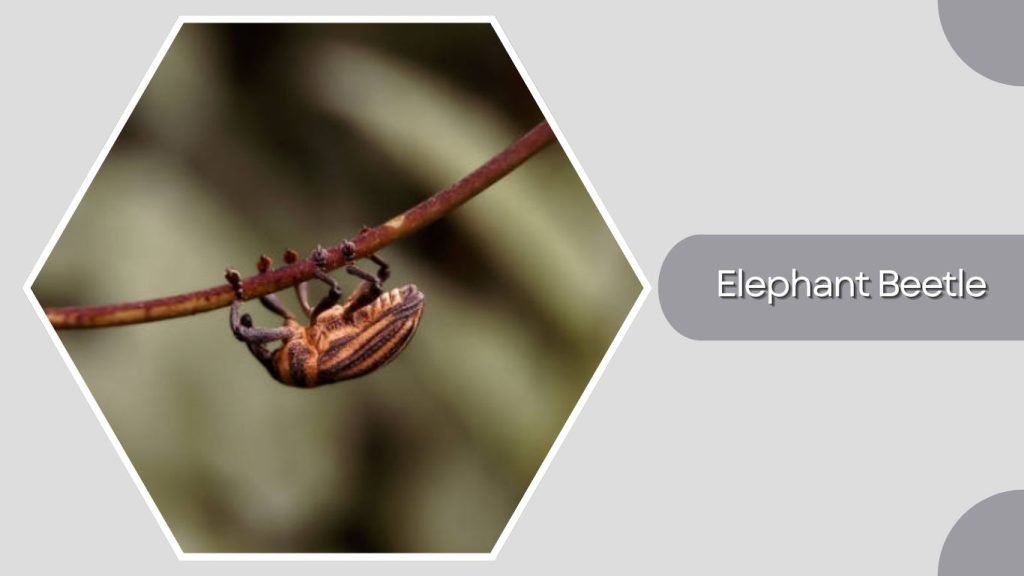
The elephant beetle is another giant scarab species, famous for its impressive size and horned appearance. It is one of the largest insects in the world and is often admired for its strength and unique physical features rather than feared as a pest.
Identification
Elephant beetles can reach lengths of up to 12 cm. Males have a long, curved horn extending from the head, giving them their name. Their bodies are usually dark brown or black with a slightly hairy or textured surface. Females are smaller and lack the large horn. The larvae are large, white grubs that develop in organic material.
Habitat and Distribution
They are found mainly in Central and South America, especially in tropical rainforests. Elephant beetles prefer warm, humid environments with abundant decaying plant matter, which supports their larval development.
Key Characteristics
- Very large size with a thick body
- Long curved horn in males
- Strong flying ability despite size
- Associated with tropical forest habitats
Damage and Impact
Elephant beetles are not harmful to crops. Adults typically feed on tree sap and fallen fruits, while larvae help decompose organic material in the soil. This makes them beneficial contributors to nutrient cycling in forest ecosystems.
13. Rainbow Scarab
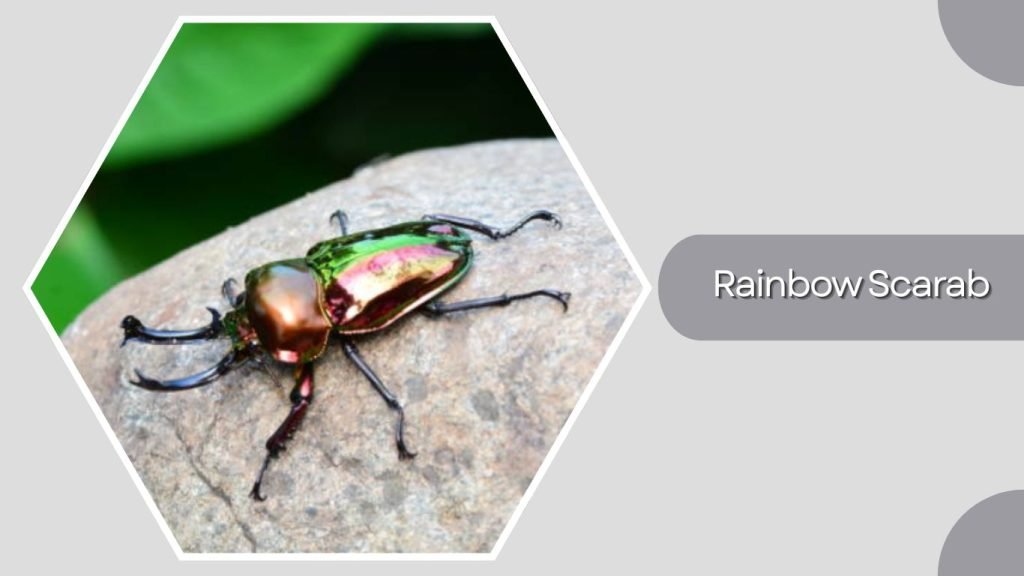
The rainbow scarab is a striking and colorful beetle known for its iridescent body. It belongs to the dung beetle group and plays an important ecological role by recycling animal waste. Despite its beauty, it is often overlooked due to its association with dung.
Identification
Rainbow scarabs are medium-sized beetles, about 10–15 mm long. They display brilliant metallic colors, including green, blue, red, and gold, which shimmer in sunlight. Their bodies are smooth and rounded, typical of dung beetles.
Habitat and Distribution
They are commonly found in North and Central America. Rainbow scarabs prefer open habitats such as grasslands, pastures, and forest edges where animal dung is available.
Key Characteristics
- Iridescent, multicolored body
- Rounded shape typical of dung beetles
- Strong association with animal dung
- Active during warm seasons
Damage and Impact
Rainbow scarabs are beneficial insects. They feed on and bury dung, which helps improve soil fertility, reduce parasites, and recycle nutrients. They do not damage crops or plants.
14. Dung Beetle
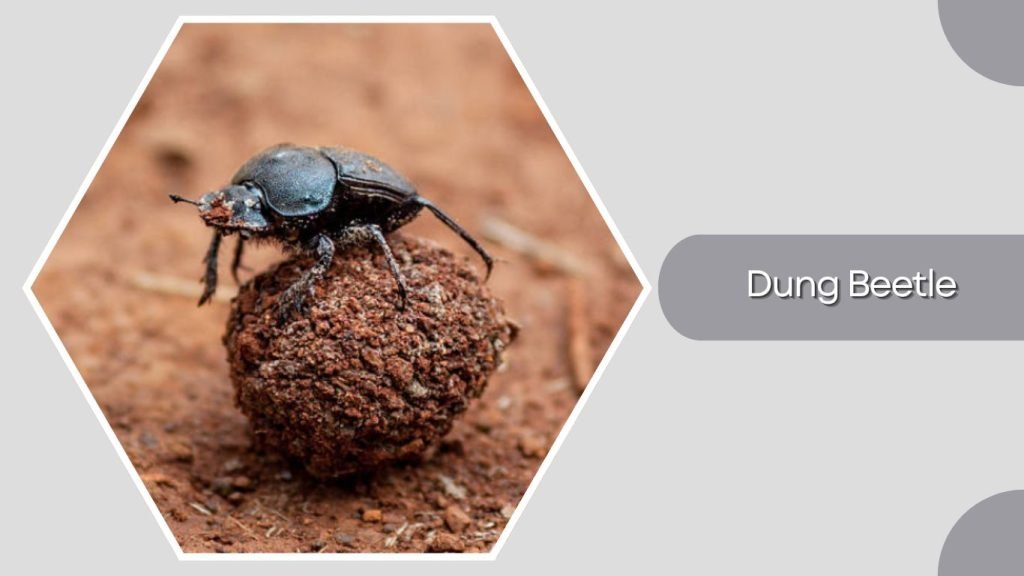
Dung beetles are a diverse group of scarab beetles known for their unique behavior of feeding on animal feces. They are considered highly beneficial insects due to their role in maintaining ecosystem health.
Identification
Dung beetles vary widely in size and color, ranging from small, dull black species to larger, metallic ones. Most have a rounded, compact body adapted for rolling or burying dung. Some species also have horns.
Habitat and Distribution
They are found worldwide, especially in areas with abundant wildlife or livestock. Dung beetles inhabit grasslands, forests, deserts, and agricultural fields.
Key Characteristics
- Strong association with animal dung
- Rounded, compact body
- Some species roll dung into balls
- Important ecological role
Damage and Impact
Dung beetles are highly beneficial. By breaking down and burying dung, they help improve soil structure, reduce pest populations, and enhance nutrient cycling. They are essential for maintaining healthy ecosystems and do not harm crops.
15. Sacred Scarab
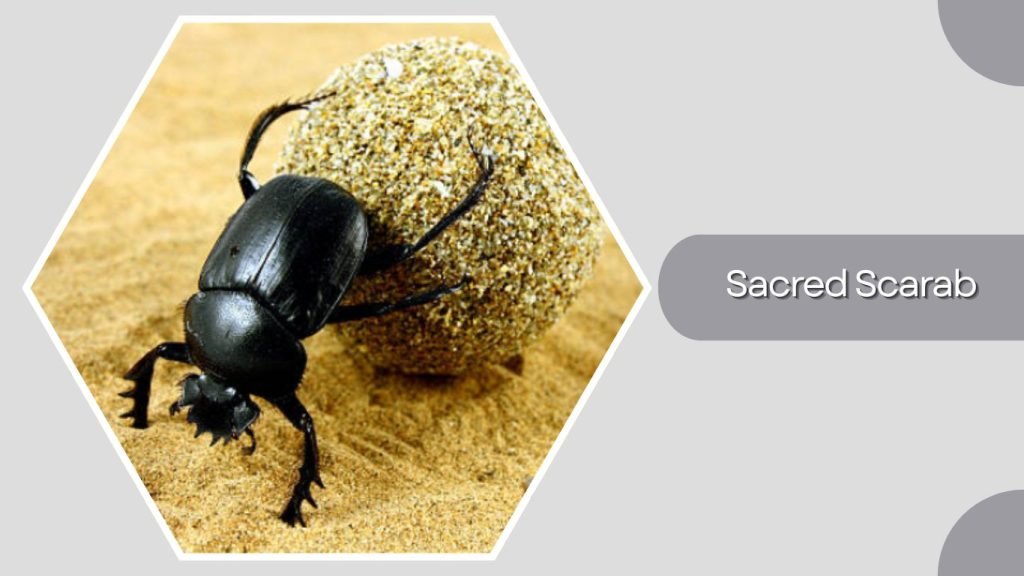
The sacred scarab is one of the most famous scarab beetles, historically significant in ancient Egyptian culture. It is a type of dung beetle known for its role in rolling dung and its symbolic association with rebirth and the sun.
Identification
Sacred scarabs are medium-sized beetles, typically about 20–30 mm long. They have a matte black body with a smooth, rounded shape. Their legs are strong and adapted for digging and rolling dung.
Habitat and Distribution
They are commonly found in North Africa, the Middle East, and parts of southern Europe. Sacred scarabs prefer dry, sandy environments such as deserts and open grasslands.
Key Characteristics
- Matte black, rounded body
- Strong legs for digging and rolling
- Associated with dung behavior
- Historically symbolic species
Damage and Impact
Sacred scarabs are beneficial insects. They feed on and bury animal dung, which helps recycle nutrients, improve soil quality, and reduce parasites. They do not harm crops or plants.
16. Rainbow Dung Beetle
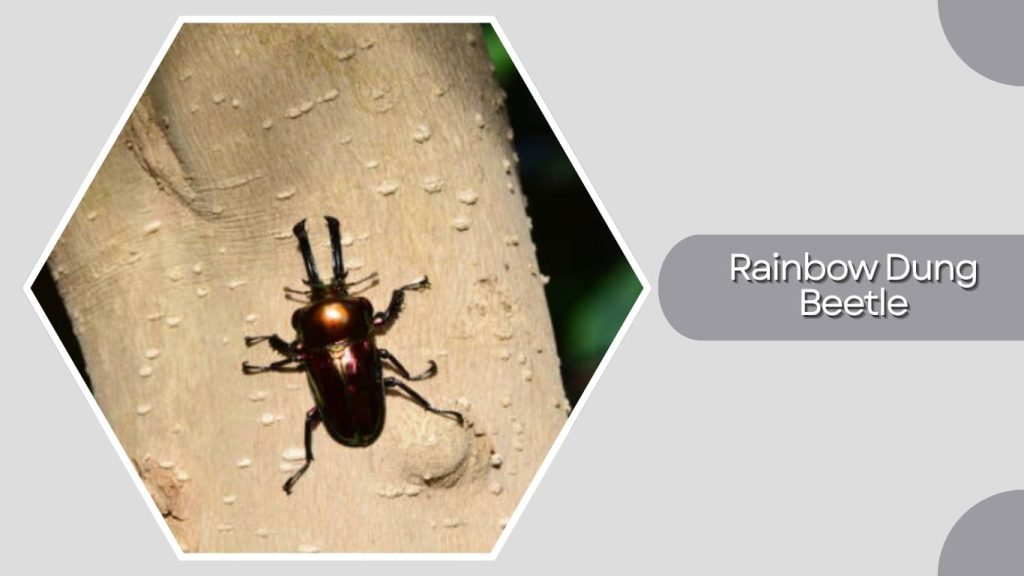
The rainbow dung beetle is a vibrant and beneficial scarab species known for its metallic coloration and ecological importance. It is commonly seen in areas with livestock or wildlife, where it plays a key role in waste decomposition.
Identification
Rainbow dung beetles are medium-sized, around 10–20 mm long. They have a glossy, metallic body that can display shades of green, blue, red, and gold. Their shape is rounded and compact, typical of dung beetles.
Habitat and Distribution
They are found in North and Central America, particularly in grasslands, pastures, and forest edges. These beetles thrive in environments where animal dung is readily available.
Key Characteristics
- Bright metallic, multicolored body
- Rounded, compact shape
- Strong association with dung
- Active in warm environments
Damage and Impact
Rainbow dung beetles are highly beneficial. They break down and bury dung, improving soil fertility and reducing harmful parasites. Their activity supports healthier ecosystems and does not cause any damage to crops or vegetation.
17. Ox Beetle
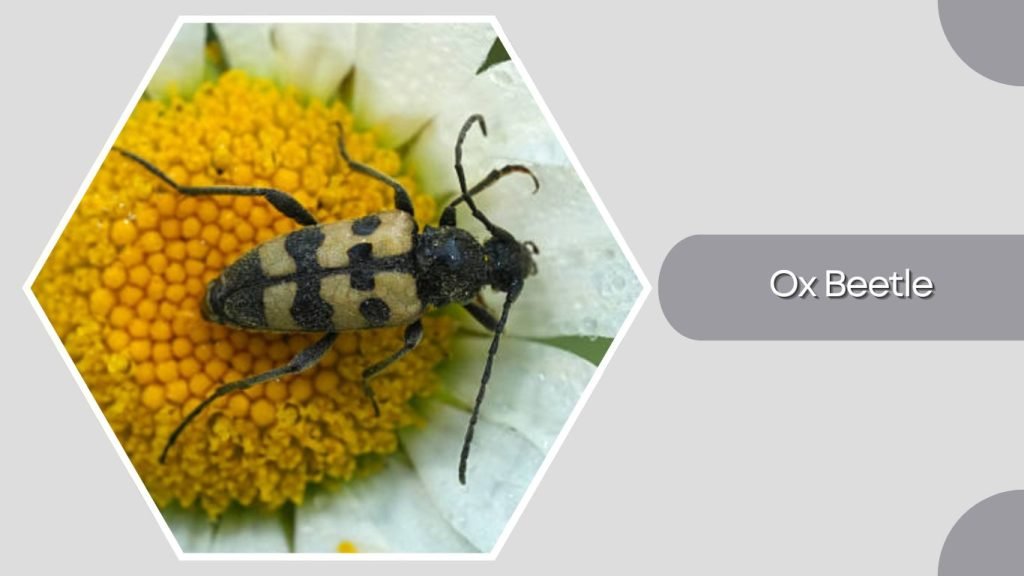
The ox beetle is a large and powerful scarab beetle known for its impressive horn and strong build. It belongs to the rhinoceros beetle group and is commonly found in warm regions. Despite its intimidating appearance, it is generally harmless to humans and plays a role in natural decomposition.
Identification
Ox beetles are large, measuring about 20–40 mm long. Males have a prominent forward-curving horn on their head, while females lack this feature. Their bodies are dark brown to black with a smooth, glossy surface. They are robust and heavy-bodied.
Habitat and Distribution
These beetles are commonly found in North and Central America. They prefer warm environments such as forests, grasslands, and agricultural areas where decaying organic matter is present.
Key Characteristics
- Large, heavy body with a glossy surface
- Prominent horn in males
- Strong digging ability
- Associated with decomposing material
Damage and Impact
Ox beetles are not major pests. Adults feed on plant material and sap, while larvae develop in decaying organic matter. They help recycle nutrients in the soil, making them beneficial in many ecosystems.
18. Stag Beetle (often confused with scarabs)
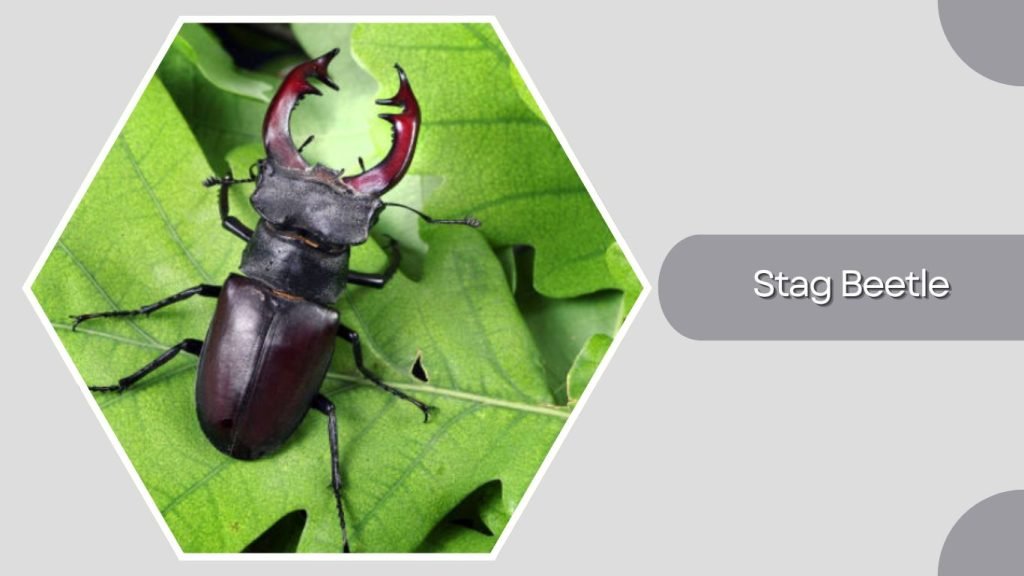
The stag beetle is not a true scarab but is often included due to its similar size and appearance. It is well known for its large mandibles, which resemble the antlers of a stag. These beetles are generally harmless and play an important ecological role.
Identification
Stag beetles are large, ranging from 25–75 mm long. Males have oversized mandibles used for fighting, while females have smaller jaws. Their bodies are dark brown to black with a hard, shiny exoskeleton.
Habitat and Distribution
They are found in Europe, Asia, and North America. Stag beetles prefer wooded areas, forests, and gardens with plenty of dead or decaying wood.
Key Characteristics
- Large mandible-like jaws in males
- Dark, shiny body
- Strong association with decaying wood
- Slow-moving and non-aggressive
Damage and Impact
Stag beetles are beneficial insects. Their larvae feed on decaying wood, helping break it down and recycle nutrients. Adults mainly feed on sap and do not damage crops or plants.
19. Flower Chafer
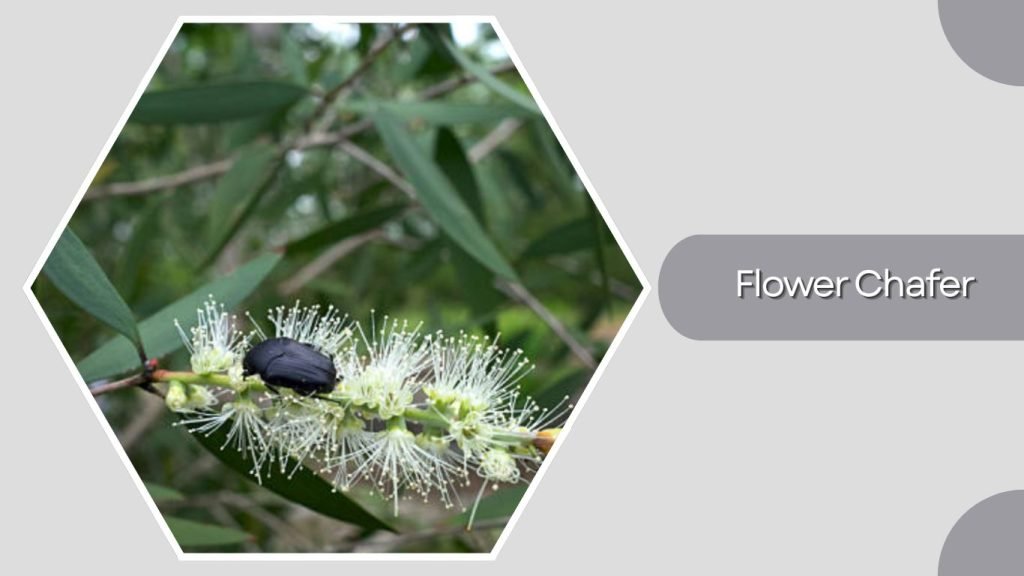
The flower chafer is a colorful and active scarab beetle commonly found on flowers, where it feeds on nectar and pollen. These beetles are often seen during the daytime and are known for their fast, buzzing flight and bright appearance.
Identification
Flower chafers vary in size, typically ranging from 10–25 mm long. They often have bright metallic colors such as green, gold, or bronze, sometimes with patterns or spots. Their bodies are smooth and slightly flattened, allowing them to move easily among flowers.
Habitat and Distribution
They are widely distributed across Europe, Africa, Asia, and the Americas. Flower chafers prefer gardens, meadows, forests, and areas rich in flowering plants.
Key Characteristics
- Bright metallic coloration
- Active during the day
- Strong, fast fliers
- Commonly found on flowers
Damage and Impact
Flower chafers mainly feed on nectar, pollen, and soft plant tissues. While they can sometimes damage flowers by feeding, they also act as pollinators, making them beneficial in many ecosystems.
20. Goliath Beetle
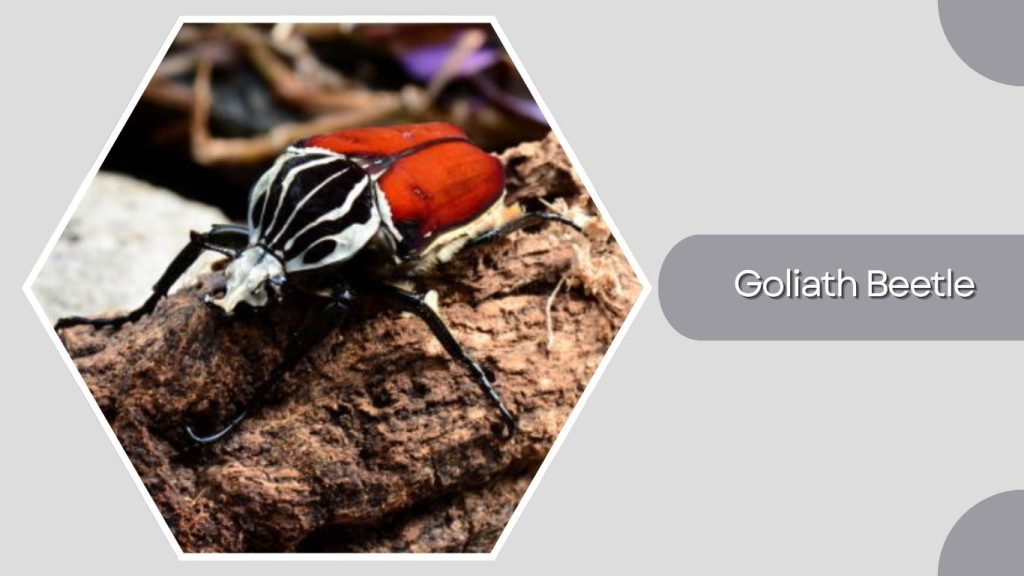
The Goliath beetle is one of the largest and heaviest insects in the world. It is a member of the scarab family and is admired for its impressive size and striking patterns rather than being considered a pest.
Identification
Goliath beetles can grow up to 6–11 cm long. They have a bold appearance with contrasting black, white, and sometimes brown patterns on their bodies. Males often have a Y-shaped horn on their head, while females lack horns and are more rounded.
Habitat and Distribution
They are native to tropical Africa, particularly in rainforests. Goliath beetles prefer warm, humid environments with abundant vegetation and decaying organic matter.
Key Characteristics
- Extremely large and heavy body
- Distinct black and white patterns
- Males have a Y-shaped horn
- Strong flying ability
Damage and Impact
Goliath beetles are not harmful to crops. Adults feed on fruits and tree sap, while larvae develop in soil rich in organic material. They contribute to nutrient recycling and are important for maintaining healthy ecosystems.
21. Ten-lined June Beetle
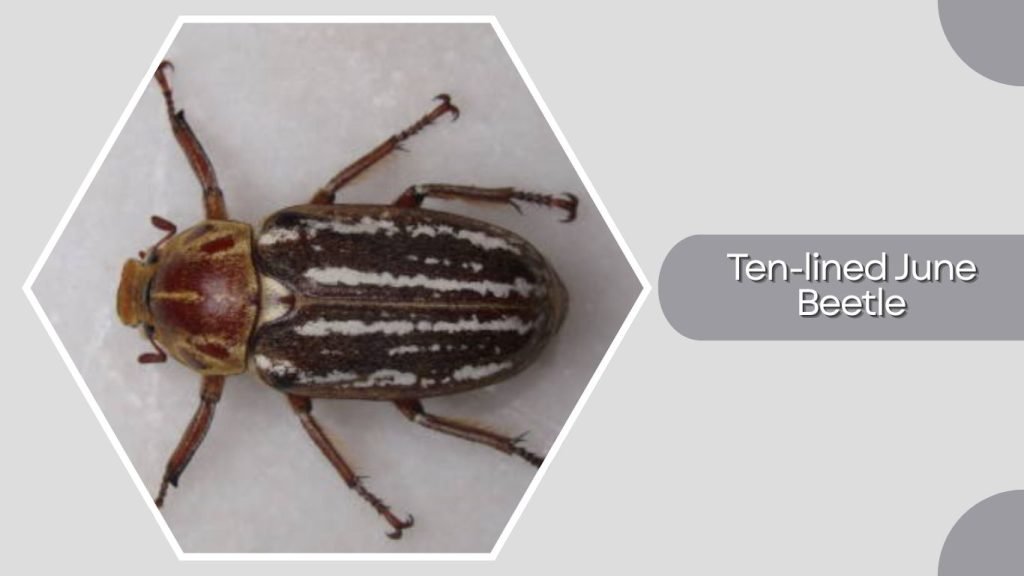
The ten-lined June beetle is a large and distinctive scarab beetle known for the bold white stripes running along its body. It is commonly seen during summer evenings and is often attracted to lights. While adults are noticeable, the larvae can be more harmful to plants.
Identification
These beetles are fairly large, measuring about 20–30 mm long. They have a brown body with clear white stripes running lengthwise across their wing covers. Their antennae are fan-shaped, especially in males. The larvae are white grubs with brown heads.
Habitat and Distribution
Ten-lined June beetles are commonly found in western North America. They prefer sandy soils and are often seen in deserts, grasslands, and agricultural areas.
Key Characteristics
- Bold white stripes on a brown body
- Large size with strong wings
- Attracted to lights at night
- Larvae live underground
Damage and Impact
Adults feed on leaves but usually cause minor damage. The larvae feed on roots of crops and grasses, which can weaken plants and reduce growth, especially in agricultural settings.
22. Masked Chafer
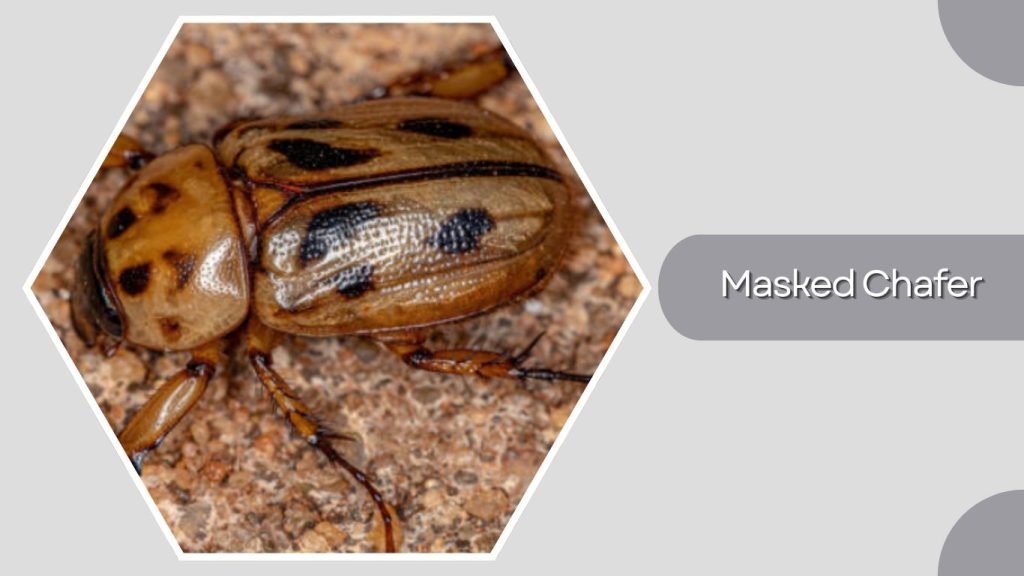
The masked chafer is a common turfgrass pest known for its damaging larval stage. It gets its name from the darker coloration on its head, which resembles a mask. It is a major concern for lawns and grassy areas.
Identification
Masked chafers are small to medium-sized beetles, about 10–15 mm long. They have a light brown body with a darker head. Their bodies are smooth and oval-shaped. The larvae are white, C-shaped grubs commonly found in soil.
Habitat and Distribution
They are widely distributed across North America and are commonly found in lawns, parks, golf courses, and pastures. They prefer well-maintained grassy environments.
Key Characteristics
- Light brown body with darker “masked” head
- Nocturnal adult activity
- Larvae feed on grass roots
- Common in turfgrass areas
Damage and Impact
The larvae of masked chafers feed on grass roots, causing turf to weaken and turn brown. Damaged grass can be easily pulled up. Infestations may also attract animals that dig up lawns to feed on the grubs.
23. Brown Chafer
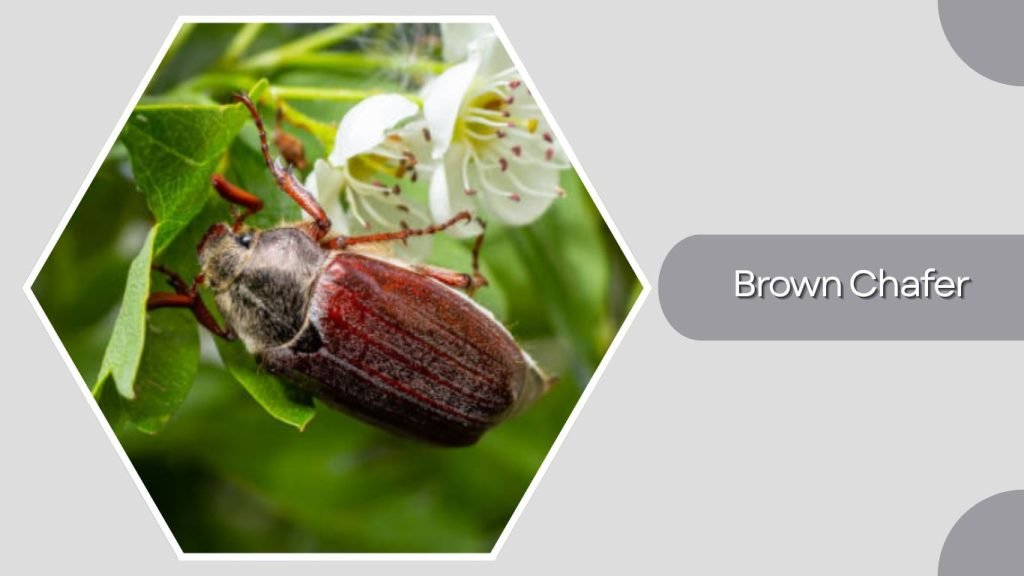
The brown chafer is a common scarab beetle known for its impact on lawns and grassy areas. It is closely related to other chafer species and is primarily recognized for the damage caused by its larval stage, which feeds on grass roots.
Identification
Brown chafers are medium-sized beetles, typically 10–15 mm long, with a uniform light to dark brown coloration. Their bodies are oval and smooth, with a slightly shiny surface. The larvae are white, C-shaped grubs with brown heads.
Habitat and Distribution
They are widely found in temperate regions, especially in North America and Europe. Brown chafers thrive in lawns, parks, golf courses, and pastures where grass is abundant.
Key Characteristics
- Uniform brown, oval-shaped body
- Nocturnal adult activity
- Larvae live in soil and feed on roots
- Common in turfgrass environments
Damage and Impact
The larvae feed on grass roots, causing thinning, yellowing, and dead patches in lawns. Severe infestations can lead to large areas of damaged turf that can be easily lifted from the soil. Adults typically cause minimal damage.
24. Sugarcane Beetle
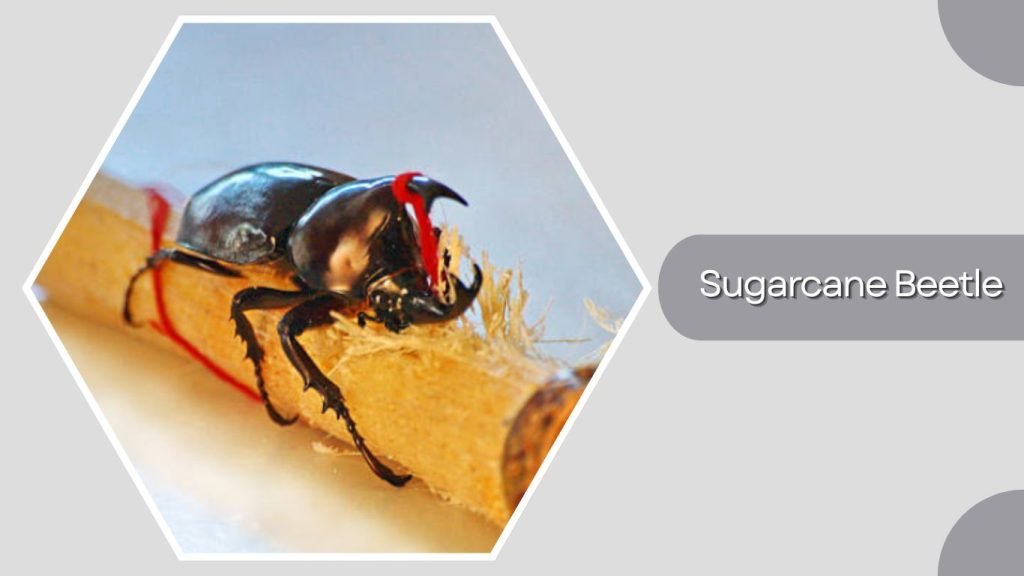
The sugarcane beetle is a robust scarab species known for damaging crops such as sugarcane, corn, and rice. It is considered an agricultural pest in many regions due to its feeding habits.
Identification
Sugarcane beetles are medium to large, about 12–20 mm long. They have a dark brown to black body with a smooth, shiny surface. Their shape is thick and oval, with strong legs adapted for digging.
Habitat and Distribution
They are commonly found in the southern United States, Central America, and other warm regions. Sugarcane beetles prefer agricultural fields, especially those with loose, moist soil.
Key Characteristics
- Dark, glossy, oval body
- Strong burrowing ability
- Active at night
- Associated with crop fields
Damage and Impact
Adults feed on stems near the soil surface, often cutting or weakening young plants. This can lead to reduced crop growth and yield. Larvae develop in the soil and feed on organic matter, but adults are the primary cause of economic damage.
25. Black Turfgrass Ataenius
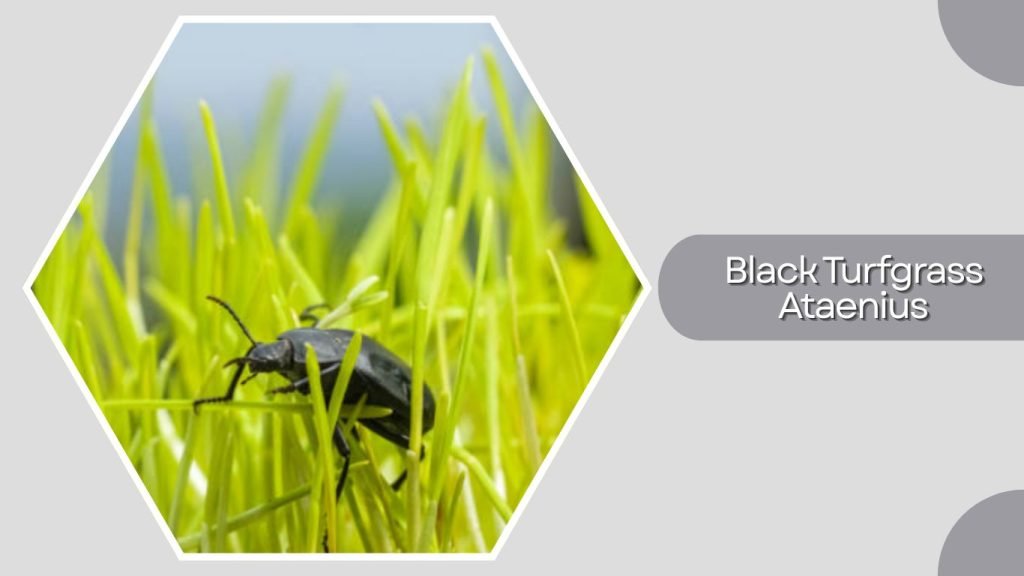
The black turfgrass ataenius is a small but serious pest of turfgrass, especially on golf courses and well-maintained lawns. Despite its tiny size, it can cause significant damage when present in large numbers.
Identification
Adults are very small, about 3–5 mm long, with a shiny black, oval-shaped body. They are often difficult to notice due to their size. The larvae are tiny white grubs with brown heads, found in the soil near grass roots.
Habitat and Distribution
This species is widely distributed across North America and is commonly found in golf courses, lawns, and grassy areas. It prefers warm climates and thrives in closely maintained turf.
Key Characteristics
- Very small, shiny black body
- Short life cycle with multiple generations
- Larvae feed on grass roots
- Common in managed turf areas
Damage and Impact
The larvae feed on grass roots, causing thinning turf, yellowing, and dead patches. Damage is often mistaken for drought stress. Heavy infestations can weaken lawns significantly, especially in summer.
26. Aphodius Dung Beetle
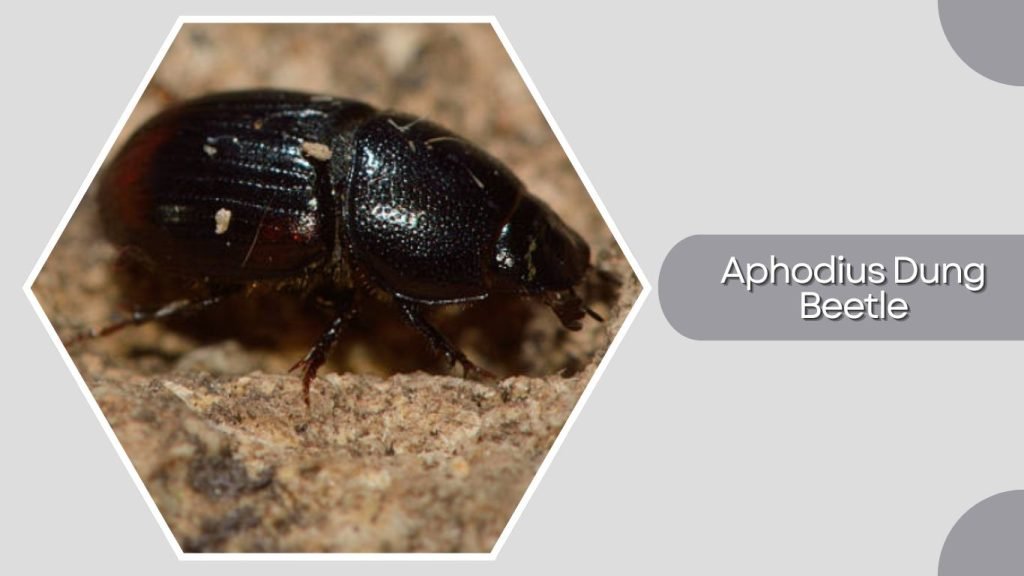
The Aphodius dung beetle is a small scarab species commonly found in areas with livestock. Unlike some dung beetles that roll dung into balls, this species lives and feeds directly within dung.
Identification
Aphodius dung beetles are small, typically 4–8 mm long. They are usually black or dark brown, sometimes with lighter markings. Their bodies are compact and slightly elongated.
Habitat and Distribution
They are found worldwide, especially in grasslands, farms, and pastures where animal dung is present. They thrive in environments with abundant organic waste.
Key Characteristics
- Small, dark-colored body
- Lives directly in dung rather than rolling it
- Active in pasture environments
- Important decomposer species
Damage and Impact
Aphodius dung beetles are beneficial insects. They help break down animal waste, improving soil fertility and reducing parasites. They play a key role in maintaining healthy pasture ecosystems and do not harm crops.
27. Hoplia Beetle
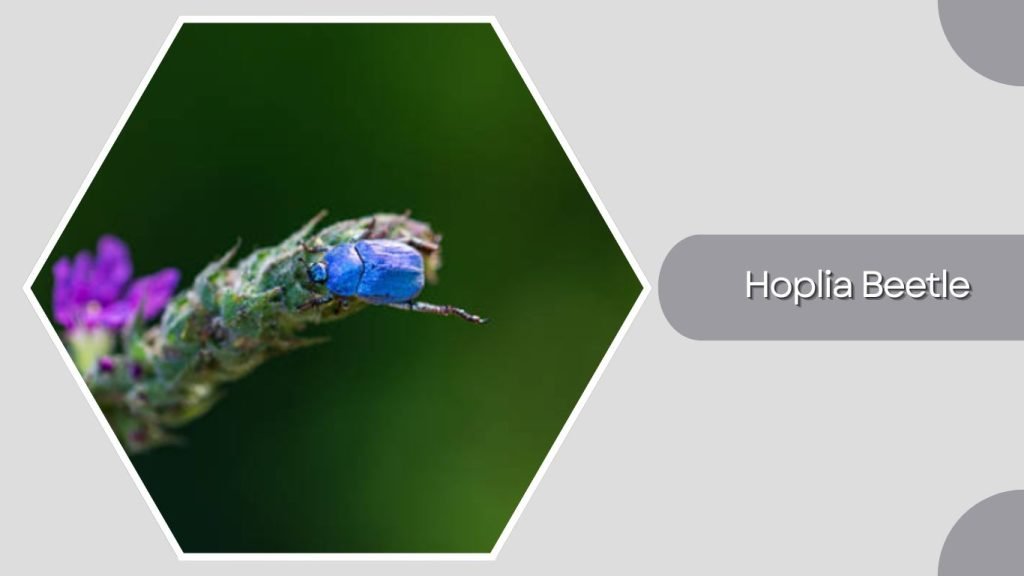
The Hoplia beetle is a small scarab species often found in grassy and flowering areas. While not as destructive as some other scarabs, it can still cause noticeable damage to plants during its adult feeding stage.
Identification
Hoplia beetles are small, typically about 5–10 mm long. They often have a brown or grayish body, sometimes covered with fine scales that give them a slightly speckled or dusty appearance. Their shape is oval and compact.
Habitat and Distribution
They are commonly found in Europe, North America, and parts of Asia. Hoplia beetles prefer meadows, gardens, and grassy areas where both flowers and turfgrass are available.
Key Characteristics
- Small, oval body with a dull or scaled appearance
- Active during warm months
- Adults feed on flowers and leaves
- Larvae live in soil
Damage and Impact
Adult Hoplia beetles feed on flower petals and leaves, sometimes causing cosmetic damage to ornamental plants. Their larvae feed on grass roots but usually do not cause severe damage unless present in large numbers.
28. Anomala Beetle
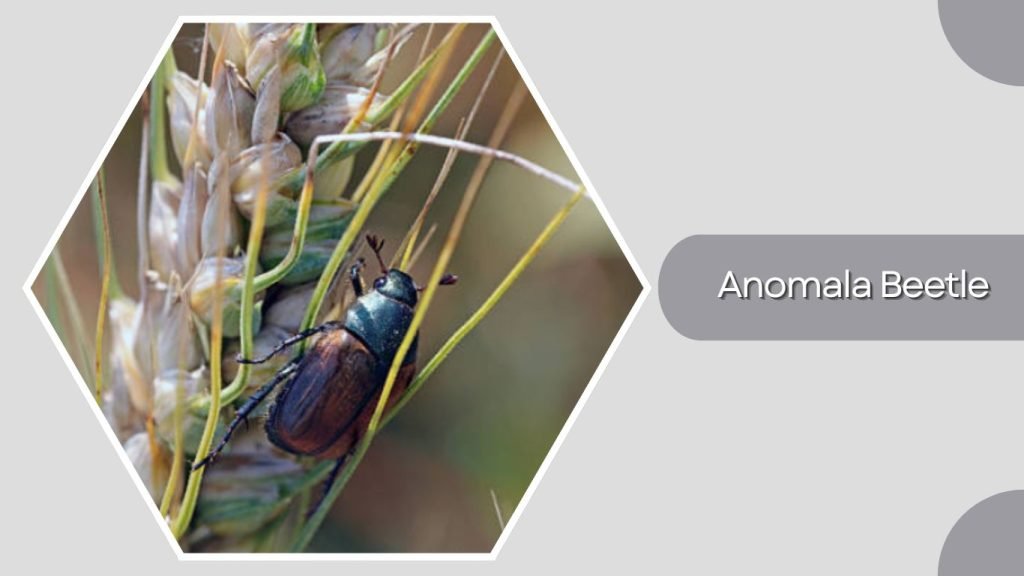
The Anomala beetle is a group of scarab beetles commonly referred to as shining leaf chafers. These beetles are known for their glossy appearance and are often found feeding on plant foliage.
Identification
Anomala beetles vary in size, usually between 10–20 mm long. They often have a shiny, metallic green, bronze, or golden body. Their smooth, rounded shape and reflective surface make them easy to recognize.
Habitat and Distribution
They are widely distributed across Asia, Europe, and parts of the Americas. These beetles are commonly found in forests, gardens, and agricultural fields.
Key Characteristics
- Glossy, metallic body coloration
- Rounded, smooth shape
- Active fliers
- Associated with foliage feeding
Damage and Impact
Adult Anomala beetles feed on leaves, sometimes causing defoliation in crops and ornamental plants. Their larvae, like other scarab grubs, feed on roots, which can weaken plants and reduce growth in severe infestations.
29. Pelidnota Beetle
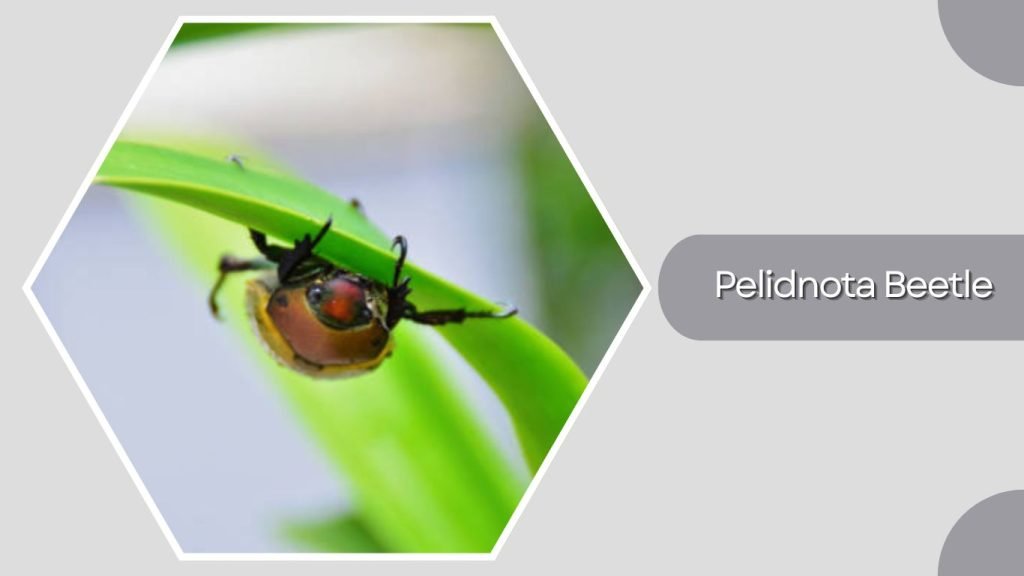
The Pelidnota beetle, often called a grapevine beetle in some species, is a visually striking scarab known for its smooth, glossy appearance. While generally not a major pest, it can sometimes affect ornamental plants and fruit crops.
Identification
Pelidnota beetles are medium-sized, about 12–25 mm long. They often have a shiny yellow, tan, or golden body with or without small dark spots. Their bodies are oval and smooth, giving them a polished look. Larvae are white grubs that live in soil or decaying wood.
Habitat and Distribution
They are commonly found in North and South America. Pelidnota beetles prefer forests, gardens, and areas with abundant vegetation, especially near grapevines and trees.
Key Characteristics
- Smooth, glossy yellow or tan body
- Oval, compact shape
- Strong flying ability
- Associated with vines and trees
Damage and Impact
Adult beetles feed on leaves, sometimes causing minor defoliation. Larvae typically develop in decaying wood or organic matter and are not considered harmful. Overall, they are minor pests with limited economic impact.
30. Dynastes Beetle
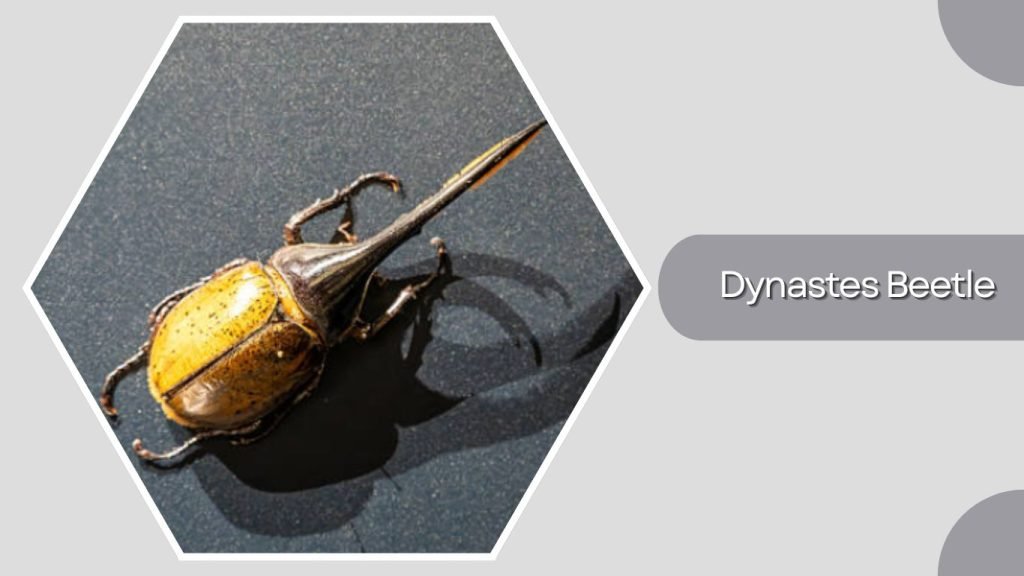
The Dynastes beetle is a group of large rhinoceros beetles that includes some of the most impressive scarabs in the world, such as the Hercules beetle. They are admired for their size and horned appearance rather than feared as pests.
Identification
Dynastes beetles are large, ranging from 5–17 cm depending on the species. Males have prominent horns used for fighting, while females lack horns and have a more rounded shape. Their coloration varies from greenish to black, sometimes changing with humidity.
Habitat and Distribution
They are found mainly in Central and South America, particularly in tropical rainforests. These beetles thrive in humid environments with plenty of decaying organic material.
Key Characteristics
- Large size with heavy body
- Prominent horns in males
- Strong but generally harmless
- Associated with forest ecosystems
Damage and Impact
Dynastes beetles are not harmful to crops. Adults feed on fruit and tree sap, while larvae help decompose organic matter. They contribute to nutrient cycling and play a beneficial role in maintaining healthy ecosystems.
31. Phanaeus Beetle
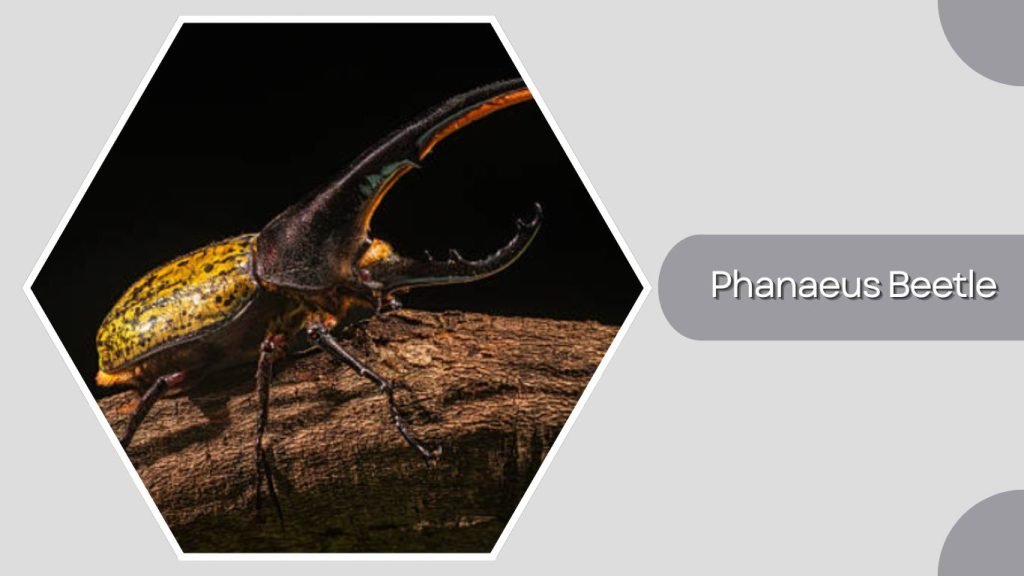
The Phanaeus beetle is a type of dung beetle known for its brilliant metallic coloration and ecological importance. It is often seen rolling dung into balls, which it uses for feeding and reproduction. These beetles are beneficial and play a key role in maintaining healthy ecosystems.
Identification
Phanaeus beetles are medium-sized, typically around 10–25 mm long. They are معروف for their bright metallic colors, including shades of blue, green, and red. Males often have a horn on their head, while females may have a smaller or no horn.
Habitat and Distribution
They are commonly found in North and Central America, especially in grasslands, pastures, and open woodland areas where animal dung is available.
Key Characteristics
- Bright metallic coloration
- Males often have a head horn
- Strong association with dung
- Active during warm seasons
Damage and Impact
Phanaeus beetles are highly beneficial. They break down and bury dung, improving soil fertility and reducing parasites. Their activity supports nutrient recycling and does not harm crops or plants.
32. Onthophagus Beetle
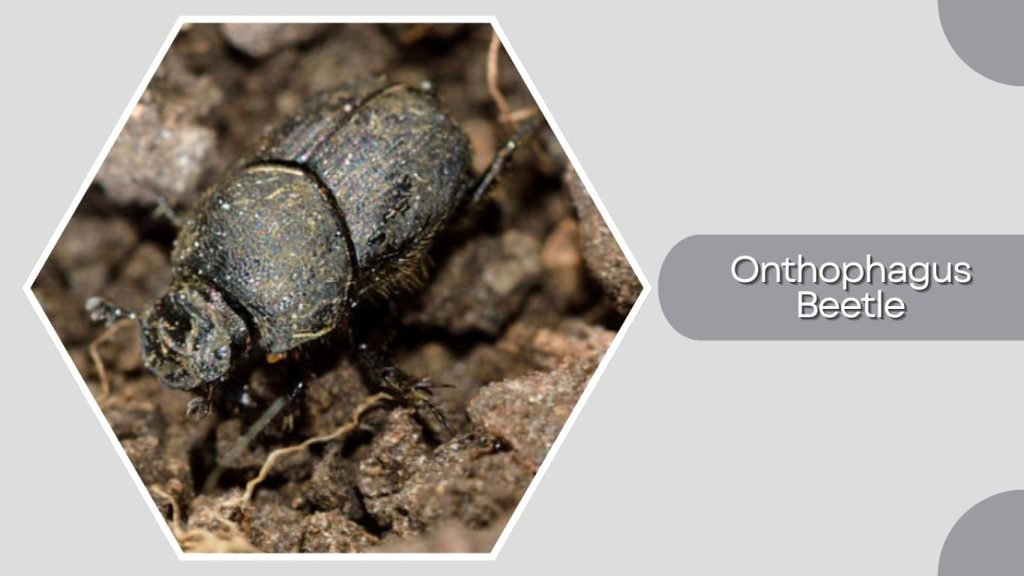
The Onthophagus beetle is another well-known dung beetle group recognized for its wide diversity and ecological role. Many species are small but highly efficient at recycling animal waste in various environments.
Identification
Onthophagus beetles are generally small, about 3–12 mm long. They are usually dark brown or black, though some species may have metallic shades. Males often have small horns or projections on their heads.
Habitat and Distribution
They are found worldwide, especially in areas with livestock or wildlife. Onthophagus beetles inhabit grasslands, forests, and agricultural fields.
Key Characteristics
- Small size with compact body
- Some species have small horns
- Strong association with dung
- Highly adaptable to different environments
Damage and Impact
Onthophagus beetles are beneficial insects. They help decompose dung, enrich soil nutrients, and reduce pest populations. Their presence is essential for maintaining balanced ecosystems and they do not cause harm to crops.
