

Tiny red bugs on plants can worry any gardener, especially when they appear suddenly on tomatoes, peppers, herbs, or indoor houseplants. These bright red or reddish-orange pests often cluster on stems, leaves, or even soil, and in some cases they leave red stains when crushed. While some species are completely harmless, others can cause serious plant damage. This guide explains what these bugs are, how to identify them, and the first steps to remove them safely.
Identification
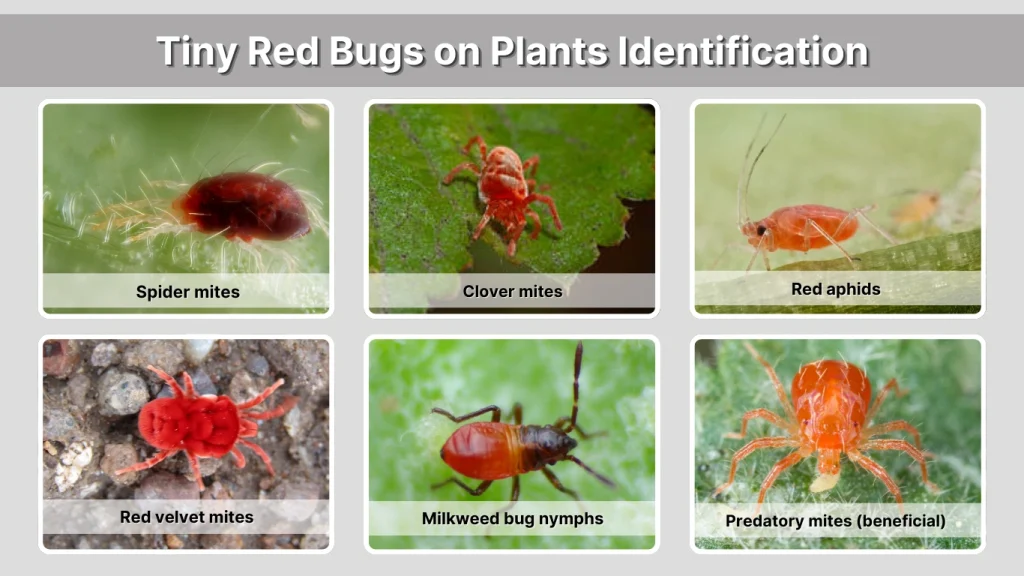
- Spider mites
- Clover mites
- Red aphids
- Red velvet mites
- Milkweed bug nymphs
- Predatory mites (beneficial)
Spider Mites
Spider mites are one of the most common tiny red bugs found on tomato plants, pepper plants, cannabis, cucumbers, squash, and many indoor plants. They are extremely small—often less than 1 mm—and may appear red, orange, or translucent depending on species and life stage. These mites suck sap from plant tissues, causing a dusty appearance, stippling, mottling, and eventual leaf yellowing.
A key sign of spider mites is the presence of fine webbing on the underside of leaves or between stems. When populations explode, you may see “thousands of tiny dots” moving on leaves and stems. Infestations worsen in hot, dry weather or on stressed plants. Left untreated, spider mites can severely stunt growth and reduce fruit yield on tomatoes, beans, squash, zucchini, peppers, and cannabis.
Clover Mites
Clover mites are bright red, fast-moving, and extremely tiny. Unlike spider mites, they do not weave webs and generally do not damage plants. These mites often gather on bricks, pots, walls, and patio surfaces near outdoor plants. When crushed, they leave a distinct red stain, which is why people often notice them on fingers or clothing after handling infested surfaces.
Although they crawl on plants, clover mites rarely feed on garden vegetation. They are more of a nuisance than a threat. They tend to appear in large numbers during spring and early summer, especially in sunny areas near well-fertilized turf or container gardens.
Red Aphids
Some aphid species have red or orange morphs that can be mistaken for mites. Unlike spider mites, aphids are soft-bodied, pear-shaped insects that move slowly and cluster on stems, leaf undersides, flower buds, and new growth. Red aphids commonly affect hibiscus, beans, peppers, basil, tomatoes, and milkweed.
These aphids feed by piercing plant tissues and sucking sap, causing curling leaves, sticky honeydew, sooty mold, and distorted new growth. While less destructive than spider mites, heavy infestations can weaken vegetable and ornamental plants and reduce flowering and fruit development.
Red Velvet Mites
Red velvet mites are larger, fuzzy, bright red mites commonly seen crawling on soil, mulch, and the base of outdoor plants. Although their color makes them highly noticeable, they are beneficial predators that feed on pest insects and eggs. They rarely climb foliage high enough to damage edible or ornamental plants. Their presence often indicates a healthy soil ecosystem rather than a pest problem.
Milkweed Bug Nymphs
Many gardeners confuse the bright red or orange nymphs of milkweed bugs with plant-eating pests. These small, wingless insects cluster around milkweed plants, feeding mainly on seeds. They do not harm tomatoes, peppers, cucumbers, or other vegetables, and they play a role in the natural life cycle of milkweed patches.
When found away from milkweed, they may simply be wandering or searching for new food sources, but they rarely infest garden vegetables.
Bite, Size & Appearance
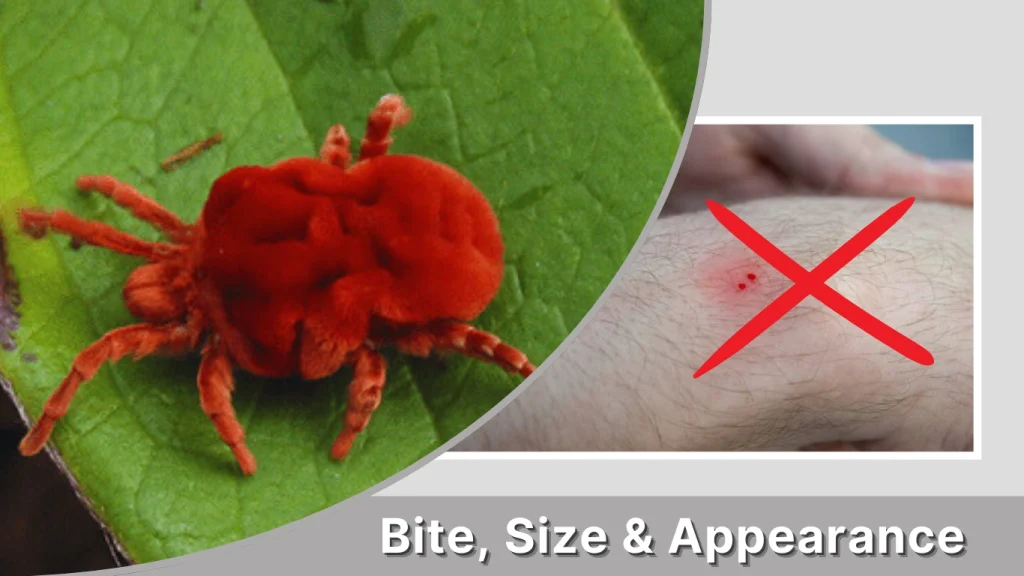
Most tiny red bugs on garden plants are non-biting. Spider mites do not bite humans, and clover mites are physically unable to pierce skin. Red aphids and milkweed nymphs also pose no threat to people or pets. Sizes vary dramatically: clover mites and spider mites are smaller than a pinhead, while red velvet mites may be several millimeters long.
Coloration can shift depending on temperature, age, and species. Some spider mites appear reddish only when populations explode or when plants are severely stressed. Others, such as broad mites, may look amber or pale but develop reddish bodies in certain conditions.
Range & Habitat
These tiny red bugs appear worldwide, but they are especially common in warm, dry regions and in areas with dense vegetation. Spider mites thrive in states like California, Texas, Florida, and the Midwest—including southern Wisconsin—where hot weather encourages rapid reproduction. Clover mites prefer sunny walls, patios, lavender plants, and well-fertilized lawns. Red aphids cluster on beans, peppers, tomatoes, hibiscus, angel trumpet, and milkweed throughout North America.
Behavior & Damage
The behavior of tiny red plant bugs varies depending on species, but sap-feeding mites and aphids cause the most harm. Spider mites puncture plant cells, extracting fluids and leaving behind pale speckling known as stippling. As their population grows, leaves turn yellow, dry out, and fall prematurely. Their webbing protects colonies, making them harder to wash away or spray effectively.
Aphids cause curling, distorted leaves, and secrete sticky honeydew that attracts ants and leads to sooty mold. Clover mites swarm in huge numbers but cause minimal plant damage—they are more of an annoyance. Red velvet mites are predatory and beneficial, feeding on harmful insects. Milkweed bug nymphs cluster on milkweed seed pods and are rarely destructive.
Some gardeners notice “thousands of red bugs on stems” or red stains on fingers when crushed—signs pointing to clover mites rather than plant-damaging species. Still, rapid identification is essential to prevent severe losses in tomatoes, peppers, basil, cannabis, strawberries, beans, cucumbers, squash, and other vegetables.
Plant-Specific Sections
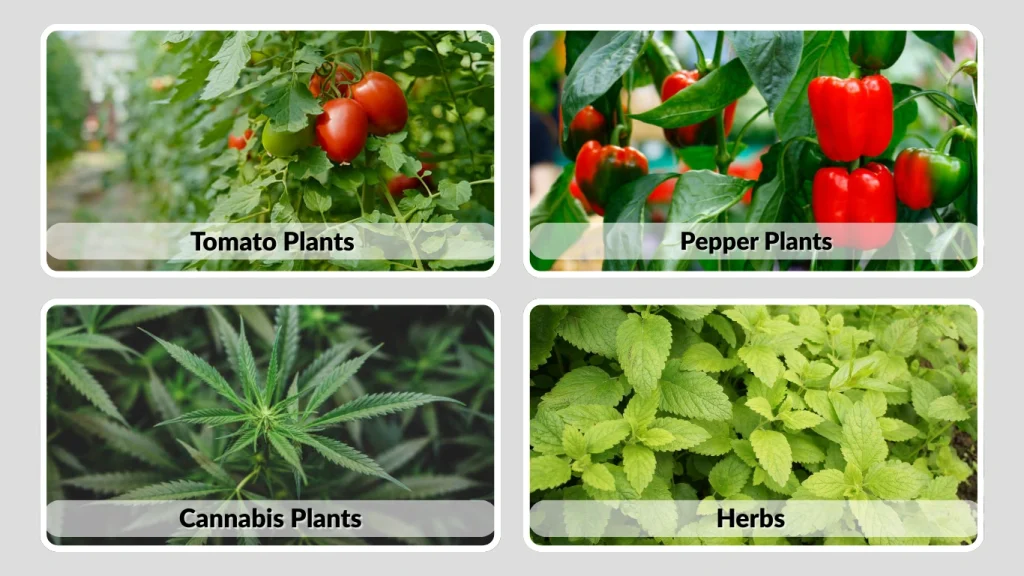
Tomato Plants
Tomatoes are highly vulnerable to red spider mites, which thrive under hot, dusty conditions. Infested plants display tiny red dots, pale speckles, and fine webbing under leaves. Red aphids may cluster around new shoots, while red and white mites sometimes appear during heat waves. Heavy infestations reduce fruit size and overall yield.
Pepper Plants
Pepper plants often attract spider mites and small red ant-like mites that run quickly across stems. When populations surge, leaves curl, bronze, and drop. Plants grown indoors or in greenhouses are especially susceptible due to low humidity.
Cannabis Plants
Cannabis growers frequently encounter tiny red mites in soil or on buds. Spider mites attack leaf undersides, causing stippling and slow growth. Soil mites found at the base of cannabis plants are usually harmless decomposers, but red spider mites can destroy buds if not treated early.
Herbs (Basil, Mint, Lavender)
Basil and mint suffer when spider mites feed on tender leaves, leaving a dusty appearance. Lavender often hosts bright red clover mites crawling on stems and pots, especially outdoors. These mites seldom harm lavender itself but can invade patios and nearby structures.
Vegetables (Squash, Cucumber, Beans, Potatoes)
Squash and cucumbers suffer significant damage from spider mites, especially in dry weather. Beans may develop colonies of red spider mites or red aphids. Potato foliage can also host mites during drought. All these plants show stippling, leaf curl, and bronzing when infested.
Red Bugs: Clover Mites vs Spider Mites vs Aphids
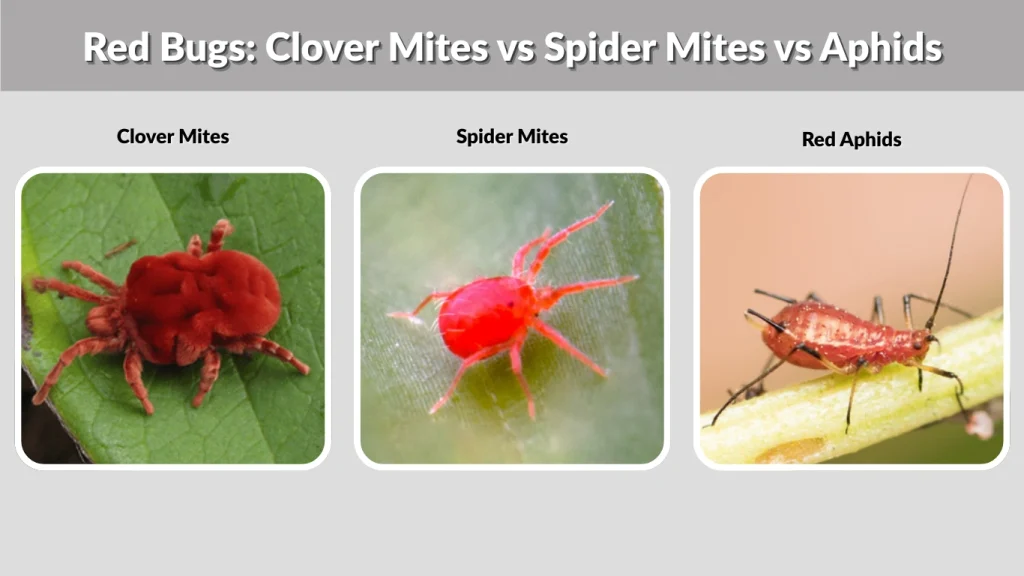
| Feature | Clover Mites | Spider Mites | Red Aphids |
| Size | Extremely tiny | Very tiny | Small, visible |
| Color | Bright red | Red/orange | Red/pink/green |
| Damage | Minimal | Severe | Moderate |
| Webbing | No | Yes | No |
| Stains red | Yes | No | No |
How to Get Rid of Tiny Red Bugs on Plants
Removing tiny red bugs depends on species, but most infestations respond well to gentle, plant-safe treatments. Start by rinsing plants with a strong stream of water to dislodge mites and aphids from leaves. This alone can reduce populations, especially in early infestations. Remove heavily damaged leaves to slow spread and improve spray contact.
Neem oil, insecticidal soap, and horticultural oils are effective against spider mites, aphids, and other soft-bodied insects. Apply thoroughly to leaf undersides where mites hide. For severe mite outbreaks, miticides or predatory mites (such as Phytoseiulus persimilis) provide strong biological control. Avoid fertilizing heavily during infestations, as lush growth attracts aphids.
For potted plants, consider replacing the top layer of soil if mites are present at the base. Improving humidity around plants also slows spider mite reproduction. Always test sprays on a small section of the plant before full application.
Prevention Tips
Keeping plants healthy is the strongest defense against tiny red bugs. Increase humidity around houseplants and greenhouse crops, since mites thrive in dry conditions. Wipe leaves regularly to prevent dust buildup and reduce mite habitat. Inspect new plants before bringing them indoors to prevent hitchhikers from spreading.
Outdoors, avoid over-fertilizing lawns near garden beds to reduce clover mite populations. Mulch soil to retain moisture and discourage mites that prefer dry surfaces. Regularly prune crowded foliage to promote airflow and reduce stress on plants.
FAQs
What are the tiny red bugs on my plants?
Most tiny red bugs are spider mites, clover mites, red aphids, or milkweed bug nymphs. Spider mites and aphids damage plants by sucking sap, while clover mites are mostly harmless. Identifying the bug’s size, speed, and whether webbing is present helps determine the correct species.
Are tiny red bugs harmful to tomato plants?
Spider mites and red aphids can cause serious harm to tomato plants. They feed on sap, weaken leaves, reduce fruit yield, and create yellow or bronze foliage. Clover mites and velvet mites, however, are harmless and do not damage tomato plants.
Do tiny red bugs bite humans?
Most tiny red bugs found on plants do not bite. Spider mites and aphids feed exclusively on plant sap, and clover mites cannot pierce human skin. Red velvet mites are beneficial predators and also do not bite people or pets.
Why do tiny red bugs appear on plant soil?
Dry soil, warm temperatures, and decaying organic matter can attract mites. Spider mites may fall onto the soil from leaves, while harmless soil mites feed on decomposing material. Identifying whether plant leaves show damage helps determine if they are harmful.
How do I stop tiny red bugs naturally?
Use strong bursts of water, neem oil, insecticidal soap, or horticultural oils. Increase humidity, remove damaged leaves, and introduce ladybugs or predatory mites. Maintaining plant health through proper watering and airflow helps prevent reinfestation.
