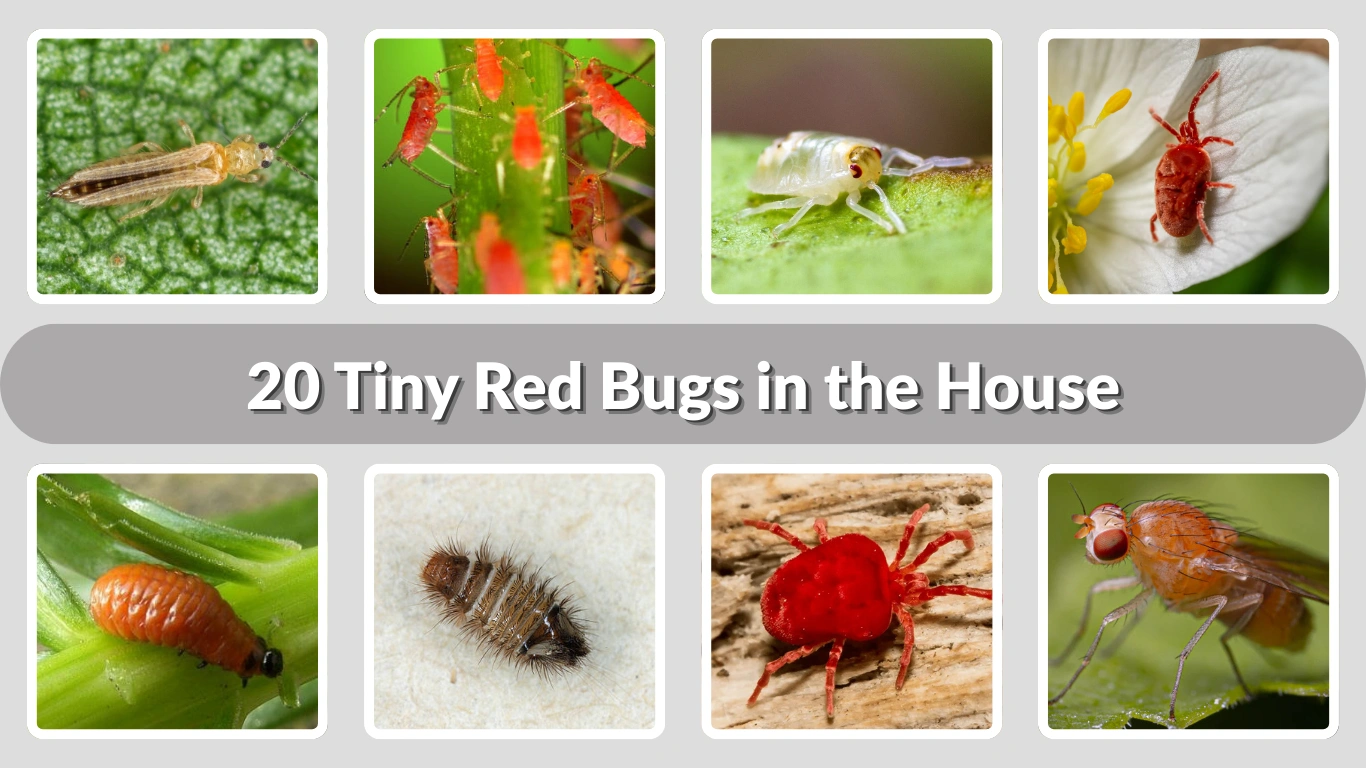
Tiny red bugs in the house can be anything from harmless mites to biting pests or plant-damaging insects. Because many species are extremely small and similar in color, homeowners often struggle to identify them correctly. This guide covers 20 real tiny red bugs, their identification traits, habitats, behaviors, and removal methods—making it easier to figure out exactly what you’re seeing and how to get rid of them safely and effectively.
1. Clover Mites
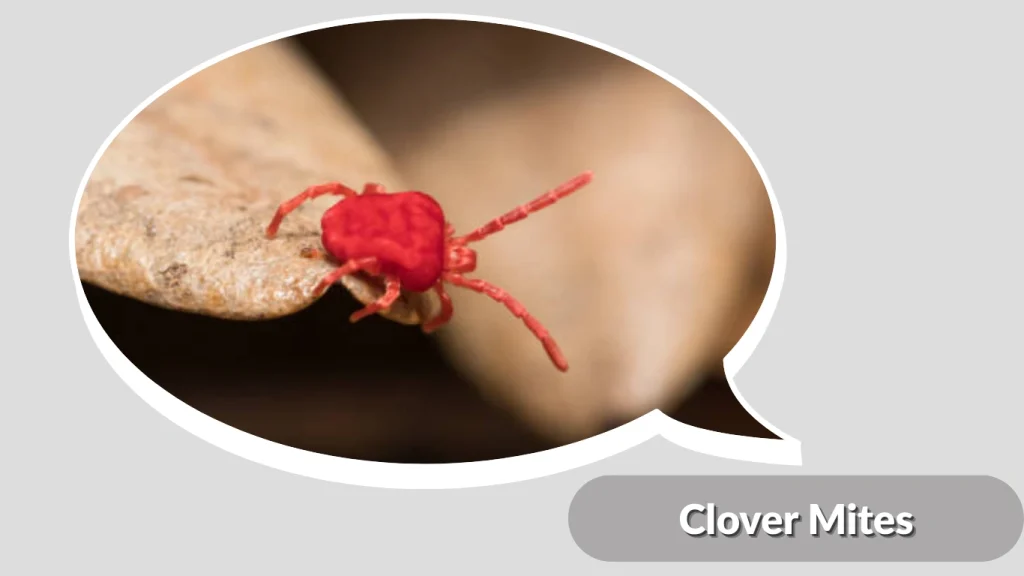
Tiny, bright-red speck-sized arachnids that often invade homes in large numbers, especially around windows, concrete, or sunny walls. They do not bite, but they stain when crushed and can appear alarming due to their color and clustering behavior.
Identification
- Extremely tiny (0.5 mm) bright-red oval body
- Long front legs that look like antennae
- Move very fast across surfaces
- Usually found on windowsills, concrete, siding, or sun-exposed walls
Habitat
Clover mites thrive in areas rich with lawn grasses, clover, moss, or fertilized vegetation. They gather on sunny walls and frequently enter homes through cracks around windows, doors, and foundation gaps. Indoors, they wander on walls and sills but cannot survive long without outdoor vegetation.
Behavior
These mites do not bite or damage homes but often appear in huge numbers during spring and fall. They are attracted to warmth and sunlight, which is why you commonly see them near windows. When crushed, they leave reddish stains caused by their body pigments.
How to Get Rid of Clover Mites
Seal entry points around windows and foundations. Reduce heavy fertilization near the house and trim vegetation away from walls. Vacuum up any mites indoors—avoid squishing. Use perimeter treatments or diatomaceous earth along entry areas if infestations are high.
2. Spider Mites
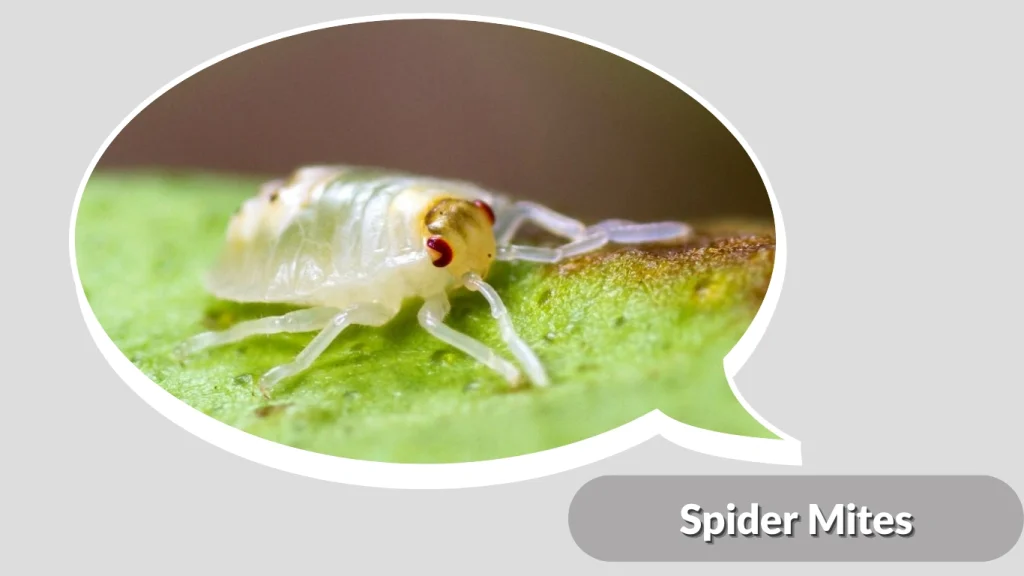
Tiny red or reddish-brown plant-feeding mites that infest houseplants and leave fine webbing. They thrive in dry indoor environments and spread quickly across leaves and stems.
Identification
- Very tiny (0.3–0.5 mm) red, brown, or orange body
- Fine webbing on plant leaves and stems
- Speckling or yellowing on leaves
- Often found in clusters on the underside of leaves
Habitat
Spider mites live on houseplants, garden plants, and ornamental leaves. They prefer warm, dry indoor conditions and commonly infest plants placed near windows or heating vents. They feed on plant sap and can spread from one plant to another with ease.
Behavior
They multiply rapidly, especially in dry air. As they feed, leaves may turn yellow, develop tiny dots, and eventually drop. Severe infestations leave plants covered in fine webbing. They do not bite humans but can spread through drafts or touching affected plants.
How to Get Rid of Spider Mites
Rinse plants thoroughly, increase humidity, and isolate infested plants. Use neem oil, insecticidal soap, or miticide sprays. Wipe leaves regularly and inspect new plants before bringing them indoors.
3. Red Flour Beetles
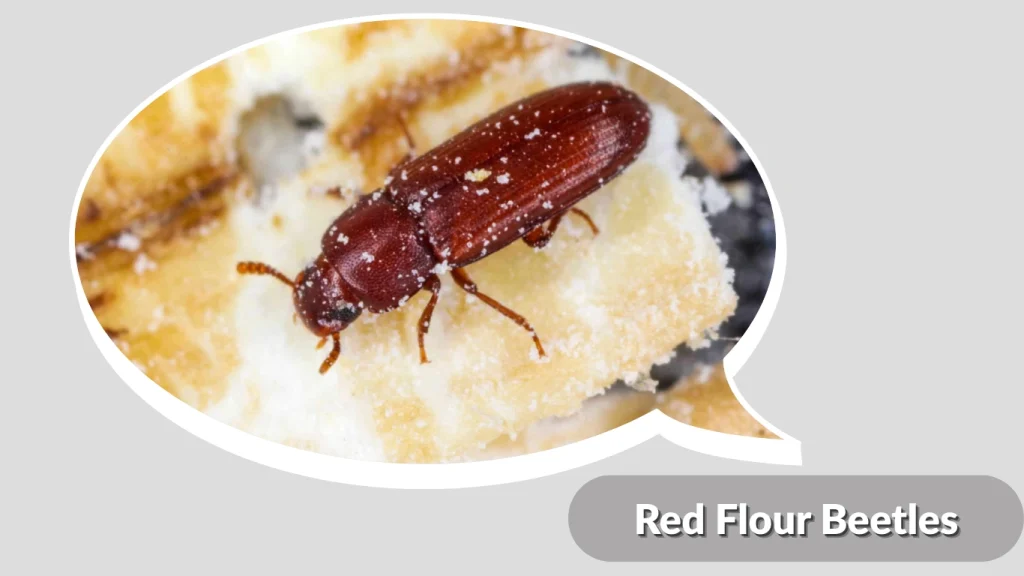
Small reddish-brown pantry pests that infest stored grains, flour, cereals, spices, and dry goods. They are common in kitchens and food storage areas.
Identification
- About 3–4 mm long with flat reddish-brown body
- Hard shell and prominent antennae
- Often found inside flour, cereals, or grain products
- Crawls rather than flies, though adults can fly if warm
Habitat
These beetles live in stored dry foods such as flour, rice, nuts, pasta, and spices. They thrive in warm kitchen cabinets or pantries where food is kept for long periods. They can spread through contaminated food packages or storage bins.
Behavior
Red flour beetles reproduce quickly in food sources. They contaminate food with droppings, shed skins, and odor. They may wander outside food packages in search of new sources. They do not bite but cause significant pantry infestations if not controlled.
How to Get Rid of Red Flour Beetles
Throw away infested food, clean shelves thoroughly, and store new items in airtight containers. Vacuum cracks and corners. Use pheromone traps or freeze dry goods for 48 hours to kill eggs and larvae before storage.
4. Confused Flour Beetles
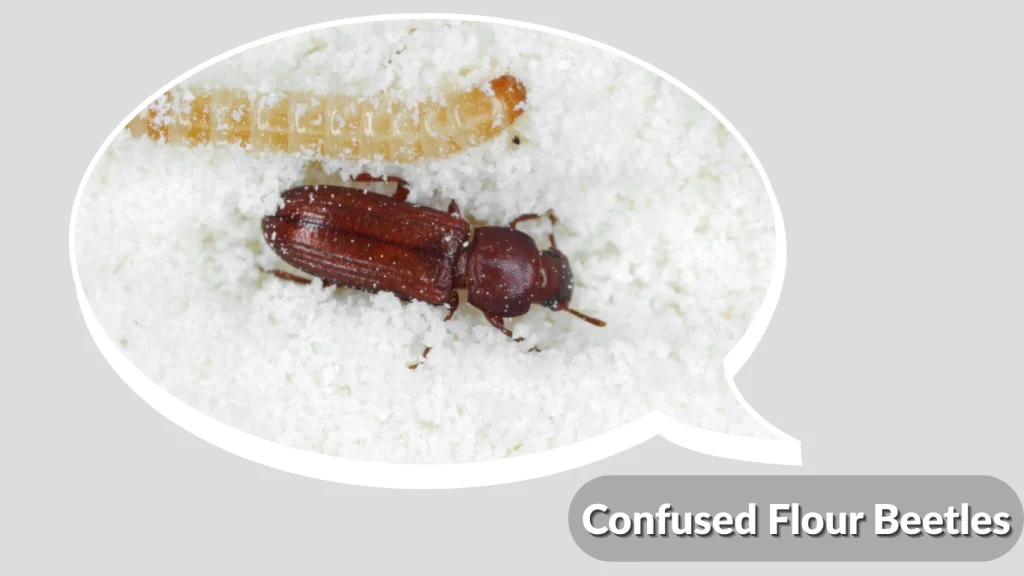
Reddish-brown pantry pests nearly identical to red flour beetles but more common in cooler indoor environments. They infest grain-based foods and often spread throughout pantries.
Identification
- Tiny (3–4 mm) elongated reddish-brown beetle
- Hard shell with clubbed antennae
- Found inside flour, cereals, grains, and spices
- Cannot fly, unlike the red flour beetle
Habitat
These beetles thrive in pantries, kitchen cabinets, and storage rooms containing dry goods. They hide in cracks of shelves and food packaging. Infestations often start from a contaminated store-bought item and spread quickly indoors.
Behavior
Confused flour beetles breed continuously in food sources, contaminating items with cast skins and waste. They crawl actively around shelves and containers, searching for new food sources. Though harmless to humans, they can ruin a large amount of stored food.
How to Get Rid of Confused Flour Beetles
Discard infested foods immediately. Clean shelves with soapy water and vacuum corners. Store all grains in glass or plastic airtight containers. Use pantry traps to monitor activity and freeze dry goods before long-term storage.
5. Booklice
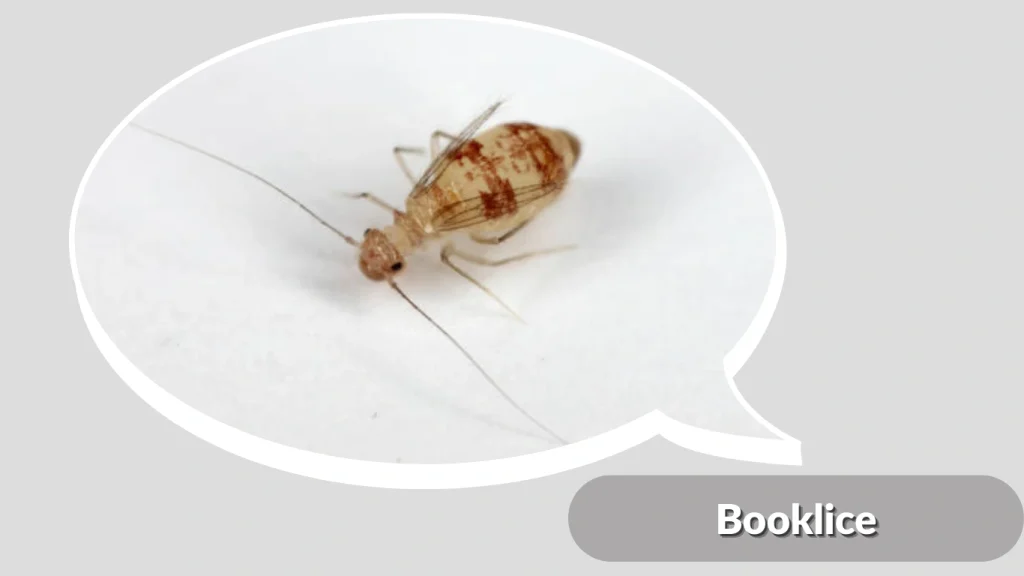
Extremely tiny, pale to reddish-brown insects found in damp indoor areas. They feed on mold, paper, old books, cardboard, and humid spaces around kitchens and bathrooms.
Identification
- Very small (1–2 mm) soft-bodied insect
- Pale tan to reddish-brown color
- Found on books, cardboard, stored papers, or damp walls
- Moves quickly and often appears in clusters
Habitat
Booklice live in areas with excess moisture, such as basements, bathrooms, window frames, and kitchen cupboards. They thrive on microscopic mold growth found on paper products, grains, and damp wood surfaces.
Behavior
These insects do not bite or damage structures but multiply quickly in humidity. They move rapidly across shelves and walls, often alarming homeowners due to their numbers. Mold growth, moisture leaks, or high humidity usually trigger infestations.
How to Get Rid of Booklice
Reduce indoor humidity with ventilation or dehumidifiers. Remove mold sources and clean affected surfaces. Store papers and cardboard in dry areas. Use airtight containers for food and keep rooms well-ventilated to prevent re-infestation.
6. Red Phorid Flies
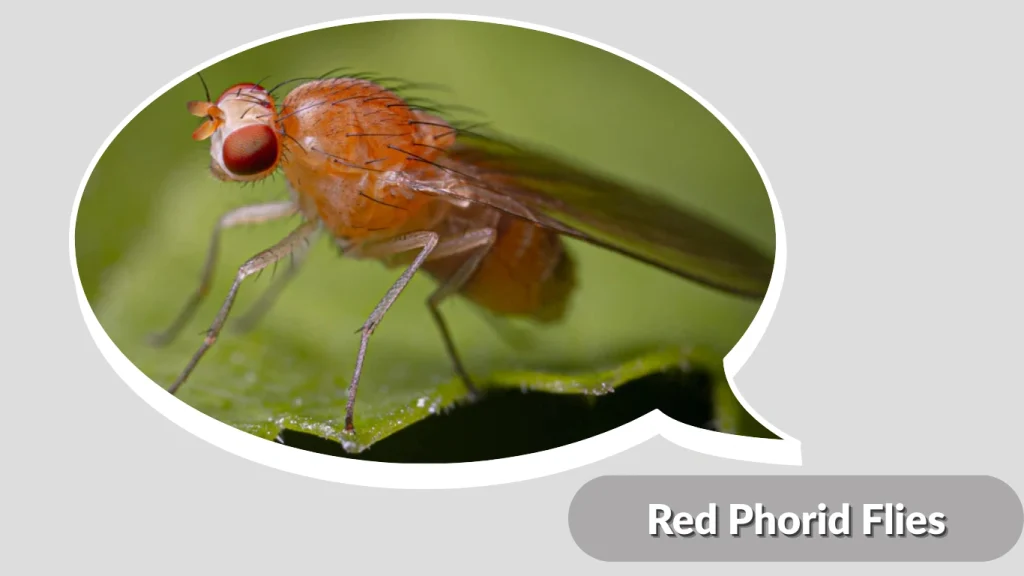
Tiny reddish-brown flies often found around drains, garbage, damp areas, or decaying organic matter. They are known for their quick, darting movement and tendency to run rather than fly.
Identification
- Very small (1–3 mm) red to brown fly
- Hump-backed body shape
- Runs rapidly across surfaces before flying
- Found near drains, trash, moisture, or decaying material
Habitat
Red phorid flies live in damp indoor environments such as sink drains, garbage bins, cracked septic lines, and areas with organic buildup. They also inhabit overwatered potted plants or wet flooring. They thrive where moisture and decaying debris are present.
Behavior
These flies breed in organic waste, plumbing leaks, and moist soil. They move in quick, erratic patterns and can appear suddenly in bathrooms or kitchens. While they do not bite, their presence indicates a moisture or sanitation issue indoors.
How to Get Rid of Red Phorid Flies
Clean drains, repair leaks, remove trash promptly, and avoid overwatering plants. Use enzymatic drain cleaners and sticky traps. Address moisture at the source to eliminate breeding areas.
7. Fungus Gnats (Red-Tinged Species)
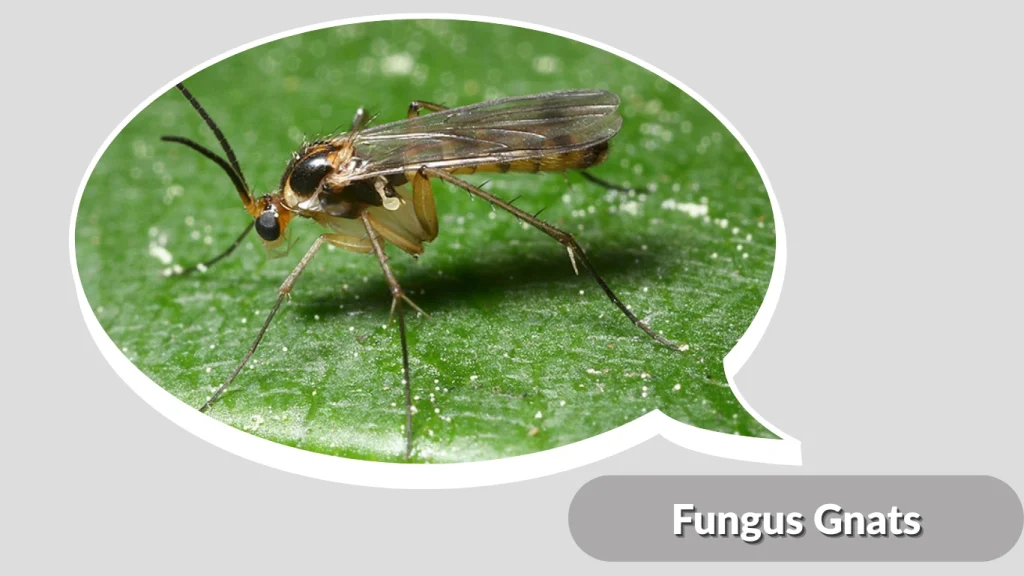
Tiny flying insects that live in houseplant soil. Some species have slightly reddish or dark-red bodies, especially when newly emerged.
Identification
- Small (2–4 mm) slender dark flies with slight red tint
- Long legs and bead-like antennae
- Larvae found in moist potting soil
- Often seen flying around indoor plants
Habitat
Fungus gnats thrive in damp potting mixes with high moisture content. They inhabit plant pots, trays, and soil with organic matter. Homes with many indoor plants, especially in winter, often experience recurring infestations.
Behavior
Adults fly slowly around plants and windows. Larvae feed on decaying organic matter and sometimes plant roots, causing wilting or yellowing. These bugs do not bite, but they reproduce rapidly in consistently damp soil.
How to Get Rid of Fungus Gnats
Allow soil to dry between waterings, add sand or gravel to the top layer, and use sticky traps. Apply neem oil or hydrogen-peroxide soil treatments. Ensure pots have proper drainage to prevent breeding.
8. Grain Beetles (Sawtoothed & Merchant Grain Beetles)
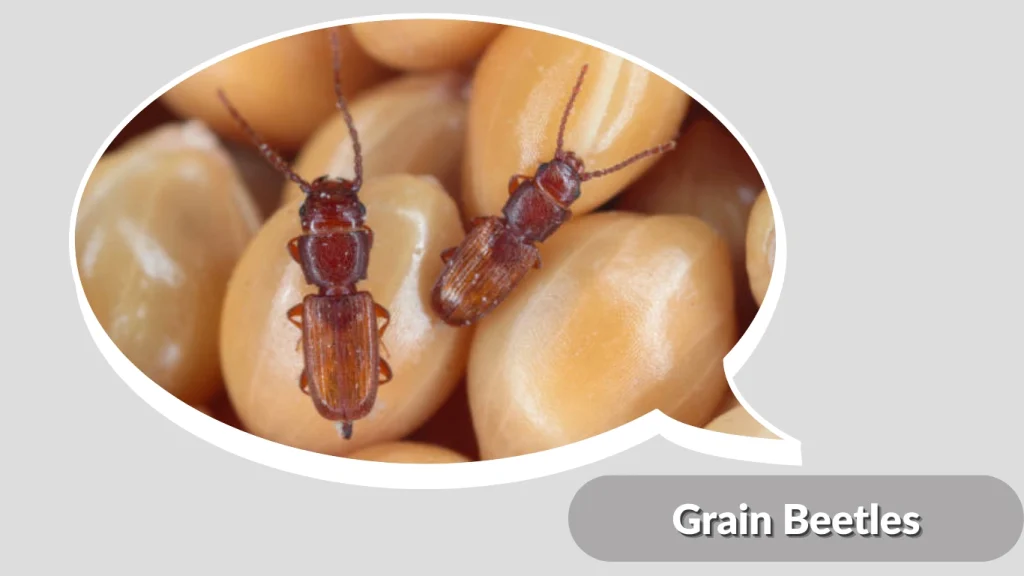
Tiny reddish-brown pantry pests that infest cereals, rice, pasta, nuts, and packaged dry foods. They often crawl along pantry shelves and inside food bags.
Identification
- Very small (2.5–3 mm) flat, reddish-brown body
- Saw-like projections on each side of the thorax
- Found inside grain products or crawling on shelves
- Cannot fly (sawtoothed) or can fly (merchant), depending on species
Habitat
Grain beetles thrive in pantries, cupboards, and food storage areas containing grain-based products. They hide in cardboard boxes, bags, and container seams. Infestations often spread from a single contaminated product to the entire pantry.
Behavior
These beetles reproduce inside food packages, contaminating dry goods with larvae, droppings, and debris. They crawl rapidly and may appear wandering outside containers in search of new food sources. They do not bite or harm humans.
How to Get Rid of Grain Beetles
Dispose of infested foods, vacuum shelves, and wipe surfaces thoroughly. Store new items in airtight containers. Freeze dry goods before storage. Use pantry traps to detect lingering beetles.
9. Red Velvet Mites
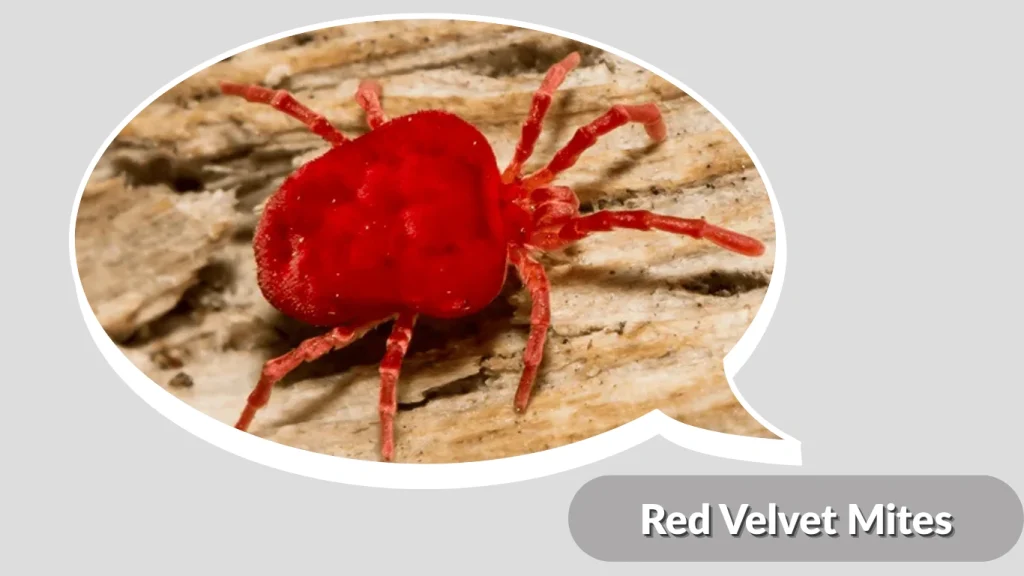
Bright, velvety red mites that are larger than typical house mites but can occasionally wander indoors from soil or concrete surfaces.
Identification
- Bright red, velvety body about 1–2 mm
- Soft, rounded appearance
- Moves slowly compared to clover mites
- Often found on concrete, soil, patios, or walls
Habitat
Red velvet mites live outdoors in soil, leaf litter, gardens, and under rocks. They typically stay outside but may crawl indoors through gaps near foundations, basements, or patios, especially after rains or during warm weather.
Behavior
These mites are harmless and do not bite, stain, or infest homes. They feed on small insects and eggs outdoors. Indoors, they wander briefly and die off quickly. Their vivid red coloration makes them easy to spot.
How to Get Rid of Red Velvet Mites
Seal entry points around foundations, reduce soil contact with walls, and keep windows tightly sealed. Sweep or vacuum mites indoors. Outdoor barriers or diatomaceous earth can help reduce movement near structures.
10. Chiggers (Accidentally Indoors)
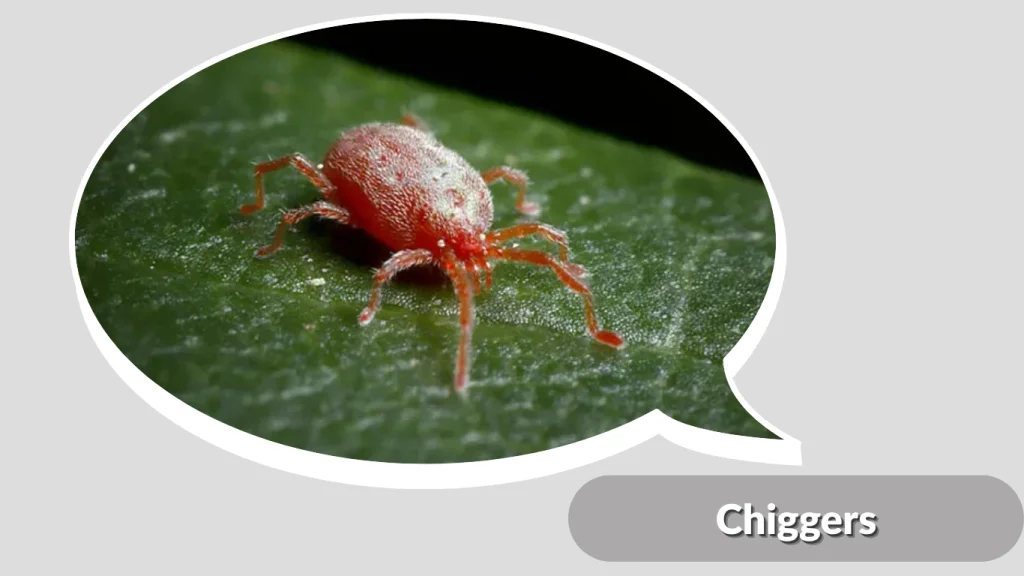
Tiny red biting mites usually found outdoors but sometimes brought into houses on clothing, pets, or shoes. They are known for causing intense itching.
Identification
- Extremely small (0.2–0.4 mm) bright red body
- Hard to see without magnification
- Causes itchy red welts on skin
- Often found on clothing, carpets, or pet bedding after outdoor exposure
Habitat
Chiggers live in grassy, damp, or wooded outdoor areas. They do not naturally infest homes but can be carried indoors accidentally. Once inside, they survive only briefly because they require outdoor environments to live and breed.
Behavior
Chiggers bite by attaching to skin and injecting digestive enzymes that cause severe irritation. They do not burrow into skin. Indoors, they wander for a short time before dying. Bites often appear in clusters or around clothing edges.
How to Get Rid of Chiggers
Wash clothing, bedding, and vacuum carpets thoroughly. Treat pets if exposed outdoors. Reduce tall grass and weeds around the home. Applying insect repellents and washing after coming indoors helps prevent future bites.
11. Carpet Beetle Larvae
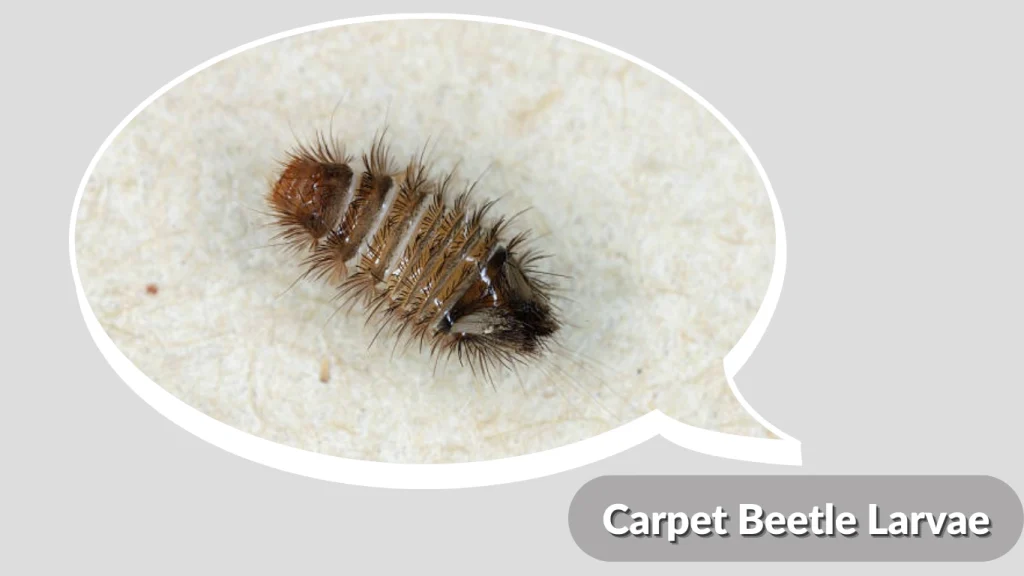
Tiny reddish-brown, hairy larvae that infest fabrics, carpets, clothing, and stored textiles. They are responsible for most carpet beetle damage indoors.
Identification
- Small (2–5 mm) elongated, reddish-brown or tan larva
- Covered with small bristles or hairs
- Found on carpets, clothing, baseboards, or closets
- Moves slowly and curls when disturbed
Habitat
Carpet beetle larvae live in dark, undisturbed indoor areas such as closets, under furniture, along baseboards, and inside storage boxes. They feed on natural fibers including wool, silk, fur, feathers, and lint.
Behavior
Larvae feed on fabric materials and can damage carpets, blankets, upholstery, and clothing. They avoid bright light and hide during the day. They do not bite humans but may cause allergic reactions in sensitive individuals.
How to Get Rid of Carpet Beetle Larvae
Vacuum carpets, furniture, and baseboards thoroughly. Launder or clean infested fabrics. Store clothing in sealed bags. Use insecticidal sprays or diatomaceous earth in cracks and corners. Regular cleaning prevents reinfestation.
12. Minute Brown Scavenger Beetles
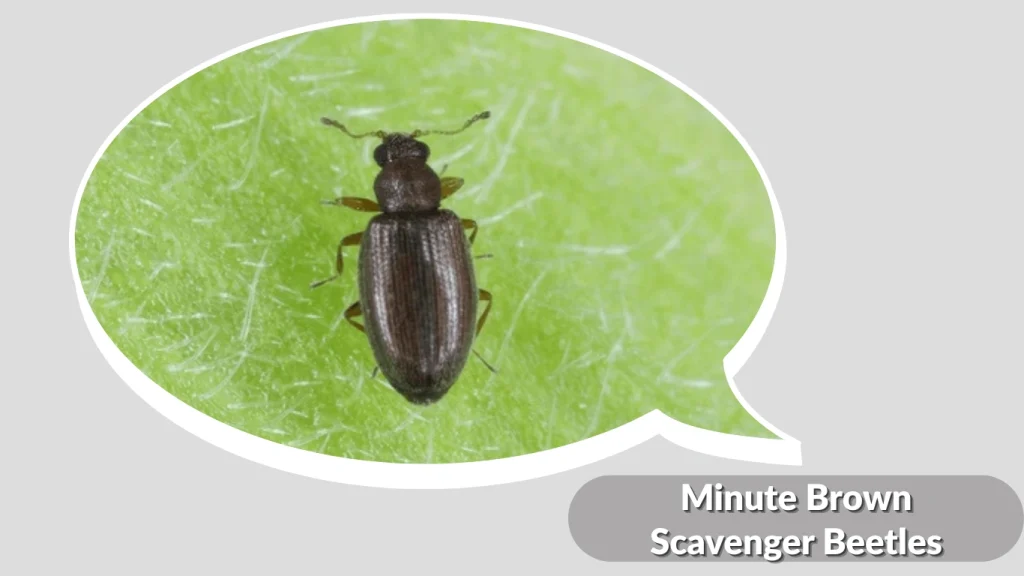
Tiny reddish-brown beetles commonly found in kitchens, bathrooms, and damp indoor areas. They often appear after moisture problems or mold growth.
Identification
- Very small (1–2 mm) reddish-brown oval beetle
- Hard shell and slow movement
- Attracted to moisture, mold, and decaying organic matter
- Often seen around sinks, bathrooms, or stored food packaging
Habitat
These beetles thrive in humid indoor environments where microscopic fungi or organic debris are present. They often appear in newly built homes, recently flooded areas, or rooms with excess moisture. They hide in cracks, cupboards, and damp corners.
Behavior
Minute scavenger beetles feed on mold and organic particles. They fly toward lights and may gather near windows. Though harmless to humans and structures, their presence indicates underlying moisture or fungal issues that need attention.
How to Get Rid of Minute Brown Scavenger Beetles
Fix moisture leaks, improve ventilation, and remove mold sources. Clean affected areas thoroughly. Use dehumidifiers and seal cracks around sinks or cabinets. Once humidity is controlled, beetle populations naturally decline.
13. Red Lily Beetle Larvae
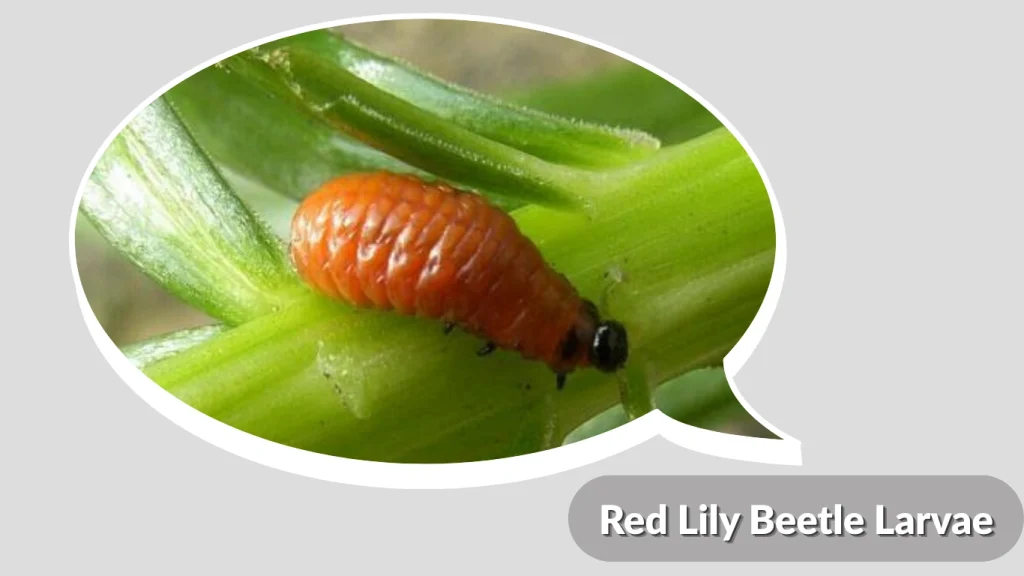
Soft-bodied, reddish-brown larvae that come from the red lily beetle. They sometimes enter homes on potted lilies or garden plants.
Identification
- Small (3–8 mm) reddish-brown, soft larvae
- Often covered in dark fecal coating for protection
- Found on lily leaves or soil around potted plants
- Sluggish movement and rounded body
Habitat
These larvae live primarily on lilies, daylilies, and related plants. They feed on leaves outdoors or on indoor potted lilies. If infested plants are brought inside, larvae may wander onto nearby surfaces or windowsills.
Behavior
Larvae feed heavily on plant foliage, creating holes or stripping leaves. They stay close to host plants and move slowly. They do not bite humans, but heavy plant damage can occur if left untreated.
How to Get Rid of Red Lily Beetle Larvae
Inspect plants and remove larvae by hand. Rinse leaves and use neem oil or insecticidal soap. For indoor plants, isolate the pot and clean surrounding areas to prevent wandering larvae.
14. Springtails (Red Species)
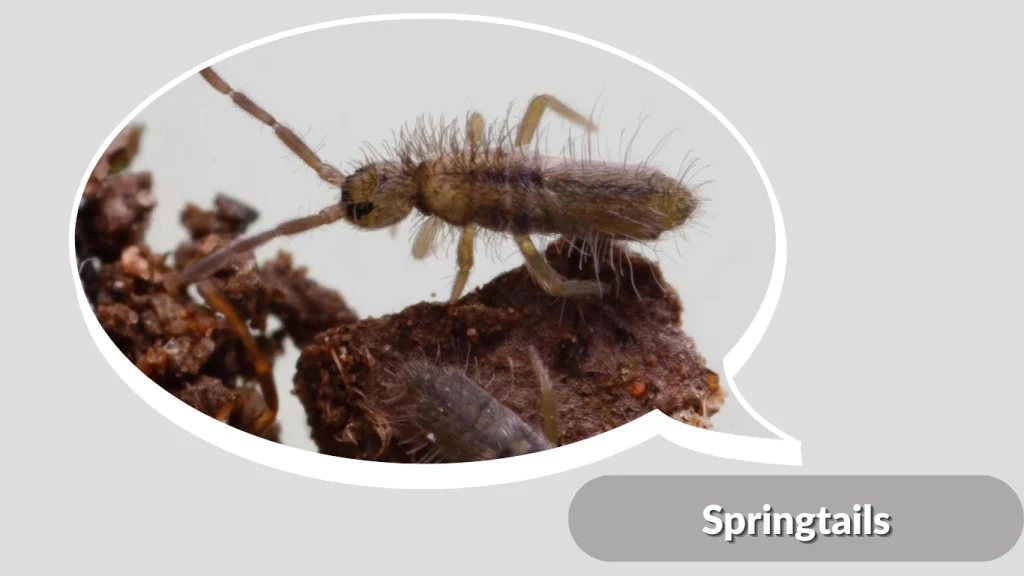
Very tiny moisture-loving insects that sometimes appear red or reddish-brown. They gather in bathrooms, kitchens, basements, and around houseplants, especially where humidity is high.
Identification
- Extremely small (1–2 mm) red or reddish-brown body
- Jump when disturbed, using a spring-like tail
- Often seen near sinks, drains, plants, or damp floors
- Move in groups and scatter quickly
Habitat
Springtails thrive in moist environments such as bathrooms, basements, kitchens, and plant soil. They live in damp organic material, mold, and soil. Homes with high humidity or water leaks provide ideal conditions for them.
Behavior
These insects do not bite and are harmless, but they can appear in large numbers during periods of high moisture. They jump rapidly when touched and often gather around drains, tub edges, and plant pots. Populations decline once moisture is reduced.
How to Get Rid of Springtails
Reduce humidity, fix leaks, and improve airflow. Let soil dry out between waterings. Clean damp areas and use dehumidifiers as needed. Once moisture is controlled, springtail numbers drop naturally.
15. Red Wood Mites
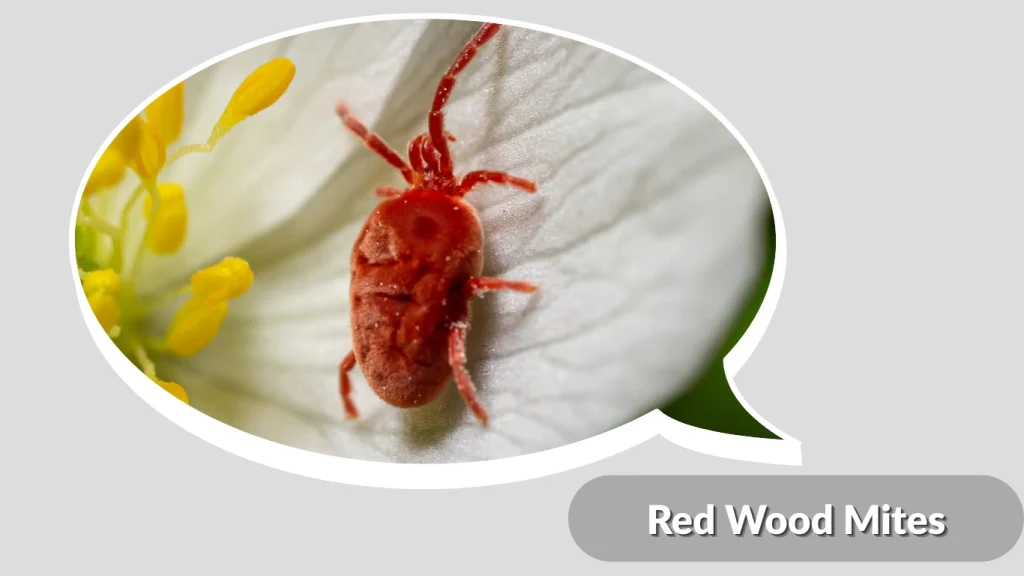
Small bright-red mites found outdoors on concrete, wood, patios, and bricks. They can occasionally wander indoors through cracks or open windows.
Identification
- Tiny (1–1.5 mm) vivid red body
- Smooth and slightly rounded appearance
- Moves faster than velvet mites but slower than clover mites
- Usually seen on outdoor walls, patios, or foundations
Habitat
Red wood mites live outdoors on wood surfaces, fences, logs, concrete, and bricks. They thrive in warm weather and feed on tiny insects, eggs, or organic debris. They rarely infest homes but may come inside by accident.
Behavior
They are harmless and do not bite, stain, or damage materials. Most sightings occur on sunny exterior walls or patios. When indoors, they wander briefly before dying because they cannot survive without outdoor conditions.
How to Get Rid of Red Wood Mites
Seal cracks around windows and foundations. Reduce soil and wood contact with house walls. Sweep or vacuum mites indoors. Outdoor perimeter treatments or diatomaceous earth can reduce their movement near the structure.
16. Broad Mites
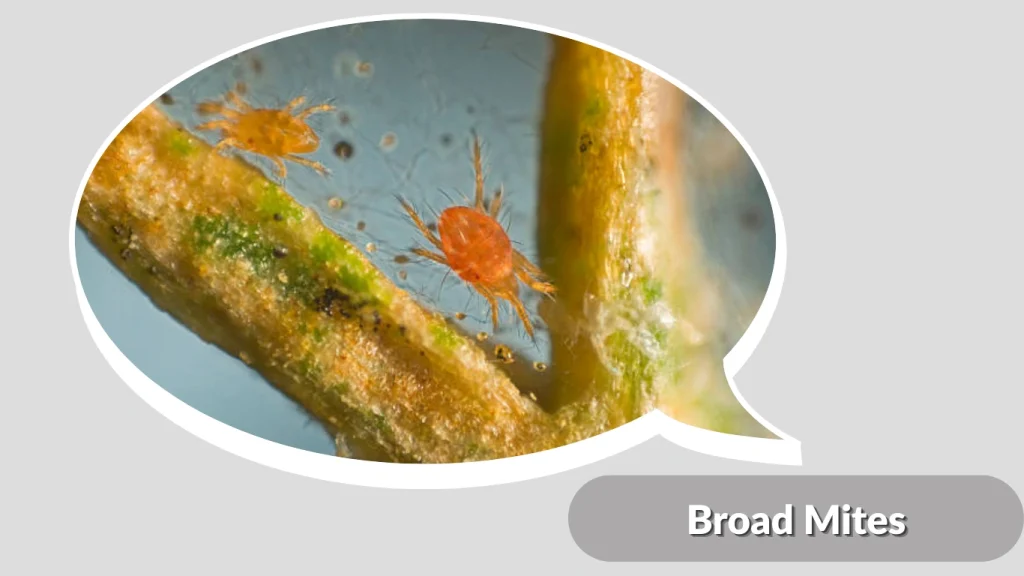
Microscopic reddish or amber-colored mites that infest houseplants and cause distorted, curling leaves. They are extremely small and often require magnification to identify.
Identification
- Very tiny (0.1–0.2 mm) red, amber, or translucent body
- Found on new plant growth or leaf undersides
- Causes leaf curling, blistering, and stunted growth
- Often accompanied by shiny or greasy-looking foliage
Habitat
Broad mites live on many types of ornamental and edible plants, including peppers, begonias, African violets, and various houseplants. They prefer warm, humid environments and tend to cluster in tender new growth.
Behavior
They feed by injecting toxins into plant tissue, leading to distorted leaves and reduced plant health. They spread between plants through touch, tools, or contaminated soil. They do not bite humans and remain strictly plant pests.
How to Get Rid of Broad Mites
Remove damaged growth, isolate affected plants, and apply neem oil, horticultural oils, or miticides. Increase airflow and avoid overcrowding plants. Regular inspection prevents widespread infestations.
17. Whiteflies (Red-Eyed Species)
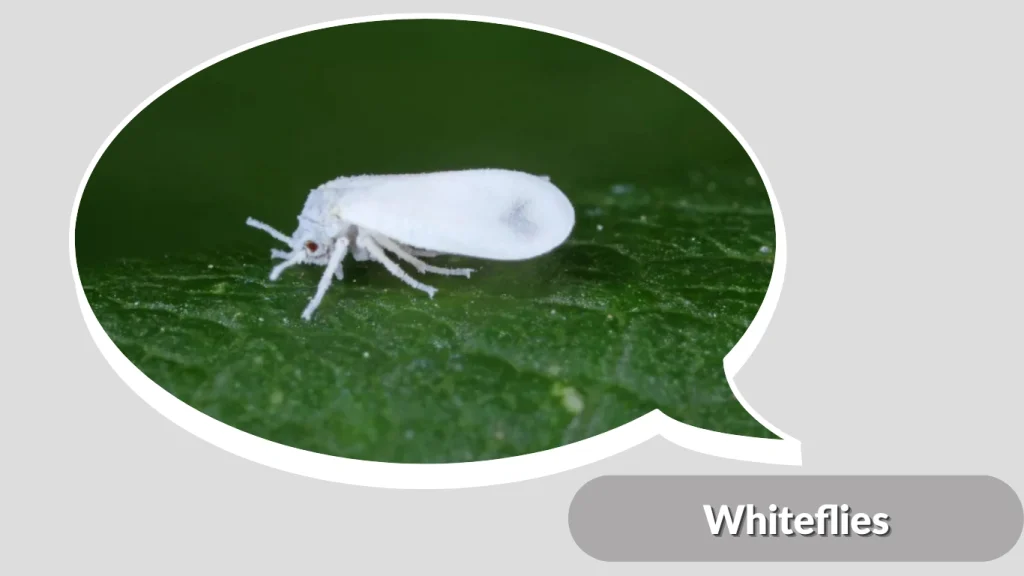
Tiny flying plant pests with pale bodies and noticeable reddish eyes. When disturbed, they fly in small clouds around houseplants.
Identification
- Very small (1–2 mm) pale or white insect with red eyes
- Found on underside of leaves
- Fly upward when plants are touched
- Cause sticky honeydew on leaves and surfaces
Habitat
Whiteflies thrive in warm indoor environments, especially on houseplants such as hibiscus, basil, tomatoes, poinsettias, and ferns. They hide on leaf undersides and breed continuously in stable indoor temperatures.
Behavior
Adults and larvae suck plant sap, leading to wilting, yellowing, and leaf drop. They produce sticky honeydew that attracts mold. They fly in clusters and spread between plants easily. They do not bite humans.
How to Get Rid of Whiteflies
Use yellow sticky traps, insecticidal soap, or neem oil. Remove heavily infested leaves and isolate affected plants. Increase ventilation and avoid over-fertilization to reduce susceptibility.
18. Aphids (Red or Orange Species)
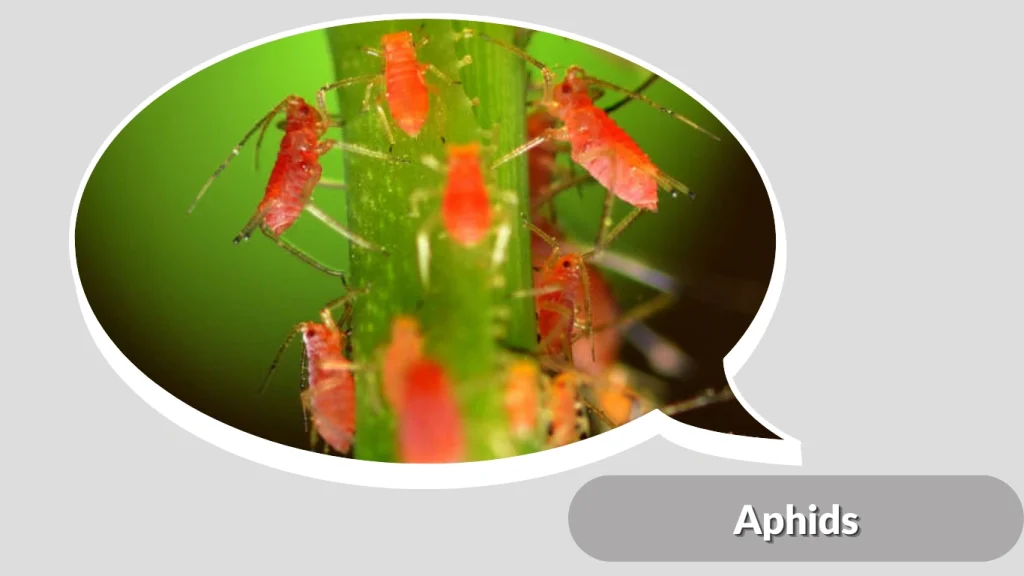
Small soft-bodied insects that come in red, orange, or reddish-brown varieties. They cluster on houseplants, window plants, and garden plants brought indoors.
Identification
- Small (1–3 mm) red, orange, or brown pear-shaped body
- Long antennae and two “tailpipes” at the rear
- Found in clusters on stems, new growth, or leaf undersides
- Leave sticky honeydew on leaves and surfaces
Habitat
Aphids thrive on indoor houseplants, potted herbs, and garden plants placed near windows. They prefer tender new growth and warm, stable indoor climates. They multiply quickly on plants with high nitrogen from fertilizers.
Behavior
Aphids feed on plant sap, causing curling leaves, yellowing, and stunted growth. They produce honeydew, which can attract ants and mold. They do not bite humans but can spread between plants rapidly, especially in warm rooms.
How to Get Rid of Aphids
Rinse plants, remove heavily infested stems, and apply neem oil or insecticidal soap. Use sticky traps or introduce ladybugs for natural control. Improve plant spacing and airflow.
19. Thrips (Red or Orange Species)
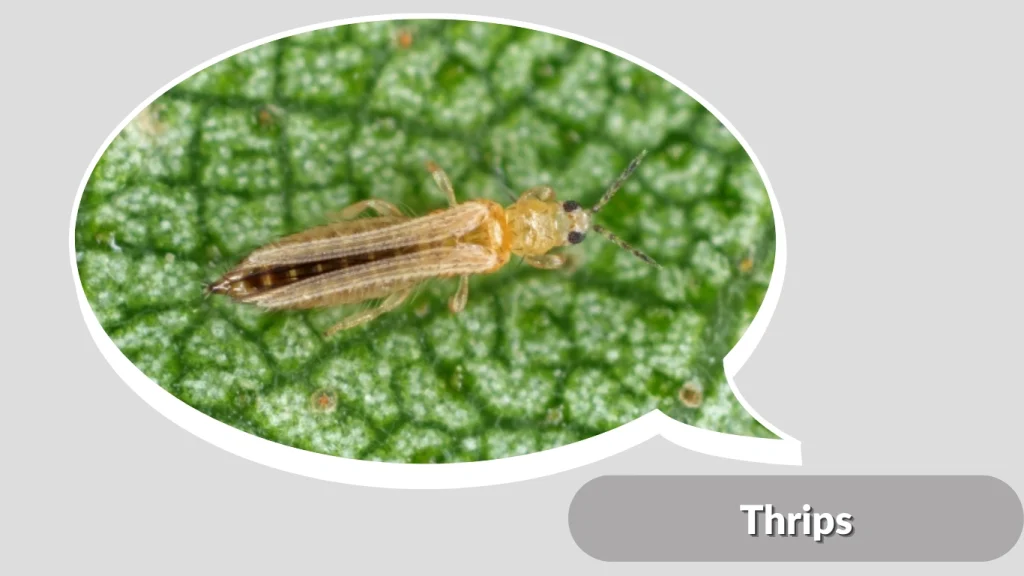
Slender, fast-moving insects that can appear red, orange, or brown. They are extremely small and often noticed only when they move or when plant damage appears.
Identification
- Very tiny (1–2 mm) slender red, orange, or brown insect
- Narrow body with fringed wings
- Leaves show silver streaks, dots, or scarring
- Found on flowers, leaves, and new growth
Habitat
Thrips live on a wide range of houseplants and flowering plants. They thrive in warm indoor environments and often hide in buds, flowers, and leaf folds. They spread easily between plants through contact or airflow.
Behavior
Thrips feed by scraping plant tissue and sucking out juices, leaving silvery or speckled damage. They move quickly and may fly in short bursts. While they rarely bite humans, their plant damage can be severe if not controlled.
How to Get Rid of Thrips
Prune damaged areas, isolate infested plants, and use neem oil, insecticidal soap, or sticky traps. Regularly inspect leaves and maintain good plant hygiene.
20. Bed Bug Nymphs (Reddish After Feeding)
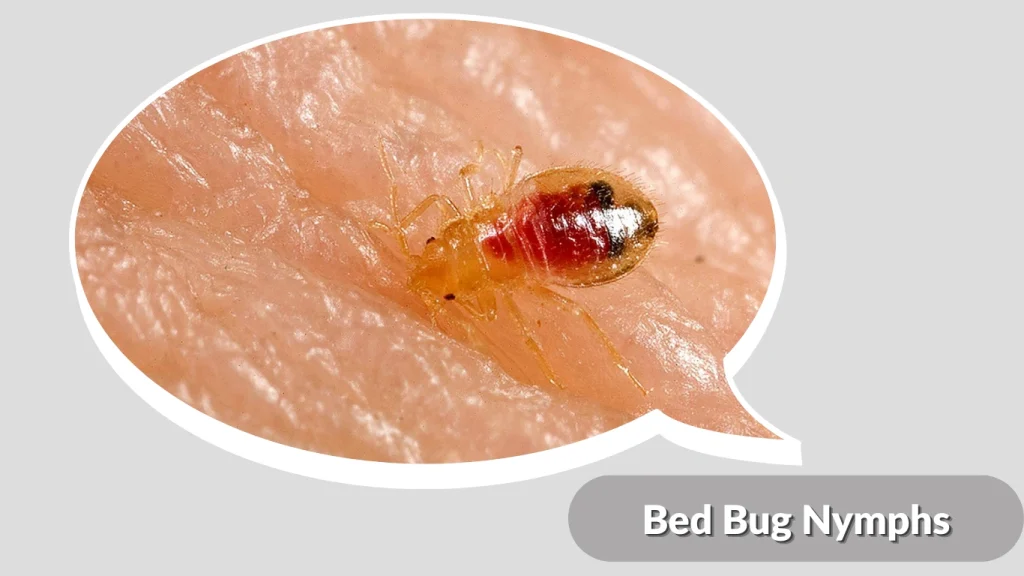
Extremely tiny young bed bugs that appear pale at first but turn bright red or reddish-brown after feeding. Their size and color often cause them to be mistaken for tiny red household bugs.
Identification
- Very small (1 mm) translucent or pale body that turns red after feeding
- Oval, flat shape before feeding; swollen and red afterward
- Found near mattresses, bed frames, baseboards, and furniture seams
- Move slowly compared to mites or beetles
Habitat
Bed bug nymphs live in cracks, seams, and crevices around sleeping areas. They hide in mattresses, box springs, headboards, furniture, and behind wall trim. They prefer warm indoor environments and stay close to human sleeping locations.
Behavior
Nymphs require blood meals to grow and turn bright red immediately after feeding. They bite humans, usually at night, leaving red itchy welts often in lines or clusters. They cannot fly or jump but crawl to reach hosts.
How to Get Rid of Bed Bug Nymphs
Clean and vacuum bedding areas, wash sheets on high heat, and reduce clutter. Seal cracks, use mattress encasements, and apply bed bug sprays or diatomaceous earth. Severe infestations typically require professional extermination.