
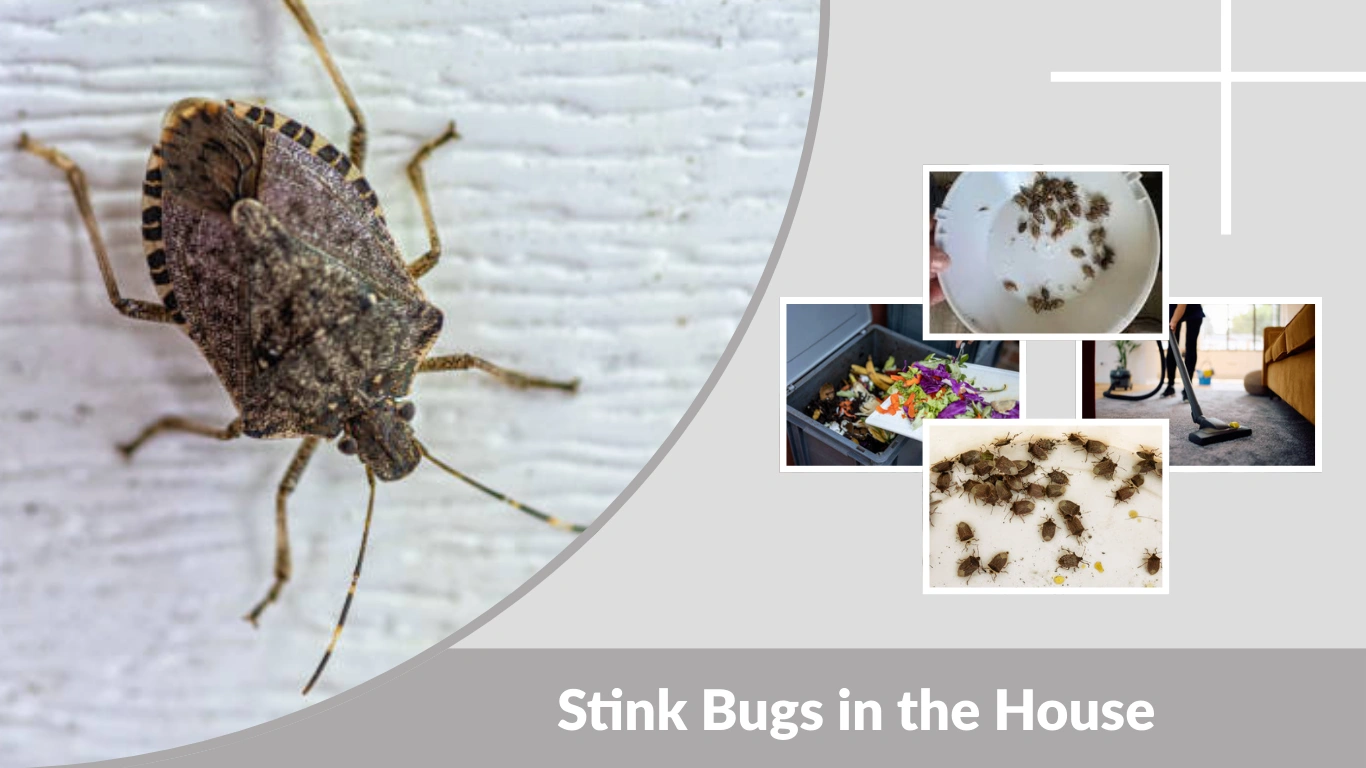
Stink bugs are a common household nuisance, especially during the cooler months of the year. Many homeowners are surprised to suddenly find stink bugs crawling on walls, clustering near windows, or releasing an unpleasant odor when disturbed. This often leads to questions about where they come from, why they choose certain houses, and whether an infestation is developing. Understanding why stink bugs enter homes and how they behave indoors is the first step toward effective control and long-term prevention.
Why Are Stink Bugs in My House?
Stink bugs enter houses primarily to seek shelter, not food. As outdoor temperatures begin to drop in late summer and fall, stink bugs look for warm, protected places to survive the winter. Homes provide ideal conditions, offering stable temperatures and numerous hidden spaces.
This behavior is known as overwintering. In nature, stink bugs would shelter under tree bark, rocks, or leaf litter. Modern homes mimic these environments with siding, wall voids, attics, and insulation. Once inside, stink bugs may remain hidden for long periods, becoming active again when indoor temperatures rise. This is why infestations often feel sudden, even though the bugs may have entered weeks earlier.
How Do Stink Bugs Get in the House?
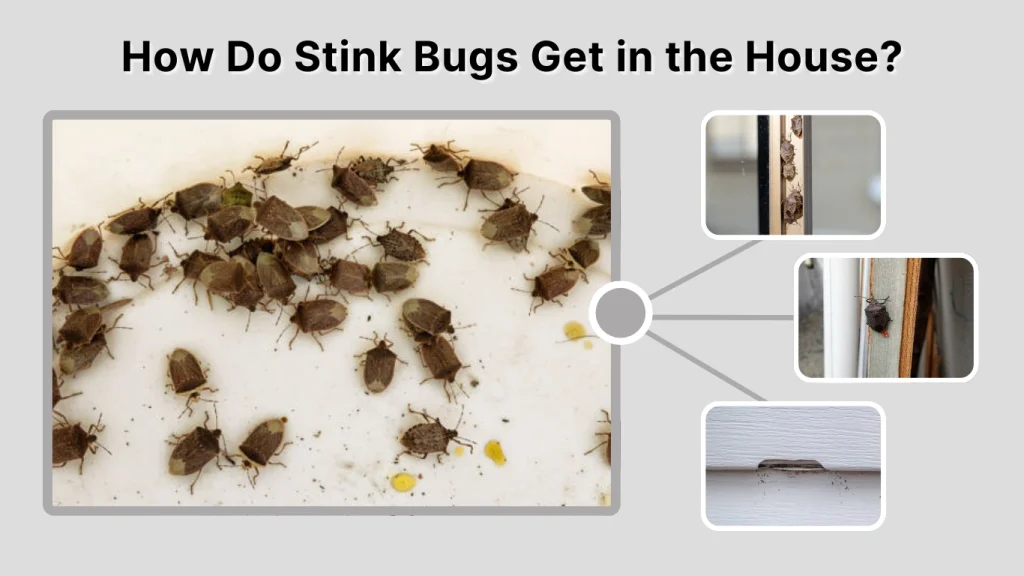
Stink bugs are skilled at finding small openings and exploiting structural gaps.
Common Entry Points
- Gaps around doors and windows
- Cracks in siding, brick, or foundations
- Attic vents, chimneys, and rooflines
- Utility pipe and cable entry points
Even tiny openings are enough for stink bugs to crawl inside, especially during peak migration periods in the fall.
Do Stink Bugs Fly Into Houses?
Yes, stink bugs can fly, and flying plays a major role in how they enter homes. They are strongly attracted to light and often gather on sunlit walls or near outdoor lights at night. From there, they may crawl into nearby cracks or fly directly through open windows and doors. Once inside, they typically crawl rather than fly.
What Attracts Stink Bugs to Your House?
Several factors make certain homes more appealing to stink bugs than others.
Warmth is the primary attraction. As temperatures drop outdoors, heat leaking from a house signals a safe shelter. Light sources, especially exterior lights near doors and windows, also draw stink bugs closer to entry points.
Vegetation near the home plays a role as well. Trees, shrubs, gardens, and crops provide food sources during warmer months. When temperatures fall, stink bugs often move from these plants directly onto nearby structures. Homes surrounded by vegetation are more likely to experience repeated infestations.
Stink Bugs in the House in Winter
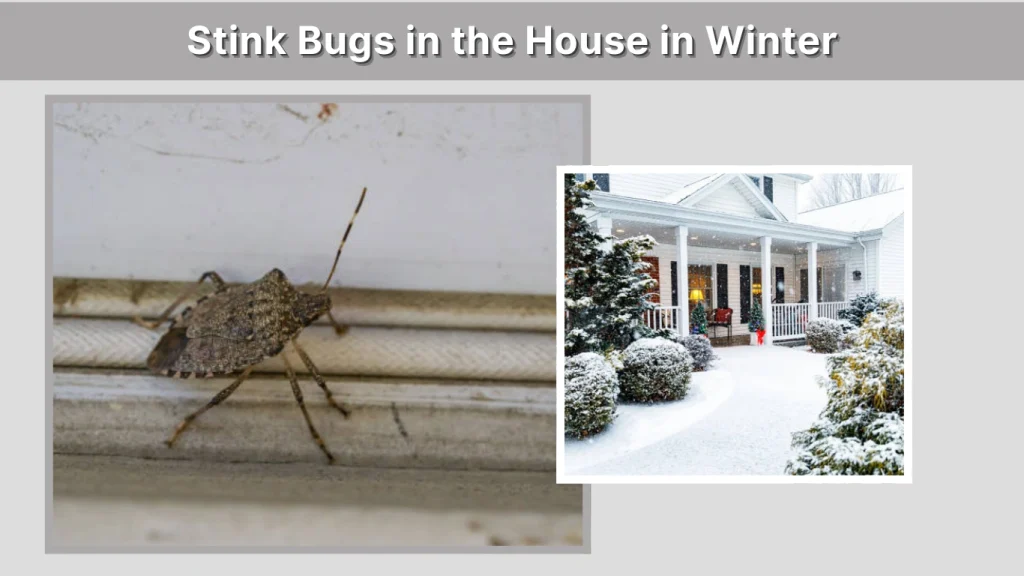
Finding stink bugs in the house during winter can be confusing. Many people assume that cold weather should kill them, but stink bugs are surprisingly resilient. Once inside, they enter a dormant state, hiding in wall voids, attics, and crawl spaces.
On warm winter days or when indoor heating increases, stink bugs may become active and emerge into living spaces. This does not mean new bugs are entering the house during winter. Instead, it means previously hidden stink bugs are waking up and moving around. Killing the visible bugs does not eliminate those still hiding inside walls.
Brown Marmorated Stink Bug in the House
The brown marmorated stink bug is the species most commonly associated with indoor infestations. Unlike many native stink bugs, this invasive species is especially drawn to buildings and often enters in large numbers.
Brown marmorated stink bugs are more persistent and more likely to gather in clusters. They are also stronger fliers and more attracted to light-colored surfaces. Because of these traits, homes infested with this species often experience heavier and more prolonged stink bug problems.
Do Stink Bugs Lay Eggs in Your House?
A common concern is whether stink bugs reproduce indoors. Stink bugs do not lay eggs inside houses. Egg-laying requires outdoor plants, where eggs are attached to the undersides of leaves.
If small stink bugs appear indoors, they are not newly hatched from eggs laid inside the house. Instead, they likely entered from outside or emerged from hidden spaces where adults were overwintering. True indoor reproduction does not occur.
Where Do Stink Bugs Come From Inside the House?
Stink bugs found indoors often come from hidden areas within the structure rather than directly from outside.
Common hiding places include wall voids, attics, crawl spaces, and behind insulation. From these areas, stink bugs may move into bedrooms, living rooms, or kitchens when temperatures rise. This explains why stink bugs may appear in different rooms even when doors and windows remain closed.
What Do Stink Bugs Eat in the House?
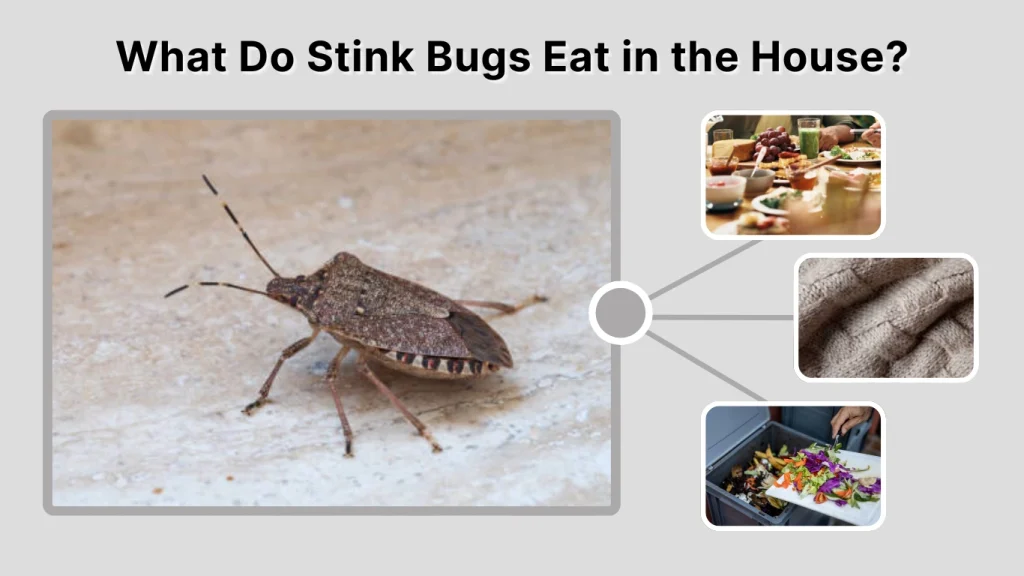
Stink bugs do not infest stored food or pantry items. Indoors, they generally do not eat at all. Their mouthparts are designed to pierce plant tissue and extract juices, which means they cannot feed on human food, fabrics, or household materials.
When stink bugs are inside a house, they survive by slowing their metabolism during the winter months. This dormant state allows them to live for long periods without feeding. Kitchens may seem like a logical attraction point, but stink bugs are not drawn to food scraps or garbage.
Stink Bug Infestation in the House
Seeing a few stink bugs indoors does not always mean there is a true infestation. However, repeated sightings over time may indicate that multiple stink bugs are hiding within the structure.
Signs of an Infestation
- Frequent stink bug sightings in multiple rooms
- Strong or lingering odor, especially near windows or walls
- Seasonal recurrence each fall or winter
Is a Stink Bug Nest in the House Possible?
Stink bugs do not build nests like ants or wasps. What appears to be a “nest” is usually a group of stink bugs clustering together in a protected area. These clusters often form in attics, wall voids, or behind baseboards.
How to Get Rid of Stink Bugs in the House
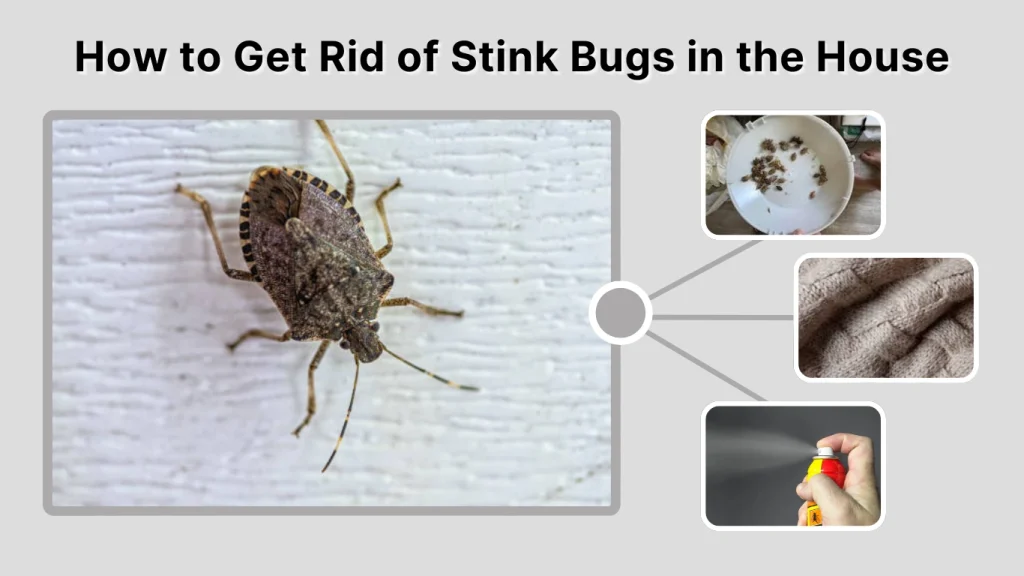
Eliminating stink bugs requires careful removal to avoid triggering their odor.
What Kills Stink Bugs Instantly Indoors
- Soapy water: A mixture of water and dish soap kills stink bugs on contact.
- Vacuuming: Use a vacuum to remove stink bugs, then empty the bag or container immediately.
- Approved indoor sprays: Some insecticides are labeled for indoor stink bug control and can be effective when used properly.
Avoid crushing stink bugs, as this releases their odor and may attract more.
How to Eliminate Stink Bugs Safely
The safest approach is physical removal combined with prevention. Capture stink bugs with a cup and release them outdoors or vacuum them up. For persistent problems, targeted indoor sprays may help, but broad pesticide use indoors is rarely necessary.
How to Prevent Stink Bugs From Coming in the House
Prevention is the most effective long-term solution for stink bug problems.
Seal cracks and gaps around windows, doors, siding, and foundations using caulk or weather stripping. Repair damaged screens and ensure vents and chimneys are properly covered.
Exterior lighting should be managed carefully. Reducing light near entry points or switching to yellow bulbs can help lower attraction at night. Keeping vegetation trimmed away from the house also reduces easy access routes.
Timing is important. Prevention efforts are most effective in late summer and early fall before stink bugs begin seeking shelter.
Why Do Stink Bugs Keep Coming Back?
Stink bugs often return because not all entry points have been sealed or because nearby outdoor populations remain high. Homes near wooded areas, farms, or gardens are especially prone to repeated infestations.
Additionally, stink bugs that entered earlier may still be hiding inside wall voids. Even after visible bugs are removed, hidden individuals can emerge weeks or months later. This creates the impression that new stink bugs are constantly entering the home.
Stink Bugs in the House: Meaning and Myths
Some people attach symbolic meaning to stink bugs appearing indoors, viewing them as signs of change or persistence. In reality, their presence is driven by biology and environmental conditions rather than symbolism.
The sudden appearance of stink bugs is usually linked to seasonal temperature changes, not bad luck or hidden infestations. Understanding their behavior helps separate myths from facts.
FAQs
Why am I getting stink bugs in my house all of a sudden?
Stink bugs usually enter homes in late summer or fall as temperatures drop. They may remain hidden for weeks before becoming visible indoors.
How do I permanently get rid of stink bugs in my house?
Permanent control requires sealing entry points, managing outdoor attraction, and removing existing bugs. Repellents alone are not enough.
Do stink bugs reproduce inside houses?
No, stink bugs do not lay eggs indoors. All reproduction occurs on outdoor plants.
Is it safe to kill stink bugs indoors?
Yes, but avoid crushing them. Soapy water, vacuuming, or approved sprays are safer options that minimize odor.
Why do stink bugs smell so bad in the house?
Stink bugs release a defensive chemical when threatened. Indoors, the smell lingers longer due to limited ventilation.
