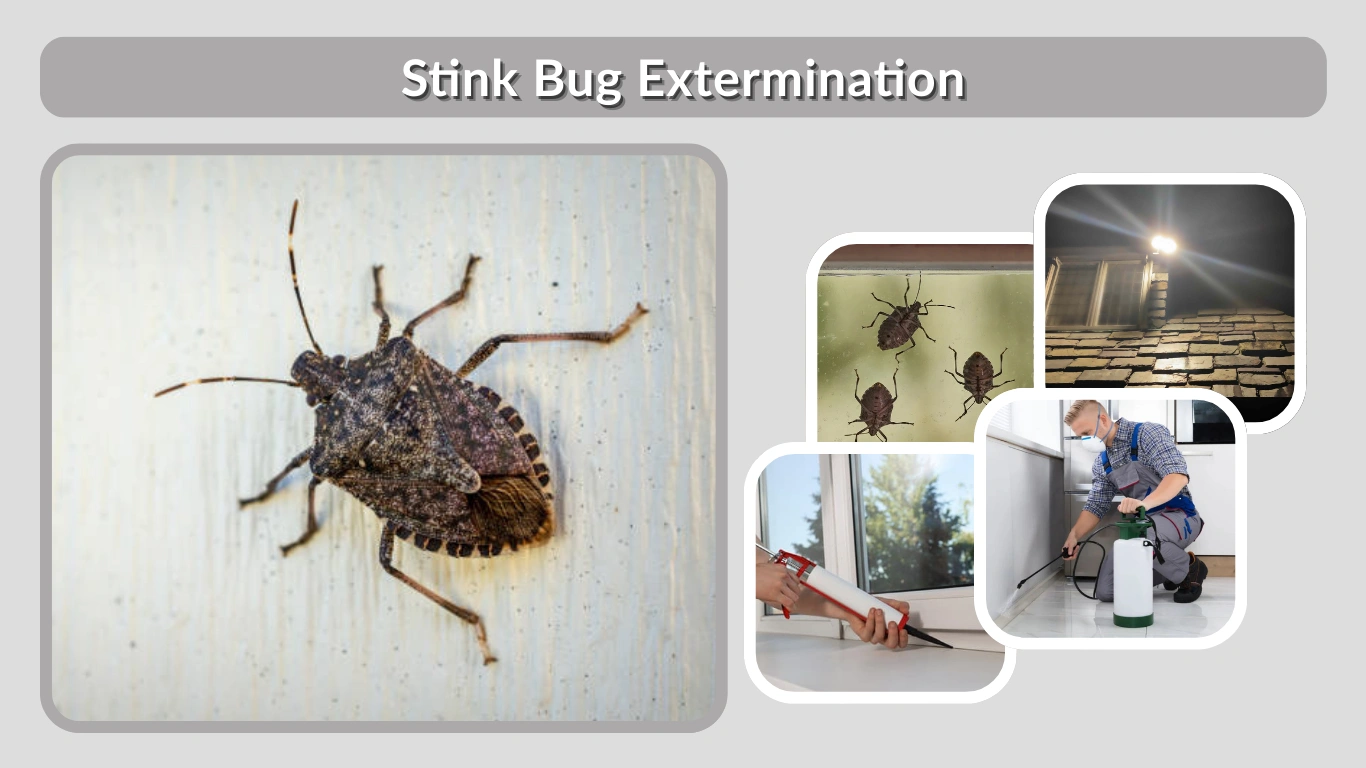
Stink bugs have become a common household nuisance across many parts of the United States. Known for their unpleasant odor and tendency to invade homes in large numbers, these pests can be frustrating to deal with—especially when they keep coming back year after year. While stink bugs are not dangerous to humans, their presence indoors can quickly become overwhelming.
Many homeowners wonder whether stink bugs can truly be exterminated or if professional pest control is necessary. The truth is that stink bug extermination focuses more on control and prevention rather than total elimination. Understanding why stink bugs enter homes and how extermination works is the first step toward keeping them out for good.
What Are Stink Bugs and Why Are They in Your House?
Stink bugs are shield-shaped insects that release a strong, unpleasant odor when crushed or threatened. They typically live outdoors, feeding on plants and crops, but migrate indoors as temperatures drop. Homes provide warmth, shelter, and ideal hiding places during the colder months.
Stink bugs often enter through small cracks around windows, doors, siding, vents, and utility openings. Once inside, they hide in walls, attics, basements, and other undisturbed areas. Because they are attracted to light and warmth, homeowners often notice them near windows or ceilings.
Brown Marmorated Stink Bug Explained
The most common species found in homes is the brown marmorated stink bug. This invasive species is especially problematic because it gathers in large groups and is highly resistant to many traditional pest control methods. Brown marmorated stink bugs are known for repeatedly returning to the same homes year after year if entry points are not properly sealed.
Can Stink Bugs Be Exterminated?
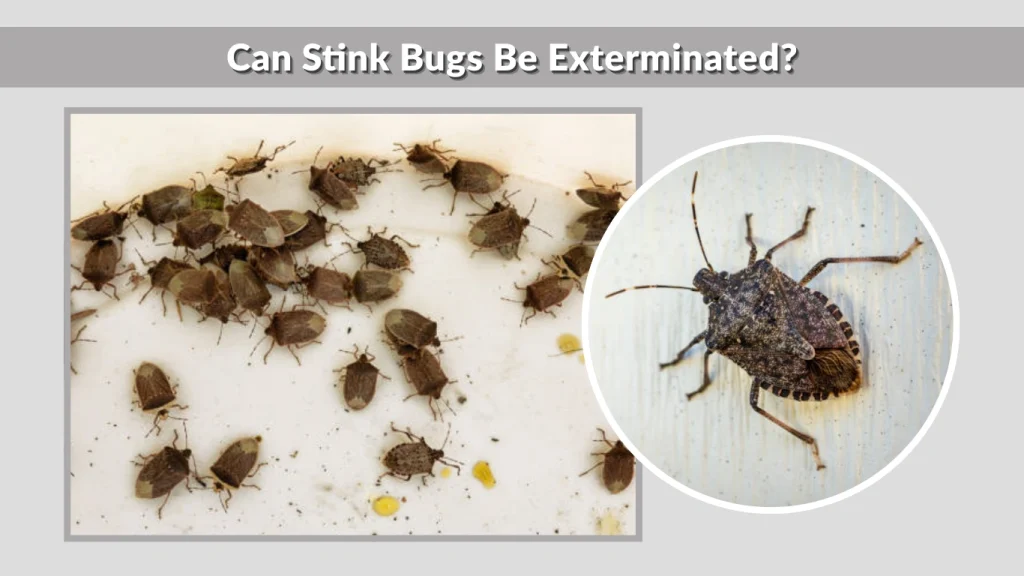
A common question homeowners ask is whether stink bugs can be completely exterminated. While exterminators can significantly reduce stink bug populations, total elimination is rare. This is because stink bugs do not breed indoors and are constantly re-entering homes from outside environments.
Professional stink bug extermination focuses on preventing entry and reducing indoor numbers rather than wiping out every individual bug. Long-term success depends heavily on exclusion methods, seasonal treatments, and ongoing prevention strategies. When done correctly, extermination services can dramatically reduce infestations and prevent recurring problems.
How to Exterminate Stink Bugs
There are two main approaches to stink bug extermination: do-it-yourself methods and professional pest control services. Each has its advantages and limitations depending on the severity of the infestation.
DIY Stink Bug Extermination Methods
Many homeowners begin with DIY methods to control stink bugs indoors. The most effective method is vacuuming stink bugs using a shop vacuum or vacuum bag that can be disposed of immediately. This prevents odor release and removes bugs safely.
Another common method is using a mixture of dish soap and water. When sprayed or used in a container trap, soapy water can kill stink bugs on contact. Sealing cracks, repairing window screens, and installing door sweeps can also help reduce entry points.
However, homeowners should avoid crushing stink bugs, as this releases their odor and may attract more bugs. Aerosol sprays are also largely ineffective and may push stink bugs deeper into wall voids.
Limitations of DIY Methods
While DIY methods can help reduce visible stink bugs, they rarely solve the root of the problem. These approaches only address bugs already inside the home and do little to stop new ones from entering. Without exterior treatments and proper exclusion, infestations often return seasonally.
DIY methods are best suited for small, occasional infestations. When stink bugs appear in large numbers or repeatedly invade a home, professional extermination becomes the most effective option.
How to Exterminate Stink Bugs in the House
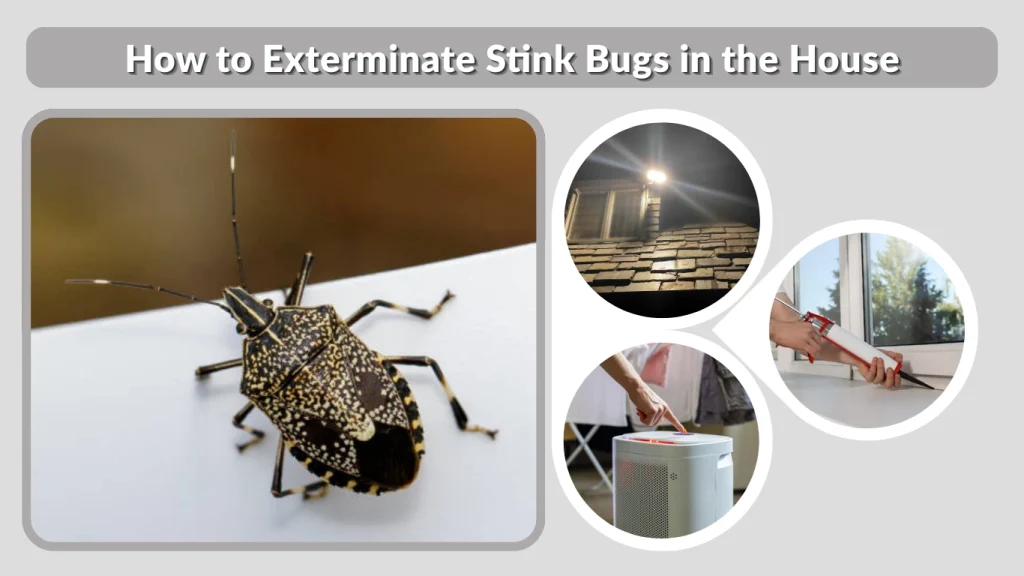
Indoor stink bug extermination requires careful handling to avoid odor issues. Stink bugs commonly hide in wall voids, attics, basements, window frames, and behind light fixtures. Removing them safely without crushing is essential.
Professional exterminators may use targeted indoor treatments in limited areas, but most indoor control focuses on physical removal and exclusion. Sealing interior cracks, reducing light attraction near windows, and managing humidity can help make the home less inviting to stink bugs.
Can an Exterminator Get Rid of Stink Bugs?
Many homeowners turn to professional pest control after repeated stink bug infestations. While exterminators cannot guarantee permanent removal, they can dramatically reduce the number of stink bugs entering a home. Professional services focus on long-term control, targeting the areas where stink bugs enter and gather rather than relying on indoor sprays alone.
Exterminators understand stink bug behavior and seasonal patterns. By applying treatments at the right time of year—typically in late summer or early fall—they can prevent stink bugs from entering homes before infestations begin. This proactive approach is far more effective than reacting once stink bugs are already inside.
How Do Exterminators Get Rid of Stink Bugs?
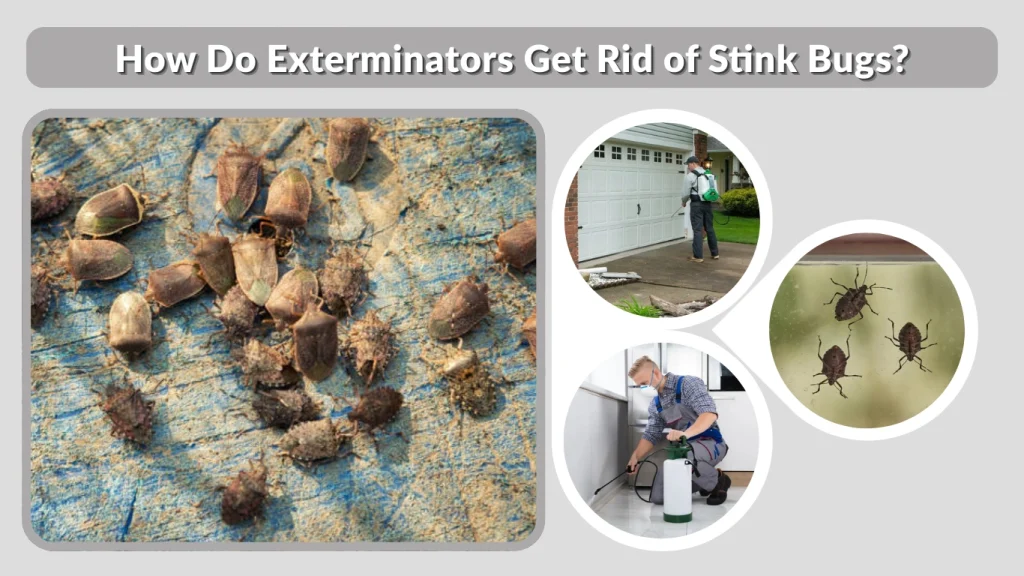
Professional stink bug extermination involves a combination of chemical treatments, physical exclusion, and ongoing monitoring.
Professional Stink Bug Extermination Methods
Exterminators typically apply exterior perimeter treatments around windows, doors, siding, and foundation cracks. These treatments create a barrier that kills or repels stink bugs before they enter the home. Residual insecticides are often used, allowing the treatment to remain effective for weeks or months.
In some cases, targeted indoor treatments may be applied in attics or wall voids where stink bugs are hiding. However, most professionals avoid widespread indoor spraying, as stink bugs do not nest or reproduce inside homes.
Integrated Pest Management (IPM) Approach
Many pest control companies use an Integrated Pest Management (IPM) approach for stink bug extermination. This method combines chemical treatments with non-chemical strategies such as sealing entry points, reducing outdoor lighting that attracts stink bugs, and scheduling follow-up inspections. IPM helps minimize chemical use while maximizing long-term control.
Stink Bug Extermination Methods
There are several extermination methods available, each with varying levels of effectiveness.
Chemical Treatments
Chemical treatments typically include pyrethroid-based insecticides applied around exterior surfaces. These products can kill stink bugs on contact and provide residual protection. While effective, chemical treatments work best when combined with prevention efforts.
Non-Chemical Treatments
Non-chemical methods focus on exclusion and physical removal. This includes sealing cracks, installing door sweeps, repairing screens, and vacuuming stink bugs indoors. Traps may be used for monitoring but are generally not effective for large infestations.
Preventative Treatments
Preventative treatments are often the most important aspect of stink bug control. Seasonal exterior treatments, combined with home maintenance and structural repairs, can significantly reduce infestations year after year.
Stink Bug Extermination Cost
The cost of stink bug extermination varies depending on several factors, including the size of the home, the severity of the infestation, and the type of treatment plan chosen. On average, homeowners can expect to pay for either a one-time treatment or a seasonal service plan.
One-time treatments are generally less expensive but may not prevent future infestations. Seasonal or recurring treatment plans typically cost more upfront but offer better long-term protection and peace of mind. Compared to repeated DIY efforts, professional extermination often proves more cost-effective over time.
When to Call a Professional Stink Bug Exterminator
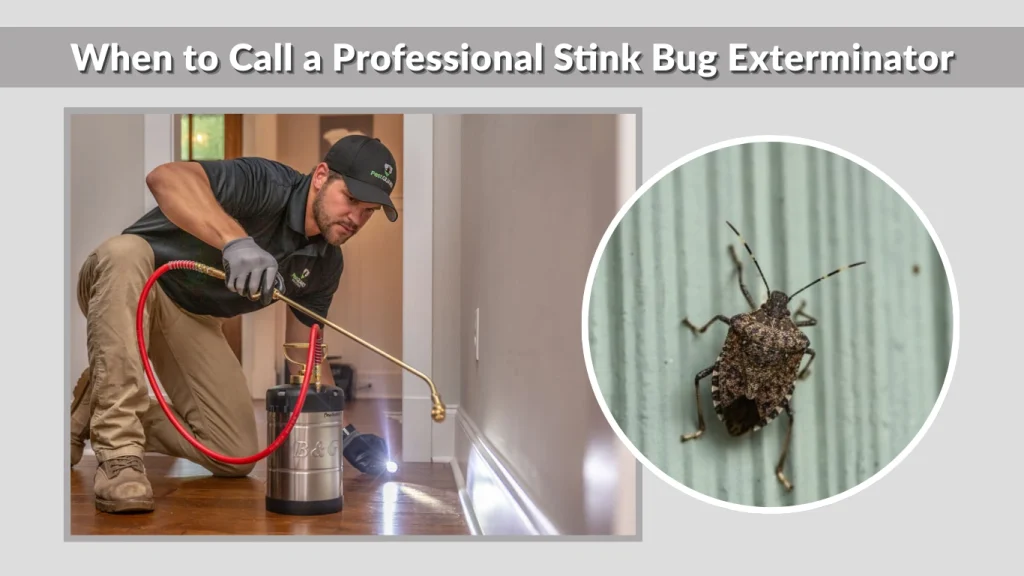
It may be time to call a professional exterminator if stink bugs appear in large numbers, return each season, or continue to invade despite sealing efforts. Homes with recurring infestations or hard-to-reach entry points often benefit the most from professional services.
Professional extermination also saves time and reduces frustration, especially for homeowners dealing with ongoing infestations year after year.
Conclusion
Stink bug extermination requires a combination of prevention, control, and ongoing maintenance. While stink bugs may be difficult to eliminate completely, effective extermination strategies can significantly reduce their presence in your home. DIY methods may help with small infestations, but professional extermination provides the most reliable long-term results.
By understanding how stink bugs enter homes and taking proactive steps to block them, homeowners can regain comfort and prevent future invasions. Whether through seasonal treatments or professional pest control services, managing stink bugs is achievable with the right approach.
FAQs
Can stink bugs be completely exterminated?
Stink bugs can be controlled but are rarely eliminated completely. Because they live and breed outdoors, new stink bugs can continue to enter homes seasonally. Professional extermination focuses on reducing populations and preventing entry rather than total eradication.
Can exterminators get rid of stink bugs for good?
Exterminators can significantly reduce stink bug infestations and prevent recurring problems through exterior treatments and exclusion methods. While no service can guarantee permanent removal, professional pest control offers the most effective long-term solution.
How do exterminators kill stink bugs?
Exterminators use exterior perimeter treatments, residual insecticides, and targeted applications to kill stink bugs before they enter the home. They may also seal entry points and recommend preventative measures to reduce future infestations.
Is stink bug extermination safe for homes and pets?
Yes, professional stink bug extermination is generally safe when performed by licensed exterminators. Treatments are typically applied outdoors, and indoor treatments are limited and carefully controlled to minimize exposure to people and pets.
How much does stink bug extermination cost?
The cost of stink bug extermination depends on the size of the home, infestation severity, and treatment plan. One-time treatments are usually less expensive, while seasonal or ongoing services cost more but provide better long-term protection.