
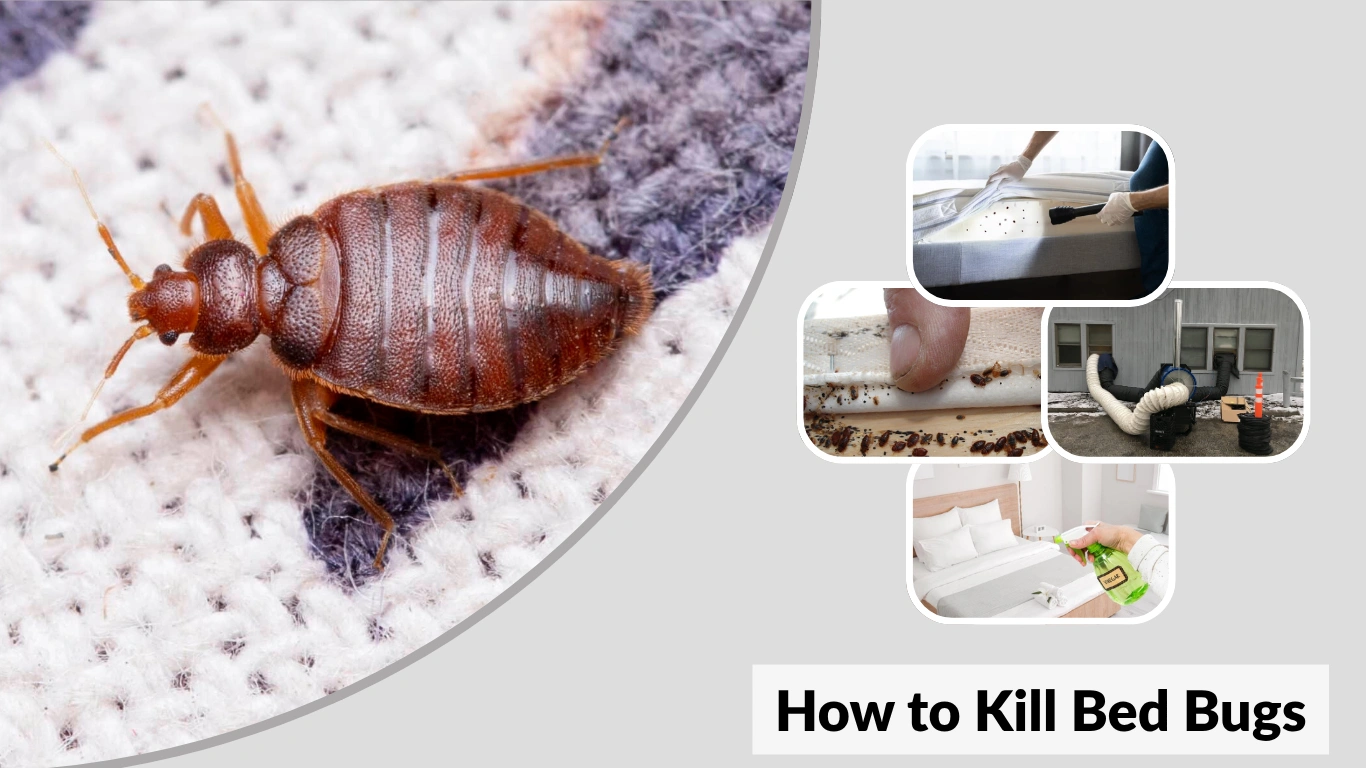
Bed bugs are among the most persistent pests in homes, known for their stealthy habits and rapid reproduction. These tiny insects can hide in furniture, clothes, and even electrical outlets, making elimination difficult. Understanding how to kill bed bugs effectively — using heat, cold, natural remedies, or chemical solutions — is key to preventing long-term infestations and keeping your living space clean and safe.
Understanding How Bed Bugs Die
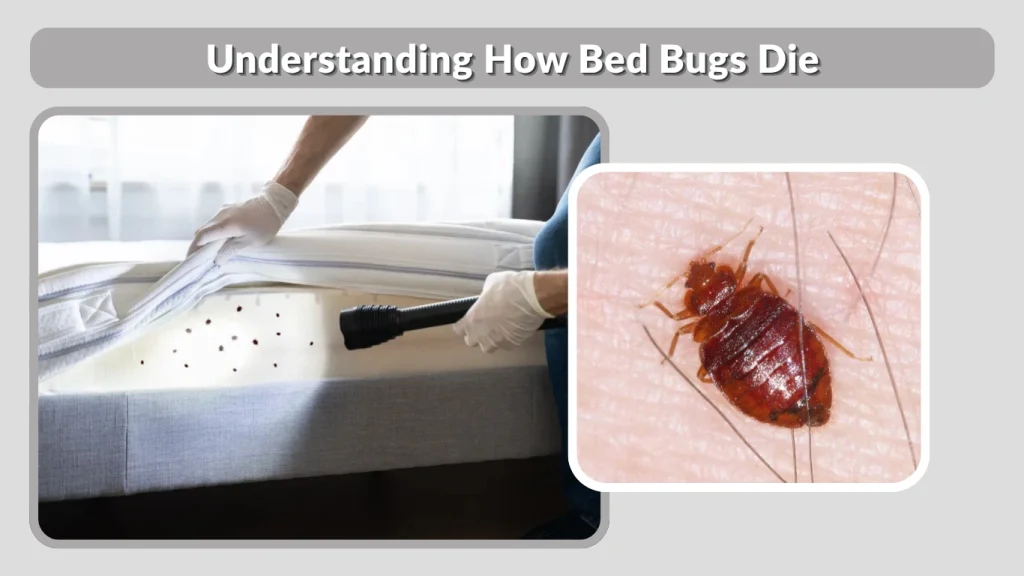
Why Killing Bed Bugs Is Difficult
Bed bugs are exceptionally resilient insects. They can live for months without feeding and hide in the smallest crevices. Their eggs are resistant to many common treatments, which makes it crucial to target all life stages — from eggs to adults. Since they reproduce quickly, even missing a few eggs can lead to reinfestation within weeks. Effective extermination requires patience, persistence, and a combination of proven methods.
Temperature Sensitivity
Temperature is one of the few weaknesses of bed bugs. They cannot survive extreme heat or cold for long.
- Lethal heat: 118–122°F (48–50°C) kills adults and nymphs.
- Lethal cold: 0°F (–18°C) kills them if sustained for several days.
Sustained exposure to either temperature range ensures the elimination of bed bugs in all stages.
Using Heat to Kill Bed Bugs
How Hot Does It Need to Be?
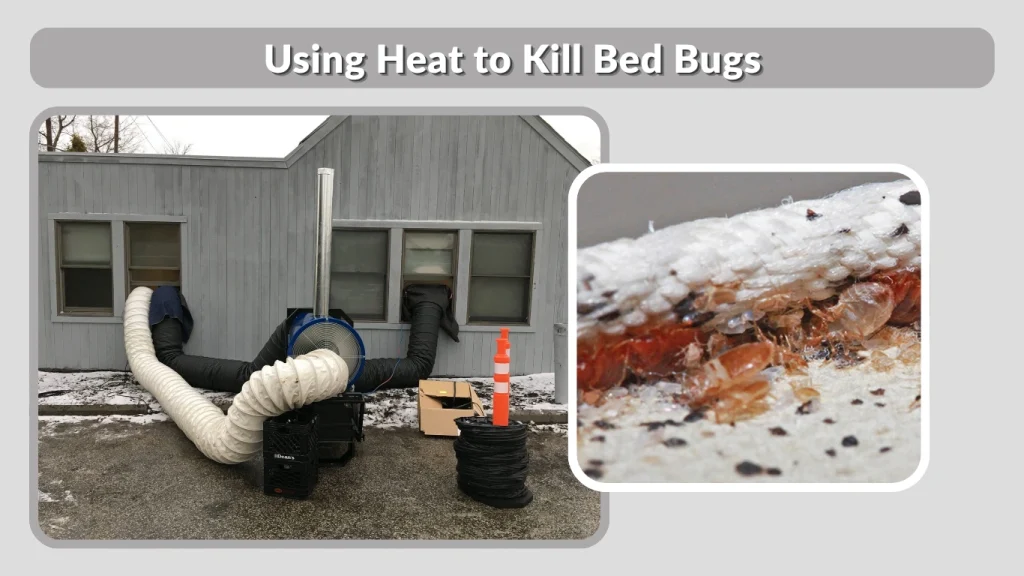
Heat is one of the most effective ways to eliminate bed bugs naturally. Bed bugs begin to die at around 118°F (48°C), but temperatures above 122°F (50°C) are ideal for killing both adults and eggs. However, the exposure time matters. Adults may die within 20 minutes, but eggs need up to 90 minutes of consistent heat.
Heat Treatment Methods
There are two main types of heat treatments:
- Professional Heat Treatment: Pest control specialists use specialized heaters and fans to raise room temperatures to about 130°F (54°C). The entire room is heated for several hours to ensure no bug survives, including those hiding deep in cracks or furniture.
- DIY Heat Treatment: Homeowners can use portable heaters or steam cleaners for smaller areas. However, achieving uniform heat distribution can be challenging without professional equipment.
Using a Clothes Dryer
One of the easiest DIY heat methods is using a dryer. Running infested clothes or bedding on high heat for 30–45 minutes can effectively kill bed bugs.
- Always ensure the temperature reaches at least 120°F (49°C).
- Place items in sealed bags after drying to prevent re-infestation.
This method is ideal for clothes, sheets, stuffed toys, and other soft items.
Steam Cleaning for Bed Bugs
Steam is another excellent heat-based solution. When the steam temperature exceeds 160°F (71°C), it can kill bed bugs on contact. Slowly glide the steamer nozzle over infested surfaces — especially mattress seams, sofa creases, and wall edges.
Tips for safety:
- Avoid soaking materials.
- Keep a consistent pace to maintain heat levels.
- Focus on cracks, headboards, and under cushions.
Killing Bed Bugs with Cold
How Cold Does It Need to Be?
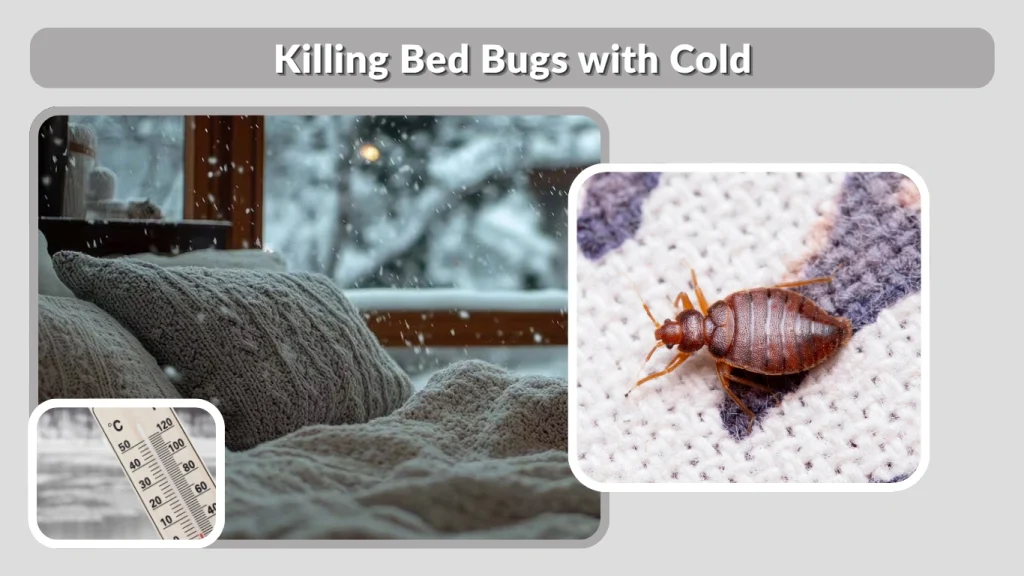
Bed bugs can be killed with freezing temperatures if exposed long enough. They begin to die below 0°F (–18°C), but it’s not an instant process. To ensure complete extermination, maintain freezing conditions for at least 4 days. Bed bug eggs are slightly more resistant and may require up to a week of cold exposure.
Freezing Bed Bug-Infested Items
Cold treatment works best for smaller, non-washable items such as shoes, books, or decorative objects.
Steps:
- Seal items in airtight plastic bags.
- Place them in a freezer that maintains 0°F (–18°C) or lower.
- Leave them undisturbed for at least 4–7 days.
- Remove and allow them to thaw naturally before reuse.
⚠️ Note: Freezing isn’t effective for large or thick objects like mattresses and carpets since the cold may not reach deep enough to kill hidden bugs.
Natural Ways to Kill Bed Bugs
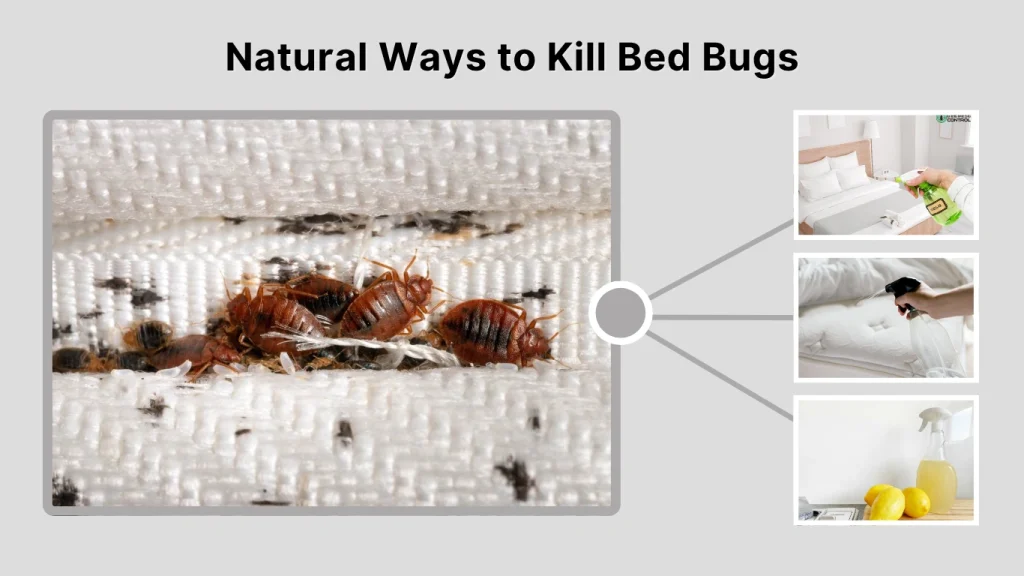
Home Ingredients That Work
Natural remedies are popular for being safer and chemical-free, but they usually work best as part of a broader control plan.
- Vinegar: Effective on contact. It kills bed bugs but doesn’t destroy eggs or residual colonies. Use it as a surface cleaner on visible bugs or nests.
- Rubbing Alcohol: Kills instantly on contact but evaporates quickly. Spray it directly on bugs and infested areas, ensuring proper ventilation.
- Baking Soda: Commonly believed to dry out bed bugs, but its real effectiveness is limited. It can be used to reduce odor and absorb moisture.
- Lemon Juice and Essential Oils: Mildly repellent but not lethal. They’re best used to discourage bed bugs from settling in clean spaces.
Using Diatomaceous Earth (DE)
Diatomaceous Earth is one of the most effective natural tools for bed bug control. This fine, silica-based powder kills bed bugs by drying out their exoskeletons.
To use:
- Lightly sprinkle DE around bed frames, carpets, and cracks.
- Avoid thick piles — thin layers are more effective.
- Leave it for several days before vacuuming.
Results may take 3–7 days, but the effect is long-lasting. DE works best when combined with vacuuming and heat methods. Always use food-grade DE and avoid inhalation.
Chemical and Commercial Treatments
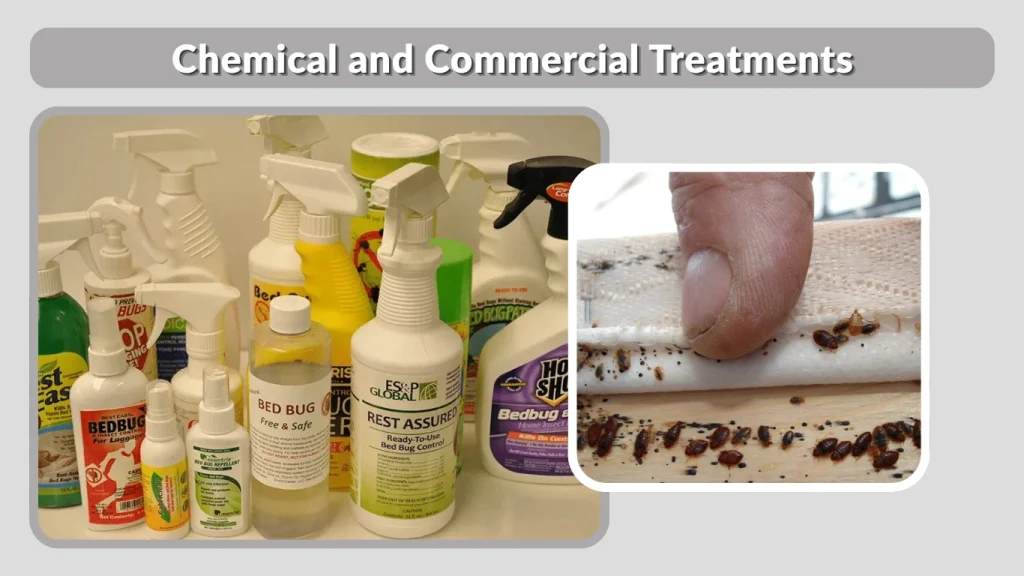
Bed Bug Sprays and Powders
When natural methods aren’t enough, chemical solutions offer faster and more reliable results. The most common products use pyrethrins or pyrethroids, which attack the bed bug’s nervous system.
Sprays are effective for visible bugs and exposed areas, while powders or dusts penetrate cracks and crevices.
- Apply light, even layers instead of heavy coats.
- Reapply every 7–10 days to target newly hatched eggs.
- Always ventilate rooms after spraying and avoid contact with treated surfaces until dry.
Using Branded Products
Several commercial products are designed specifically for home use:
- Harris Bed Bug Killer: A long-lasting residual spray that continues killing bed bugs for weeks after drying. It’s ideal for mattresses, baseboards, and corners.
- Hot Shot Bed Bug Killer: Works quickly on contact but may require follow-up applications. Allow treated areas to dry for at least 2–4 hours before use.
- Bed Bug Killer Powders: Often made from diatomaceous earth or silica gel, these are sprinkled around bed frames, wall junctions, and furniture edges for ongoing protection.
When to Call Professionals
If bed bugs persist after multiple treatments, it’s time to call a licensed exterminator.
Professional heat treatments raise indoor temperatures uniformly, killing bugs and eggs in a single session.
Chemical fogging and insecticide injections are also used for severe infestations.
Costs typically range from $500 to $1,500, depending on property size and treatment complexity. Professional help ensures thorough extermination and future prevention guidance.
Targeting Bed Bugs on Specific Items
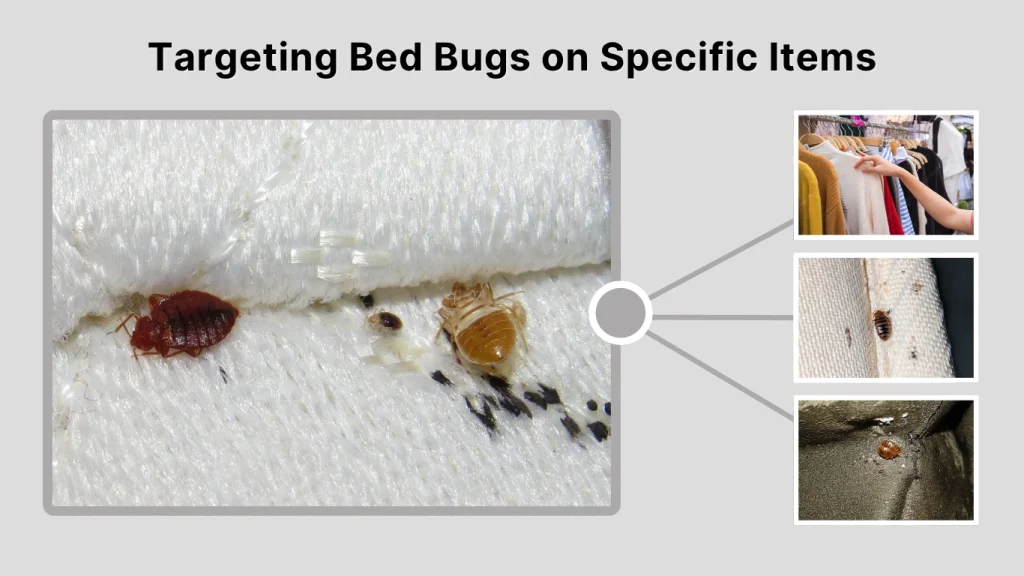
On Clothes
To kill bed bugs hiding in clothing or linens, wash everything in hot water (at least 120°F or 49°C).
Dry items on high heat for 30–45 minutes to eliminate all stages.
After cleaning, store items in airtight plastic bags or vacuum-sealed containers to prevent re-infestation.
On Mattresses
Mattresses are prime hiding spots for bed bugs. Use a steamer to reach deep seams and folds, then apply diatomaceous earth along the edges.
Once treated, encase the mattress and box spring in bed bug-proof covers. These traps any surviving bugs inside, eventually killing them through starvation.
On Furniture
Bed bugs often nest in sofas and upholstered chairs.
- Vacuum cushions and cracks thoroughly.
- Use steam over the fabric surface and joints.
- Apply residual sprays or DE beneath and behind furniture.
Allow items to dry completely before use.
In Cars and Carpets
Cars can harbor bed bugs from luggage or clothes. Steam-clean seats, mats, and trunk areas thoroughly.
For carpets, vacuum regularly and apply DE or carpet-safe bed bug sprays. Discard vacuum bags immediately after use to prevent spreading.
Destroying Bed Bug Eggs and Preventing Reinfection
Killing Eggs Specifically
Bed bug eggs are among the hardest to kill. They require temperatures above 118°F for at least 90 minutes or continuous freezing for several days.
Vacuuming followed by steam or chemical sprays ensures better egg removal.
Encasements and regular inspections should continue for weeks after treatment to confirm full elimination.
Prevention Tips
Preventing re-infestation is as important as killing existing bugs.
- Vacuum regularly, especially under beds and behind furniture.
- Install bed bug interceptors under bed legs to monitor activity.
- Keep bedding and clutter minimal to reduce hiding spots.
- When traveling, inspect luggage and wash clothes immediately upon return.
Alternative and Emerging Methods
UV Light Treatments
UV light can damage bed bug DNA and kill them on contact, but it only works when bugs are directly exposed. It’s best used alongside heat or chemical treatments for complete results.
Integrated Pest Management (IPM)
The most effective strategy combines heat, chemicals, and physical cleaning.
IPM focuses on inspection, targeted treatments, and prevention. This approach reduces pesticide use while ensuring long-term results.
FAQs
How long does it take to kill bed bugs with heat?
Bed bugs die within 20 minutes at 118°F (48°C), but their eggs need up to 90 minutes of constant heat. Professional heat treatments typically last 4–6 hours, ensuring every hidden bug and egg is exposed long enough to die.
How cold does it have to be to kill bed bugs?
You’ll need temperatures of 0°F (–18°C) or below for at least 4 days to kill bed bugs completely. Eggs are tougher and might need a full week in freezing conditions.
Does diatomaceous earth really kill bed bugs?
Yes. Diatomaceous earth dehydrates and kills bed bugs naturally. It takes 3–7 days to show results and works best in dry, undisturbed areas. Use it around baseboards, mattresses, and carpets for ongoing protection.
Can you kill bed bugs with alcohol or vinegar?
Both can kill bed bugs on direct contact, but they’re not reliable for full infestations. Neither penetrates eggs or hidden areas effectively. Use them as quick fixes alongside heat or professional treatments.
How much does it cost to professionally kill bed bugs?
Professional extermination usually costs between $500 and $1,500, depending on room size and severity. Whole-room heat treatments are more expensive but provide single-session eradication, while chemical services may require multiple visits.
