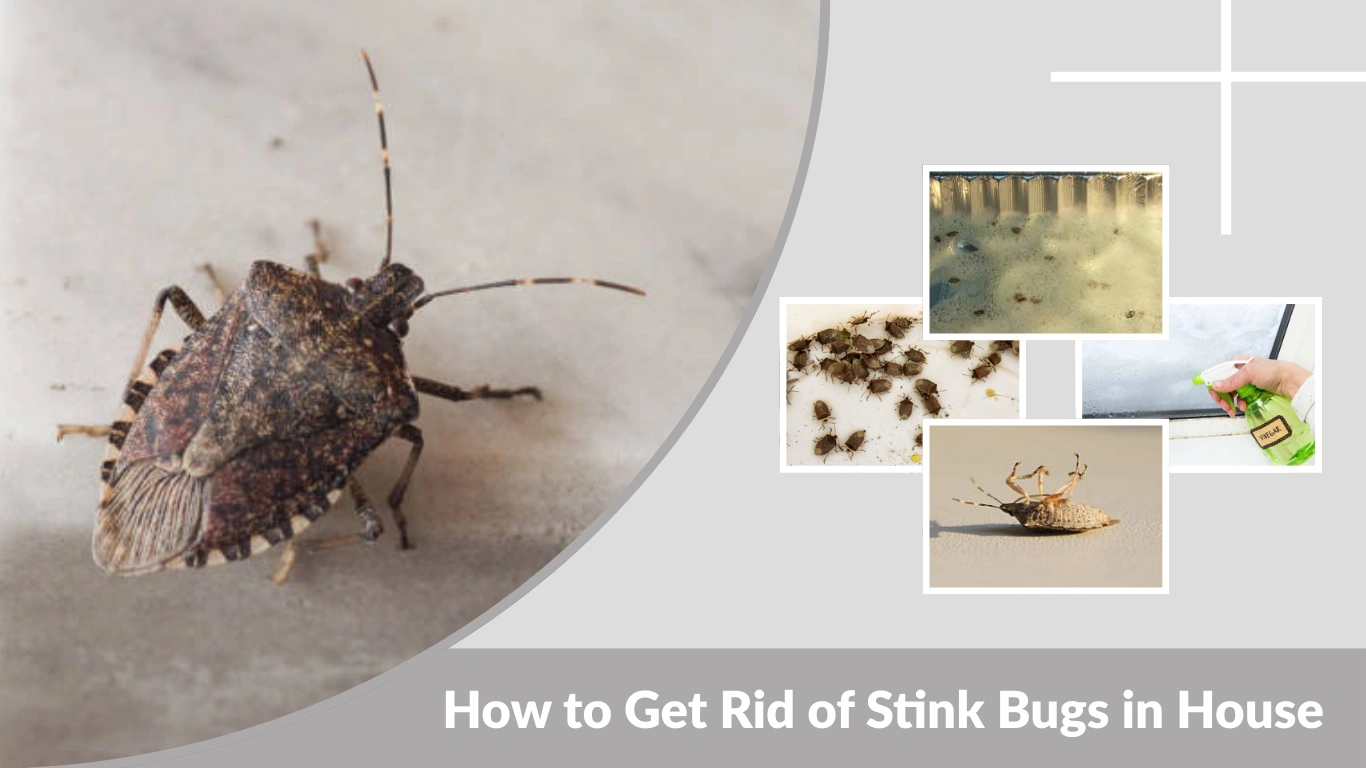
Stink bugs are one of the most frustrating insects to find inside a home. They seem to appear suddenly, crawl along walls and windows, and release a strong odor when disturbed. While stink bugs are not dangerous, their smell and repeated presence can quickly become a nuisance. Most infestations happen during cooler months when these insects look for warm places to survive the winter. Knowing how to get rid of stink bugs in your house safely and effectively can help you reduce stress and prevent the problem from getting worse. This guide explains why stink bugs enter homes and the best ways to remove them without causing unpleasant odors.
Why Stink Bugs Are in Your House
Stink bugs enter homes primarily to escape cold weather. As temperatures drop in fall and early winter, they begin searching for sheltered places where they can stay warm. Houses provide ideal conditions, including stable temperatures and plenty of hidden spaces.
Unlike insects that infest homes for food, stink bugs do not eat household items or reproduce indoors. They usually enter accidentally through small gaps and remain dormant until warmer weather returns. This is why many people notice stink bugs appearing in large numbers during colder months, even if they never had issues before.
Stink bugs are also attracted to warmth and light. Sunlit exterior walls, windows, and doors often draw them in during the day. Once they find an opening, they can easily move inside and hide for weeks or months without being noticed.
Why Stink Bugs Are Hard to Get Rid of Indoors
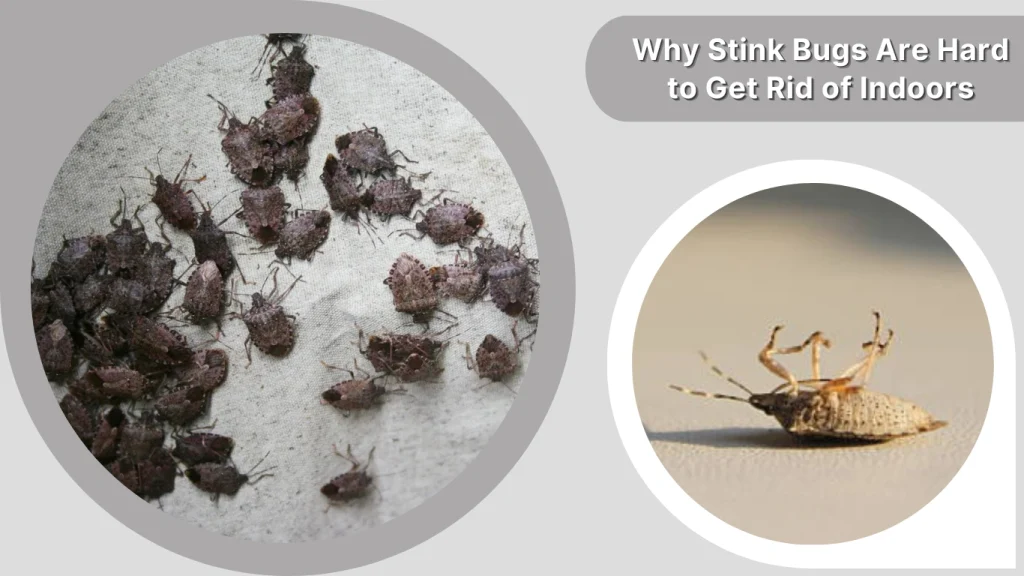
One reason stink bugs are difficult to deal with is their defensive odor. When threatened or crushed, they release a chemical smell that can linger on surfaces and in the air. This makes common reactions like squashing them counterproductive.
Stink bugs are also skilled at hiding. They often retreat into wall voids, attics, basements, or behind furniture, making it hard to locate all of them at once. Spraying random areas rarely solves the problem, as most stink bugs remain hidden until conditions change.
Because they do not actively move around searching for food, stink bugs may stay unnoticed for long periods. This can make it feel like new bugs are appearing even when they were already inside the house.
Best Ways to Get Rid of Stink Bugs in House
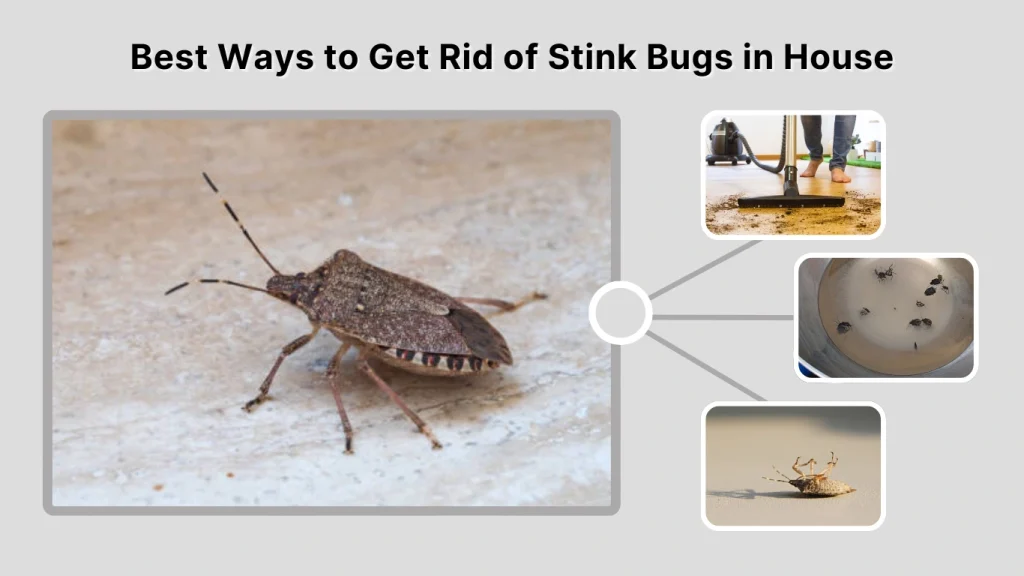
Removing stink bugs successfully requires methods that avoid triggering their odor while safely eliminating them.
Vacuuming Stink Bugs Safely
Vacuuming is one of the most effective ways to remove stink bugs from your house. Using a vacuum cleaner with a disposable bag allows you to capture the bugs without touching them or releasing their smell. Once finished, the vacuum bag should be sealed tightly and thrown away in an outdoor trash bin.
If your vacuum does not use bags, consider placing a small amount of soapy water inside the canister before vacuuming. This helps kill the bugs quickly and reduces lingering odor.
Trapping Stink Bugs With Soapy Water
Another reliable method is trapping stink bugs using soapy water. Fill a container with warm water and add a few drops of dish soap. When stink bugs fall into the mixture, the soap breaks down their protective coating, causing them to sink and die.
This method works well near windows, doors, or areas where stink bugs frequently gather. It is also useful for removing multiple bugs at once without spreading odor throughout the house.
How to Kill Stink Bugs Without Causing Smell
The key to killing stink bugs without odor is avoiding direct pressure. Squashing or crushing them almost always releases their smell and may even attract more stink bugs to the area.
Instead, focus on methods like vacuuming or soapy water traps. These techniques minimize contact and reduce the risk of lingering odors. Acting slowly and calmly when removing stink bugs also helps prevent them from releasing their defensive scent.
How to Get Rid of Stink Bugs Naturally
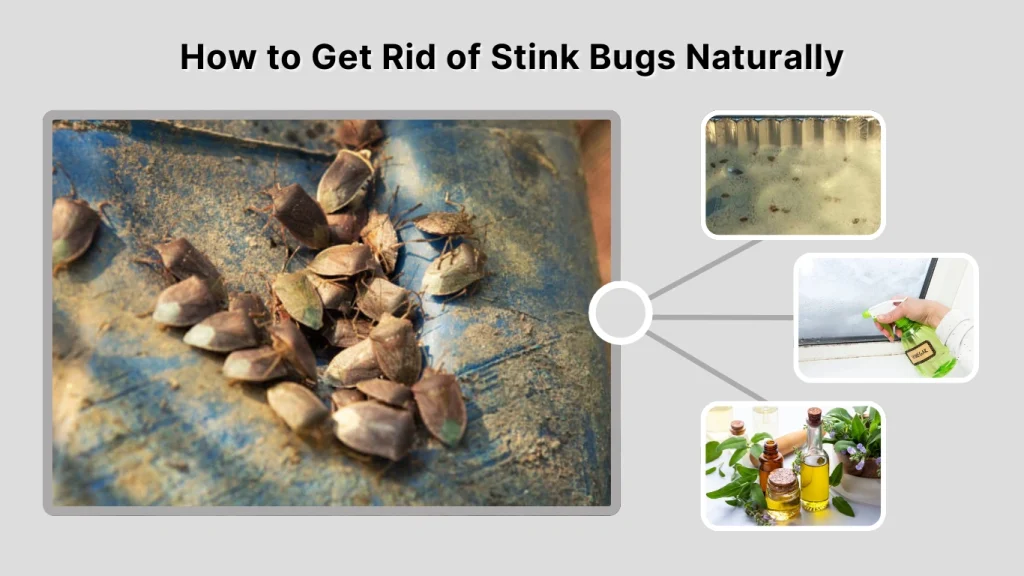
For homeowners who prefer non-chemical solutions, natural methods can help reduce stink bug activity indoors. These options work best when only a small number of bugs are present or when used alongside physical removal methods.
Dish Soap and Water Spray
A mixture of dish soap and water is one of the simplest ways to kill stink bugs naturally. When sprayed directly onto the insect, the soap breaks down its outer layer and causes it to dehydrate. This method works quickly but should be used carefully, as spraying large areas can leave residue on walls or furniture. It is most effective for isolated stink bugs rather than widespread problems.
Vinegar for Stink Bugs
Vinegar is often mentioned as a home remedy, but its effectiveness is limited. While vinegar can kill stink bugs on contact, it does not work as a repellent and may damage painted surfaces, wood, or fabrics. If used, it should only be applied directly to the bug and not sprayed around the home.
Essential Oils That Repel Stink Bugs
Certain essential oils, including peppermint, clove, lavender, and eucalyptus, may help repel stink bugs. Mixing a few drops with water and spraying around windowsills, door frames, and baseboards can discourage stink bugs from entering or lingering. These oils are best used as a preventive measure rather than a primary removal method.
Do Chemical Sprays Work on Stink Bugs Indoors?
Chemical insecticides are generally not the most effective solution for stink bugs indoors. Many sprays only kill on contact and do not reach bugs hiding in walls or ceilings. Additionally, indoor use of chemical pesticides can pose health risks to children and pets.
In some cases, targeted insecticides may help reduce stink bugs near entry points, but they should be used cautiously and according to label instructions. Most pest control professionals focus on exterior treatments instead of indoor spraying to prevent future invasions.
When to Call a Professional Pest Control Service
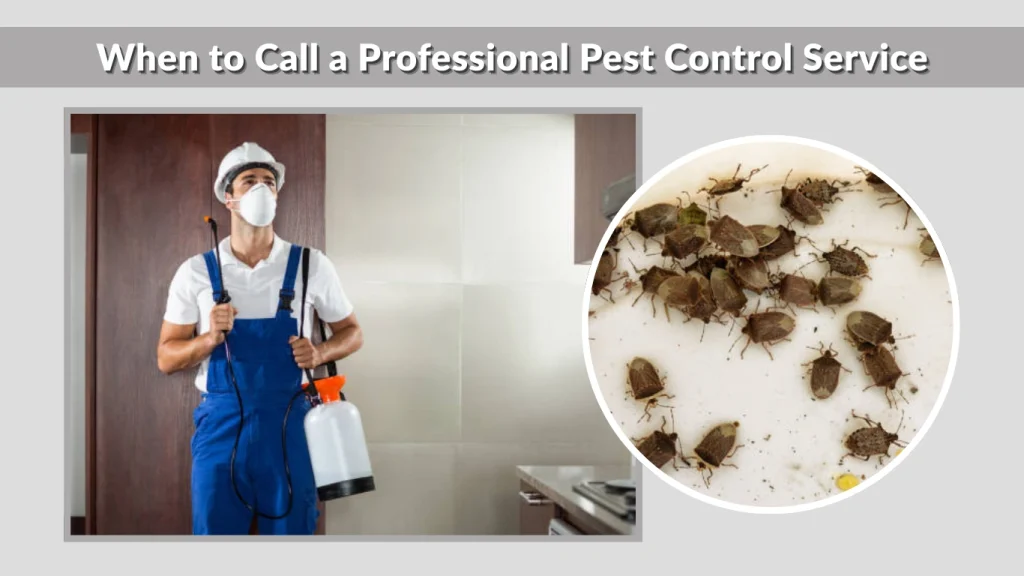
If stink bugs continue to appear despite repeated removal efforts, it may be time to call a professional pest control service. Professionals can identify entry points, apply exterior treatments, and recommend long-term prevention strategies.
Hiring a professional is especially helpful if stink bugs return year after year or if large numbers are found throughout the home. While professional services involve a cost, they often provide more lasting results than DIY methods alone.
How to Stop Stink Bugs From Coming Back
Preventing stink bugs from entering your house is the most effective long-term solution.
Seal Entry Points
Inspect your home for cracks, gaps, and openings around windows, doors, vents, and siding. Sealing these areas with caulk or weather stripping can significantly reduce the number of stink bugs that enter your house.
Reduce Outdoor Attraction
Exterior lights can attract stink bugs at night. Turning off unnecessary lights or using yellow bug lights can help reduce attraction. Keeping plants and vegetation trimmed away from the house also limits areas where stink bugs can gather.
Seasonal Prevention Tips
Fall is the best time to take preventive action. Repair damaged screens, seal gaps early, and inspect your home before temperatures drop. These steps help stop stink bugs from settling indoors for the winter.
Stink Bugs in House During Winter
Stink bugs are most noticeable indoors during winter because they seek warmth and shelter. They often remain hidden but may become active on warmer days or when indoor heating increases. Seeing stink bugs in winter does not mean new bugs are entering the house; many were already inside and are simply becoming active.
Conclusion
Getting rid of stink bugs in your house requires patience and the right approach. Physical removal methods such as vacuuming and soapy water traps are the most effective ways to eliminate stink bugs without causing odor. Natural remedies and limited chemical use can support these efforts, but prevention is the key to long-term control. By sealing entry points, reducing outdoor attractions, and preparing your home before cold weather arrives, you can keep stink bugs from returning and enjoy a more comfortable living space.
FAQs
What is the fastest way to get rid of stink bugs in the house?
The fastest way to get rid of stink bugs is to vacuum them using a vacuum cleaner with a disposable bag or trap them in soapy water. These methods kill the bugs without releasing their strong odor and prevent the smell from spreading throughout the house.
Can stink bugs infest a house?
Stink bugs do not infest houses in the traditional sense. They do not breed or feed indoors. However, large numbers can enter a home at once during fall or winter while searching for shelter, making it feel like an infestation.
What smells repel stink bugs the most?
Stink bugs are repelled by strong scents such as peppermint, clove, eucalyptus, and lavender. Essential oil sprays made with these scents can help deter stink bugs from entering or gathering near windows and doors.
Do stink bugs die on their own indoors?
Yes, stink bugs can die indoors over time, especially if they cannot find a way back outside. However, they may survive for several months during winter, which is why active removal is usually necessary.
Will stink bugs come back after removal?
Stink bugs may return if entry points are not sealed. Without proper prevention, they can re-enter the house each year during colder months. Sealing cracks, reducing outdoor lights, and seasonal maintenance help prevent repeat problems.