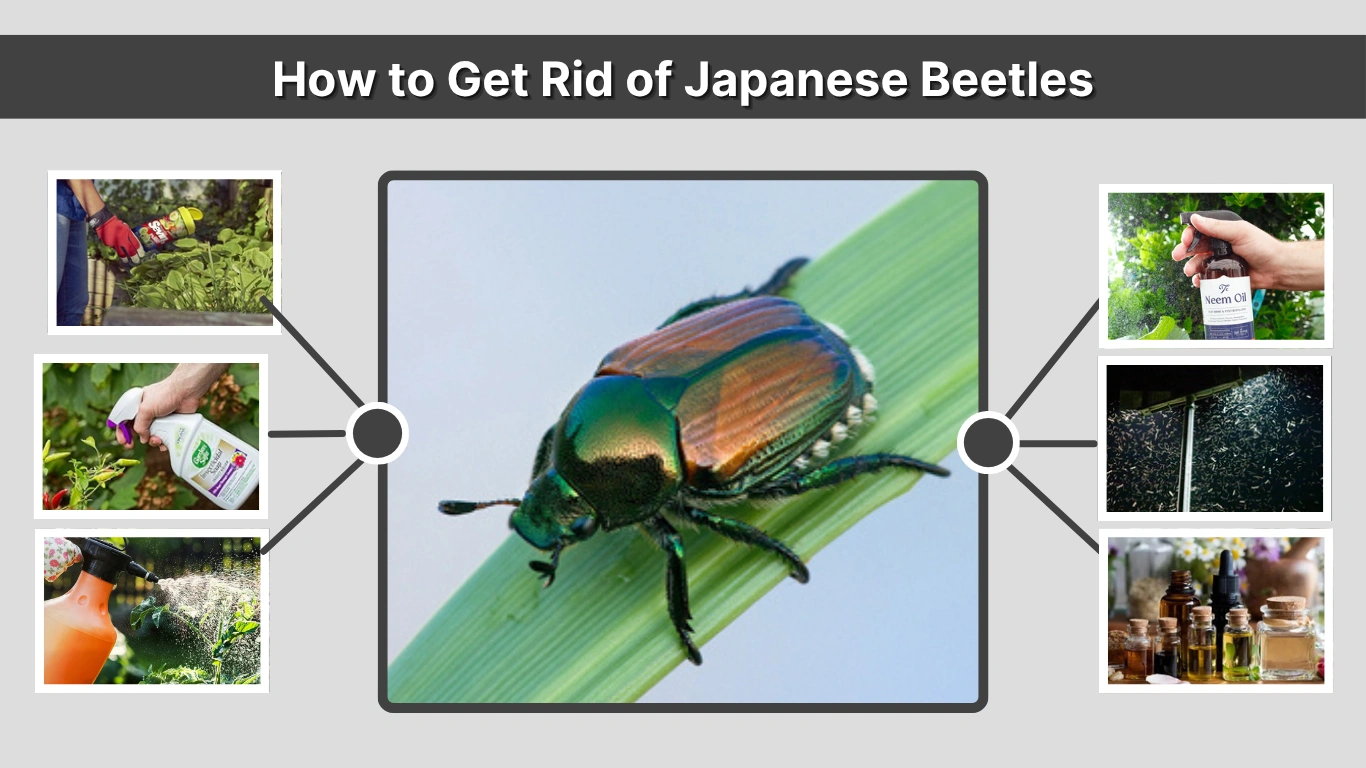
Japanese beetles are among the most destructive garden pests, known for their metallic green bodies and bronze wings. They feed on hundreds of plant species, leaving behind skeletonized leaves and damaged flowers. Whether they’re in your garden, on your roses, or even inside your home, learning how to get rid of Japanese beetles naturally and safely is key to protecting your plants year after year.
What Are Japanese Beetles?
Japanese beetles (Popillia japonica) are small insects about half an inch long, instantly recognizable by their shiny green and copper-colored shells. These beetles were accidentally introduced to the United States in the early 1900s and have since spread across most of North America.
They have a life cycle that includes four stages — egg, grub, pupa, and adult — with the grub stage causing significant underground damage to lawns and roots. Adult beetles emerge in early summer, feeding in large groups and often returning to the same plants daily.
Japanese beetles thrive in warm, humid conditions and prefer sunny gardens. They attack many plants, including roses, fruit trees, grapevines, and ornamental flowers.
How Did Japanese Beetles Get to the U.S.?
Japanese beetles originated in Japan, where natural predators keep their populations under control. However, when they were accidentally introduced to America — likely through imported plants or soil — they found an ideal environment without natural enemies.
They were first discovered in New Jersey around 1916 and have since spread rapidly through much of the eastern and central United States. Their ability to adapt to different climates, combined with limited biological control, allowed them to become one of the most widespread garden pests.
Understanding their history helps explain why managing them requires consistent, multi-season efforts rather than a one-time solution.
How to Identify a Japanese Beetle Infestation
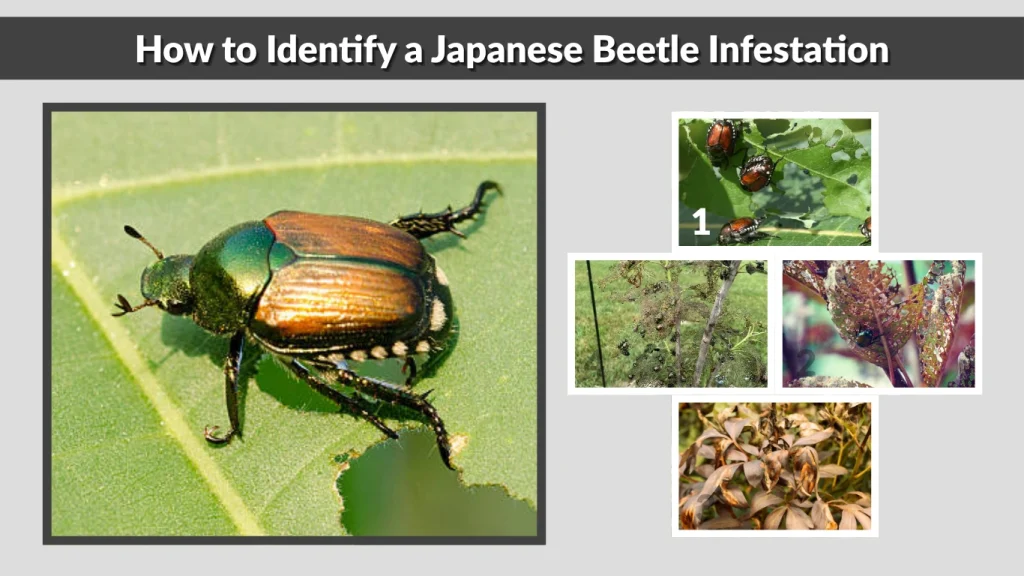
Before you start treatment, it’s important to confirm that Japanese beetles are the cause of your problem. They leave distinctive signs on plants, making them easy to identify.
Common signs of infestation include:
- Shiny metallic green beetles on leaves, flowers, or fruit.
- Skeletonized leaves — only veins remain after feeding.
- Brown or withered foliage appearing in mid-summer.
- Clusters of beetles feeding together on the same plant.
- White, C-shaped grubs visible in soil when digging or gardening.
The presence of both adult beetles and grubs means you’re dealing with a multi-stage infestation that needs both above-ground and below-ground treatment.
How to Get Rid of Japanese Beetles Naturally
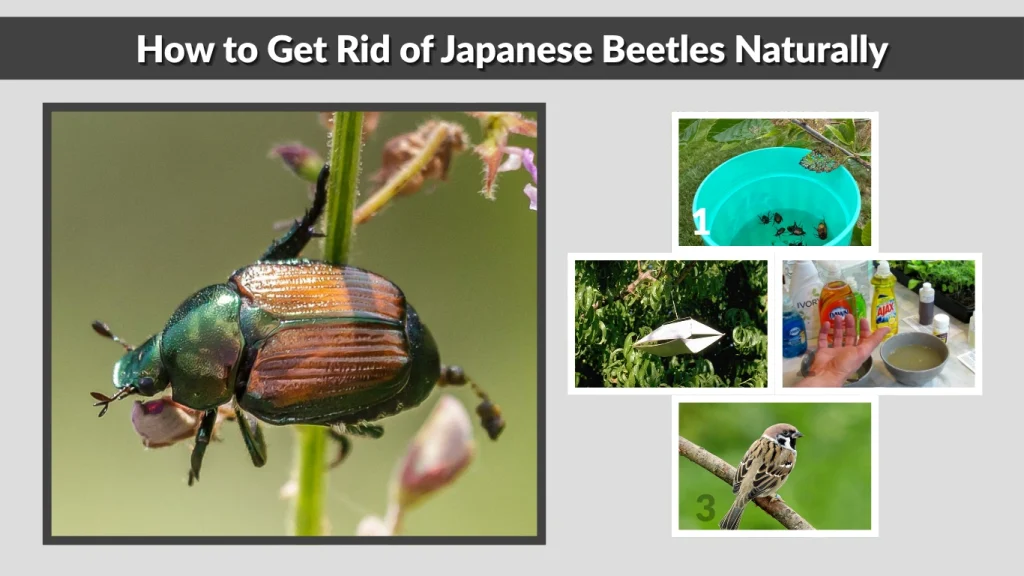
Natural methods are the safest and most eco-friendly way to control Japanese beetles. They protect pollinators, improve soil health, and can be highly effective when applied regularly during beetle season.
1. Hand Removal Method
One of the simplest and most effective methods is handpicking. Early in the morning, when beetles are sluggish from cool temperatures, gently shake or pick them off plants and drop them into a bucket of soapy water.
Adding a few drops of dish soap (like Dawn) breaks the water’s surface tension, ensuring the beetles sink and die quickly. This method is chemical-free, inexpensive, and ideal for small gardens or light infestations.
2. Neem Oil Spray
Neem oil is one of the best natural remedies for Japanese beetles. It contains azadirachtin, a compound that disrupts the beetle’s feeding and reproduction cycle.
Mix 2 tablespoons of neem oil with 1 gallon of water and spray it on affected plants in the early morning or evening. Regular application every 5–7 days during peak season can significantly reduce beetle numbers.
Neem oil also deters beetles from laying eggs, helping to stop future infestations before they begin.
3. Homemade Remedies and Sprays
Several DIY solutions can help repel and kill Japanese beetles naturally:
- Soap and Water Mixture: Mix a few drops of dish soap with water in a spray bottle and apply directly to beetles and leaves.
- Essential Oils: Peppermint, clove, and wintergreen oils are natural repellents. Combine 10 drops of oil with 2 cups of water for a gentle deterrent spray.
- Garlic and Pepper Spray: Blend garlic cloves and hot peppers with water, strain, and spray on affected plants to repel beetles with its strong scent.
These home remedies are safe for edible plants and help avoid the risks of chemical exposure in gardens.
4. Encourage Natural Predators
Attracting natural predators is a long-term, sustainable way to control beetle populations. Birds such as starlings, robins, and grackles eat both adults and grubs. Frogs, toads, and predatory insects like praying mantises and assassin bugs also help reduce numbers.
To attract these helpers:
- Add bird feeders and baths to your garden.
- Keep a small pond or damp area for frogs and toads.
- Avoid broad-spectrum insecticides that could harm beneficial species.
A balanced ecosystem naturally limits pest populations without heavy human intervention.
5. Use Japanese Beetle Traps Wisely
Pheromone traps lure beetles using scent attractants, but placement is crucial. If used incorrectly, traps can draw even more beetles to your yard.
Best practice: Place traps at least 30 feet away from plants you want to protect. Empty and reset them regularly to prevent overflow. Traps are most effective when used alongside other methods, such as neem oil or manual removal.
How to Get Rid of Japanese Beetles on Specific Plants
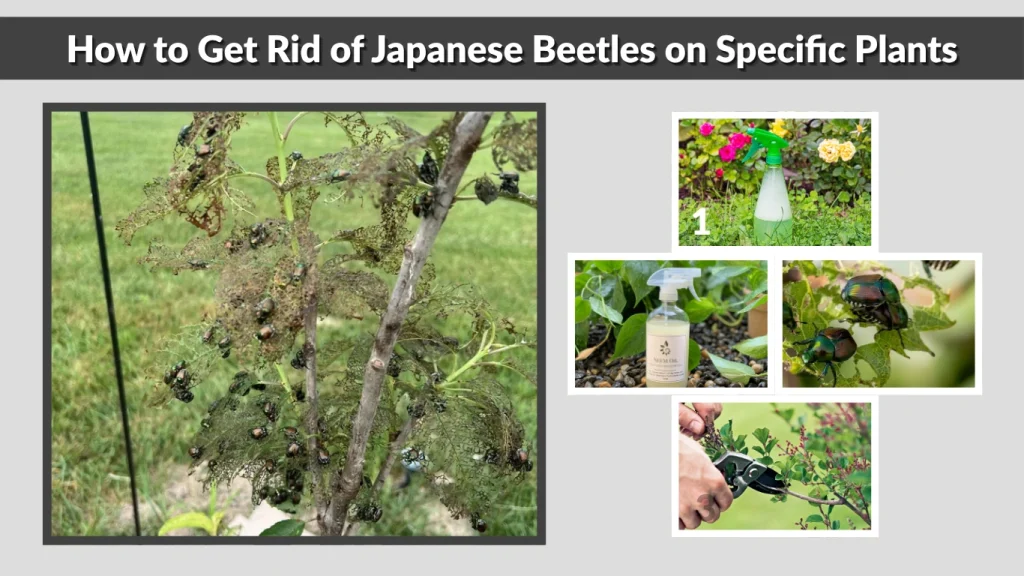
Different plants require slightly different control methods because of their leaf type, bloom cycle, and susceptibility level. Here’s how to protect some of the most affected plants.
Roses
Japanese beetles are infamous for attacking roses. To protect your blooms:
- Spray neem oil or insecticidal soap weekly during beetle season.
- Handpick beetles in the early morning.
- Prune damaged blooms to discourage further feeding.
Adding garlic or catnip nearby can help repel beetles naturally. Avoid using strong pesticides, which may harm pollinators visiting the flowers.
Fruit Trees and Grapevines
Fruit trees like apple, peach, and cherry are prime targets. Beetles chew through leaves and young fruit, reducing harvests. For control:
- Spray neem oil or pyrethrin-based insecticidal soap once a week.
- Use pheromone traps at the edge of your orchard.
- Apply milky spore to the soil around tree roots to kill grubs.
Consistent treatment ensures you protect your fruit trees from both adult beetles and their underground larvae.
How to Get Rid of Japanese Beetles in the House
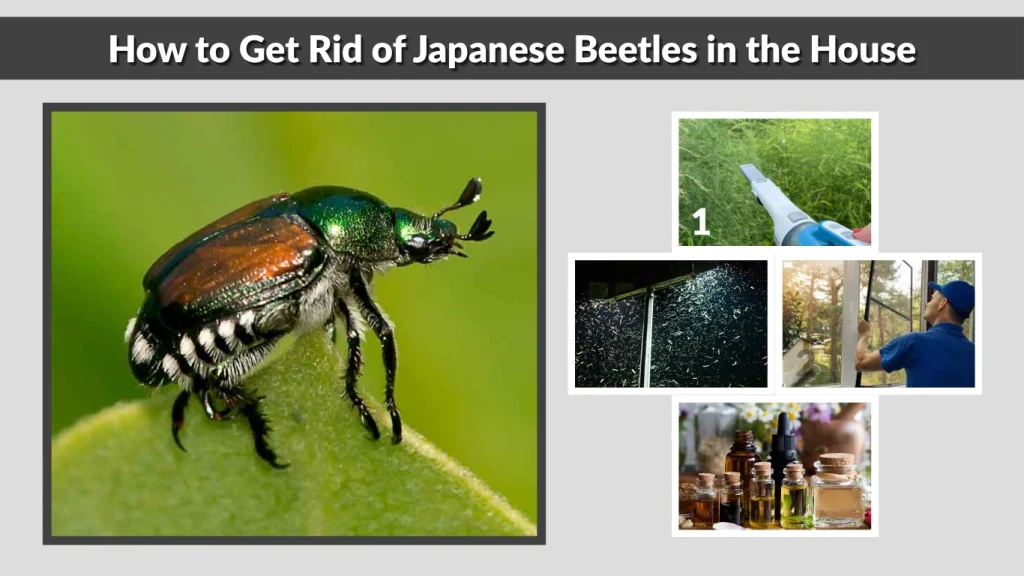
While Japanese beetles are mostly outdoor pests, they occasionally find their way indoors — especially during midsummer when seeking light or shelter. They don’t breed inside homes, but they can be annoying once they enter.
Here’s how to get rid of Japanese beetles inside your house:
- Vacuum them up: Use a handheld vacuum to remove beetles quickly and safely. Dispose of the bag outdoors.
- Seal entry points: Check windows, doors, vents, and gaps in siding. Installing fine mesh screens helps prevent re-entry.
- Essential oil repellents: Mix peppermint, clove, or citrus oil with water and spray around windows and doors to deter them.
- Turn off outdoor lights: Japanese beetles are drawn to light, so keeping lights off at night helps reduce attraction.
These simple steps can stop beetles from entering and make your home less appealing to them.
How to Get Rid of Japanese Beetle Grubs
Getting rid of the grubs is key to ending infestations permanently. Grubs live underground, feeding on grass and plant roots, which eventually produce new generations of adult beetles.
Effective natural methods include:
- Milky Spore Treatment: This biological control introduces bacteria that infect and kill beetle grubs without harming other soil life. Apply it once to your lawn for multi-year protection.
- Beneficial Nematodes: These microscopic worms hunt and consume beetle larvae. Mix them with water and apply to moist soil in late summer.
- Reduce Lawn Moisture: Beetles lay eggs in moist soil. Avoid overwatering to make the environment less attractive for egg-laying.
By treating both adults and grubs, you can break the beetle life cycle and drastically reduce future infestations.
Best Sprays and Treatments to Get Rid of Japanese Beetles
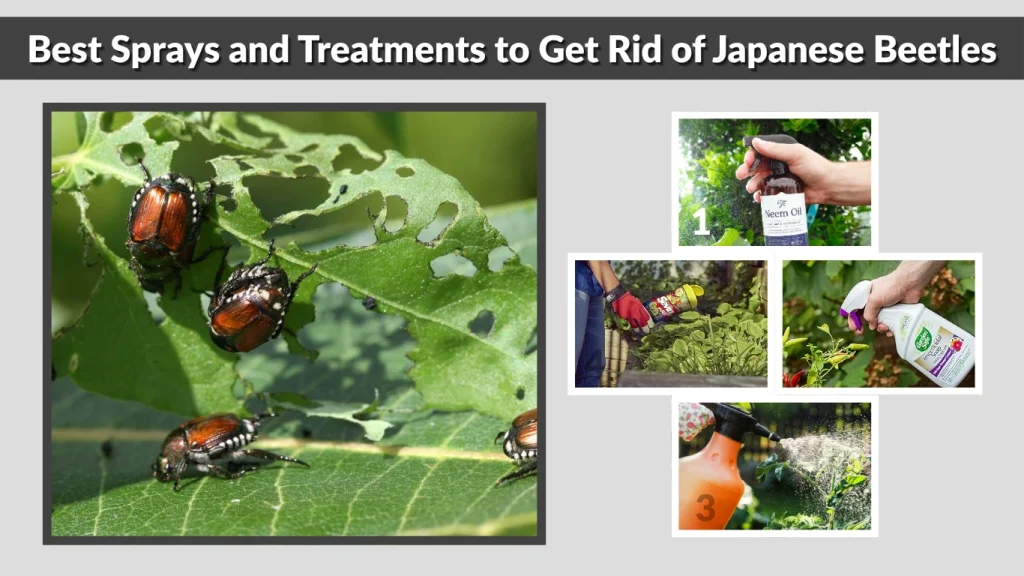
If natural methods aren’t enough, several sprays can help manage larger infestations while keeping plants safe. Always follow label directions to protect beneficial insects and pollinators.
- Neem Oil: Organic and multipurpose — disrupts feeding and reproduction. Works for roses, fruit trees, and flowers.
- Insecticidal Soap: Kills adult beetles on contact without harming plants. Ideal for smaller gardens.
- Pyrethrin Spray: A plant-based insecticide derived from chrysanthemums. Safe for short-term use in edible gardens.
- Carbaryl (Sevin Dust): Provides fast results but should only be used when beetles are heavily infesting non-flowering plants.
These treatments can be alternated to avoid pest resistance and provide both immediate and lasting protection.
How to Get Rid of Japanese Beetles Permanently
Completely eliminating Japanese beetles requires consistency over multiple seasons. Since they reproduce quickly, combining multiple control methods is the most effective long-term strategy.
Follow this cycle for permanent results:
- Summer (Adult Stage): Handpick beetles, use neem oil sprays, and set pheromone traps away from plants.
- Late Summer to Fall (Egg and Grub Stage): Apply milky spore or beneficial nematodes to the soil.
- Winter: Remove dead plants and leaves where beetles might hide.
- Spring: Encourage natural predators by adding bird feeders and small water sources.
Maintaining this routine ensures that both adult beetles and their larvae are targeted, preventing population regrowth each year.
How to Prevent Japanese Beetles from Returning
Prevention is the most reliable way to keep your garden beetle-free in the long run. Here are effective strategies:
- Plant Resistant Species: Choose flowers and shrubs that beetles dislike, such as lavender, boxwood, and catnip.
- Use Companion Planting: Grow garlic, chives, or marigolds near vulnerable plants to repel beetles naturally.
- Keep Gardens Clean: Remove fallen fruit and decaying leaves where beetles feed or lay eggs.
- Attract Birds and Insects: Natural predators help maintain balance year after year.
- Grub Control Every Fall: Treat lawns annually with milky spore or nematodes to stop new generations.
By following these preventive measures, you’ll reduce future infestations and keep your garden thriving naturally.
Natural vs Chemical Methods: Which Is Better?
Both natural and chemical methods can control Japanese beetles, but each has its advantages:
Natural Methods:
- Safe for pollinators and pets.
- Improve soil health and biodiversity.
- Require consistency for best results.
Chemical Methods:
- Provide faster, visible results.
- Useful for severe infestations.
- May harm beneficial insects if overused.
For most gardeners, an integrated approach — combining natural remedies with limited chemical use — offers the best long-term protection and ecological balance.
FAQs
How do Japanese beetles get in the house?
They enter through small openings like windows, vents, or doors, especially during summer evenings when drawn to light. Sealing gaps and turning off unnecessary lights helps keep them out.
What gets rid of Japanese beetles the fastest?
Neem oil and pyrethrin sprays offer quick results by disrupting beetle feeding. Handpicking beetles early in the morning also works for small infestations.
What’s the best natural way to get rid of Japanese beetles?
A mix of soapy water handpicking, neem oil spray, and beneficial nematodes provides the most effective and eco-friendly control without harming pollinators.
Can you get rid of Japanese beetles permanently?
Yes — by treating both adult beetles and their larvae every season. Applying milky spore to the soil and using neem oil consistently breaks their reproductive cycle.
Do Japanese beetles come back every year?
They return each summer if their larvae survive underground. Applying grub treatments in late summer and maintaining healthy soil can prevent recurring infestations.