
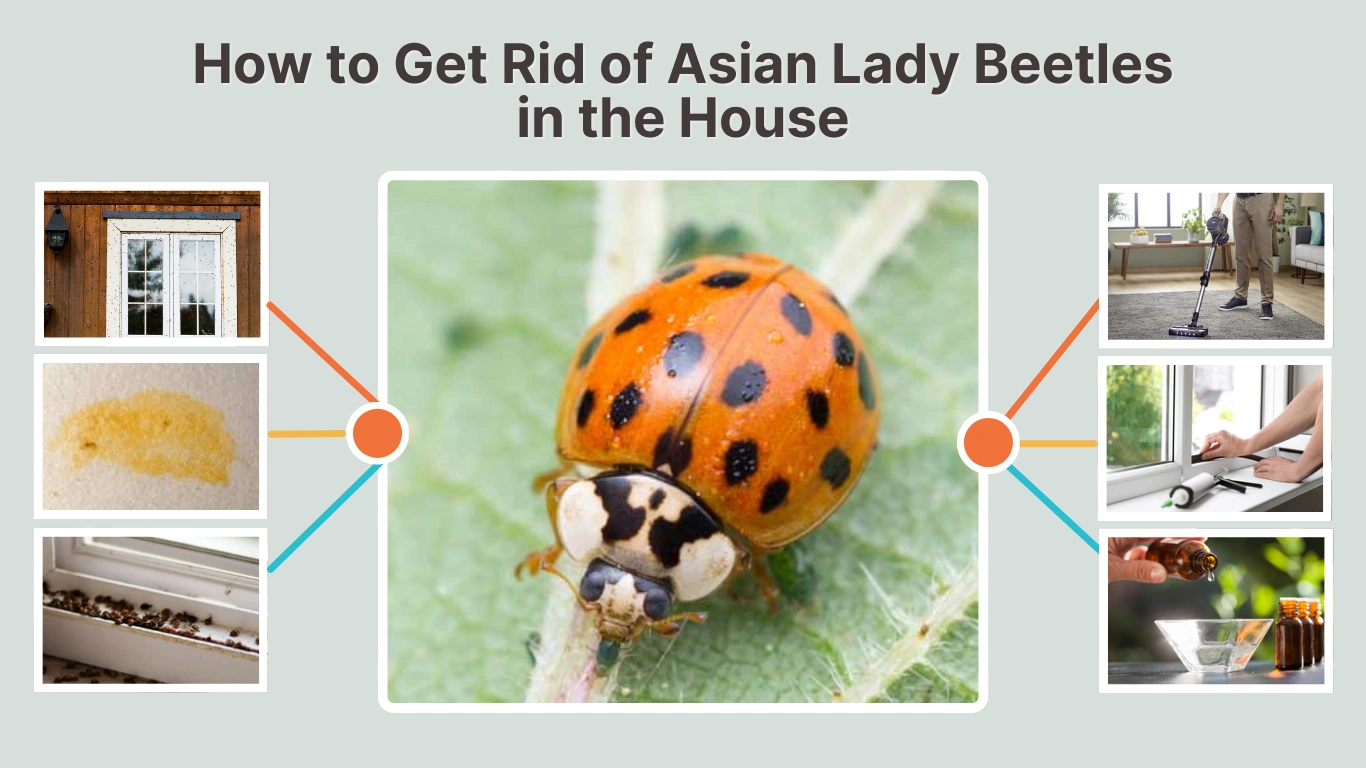
Asian lady beetles may look harmless and even cute at first glance, but anyone who has experienced a sudden indoor invasion knows how frustrating they can be. Unlike native ladybugs that usually stay outdoors, these beetles tend to gather in large numbers and enter homes as temperatures drop. They are most active in the fall when they search for warm places to overwinter, and once inside, they can leave behind stains, release a foul odor, and even cause allergic reactions in some people. This guide will help you understand why Asian lady beetles invade homes and provide practical steps to eliminate them.
Understanding Asian Lady Beetles
Identification
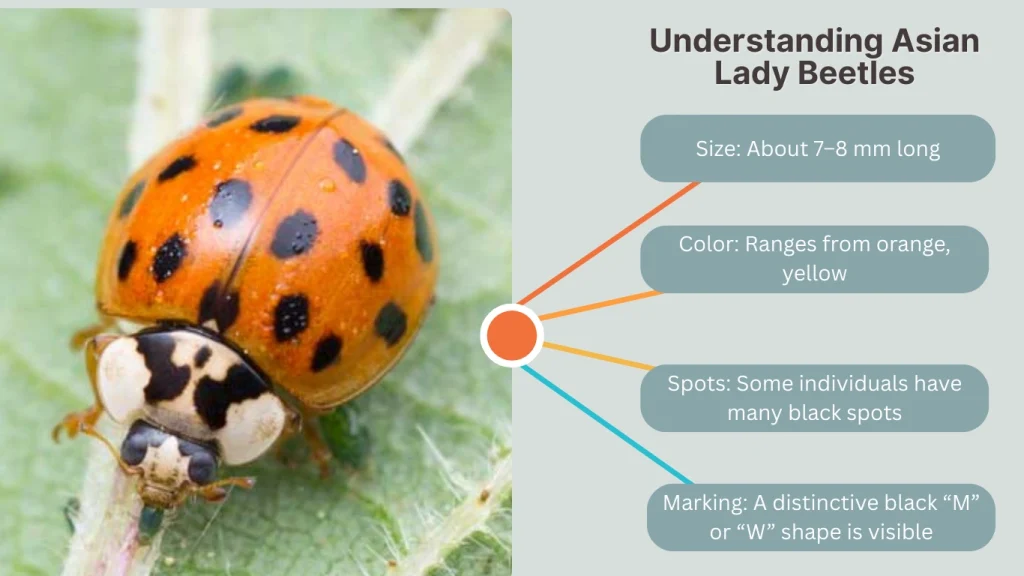
Asian lady beetles (Harmonia axyridis) are often confused with the familiar red ladybug. However, there are a few key traits that help you distinguish them:
- Size: About 7–8 mm long, slightly larger than most native ladybugs.
- Color: Ranges from orange, yellow, or red to almost spotless tan.
- Spots: Some individuals have many black spots, while others have none.
- Marking: A distinctive black “M” or “W” shape is visible on the white section behind the head.
These features make it easier to identify an infestation and avoid mistaking them for harmless garden ladybugs.
Why They Enter Homes
Asian lady beetles are not looking for food when they sneak indoors; instead, they are searching for a cozy shelter to survive the cold months. They are strongly attracted to warm, sunlit surfaces like south-facing walls, which act as a natural signal for winter shelter. Once they land, they crawl into small cracks and crevices around windows, doors, or siding and eventually find their way inside.
Signs of Infestation
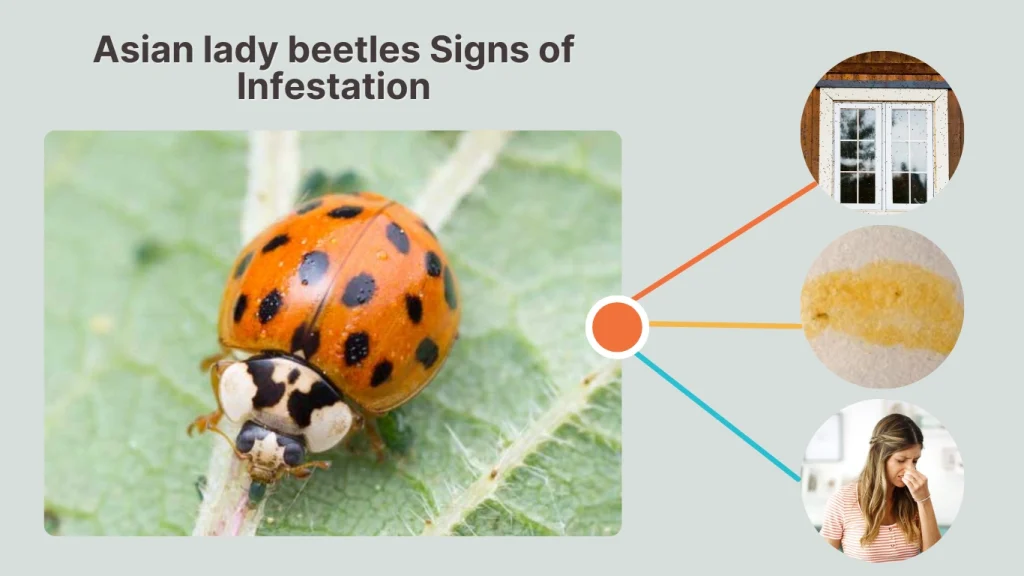
Noticing a few beetles here and there may not be alarming, but once an infestation begins, the signs are hard to ignore. Some of the most common indicators include:
- Clusters on walls or ceilings: You may find dozens or even hundreds gathered near windows, light fixtures, or corners.
- Yellow stains: When disturbed or crushed, Asian lady beetles release a yellowish fluid that stains walls, curtains, and furniture.
- Unpleasant odor: This same defensive fluid has a foul smell that lingers.
- Increased indoor activity in winter: On warmer days, beetles may become active and fly around rooms, even in the middle of winter.
Step-by-Step Guide to Get Rid of Asian Lady Beetles
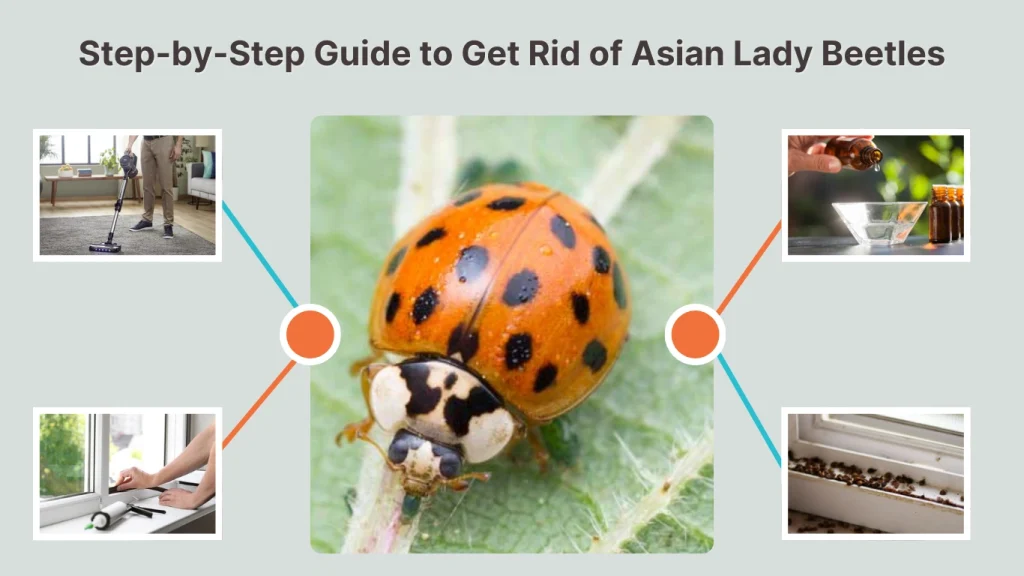
Step 1: Vacuum Them Up
One of the simplest and most effective ways to deal with beetles already inside is by using a vacuum cleaner. Choose a model with a bag attachment so you can easily dispose of the pests. If you use a bagless vacuum, empty it outdoors right away, as the beetles’ odor will linger inside the container.
- Tip: Place a thin stocking inside the vacuum tube before attaching the nozzle. This allows you to trap beetles without them getting into the vacuum bag, making disposal easier.
Step 2: Seal Entry Points
Prevention is always better than cure. Once the beetles are inside, they are much harder to control. That’s why sealing gaps and cracks is essential. Inspect your home carefully, focusing on:
- Window and door frames
- Attic vents and soffits
- Chimneys and utility openings
- Gaps in siding or roof edges
Use caulk, weatherstripping, or foam sealants to close any openings. Adding door sweeps can also make a big difference.
Step 3: Use Natural Repellents
For homeowners who prefer not to use harsh chemicals, natural repellents work surprisingly well against Asian lady beetles. Essential oils such as citronella, peppermint, lemon, or clove oil can deter them. Mix a few drops with water in a spray bottle and apply the solution to window sills, door frames, and other entry points. Reapply regularly, especially during peak invasion months.
Step 4: Install Screens and Barriers
Asian lady beetles often sneak inside through small gaps that go unnoticed. Adding physical barriers is a long-term solution to prevent infestations. Fine mesh screens on windows, chimneys, vents, and attic openings create a strong defense line. For added protection, install door sweeps and check for worn-out weatherstripping. These upgrades not only block beetles but also help keep out other insects and improve energy efficiency in your home.
Step 5: Indoor Traps
If you’re already facing beetles inside, traps can help reduce their numbers quickly. Simple DIY light traps work well since Asian lady beetles are attracted to bright light. Place a desk lamp over a shallow bowl filled with soapy water at night. The beetles fly toward the light, fall into the water, and cannot escape. Commercial sticky traps are also available and can be placed in problem areas. Traps are especially effective in attics, basements, or unused rooms where beetles cluster.
Preventing Future Infestations
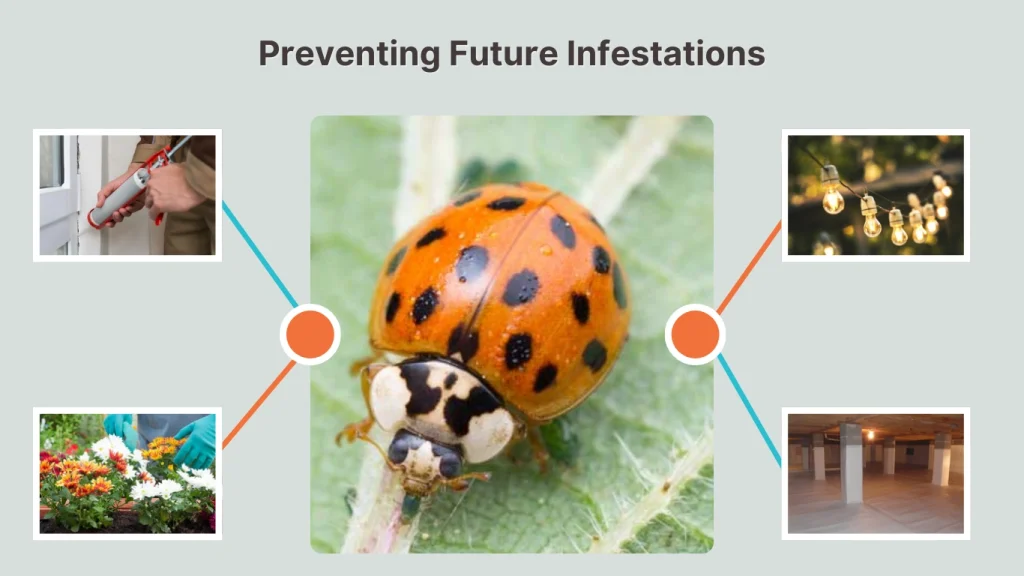
Once you’ve cleared your home of beetles, prevention should be your next focus. A few small habits and adjustments can make your home far less appealing to these insects.
- Regular sealing: Inspect your home twice a year, especially before fall, to check for cracks or gaps.
- Outdoor lighting: Since beetles are attracted to bright lights, consider switching to yellow or sodium vapor bulbs that are less appealing to them.
- Landscaping: Planting mums (chrysanthemums) near entryways works as a natural repellent, as the scent discourages beetles from gathering nearby.
- Proper ventilation: Ensure attics and crawl spaces are well-ventilated and screened, as these areas are common beetle entry points.
These steps reduce the risk of large infestations and keep your home protected year after year.
Are They Harmful?
Asian lady beetles are more of a nuisance than a threat, but they can still cause some issues:
- Biting: While rare, they sometimes nip human skin. The bite is not venomous but can feel like a sharp pinch.
- Allergic reactions: Some people may experience mild allergic symptoms such as eye irritation, coughing, or skin rashes when exposed to large numbers of beetles indoors.
- Odor and stains: Their defensive yellow fluid not only smells bad but also leaves stubborn stains on walls, curtains, and furniture.
- Impact on pets: Although uncommon, curious pets that lick or chew the beetles may experience mouth irritation.
Knowing these risks helps you understand why controlling infestations quickly is important.
Professional Pest Control
In most cases, DIY methods are enough. However, if you’re dealing with thousands of beetles or repeated infestations every year, professional pest control may be necessary. Experts can use residual insecticides applied to the exterior of your home in late summer or early fall, just before beetles begin looking for overwintering spots. Professionals also identify hidden entry points you may have missed.
FAQs
What smell keeps Asian lady beetles away?
Strong scents such as citronella, peppermint, clove, and lemon oils are natural deterrents. Spraying these around windows and doors can help repel beetles.
Do Asian lady beetles bite?
Yes, though not common. Their bite feels like a pinch and usually causes only mild irritation.
Are Asian lady beetles the same as ladybugs?
No. Ladybugs are beneficial garden insects, while Asian lady beetles are an invasive species that often infest homes.
Can I release them outside?
You can gently vacuum and release them outdoors, but keep in mind that in colder weather they will seek shelter again and may return.
When are Asian lady beetles most active indoors?
They typically invade homes in autumn while seeking shelter for winter and often become most noticeable on warm, sunny days during the colder months.
