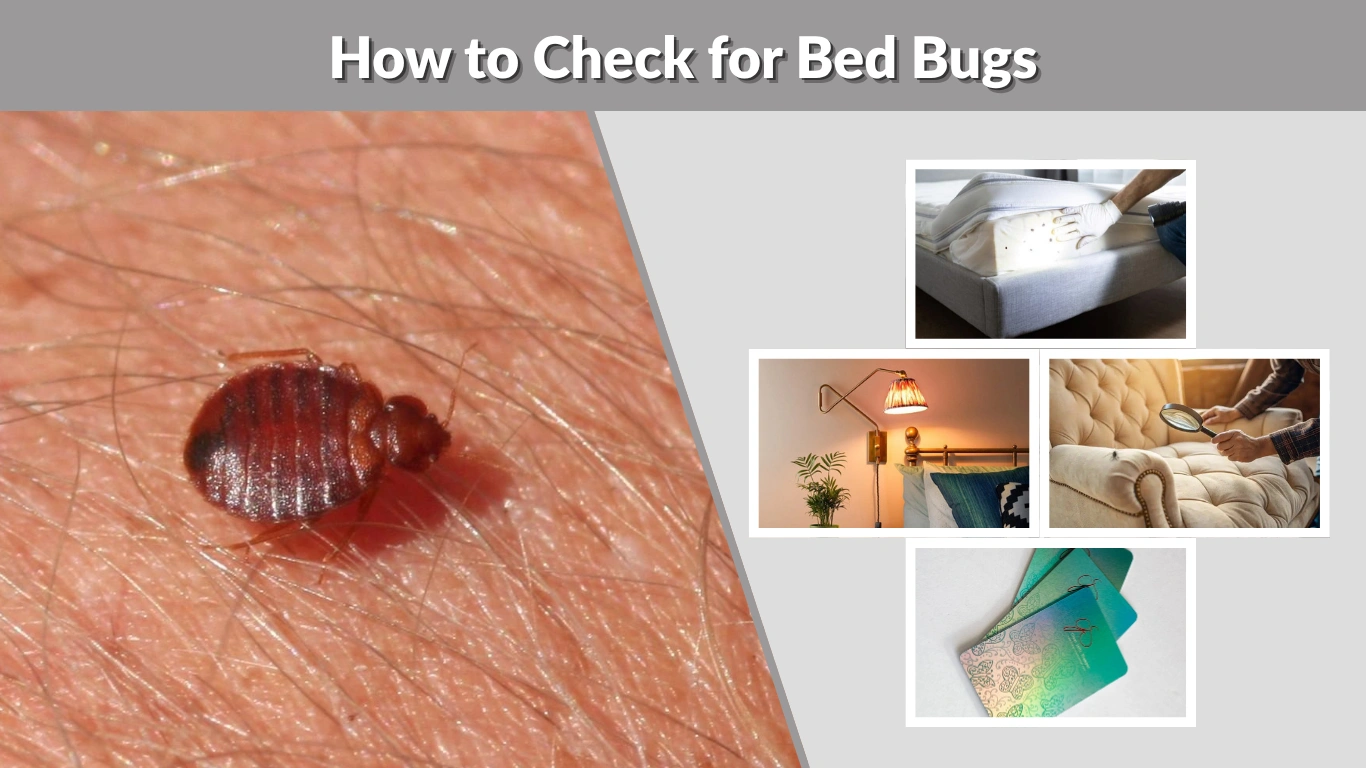
Bed bugs are tiny, nocturnal pests that feed on human blood and can turn peaceful sleep into a nightmare. Despite their name, they aren’t just found in beds — they hide in furniture, luggage, carpets, and even electrical outlets. These insects are excellent at staying out of sight, which makes early detection both crucial and tricky.
Whether you’re checking your own home or a hotel room, knowing where and how to look for bed bugs can save you from weeks of discomfort and expensive extermination treatments. This guide explains how to inspect mattresses, furniture, luggage, and other hiding spots so you can spot bed bugs before they become a problem.
What You Should Know Before Checking for Bed Bugs
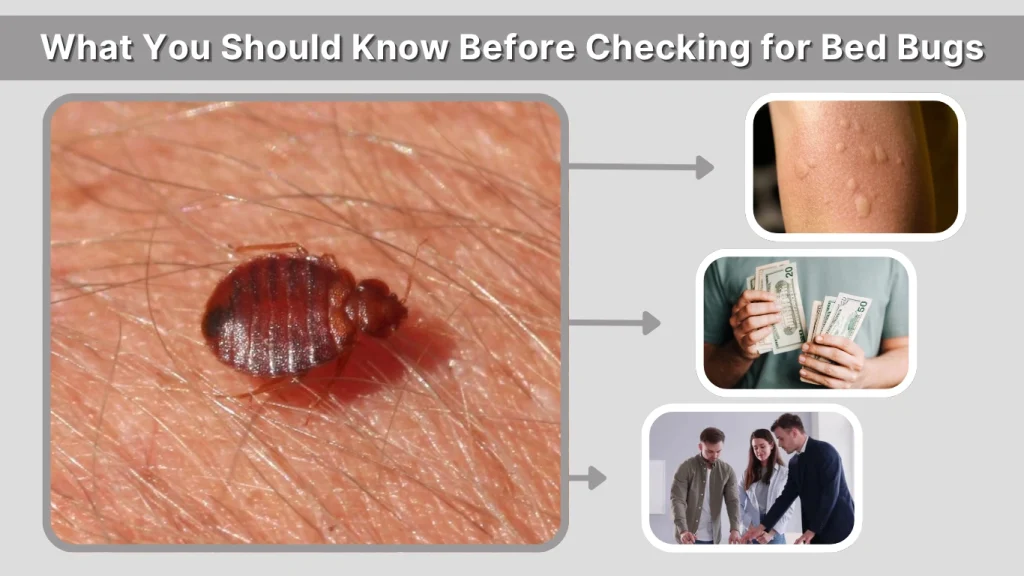
What Are Bed Bugs?
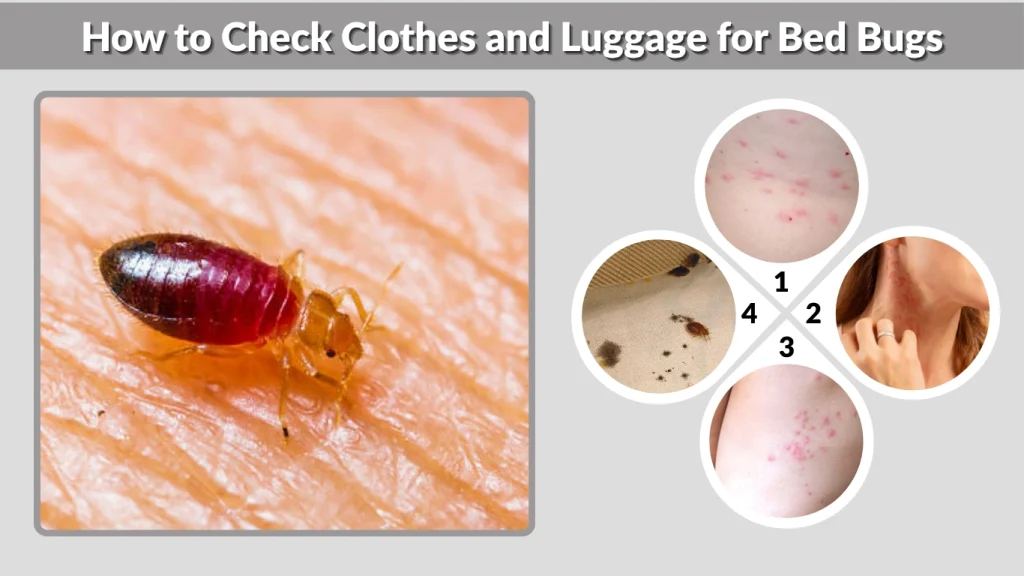
Bed bugs are small, flat, reddish-brown insects that measure about 4–7 mm — roughly the size of an apple seed. They survive by feeding on the blood of humans and animals, usually at night when their hosts are asleep.
These pests don’t jump or fly but move quickly, hiding in tight crevices during the day and emerging to feed in the dark. Even the cleanest homes and five-star hotels can have bed bugs, as they’re excellent hitchhikers that travel easily on clothes, luggage, and furniture.
Why Early Detection Matters
A few unnoticed bed bugs can turn into a major infestation in just weeks. Early detection:
- Prevents bites and allergic reactions.
- Saves money on extermination costs.
- Helps stop them from spreading to other rooms or neighboring apartments.
Because bed bugs are masters of hiding, systematic inspection is key. You’ll need patience, good lighting, and attention to detail.
Signs of a Bed Bug Infestation
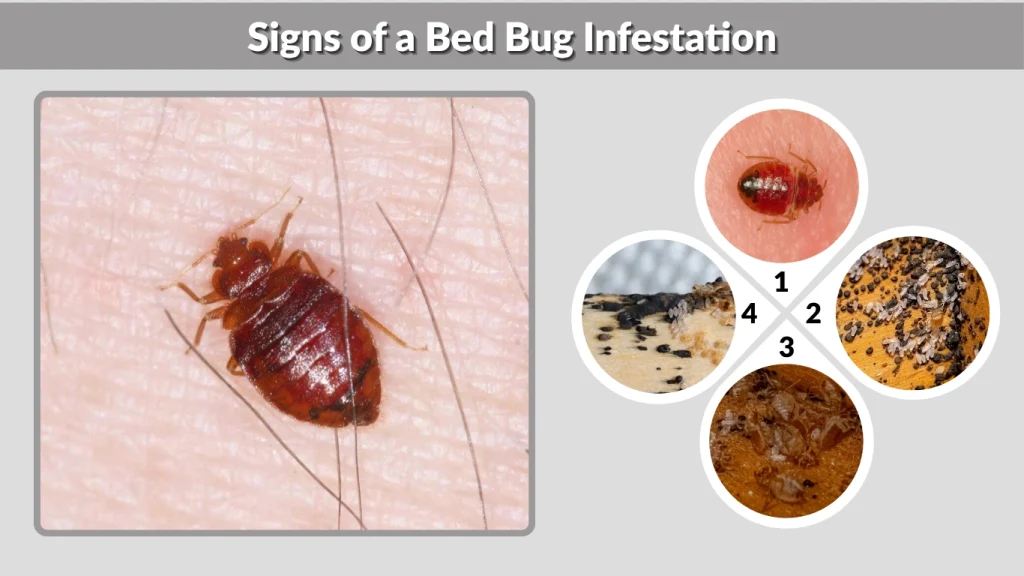
Before you start checking, it helps to know what to look for. Bed bugs leave behind several distinct signs, even if you don’t spot the insects themselves.
Visual Clues
- Live bugs: Small, oval, and reddish-brown; they become more swollen and darker after feeding.
- Eggs: Tiny, pearly-white, and oval-shaped (about the size of a pinhead).
- Shed skins: Translucent shells that look like empty bugs — signs of growing nymphs.
- Droppings: Tiny dark spots (similar to pepper flakes or ink dots) — dried blood.
- Blood stains: Rusty or reddish smears on sheets or pillowcases.
If you notice any combination of these clues, it’s time to conduct a thorough inspection.
Tools You’ll Need to Check for Bed Bugs
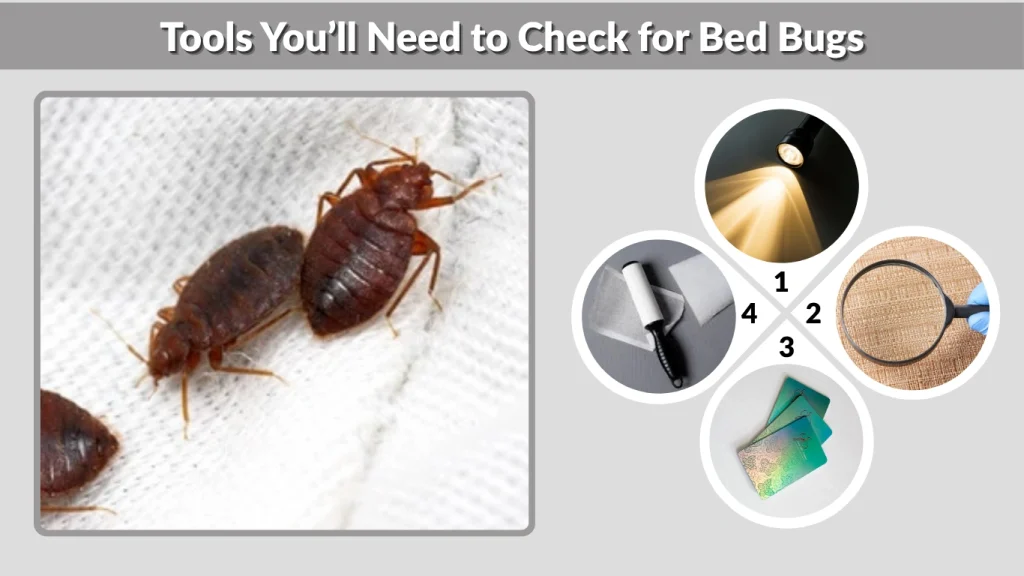
Before starting your inspection, gather a few basic tools to make your search easier and more effective:
- Flashlight: Essential for illuminating seams, cracks, and dark corners.
- Magnifying glass: Helps you spot small eggs or newly hatched nymphs.
- Credit card or scraper: Use to drag along seams and dislodge bugs from crevices.
- White paper towel or lint roller: To catch and see small black specks or bugs.
- Vacuum or ziplock bags: For collecting and isolating samples safely.
- Hair dryer (optional): Direct warm air into seams to flush out hiding insects.
Once you’re prepared, start with the most likely area — your bed.
How to Check Your Bed for Bed Bugs
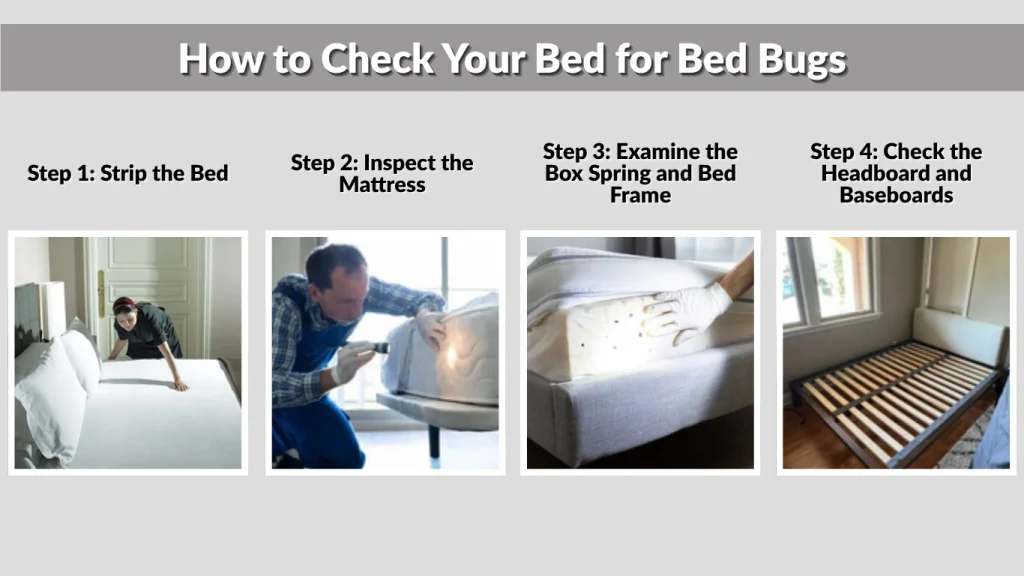
Your mattress and bed frame are the most common hiding spots for bed bugs since they prefer to stay close to their food source: you. Follow these steps carefully.
Step 1: Strip the Bed
Remove all sheets, blankets, pillowcases, and mattress covers. Shake them gently and place them in a sealed laundry bag. Check each item under bright light for small black or brown specks, tiny white eggs, or reddish stains.
If you spot any suspicious spots, wash and dry the bedding on high heat immediately (over 120°F or 49°C).
Step 2: Inspect the Mattress
- Focus on seams, corners, and piping around the mattress.
- Check under labels and zippers — these are common nesting spots.
- Look for dark droppings, white eggs, or reddish-brown bugs about the size of an apple seed.
- Don’t forget to flip the mattress and inspect the underside thoroughly.
A flashlight and magnifying glass are your best tools here. Bed bugs prefer to stay close to their host, so the highest concentration is usually within 2–3 feet of the bed.
Step 3: Examine the Box Spring and Bed Frame
Lift the mattress to inspect the box spring edges, staples, and fabric linings. If your bed frame is wooden, look closely at screw holes, joints, and cracks, where bed bugs can easily hide.
Use a credit card or small scraper to run along cracks and seams. If you notice black streaks or moving insects, that’s a clear sign of activity.
Step 4: Check the Headboard and Baseboards
Bed bugs often hide behind headboards, especially those attached to walls. Use a flashlight to illuminate gaps between the headboard and wall, as well as behind wall décor or picture frames.
Inspect baseboards, floor molding, and nearby electrical outlets too — these can serve as satellite hiding spots once the infestation spreads beyond the bed.
How to Check for Bed Bugs in Hotels or Airbnbs
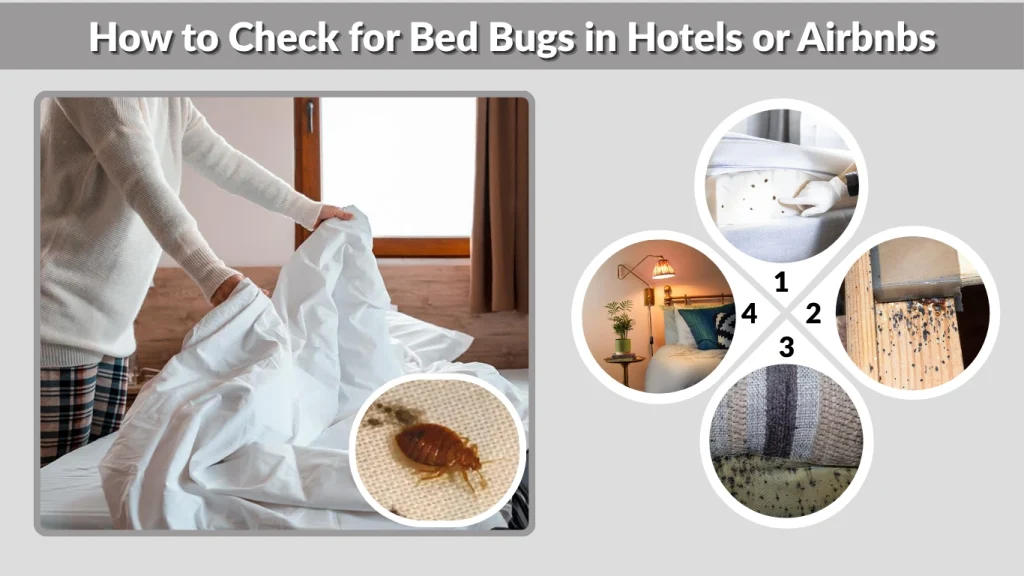
Travel is one of the most common ways bed bugs spread. They can hitchhike in your luggage, clothes, or personal items. Here’s how to inspect your hotel or Airbnb before settling in.
Before You Unpack
- Keep your luggage on a tile or metal surface (like the bathroom floor), not on the bed or carpet.
- Turn on all lights and open the curtains to improve visibility.
- Avoid placing clothes in drawers until you’ve inspected the room.
Step-by-Step Hotel Room Inspection
- Inspect the bed first. Pull back the sheets and check the mattress seams, tags, and corners using your flashlight.
- Check behind the headboard and under bedside tables — common hiding areas.
- Examine chairs, sofas, and curtains near the bed for tiny dark spots or eggs.
- Look at wall décor and lampshades close to sleeping areas.
- If you find anything suspicious, inform the hotel staff immediately and request another room far from the affected one.
If staying in an Airbnb, follow the same steps and inspect furniture thoroughly — especially couches and beds. Reading recent reviews for mentions of bed bugs before booking can also help you avoid infested properties.
How to Check for Bed Bugs in Furniture
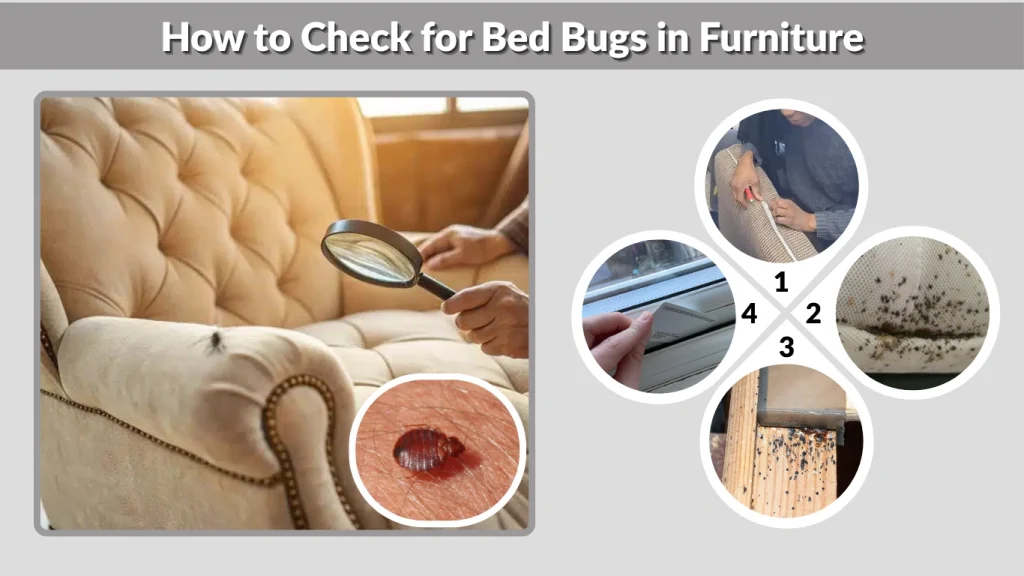
Couches and Chairs
Bed bugs can hide in sofas, recliners, and armchairs, particularly if they’re frequently used.
- Remove cushions and inspect seams, zippers, and folds with your flashlight.
- Check underneath and between seat cushions for shed skins or fecal spots.
- Shine a light into recliner mechanisms and wooden joints — they often hide in screw holes or frame cracks.
Wooden and Leather Furniture
Bed bugs are drawn to wood joints, drawer corners, and fabric linings.
- Use a credit card edge to check tight gaps.
- Inspect the underside of tables, nightstands, and bed frames.
- Leather furniture is less attractive to bed bugs, but they may still hide in stitching or under seams.
If you’ve purchased secondhand furniture, always inspect it outside or in a garage before bringing it into your home.
How to Check Clothes and Luggage for Bed Bugs
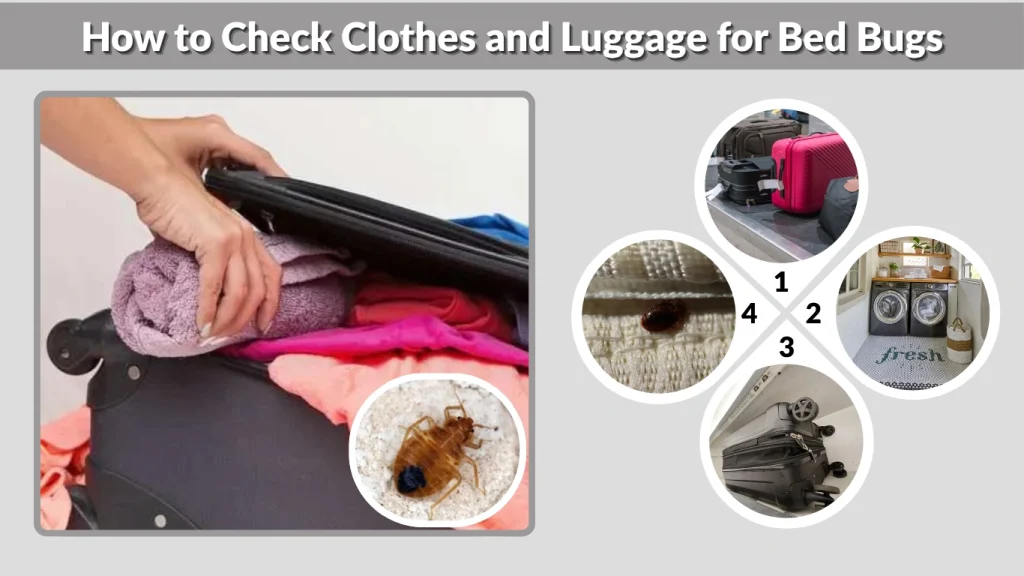
Traveling is one of the easiest ways to accidentally bring bed bugs home. They can crawl into suitcases, clothing folds, or shoes without being noticed. Checking your luggage and clothes after every trip is a crucial prevention step.
After Traveling
- Place luggage on a hard, light-colored surface (like tile or bathtub) for better visibility.
- Open your bags outdoors or in a laundry area rather than in your bedroom.
- Inspect the zippers, seams, and inner lining of the suitcase using a flashlight.
- Check pockets, straps, and hidden corners, as bed bugs like tight, dark areas.
Washing and Drying Clothes
- Wash all clothing — both clean and worn — in hot water (120°F / 49°C or higher).
- Dry on high heat for at least 30–45 minutes to kill any bugs or eggs.
- Vacuum and wipe down the inside of your suitcase before storing it.
- For added protection, store luggage in sealed plastic bags or containers when not in use.
This simple step can prevent infestations that often start after a vacation or business trip.
How to Check for Bed Bugs on Skin and Body
Do Bed Bugs Live on Humans?
Bed bugs do not live on the human body like lice or ticks — they only come out to feed and then retreat to hiding spots. However, you may notice small bites or welts that suggest their presence.
Checking for Bed Bug Bites
- Look for small, red, itchy welts appearing in rows or clusters.
- Bites usually appear on exposed areas such as arms, legs, neck, or back.
- Use a mirror to inspect areas that are hard to see, like your shoulders or lower back.
- Examine pajamas and bedding for tiny blood stains or dark dots, which can confirm active feeding.
If you suspect bites but can’t find bugs, perform a thorough inspection of your bed and furniture — they’re likely nearby.
How to Check for Bed Bugs in Your Home or Apartment
Bed bugs can spread quickly once they establish a foothold. Even if they started in your bedroom, they can travel to living rooms, hallways, or other apartments through cracks or shared walls.
Common Hiding Spots
- Behind baseboards, electrical outlets, and wallpaper seams.
- In carpet edges and curtain folds.
- Around window frames, picture frames, and light fixtures.
- Inside nightstands or drawers near the bed.
Use a flashlight to inspect these areas, focusing especially on places near where you sleep or sit.
Apartments and Rental Units
- Check shared walls and outlets if you live in a multi-unit building.
- Inform your landlord or property manager immediately if you find signs of infestation — they are often responsible for arranging pest control.
- Avoid moving to a new room or apartment until the problem is resolved, as this can spread the bugs further.
How to Check for Bed Bug Eggs and Droppings
Sometimes you won’t find live bed bugs but will see evidence they’ve been there. Recognizing their eggs, feces, and shed skins is key to confirming an early infestation.
Identifying Bed Bug Eggs
- Size: About 1 mm long — the size of a pinhead.
- Color: White to pearl-like; sometimes shiny under light.
- Shape: Oval and slightly elongated, often glued to surfaces.
- Location: Found in mattress seams, wood joints, and along fabric edges.
Identifying Droppings and Skins
- Feces: Small black or dark brown dots resembling pen ink or pepper flakes.
- Shed skins (exoskeletons): Transparent, shell-like casings shaped like smaller bugs.
- Blood stains: Rusty red or brown smears on sheets or pillowcases.
These are strong indicators of an active infestation, even if you can’t see the bugs themselves.
How to Check for Bed Bugs in Used Furniture or New Homes
Used or Secondhand Furniture
Secondhand items are a common way bed bugs spread into new spaces. Always inspect before bringing them inside.
- Use a flashlight to check under cushions, in seams, and along zippers.
- Look underneath and inside furniture frames, especially wooden joints or staples.
- Avoid buying upholstered furniture that looks stained or dusty unless it has been heat-treated or professionally cleaned.
Before Moving Into a New Apartment or Home
- Inspect baseboards, closets, and wall outlets before unpacking.
- Check mattresses, carpets, and curtains left behind by previous tenants.
- Use a flashlight and magnifying glass along wall seams and electrical outlets.
- Ask the landlord about previous infestations or treatments in the building.
Catching an infestation before you move in can save you enormous hassle and money later.
Using Tools to Help Detect Bed Bugs
Flashlight Method
Shine a flashlight slowly along mattress seams, cracks, and crevices. Move slowly; bed bugs may stay still to avoid detection.
In dark areas, their brownish-red bodies will contrast against light fabrics or wood.
Hair Dryer or Iron Method
Direct heat (around 120°F / 49°C) into seams and cracks using a hair dryer or low iron setting. Bed bugs can’t handle heat and will crawl out of hiding. Use caution to avoid burning fabric or surfaces.
Bed Bug Interceptors
Place interceptors under the legs of your bed or sofa. These small plastic traps catch bugs as they climb up or down, confirming their presence even when you can’t see them directly.
When to Call a Professional
When You Should Get Expert Help
- You’ve found multiple bugs or eggs despite cleaning.
- You continue getting new bites each night.
- DIY treatments aren’t working.
- The infestation has spread to multiple rooms or neighboring units.
What Professionals Do
- Use heat treatments, steam cleaning, or canine inspections to locate infestations.
- Offer targeted pesticide applications safe for residential use.
- Provide follow-up inspections to ensure all bugs and eggs are eliminated.
Cost of Professional Bed Bug Inspection
- Average cost: $75–$200, depending on home size and detection method.
- Some companies offer free inspections if you proceed with treatment.
Professional help is often the most effective and permanent solution, especially for large or hidden infestations.
FAQs
Can you see bed bugs with the naked eye?
Yes — adult bed bugs are about the size of an apple seed and visible under good lighting.
How often should I check for bed bugs?
Once a month at home, and every time you stay in a hotel or bring in secondhand furniture.
Can bed bugs live on my body or clothes?
No, they don’t live on skin. They hide in fabrics and only come out to feed.
What should I do if I find bed bugs in a hotel?
Take photos, alert management immediately, and request a new room far from the affected one.
Are bed bugs found in clean environments?
Yes — cleanliness doesn’t matter. They thrive wherever people and fabric surfaces exist.