
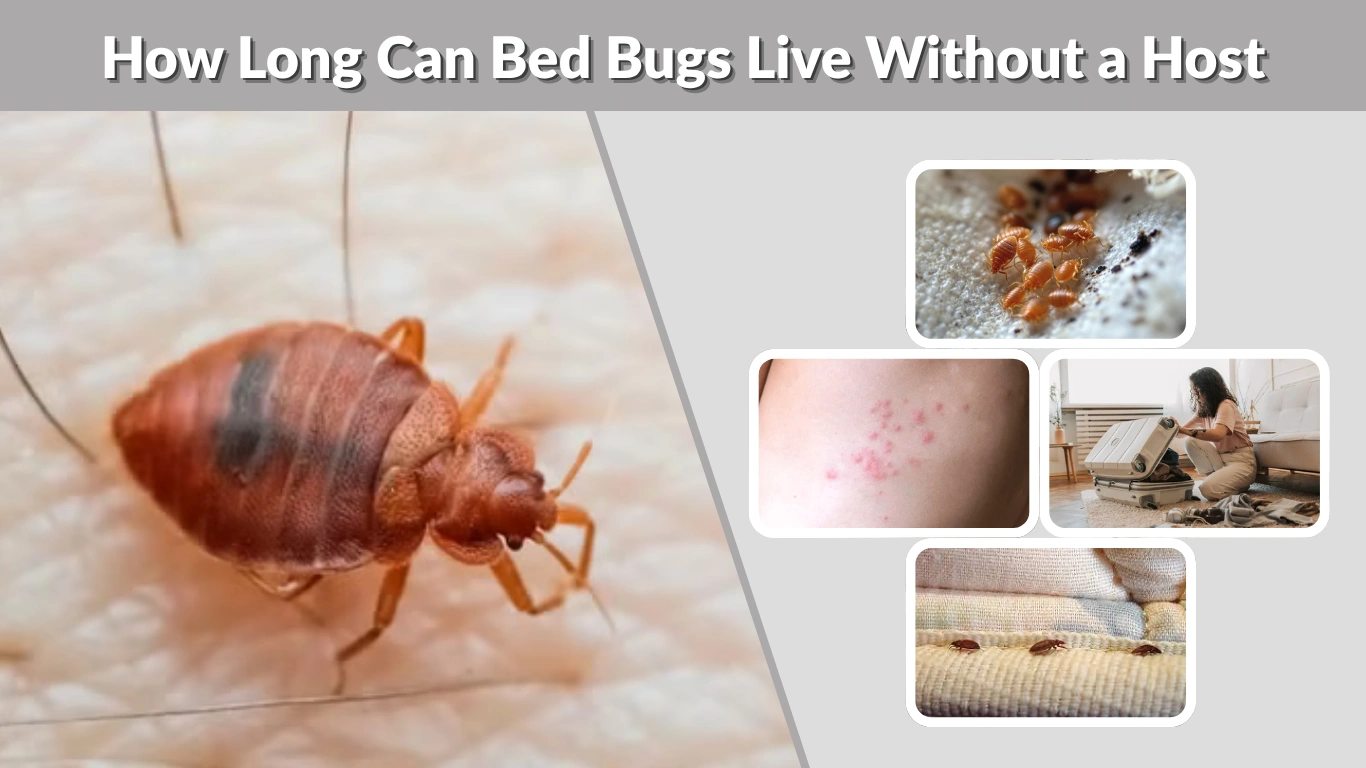
Bed bugs are small, blood-feeding insects that have become a significant concern in homes, hotels, and other places where humans or animals sleep. These pests can survive for weeks or even months without feeding, making infestations difficult to control. Understanding how long bed bugs can live without a host is essential for effective prevention and eradication. This article explores their lifespan, survival strategies, and factors that influence their ability to go without a blood meal.
How Long Can Bed Bugs Survive Without a Host?
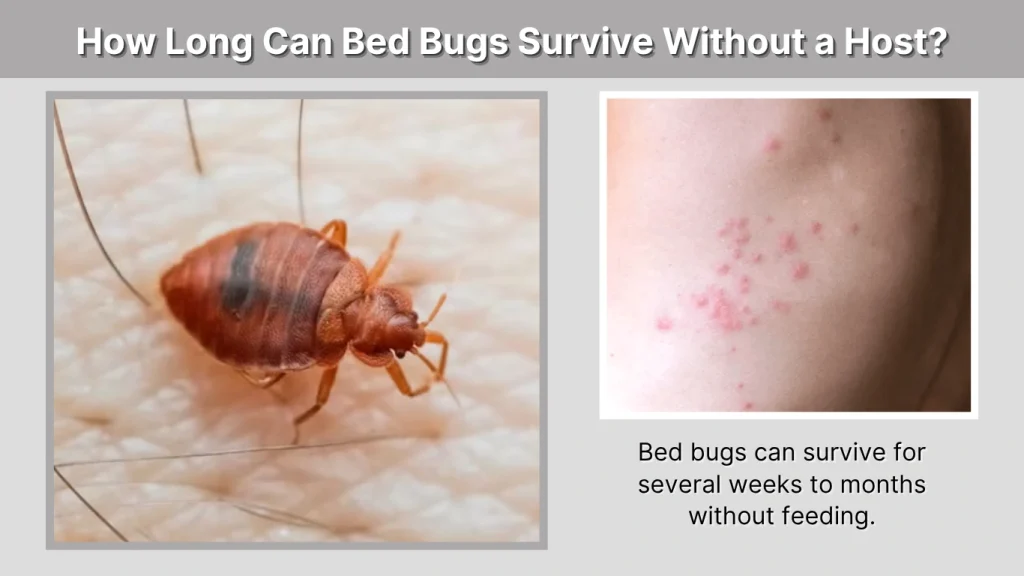
Bed bugs can survive for several weeks to months without feeding, depending on factors such as temperature, humidity, and life stage.
- Adults are more resilient than nymphs and can survive longer periods without blood.
- Nymphs (young bed bugs) need regular blood meals to grow and molt, so they have a shorter survival time without a host.
- In cooler environments, bed bugs can live longer because lower temperatures slow their metabolism, reducing the need for food.
- In warmer conditions, they may die sooner without a blood meal due to increased metabolic activity.
While they are extremely resilient, bed bugs cannot survive indefinitely without a host. Most adults can endure 2 to 6 months in temperate indoor conditions, but extreme starvation or harsh environmental conditions will eventually lead to death.
Factors Affecting Bed Bug Survival Without a Host
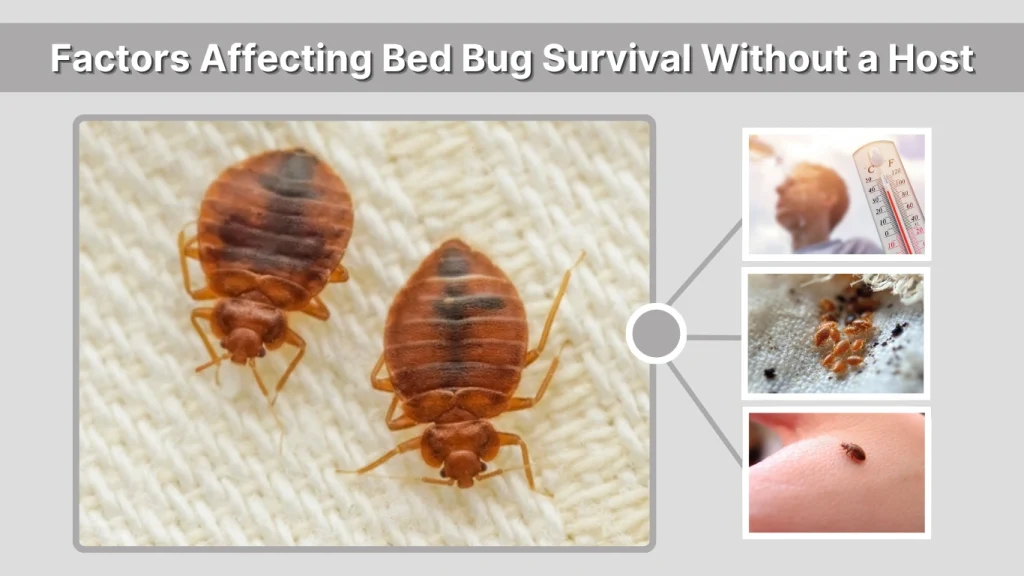
Several key factors determine how long bed bugs can survive without feeding:
- Temperature: Cold slows metabolism, extending survival. Extreme heat can kill them quickly.
- Humidity: Low humidity increases the risk of dehydration, reducing lifespan.
- Life stage: Adults survive longer than nymphs, who require frequent blood meals for growth.
- Previous feeding: Well-fed bed bugs can go longer without a host compared to recently molted or unfed ones.
- Shelter availability: Cracks, mattresses, furniture, and clutter provide protection and prolong survival.
By understanding these factors, homeowners and pest control professionals can predict how long bed bugs may persist in an empty house or unoccupied room, and plan treatment strategies accordingly.
Bed Bug Behavior When a Host is Absent
When a host is not present, bed bugs exhibit survival strategies to conserve energy and locate new sources of blood.
Searching for a Host
Bed bugs are guided by body heat, carbon dioxide, and scent, actively seeking humans or animals to feed on. Even without a host, they remain alert and may travel short distances to find one, hiding in cracks, furniture seams, and behind baseboards during the day.
Dormancy and Metabolic Slowdown
Without a blood meal, bed bugs can enter a semi-dormant state. In this state, their metabolism slows significantly, reducing the need for energy and allowing them to survive longer periods without feeding. Dormancy is especially pronounced in cooler temperatures, which can extend their survival to several months.
Risk of Starvation and Death
Despite their resilience, bed bugs eventually die if they cannot access a host. Nymphs, which need frequent blood meals to molt and grow, usually perish within a few weeks to a month without feeding. Adults may last several months, but their eventual starvation is inevitable without a host.
Bed Bug Survival in Different Environments
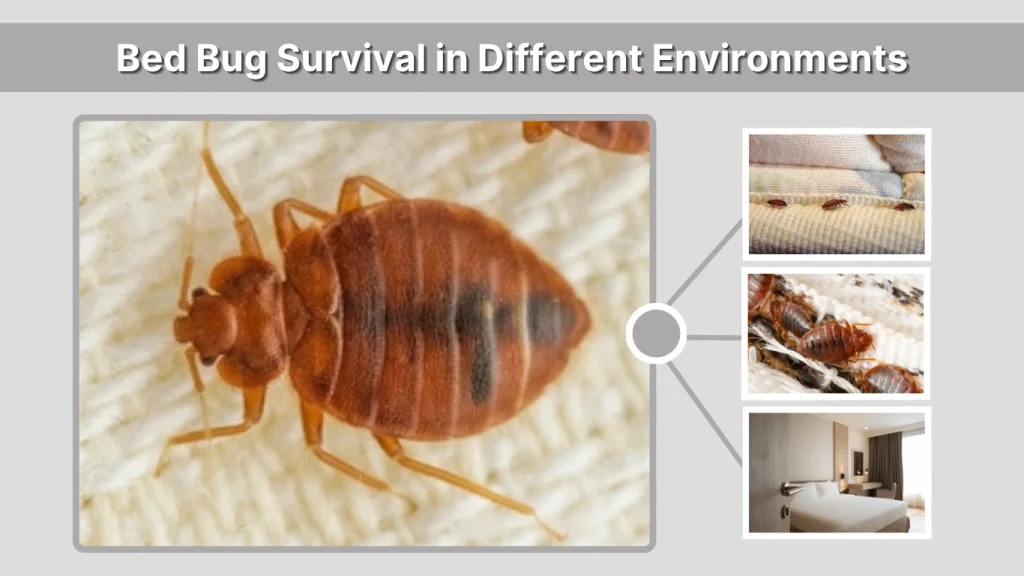
The survival time of bed bugs without a host is heavily influenced by their environment:
- Furniture and mattresses: These provide hiding spots and shelter, allowing bed bugs to survive longer.
- Carpets and cracks: Small crevices shield bed bugs from predators and environmental extremes.
- Unoccupied homes or hotel rooms: Bed bugs can remain hidden and dormant for months, waiting for new hosts.
- Environmental conditions: Temperature and humidity affect survival; cooler, slightly humid areas increase lifespan, while extreme dryness or heat shortens it.
Understanding these conditions helps explain why bed bugs can persist even in homes left vacant for weeks or months.
Tips to Prevent Bed Bug Infestation
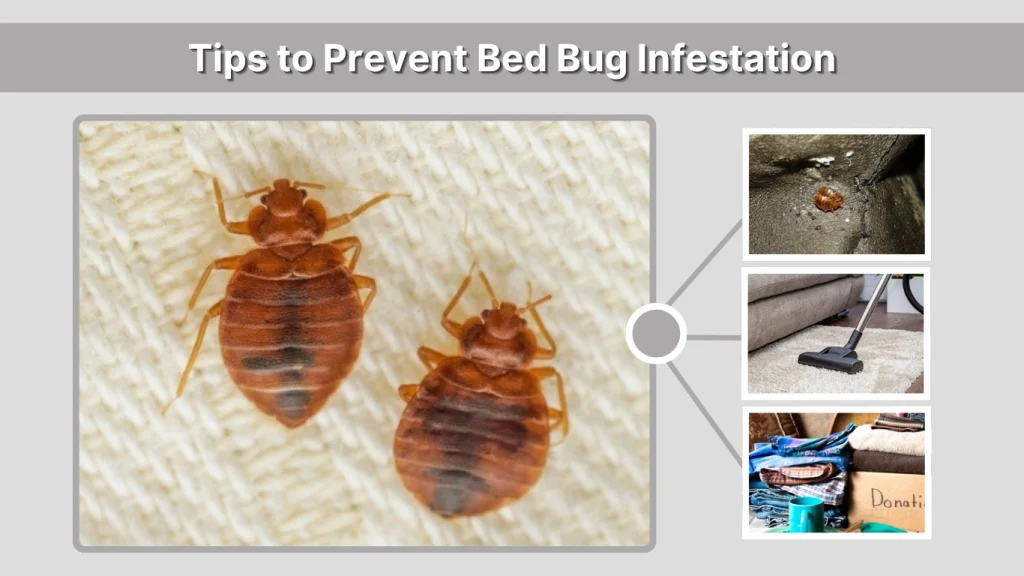
Preventing bed bugs is easier than treating an established infestation. Key strategies include:
- Inspect used furniture: Check for bugs or eggs before bringing items home.
- Regular cleaning: Vacuum carpets, mattresses, and furniture frequently.
- Reduce clutter: Minimize hiding spots where bed bugs can shelter.
- Use protective covers: Mattress and box spring encasements reduce hiding places.
- Professional pest control: Seek expert help for severe infestations or persistent problems.
These measures are especially important when traveling, moving into new residences, or buying second-hand furniture.
Signs Bed Bugs Are Present Even Without a Host
Even in the absence of a host, bed bugs leave visible signs that can help identify their presence:
- Bites: Red, itchy welts appear when humans return to a previously unoccupied room.
- Fecal stains: Small dark spots on mattresses, sheets, or furniture.
- Shed skins and eggs: Tiny translucent skins and whitish eggs in cracks and seams.
- Musty odor: Large infestations produce a sweet, musty scent from bed bug glands.
Recognizing these signs early helps prevent larger infestations and enables timely treatment.
How to Eliminate Bed Bugs
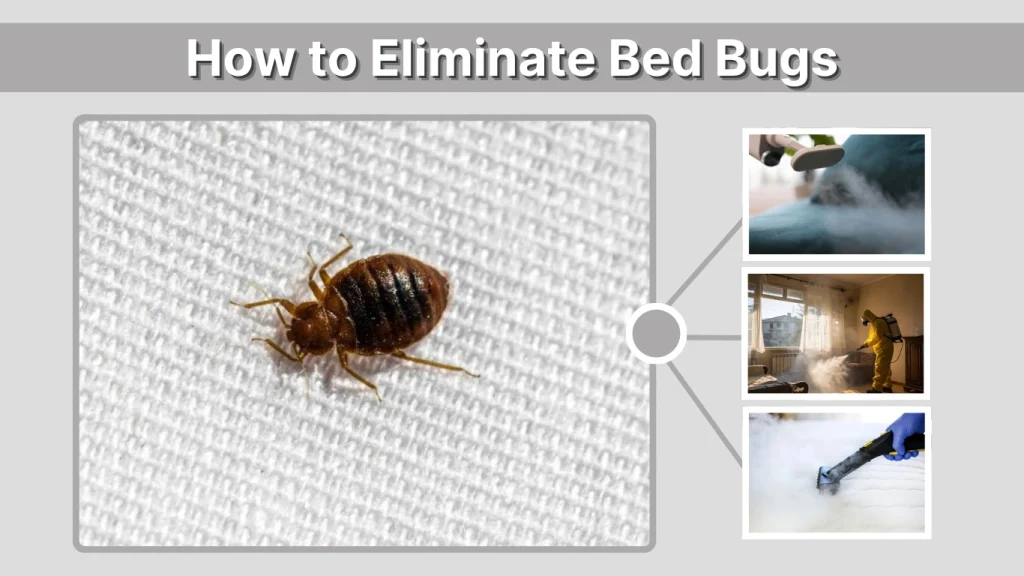
Professional Treatments
- Heat treatment: High temperatures kill all life stages of bed bugs.
- Chemical sprays and fumigation: Targeted treatments by licensed pest control professionals.
- Integrated Pest Management (IPM): Combining sanitation, chemical, and physical strategies.
Home Remedies and Precautions
- Steam cleaning: Kills bed bugs on mattresses, furniture, and carpets.
- Vacuuming: Removes visible bugs and eggs; dispose of vacuum contents immediately.
- Freezing infested items: Items exposed to below-freezing temperatures for several days can eliminate bed bugs.
Persistence is key: bed bugs are resilient, and repeated treatments are often necessary to fully eradicate them.
FAQs
How long can adult bed bugs survive without a blood meal?
Adult bed bugs can survive 2 to 6 months without feeding, depending on temperature and shelter. Cooler conditions slow metabolism, extending survival.
Do nymph bed bugs survive as long as adults without feeding?
No. Nymphs require frequent blood meals to molt and grow, so they typically survive a few weeks to a month without a host.
Can bed bugs survive extreme temperatures without a host?
Bed bugs can endure cooler temperatures for months, but extreme heat or cold beyond their tolerance will quickly kill them.
Will a house remain infested if no humans are present for weeks?
Yes. Bed bugs can stay hidden in furniture, cracks, and mattresses for months, waiting for a host to return.
How can I prevent bed bugs from returning after leaving my home empty?
Regular inspections, reducing clutter, vacuuming, and using mattress encasements help prevent infestations. Professional pest control may be required for persistent issues.
