
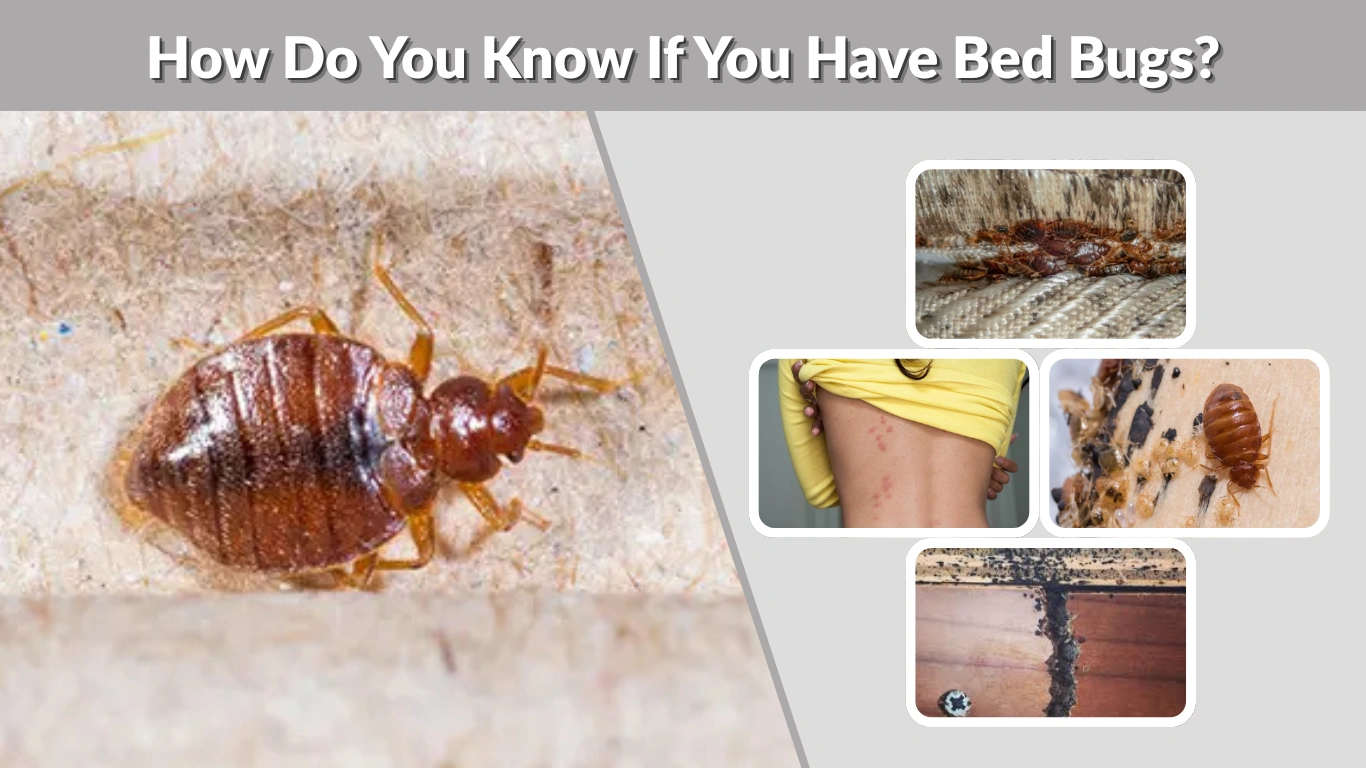
Bed bugs are one of the most frustrating pests to discover in a home. They hide extremely well, reproduce quickly, and feed at night when people are asleep—making early detection difficult. Most homeowners don’t realize they have bed bugs until the infestation has already begun to spread. Understanding the early warning signs can help you catch the problem before it becomes severe. This guide explains what bed bugs look like, how to identify their bites, and the clear signs that they’re living in your home.
Understanding Bed Bugs Before Identifying Them
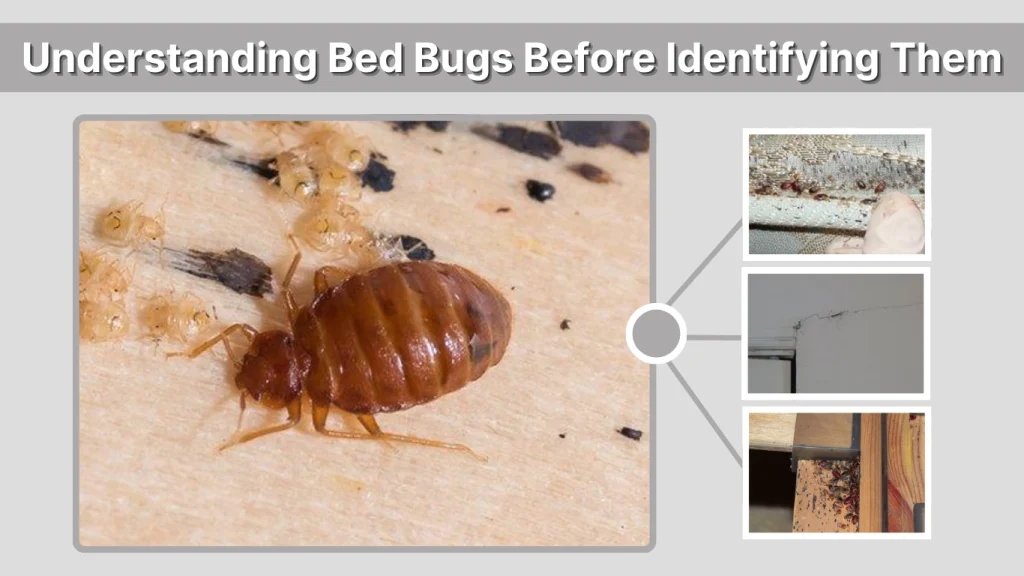
Before learning how to spot them, it’s important to understand how bed bugs behave and why they hide so well. This makes recognizing their presence much easier.
What Bed Bugs Look Like
Bed bugs are small, oval-shaped insects typically about the size of an apple seed. Adults are reddish-brown, flat, and wingless. After feeding, their bodies swell and turn a darker red. Younger bed bugs, called nymphs, are smaller and lighter in color—often almost translucent. Their tiny size allows them to slip into extremely tight spaces such as mattress seams, bed frames, and cracks in furniture.
How Bed Bugs Behave and Feed
Bed bugs are nocturnal feeders. They wait for people to fall asleep and then emerge to feed on exposed skin. They sense carbon dioxide and body heat, which guides them to sleeping humans. Because they feed quickly—usually within 5–10 minutes—many people don’t feel the bite happening.
Why They Are Difficult to Detect Early
Bed bugs hide during the day and only come out at night. They can easily conceal themselves in:
- Mattress seams
- Wall cracks
- Headboards
- Upholstered furniture
- Clothing and luggage
Because they reproduce rapidly and hide in groups, even a small number of bugs can quickly grow into a larger infestation before you realize something is wrong.
Early Signs You Might Have Bed Bugs
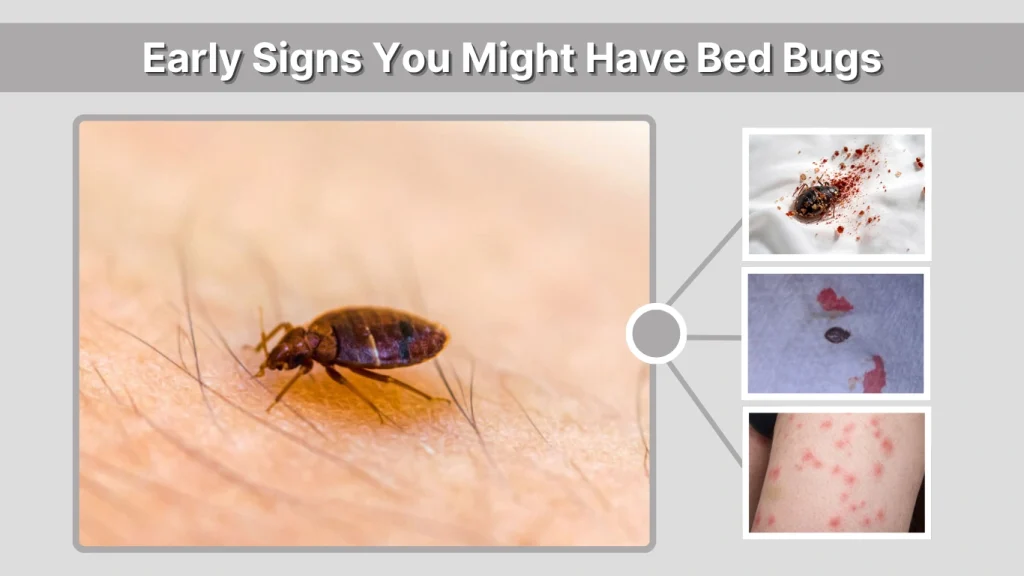
Recognizing early signs is the key to stopping the infestation before it spreads throughout the house.
Small Blood Stains on Sheets or Pillowcases
One of the most common early signs is tiny rust-colored blood spots. These can occur when:
- You accidentally crush a feeding bed bug
- A bed bug is full and leaks a small amount of blood
- A bite mark bleeds slightly afterward
These stains are often found near the edges or corners of your mattress.
Tiny Dark Specks (Fecal Stains)
Bed bug feces look like:
- Small black dots
- Pen-ink marks
- Pin-sized stains
They are normally found along mattress seams, on bed frames, and behind headboards. These stains often smear when touched with a moist cloth.
Light Brown Shed Skins on the Mattress
As bed bugs grow, they shed their exoskeletons. These shed skins are:
- Light brown or yellowish
- Paper-thin
- Found near hiding spots
Seeing multiple shed skins is a strong indicator of an active infestation.
A Musty, Sweet Odor in Severe Cases
In larger infestations, bed bugs release a pheromone that creates a distinct odor. People describe it as:
- Musty
- Sweet
- Similar to wet towels
- Slightly almond-like
This smell is not usually noticeable in small infestations but becomes obvious as the population grows.
How to Know If You Have Bed Bug Bites
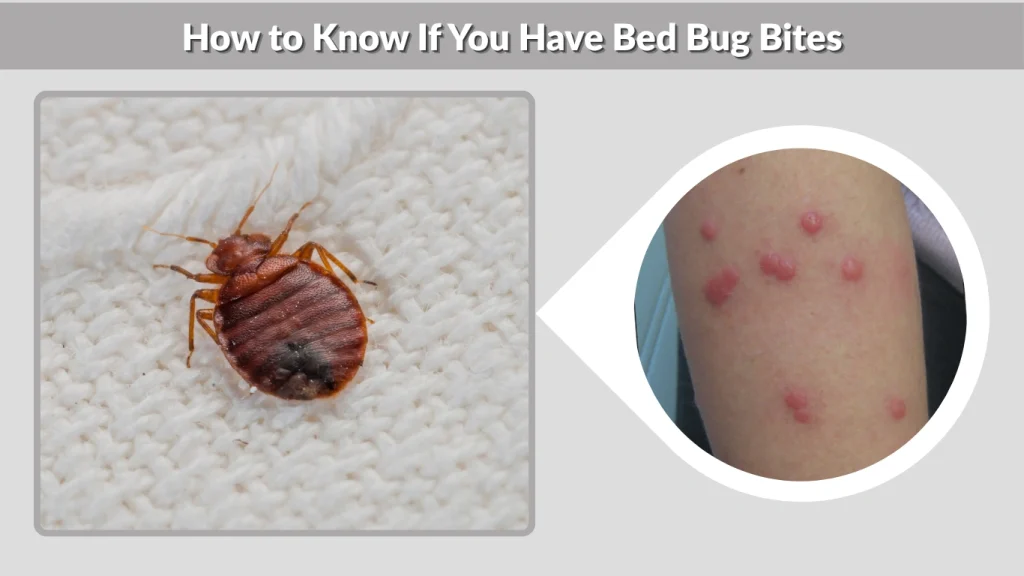
Many people first suspect bed bugs when they notice itchy bumps on their skin. However, identifying whether the bites are actually from bed bugs requires understanding their characteristics.
What Bed Bug Bites Look Like
Bed bug bites typically appear as:
- Red, swollen welts
- Small itchy bumps
- Clusters or zigzag lines
- Groups of 2–5 bites close together
This pattern is often called the “breakfast, lunch, dinner” pattern.
How Bed Bug Bites Feel
Common symptoms include:
- Itching
- Mild swelling
- Burning or irritation
- Delayed reaction (sometimes 24–48 hours after the bite)
Some people have no reaction at all, which allows infestations to go unnoticed.
Bed Bug Bites vs Flea, Mosquito & Allergy Bites
Bed bug bites are often misidentified. Key differences include:
- Fleas: usually bite ankles and leave red centers
- Mosquitoes: isolated bumps, larger and softer
- Allergies: usually spread randomly, not in clusters
Bed bug bites tend to follow a pattern and often appear in areas exposed while sleeping such as arms, shoulders, neck, and legs.
How Long After a Bite Symptoms Show
Reactions vary:
- Some people react immediately
- Others show symptoms within 24–48 hours
- A few may not react at all
This delay often makes it confusing to pinpoint the source of the bites.
Physical Evidence on the Bed and Furniture
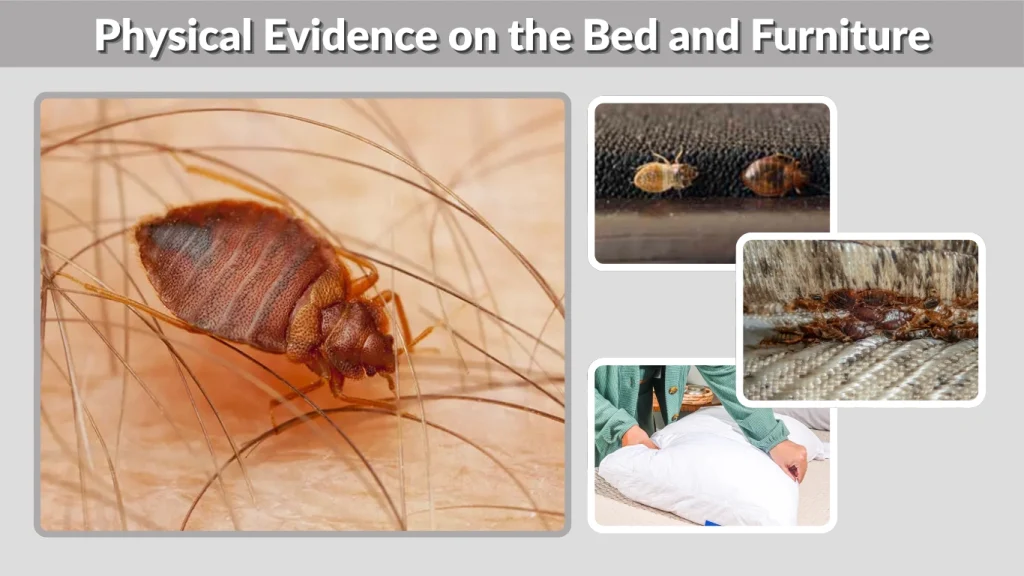
Beyond bites, physical evidence provides the clearest confirmation of a bed bug problem. These signs often appear before you even see a live bug.
Live Bed Bugs (Adults & Nymphs)
Seeing a live bed bug is the most definite sign of infestation. Bed bugs hide during daylight, but you may spot them:
- Crawling on the mattress after midnight
- Moving along the headboard
- Scurrying away when you lift sheets or move pillows
Nymphs are tiny and pale, making them harder to identify, but their fast movement often gives them away.
Eggs and Eggshells in Seams & Crevices
Bed bug eggs are very small—about the size of a grain of salt—and pearly white. They are usually clustered in hidden areas such as:
- Mattress seams
- Box spring frames
- Cracks in the bed frame
- Behind headboards
Eggshells remain after hatching and often accumulate in these same areas, signaling active reproduction.
Blood Smears from Crushed Bugs
Bed bugs that are accidentally squished during sleep leave behind faint red smears. These marks are typically found:
- Near pillow edges
- Along sheet folds
- At the foot of the bed
A pattern of repeated smears strongly indicates frequent feeding.
Tiny Sheds in Mattress Seams & Bed Frame Cracks
Shed skins from growing bed bugs often collect in:
- Mattress tags
- Box spring crevices
- Upholstered buttons
Finding multiple shed skins means the infestation has already progressed.
Where Bed Bugs Hide in Your Home
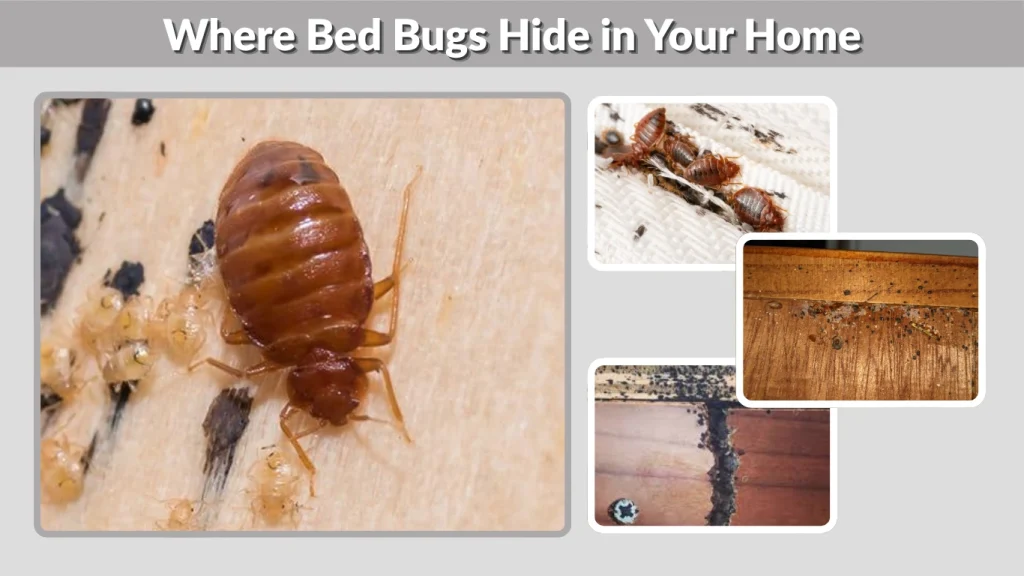
Bed bugs spread beyond the bed faster than most people expect. Understanding their hiding habits helps you locate them early.
Mattress Seams, Box Springs & Headboards
These areas are their primary hideouts because they’re close to sleeping humans. Bed bugs wedge tightly into:
- Tufts
- Piping
- Stitch lines
- Fabric folds
Lifting the mattress slowly and shining a flashlight can reveal movement.
Cracks in Wooden Furniture
Bed bugs squeeze into the smallest gaps in:
- Nightstands
- Dressers
- Bed frames
- Shelving units
Loose joints or cracks in wood are perfect hiding spots.
Behind Baseboards, Wall Sockets & Loose Wallpaper
As infestations grow, bed bugs spread to:
- Wall voids
- Electrical outlets
- Behind peeling wallpaper
- Under baseboards
Seeing bugs in these areas means the infestation is more advanced.
Clothing, Luggage & Soft Furniture
Bed bugs also hide in:
- Piles of clothes
- Suitcases
- Curtains
- Sofas and recliners
Travelers often unknowingly bring bed bugs home inside luggage, which is one of the most common sources of new infestations.
How to Know If You Have a Bed Bug Infestation
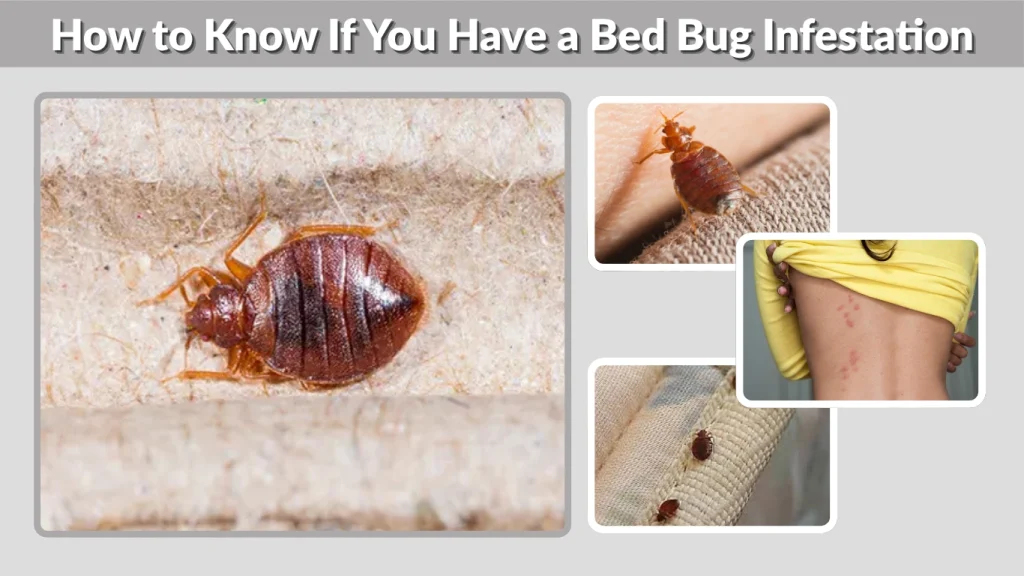
To determine whether you’re dealing with a minor issue or a full infestation, pay attention to these indicators.
Frequency of Sightings
Seeing even one bed bug per week is a strong sign that more are hiding nearby. Bed bugs rarely travel alone.
Bites Increasing Over Time
A growing number of bites, especially on consecutive nights, suggests the infestation is spreading.
Bugs Appearing in Multiple Rooms
When bed bugs move beyond the bedroom into sofas, chairs, or other sleeping areas, the infestation has expanded.
Increased Odor and Shed Skins
A noticeable musty smell combined with multiple shed skins or fecal marks confirms active colonization.
Nymphs and Eggs Indicating Reproduction
Finding nymphs (tiny, translucent bugs) or clusters of eggs means the infestation is breeding—and requires immediate intervention.
How to Know If Bed Bugs Have Spread
Signs Outside the Bedroom
You may find signs in:
- Living room furniture
- Carpet edges
- Children’s beds
- Office chairs
Any signs outside the main sleeping area indicate spread.
Bites Occurring Outside Sleep Areas
If you notice bites after sitting on a couch or chair, bed bugs may be spreading throughout the home.
Bugs Found on Clothing or Bags
Bed bugs in laundry piles or handbags suggest movement between rooms.
How to Know If Bed Bugs Have Laid Eggs
What Bed Bug Eggs Look Like
Eggs are:
- 1 mm long
- White or translucent
- Sticky and cluster together
They’re often compared to tiny grains of rice.
Typical Egg Locations
Bed bugs lay eggs in hidden, protected areas:
- Seams of the mattress
- Cracks in the bed frame
- Behind headboards
- Inside box springs
- Along carpet edges
How Quickly Eggs Hatch and Spread
Eggs hatch in 6–10 days. Because females lay 1–7 eggs per day, a small problem can become a major infestation within weeks if not treated.
How Soon You Can Tell If You Have Bed Bugs
First 24–48 Hours After Bites
Initial signs may include itchy bumps or minor blood spots. However, bites alone aren’t enough for a firm diagnosis.
First Week — Signs Become Clearer
Within a week, you may notice:
- New bites
- Shed skins
- Fecal marks
- Early odor
- Small nymphs
This is when most people realize something is wrong.
When a Professional Inspection Is Necessary
If you find eggs, multiple nymphs, or bugs in several rooms, it’s time to call a licensed exterminator.
FAQs
What are the first signs that you have bed bugs?
The earliest signs include small blood spots on sheets, tiny black fecal dots along mattress seams, light brown shed skins, and occasional itchy bite clusters. You may also notice live bugs hiding in folds, corners, or cracks. Early detection usually starts with small stains or bites that appear overnight.
How do you know if the bites are from bed bugs?
Bed bug bites often appear in clusters or lines, usually on areas exposed during sleep—arms, shoulders, neck, and legs. They are small, red, itchy welts that may appear hours or even days after feeding. Unlike mosquito bites, bed bug bites usually follow a pattern and occur repeatedly overnight.
Where do bed bugs hide if you can’t see them?
Bed bugs hide in tight, dark spaces close to sleeping areas. Common hiding spots include mattress seams, box springs, bed frames, headboards, behind baseboards, inside wall cracks, under loose wallpaper, and in upholstered furniture. They are experts at squeezing into tiny gaps, making them hard to see during the day.
How can you tell if bed bugs have spread to other rooms?
Bites occurring in rooms other than the bedroom, fecal spots on furniture, shed skins on sofas, and sightings of live bugs in carpets or chairs indicate spread. If you notice signs on couches, curtains, or clothing, the infestation has likely moved beyond the bed area and needs urgent attention.
When should you call a professional for bed bugs?
Call a professional if you find multiple signs such as eggs, shed skins, clusters of bites, or bugs appearing in more than one room. DIY methods rarely eliminate larger infestations. If you see nymphs or eggs, or the odor becomes noticeable, professional treatment is essential to stop rapid reproduction.
